
Visitors to my site often ask what their clock is worth. Occasionally, someone has a very unique clock that is difficult to value, but more often, the clock they believe is valuable turns out to be very common and worth little or nothing, even though it may be 100+ years old. As we often say in the clock world, old is not gold. So, what can we expect in 2026?
Given that antique clock prices have been falling for several years, largely due to the sheer number of clocks now available on online marketplaces, it’s reasonable to ask whether values will ever rise again. For many common antique clocks, prices have softened because supply far exceeds demand.
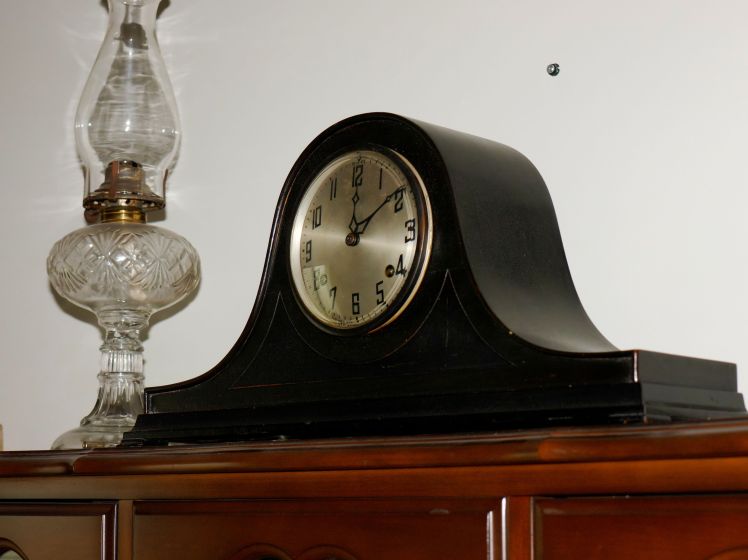
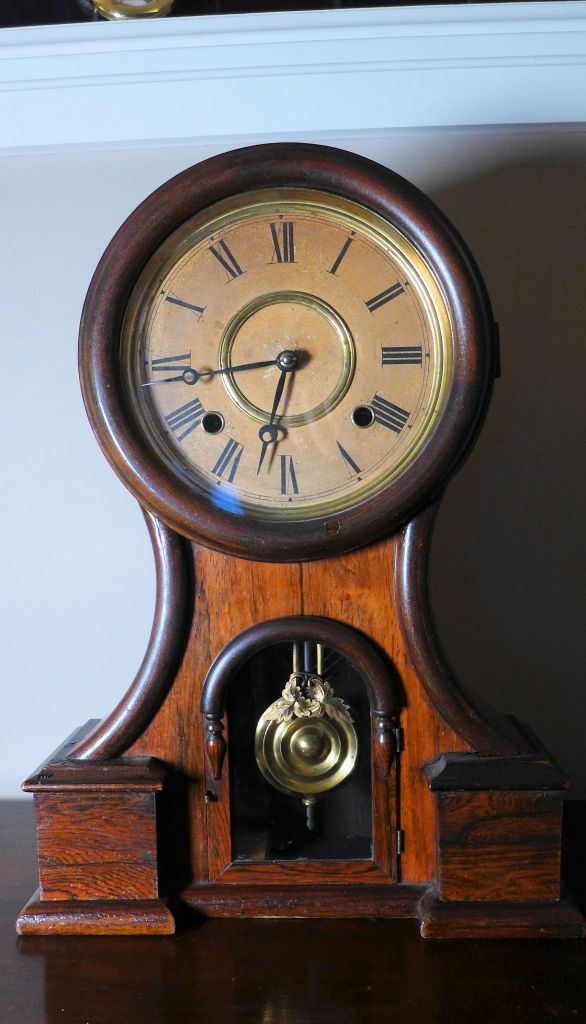
Mass-produced mantel and wall clocks are easy to compare online, buyers are cautious about restoration costs, and fewer people today collect mechanical clocks purely for decorative reasons. These factors combine to keep prices flat or drifting downward for ordinary examples.
That said, a price recovery is not impossible, even outside the realm of extremely rare clocks. There is a growing appreciation for mechanical craftsmanship in an increasingly digital world, and some younger collectors are discovering antique clocks through social media, blogs, and restoration content. There might even be a renewed interest within the senior community, albeit a very small minority. In fact, late last year, I received an email from an 84-year-old gentleman who was beginning his first foray into the antique clock world. He is to be applauded.
At the same time, genuinely well-preserved, original clocks are becoming scarcer as time, poor repairs, and neglect take their toll. As the supply of high-quality, honest examples shrinks, those clocks may begin to command stronger prices, particularly when they combine good condition, appealing design, solid provenance, and a short production run.
Countering this, though, are some practical realities that make big price increases unlikely. Online listings make it easy to compare prices, which keeps values competitive, and the cost of proper restoration often far exceeds what a clock might bring on resale.
Antique clocks are also very much a niche collectible, not a mainstream investment like fine art or classic cars, so demand is limited, and price movements tend to be slow and uneven. That said—and as I’ve mentioned more than once—clock collecting was never really about resale value anyway. For most of us, it’s about the enjoyment of the clocks themselves: the craftsmanship, the history, and the satisfaction of keeping these old machines running.
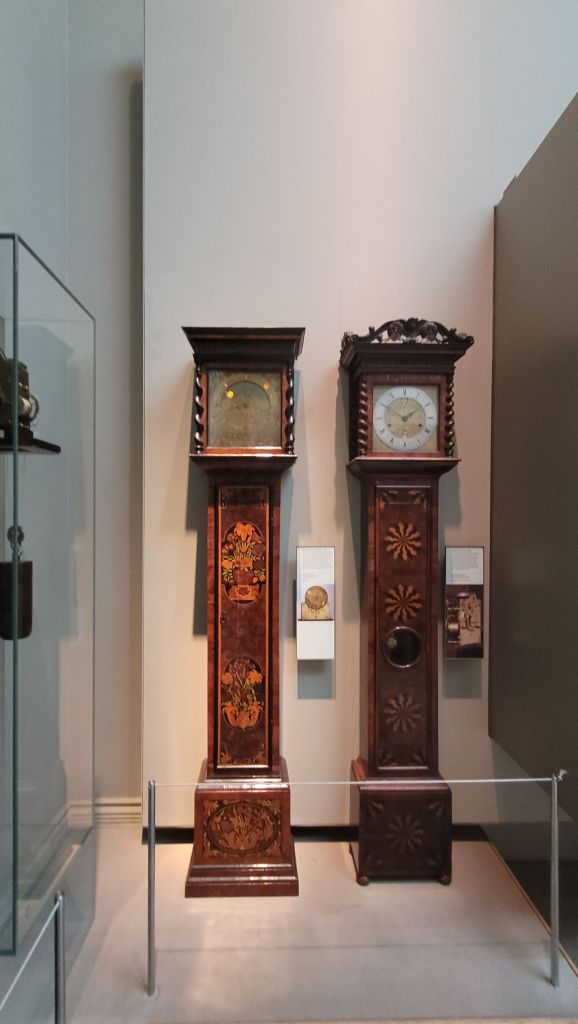
In practical terms, the market now appears stratified. Common clocks are likely to remain stable or continue modest declines, while better-quality, interesting, or especially original clocks have a stronger chance of holding value and possibly appreciating over time. In short, while the era of broad, across-the-board price increases is probably over, there is still room for value growth in terms of quality, condition, and authenticity.
For simplicity, it helps to separate the market into tiers:
Tier 1 — Common Clocks
- Mass-produced mantle and wall clocks with large production numbers, which are likely to remain stable or slowly decline in value unless broader interest grows.
Tier 2 — Above-Average Quality or Interesting Design
- Good makers, unusual styles, attractive dials that have a better chance of holding value, and possibly modest increases if collector interest grows.
Tier 3 — Rare or Highly Desirable Clocks
- These already have their own value dynamics and typically rise.
In summary, while the broad market for antique clocks has softened and is unlikely to see dramatic price increases in 2026 and beyond, there is still potential for well-made, original, and interesting examples to hold their value or appreciate modestly over time.
Oversupply, online price transparency, and high restoration costs continue to limit widespread gains, especially for common clocks. Ultimately, however, clock collecting is driven by an appreciation for craftsmanship, history, and the simple pleasure of preserving and enjoying these remarkable mechanical objects.
For auditory learners, a video version of this blog article is available.
Discover more from Antique and Vintage Mechanical Clocks
Subscribe to get the latest posts sent to your email.
 Antique and Vintage Mechanical Clocks
Well done! I think everything you said holds true for many collectibles …as you know I come from large families and the younger generations, are not interested, don’t value and don’t have space for parents, grandparents and gre
LikeLike
It is sad that one spends years collecting things, and little of it is appreciated unless it is valued by someone in the family with similar interests.
LikeLike