
If you’re a collector of any kind, you’ll relate to what I have to say in this blog article. In the early years of collecting anything, many of us follow a very familiar path. We begin with breadth rather than depth, acquiring whatever speaks to us, and for me, it was mantel clocks, shelf clocks, kitchen clocks, the occasional novelty piece, and just about anything that ticked.
One of the enduring truths about horology is that a clock collection, much like anyone who collects, is never static. It ebbs and flows, expands and contracts, and evolves in quiet harmony with the collector’s own journey. Over time, clocks are added, sold off, traded, gifted, or, when age and wear have had their final say, parted out or retired completely. In this way, a clock collection behaves much like the history of clockmaking itself—constantly in motion, shaped by shifting tastes, new discoveries, and changing priorities.
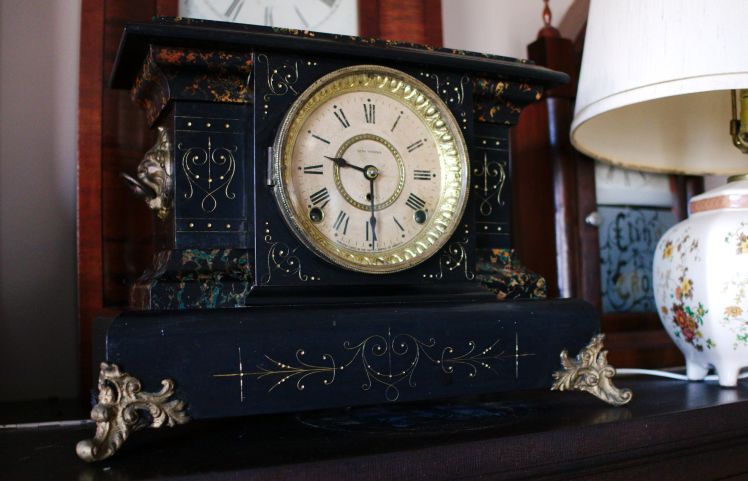
But as time passes, so too do our personal preferences. For me, the evolution has been gradual. I now own far fewer mantel and shelf clocks than I once did. Instead, my interests have gravitated toward wall clocks—regulators, Vienna-style pieces, and distinctive works by specific makers, especially those connected to Canada’s own horological heritage. Collectors often narrow their focus as their knowledge grows. It is a natural growth.
Even recently, the changing nature of a collection becomes clear in unexpected ways. Just the other day, a clock enthusiast emailed me asking if I could measure the glass door bezel of a clock for a replacement piece of glass. Unfortunately, I couldn’t help because I had parted with that clock four or five years ago, even though I had written about it several times in blog posts. It was a reminder that clocks, like memories, pass through our lives and collections, leaving traces of their stories even after they’ve moved on.

This change is partly driven by experience. After handling clocks from different eras, regions, and makers—from the mass-produced American clocks of the early 1900s to the quieter Canadian ventures of the early 20th century—we start to notice subtleties: the quality of the movement, the style of the escapement, the character of the case. Some clocks speak to us in a lasting way; others pass through our hands like chapters in a book we enjoyed but will never reread.
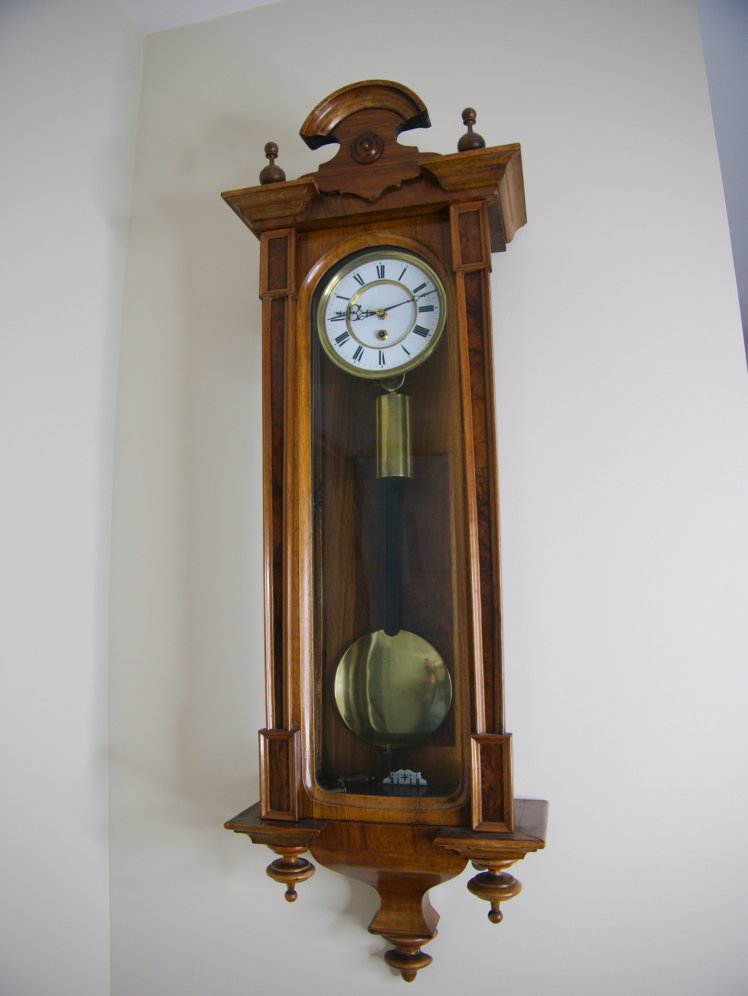
Practical considerations echo historical realities as well. Just as factories once adapted production methods to suit changing markets, collectors adapt to the constraints of space and lifestyle. Mantel and shelf clocks take up real estate. Wall clocks—particularly regulators and finer makers’ pieces—offer presence without clutter. The shift is natural, almost inevitable.
And then there is the human side of collecting. Some clocks are sold to fund the next important acquisition, just as workshops once sold older stock to invest in improved machinery. Some are gifted to friends or family, continuing a tradition of passing clocks from one generation to the next. A few, too worn or incomplete to justify further effort, end their journey—much as many historical clocks did when changing technology made them obsolete.

A living collection tells a story. A static one may be beautiful, but a changing collection reflects the realities of horology—shaped by new finds, practical decisions, sentimental choices, and the gradual shift of personal taste. A changing collection also keeps me enthused and energized.
In the end, our collections evolve as we do. They follow the contours of our interests, the limits of our space, and the discoveries that excite us. Change is constant—each adjustment bringing us closer to the clocks that truly matter to us, those that will remain as markers on our own timeline.
Discover more from Antique and Vintage Mechanical Clocks
Subscribe to get the latest posts sent to your email.
 Antique and Vintage Mechanical Clocks
One thought on “A Clock Collection in Motion | The Dynamic Nature of Clock Collecting”