Every clock owner wants to know what their clock is worth, and every seller hopes to sell for as much as possible. This guide offers a framework to evaluate antique and vintage clocks for both buyers and sellers, starting with insights into the unpredictable clock market.
The Unpredictable Clock Market
Determining the value of a clock is often challenging. The market fluctuates, and what you think your clock is worth today may not align with expert opinions or what buyers are willing to pay. Trends come and go, and the value of clocks can drop or rise unexpectedly.
For example, I once came across a mid-1990s Howard Miller grandfather clock listed on Facebook Marketplace for $3,000. After several days with minimal interest, the seller gradually lowered the price to $1,500, but it still did not sell. In reality, it was only worth around $500 on a good day.
This shows how subjective personal value can be, and the reality is that modern clocks, like many Ridgeway or Howard Miller models, often do not hold their original value. What you believe holds significant value may not align with what potential buyers are willing to pay.
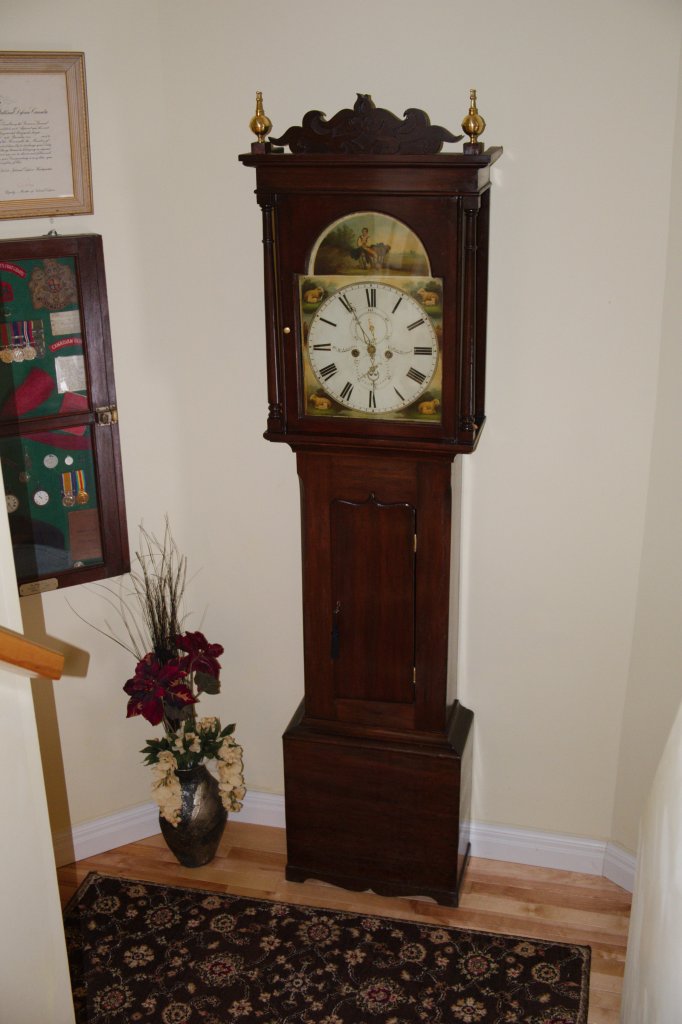
Even an appraised value is just an educated opinion, reflecting current market conditions, the clock’s condition, and its collectibility. As market trends shift, the value of a clock can change significantly.
Factors in Assessing Clock Value
Is It Original?
Originality significantly impacts value. Clocks with replaced or missing parts tend to lose their appeal to collectors. Many “Vienna Regulators” found online, for example, are hybrids of mismatched cases and movements. In some instances, parts are missing altogether.

Clocks marketed as “complete and original” by sellers who admit they know little about clocks should be approached with extreme caution. Always verify the clock’s parts with an expert or a reputable auction house to ensure accuracy.
What Type or Style Is It?
The style or type of clock affects value. While common American mantel clocks may be worth little due to their mass production, specific models like the E.N. Welch “Patti” line or Seth Thomas Sonora clocks command high prices.
Wall clocks, especially those from the 19th century made in limited quantities, generally hold a higher value than mantel clocks which were produced in the thousands.
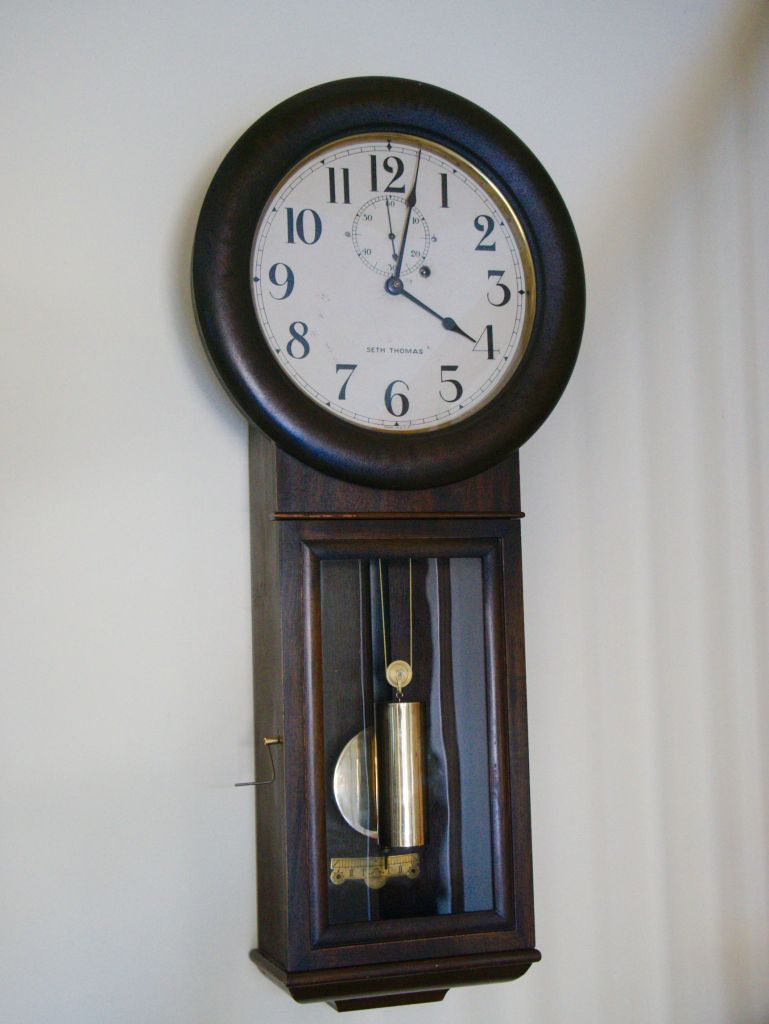
Grandfather clocks, also known as hall clocks, longcase, or tallcase clocks, can often be acquired for a fraction of their value, despite many that are 150+ years old. Tall clocks are bulky, requiring significant floor space. Many people don’t have the room or the inclination to accommodate such large items, especially in smaller or more modern living spaces.
A Label, Trademark, or Prominent Name adds Value
An intact label, trademark, or known maker adds value. A clock with a visible maker’s mark, such as an E. Howard or an original Willard banjo clock, is often sought after due to their craftsmanship and brand recognition.
A label, trademark, or maker’s mark verifies the clock’s authenticity, confirming that it is an original piece from a recognized manufacturer. This eliminates doubts about whether the clock is a reproduction or a mix of parts, which increases its value to collectors.
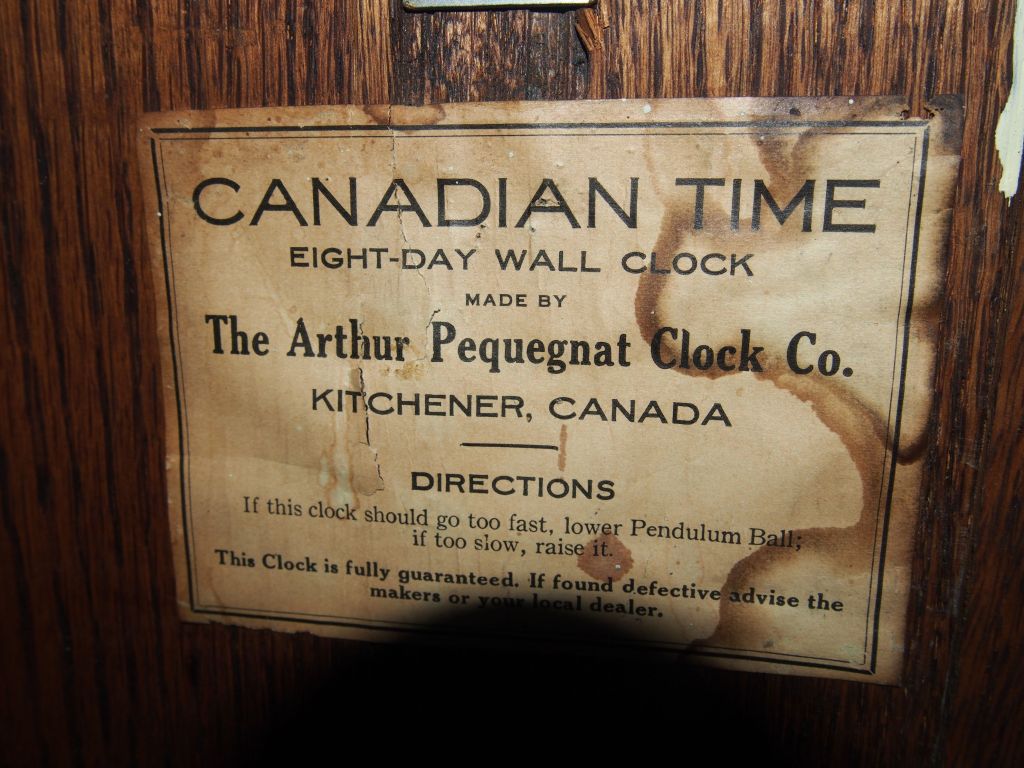
A visible maker’s mark or label helps establish the clock’s provenance, providing important information about its origin, manufacturer, and production period. Clocks with clear histories, especially from reputable makers, are more desirable because they can be accurately placed within historical or stylistic contexts.
A clock’s history can boost its value. A story or historical significance attached to a clock, or a clock with a clear and documented background may attract more buyers and command a higher price.
Reproduction labels or unmarked movements raise red flags for serious collectors.
The Correct Period or a Reproduction?
Period authenticity is key. Many reproduction clocks closely resemble originals from the early 1900s but have far less value. For example, Seth Thomas reissued its famous Regulator #2 in the 1970s, but collectors prefer the originals from the late 1800s, which have clearer distinguishing features.
Reproduction clocks are often made with modern manufacturing techniques and less expensive materials, resulting in a lower quality product compared to hand-crafted originals. Collectors and buyers appreciate the craftsmanship of original clocks, which were made with more attention to detail and durability.

Original clocks from the early 1900s carry historical value due to their connection to a specific time period, reflecting the craftsmanship, design, and technology of that era. Reproduction clocks, even if they mimic the look of the originals, lack this historical significance, making them less valuable to collectors.
Novice collectors are often tempted by reproductions (particularly if the clock is passed off as original), and if they’re uncertain, they should consult a professional for guidance.
Age and Condition
A clock’s condition is crucial to its value. Clocks with missing pieces, broken hands, or poorly repainted dials are worth much less, even if they are from reputable makers. Age alone does not guarantee value—certain styles or makers, despite being centuries old, may not be popular among collectors.
Some buyers are specifically looking for clocks in original, unrestored condition, even with signs of wear. Restoration can eliminate the clock’s patina, which is often considered part of its historical appeal.
A well-functioning clock is more appealing to buyers. Properly repairing the movement restores its functionality, often increasing its resale value, as people are naturally drawn to a working clock.
In some cases, restoring a clock too thoroughly—by polishing, repainting, or replacing parts—can strip away its historical character. Over-restored clocks may look “too new,” which can detract from their antique charm and value.

The cost of repairing or refinishing a clock may outweigh the potential increase in resale value. If the clock isn’t particularly rare or valuable, to begin with, investing heavily in restoration may not yield a return in the marketplace. Sellers often do not service their clocks, either because they lack the necessary skills or because the cost of repair doesn’t justify the potential profit.
Is the Clock Collectible?
Desirability can be influenced by rarity and regional interest. For instance, Arthur Pequegnat clocks are highly sought after in Canada but may fetch lower prices outside the country. True Vienna Regulators from the early 19th century are another example of rare clocks that remain valuable, especially when they are original and authentic.
The Mechanism Type
The complexity of a clock’s mechanism can impact its value. Clocks with a three-train mechanism (time, strike, and chime) tend to be more valuable than simpler two-train or one-train models.
Clocks with more complex mechanisms, such as those with three-train movements, demonstrate a higher level of craftsmanship. These mechanisms control multiple functions, like chiming, striking, and keeping time, requiring greater precision and skill in their design and assembly. As a result, clocks with such elaborate mechanisms are often considered superior and more desirable, elevating their market value.
More complex mechanisms, like three-weight Vienna Regulator Grande Sonnerie clocks, are generally rarer than their single- or two-train counterparts. The production of these complex movements required more skill and was often reserved for higher-end models or special commissions, making them less common and more sought after by collectors. Their scarcity in the market can drive up their value, especially when the clock is in good working condition with original parts.
Collectors often prioritize clocks with intricate mechanisms because they showcase the ingenuity and technological advancements of their time. The presence of a three-train mechanism, or a clock with additional complications like chiming or an alarm, indicates a higher level of mechanical achievement. These clocks are often seen as more valuable historical artifacts, and their complexity can make them the centerpiece of a collection.
On the flip side, clocks with more complex mechanisms can be harder and more expensive to repair or maintain, which may deter some buyers. A three-train movement has more moving parts that could potentially break down or require servicing, and specialized knowledge is often needed to repair them. However, collectors willing to invest in these repairs typically appreciate the value of the clock and understand that the effort is worth it.
Do Your Research and Meet the Seller In Person!
Before buying or selling a clock, check eBay listings, reputable auction houses, local buy-and-sell sites, antique shops, and online message boards. Prices can be volatile, and what may have sold for a high price years ago may be worth much less today. For example, some clocks that were once highly valued, are now relatively inexpensive due to oversupply.

As a buyer, ask detailed questions and verify originality before making a purchase. Sellers should provide an honest and clear description of their clock, disclosing any replaced parts or modifications. Keep in mind that while the clock market may seem chaotic, high-end, sought-after clocks tend to retain their value over time.
Meeting the seller face to face is often the best approach. A personal meeting allows buyers to gauge the seller’s honesty and integrity, making them feel more secure in their purchase.
Seeing the clock in person allows the buyer to closely inspect its condition, functionality, and any potential issues that may not be apparent in photos. This firsthand assessment helps buyers make informed decisions about the clock’s value and condition. They can check for labels, trademarks, and other identifying features that may influence the clock’s value. Buyers can also evaluate the quality of craftsmanship and materials up close.
Face-to-face meetings provide a better opportunity for negotiation. Buyers can engage in real-time discussions, express their concerns, and potentially negotiate a fair price based on the clock’s condition and market value. In-person interactions often lead to more flexible negotiations than online communications.
Sellers who are passionate about their clocks can provide detailed information about the piece’s history, repairs, and provenance often enhancing the buying experience and adding value to the transaction.
Photos can be misleading, and details may be overlooked in written descriptions. Meeting the seller face to face reduces the risk of misrepresentation, as buyers can directly address any discrepancies they find during their inspection.
Meeting in person can eliminate the need for shipping, which can be costly and risky for fragile antique clocks. Buyers can transport the clock themselves, ensuring it arrives safely.
If you have any doubts or the answers you’re receiving from the seller seem uncertain, always—without exception—be prepared to walk away.
Now is a good time to buy or sell
Now is an excellent time to buy, as many bargains can be found with careful research. For sellers, patience and realistic expectations are key. Understanding the market, setting fair prices, and presenting items attractively will increase your chances of success. Whether buying or selling, doing your homework is essential to navigating this unpredictable landscape.
Discover more from Antique and Vintage Mechanical Clocks
Subscribe to get the latest posts sent to your email.
 Antique and Vintage Mechanical Clocks
You must be logged in to post a comment.