
If you’ve ever browsed an antique shop or clock auction and marveled at the craftsmanship of century-old clocks, you might find yourself thinking: “They sure made things better back then.” And while that’s sometimes true — many antique clocks were built with care and skill — there’s a hidden trap in that assumption.
It’s called survivorship bias.
What Is Survivorship Bias?
Survivorship bias is a common thinking error where we draw conclusions based only on the things that made it through a process, while ignoring those that didn’t. In doing so, we develop a distorted view of reality.
We often lament that cars from the 1950s and ’60s we think were better built than those today, forgetting that many were poorly built even back then. The ones that survive often bear little resemblance to how they were originally manufactured — replacement parts have been modified and improved over the years, making them seem more durable than they actually were. So while some vintage cars were outstanding, the idea that they were all built better doesn’t hold up under scrutiny.
We often hear that “Anyone can become a billionaire if they just work hard and follow their passion.” But in reality, we hear about the few massively successful startups like Apple, Google, or Tesla, but not the thousands of startups that fail every year, many with equally passionate, hardworking founders.
In the world of art and literature, we hear, “If your work is good, you’ll get discovered.” But in the real world, many great writers, musicians, and artists never get recognition. We remember Shakespeare, Jimmy Hendrix, Andy Warhol, or Hemingway—not the countless others who were equally or more talented but remained unknown.
And in horology? It means assuming that most antique clocks were well-made, simply because the ones we see today are the ones that survived.
The Clocks We Don’t See
The clocks in our collections today — the Seth Thomas regulators, Arthur Pequegnats, Vienna regulators, and elaborately carved Black Forest cuckoos — survived decades of use. They endured house moves, children’s fingers, neglect, and sometimes even disasters like floods and fires.
Brands like New England Clock Company or Gilbert produced thousands of clocks, but many examples haven’t stood the test of time, not necessarily because they were inferior, but because they were ordinary
But they’re only part of the story.
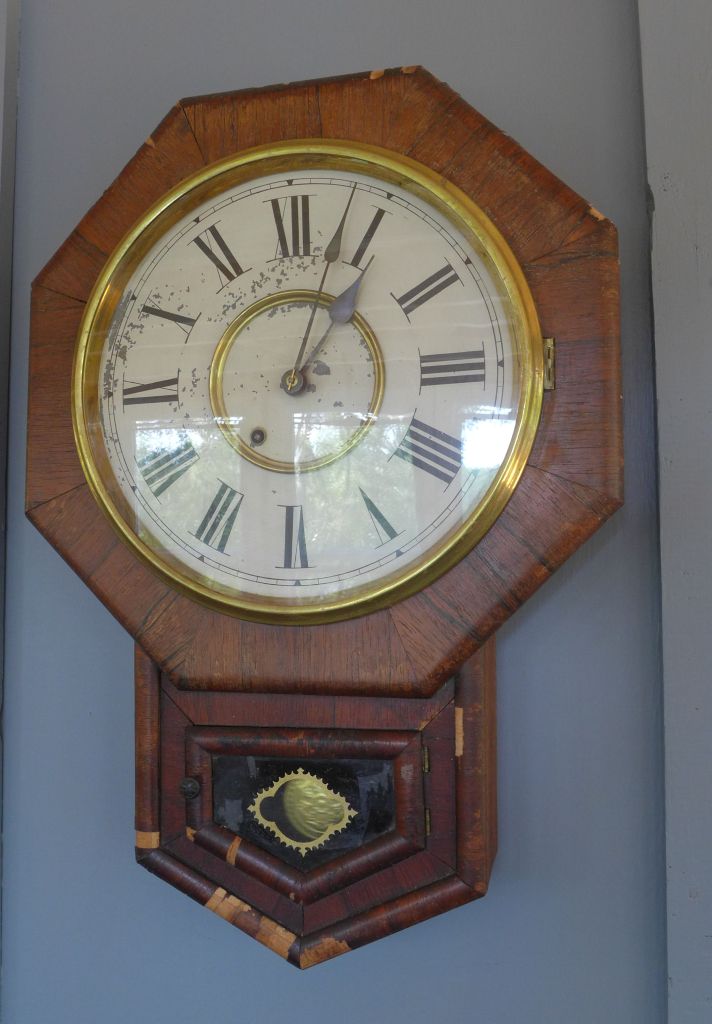
A great many clocks didn’t make it. Countless kitchen clocks, shelf clocks, novelty pieces, and cheaply made imports wore out, broke down, or simply weren’t valued enough to be saved. Some were discarded when electric clocks — and later, quartz movements — came along.
Others were lost during attic clean-outs, yard sales, or were upcycled (an ogee clock converted into a curio cabinet), while many were simply discarded. In some cases, their movements survived, salvaged as spare parts by a professional repairer or an enthusiast.

Designed obsolescence and why old clocks still work
What we don’t see are all the poorly made clocks—both old and modern—that broke down and were discarded, especially those intentionally designed with a limited lifespan. For example, many alarm clocks were built with planned obsolescence in mind. While they are often fixable, they were not originally designed to be repaired.

During the late 1800s and early 1900s, companies like Ingraham, Sessions, and Waterbury were churning out affordable clocks for middle-class households. Many of these were built to a price point, not to last generations.
Grandfather clocks from the 1970s and ’80s were often designed with a useful lifespan of about 25 years. So why are so many still running today, decades beyond their expected service life? Survivorship bias may offer us a clue: the ones we still see are the exceptions—the clocks that were better made, gently used, well maintained, or lucky.
The many that failed early or were discarded quietly don’t show up in our collections or on auction sites, so we assume they never existed or that these clocks were built to last forever. But the full picture tells a more nuanced story. Survivorship bias hides their absence, leading us to believe that the average quality was higher than it actually was.
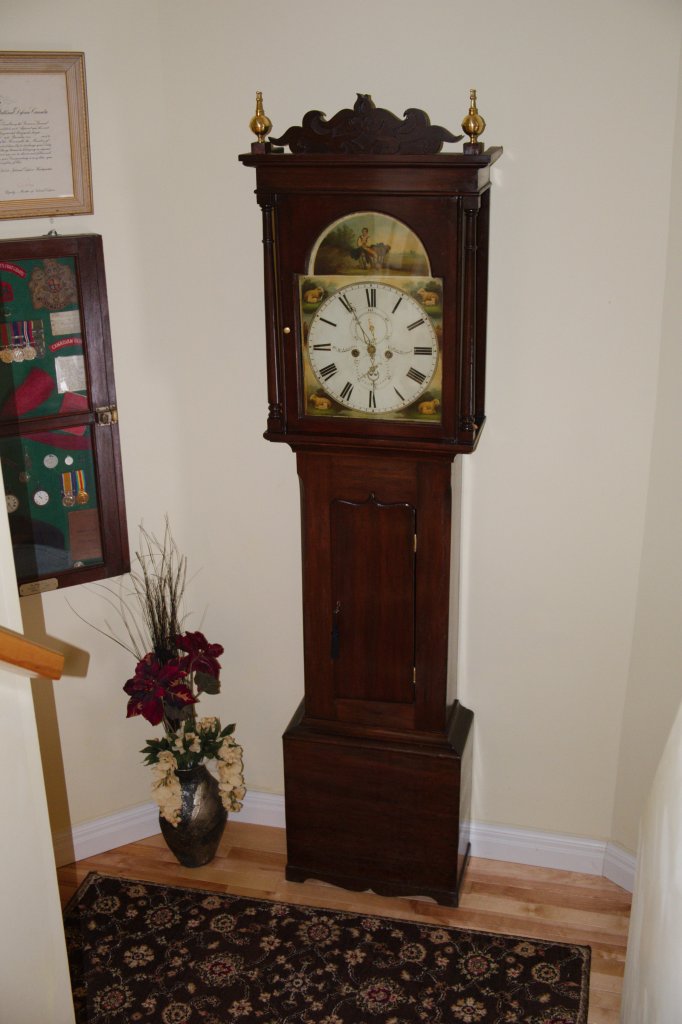
A case in point: my Ridgeway grandfather clock has been running regularly since I acquired it in 2013. The clock isn’t necessarily better made than others from its era, but when I bought it from the seller in Halifax, he told me it had belonged to his mother and was likely rarely kept wound. When it eventually stops—and that day will come—I will face several choices: repair it, replace the movement, or discard the clock altogether.

So when we look around and see only the clocks that survived, we risk thinking that all clocks from 100 years ago were reliable, attractive, and well-built. That’s not true. We’re looking at a biased sample — the winners of the survival game.
And let’s not forget that many of the clocks we admire today wouldn’t still be ticking if not for the patient efforts of collectors and restorers who brought them back from the brink.
What This Means for Collectors and the Value of Their Prized Clock
Understanding survivorship bias in horology serves as a helpful reminder to appreciate the clocks we do have — they endured, though the fact that they survived does not necessarily make them valuable or rare.
Recognizing this bias helps us avoid assuming that everything old is of high quality or value, and encourages us to remain open to discovering lesser-known makers or designs that weren’t widely preserved, perhaps because they were ahead of their time, produced in small numbers, or simply unlucky.
Final Thoughts
Antique clocks are storytellers — not just of time, but of survival as well. Each one we wind today represents dozens or hundreds that didn’t make it. That’s part of their magic. And as collectors, restorers, or admirers, it’s worth remembering: what we see is just the tip of the horological iceberg.
Discover more from Antique and Vintage Mechanical Clocks
Subscribe to get the latest posts sent to your email.
 Antique and Vintage Mechanical Clocks
Hello,
Why are chimed electric clock so difficult to repair?
LikeLike
If they are electromechanical, yes they can be. Email me at ronjoiner@antiquevintageclock.com for further enquiries.
LikeLike