How It All Began: My First Steps with WordPress
Ten years ago, I attended a staff development conference workshop on WordPress. The instructor promised that by the end of the three-hour session, we would each have a live blog up and running. Wow, now that’s impressive, I thought! I was intrigued and started thinking about a theme. Since I was already repairing and restoring antique and vintage clocks at the time, a blog focused on clocks seemed like the perfect way to document my experiences.
After ten years and many blog posts, it has been quite an achievement.
Early Days: Learning and Growing
Looking back, my first posts profiled the clocks I had recently acquired. My writing skills weren’t the strongest back then, and looking back, I’m a little embarrassed that I published some of those early articles. I had low expectations then and was content to allow the blog to be a platform where I could improve my writing skills. But things gradually changed.
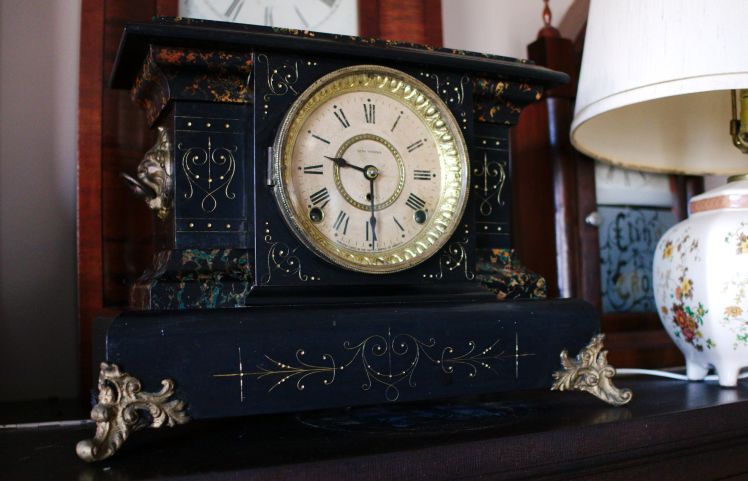
My first post featured work I had done on a German-made Dugena clock movement.
Finding My Rhythm and Audience
One of the challenges early on was figuring out whether I had the desire to keep writing and whether I could maintain a regular publishing schedule. Initially, I was bubbling with enthusiasm and felt I could publish every two or three days, but that pace was too much for me, and I quickly ran out of ideas. In those early years, I observed numerous blogs gradually fade away as their authors lost the motivation to continue. I often wondered: What is the secret to maintaining a consistent writing rhythm?
Since I was not an expert, I decided to focus on beginners like myself and began documenting the challenges I faced while repairing old clocks. I hoped that by sharing my learning experiences, I would inspire others who were just starting out.
Once I identified my audience, I began sharing my experiences with buying and selling clocks, repairing movements, restoring cases, and exploring their history. Along the way, I developed a deep appreciation for the clockmakers and the companies behind these old clocks.
How My Writing Style Evolved
In the early days, I wrote more like I was jotting down notes for myself. My tone was too casual, sometimes rambling, and I often skipped over important context, assuming readers knew what I meant. Over time, I became more intentional, structuring my posts clearly, guiding the reader, and choosing words more carefully.
I learned how to strike a balance between technical detail and storytelling, especially when describing a clock repair or sharing a bit of horological history. I was always mindful of not getting too technical, worried it might alienate some readers. Striking the right balance became really important. Now, my writing feels more like a conversation with fellow enthusiasts rather than just a personal journal.
Surprising Discoveries About My Audience
Over the years, I’ve learned just how important it is to know your audience, and I’ve often been surprised by who finds my blog. While I originally wrote for beginner clock enthusiasts like myself, I soon discovered that experienced collectors, casual readers, and even people simply curious about a family heirloom were stopping by. That realization encouraged me to keep things accessible and welcoming.
Embracing Imperfection and Meaningful Engagement
I also learned not to chase perfection. Some of the posts I was most hesitant to publish — the ones with rough edges or unresolved repairs — ended up resonating the most. They reminded readers (and me) that learning is a process and that nothing is easy.
As the blog grew, I began to care less about traffic stats and more about the comments, emails, and conversations sparked by a single post. That engagement, more than pageviews, has been the most rewarding part. And while I started with a narrow focus on clock repair, I found room to explore company histories, flea market finds, museum visits, and even the personal stories behind specific clocks. It turns out that having a niche doesn’t mean being limited — it just means you’ve got a solid foundation to build on.
Unexpected Skills I Learned Along the Way
One of the unexpected parts of blogging was the variety of technical and behind-the-scenes skills I had to pick up along the way. It was not easy. At first, I thought writing would be the main challenge, but I quickly realized that running a blog involves much more. I had to learn the basics of WordPress — formatting posts, block formatting, managing plugins, updating themes, and troubleshooting when something broke.

I became familiar with SEO (even if reluctantly), learning how to write headlines and meta descriptions that search engines — and humans — would notice. I also improved my photography skills, especially when trying to capture the fine details of clock cases or movements. Editing images, managing file sizes, and even creating graphics for posts became part of the routine. I even tried using AI-generated images but learned quickly that not everyone appreciates seeing them on a blog, so I’ll use them more sparingly in the future.
And of course, there’s the subtle art of proofreading, learning to catch my own typos after staring at the same paragraph for too long. Some of those errors managed to slip through despite my best efforts.
None of these were part of the plan at the start, but over time, they became tools in the toolkit of a self-taught blogger.
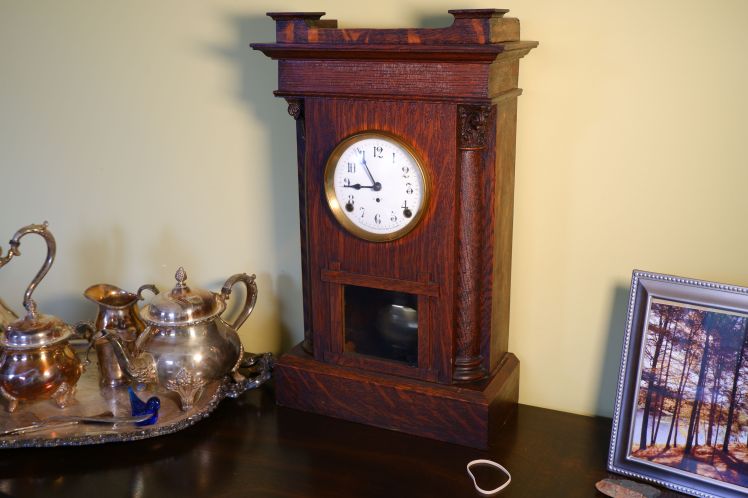
My second post featured a schoolhouse clock made by Arthur Pequegnat, an early Canadian Clock Company.
Your Voice Matters, No Matter the Audience Size
If there’s one piece of encouragement I’d offer to anyone starting out, it’s this: your voice matters, even if your audience is small. In the beginning, it’s easy to feel like you’re writing into the void — a few pageviews here, maybe one comment there. But over a period of time, I came to realize that even a single post can make a difference to someone. Whether it’s helping a beginner get their first clock running or sparking a memory in someone who inherited their grandfather’s old clock, your words can reach further than you think.
The value of blogging isn’t just in how many people read it, but in the connections it creates. A niche blog may not have thousands of followers, but it can still be a trusted voice, a resource, or a source of encouragement for others.
Don’t wait until you have a big audience to write like you matter — because you already do.
Advice to New Bloggers: Keep Going
Starting a blog can feel exciting but also extremely frustrating, especially when the pageviews are low and the feedback is sparse. My advice to new bloggers is simple but powerful: don’t give up, and stay the course. Growth rarely happens overnight. It takes time to build an audience, find your voice, and develop content that truly resonates. There will be moments when you wonder if anyone is reading at all — and that’s completely normal.
Instead of focusing solely on numbers, try to enjoy the process of writing, learning, and connecting with even just a few readers. Every post is a step forward, a chance to improve, and a way to build your unique corner of the internet. Publish regularly, stay curious, and remember why you started. Persistence often pays off in ways you don’t immediately see, and the small, steady efforts add up to something meaningful over time.
My third post described the progress I was making on a newly acquired clock.
What does the Future Hold?
What does the future hold? I hope my blog will evolve into a go-to online resource for collectors, historians, and restoration hobbyists interested in American and Canadian horology. Over time, I may see more interaction, not just passive readers, but active contributors. People might begin submitting their own clock stories, restoration challenges, or photos for feedback. With that, the blog could grow into more of a community hub.
I already have the makings of a self-published book — a “Best of Tick Talk Tuesday,” a guide to identifying Canadian clocks, or a memoir-style chronicle of my collecting journey. It wouldn’t be difficult to compile some of my best posts and insights into something tangible and lasting.
Lastly, I would like to develop the backbone of my blog—the wheels and gears that make it work—by increasing visibility through plugins and SEO, optimizing site performance, and ensuring a seamless user experience for my readers. Although there’s a confusing array of information on YouTube and websites dedicated to optimization, I know the journey won’t be easy.
Thank You to My Readers
Finally, I want to extend a sincere thank you to everyone who has followed my blog over the years—especially those who have been with me from the very beginning—and to the 750 email subscribers who receive notifications whenever a new article is published. Your support, comments, and encouragement have made this journey so rewarding.
Whether you’re a longtime reader or someone who just discovered the blog, I’m grateful that you’ve taken the time to share in my passion for clocks and storytelling. This blog wouldn’t be what it is without you, and I look forward to continuing to explore, learn, and share together for many years to come.
Discover more from Antique and Vintage Mechanical Clocks
Subscribe to get the latest posts sent to your email.
 Antique and Vintage Mechanical Clocks
Enjoyed this one too..have a gre
LikeLike
Thank you
LikeLike
KEEP UP THE GOOD WORK! ED HAYNES CMC
LikeLike
Thank you.
LikeLike