
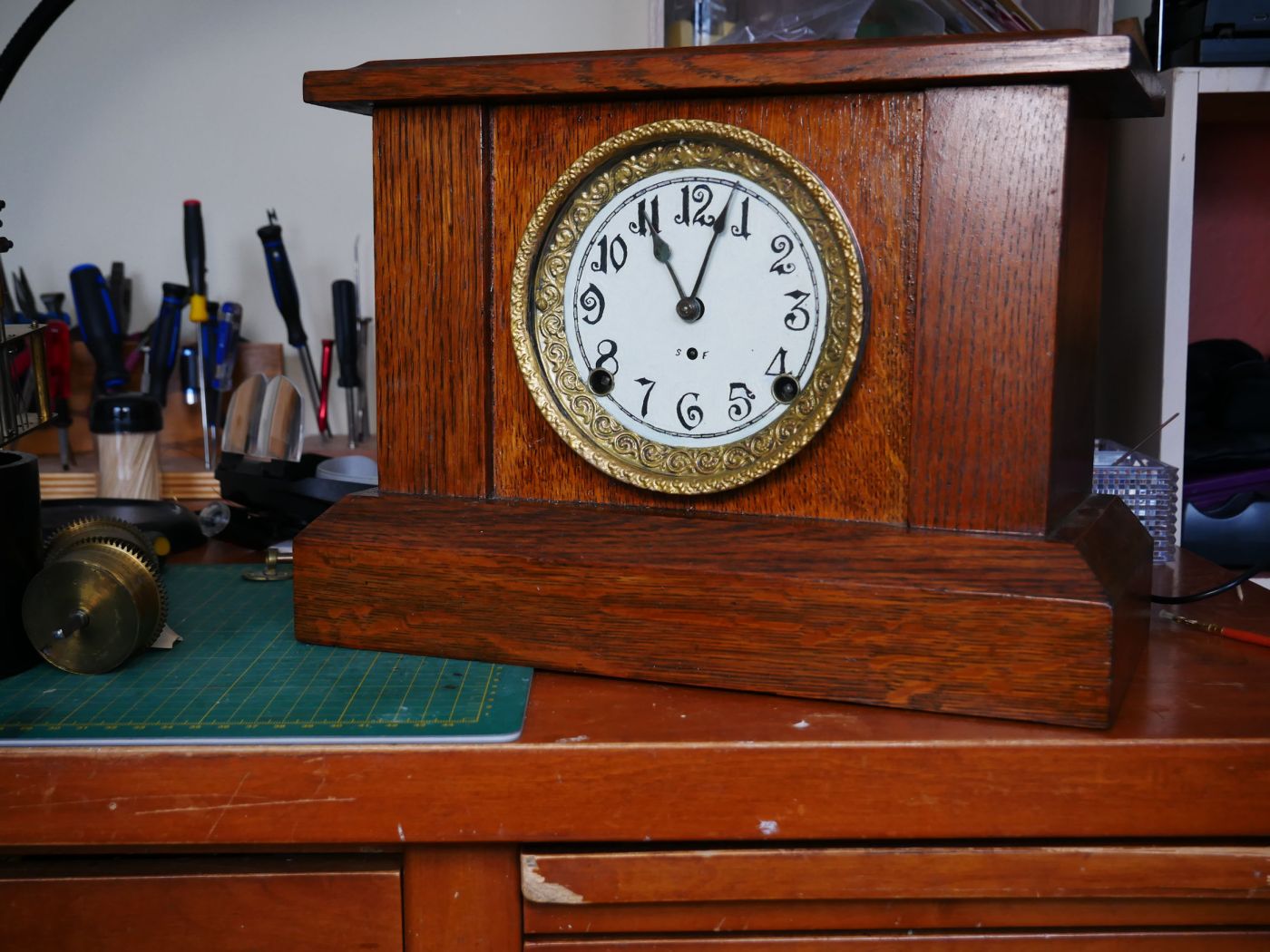
Sometimes, demonstrating a task is easier than explaining it. This 14-minute beginner’s guide covers the basics of winding a mechanical clock, which is perfect for those who have just purchased their first one and need guidance.
The video explains how to wind different types of antique and vintage clocks, including shelf clocks, tall case clocks, wall clocks, and mantel clocks.
It also covers the types of winding keys used and the importance of winding all necessary points. The guide begins with a brief introduction before demonstrating the winding process on various clock styles.
I’m no expert when it comes to making videos, but I try my best. If I missed a step, please let me know in the comments. Also, if there are more how-to videos you’d like to see, feel free to share your suggestions.
Check out my other clock-related videos as well.
Discover more from Antique and Vintage Mechanical Clocks
Subscribe to get the latest posts sent to your email.
 Antique and Vintage Mechanical Clocks
Nice video. None of my clocks have arbors that wind in opposite directions as your Seth Thomas shelf clock. Loved the variety of windings of the clocks you own. I usually wind Sat. about 10:10 a.m. so I stay away from the hands. Thanks!
LikeLike
Thanks. Though not as polished as the big influencers, I try to make it practical and to the point.
LikeLike
I have inherited two old clocks from my husband who was the one who cared for, wound, and etc. those clocks. One is a case clock (I think), and the one seems to be one, too. But I am in no way confident of my assessment. He always called the longer one a Vienna Regulator, but I now understand, from your video, that that is actually a part of a clock.
I am now very glad that all I have done is to keep them from being dusty.
I came to your site because I will soon be moving my residence, and, of course, the clocks will go with me. I have already read your information about how to prepare the clocks for transport and how to transport them. Thank you for sharing your knowledge.
LikeLike
Thank you very much for your thoughtful message. I am truly sorry for your loss, and I’m honoured that you reached out. It sounds as though your husband cared for the clocks with great dedication, and simply keeping them clean and undisturbed, as you have done, is exactly the right approach. Many people feel uncertain when they suddenly become the caretaker of clocks that someone else once maintained, so please be assured that your caution has served the clocks well.
The “Vienna Regulator” is a very fine type of clock to inherit. Moving them carefully, as you are planning, is the most important step. I’m glad the transport information was helpful. If you would like, you are welcome to send photographs at any time, and I would be happy to offer further guidance or help you better identify them.
Wishing you all the best with your upcoming move, and thank you again for your kind note.
LikeLike