As the holiday season approaches, the search for a unique and meaningful gift becomes crucial. Antique or vintage clocks, often overlooked, can make a delightful and “timely” present. Whether you’re knowledgeable about clocks or a novice, finding the right one requires some understanding, and I’m here to provide you with some helpful pointers and explanations.
Why Buy an Antique or Vintage Clock?
People are drawn to antique or vintage clocks for sentimental reasons, the desire to own something antique, or the allure of a unique old mechanical clock. These reasons often top the list for those considering such a purchase.
Antique, Vintage or collectible
Determining the age of a clock can be tricky but a well-informed seller can confidently provide accurate information about the clock’s age to potential buyers, ensuring a fair and transparent transaction. Moreover, a clock’s age can often be determined through a date stamp on the movement or labels, providing accurate dating information for both sellers and buyers.
Generally, anything over 100 years old is considered antique, while vintage refers to items less than 100 years old but more than 30 years old. Items younger than 30 years are often called collectibles.
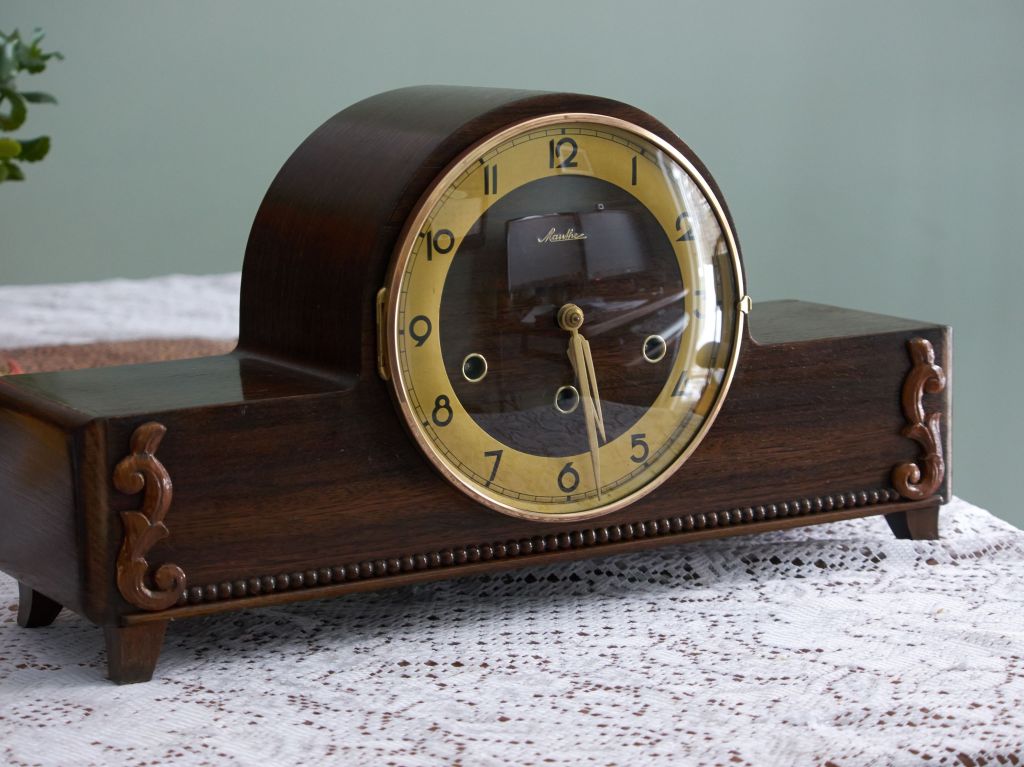
Types of Clocks: Mechanical or Otherwise
While there is a wide variety of clocks available, this article focuses on mechanical clocks both vintage and antique. Quartz clocks are common but have limited value. Electro-mechanical and electromagnetic clocks, while intriguing, are best left to expert collectors. Electric clocks from the 1930s and 1940s might intrigue the buyer but can be difficult to maintain and a non-functional clock can be potentially dangerous to those with a limited knowledge of electrical devices.
Choosing the Right Clock and Placement
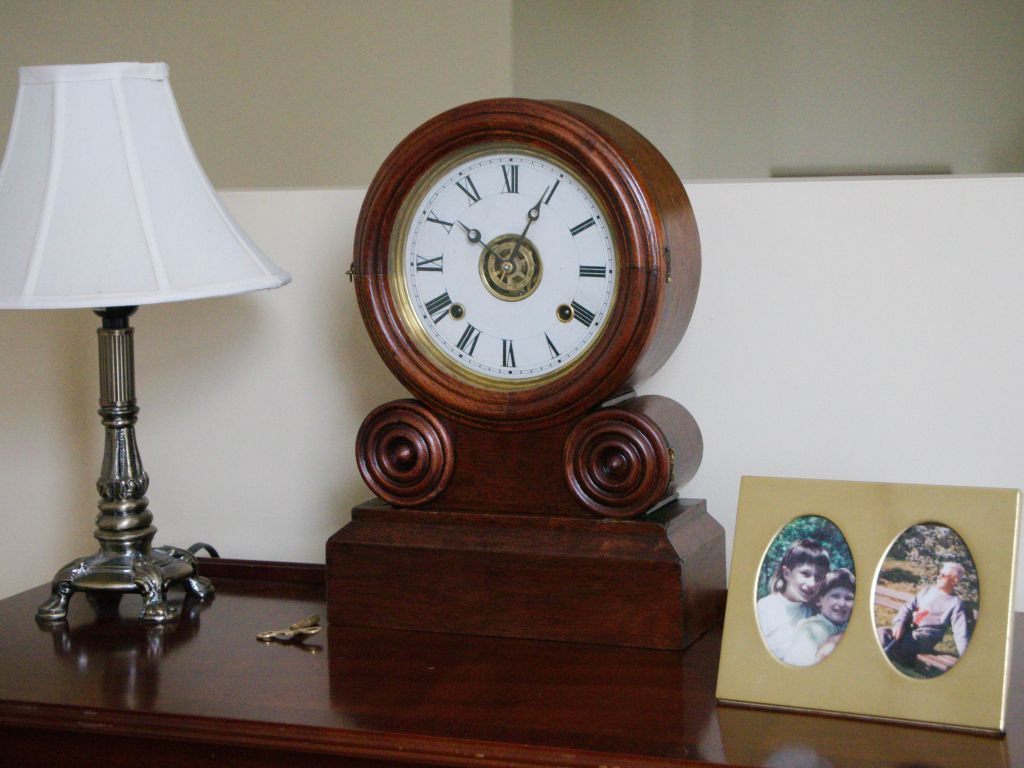
Consider the available space when selecting a clock. Mantel clocks need shelves or tables, while wall clocks come in various sizes and styles and placement is less of a challenge. Although wall clocks require minimal space, some are hesitant to puncture a wall with a nail.
Grandfather clocks (otherwise known in some circles as tall case, long case, and hall clocks), particularly those with impressive craftsmanship require ample floor space and a keen appreciation from the recipient.
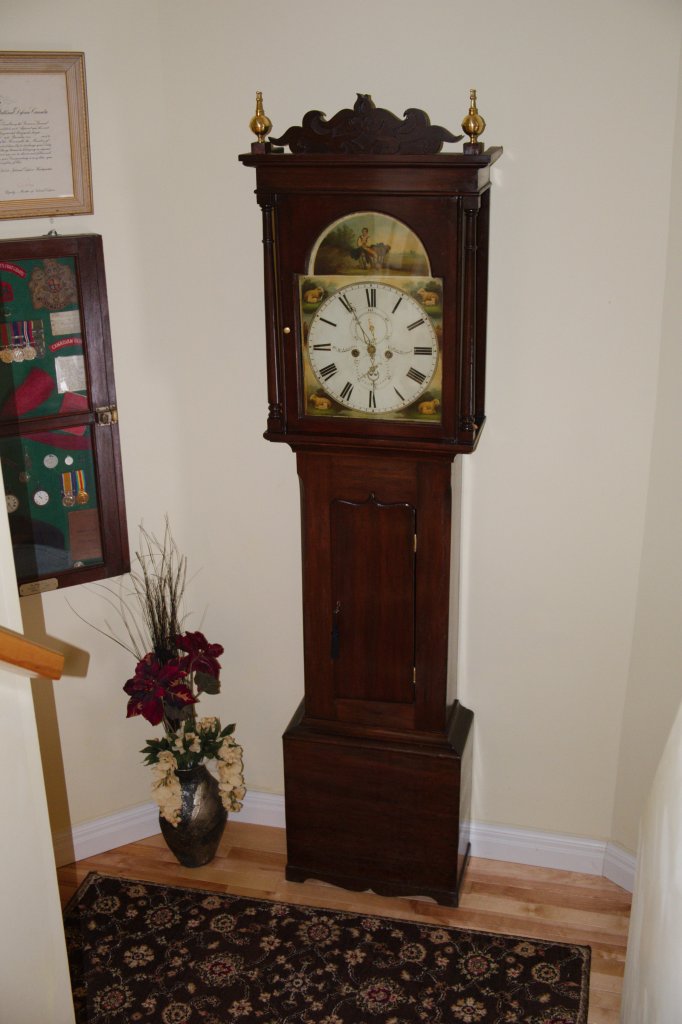
Furthermore, gifting a grandfather clock to an appreciative recipient ensures that it becomes a cherished heirloom, to be passed down through generations.
Cottage clocks, alarm clocks, and novelty clocks are compact, allowing them to fit into small spaces and be placed virtually anywhere.

Working or Non-Working Clock?
Ideally, a working clock recently serviced by a professional is the best choice and has the highest value. If a functional clock is used purely for decorative purposes, it can later be sold without affecting its value.
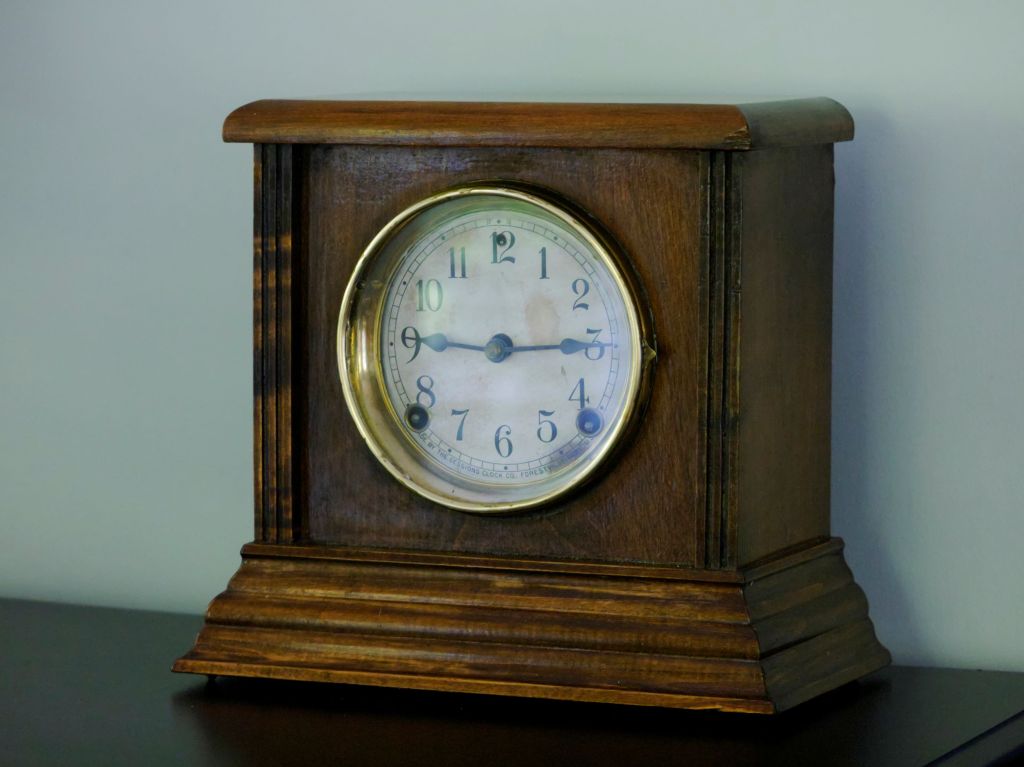
If the clock serves a primarily decorative purpose, non-working ones can still be considered. Clocks as decorations often add a touch of vintage charm to a space, enhancing its aesthetic appeal. They can also evoke a sense of nostalgia, reminding individuals of days gone by. In addition, antique clocks with intricate designs can be conversation starters, becoming focal points in a room and reflecting the owner’s unique style and taste.
Tips for Clock Buying:
- Give preference to clocks that are operational; they are typically better maintained and can be easily resold by the recipient.
- Explore platforms like Facebook Marketplace, eBay, or local online sale sites. Opting for local transactions is favored because it eliminates the inconvenience of shipping, and meeting the seller in person provides the buyer with the flexibility to reconsider the purchase.
- Common clocks such as mantel clocks from the 1930s and 1940s are affordably priced, while unique or rare pieces might come at a much higher cost. In the realm of clocks, the determining factor for pricing isn’t solely the age of the clock, whether it’s 120 years old or 50. Rarity plays a significant role in establishing the value of a clock instead.
- Steer clear of clocks featuring directional arrows at the winding points; many of these are mass-produced Chinese clocks that come with powerful mainsprings, posing risks if they malfunction.
- The clock’s manufacturer is only vital if you’re seeking an exceptionally unique piece and are willing to spend significantly; instead, concentrate on the overall quality of the clock and its visual appeal.
- Conducting research is crucial to making a well-informed purchase decision. Examples are online resources, realized auction sales, networking, antique store visits, and books/publications.
- Be wary of any alterations, as they not only impact the clock’s value but can also alter its historical and aesthetic integrity. Thoroughly understanding the clock’s originality through basic research ensures a more satisfying and meaningful purchase.
- Whenever feasible, examine the clock in person to prevent unexpected disappointment. During the inspection, pay attention to the clock’s condition, checking for signs of wear, damage, or repairs. Examine the clock’s movement, and listen for any unusual sounds. Assess the quality of the materials and craftsmanship, ensuring they align with the stated age and value of the clock. Confirm the presence of any original parts, as replacement parts (hands, dial face, pendulum bob, etc.) can affect its authenticity and worth. Finally, if possible, request a demonstration of the clock in action to ensure it operates smoothly and accurately.
I hope these insights help you find the perfect clock for your special someone. I want to emphasize that I am not engaged in the business of selling clocks. Although I occasionally sell clocks locally, it’s solely to manage my personal collection and not as a commercial endeavor. Please be aware that I do not have clocks available for sale.
Discover more from Antique and Vintage Mechanical Clocks
Subscribe to get the latest posts sent to your email.
 Antique and Vintage Mechanical Clocks
You must be logged in to post a comment.