
Like a car engine, oil is the lifeblood of a clock. A correctly oiled clock will ensure a long life. Oil is the “lifeblood” of the car engine, the same applies to a clock. Just as a car engine relies on oil to keep its moving parts running smoothly and efficiently, a clock depends on oil to reduce friction and wear between its delicate components, such as gears, pivots, and arbors.
Lubrication is essential to the efficient running of any mechanical clock movement.
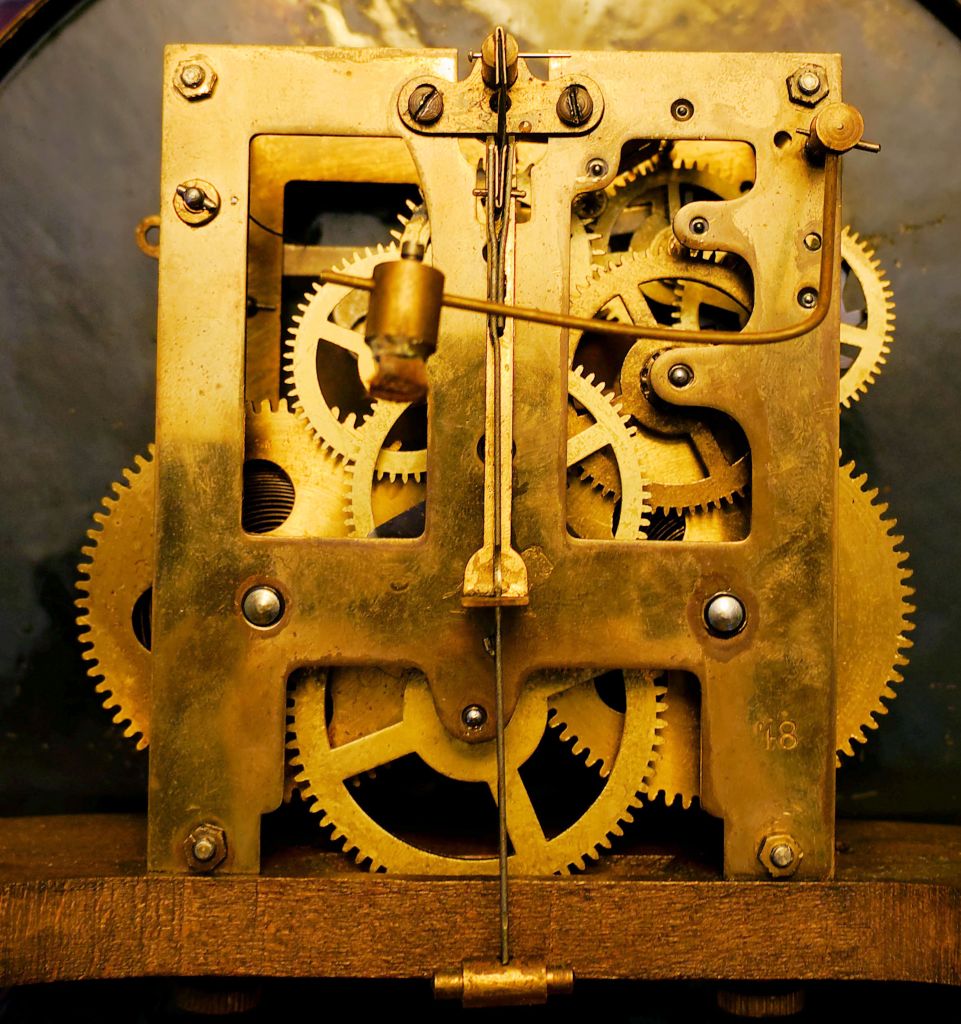
The primary purpose of lubrication is to reduce wear. By creating a protective film between moving parts, it allows them to glide smoothly against each other, reducing resistance, improving efficiency, and minimizing energy loss.
Proper lubrication ensures smoother operation of components, which helps maintain accurate timekeeping by preventing irregular behaviour caused by increased friction. Additionally, it prolongs the lifespan of gears, pivots, and other moving parts by minimizing stress and wear.
A Quick Guide Including Some Dos and Don’ts
Avoid using spray lubricants like WD-40 on clocks, as they are unsuitable for precision mechanisms. WD-40 is a water displacement agent, not a true lubricant, and for that matter spraying any kind of lubricant can harm the clock, especially since some parts, such as wheel teeth and levers, must remain dry. Instead, use a specialized product like Keystone clock oil, specifically designed for clock mechanisms.
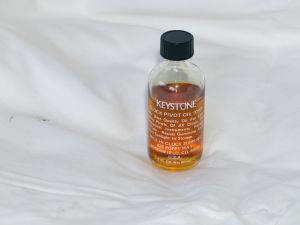
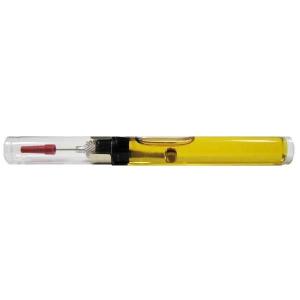
When applying oil, use a small amount—about the size of a pinhead—at each lubrication point. Tools such as a toothpick, small wire, needle dipper, or a clock oiler are ideal for precise application. Avoid over-oiling, as excess oil attracts dust, which can mix with the lubricant to form a paste that increases wear. Less is more which means less of something—a smaller amount of it—can at times be better than a large amount of it.
Focus on oiling the following areas:
- The pivots of all wheels and the anchor or lever arbor on both front and back plates. In clockmaking, a pivot is the slender, polished tip of a wheel or arbor (the shaft that supports and drives the wheel) that rotates within a hole or bearing in the clock’s plate. Pivots are critical components in the mechanism as they allow wheels and arbors to spin smoothly and with minimal friction.
- The crutch loop where it contacts the pendulum rod. The crutch loop is a part of the clock’s crutch, a thin, typically metal component connected to the escapement mechanism. The crutch transfers the motion from the escapement to the pendulum, keeping it swinging back and forth.
- The escapement pallets. The escapement regulates the release of energy from the clock’s power source (mainspring or weights) to drive the gear train and maintain the pendulum’s motion.

- The clicks. The clicks are small, rotating components in a clock’s winding mechanism. They play a vital role in ensuring that the clock’s mainspring or weight-driven system remains securely wound and does not unwind uncontrollably.
- Pulley axles on weight-driven clocks. In weight-driven clocks, the pulley axles are the central shafts around which the pulleys rotate. These pulleys are part of the weight system that powers the clock.
When to Oil
Oiling a movement without first dissembling and cleaning is not recommended unless following a visual inspection the mechanism is free of black oil and the pivot holes are simply dry. Otherwise, the addition of new lubricant to old will mix with the dirt and grime to form a grinding paste which acts as an abrasive hastening pivot and pivot hole wear.
If the pivots are dry and show no residue, a small amount of oil can be applied without the need for disassembly.
During servicing, ensure the mainsprings are oiled with specialized mainspring oil. Apply the oil by drizzling it along the sides of the coiled spring, allowing it to wick between the coils, and wipe away any excess.
When oiling avoid dipping directly into the oil bottle; pour a small amount into an oil cup for easier application and to prevent contamination of the oil in the bottle.
Don’t leave the oil in a sunny window. UV rays will break down the oil and degrade its chemical structure over time. UV rays cause a process called photo-oxidation, where the oil reacts with light and oxygen. The degraded oil may become thicker, stickier, or form a residue, making it unsuitable for precise lubrication.
Cover the oil when not in use.
Routine Clock Inspection and Oiling
I inspect my clocks every 2-3 years and if the movement is free of dust and the pivot holes are dry I will apply fresh oil. If there is blackened oil around any pivot hole it is time to disassemble the movement, clean it, and apply new oil once reassembled.
Refer to this handy guide whenever your clock requires oiling to ensure proper maintenance and smooth operation. Regular attention to lubrication will help extend the life of your clock and keep it running efficiently for years to come.
Discover more from Antique and Vintage Mechanical Clocks
Subscribe to get the latest posts sent to your email.
 Antique and Vintage Mechanical Clocks
You must be logged in to post a comment.