
The local environment is arguably the most influential factor in determining how long a mechanical clock will run smoothly between services. While mechanical wear and oil breakdown are inevitable over time, environmental conditions can either hasten or significantly slow down the aging process of a clock movement.
Modern Homes: Controlled Yet Not Perfect
In today’s homes, humidity and temperature can be controlled more effectively than in the past. Central heating, air conditioning, and dehumidifiers all contribute to creating a more stable environment, and that’s good news for your mechanical clocks.
However, even in the most controlled home, there are still times of year, especially during spring and autumn, when windows are thrown open to enjoy the fresh air. During these times, indoor humidity can rise sharply, especially on damp days. This added moisture in the air may not feel significant to us, but it can affect the fine tolerances within a clock movement.
Changes in humidity cause wood and metal components to expand and contract, which can affect timekeeping accuracy. In extreme cases, wood swelling can even bind a movement slightly, throwing it out of beat.

That’s why a constant, moderate temperature and relative humidity — similar to conditions in a museum — are ideal for preserving both the function and appearance of your clock. Many homes today have modern central heat pumps, and maintaining these stable conditions becomes much easier. A heat pump not only helps regulate temperature but can also moderate humidity levels, especially when it provides air conditioning during warmer months.
Older Homes: More Variables at Play
In older homes, especially those with poor insulation or drafty windows, temperature and humidity control become more challenging. Kitchens, in particular, are problematic environments. Cooking generates moisture, airborne grease, and smoke particulates — all of which can settle on clock cases and creep into the movement over time. A proper exhaust system for the kitchen is a must.
Wood stoves, while charming and efficient, can be problematic, too. Even modern stoves that are tightly sealed create small air currents that draw fine dust into the air. Clocks located nearby can accumulate this dust more rapidly, and in turn, this dust finds its way into the pivot holes and between the gear teeth of a clock movement. The result? Increased friction and premature wear.
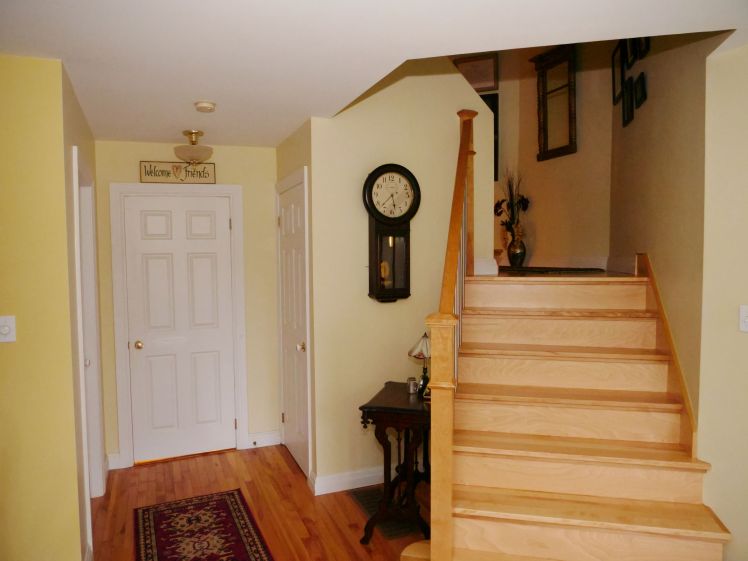
Worse are older homes with leaky wood stoves — cracks or gaps in the stove body, old, dried-out or damaged door seals, and chimney or venting system leaks all make the environment inhospitable for both you and your clocks.
Pets and Particulates: Hidden Hazards
One commonly overlooked environmental factor is the presence of pets. Cat and dog hair doesn’t just settle on surfaces — it floats in the air, especially in homes with forced air heating or regular foot traffic. Over time, this suspended hair can wrap around pivots, combine with oil residue, and form a matted buildup that impairs the smooth operation of the movement.
This kind of buildup may go unnoticed at first but is a frequent cause of sluggishness or unexplained stoppages, particularly in clocks that haven’t been cleaned in several years.
The Role of the Clock Case
Fortunately, a well-sealed clock case acts as the first line of defense. How much dirt, dust, and animal hair enter a clock movement depends greatly on the design and integrity of the case. Clocks with tight-fitting doors and well-designed enclosures will resist contaminants far more effectively than those with open backs or missing access panels. Having said that, few clocks are perfectly sealed.

For example, mantel clocks should always have a back door — not only to protect the movement but also to control airflow. If your clock’s access door is missing or ill-fitting, it’s worth replacing or repairing. Not only will this improve the clock’s longevity, but it also helps maintain more consistent timekeeping.
Clocks built into fine furniture-quality cases — especially those with beveled glass, thick wood construction, and tight joints — will typically require less maintenance over the years simply because their movements are better shielded from environmental fluctuations and pollutants.
Long-Term Implications
Environmental exposure isn’t just a short-term concern. Clocks that live in dusty, humid, or pet-filled environments will almost always need to be serviced more frequently. Pivots will wear faster, oil will degrade sooner, and bushing holes may elongate or oval out quicker than expected. On the other hand, clocks housed in clean, climate-controlled spaces with limited air pollutants can easily run 5 years or longer between major services, especially with occasional oiling and routine checks.
So, if you’re serious about preserving your clock, consider its environment carefully. Where it’s placed, what it’s exposed to daily, and how well it’s protected will determine how often it needs attention — and how long it will continue to tick reliably for generations to come.
Discover more from Antique and Vintage Mechanical Clocks
Subscribe to get the latest posts sent to your email.
 Antique and Vintage Mechanical Clocks
interesting….particularly the pet issue; never thought on that
LikeLike
I suppose that if you have an animal that sheds a lot it may be more of an issue.
LikeLike
WéwI no noSent from my iPhone
LikeLike
I always use synthetic oil these days to lubricate a clock. more expensive but only use it sparingly
LikeLike
Synthetic oil is a good substitute and I know many who use it.
LikeLike