
While many might not initially favour the idea of having a ticking mechanical clock in their bedrooms, its presence can actually offer significant benefits. Let me elaborate on why. Before I go further let me say I understand that some individuals may find the ticking sound disruptive to their sleep.
The therapeutic value of having a ticking sound in the bedroom to aid with sleep can vary from person to person. Some individuals find rhythmic sounds like ticking soothing and conducive to relaxation, helping them fall asleep faster. However, others may find it distracting or even irritating, disrupting their sleep. Overall, it largely depends on personal preference and individual sensitivity to sounds during sleep. Nevertheless, for some individuals, opting to tune into off-station frequencies or running a fan for background noise is their preferred method, whereas our method of choice is the mechanical clock.
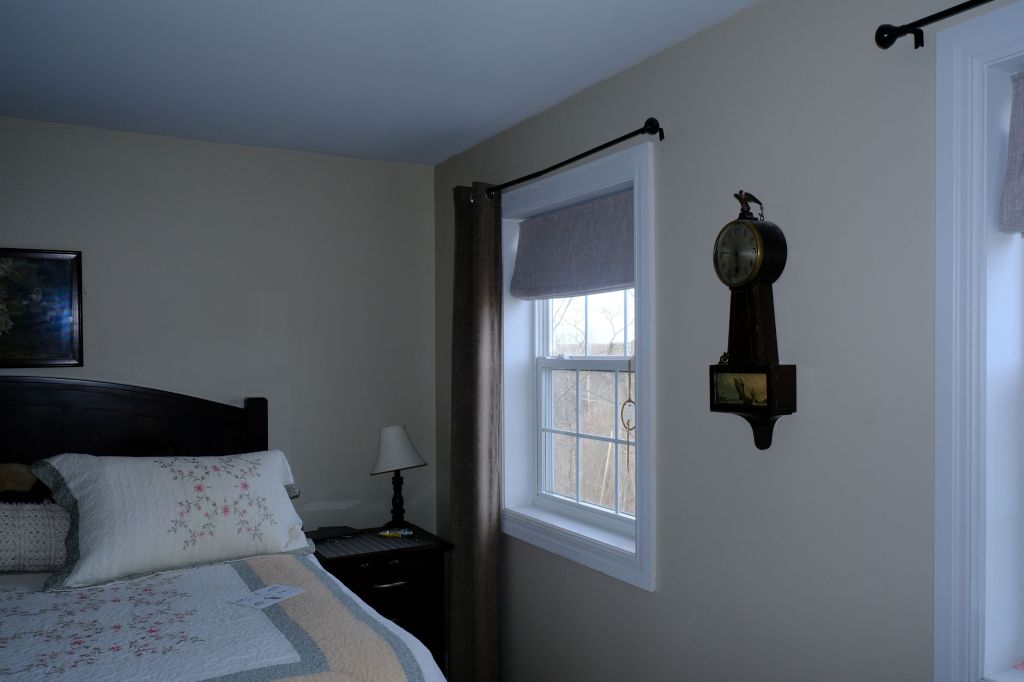
In my opinion, having a ticking mechanical clock in a bedroom can be advantageous. Although I have zero evidence to back my claim, it seems beneficial to introduce a rhythmic sound into a room to enhance sleep.
A number of years ago we found a Sessions Lexington banjo clock in an antique store in one of the New England states(USA). Before you conjure images of an expensive banjo clock crafted in Boston or elsewhere, let me clarify that this clock is likely one of the cheapest banjo clocks ever produced. It was made in the late 1920s, and many were sold to those who could not afford the more desirable weight-driven banjo clock, like the one in the next photo.

The Lexington may not even keep accurate time, but it excels in its primary function: providing background noise.

If you are accustomed to American clocks you will note that they are loud tickers unlike finely crafted French and German clocks that are almost silent in operation. The loud ticking however is an advantage. The loud rhythmic ticking sound acts as white noise, helping some people fall asleep faster and masking other background noises.

The Lexington is a time-only spring-driven clock that runs about 100 or so beats per minute. Although it may beat too fast for some, we’ve grown accustomed to it. In my belief, a slower beat is preferable, with 80 beats per minute being an acceptable compromise.
For those accustomed to it, the ticking becomes a comforting part of their bedtime routine. Using a mechanical clock reduces reliance on digital devices, potentially improving sleep quality by reducing screen time. When it comes to digital devices, it’s best to avoid bringing a cell phone into your bedroom. Learn to disconnect from the digital world. The digital world couldn’t care less about your need to get a good night’s sleep. If you need an alarm, consider investing in a high-quality radio alarm clock instead.
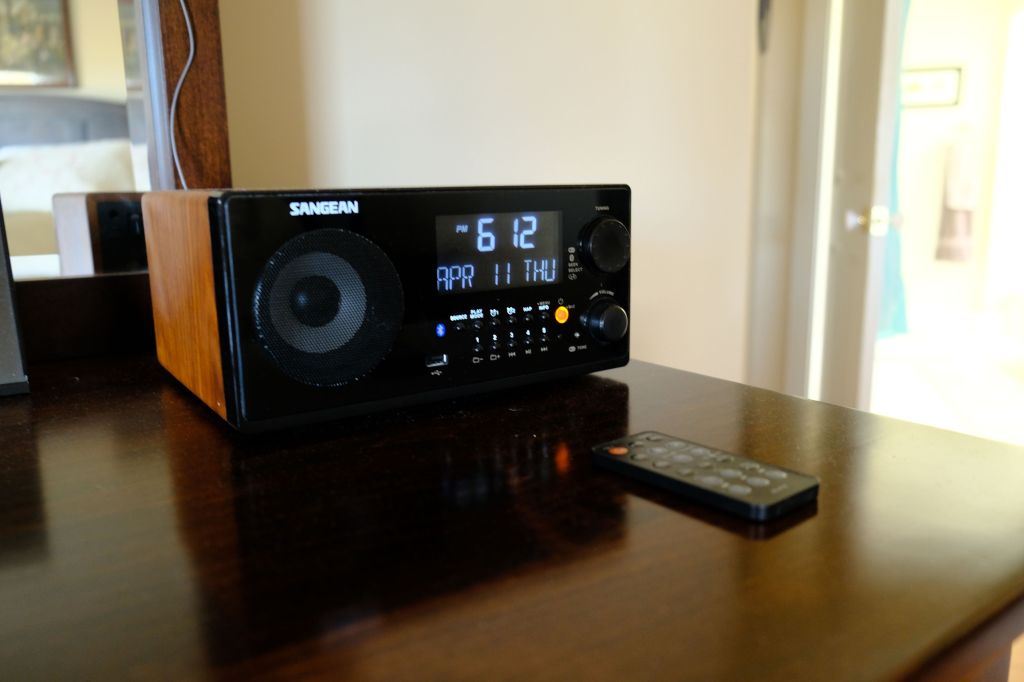
And lastly, the classic design of mechanical clocks adds aesthetic appeal to the bedroom, and their reliability ensures consistent timekeeping, even during power outages or when batteries die.
Discover more from Antique and Vintage Mechanical Clocks
Subscribe to get the latest posts sent to your email.
 Antique and Vintage Mechanical Clocks
<
div dir=”ltr”>Love this article….i sometimes use white noise but I can see how a soft ticking clock would help……Have a gre
LikeLiked by 1 person
I should experiment with my metronome at 60 beats per minute. Thank you for the ticking idea.
LikeLiked by 1 person
If you are the type that sleeps shortly after your head its the pillow, the metronome is perfect.
LikeLiked by 1 person
I couldn’t agree more – the rhythmic tick-tock is very soothing, comforting.
One is never alone if your in the company of a ticking mechanical clock.
We had a Sessions “Berkeley ” model tambour on the living room firplace’s mantel growing up and I remember so often waking during the night and being able to hear it strike, chime out the hour – thus, know what time it really was. It kept good time for many, many years…
LikeLike
Thanks Ron, Have cyber surfed in the wee hours, Such a simple thing to leave phone out of bedroom. My portable internet radio has a timer function. Will listen to music this way instead of phone. Try a ticking clock too.
LikeLike
Hope you have good success, Marty.
LikeLike