
In 2018, while exploring Ontario (Canada), I came across a Seth Thomas Regulator #2 in an antique shop in Bloomfield, just a short drive from Picton, a prominent center in Prince Edward County known for its numerous wineries.
I had my eye on this clock when I viewed it online over the summer and carefully contemplated the purchase before finally acquiring it in the fall of 2018. These clocks are somewhat rare to find, but the price was reasonable, and the clock itself was in very good condition.
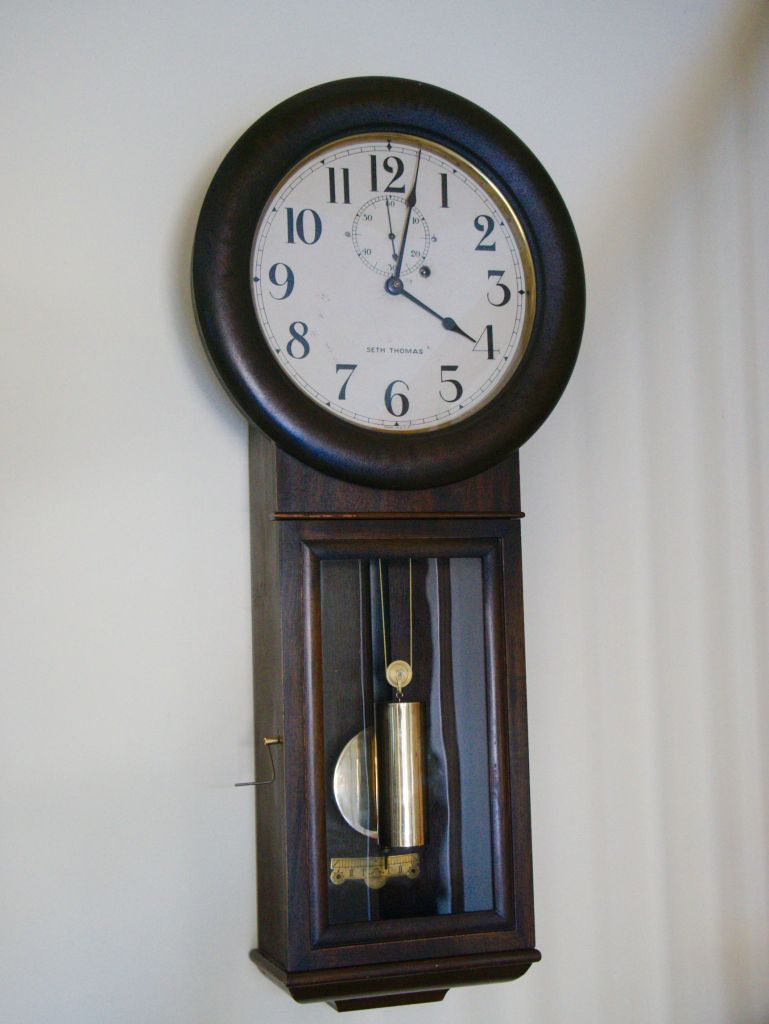
The Seth Thomas Regulator #2 was recognizable at one time as one of the most commonly seen regulator clocks in America. It graced many railway stations across both the US and Canada throughout the last century, a testament to its accuracy and reliability. It is a sturdy, precise, well-crafted timepiece that Seth Thomas produced from 1860 to 1950, an impressive 90-year production run. Few clocks can boast such longevity, making it an iconic American clock that every serious clock collector desires.
The design of the #2 remained largely unchanged over the years, but certain design characteristics can help in dating a specific clock. The identification guide below outlines characteristics of the dial and case that assist in estimating the year of manufacture. A clock colleague cautioned me against placing excessive trust in the chart, but I am satisfied with using rough estimates.

With the exception of its distinctive base, most #2s produced after the earliest versions had the pendulum mounted in the rear. The chart also mentions a limited reissue in 1976. While the reissue is well-crafted and aesthetically pleasing, most Seth Thomas enthusiasts would argue that it doesn’t quite compare to an authentic Regulator #2, and the prices for these versions reflect that sentiment. Nevertheless, those who own the reissue appear to be satisfied with their acquisition.
According to the chart, my clock was likely made between 1922 and 1929. It features a base reminiscent of the earlier 1860 version of the #2, Arabic numerals, and spade hands. The bow tie connecting the wood dial bezel and the drop is a single piece (earlier versions had a three-piece bow tie). The clock has a second hand positioned 2 inches above the center cannon, but it’s not a true second hand; it runs off the escapement, taking 80 beats to complete a “minute.” Standing at 36 ½ inches tall, it’s veneered in mahogany.
The bottom right of the movement bears the stamp “77A” with the letter “K” beneath it, although it lacks other distinctive markings. Unlike some versions of the 77 movement that have lantern pinions, this one has cut pinions. Whether one type of pinion is better than the other is open to debate.
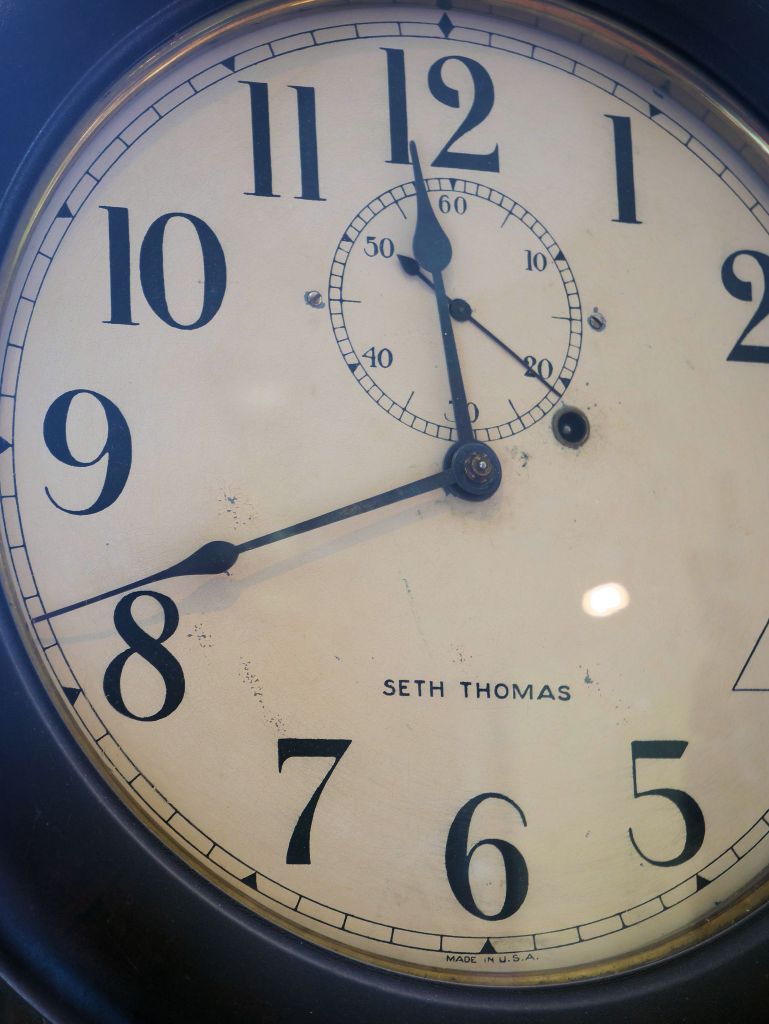
As with any item nearly 100 years old, there were some issues with the clock. There is minor scuffing on the dial, no label, a finish that has lost its luster, and paint splatter on the top of the case (though not visible from most any angle). Taking down a clock while painting a room is a simple decision in my view, but some individuals prefer painting around it.
I transported this clock from Ontario to Nova Scotia by car, and removing the pendulum for transportation is not a straightforward process. If you are familiar with the pendulum arrangement on a typical weight-driven Vienna Regulator clock, this one is similar. Removing the weight is as simple as unhooking it from the cable wheel. Like Viennas, the pendulum is hung behind the movement, and both the weight and movement must be removed to access the pendulum since the pendulum must be removed for transport.
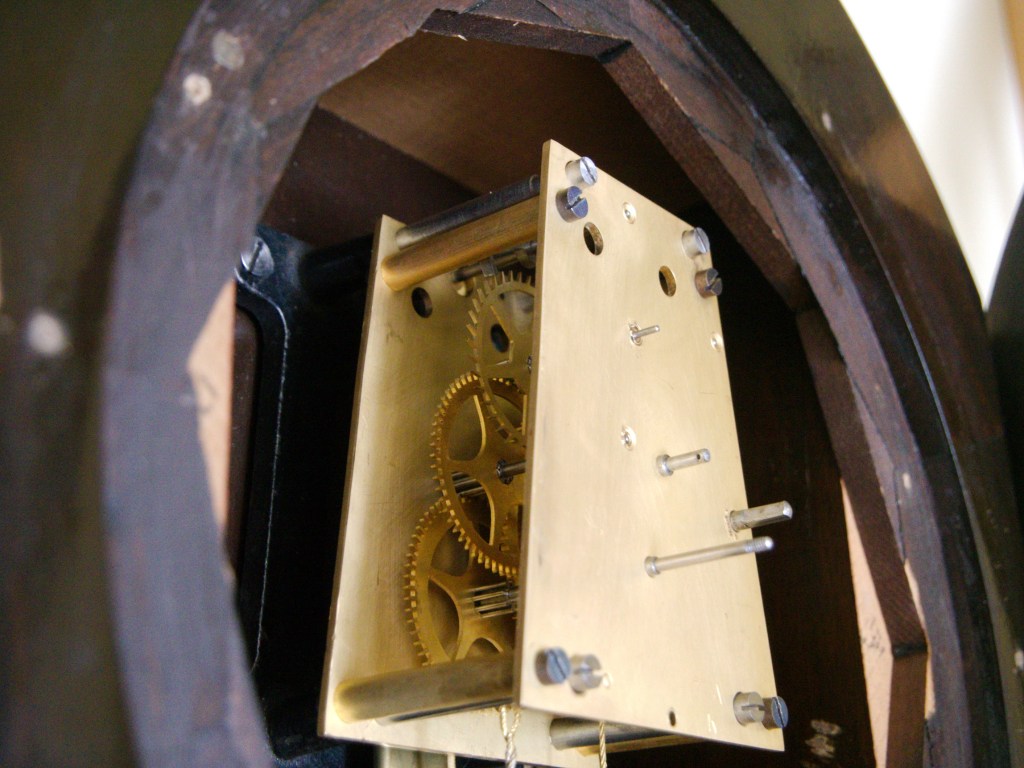
The steps to remove the pendulum are as follows. First, the clock hands are removed. The minute hand is secured with a nut, which must be released. The second hand is a friction fit and can be pulled straight off.
There are eight small screws holding the dial in place. Once the dial is off, two larger screws on the wooden second-hand rail can be removed to access the movement. Four cylindrical column posts secure the movement in place; unscrewing them, starting with the bottom two, allows the movement to be lifted/pulled out. Once the movement is out, the pendulum can be unhooked from its suspension spring. The entire process takes less than five minutes.
The trapezoid 77A movement in this clock appeared clean when I first opened the case. There were signs of previous work, such as punch marks around some pivot holes, a common practice frowned upon today. The deadbeat escapement was in good condition and did not require adjustment. Otherwise, the movement looked to be in very good condition.
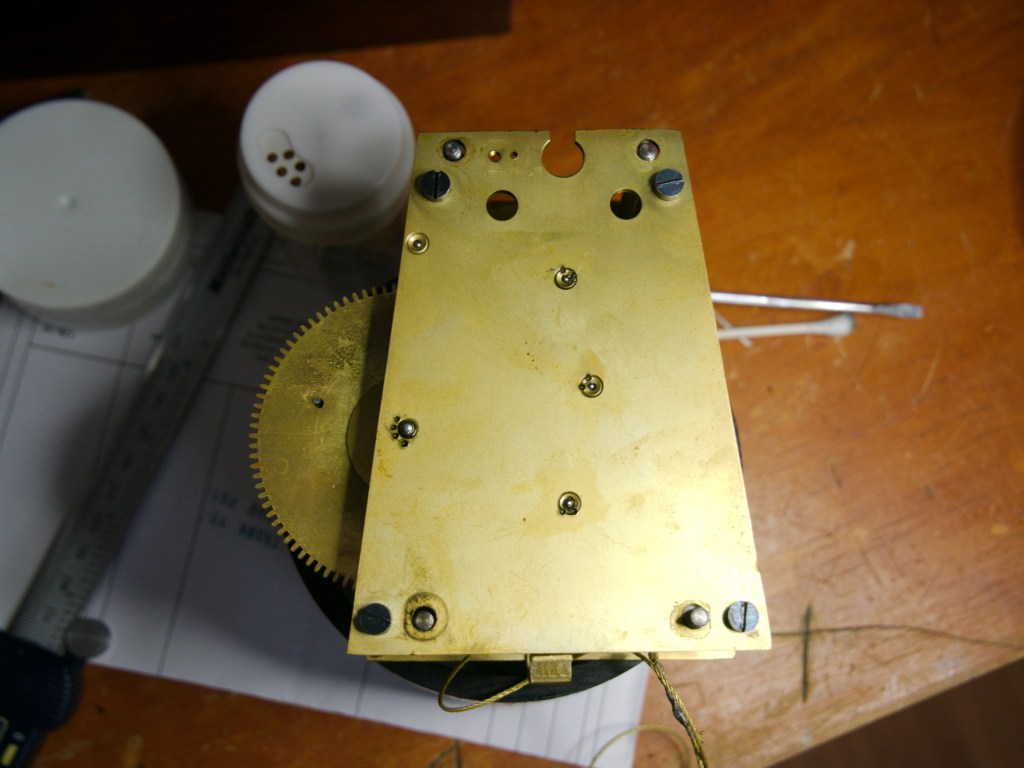
Getting the clock to run reliably presented a challenge, and it took about a week to troubleshoot and resolve the issue. It eventually became clear that the issue lay in the positioning of the hands with the second hand obstructing the hour hand. I remounted the dial ensuring there was sufficient clearance between the second hand and the hour hand and it ran smoothly thereafter.
Regulating the clock is a relatively straightforward process, achieved by adjusting the rating nut on the bottom of the pendulum. This clock must be level and properly aligned to function correctly.
Time for servicing
In the spring of 2021, the clock began to stop intermittently. It would operate for 5-10 minutes before coming to a halt. I had replaced the suspension spring two weeks earlier and thought I had addressed the issue but clearly, I had not.
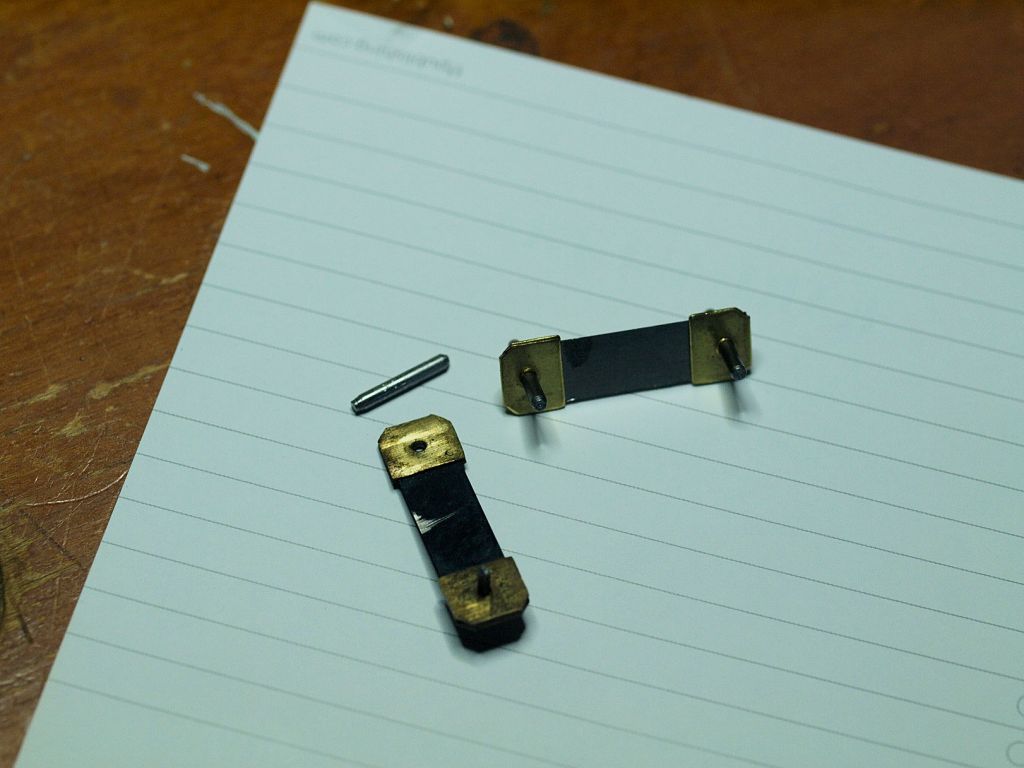
The clock’s apparent simplicity masks the tight tolerances it requires, and any signs of wear have the potential to cause the clock to cease functioning. Despite being a time-only movement with few gears I do not believe this is a good movement for the novice clock repairer.
I installed three bushings on the back plate; the second, and third wheels, and the escape wheel, and two on the front; third wheel, the escape wheel, and the verge pivot hole front plate.
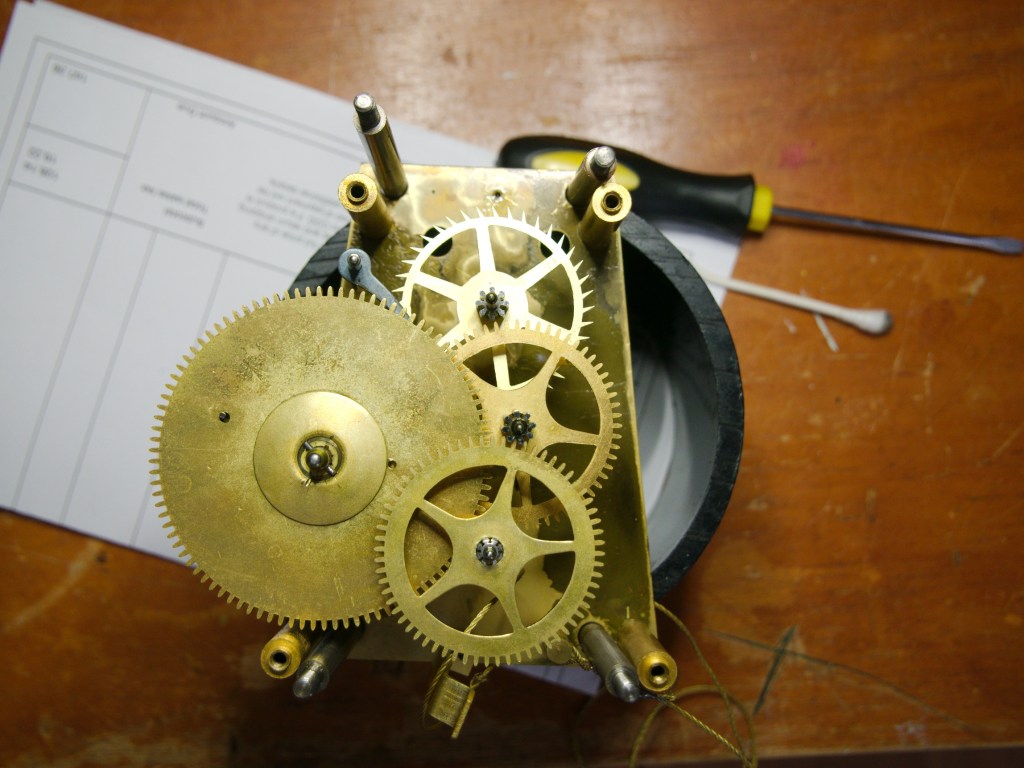
At the time I also discovered a slightly bent third-wheel arbour that did not take much effort to straighten.
While the movement was out of the case I replaced the maintaining power spring. I’m unsure if I’ve resolved the clunking sound the clock produced when I wound it previously because I now must turn the key crank in the opposite direction for a quarter turn to adjust the maintaining spring to avoid the clunk.
I also replaced the old cable with a 3/64-inch brass-weight cable. One aspect of the brass cable that I particularly appreciate is its nylon core, which prevents it from coiling. Polishing the pendulum bob and weight enhanced its overall appearance.
Since 2021 it has been running very well and keeping accurate time.
While these clocks were constructed robustly and designed for demanding environments, running for extended periods without the need for maintenance, there is still a requirement for periodic servicing. When I obtained the clock, it quite likely had gone without servicing for a considerable duration, and the maintenance performed in 2021 was certainly long overdue.
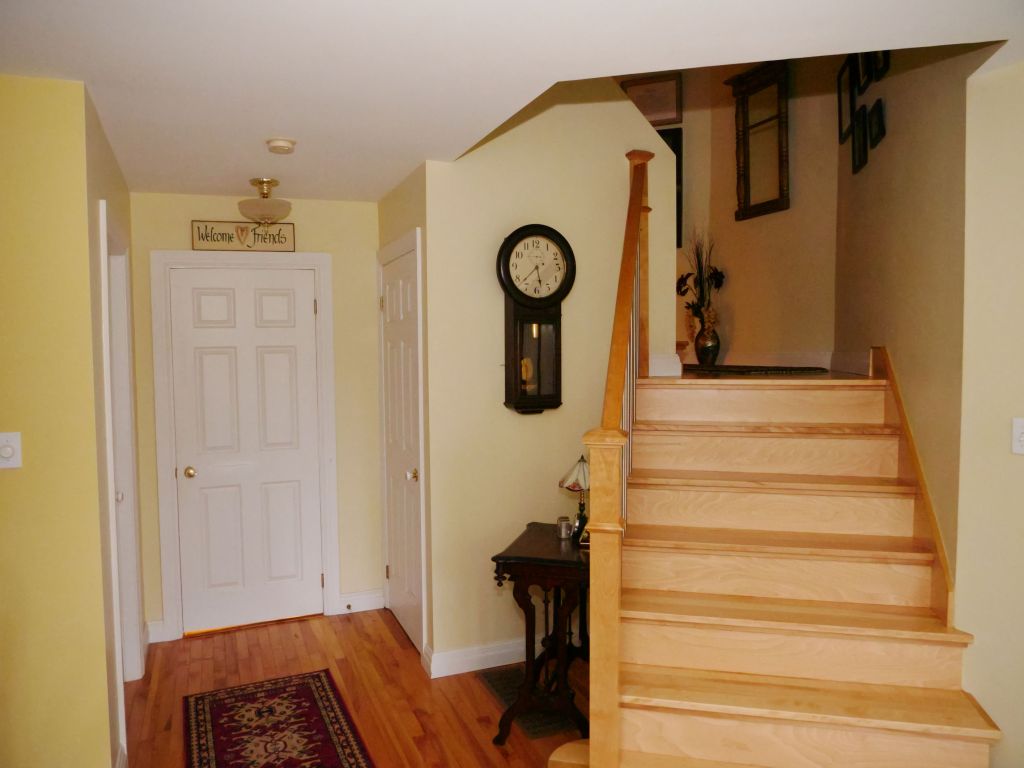
Still, I am happy with the purchase of this clock. At present, it adorns the front hallway of our home, adding a touch of elegance to the entrance.
This clock is a splendid addition to our home’s front entrance, with a rich and storied history. While its exact whereabouts over the past 100 years remains a mystery, it remains a remarkable clock.
Discover more from Antique and Vintage Mechanical Clocks
Subscribe to get the latest posts sent to your email.
 Antique and Vintage Mechanical Clocks
Indeed the clock looks elegant
LikeLike
Thank you.
LikeLike
I too own a Seth Thomas #2 and it is by far my favorite clock. I totally agree with your assessment of how difficult it can be to service the movement. Great article. Keep them coming. Though I read all of them, I don’t often comment. Good stuff! Thank you for your dedication to the trade.
LikeLike
Thank you Bob. Some time only movement are very easy to work on, others can be deceptive and require more skill and knowledge.
Ron
LikeLike