
You might be wondering whether or not your newly acquired 100-year-old clock requires maintenance even if it seems to be running well. The traditional saying “don’t fix what isn’t broken” may not be suitable for antique clocks because even a seemingly well-functioning clock may not disclose the full extent of its wear.
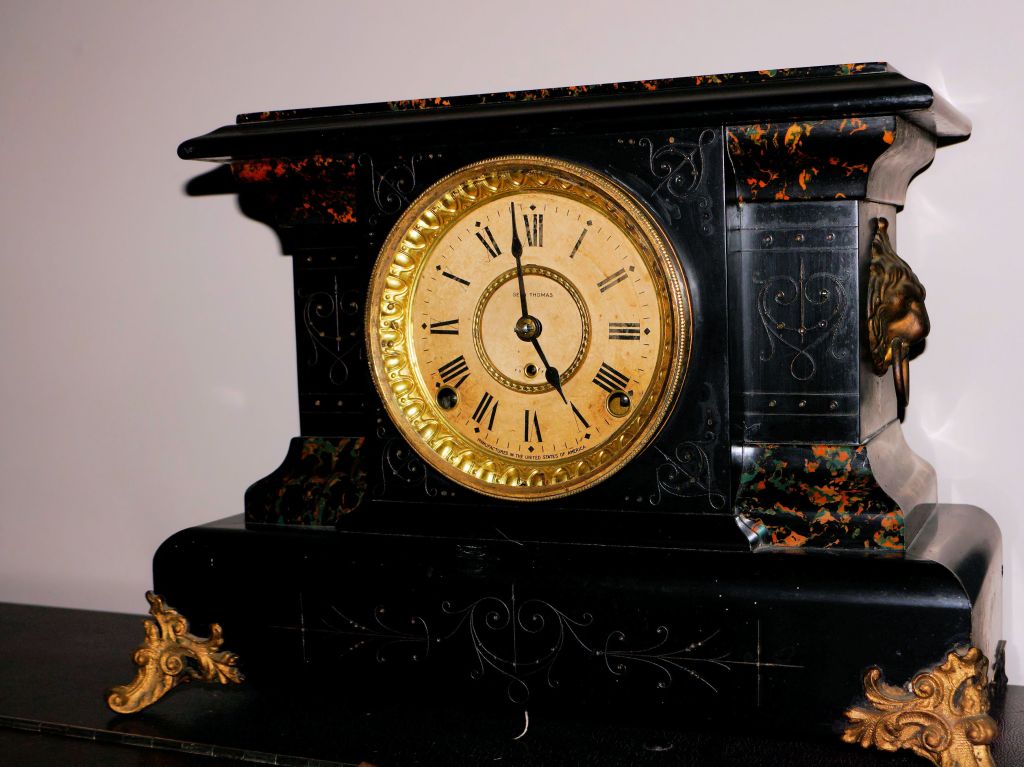
Many years ago mechanical clocks were quite prevalent. However, as electric clocks gained popularity in the 1930s, the mechanical clock industry began to decline. Many renowned American and Canadian clock manufacturers, such as Seth Thomas, Sessions, and Ansonia, simply disappeared by the mid-1950s.
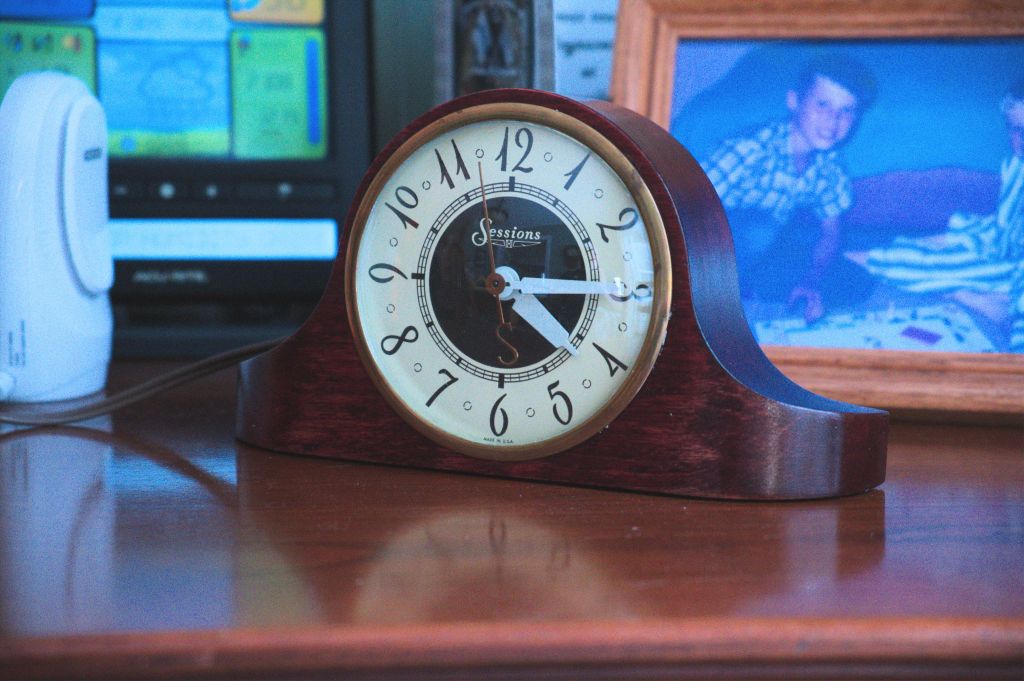
As electric clocks replaced mechanical ones in households, old mechanical clocks became decorative pieces, were stored away in attics, barns, and basements, or found their way to second-hand shops, antique malls, and flea markets. Consequently, the state and backstory of your clock may differ considerably based on the conditions under which it was stored after it stopped running.
Appearance tells a story
The external appearance of the clock and the level of care it has received can provide insights into its usage history. A heavily worn clock case often suggests that the clock movement inside has also experienced significant wear and tear.
On the other hand, a meticulously maintained clock case may house a movement that has enjoyed a lengthy lifespan and received consistent servicing over the years.
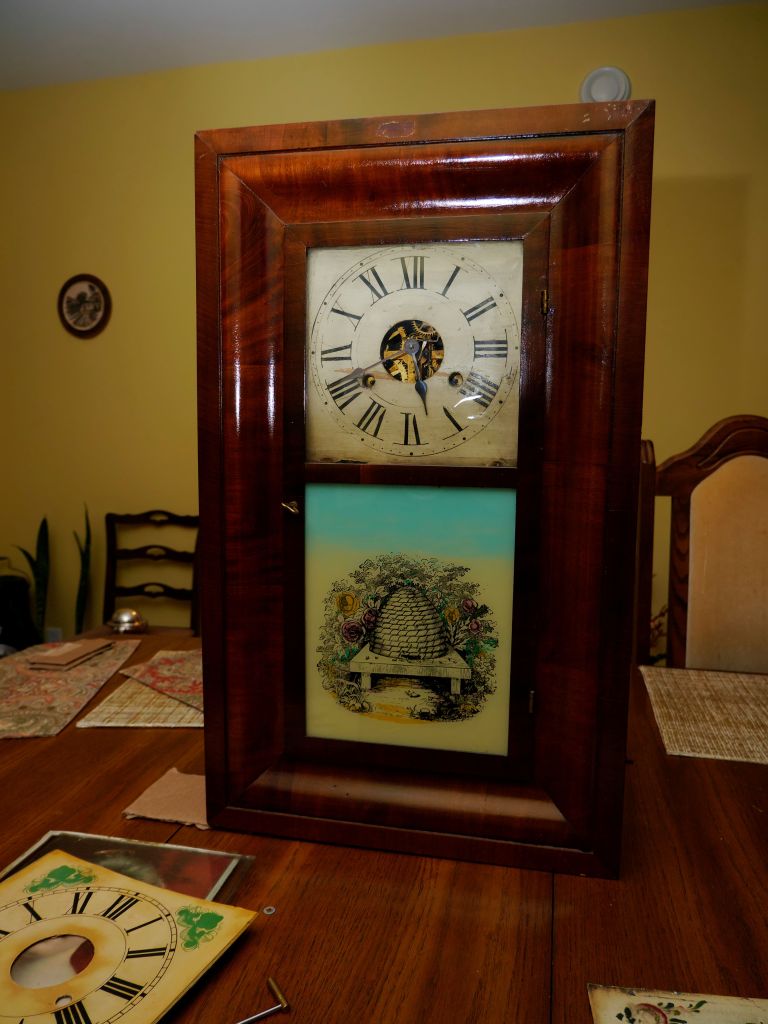
Whether it has run a few months or several years, is difficult to determine precisely unless it has been examined carefully for wear. The answer is complex, primarily because determining the clock’s exact history and how often it has been serviced is not as straightforward as it seems. There are many variables at play and unless you are aware of the clock’s history unraveling its past by examining the extent of wear can be complex.
Inspect for wear
To assess the condition of your clock accurately, you must inspect the movement for signs of wear. Wear is a clear indicator of the clock’s condition and suggests how much time it has spent in operation without maintenance. Only by disassembling the movement can the full extent of wear be ascertained.
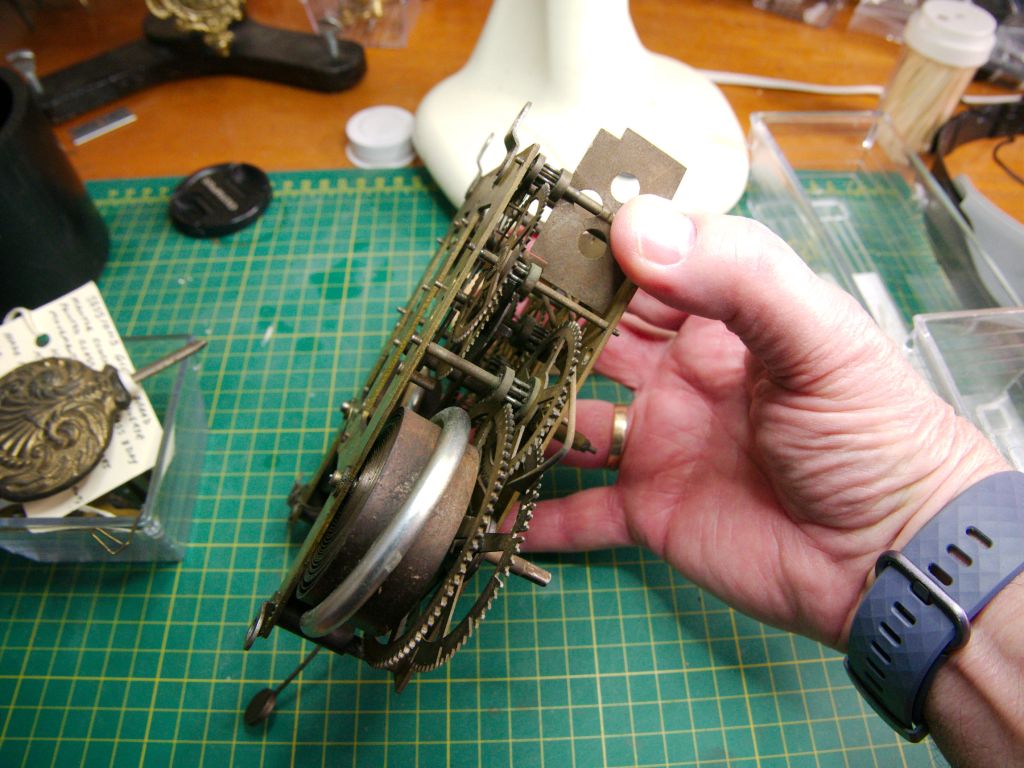
Signs of wear could include worn bushings, worn bushing holes, punch marks adjacent to bushing holes, bent arbours, broken or repaired teeth on clock gears, broken or tired mainsprings, cracked pinions, loose clicks, excessive oiling, traces of solder as well as missing or damaged case pieces, and worn clock faces.
Date markings on the case or the movement that have been inscribed with a sharp tool or pencil provided evidence of when the clock was serviced. Marks such as these indicate that the clock has been serviced, though not necessarily always by a skilled professional.
Buying privately provides some assurances
It is highly unlikely that an antique mall dealer would have much information on a clock’s history as such sellers typically focus on the sale of items rather than their historical backgrounds.
Private sales of antique clocks can indeed offer valuable insights into their usage and history.
In private sales, you often have the opportunity to interact directly with the clock’s current or previous owners. They can provide firsthand information about the clock’s origin, how long it has been in their possession, and any maintenance or repairs it may have undergone.

Antique clocks passed down through generations within a family may come with stories and documentation that shed light on their usage. Some private sales may include original documentation, such as purchase receipts, service records, or even old photographs featuring the clock. These documents can be invaluable in understanding the clock’s history.
Private buyers often have the opportunity to physically inspect the clock before purchase. This close examination can reveal wear patterns, repair marks, or other signs of usage and maintenance that might not be apparent in online listings or auctions.
Sellers of antique clocks in private sales are often enthusiasts or collectors themselves. They may possess an understanding of the clock’s history, design, and significance, which they are willing to share with prospective buyers.

In some cases, private sales may come with provenance—a documented history of ownership and past sales. This can provide a clear lineage of the clock and offer valuable information about its previous owners and usage.
An amateur or professional repair
It’s important to distinguish between amateur and professional repairs. Amateur repairs are often quick fixes to get the clock running again and are usually visibly apparent. In contrast, professional repairs are thorough and aimed at extending the clock’s lifespan, with minimal visible alterations.
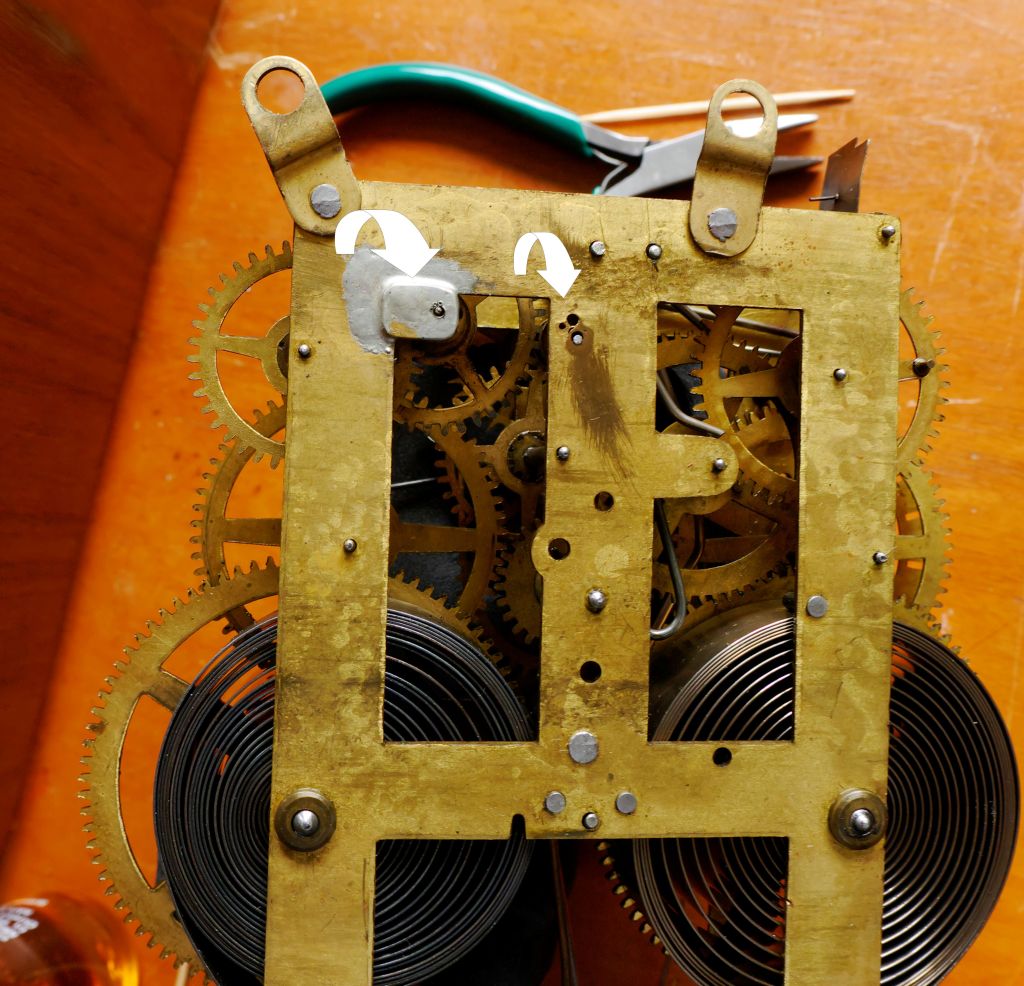
In your search, you may come across clocks that have been serviced multiple times and others that have never received maintenance. Clocks in the latter category can range from heavily worn and non-functional to surprisingly well-preserved due to factors like limited use or professional servicing at regular intervals.

You might come across clocks with multiple services or those never serviced yet still in good condition. While your 100-year-old clock may have run continuously, it likely underwent several servicing sessions, either by skilled professionals or enthusiasts. Conversely, some clocks in excellent condition may have seen minimal use, despite never receiving maintenance.
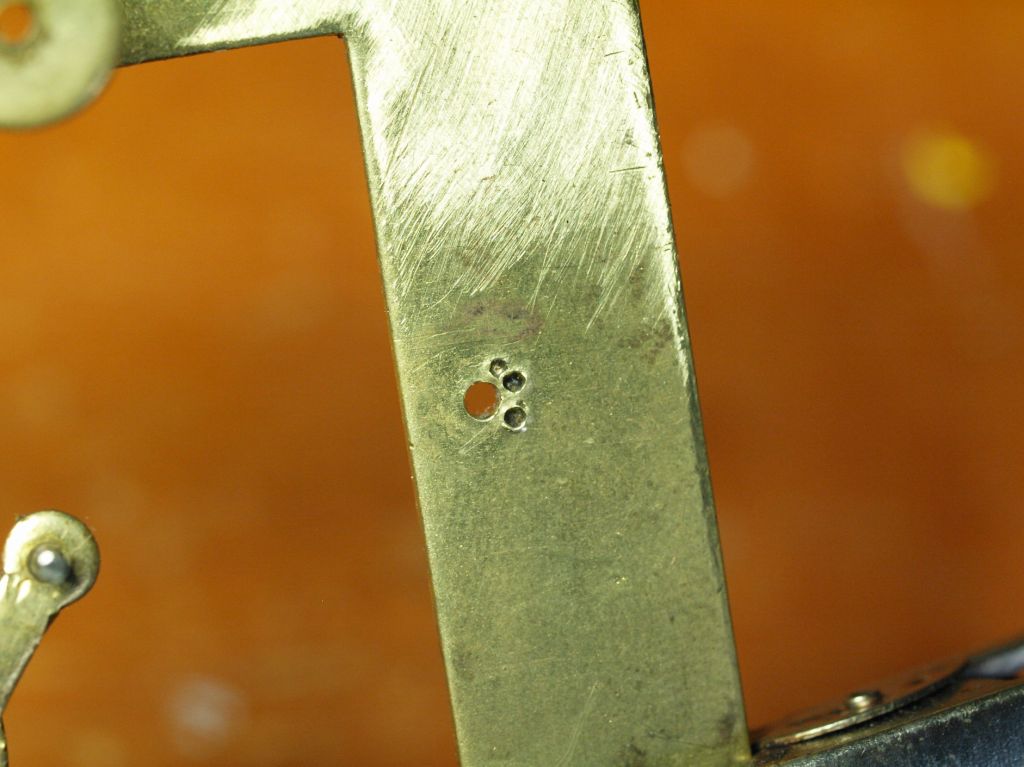
While the complexity of assessing antique clocks’ wear can be daunting, it adds to the allure and fascination. Whether it has run continuously and been cared for throughout its life, or is one step closer to the garbage bin, each clock tells a unique story that adds to its charm.
Discover more from Antique and Vintage Mechanical Clocks
Subscribe to get the latest posts sent to your email.
 Antique and Vintage Mechanical Clocks
Excellent article, thank you for sharing.
<
div dir=”ltr”>
<
blockquote type=”cite”>
LikeLike
Thank you.
Ron
LikeLike