Any time of year is a good time to offer an antique clock as a unique gift.
Mechanical clocks take us back to simpler times, free from mobile phones, the internet, and streaming TV. They evoke nostalgia for an era gone by.
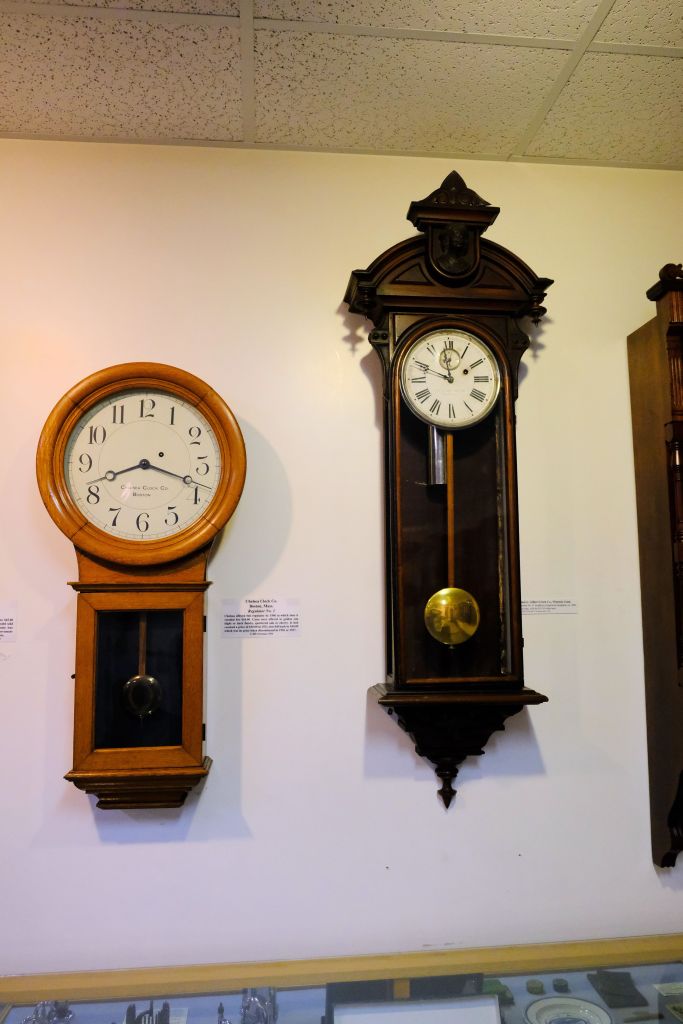
Determining whether to gift an antique clock can be a challenge. Allow me to provide you with some valuable tips.
Observation skills are key
The first step involves careful observation skills, assessing whether or not the recipient would appreciate an antique clock.
If the person has a general interest in history or has shown appreciation for antiques in the past, they might be more inclined to appreciate an antique clock. Take note of their home’s interior design and decor style. Antique clocks can complement various decor themes, such as vintage, traditional, or rustic. If their home features elements of these styles, it’s a positive sign.
Consider whether the person has a sentimental attachment to heirlooms or family keepsakes. Antique clocks often have a rich history and can become cherished heirlooms themselves. If the recipient is known to collect items, especially vintage or historical items, they may be more likely to appreciate an antique clock as an addition to their collection.
Antique clocks often exhibit intricate craftsmanship. If the recipient has an eye for fine craftsmanship or has expressed admiration for handmade or artisan items, they may appreciate the work that went into creating an antique clock.
Listen for any comments or discussions about nostalgia for earlier times. Antique clocks can evoke a sense of nostalgia for a simpler, pre-digital era.
If the person has owned or displayed clocks before, it’s a good sign that they might enjoy receiving another clock as a gift. Consider whether the person appreciates receiving unique and thoughtful gifts rather than typical, mass-produced items.
By paying attention to these clues and considering the recipient’s preferences and interests, you can make a more informed decision about whether an antique clock would be a well-received and meaningful gift.
Mechanical clocks appeal to those who either enjoy the sound and striking of a clock or appreciate it as part of their decor. These preferences will guide your gift selection.
Here are two examples of clocks I have gifted to family members:
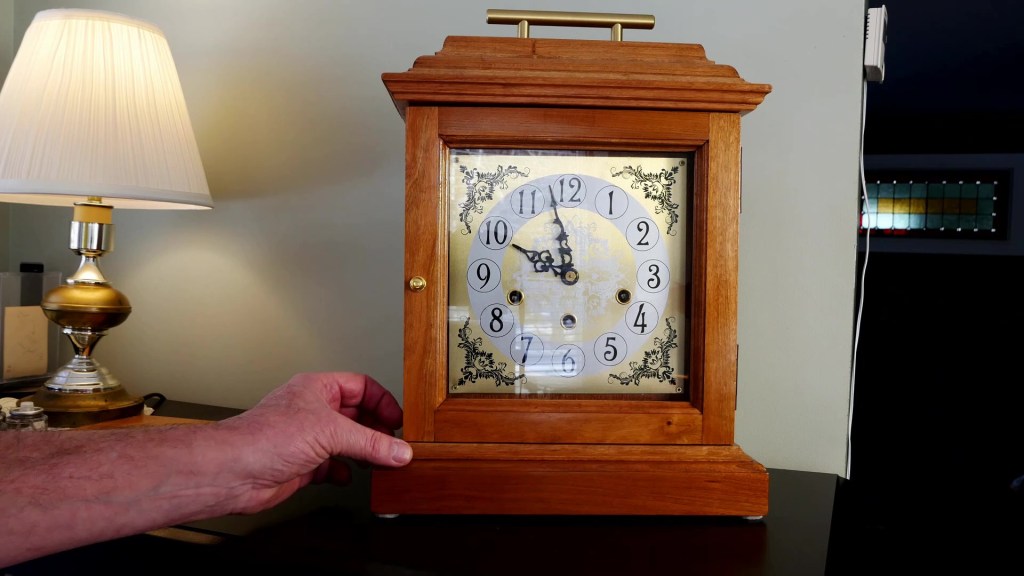
My son and his partner have a German Schatz W3 bracket clock in a custom case. It is in excellent mechanical condition but because it has a floating balance escapement it is very quiet when running. It serves as the centrepiece for their buffet and hutch.
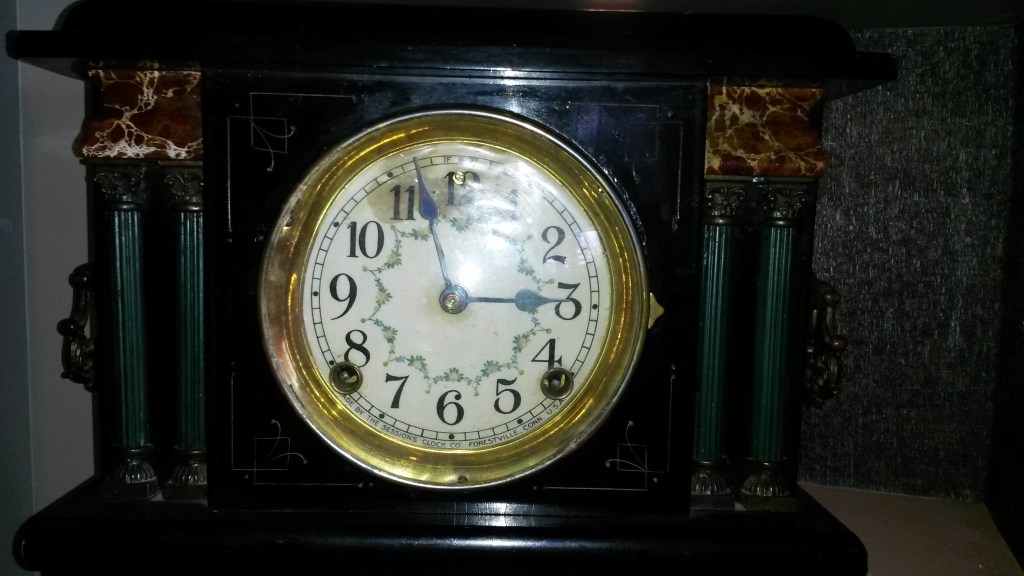
My daughter has a Sessions Raven 8-day mantel clock that rests atop a bookcase in their family room. Although they choose not to run it, they nevertheless cherish it.
Choosing the right one
If you believe the recipient would appreciate a mechanical clock as a gift, the next step is choosing the right one. There’s a wide range of options available, catering to different budgets, from basic American kitchen clocks to rare 19th-century French Boulle mantel clocks, from those that are fairly economical to higher priced items.
Let’s narrow down the choices with a strategic approach.
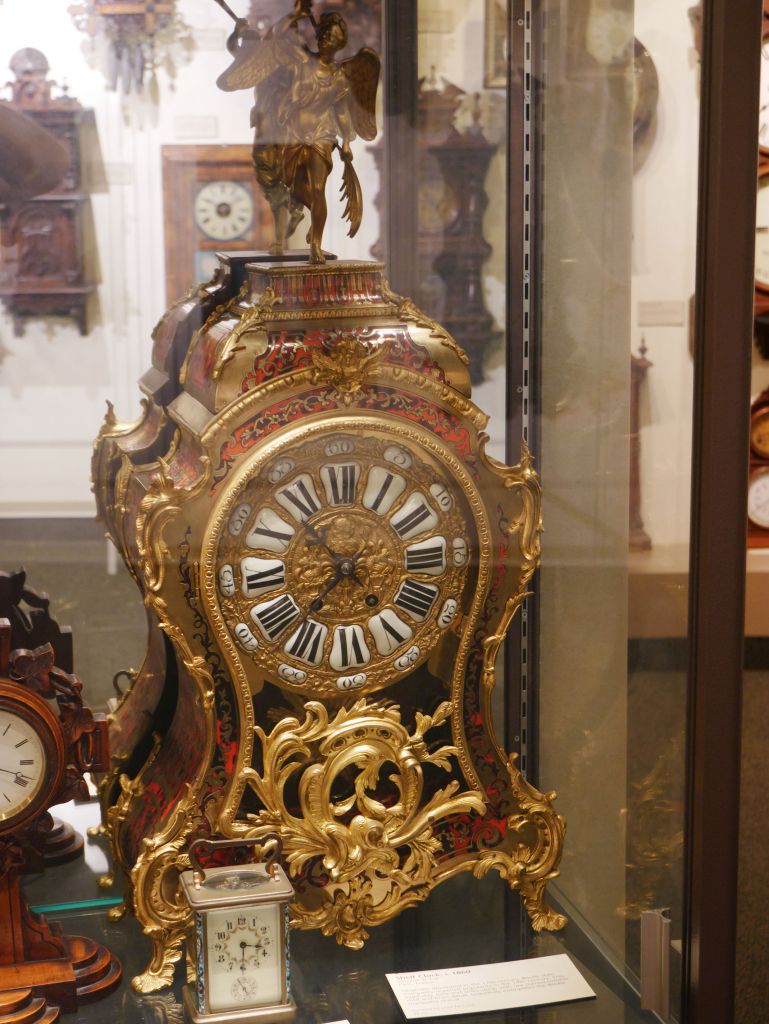
The following two categories can help you make the right decision when buying a clock for your loved one, friend, or business associate.
Category 1 – Recipients Who Appreciate a Running Clock:
- Avoid non-working clocks unless you or someone you know has clock repair skills.
- Exercise caution when considering clocks labelled as “may require adjustment,” as they frequently conceal significant issues.
- Investing in clocks that have undergone recent servicing and come with a warranty justifies the higher price tag.
- Give serious thought to purchasing from established and reputable clock repair retailers. They offer added assurance of quality and reliability when acquiring a mechanical clock.
- Opting for local purchases is a better choice compared to online auction platforms like eBay, as it helps avoid elevated shipping expenses and the potential risk of receiving a damaged clock.
Most mechanical clocks are 8-day running, requiring weekly winding. Some quality 15-day and 30-day clocks exist but are not as plentiful. Avoid 1-day clocks unless the recipient enjoys daily winding. Avoid 31-day clocks, as they are frequently manufactured in China, featuring subpar movements and inexpensive cases.

Category 2 – Recipients Who desire a Mechanical Clock as Decoration:
- For certain individuals, the aesthetic appeal and potential for sparking conversations outweigh the clock’s functional aspects.
- Clocks that don’t function but have appealing cases are well-suited for this situation.
- Examine the case’s condition, recent repair work, and authenticity carefully. A poorly executed case repair will be readily noticeable.
- Steer clear of clocks that have had their original mechanical movements replaced with quartz mechanisms. If the recipient ever decides to sell it in the future, retaining the original movement will enhance its value.
- Removing dirt and grime from a soiled clock case can greatly enhance its visual appeal while preserving its original patina.
Types and styles of clocks to consider
- Grandfather Clocks (Longcase or tallcase Clocks): These tall, freestanding clocks are typically over 6 feet in height and have a pendulum mechanism enclosed in a wooden case. They are known for their elegance and often feature intricate detailing. These are large clocks that take up floor space which is an important consideration.
- Mantel Clocks: Designed to sit on a mantelpiece or shelf, mantel clocks are often smaller and more decorative. They can come in a wide range of styles, from ornate Rococo to sleek Art Deco designs.
- Shelf clocks: Designed to sit on a mantelpiece or shelf. Examples are steeple clocks, ogee clocks, kitchen clocks and cottage clocks.
- Wall Clocks: Wall clocks are hung on the wall and come in various shapes and sizes. Examples include the Vienna regulator clock, schoolhouse clock, and banjo clock.
- Bracket Clocks: These are small, bracket-mounted clocks typically found on shelves or brackets. They often have a carrying handle and are known for their portability.
- Carriage Clocks: Originally designed for travellers, carriage clocks are small, portable clocks with a handle. They often feature an enamel dial and a hinged protective case.
- French Clocks: French clock-making is renowned for its craftsmanship and artistic design. Styles include Louis XIV, Louis XV, and Louis XVI, each reflecting the aesthetics of its respective period.
- Vienna Regulator Clocks: These wall clocks originated in Vienna, Austria, and are characterized by their long and narrow wooden cases, typically with a pendulum visible through a glass door.
- Art Deco Clocks: Popular during the 1920s and 1930s, Art Deco clocks feature geometric shapes, bold colours, and sleek lines. They represent the Art Deco design movement’s distinctive style.
- Art Nouveau Clocks: Art Nouveau clocks emphasize organic, flowing forms inspired by nature, often featuring intricate metalwork and curvilinear designs.
- Cuckoo Clocks: Originating from the Black Forest region in Germany, cuckoo clocks are known for their distinctive cuckoo bird call. They often have wooden carvings and a pendulum.
- Skeleton Clocks: These clocks have an exposed mechanism with minimal casing, showcasing the intricate gears and escapement. They are prized for their transparency and craftsmanship.
- Marine Chronometers: Precision timekeeping instruments used for navigation at sea, marine chronometers are often housed in a wooden box and have a gimbal system to maintain accuracy on a moving ship.
- Calendar Clocks: These clocks display the date, often with additional complications such as moon phases or day-of-the-week indicators.
A mechanical clock makes for a truly special gift, one that has the potential to evolve into a beloved heirloom over time. Whether it continues to keep perfect time or finds its place as a decorative piece, the sentiment behind such a gift is sure to be appreciated by the recipient so long as you assess whether the recipient would appreciate such a gift.
A clock not only signifies the passage of time and makes it a meaningful present for any occasion. Its intricate craftsmanship makes it a symbol of both utility and beauty.
So, when you choose to gift a mechanical clock, you’re not only giving a functional timepiece but also a lasting memory that can be appreciated for years to come.
Discover more from Antique and Vintage Mechanical Clocks
Subscribe to get the latest posts sent to your email.
 Antique and Vintage Mechanical Clocks
You must be logged in to post a comment.