
In this post I will acquaint the reader with temperature compensation and what it means for maintaining the accuracy of a mechanical clock.
Almost all materials expand noticeably with heat and contract when cooled.
Temperature compensation is a critical factor to consider when it comes to the maintenance and repair of antique mechanical clocks. Clocks are precision instruments that rely on a delicate balance of mechanical components to keep accurate time. Any changes in temperature can cause the metal components of the clock to expand or contract, leading to inaccuracies in timekeeping.

To combat these fluctuations, many antique clocks were designed with temperature compensation mechanisms. These mechanisms are intended to counteract the effects of temperature changes on the clock’s accuracy. One common method of temperature compensation is the use of a bi-metallic strip, which is a strip of two different metals that are bonded together. As the temperature changes, the metals expand and contract at different rates, causing the strip to bend and adjust the balance of the clock.
Wood was a commonly used material for antique clock pendulum rods because it has a low coefficient of thermal expansion, meaning it is less likely to expand or contract with changes in temperature, which is crucial for maintaining the accuracy of timekeeping in clocks. Wood is relatively lightweight and easy to work with, making it a practical choice for clockmakers.
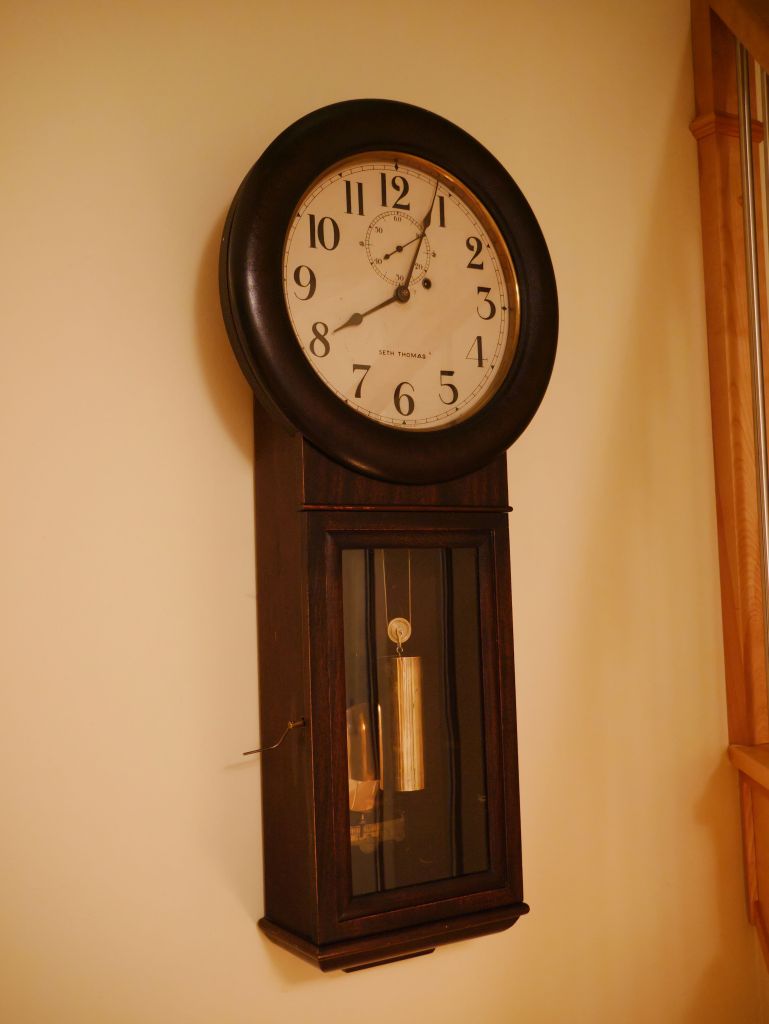
However, not all antique clocks were designed with temperature compensation mechanisms.

For those that lack these features, it’s important to keep the clock in a stable environment with minimal temperature fluctuations. However seasonal changes in heat and humidity may require periodic adjustments. Exposure to extreme temperatures or rapid changes in temperature can cause damage to the clock’s components and negatively impact its accuracy.

Temperature compensation is a critical factor to consider when it comes to antique mechanical clocks. While some clocks were designed with built-in temperature compensation mechanisms, others may require more careful maintenance and storage to ensure accurate timekeeping over time.
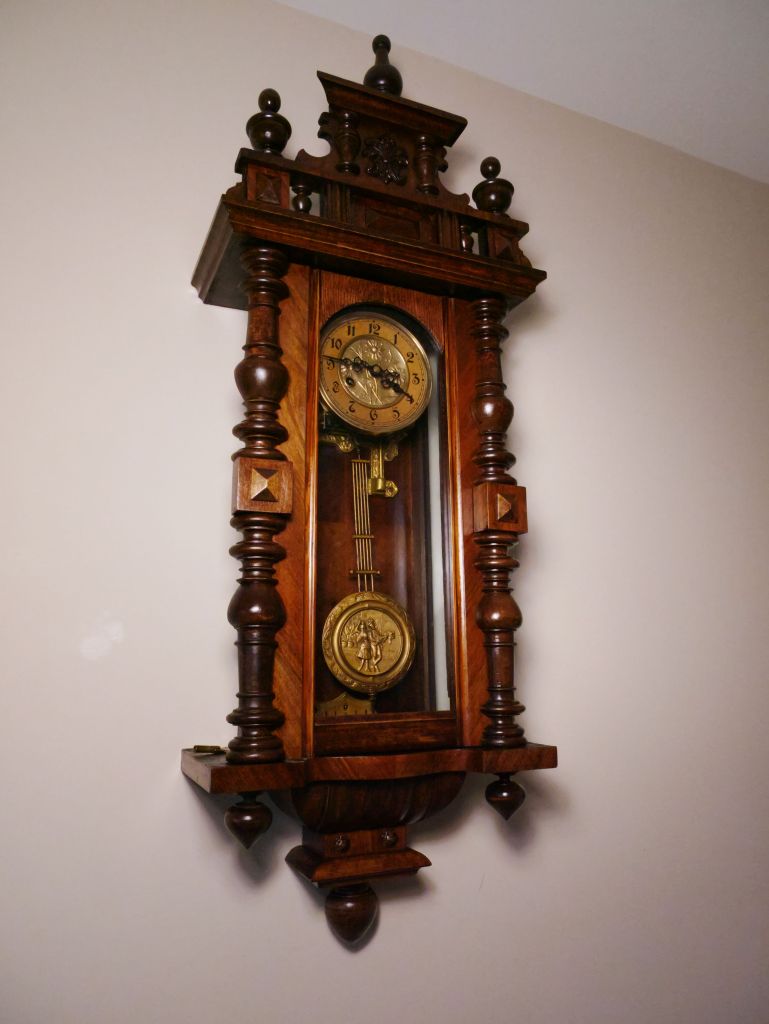
Having said the above not every pendulum design that appears to provide temperature compensation actually serves that purpose. In certain instances, pendulum rod designs may be purely decorative (such as the Mauthe wall clock below) and lack temperature compensation functionality altogether.
If your clock is experiencing inaccuracies in timekeeping, there are various adjustments that can be made. However, if you lack the necessary expertise, it is advisable to consult a professional clock repairer. They can thoroughly examine the clock’s mechanisms, identify any problems, and make the necessary adjustments to ensure precise and accurate timekeeping.
Discover more from Antique and Vintage Mechanical Clocks
Subscribe to get the latest posts sent to your email.
 Antique and Vintage Mechanical Clocks
You must be logged in to post a comment.