Mainsprings dilemma | To Replace or Not To Replace

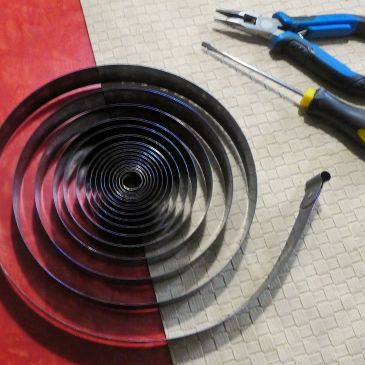
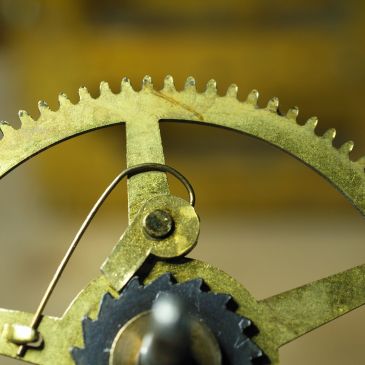
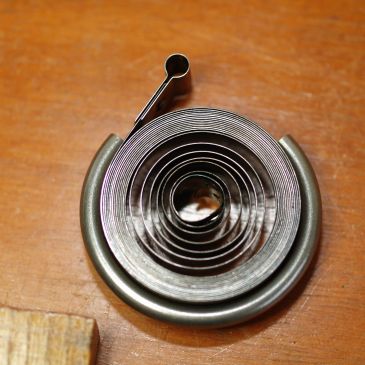
As a clock repairer, there are several compelling reasons to keep the original mainsprings if they are still in good condition. Keeping the original mainsprings ensures that the clock remains as close to its original condition as possible. Collectors and enthusiasts often value clocks with original parts, as they maintain the authenticity and historical significance … More Mainsprings dilemma | To Replace or Not To Replace
Rate this:

Hamburg Amerikanische Uhrenfabrik | Servicing an 8-day Countwheel Strike Movement – Part II

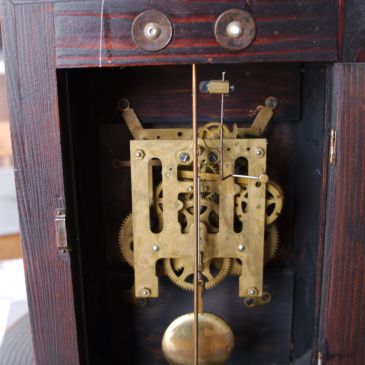
I am currently working on a mantel clock from the Hamburg American Clock Company. This is Part II in a two-part series. For Part I go here. The Hamburg American Clock Company is otherwise known as Hamburg Amerikanische Uhrenfabrik or HAU and in many parts of the world, it is simply known as HAC. In … More Hamburg Amerikanische Uhrenfabrik | Servicing an 8-day Countwheel Strike Movement – Part II

Rate this:

How to Service an Open Mainspring Without a Spring Winder – Step-by-Step Guide

In a previous article on servicing this clock, I mentioned the challenge I faced with the mainspring. With only minimal tools at my disposal and no spring winder, I was determined to find a solution and successfully service the mainspring. This clock was manufactured by New Haven and boasts a classic design with a twelve-inch … More How to Service an Open Mainspring Without a Spring Winder – Step-by-Step Guide

Rate this:

Assessing the level of wear on your antique clock

You might be wondering whether or not your newly acquired 100-year-old clock requires maintenance even if it seems to be running well. The traditional saying “don’t fix what isn’t broken” may not be suitable for antique clocks because even a seemingly well-functioning clock may not disclose the full extent of its wear. Many years ago … More Assessing the level of wear on your antique clock

Rate this:

Restoring Antique Clocks according to Customer wishes

While I do not operate a clock business I have, in the past, worked on other people’s clocks. The customer’s perspective and preferences are always paramount when it comes to repairing and restoring antique clocks. As an antique clock blogger and clock repairer, I believe it is crucial to respect and understand the wishes of … More Restoring Antique Clocks according to Customer wishes

Rate this:

More advanced clock repair tools for the budget minded and those of you who can afford the extra cost

Antique clocks are not only valuable as historical artifacts but also as complex machines that require precise repair and maintenance. To ensure their longevity and functionality, clock repairers need to have access to advanced tools that can help them diagnose and fix various issues. From ultrasonic cleaners to digital calipers, the modern clock repairer has … More More advanced clock repair tools for the budget minded and those of you who can afford the extra cost

Rate this:

Seven steps to servicing an antique or vintage clock movement

Why does a mechanical clock movement require servicing? The answer is fairly straight forward. Keeping your clock in good running condition requires maintaining the movement’s working parts and maintaining the working parts reduces wear. Ideally, most clocks should be serviced every three to five years to maximize longevity and ensure proper functioning. This article describes … More Seven steps to servicing an antique or vintage clock movement

Rate this: