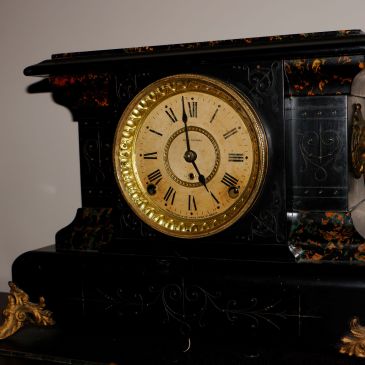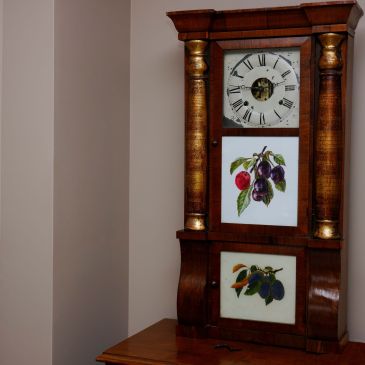
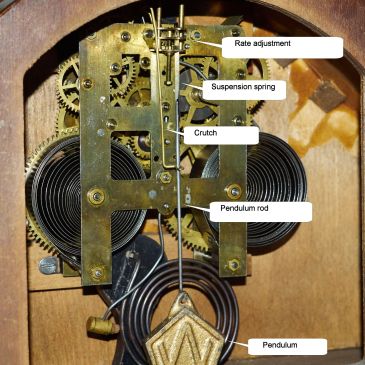
Your Clock Has Stopped | Follow These First 5 Steps Before Calling A Clock Repairer

There are few things more frustrating for an antique or vintage clock owner than when a favorite clock suddenly stops. Mechanical clocks are intricate machines, but that doesn’t always mean the problem is complicated. In fact, many stoppages are caused by small, simple issues that can be corrected at home without tools or technical expertise. … More Your Clock Has Stopped | Follow These First 5 Steps Before Calling A Clock Repairer
Rate this:

Common Reasons Your Clock Is Running Slow

There are four general categories of clocks: quartz, electro-mechanical, electric, and mechanical. Mechanical clocks—whether antique or vintage—are the focus of this discussion on why a clock might run slowly. We’ve become accustomed to the accuracy of quartz clocks, which lose or gain only milliseconds per week. Contrast that with an era when people were content … More Common Reasons Your Clock Is Running Slow

Rate this:

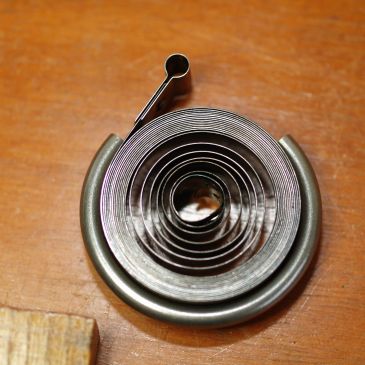
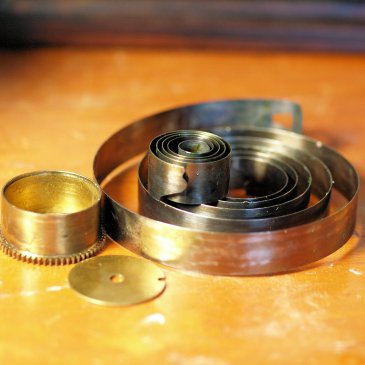
Mainsprings dilemma | To Replace or Not To Replace

As a clock repairer, there are several compelling reasons to keep the original mainsprings if they are still in good condition. Keeping the original mainsprings ensures that the clock remains as close to its original condition as possible. Collectors and enthusiasts often value clocks with original parts, as they maintain the authenticity and historical significance … More Mainsprings dilemma | To Replace or Not To Replace

Rate this:

The Myth of Over-Winding: Clarifying a Common Misconception

In the fascinating world of horology, many terms and expressions are often misunderstood or misused. A classic example is the frequent confusion between the words “mantel” and “mantle” to describe certain types of clocks. While “mantel” refers to a shelf over a fireplace, “mantle” is something you wear, like a cloak. Another pervasive myth is … More The Myth of Over-Winding: Clarifying a Common Misconception

Rate this:

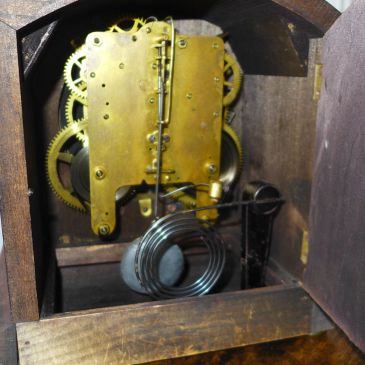
Wrapping up the servicing of a Seth Thomas type 89 movement

Seth Thomas is a well-known American clock manufacturer with a long history, and they produced a variety of clock movements over the years. The Type 89 movement is one of the many clock movements produced by Seth Thomas between 1900 and 1938. The mantel clock in question features the Type 89 movement. Acquired in the … More Wrapping up the servicing of a Seth Thomas type 89 movement

Rate this:

The Inner Workings of Mechanical Clocks: How They Keep Time

Every time I glance at one of the vintage clocks in my collection, I am struck by the exceptional level of craftsmanship and marvel at how a mechanical device crafted over a century ago can still maintain precise timekeeping. Mechanical clocks are machines designed to measure, keep, and indicate time. Mechanical clocks rely on a … More The Inner Workings of Mechanical Clocks: How They Keep Time

Rate this:

Calibrating a typical American spring-driven mechanical clock

In our quest to have our antique mechanical clocks run accurately the immediate response is to regulate the clock, but have you thought about calibrating your mechanical clock? It is not as difficult as it sounds. This is not the same as regulating your clock. A properly regulated Anerican-made spring-driven clock will show the correct … More Calibrating a typical American spring-driven mechanical clock

Rate this:

What is this clock thing for? #5 – the mainspring clamp

The only way you can safely disassemble a clock with an open mainspring is by using mainspring restraining clamps. 4 piece sets, which will accommodate various mainsprings sizes are available from all clock suppliers. Wind the mainsprings tightly enough so that you can work the clamps around the springs. Move the rachet click aside and … More What is this clock thing for? #5 – the mainspring clamp

Rate this:

My antique clock runs slow – why?

There are four general categories of clocks; quartz, electro-mechanical, electric, and mechanical. Mechanical clocks, whether they are antique or vintage are the focus of our discussion on why a clock runs slow. We are quite accustomed to the accuracy of quartz clocks which lose or gain mere milli-seconds per week. Contrast that with an era … More My antique clock runs slow – why?

Rate this: