
For clock collectors, presentation is just as important as the clocks themselves. A well-arranged collection not only enhances a space but also invites conversation and appreciation. While some collectors prefer to distribute their clocks throughout their home, others opt to showcase them all in one dedicated space. Regardless of your approach, thoughtful arrangement can make a significant difference.
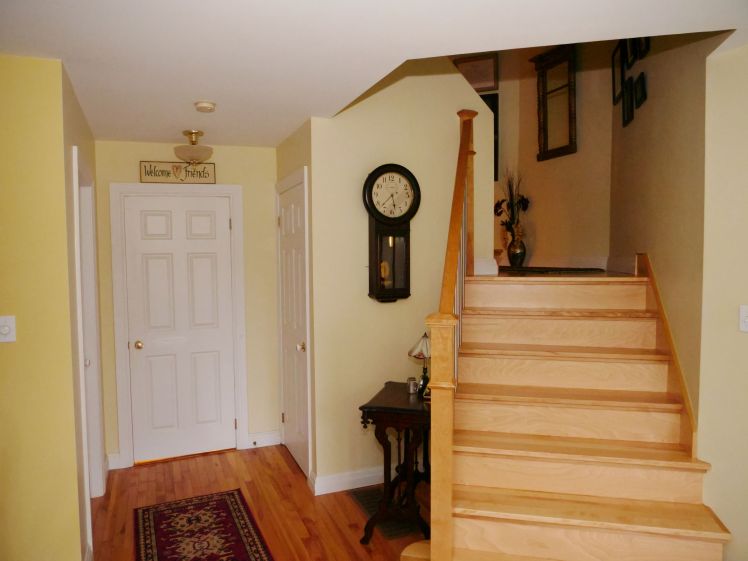
One general guideline is to avoid clustering too many clocks in one area, allowing each piece to stand out. However, if you prefer to group multiple clocks together, consider organizing them by maker, style, type, era, or country of origin. A collection arranged with a clear theme creates a cohesive and visually appealing display, whereas a more haphazard approach can feel cluttered and overwhelming.
Deciding How Many Clocks to Display
Many collectors set limits on how many clocks are displayed at one time—and how many are actually running. While I keep most of my displayed clocks running, I occasionally let some take a “break.” Changing a clock’s location from time to time can refresh a room’s look, though it’s important to remember that some clocks are sensitive to movement.

For example, in one of my larger rooms, I have four clocks, but they are spaced out so as not to compete for attention. The most striking piece is a 2-weight Gustav Becker Vienna regulator from 1902—at 51 inches tall, it naturally commands the space. On another wall is a Arthur Pequegnat wall clock, an Ingraham shelf clock that sits on an old Westinghouse radio, and a 1996 Ridgeway tall case to complete the arrangement. The layout ensures that each clock is showcased without overwhelming the room.

Placement Considerations
Some collectors prefer to dedicate a single room to their clocks, creating a focused display, while others, like myself, enjoy integrating clocks throughout the home. Of course, what works best also depends on what your partner is willing to tolerate!
In my entrance hallway, for example, my Seth Thomas Regulator #2 greets the visitor to my home. Also in the hallway is an Arthur Pequegnat Canadian Time wall clock.
On the second floor, a Pequegnat Brandon schoolhouse clock is positioned where it can be admired, but in keeping with a simple household rule—no striking clocks upstairs to ensure a peaceful night’s sleep.
In the dining room, a Gilbert shelf clock sits atop a 1947 Stromberg Carlson console radio, blending vintage charm with functionality.
The Art of Thoughtful Display
Arranging a clock collection takes more than just placing timepieces on a shelf—it requires an eye for balance, harmony, and practicality. A well-considered display not only highlights the beauty of each clock but also enhances the overall aesthetic of your home. Whether you prefer a carefully curated showcase or a more casual arrangement, the key is to strike a balance between functionality and visual appeal.

How do you display your collection? Do you prefer grouping clocks together, or spreading them throughout your home? Let me know your thoughts!
Discover more from Antique and Vintage Mechanical Clocks
Subscribe to get the latest posts sent to your email.
 Antique and Vintage Mechanical Clocks