
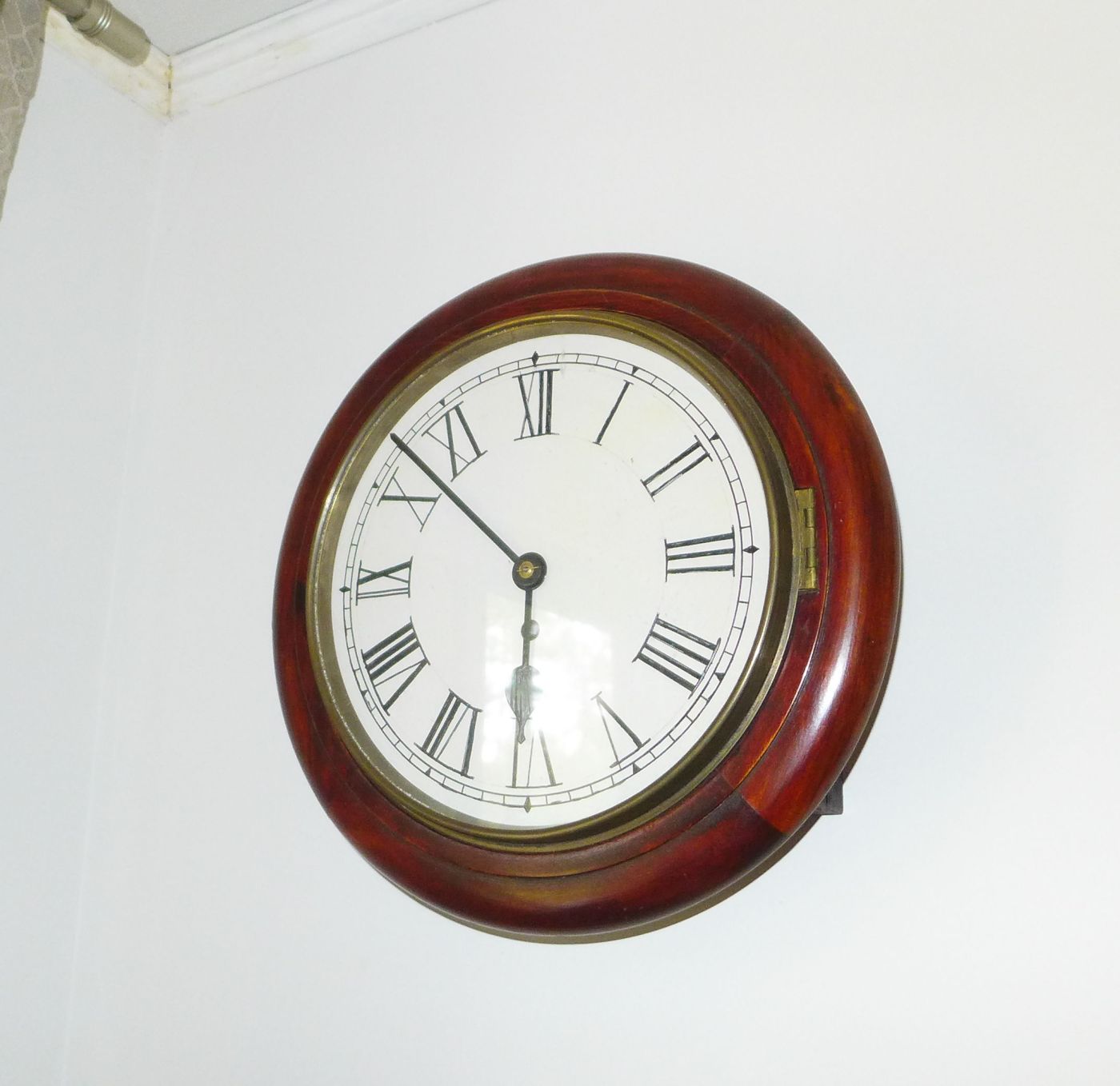
Regularly dusting a clock was once a key part of the cleaning routine in days gone by. The clock was an important feature in the home, and maintaining its appearance was a significant part of regular housekeeping. It often held a place of pride in the household.

While modern homes may generate less dust than those of the past, occasional dusting is still necessary to keep items clean.
Caring for your clock’s case is an essential part of maintaining its overall condition and preserving its appearance. Caring for your clock’s case is crucial because it helps maintain its visual appeal. The case protects the movement from dust, dirt, moisture, and physical damage. Over time, neglecting the case can lead to fading, cracking, or warping of the wood, which may affect the clock’s value. Regular cleaning, polishing, and protection from environmental factors such as sunlight and humidity can extend the life of the clock and preserve its historical and collectible value.
Your Cleaning Routine
Regular dusting is crucial, and using a soft, dry microfiber cloth is recommended to gently remove dust. Dust buildup can damage finishes over time, so it makes sense to make cleaning a regular practice.
Avoid using paper towels or rough cloths that may scratch the surface. Harsh chemicals and abrasive cleaners should also be avoided, as they can damage the finish. If necessary, a mild soap solution with water can be used, but always test it in an inconspicuous area first.
For wooden clock cases, use a high-quality furniture polish suitable for the wood type, such as wax or cream polish. Minwax Paste Finishing Wax works very well and ensures a durable long-lasting finish. Apply a small amount to a soft cloth and always rub in the direction of the grain. Be cautious not to over-polish, as it can build up residue.
If your clock has a glass door or side panels, clean it with a glass cleaner or a vinegar-water solution, spraying it on a soft cloth to avoid streaks, scratches, or spillover. Care should be taken not to get cleaner on the wood.
Additionally, protect the clock’s finish by keeping it out of direct sunlight, as prolonged exposure can cause fading or cracking. Avoid placing it near heat sources such as a register or heating vent or in overly humid areas.
Periodic servicing is important to ensure the clock case retains its original beauty, especially if the clock is older or of significant value. Over time, even with careful use, wood can become dry or scratched, finishes may dull, and joints may weaken. Regular cleaning, conditioning, and minor repairs can prevent these issues and help the case maintain its luster.
Call in a Professional, Perhaps
For higher-value or antique clocks, professional restoration might be necessary. This could involve refinishing the case, repairing cracks or veneer, and restoring or replacing any intricate details that might have worn over time. Professional restorers have the expertise and access to the right materials to ensure that the case is repaired or restored while maintaining its historical integrity. Proper restoration not only enhances the appearance but can also increase the clock’s market value by preserving its authenticity.
All the Metal Parts
When it comes to caring for metal parts in clocks, there are two main schools of thought.
One approach involves minimizing contact with oils and polishes, particularly on brass components. The idea behind this method is that applying oils or polishes can attract dust and grime, which could cause damage or wear over time. Additionally, frequent polishing of brass parts might cause the metal to lose its patina, which many collectors see as an important part of the clock’s character. In this approach, cleaning is done only when absolutely necessary, with a focus on preserving the natural finish of the metal.
The other school of thought advocates for the regular application of oils and polishes. A light coat of oil or polish helps protect metal parts, such as brass, from tarnishing and corrosion. This approach maintains the clock’s aesthetic appeal by preventing oxidation and keeping the metal parts shiny. Some prefer to polish brass regularly to maintain its lustrous appearance and use specialized oils to lubricate moving parts, ensuring smooth operation and reducing friction within the mechanism.
It’s Your Decision
Proper care and maintenance of your clock case are essential for preserving its beauty and functionality. Regular dusting, gentle cleaning, and using the right products can prevent damage to both the wood and metal components. Whether you prefer a more natural approach to preserving the patina or choose to regularly polish the wood and the metal parts, it’s important to prioritize the long-term health of your clock.
By following these simple guidelines, you can ensure that your clock continues to be a prized feature in your home for years to come, maintaining its historical charm and operational integrity.
Discover more from Antique and Vintage Mechanical Clocks
Subscribe to get the latest posts sent to your email.
 Antique and Vintage Mechanical Clocks
Once brass polished, a 100% pure Carnuba car wax can keep it shiny longer. Do not use a “Cleaner” labelled wax as they have micro abrasives. As article recommends, important to use a microfiber or soft cloth applying and buffing.
LikeLike
Good advice, Marty.
LikeLike
Enjoy your articles very much. Thank you. Peter
Sent from my iPad
LikeLike
Thank you.
LikeLike
Mulțumesc mult pentru informații
LikeLike
Your article inspired me to clean and polish my clock collection something I have neglected.
LikeLike
Thank you.
LikeLike
Mulțumesc mult pentru informații utile
LikeLike
спасибо
LikeLike