
This fall, my wife and I embarked on a battlefield tour of northern France and Belgium. The weather was remarkably good for November in Europe—though mostly cloudy, we were fortunate to avoid any rain. Instead of joining an organized tour, we followed a personalized itinerary thoughtfully put together by our son, inspired by his own visit to France a few years ago.

The highlight of our trip was visiting the Vimy Ridge Memorial near Arras, France. The Battle of Vimy Ridge, a key part of the larger Battle of Arras, saw the four divisions of the Canadian Corps facing three German divisions.
This battle has become a powerful symbol of Canadian sacrifice and national achievement. Standing at the memorial, we were deeply moved as we reflected on the immense loss of life—nearly 3,600 soldiers killed and over 7,000 wounded.

We visited many Great War sites and wandered through the graveyards of the fallen, trying to comprehend the unimaginable horrors of the conflict.
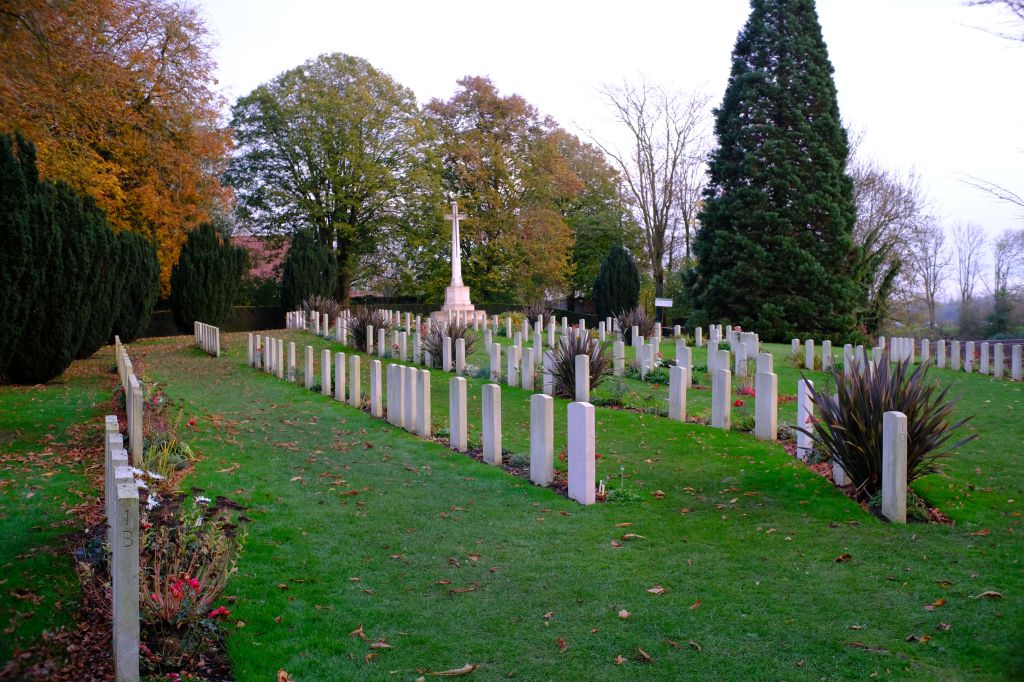
One particularly poignant stop was the In Flanders Fields Museum in Ypres, Belgium—a remarkable institution dedicated to preserving and studying the history of the First World War.

The museum is named after the famous poem by Canadian George MaCrae written on December 8, 1915.

The exhibit tells the story of the invasion of Belgium, the first months of the mobilization, and the four years of unimaginable trench warfare.

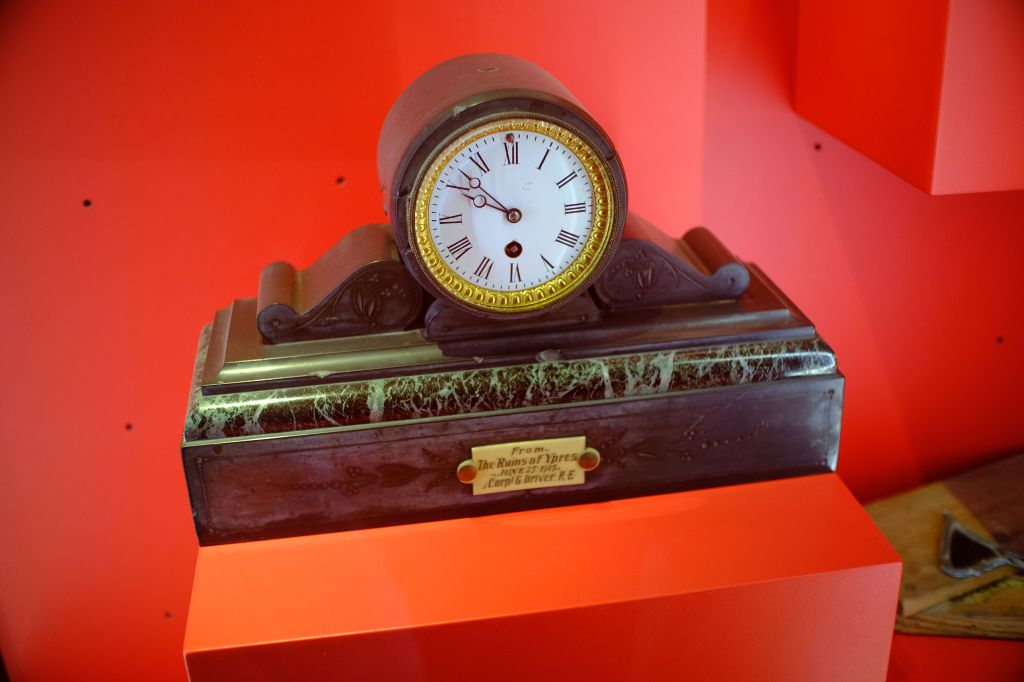
The personal stories of how the First World War affected the lives of individuals of many nationalities are told through the many objects on display. One such object is a time-only French slate clock.
During wartime, soldiers often collected souvenirs as tangible reminders of their experiences, victories, or the places they visited. These items carried emotional, historical, or symbolic value and provided a personal connection to their time in service. Soldiers often found helmets, badges, bayonets, or weapons taken from the battlefield that, to them, symbolized triumph or survival.
These keepsakes not only held personal significance but also allowed soldiers to share their experiences with loved ones upon their return.
One fascinating example is Corporal G. Driver of England, who managed to bring home a French slate clock—an object that would have been notably heavy and cumbersome. How he transported it to England intact remains a mystery. Upon closer inspection, the clock reveals its journey through time, with nicks, scratches, cracks, and remnants of what appears to have been a floral design at its base.
The clock was discovered in a local church that had been devastated during the bombing of Ypres by the advancing German forces.
After Corporal Driver passed on, the family held onto the clock for a period but decided in 2005 to return it to Belgium where it now sits on display at the In Flanders Museum.
What moved us most were the deeply personal stories of the soldiers who fought in the Great War—their courage, resilience, and ultimate sacrifice. Their selflessness ensured that future generations, including all of us today, could live in freedom. These poignant tales of humanity and heroism left an indelible mark on us.
Discover more from Antique and Vintage Mechanical Clocks
Subscribe to get the latest posts sent to your email.
 Antique and Vintage Mechanical Clocks
Gre
LikeLike
Clearly, a very moving story; reminded me of when my wife an I visited Ypres a number of years ago, alongside a visit to Memetz Wood, on the Somme; where, in the 1st World War, my uncle served in the Royal Welch Regiment. Countless numbers were massacred, he fortunately survived.
LikeLike
Appreciate your respect for the Canadians who made the ultimate sacrifice in WWI.
Perhaps someone else will also take a moment to also realize the high price paid for our freedom.
George Santayana: “History repeats lessons not learned”.
LikeLike