
How to Safely Transport and Pack Antique Clocks
Transporting antique clocks requires extra care and attention due to their delicate movements and fragile components such as glass, and chime/strike rods. Whether you’re moving a clock across town, or shipping it across the country, proper packing and handling are crucial to prevent damage. This guide will walk you through the steps needed to transport and pack your antique clocks securely.

Supplies
Before you begin, collect the necessary materials to ensure a safe packing process. Here’s a checklist of essential supplies:
- Bubble wrap
- Packing paper
- Foam sheets or padding
- Small zip-lock bags (for loose parts)
- Sturdy moving boxes
- Packing peanuts or other filler material
- Painter’s tape or masking tape that is safe for wood
- Labels and markers
- Shock-absorbent material (such as foam corners)
Remove Any Loose Parts
Antique clocks often have fragile or loose parts that can shift during transport, potentially causing damage. Safely removing these components before packing is key.
If the clock is a pendulum model, carefully remove the pendulum and wrap it in bubble wrap. Place it in a separate small box or wrap in cardboard to be placed within the larger box.
For weight-driven clocks, remove the weights, label them left, right, centre, and wrap each one individually in foam or bubble wrap. Store them in a separate container.
If your clock has removable glass panels or doors, carefully take them out to prevent cracking. The glass is often the most vulnerable component and can be challenging to protect completely. Wrap them in thick layers of bubble wrap or foam and label them as fragile.
Place clock keys, winding cranks, or any small parts in zip-lock bags, label them clearly, and tape them to the outside of the clock, or pack them with the pendulum and weights.
Secure the Movement
The clock’s movement is delicate and should be secured to prevent internal damage during transport.
For clocks with Pendulums secure the movement by placing a piece of crumpled, non-acidic packing paper or soft foam inside the case. This will stop internal components from shifting. For wall clocks, tape or immobilize the suspension spring to prevent it from moving. The suspension spring and rod may be removed but instructions for reinstallation should be included within the packaging.
If your clock has chime rods or bells, be sure to wrap these areas carefully with soft padding to prevent them from moving or hitting against other parts. Some clocks will have rod locks which must be engaged prior to packaging.

Wrap the Clock Case
The clock’s case is as important as the movement, and any damage to it can decrease the clock’s value.
For wooden clocks, use painter’s tape or masking tape or at the very least a tape safe to use on wood. Secure any loose doors or panels to avoid movement. Wrap the entire case in bubble wrap, paying special attention to corners and edges. For best results use corner protectors.
If the front glass is fixed and can’t be removed, place padding over the glass and then wrap the entire case in several layers of bubble wrap. Avoid pressing too hard on the glass when wrapping.
Place in a Sturdy Box
Choosing the right box is key to safely transporting an antique clock. Pick a box that is slightly larger than the clock, allowing for at least 2-3 inches of padding on all sides.
Fill the bottom of the box with a thick layer of packing peanuts or foam. Place the wrapped clock in the center of the box and fill the surrounding space with more peanuts or padding until the clock is snug and immobile. Ensure that no part of the clock is directly touching the sides of the box.
For extra protection, place the packed box inside a second larger box with another layer of packing material between the two boxes.
Include an audio/video guide on a USB stick with instructions for setting up the clock once it arrives.
Label the Box/Instructional guide
Proper labeling is important, especially if the clock is going to be handled by others.
Clearly mark the box as “FRAGILE” on all sides. Unfortunately, labeling a package as “fragile” can sometimes invite rough handling, and a clock may still suffer damage despite careful packing.
If necessary, include handling instructions like “Do Not Tip” or “Open with Care” to make handlers aware of its delicate nature.
Transporting the Clock
If you’re moving the clock in your own vehicle, keep it upright and avoid placing it near heavy items that could shift and damage the clock. Make sure it is secured in the vehicle to prevent movement during turns or sudden stops.
If you’re shipping the clock, use a reliable courier service that offers fragile item shipping. Consider insuring the clock for its full value in case of accidents during transit.
Reassembling After Transport
Once the clock reaches its destination, carefully unpack and reassemble the parts.
Once the clock is safely in place, reattach the pendulum and any weights you previously removed. If the weights are labeled as L for left, C for center, and R for right, place the weights according to these labels.
Ensure the clock is level in its new position to avoid any mechanical issues.
Let the clock acclimatize to the new setting. After moving, allow the clock to settle before winding it or starting the movement.
Additional Tips
If you’re unsure about packing an antique clock on your own, consider hiring professional antique movers or packers who specialize in fragile and valuable items. Pass the cost onto the recipient.
Before disassembling, take photos of the clock in its current state to assist with reassembly and serve as documentation in case of damage.
After moving, inspect the clock for any issues. Minor adjustments to the pendulum or chime may be necessary.
By following these steps, you can protect your antique clock and ensure it reaches its destination intact. Proper packing and handling are the keys to preserving your clock’s historical and monetary value during transport.
That being said, I have had a few bad experiences with clocks that were poorly packed and arrived significantly damaged during shipping.

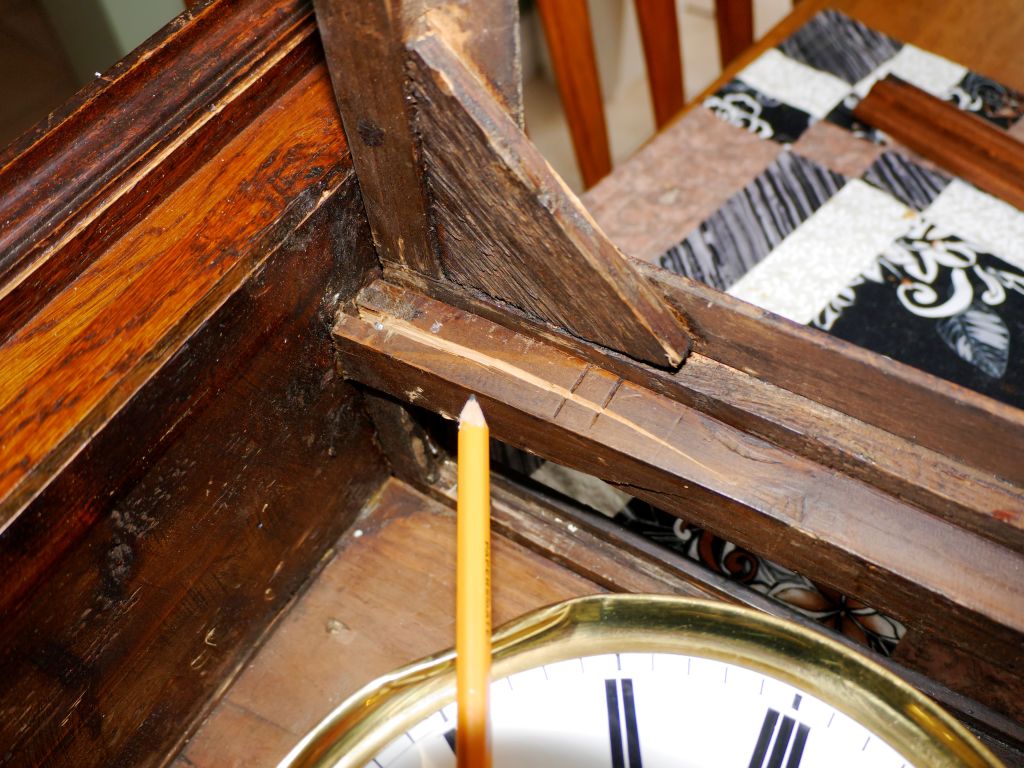
One example is the Gustav Becker wall clock shown above. In 2016, after my retirement, my wife purchased the clock for me from the USA. Although it arrived damaged, I was able to repair it, and it continues to run well to this day.
Because of this experience, I am hesitant to buy clocks online that require shipping, as I worry they may be damaged in transit.
Discover more from Antique and Vintage Mechanical Clocks
Subscribe to get the latest posts sent to your email.
 Antique and Vintage Mechanical Clocks
all of my clocks come from antique stores, yard sales or market place and kijiji finds and I prefer the challenge of non functioning clocks. As such their price is favourable. I do remove the pendulum and secure the crutch and silence the chime rods. You would cringe if I described some of the shipping methods following these few procedures.
LikeLike
A non-working clock often presents a journey of discovery. Many clocks thought to be broken simply need cleaning or adjustment to restore their function.
LikeLike
I have moved more grandfather clocks in my days than I wish to say.
LikeLike
Is there any advice I did not cover in my article that you would like to share with us?
LikeLike