
Most mechanical clocks even those over a hundred years old or more are repairable. On rare occasions, a major part may be broken, but with the right tools and skills, it can still be fixed.
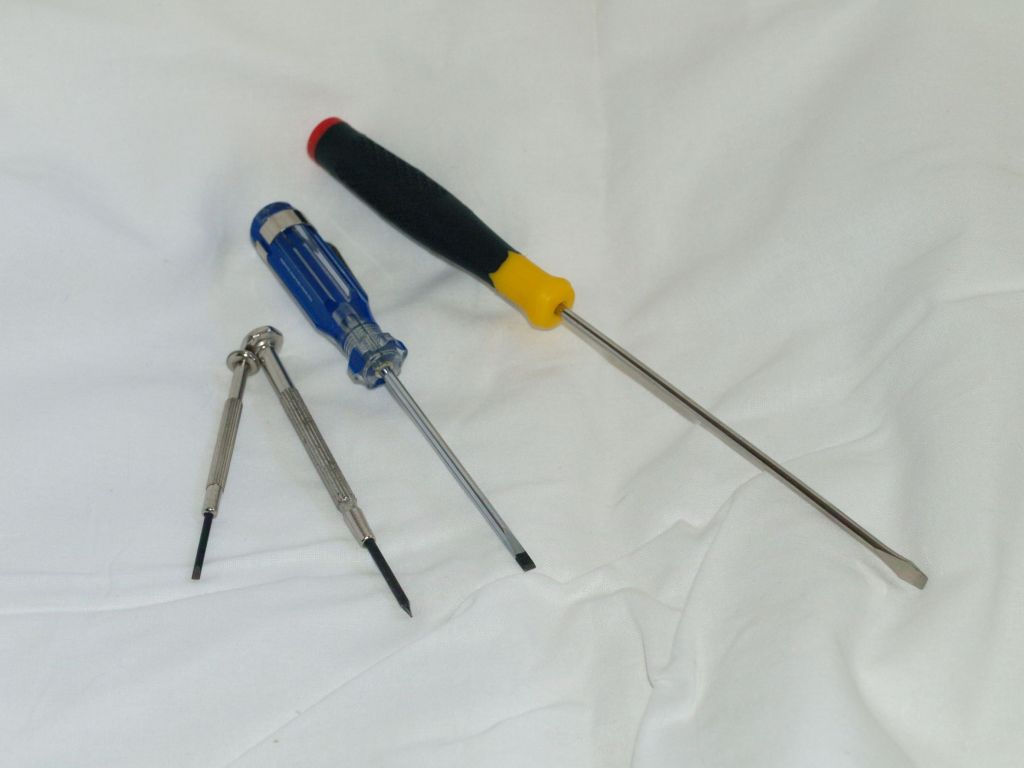
With a bit of knowledge and a few basic tools, the family clock could be repaired without needing to send it back to the manufacturer.

In today’s world, any mechanical device that lasts even a few years would be considered a rarity.
It’s a fact that we live in a very different world today!
Some time ago, my wife and I had an issue with our dishwasher. Believing it was a simple fix, we called a service technician. It turned out that the main circuit board was shot. I suggested we replace it, but the technician advised that the repair cost would be several hundred dollars. However, he advised us for just a few more dollars, we could get a brand-new dishwasher. We were aghast!

Appliance makers have devised innovative tactics to make repairs costly and inconvenient, while simultaneously offering replacement programs at significantly reduced prices. Repairing items today is often impossible or more expensive than buying new ones, a frustrating and expensive dilemma for the consumer.
Moreover, in today’s throwaway society, repair is often not an option. “Honey, this is broken”; “Just throw it away, it can’t be fixed”. And we complain that our landfill sites are full!
Clock manufacturers years ago designed their clocks to be fixable and did not employ underhanded strategies to make them impossible to repair. I’m convinced that clock companies didn’t see these challenges as obstacles and instead chose to take the moral high ground. A clock that could be repaired with just a few tools was a true mark of a quality company.
The fact that fewer people are fixing their personal possessions today places an environmental and economic burden on our society. We need to shift our thinking, or we are all doomed.
The Right to Repair
Owners of products should have a right to repair them as a matter of “moral justice”. Wikipedia covers this topic extensively under the term “Right to Repair,” and the concept is gaining momentum.
It will take time to make the shift but in the meantime, the situation appears to be worsening rather than improving.
I recently read an article describing how manufacturers are designing digital locks into their products. For example, using a third-party ink cartridge can render your printer inoperable, and attempting to use a third-party battery in your new electric trimmer can result in a battery error.
The same article described a farmer who replaced a filter in his tractor. A company representative had to inspect the part to verify its authenticity and activate the software so that the tractor could operate, causing the farmer to lose productive use of the machinery for some time.

A certain phone manufacturer, who shall remain unnamed, refuses to allow third-party repairs or places strict limits on the type of repair. Such repairs void the warranty, it says. The alternative is a costly repair using genuine parts, a situation that not everyone can afford.
In reflecting on the current state of product repair, it’s clear that we’ve moved away from the principles of repairability that characterized earlier times. Historically, clock manufacturers designed their products with repair in mind, avoiding deliberate strategies to hinder fixes.
When a clock finally comes to the end of its life wouldn’t you want another Seth Thomas, Waterbury, or Ingraham?

Unfortunately, the landscape has shifted dramatically. My own experience with a dishwasher underscores this change. In today’s throwaway culture, the default response is often to discard broken items rather than seek repair.
This change not only devalues durable craftsmanship but also fuels a growing culture of waste. And that’s too bad.
Discover more from Antique and Vintage Mechanical Clocks
Subscribe to get the latest posts sent to your email.
 Antique and Vintage Mechanical Clocks
“Planned Obsolescence” a close cousin to stuff never built to last. Thinking of old freezers and refrigerators. Some are many decades old and still working. Today’s appliances lifetime estimates about 8 to 10 years for many of them. A cabinetmaker once shared his saying as to what one should spend on a tool? “Buy the last one first”.
LikeLike
Well said, Marty.
LikeLike