
While there has been a minimal uptick in clock prices, at least as far as the garden variety of common antique clocks is concerned, the cost of clock repair equipment had increased dramatically.
The increase in the cost of clock repair equipment can be attributed to several factors that may contribute to the significant rise in prices. Following a discussion of the factors I will present a case in point.
Rarity and Specialization
Clock repair equipment, especially those designed for antique and specialized clocks, may have limited production or availability at any given time. However, during the Covid years demand for specialized equipment virtually evaporated. Given the lull in manufacturing the restart costs of producing new equipment have increased. Scarcity and specialization will drive up prices. The relatively small market size can contribute to higher prices as manufacturers may need to recover their expenses with a limited number of sales.
Manufacturing Costs
The cost of raw materials, labour, and overhead expenses involved in producing clock repair equipment has risen over time. Factors such as inflation, increased demand for certain materials, the scarcity of raw materials, and changes in manufacturing processes contribute to the overall increase in costs.
Technological Advancements
As technology advances, new tools, and equipment are developed to cater to modern clock repair techniques. These advanced tools often come with higher price tags due to research and development costs, as well as the incorporation of improved functionality.
Import Costs and Tariffs
Clock repair equipment may be sourced from various regions or countries. Fluctuations in import costs, including tariffs, taxes, and shipping expenses, can impact the final price of the equipment. Changes in trade policies and international relations have influenced the cost of importing these products.

A case in Point
While browsing a Canadian clock supplier’s website in June 2023, I couldn’t help but notice a significant increase in the cost of the Bergeon 6200 Bushing Machine that comes with a toolset. Comparing prices from my previous purchase in 2016, the difference is striking. Back then, I was able to purchase a brand new Bergeon machine with hammers and cutters for around $1200, whereas today, the same machine is priced at $2126, a 77% increase (the 6200 has not been changed significantly), which also includes the reamers and hammers. One might be found at a reduced price of around $1900 on eBay, still a significant jump in price.
Similarly, a box of Bergeon bushings that cost $150 in 2016 now carries a price tag of $325. These price increases have made sourcing a used machine with a toolset at around $700, a more appealing option for someone entering the field of clock repair. However, if the reamers are worn and need replacement, the cost alone would be several hundred dollars if purchased new (all Canadian prices).
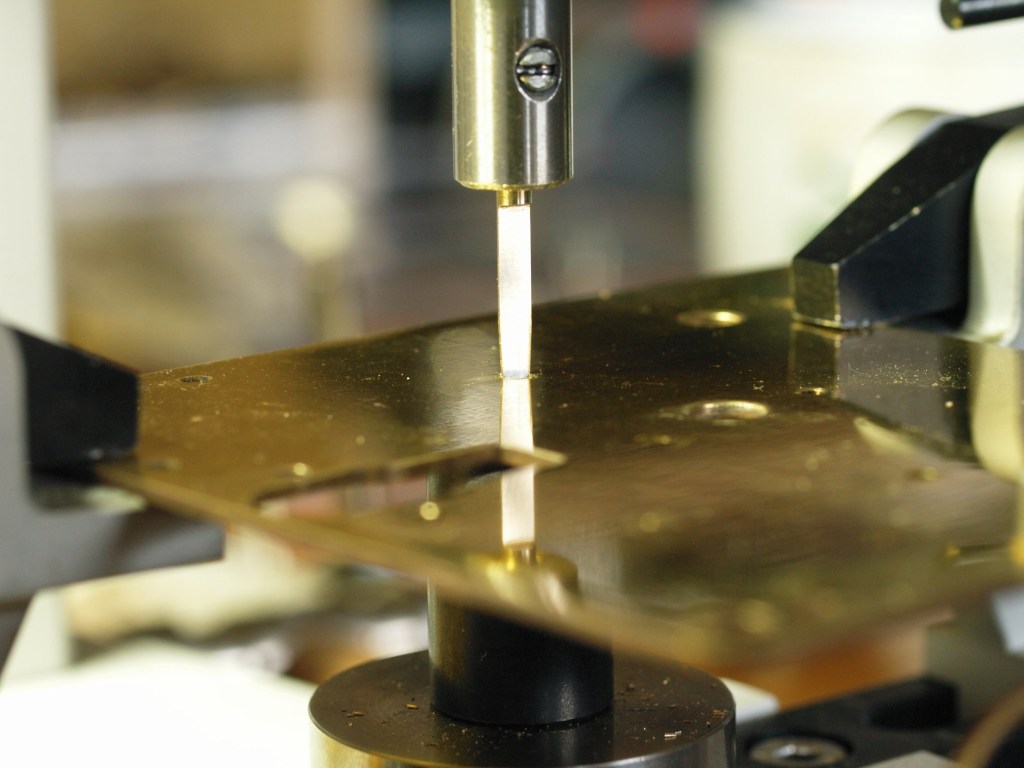
When evaluating pricing trends in the clockmaking industry, clockmakers and enthusiasts must take into account the changing market dynamics to stay updated.
Discover more from Antique and Vintage Mechanical Clocks
Subscribe to get the latest posts sent to your email.
 Antique and Vintage Mechanical Clocks
You must be logged in to post a comment.