
Antique clocks have been an integral part of human history, and they continue to be cherished by collectors and enthusiasts alike. However, in a world where digital timekeeping is more prevalent, what does the future hold for antique clocks?

While it’s true that the digital age has brought about significant changes in the way we keep time, it’s important to note that antique clocks still hold a unique place in our culture. These clocks not only tell time but also serve as pieces of art, heirlooms, and historical artifacts. They offer us a glimpse into the past and provide a tangible connection to our ancestors.
Despite the rise of digital timekeeping, antique clocks are still with us, and their popularity continues to grow. The beauty and craftsmanship of these clocks are unmatched, and many people appreciate the time and effort that went into creating them. While there is a growing market for antique clocks, and collectors are willing to pay top dollar for the most unique pieces, prices for common antique clocks have stagnated over the past several years as many clocks have flooded the market.
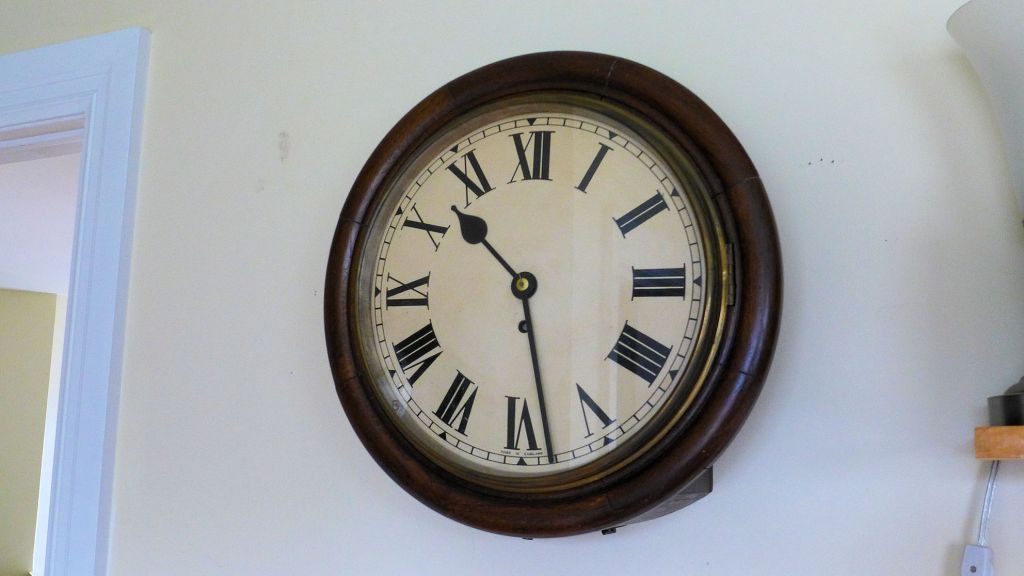
However, a factor contributing to the future of antique clocks is the growing interest in vintage and retro styles. More and more people are seeking vintage and antique items to decorate their homes, and antique clocks fit perfectly into this trend. Antique clocks are not only functional but also add a touch of class and sophistication to any room.
In addition to their aesthetic appeal, antique clocks also offer a sense of nostalgia and tradition. They remind us of a time when life moved at a slower pace and things were simpler. For many people, owning an antique clock is a way to connect with the past and honour their family’s heritage.
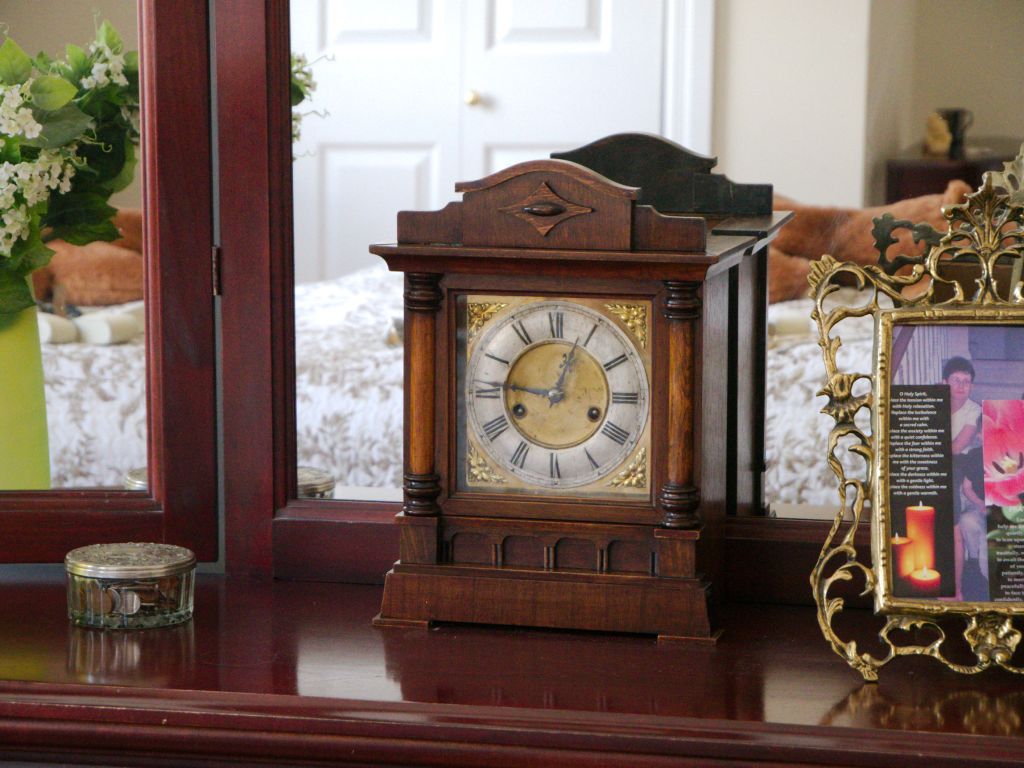
So, what does the future hold for antique clocks? While it’s true that digital timekeeping will continue to be the norm, there will always be a place for antique clocks in our culture. These clocks offer something that digital clocks can’t: a physical connection to the past and they serve as a reminder of the rich history and traditions that have shaped our world.
With the constant advancement of technology, it is very likely that antique clocks will progressively increase in value and become even more highly desired by collectors and enthusiasts alike. As people feel more disconnected from the physical world, the value of tangible objects like antique clocks will only increase.

I believe the future of antique clocks is bright. Antique clocks offer us a tangible connection to the past and provide a way to honour our heritage. They are not just the marriage of brass and wood but also works of art, heirlooms, and historical artifacts. As long as people continue to appreciate the beauty and craftsmanship of antique clocks, their future is secure.
Discover more from Antique and Vintage Mechanical Clocks
Subscribe to get the latest posts sent to your email.
 Antique and Vintage Mechanical Clocks
Morning, Ron… Thanks for another interesting read. We’ve always had an old clock ticking the time away in our home. We find the tick-tock very soothing, comforting. We had a Sessions “Berkeley” model tambour on the living room fireplace mantel growing up. Take care… ~Dave Stelling
LikeLike
Thank you, Dave.
LikeLike
I think a few more factors weigh in the use of an antique clock, at least for me: – I like the ticking sounds of clocks, which gives my house a bit of a cosy feeling – Antique clocks can strike the hours and halve hours, which digital clocks usually don’t do, although I am sure there are a few that can do so (but is it with a charming sound or with an annoying beep?). Every time one of my clocks strike, it puts me on my feet how fast time goes (“another hour gone already?” or “I should go to still be able to catch the train”) – Antique clocks don’t run the risk starting a fire due to malfunction of a battery or other electrical component, and they don’t need to be plugged in all the time. I can just leave them running while I am away for a week. – Clocks that need to be plugged in the grid all the time might not work when the power goes off, and of course you need to pay for the power used, which might add up through the years. And some might need to connected to the internet for accurate time keeping. – Antique clocks are usually made to last a long time and when it malfunctions it probably can be repaired a bit easier, something I doubt for most electronical things such as digital clocks, especially with a lot of plastic components.
LikeLike
Thanks Aiko. We live in an age of diagnose and replace. If there is something wrong with our digital clock we don’t even think twice, we replace it. I have a vintage car from the early 1980s, everything is analog as one would expect. I took it to a garage to be repaired since it could not even start. It was truly a steep learning curve for the mechanics because they had no idea how to fix it and they still did not get it right. Knowledge of repairing old cars has been lost it seems and sadly the knowledge of repairing old clocks is also being lost.
Ron
LikeLike
Ron, my vintage and antique clocks, with their ticking, movement, and their required winding, are welcome animated objects in our house. They are of course all analog and, in my imnd, offer a visual of time expired and time remaining that digital clocks cannot. Thank you for all your blogs!
LikeLike
Thank you. All of our antique clocks are welcomed in our home and offer a unique experience into another world.
LikeLike
In another column Ron talked of clocks as an investment. If one enjoys a particular mechanical clock, that’s value enough. One may find a Rembrandt in a garage sale, but unlikely. Even a humble working man’s clock may be a prized one.
LikeLike
Good point, Marty.
LikeLike
I like the artistic clocks! 👌
LikeLike