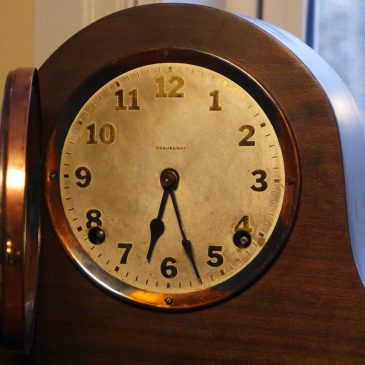
A Box of Parts, and a Special Clock That Journeyed Through Time

Every old clock has a story to tell — where it came from, who owned it, and the moments in time it quietly witnessed. Unfortunately, as clocks are sold, traded, or passed down, those stories often get lost along the way. The clock may keep ticking, but the people and places behind it fade into … More A Box of Parts, and a Special Clock That Journeyed Through Time
Rate this:

Buying Antique Clocks: The Truth About ‘Fully Serviced’ Claims

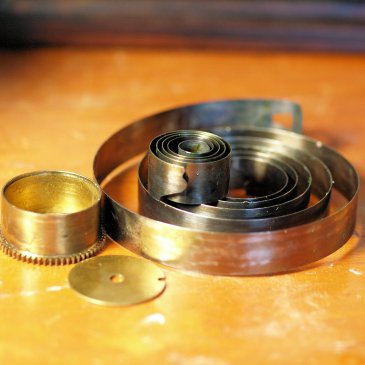
If you spend any amount of time browsing online marketplaces for antique or vintage clocks, you’ll quickly become familiar with a common phrase: “Fully serviced and tested to ensure reliable running.” It sounds reassuring. But what does fully serviced really mean? As it turns out, the answer can vary greatly depending on who’s doing the … More Buying Antique Clocks: The Truth About ‘Fully Serviced’ Claims

Rate this:

How to Safely Remove a Clock Movement from Its Case

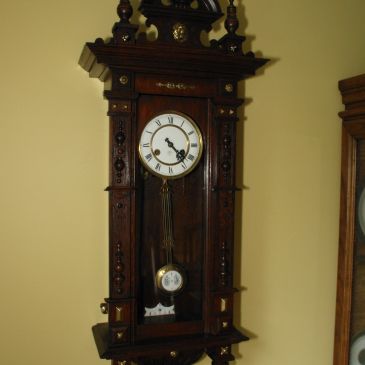
If you’re new to clock repair or restoration, one of the first hands-on steps you’ll encounter is removing the movement from its case. This process needs to be done with care to avoid damaging delicate components. Start by taking several clear photos of the clock from all angles—front, back, sides, and inside. These images will … More How to Safely Remove a Clock Movement from Its Case

Rate this:

The Myth of Over-Winding: Clarifying a Common Misconception

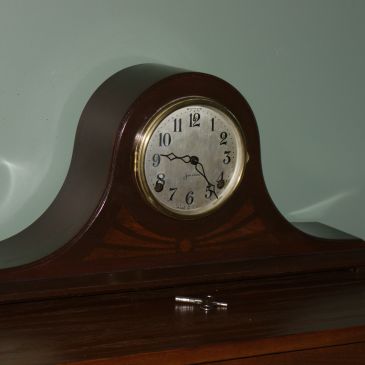
In the fascinating world of horology, many terms and expressions are often misunderstood or misused. A classic example is the frequent confusion between the words “mantel” and “mantle” to describe certain types of clocks. While “mantel” refers to a shelf over a fireplace, “mantle” is something you wear, like a cloak. Another pervasive myth is … More The Myth of Over-Winding: Clarifying a Common Misconception

Rate this: