
Like many collectors, I didn’t start out with a plan—I simply started acquiring clocks. In those early days, anything affordable and interesting found its way onto my shelves, often for little more than the price of a cup of coffee. Over time, however, what began as casual accumulation evolved into something more deliberate. Managing a collection, I’ve come to realize, is every bit as important as building one.
The choices we make—what to keep, what to let go, and where to focus—ultimately shape not only our collections, but the kind of collectors we become.
In the early days, I would collect just about anything I could get my hands on, generally for practice working on cases and movements. But the number of clocks began to build up at a fast rate.
My collection has grown to eighty clocks, but even that feels like too many, and I know I need to pare it down. Among them are several clocks that are inoperable for one reason or another, and some of those are simply gathering dust.
I have tried to follow a ‘one comes in, one goes out’ rule to control the size of my collection, but I don’t always stick to it.
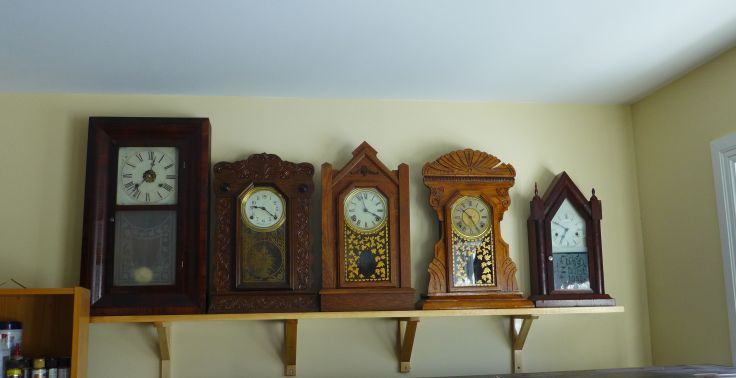
Over time, I became more selective, choosing to focus on specific types and styles of clocks rather than collecting indiscriminately. Clocks that didn’t fit my criteria were sold or gifted. My primary interest now lies in spring-and weight-driven wall clocks, along with American and Canadian shelf clocks from the 1860s and 1870s.
For all you collectors here is some advice I’d like to pass along.
Take Your Time—There Is No Rush
Rewards come in small increments. My last major project was a 1840s banjo clock. Acquired in the spring of 2022, it took me almost a year to complete, working on it in stages.
Whether it is restoration or repair, I take my time—researching unfamiliar techniques or waiting for a tool that will make the job easier. For example, the bezel repair on the banjo clock was made much simpler with the purchase of a band clamp.
Buy Only the Tools You Require
Tools can be expensive. As with any hobby involving the assembly and disassembly of mechanical devices, I began with what I had on hand. Once committed, I had to decide how I wanted to grow the hobby.
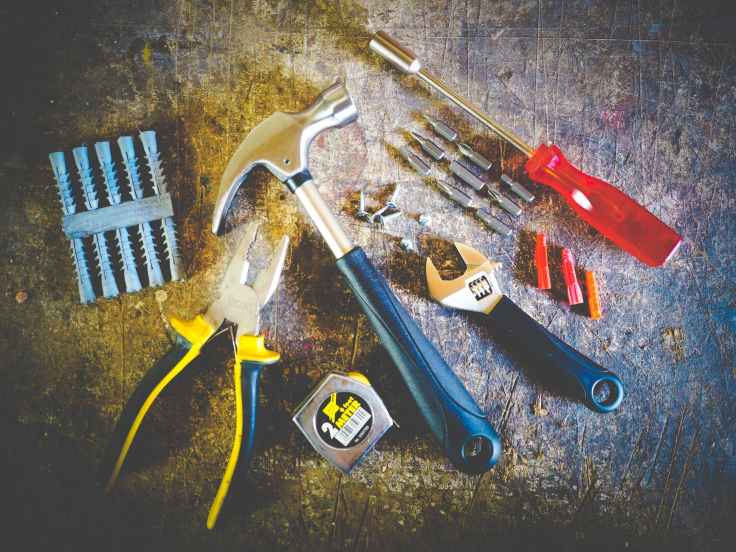
Equipment such as a pivot cutter, lathe, and ultrasonic cleaner can cost hundreds or even thousands of dollars. It took me four years to justify purchasing a pivot cutter, and another year or two before adding a lathe and ultrasonic cleaner.
Over time, I’ve acquired most of the hand tools I need, spreading out the cost to make it manageable.
Buying used is always an option, but living in a less populated part of Canada means fewer opportunities to find specialized tools locally.
Antique Clocks: Abundant but Not Always Valuable
Some clocks are well over 100 years old, yet are worth very little. A surplus of antique clocks on the market has driven prices down. Ogee clocks that once sold for two or three hundred dollars can now be found for a fraction of that.
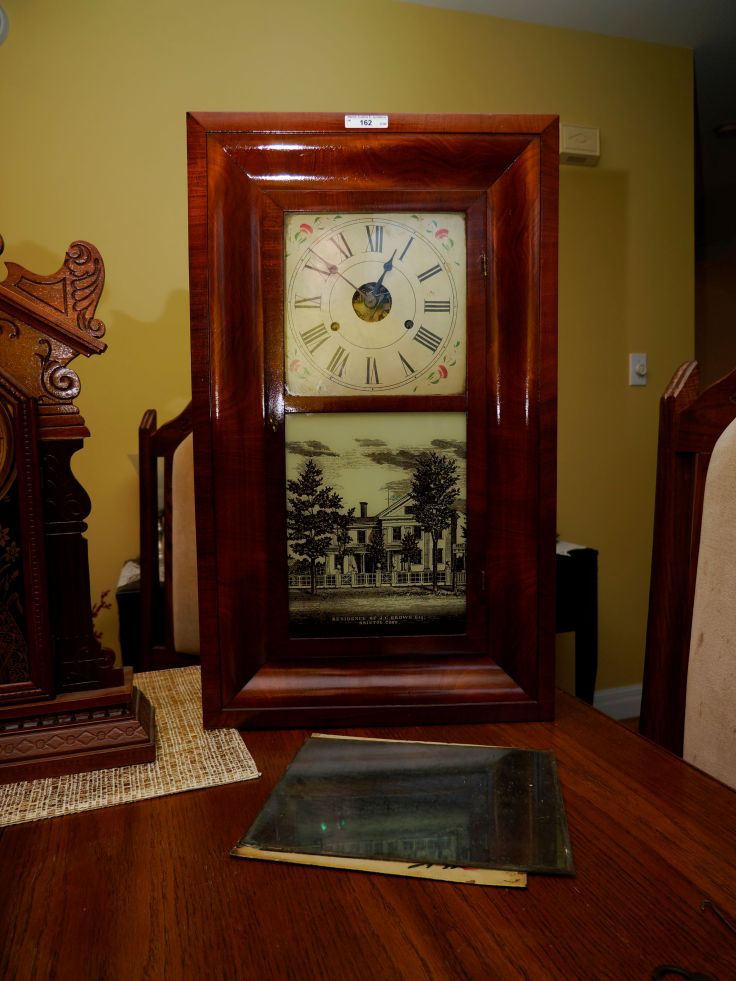
I’ve purchased $40 clocks that are still worth… $40. While there are rare and valuable examples out there, most clocks fall into a more modest category. That said, certain pieces—like my collection of Arthur Pequegnat clocks—remain highly collectible in Canada.
At any given time, hundreds of “antique” clocks are listed for sale online. Many are misrepresented or beyond repair. Some modern imports are inexpensive but were never designed to be serviced and can be difficult—or unsafe—to work on.
Choose Repair Advice Wisely
There are knowledgeable experts in clock repair—you just have to find them. It’s easy to be misled by well-meaning but inexperienced voices, particularly online.
I rely on a few respected YouTube repairers whose work demonstrates both skill and understanding. As a member of the NAWCC (National Association of Watch and Clock Collectors) and the Ottawa Valley Watch and Clock Collectors Club, I also have access to excellent resources, including forums and a vast library of material.
Advice on social media platforms can vary widely. While there are knowledgeable contributors, the quality of information is inconsistent, and experienced voices are sometimes drowned out.
Collect for Passion, Not Profit
Can you collect clocks for profit? Perhaps—but margins are very small. I occasionally sell a clock to offset equipment costs or pare my collection of clocks I am no longer interested in.
For me, the appeal lies in the history, the craftsmanship, and the simple fascination of a machine that may be over 150 years old, still working as intended. Value, in monetary terms, is secondary.
Be Prepared to Walk Away
Over the years, I’ve walked away from more than a few clocks. Sometimes the price climbs beyond what I’m willing to pay; other times, the piece has too many issues or missing parts. And sometimes, someone got to the clock before I did.
It can be disappointing in the moment, but more often than not, something better comes along.
Meeting Like-Minded People
Clock collectors and repairers are an interesting group. Many are introverted, some a bit eccentric, but all share a deep appreciation for mechanical and vintage clocks.
One of the most rewarding aspects of this hobby is connecting with others who share that passion. Conversations, shared knowledge, and even differing perspectives all add to the experience.
Final Thoughts
These reflections come from more than two decades of collecting and working on clocks. Along the way, I’ve learned a great deal, met fascinating people, and acquired pieces that I genuinely enjoy.
I’ll leave you with this. My blog is written primarily for beginners and hobbyists with some hands-on experience in clock repair, rather than for professional clockmakers. My aim is to share practical knowledge, personal experiences, and lessons learned along the way—both the successes and the mistakes.
The focus is on approachable, real-world techniques using tools and methods that are accessible to most collectors, not specialized equipment found only in professional workshops. While I strive for accuracy, this is not a technical manual, but rather a reflection of my journey as a collector and restorer. If it helps others gain confidence, avoid common pitfalls, and enjoy the hobby a little more, then it has served its purpose
There is always more to learn, and that, perhaps, is part of the appeal. The journey continues.
Related Articles
Discover more from Antique and Vintage Mechanical Clocks
Subscribe to get the latest posts sent to your email.
 Antique and Vintage Mechanical Clocks
What a great article Ron. As I read it I was struck by how many of the insights you shared and lessons you learned as a clock collector are transferable to life
LikeLike
Thank you.
LikeLike