Starting an antique clock collection can be both exciting and a little overwhelming. With so many styles, makers, movements, and time periods to choose from, it’s easy to wonder where to begin. The good news is that you don’t need deep pockets or expert knowledge on day one—just curiosity, patience, and a willingness to learn.
I remember my early days of collecting, when I was eager to add just about anything to my budding collection. Today, I am far more discerning, carefully considering each potential acquisition. However, in my 25 years of collecting, I still own the first clock I would consider a true antique.
If you’re thinking about starting your own antique clock collection, I offer some practical tips to help you get started on the right foot.
1. Start With What You Like
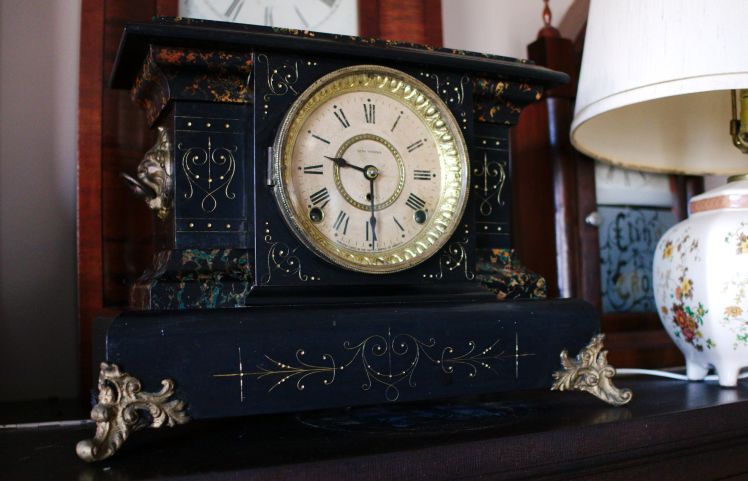
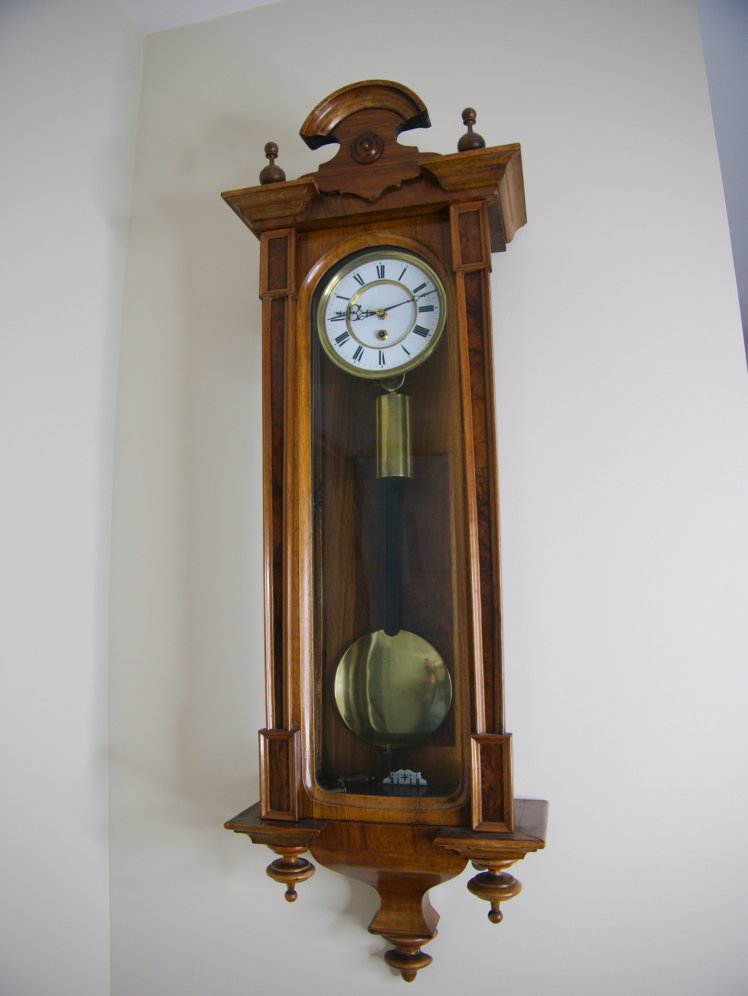
The best advice for any collector is simple: buy what you enjoy. Don’t worry about trends, investment value, or what others say you should collect. Whether it’s a simple kitchen clock, a shelf clock, a Vienna regulator, or a mantel clock with a rich patina, choose pieces that genuinely appeal to you.
If a clock makes you look twice when you enter a room, that’s always a good sign.
2. Learn the Basics Before You Buy
You don’t need to become a horological expert overnight, but learning a few fundamentals will save you money and frustration. Take some time to understand:
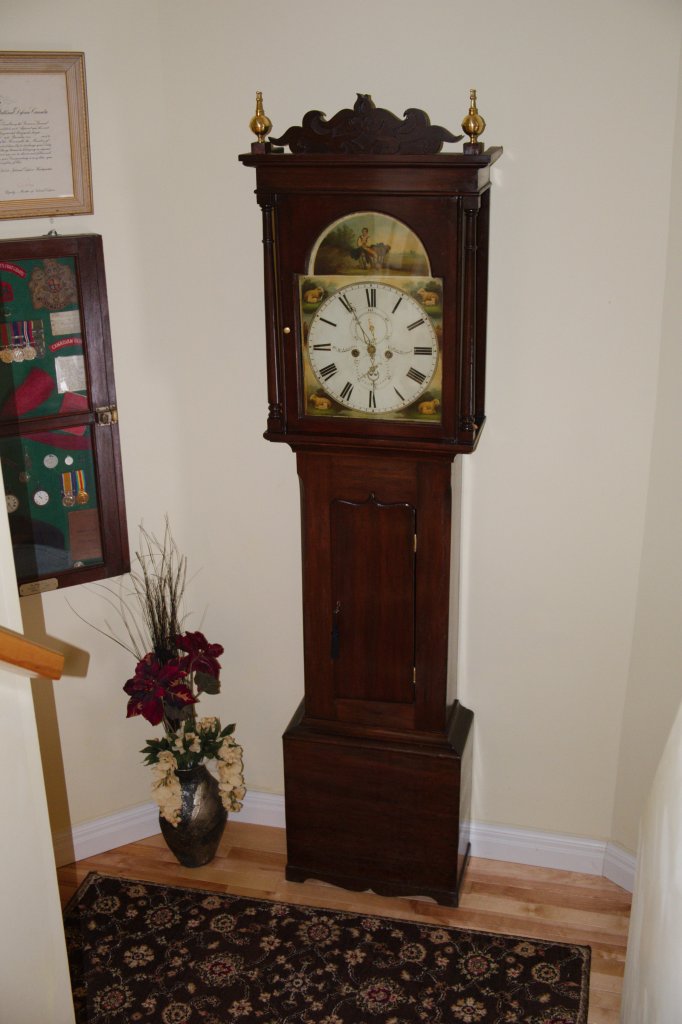
- Basic clock types (wall, mantel, shelf, long-case)
- Common movements (time-only, time and strike, chiming, spring or weight-driven clocks)
- Key terms like escapement, pendulum, mainspring, and strike train
Books, museum visits, online forums, and blogs (like mine) devoted to antique clocks are excellent learning tools. The more you learn, the more confident you’ll feel when evaluating potential purchases. Knowledge is power!
3. Set a Budget—and Stick to It
Antique clocks can range from modestly priced to very expensive. Decide early on what you’re comfortable spending and remember to factor in possible repair costs. A clock that seems like a bargain may need servicing, which can quickly exceed the purchase price.
If you are bidding on a clock online, don’t get caught up in a bidding war. Set a firm limit and be prepared to walk away—other opportunities will inevitably come along.
Many fine antique clocks are still affordable, especially if you’re open to cosmetic wear or minor issues. A well-maintained, honest clock is often a better choice than an over-restored one.
4. Condition Matters More Than Perfection
It’s normal for antique clocks to show signs of age—after all, many are well over a century old. Look for clocks that are complete, structurally sound, and largely original. Missing parts, incorrect replacements, or heavily altered cases can be difficult and costly to correct.
When possible, ask:
- Does the clock run?
- Has it been serviced recently?
- Are all the parts present?
Even if a clock isn’t currently running, it can still be a good purchase if you understand what it may need. In time, you will develop the skills and expertise needed to repair a non-running clock.
5. Buy From Reputable Sources
When starting out, it helps to buy from sellers who know clocks and are willing to answer questions. Antique shops, clock shows, auctions, and fellow collectors can all be good sources. Be cautious with vague descriptions or sellers who can’t provide basic information about the clock.
Over time, you’ll develop a sense for what feels right—and who you can trust.
6. Keep Records of Your Collection
As far as record-keeping, I find myself offering advice I don’t always follow. Perhaps that’s the true challenge of collecting.
From the beginning, get into the habit of keeping notes on your clocks. Record where and when you bought them, the maker, any repairs done, and any interesting history attached to the piece. Photographs are invaluable.
This not only adds enjoyment to collecting but also becomes important for insurance, resale, or passing the clocks on to future generations.
7. Be Patient and Enjoy the Journey
A good clock collection isn’t built overnight. It evolves over time as your tastes change and your knowledge grows. Some clocks will stay with you forever; others may move on as your focus becomes more refined. Although I enjoyed collecting common mantel clocks from the 1930s, 40s, and 50s, that is no longer my focus—and that’s perfectly normal. I wrote an article recently about the dynamic aspect of clock collecting that you might find interesting.
Collecting antique clocks is as much about the stories, craftsmanship, and history as it is about the clocks themselves. I marvel at the stories behind some of my clocks.
8. Investment value
From time to time, antique clocks are promoted as “investments,” but this is often a misunderstanding of both the market and the hobby. While a few rare, high-end pieces may appreciate, most antique clocks do not reliably increase in value once repair, maintenance, and storage costs are considered. Tastes change, markets fluctuate, and selling can be slow and unpredictable. Collecting clocks for enjoyment, historical interest, and craftsmanship is far more rewarding than treating them as a financial strategy.
Final Thoughts
Starting an antique clock collection is a rewarding pursuit that connects you to history, engineering, and artistry. Take your time, ask questions, learn as you go, and most importantly—enjoy the process. Every clock has a story, and as a collector, you become part of it
Discover more from Antique and Vintage Mechanical Clocks
Subscribe to get the latest posts sent to your email.
 Antique and Vintage Mechanical Clocks