This blog post was first published in 2016, and it’s now time to revisit and update it to reflect the changes in market conditions and prices since then. There are many reasons why clock prices are low and continue to decline, but at the risk of oversimplifying, I will say that the law of supply and demand applies to this area of collecting, as it does to many others. Thousands of clocks were produced in the past, and antique clocks have flooded online marketplaces in recent years.
Every clock owner wants to know the value of their clock, and every seller wants to know the right price to ask. This guide aims to help both buyers and sellers by addressing key factors involved in assessing the value of an antique or vintage clock.
The Unpredictable Clock Market
In today’s unpredictable clock market, determining a clock’s value can be a challenge. What you think your clock is worth might not align with expert opinions or what buyers are willing to pay. Values can shift from day to day and are influenced by many factors. The market can be unpredictable, and the value of a clock may fluctuate significantly over time.
For example, take a typical ad for a mid-1990s Howard Miller grandfather clock on Facebook Marketplace. The seller may have paid $3,000 at the time and think that an asking price of $1,500 is fair. However, if the clock fails to generate interest, it could ultimately sell for much less. I’ve seen these clocks go for as low as $400 and even less. I’ll explain why at the end of this article.
The personal value the owner places on the clock often differs from its market value, leading sellers to either accept a lower price than expected or remove the ad altogether.

Even expert appraisals are subjective, based on the condition and collectibility of the clock, and are subject to market shifts. For example, while my Ridgeway grandfather clock is in excellent condition and a standout piece in my home, it has little market value today.
Factors That Influence the Value of a Clock
Is the clock original? Sometimes it is difficult to tell if every part of the clock is original? But a completely original clock in pristine condition holds more value than one that has suffered the ravages of time, neglect, or poor restoration.
Original clocks attract more buyers. If a clock has undergone significant repairs or replacement parts, its value will decrease. Determining originality can be difficult unless an expert inspects the clock. Many “Vienna Regulator” clocks, for instance, have been assembled with mismatched parts or movements, affecting their authenticity and value.
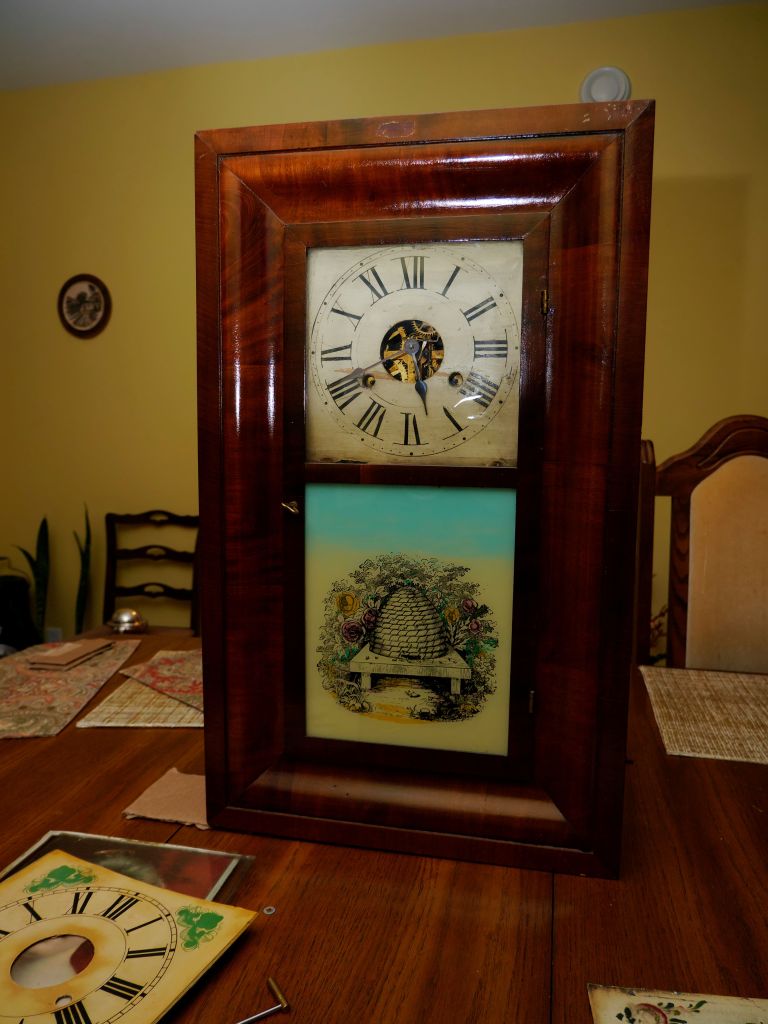
What type or style of clock is it? While some clocks, like certain American mantel clocks, have little value due to many thousands of them having been produced, other styles such as 18th-century English bracket clocks or ornate French Cartel clocks can fetch high prices due to their rarity and historical significance. Tall-case clocks, despite their age, will often sell for much less than their original value.
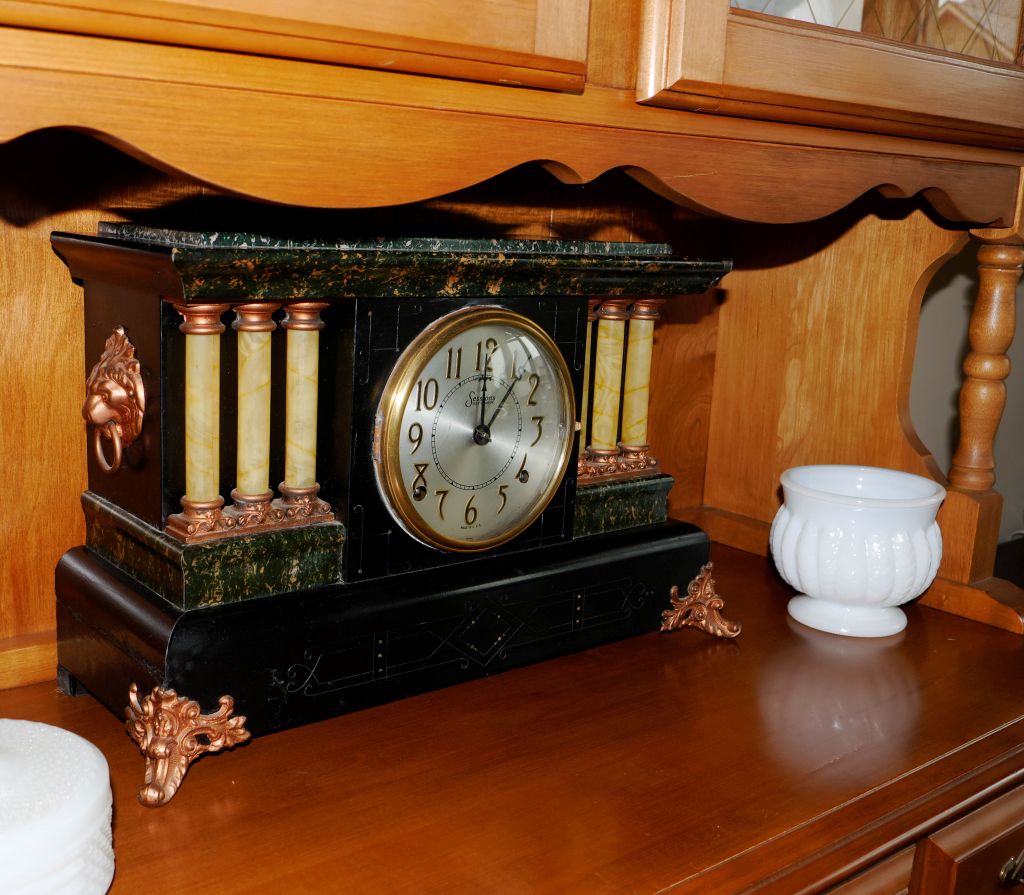
Does the clock have a label, trademark, or prominent name? Clocks with identifiable labels or trademarks tend to be more valuable. Prominent clockmakers’ such as E. Howard or Simon Willard, hold more value than similar, unmarked clocks. Replacement labels or unmarked movements lower the clock’s desirability.
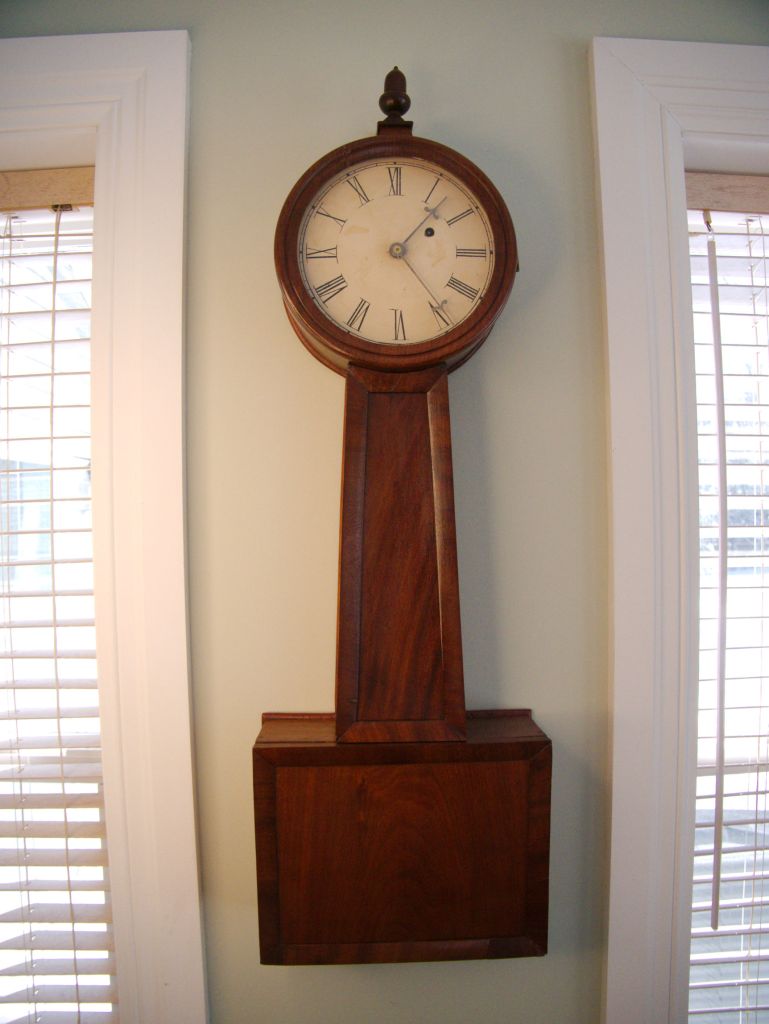
Is it from the correct period, or is it a “knock-off” or reproduction? Many clocks, like the reissues of the Seth Thomas Regulator #2 in the 1970s, are less valuable than their original counterparts. Identifying subtle differences between originals and reproductions is key. Japanese and Chinese manufacturers produced “millions” of knock-off wall clocks that might fool the novice buyer.
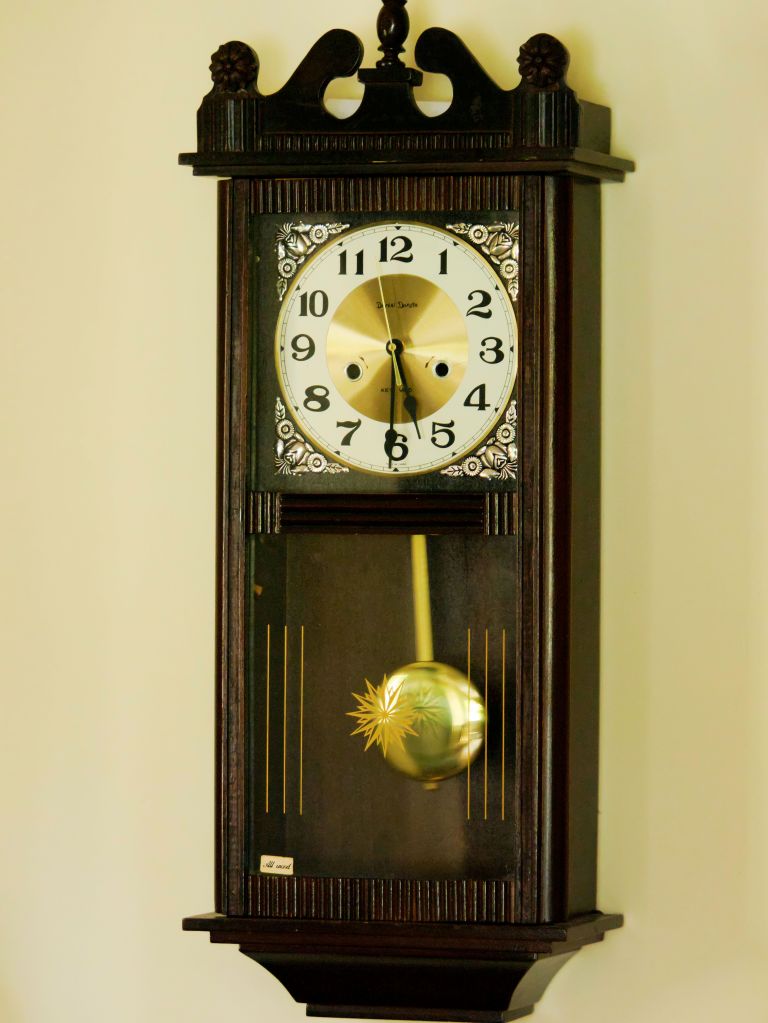
Does the clock have provenance? The history of a clock can add value. For instance, a clock with a documented history, owned by a famous person, for example, may command a higher price due to its historical significance. Intricately made tall case clocks with special provenance, made by noted clockmakers, for instance, will command high prices.
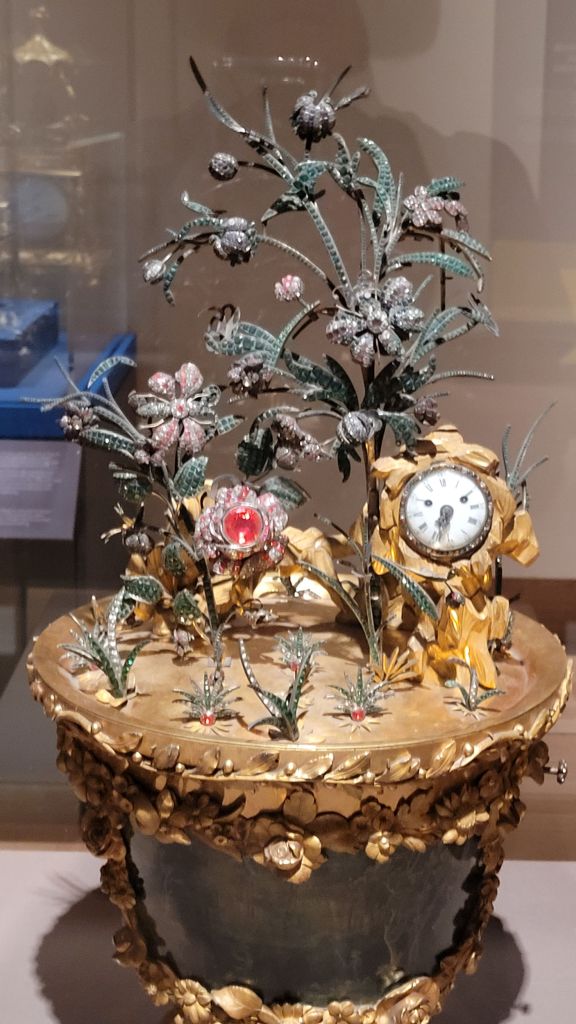
What is the age and condition? Much like antique cars, a clock’s age can contribute to its value, but condition plays a far more significant role. Just as a classic car with rust, missing components, or subpar restorations loses its appeal and worth, a clock with missing parts, poor repairs, or a poorly repainted dial will see its value diminish. Similarly, some clocks, despite their age, may lack desirability due to inferior craftsmanship or limited collector interest, much like certain vintage cars that fail to garner attention despite their years.
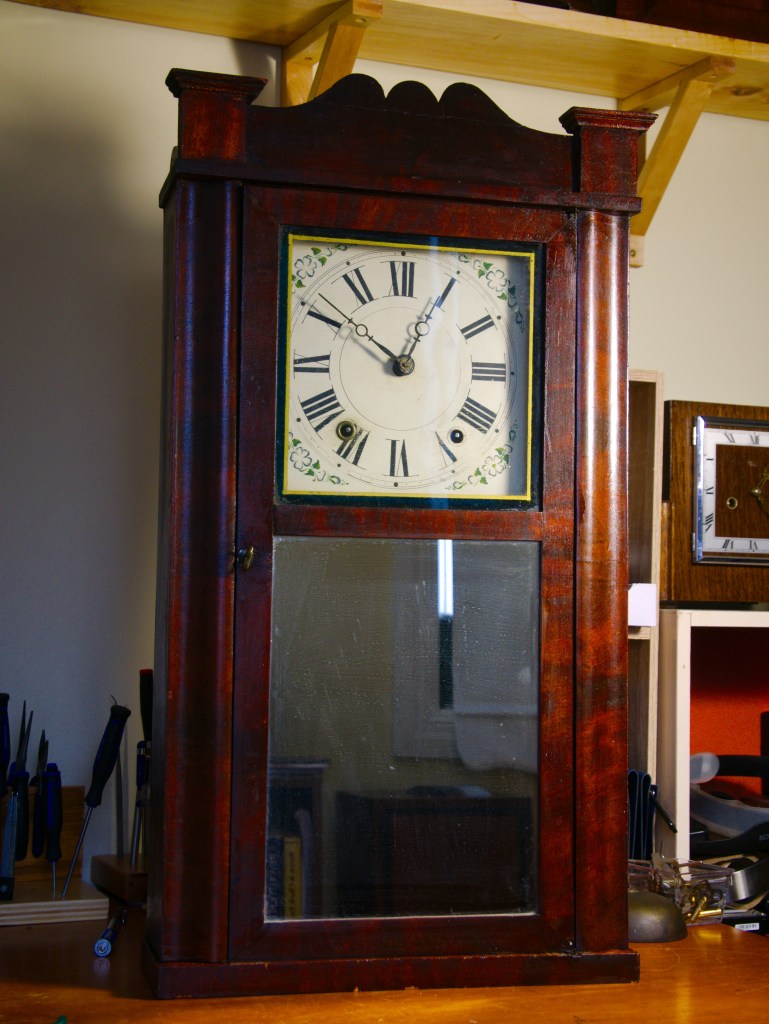
Is the clock collectible? Rare or unique clocks are highly collectible. For instance, antique Canadian-made Arthur Pequegnat clocks are highly sought after in Canada, while the same clocks may have limited appeal outside specific regions.
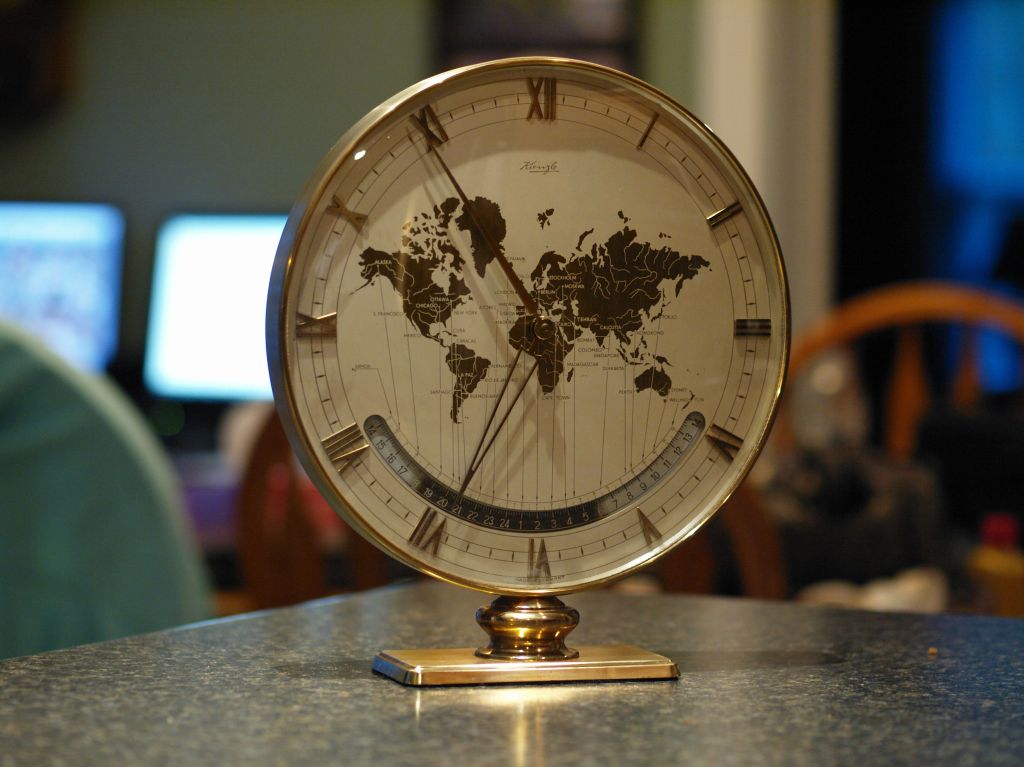
What is the mechanism type? Generally, three-train clocks (time, strike, and chime) are more complex and valued higher than two-train clocks (time and strike). Weight-driven clocks tend to be worth more than spring-driven ones. Conversely, some collectors tend to steer clear of complex clocks due to the challenges involved in repairing them.
People Don’t Want Clocks Anymore
The declining interest in antique and vintage clocks stems from several factors. Modern lifestyles prioritize convenience, and digital devices like smartphones and smart home systems have replaced traditional clocks as timekeeping tools. Generally, I find that younger generations do not share the same appreciation for historical craftsmanship, focusing instead on technology or experiences over physical heirlooms.
Modern homes, often compact condominiums with limited space, leave little room for accommodating a clock.
Antique clocks often require maintenance and specialized knowledge to repair, which can deter potential buyers.
Changing interior design trends also play a role, as many people prefer minimalist or contemporary aesthetics that do not accommodate antique and vintage clocks.
In the coming years, the prices of clocks will decline further as Baby Boomers—many of whom have been the primary custodians of antique and vintage clocks—enter retirement, downsize their homes, or pass away. This generational shift often leads to an influx of clocks entering the market as these individuals or their families divest of heirlooms and collectibles, items their own children do not want. With younger generations generally less interested in owning or maintaining such treasures, the supply will far outpace demand. This over-saturation, combined with changing tastes and priorities, will drive prices down even further, making it a buyer’s market for those who appreciate the art and history of antique clocks.
Do Your Research
Research is the key to determining value. Study online auction sites, local sales, reputable clock shops, and message boards to gauge prices. Be aware that clock prices are highly volatile and can change quickly based on supply and demand.
Before buying or selling, also research prices on eBay, reputable auction houses, and through local dealers. Finding clocks similar to yours can give you a price range to gauge your clock’s value—whether for personal interest or if you’re planning to sell.
Understand that clock prices fluctuate, and markets can be unpredictable. Always do your homework, ask questions, and provide honest descriptions if selling. Keep in mind that certain mass-produced clocks, many from China, Korea, and Japan, are not in high demand among collectors. This was true in 2016 and true today.
With the Internet’s impact, many clocks once thought to be rare have flooded the market, which affects prices. The law of supply and demand dictates that as supply increases and demand decreases, prices will drop. However, high-end, collectible clocks continue to retain their value.
Summary
Determining the value of an antique or vintage clock can be challenging, influenced by factors like originality, condition, age, and market demand. While personal sentiment often plays a role in perceived value, the reality of the unpredictable clock market requires thorough research and realistic expectations. Whether you’re buying or selling, understanding what makes a clock desirable and collectible will help you navigate this ever-changing landscape. With patience and knowledge, you can uncover hidden treasures or find the right buyer for your timepiece.
Is now a good time to purchase that special clock? With careful research, you may find bargains, but tread lightly, the clock market can be a minefield.
Discover more from Antique and Vintage Mechanical Clocks
Subscribe to get the latest posts sent to your email.
 Antique and Vintage Mechanical Clocks
Well done….i read an artic
LikeLike
Thank you.
LikeLike