
It has been said that Ypres has existed in one form or another for close to 1000 years and is probably named after the river Leperlee on the banks of which it was founded. Among the many historic structures in Ypres is the Cloth Hall Tower, an iconic structure with a rich history, including its notable clock and carillon.
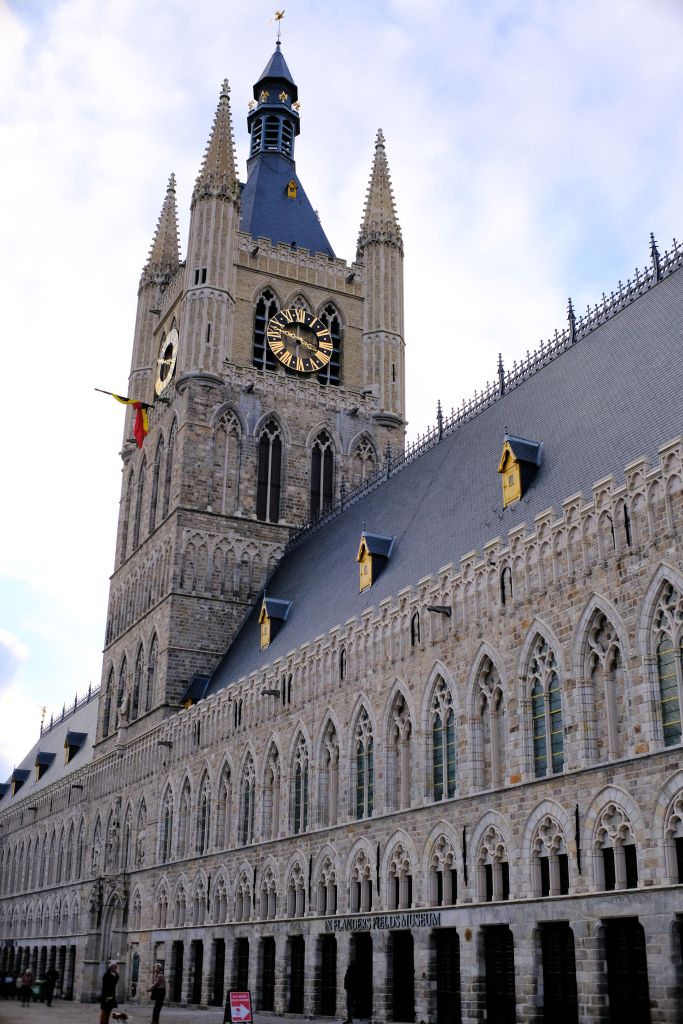
It is a magnificent Gothic structure originally built in the 13th century when Ypres was a major center for the cloth trade. The tower, reaching about 70 meters high, was an essential part of the hall, serving as a belfry and symbolizing civic pride.
The hall, including the clock tower, was heavily damaged during World War I. The post-war reconstruction, completed in the 1960s, restored the building to its former glory, replicating its medieval design.
The clock on the Cloth Hall Tower features a traditional design, complementing the Gothic architecture. It serves as a public clock and supports a carillon.
The clock mechanism is integrated with the tower’s carillon, striking the hours and playing melodies on the bells.

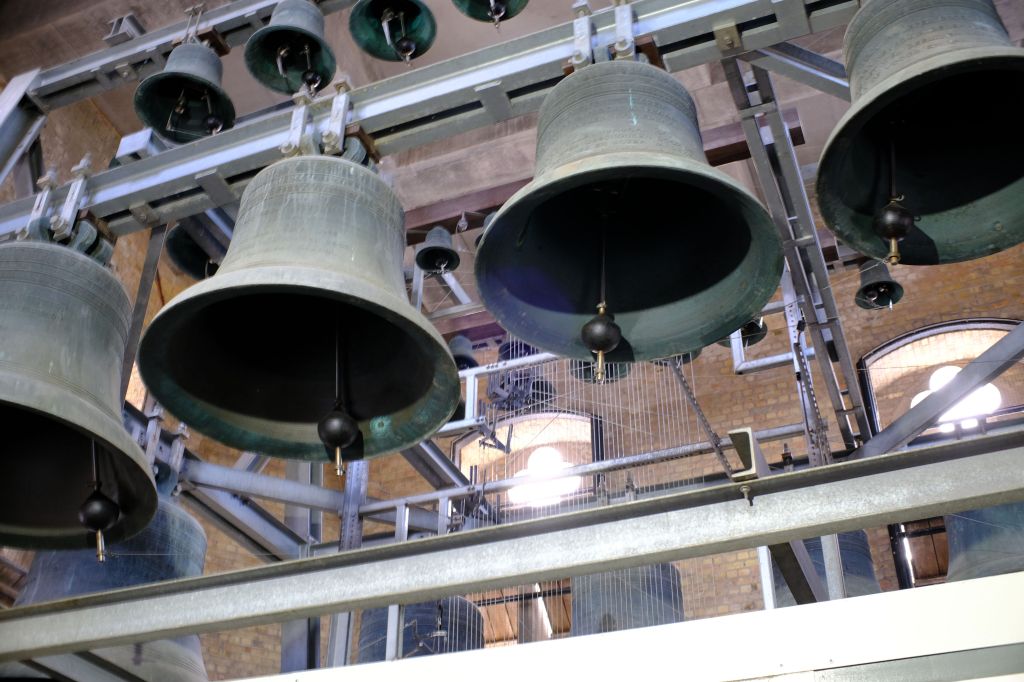
The tower’s carillon contains 49 bells. Historically, the bells played an important role in marking time and broadcasting messages to the town.

Today, the carillon plays at regular intervals, and skilled carillonneurs perform concerts, particularly during festivals or commemorative events.
The clock and its chimes serve as enduring symbols of resilience and rebirth for the people of Ypres, reminding visitors of the town’s historical significance and the scars left by the First World War.
The Cloth Hall Tower and its clock remain one of Belgium’s most visited heritage sites, offering visitors a tangible link to medieval and modern European history.
In Flanders Fields Museum
The museum is situated within the reconstructed Cloth Hall, the museum is an integral part of the building, drawing thousands of visitors annually.
The museum explores the impact of World War I, particularly the battles fought in the Ypres Salient. It features interactive displays, personal stories, artifacts, photographs, and audio-visual materials to provide a deep and moving understanding of the war.

Visitors to the museum can climb the Cloth Hall Tower. The ascent, which consists of 225 steps, rewards them with panoramic views of Ypres and the surrounding area, including sites of historical significance from the war.
Discover more from Antique and Vintage Mechanical Clocks
Subscribe to get the latest posts sent to your email.
 Antique and Vintage Mechanical Clocks
Thank you..so much history..really enjoyed this
LikeLike