
A clock’s pendulum is a swinging component made up of a rod or wire with a weighted bob attached at the end. It is a key part of pendulum clocks, responsible for regulating the movement and ensuring accurate timekeeping.
The pendulum swings back and forth in a precise, periodic motion, controlling the clock’s escapement mechanism and dividing time into equal intervals.
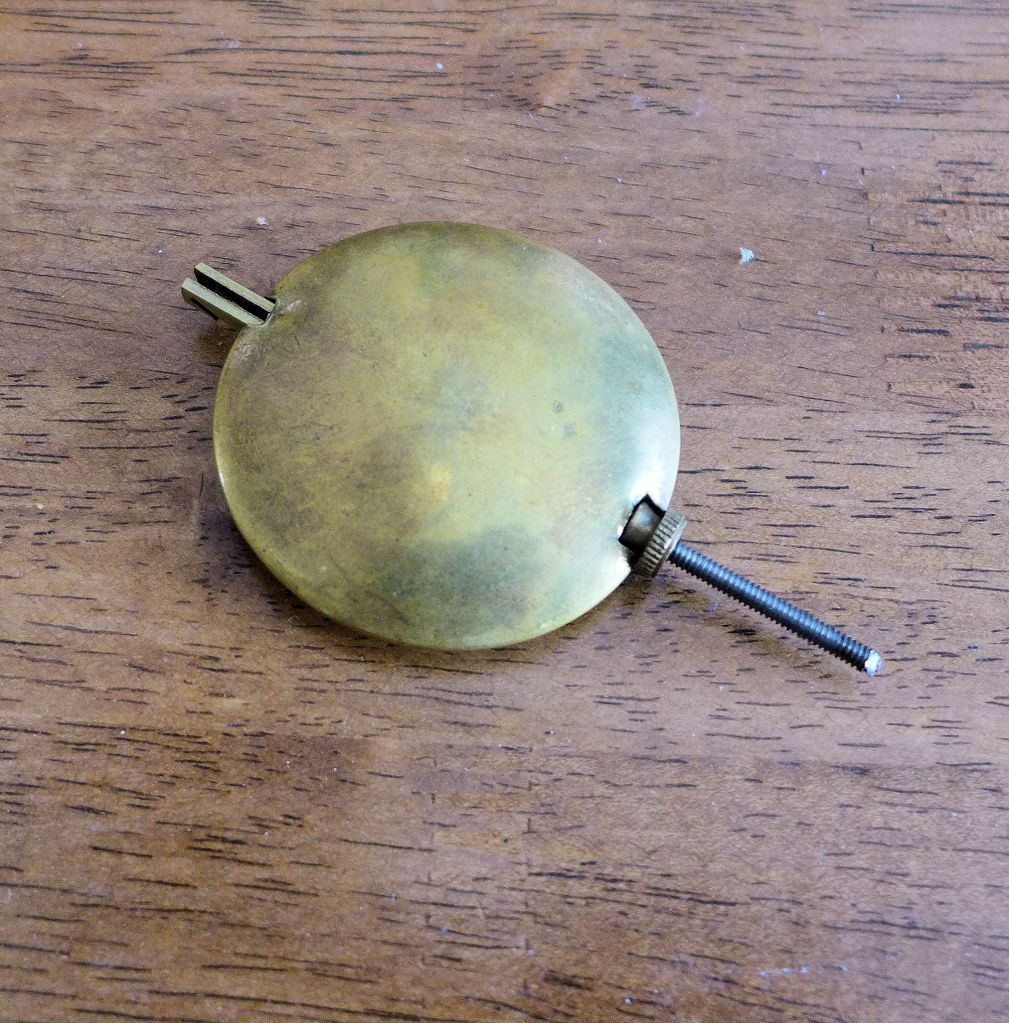
The topic of pendulum weight is a frequent subject of discussion among amateur and professional horologists.
The weight of the pendulum in mechanical clocks is not critical for precise timekeeping but must fall within an acceptable range. Let’s explore why in this article.
Controlling variables
The controlling variable is the length of the entire pendulum assembly (suspension spring, pendulum leader, pendulum bob) from the point where the suspension spring flexes to the center of mass of the entire pendulum assembly. Some clocks will have that length expressed in centimeters or inches stamped on the movement plate.

The weight of a pendulum has a much smaller effect on its timekeeping compared to the length. In an ideal pendulum, the time it takes to complete a swing (the period) is mostly determined by the length of the pendulum and the acceleration due to gravity, and not by the weight.
The weight of the pendulum
In practical mechanical clocks, the weight of the pendulum can affect the clock’s movement in subtle ways. However, the pendulum’s weight must fall within an acceptable range specified by the movement’s design.
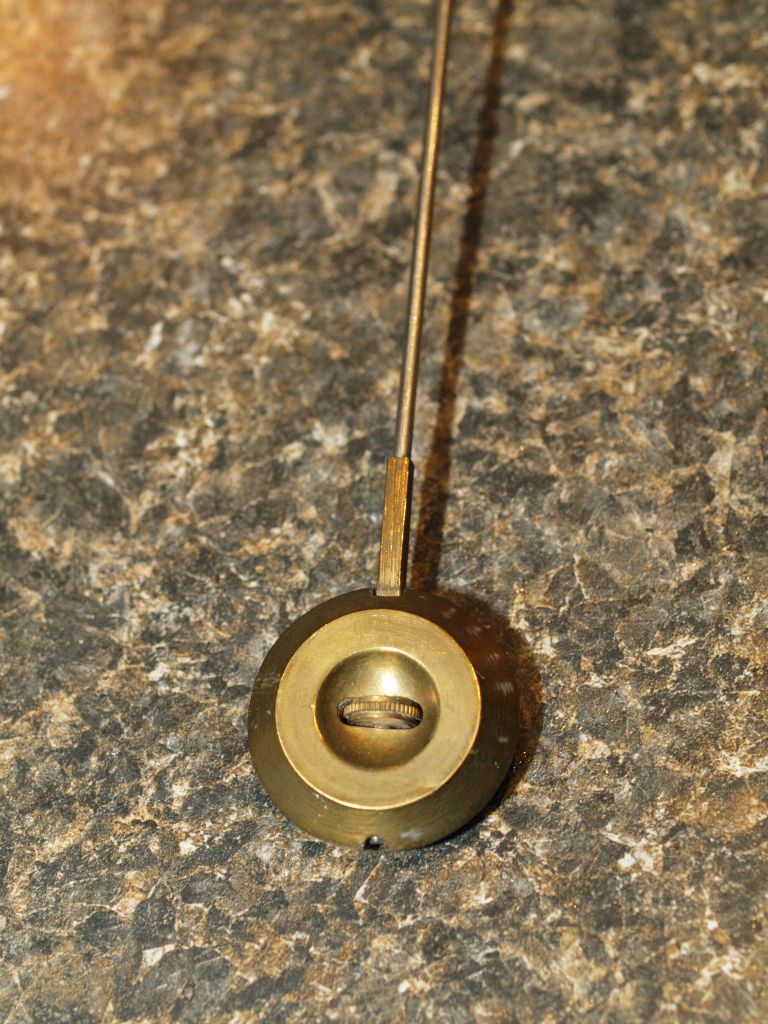
Heavier pendulums are less affected by air resistance. A pendulum that is too light may slow down more over time due to friction with the air. Heavier pendulums tend to be more stable in motion and less affected by external forces like small drafts or air currents.
The weight of the pendulum can affect how much power is required from the clock’s escapement mechanism to maintain the pendulum’s motion. A heavier pendulum may need more energy to keep swinging. If the clock’s escapement is designed for a certain weight, using a much heavier or lighter pendulum could affect timekeeping accuracy.

On the other hand, heavier bobs tend to overcome mechanical friction more effectively. If the clock’s gears or escapement are under significant load due to weak mainsprings, old grease, or worn pivot holes, a heavier bob helps maintain consistent motion by stabilizing the escapement’s action. If the clock runs better with an overly heavy pendulum bob, it’s a sign of wear, indicating that the movement needs servicing.
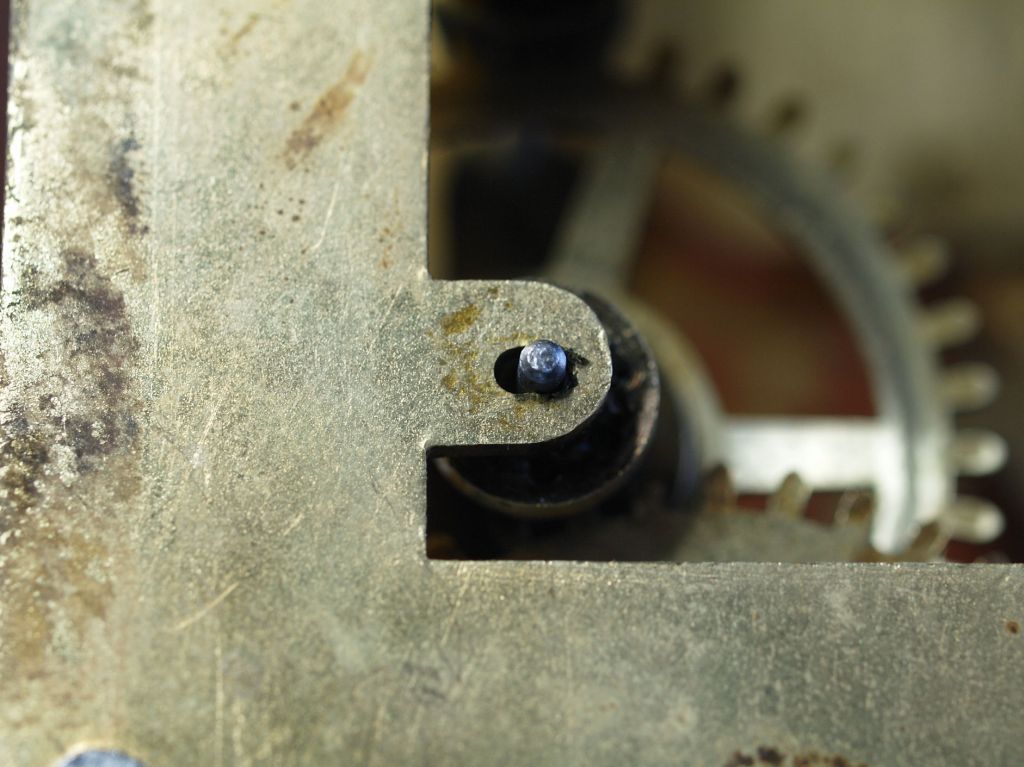
Additionally, the attachment points (or suspension) of the pendulum and the escapement mechanism may experience increased wear or friction if the pendulum is too heavy. This could cause irregularities in the clock’s timekeeping over time.
In summary
While the length of the pendulum is the primary factor controlling the rate of timekeeping, the weight affects stability, efficiency, and how the clock interacts with the pendulum. However, the length of the pendulum, rather than its weight, is the primary factor in determining a clock’s accuracy.
For a more detailed or technical analysis, horological journals and bulletins delve deeper into the physics of pendulum design and weight. However, I hope this straightforward explanation will be sufficient.
Discover more from Antique and Vintage Mechanical Clocks
Subscribe to get the latest posts sent to your email.
 Antique and Vintage Mechanical Clocks
You must be logged in to post a comment.