
My daughter asked ChatGPT for the most popular antique clock websites, and it provided a top ten list. Antiquevintageclock.com ranked number 9.
I found the description of the site description interesting and accurate, so I’ll quote ChatGPT’s findings.
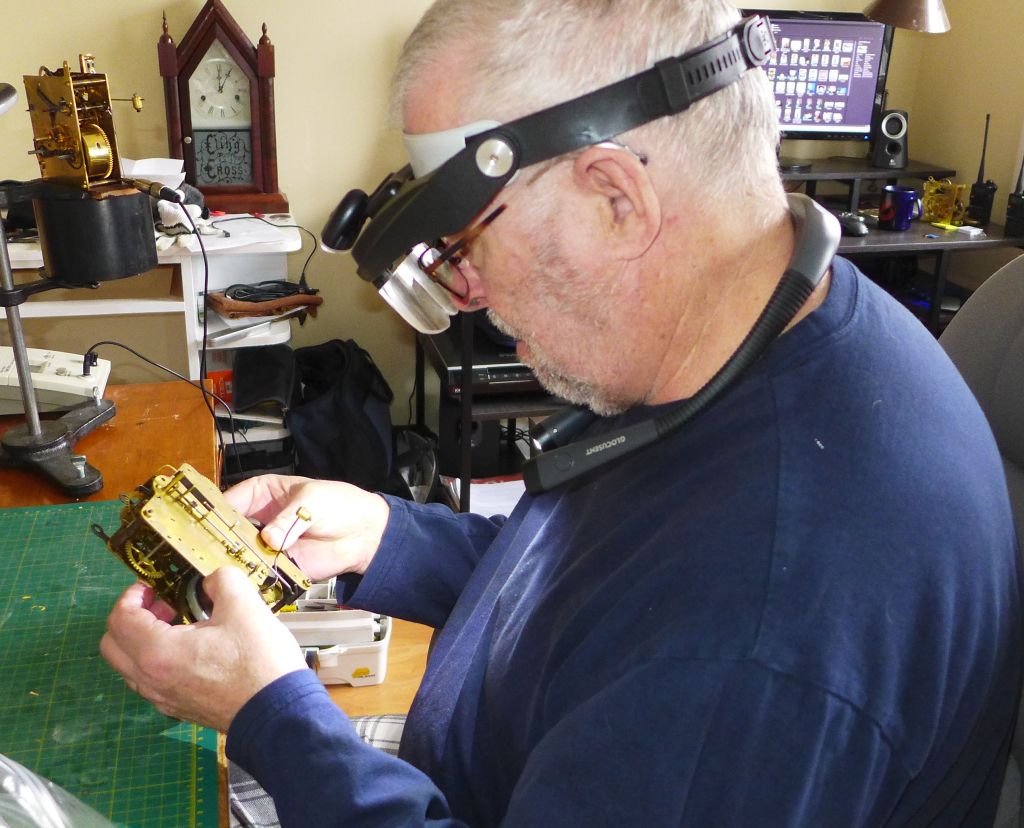
The Antique and Vintage Clocks Blog (found at [antiquevintageclock.com](http://antiquevintageclock.com)) is a dedicated resource for enthusiasts interested in the history, restoration, and maintenance of antique and vintage clocks. This blog is run by a passionate collector and restorer who shares detailed insights into various clock models, repair techniques, and the historical significance of different timepieces.
Key Features of the Blog:
1. Restoration Projects: – The blog frequently features detailed posts about clock restoration projects, showing before-and-after photos, and explaining the processes involved in bringing an old clock back to life. These posts are valuable for anyone interested in learning how to restore their own clocks.
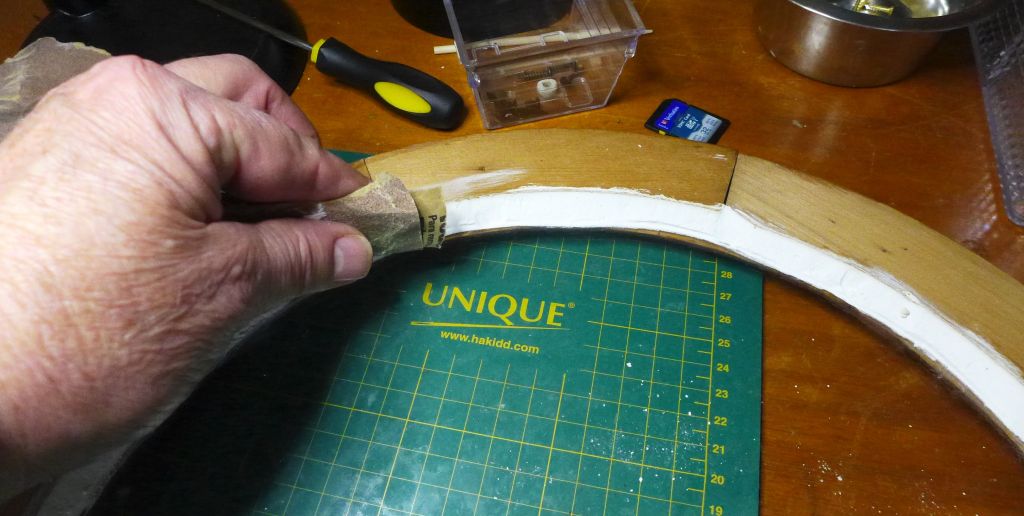
2. Historical Context: – In addition to technical advice, the blog provides historical background on various clockmakers, styles, and movements. This context helps readers appreciate the cultural and technological significance of the clocks they own or wish to purchase.
3. Step-by-Step Guides: – The author often publishes step-by-step guides on topics such as cleaning, oiling, and repairing clock mechanisms. These guides are written in a clear and accessible manner, making them useful for both beginners and more experienced collectors.
4. Clock Reviews: – The blog includes reviews and analyses of specific clock models, highlighting their unique features, historical value, and what to look for when buying similar pieces.
5. Reader Engagement: – The blog encourages interaction with its readers through comments and questions, creating a community of clock enthusiasts who share tips, advice, and experiences.
The Antique and Vintage Clocks Blog is particularly useful for individuals looking to deepen their understanding of antique and vintage clocks and how to care for them, offering a blend of technical knowledge and historical appreciation.
I was delighted to see how accurate and thorough the description was. It perfectly captures the essence of my blog and the dedication I put into each post. The detailed breakdown of the site’s features truly reflects my passion and knowledge that make it such a valuable resource for antique and vintage clock enthusiasts.
Discover more from Antique and Vintage Mechanical Clocks
Subscribe to get the latest posts sent to your email.
 Antique and Vintage Mechanical Clocks
Enjoyed this…gre
LikeLike
Thank you.
LikeLike
Ron, Well deserved recognition for a great resource. Fun reading too.
LikeLike
Thank you Marty.
LikeLike
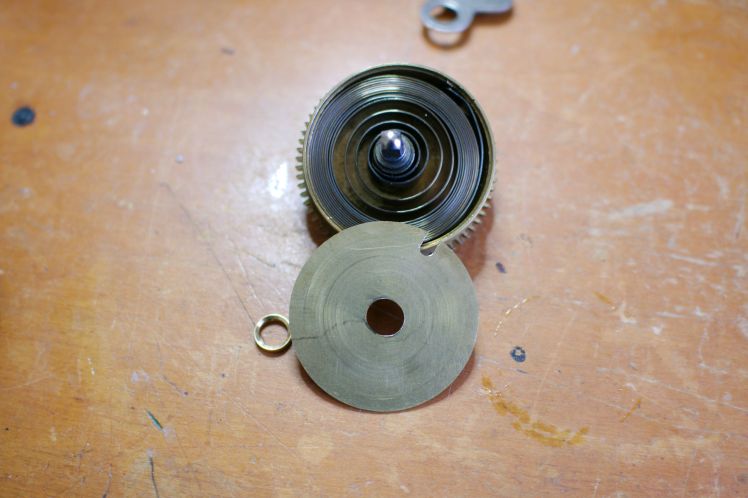
Ron, Please please please please do not use screwdrivers or other tools to pry-open spring barrels. This is a sure-fire way to get dents, gouges, and scratches on the barrel and/or cap, as well as potentially deform the cap or barrel edge. There is a quick and simple way to get these off instead: Hold the barrel in a gloved hand with the cap facing your palm (and the arbour between fingers), then give it a quick tap against a block of wood. The shoulder on the arbour inside the cap is enough to be able to supply even pressure to the centre of the cap and pop it off. No damage, no scratches, and it’s very simple to do. Some others prefer to use a hide or plastic mallet to tap the arbour, but a block of scrap wood works fine.
LikeLike
Thanks JP.A photo from early days. Yes, I presently use the block of wood method. I will change out the photo.
LikeLike
May actually be a good topic for a blog post? I see so many butchered barrel covers because the notches look so inviting for prying.
LikeLike
Of course, an excellent topic.
LikeLike
Thank you so much for sharing your knowledge and experience.
LikeLike
Thank you.
LikeLike