
The Science Museum in London, England, is one of the city’s most iconic and popular museums, dedicated to inspiring a passion for science in visitors of all ages. Located in the South Kensington area, it is part of the Science Museum Group, which also includes other major museums in the UK.
The museum was founded in 1857 and has since grown into one of the world’s foremost institutions for the collection, preservation, and display of scientific, technological, and medical achievements. It boasts a vast collection of over 300,000 objects that chart the history of innovation and exploration in science and technology.
The Science Museum houses some of the most famous scientific artifacts in the world, including Stephenson’s Rocket (a pioneering early steam locomotive), the first jet engine, and a model of DNA.
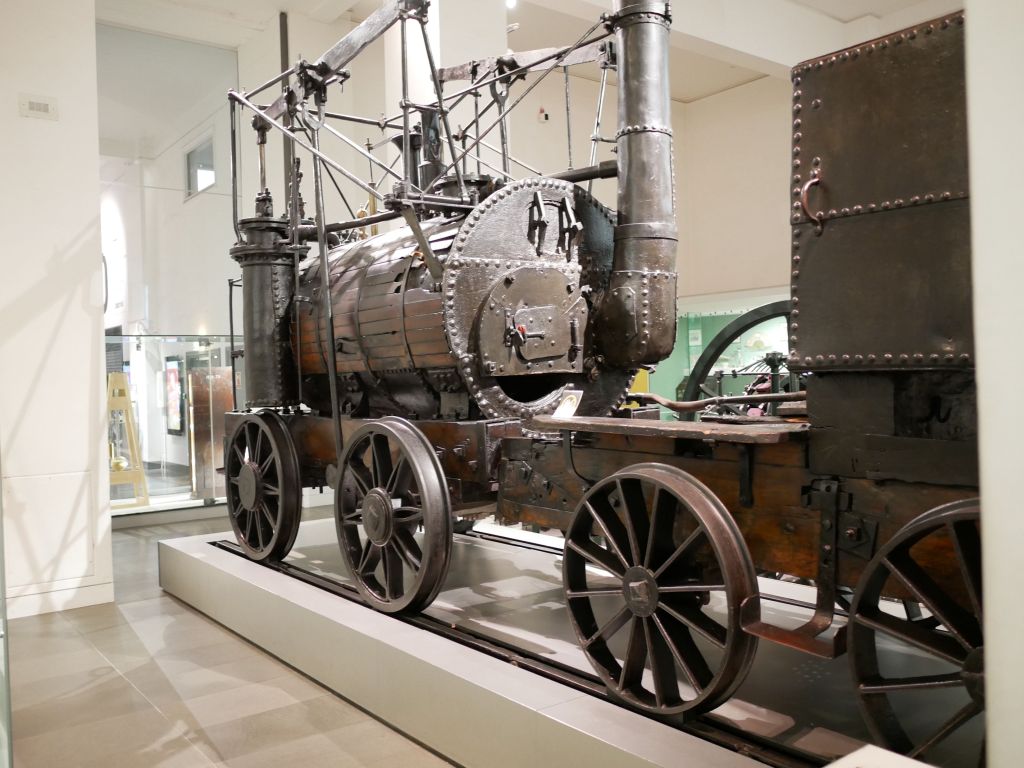
The museum is organized into several galleries, each focusing on a specific theme, and while it offers a wealth of experiences to its visitors, the area that captivated me the most was the horology section.
Horology Section | Measuring Time
The horology exhibit at the Science Museum in London, known as the “Measuring Time” gallery, is a fascinating display that showcases the evolution of timekeeping technology and the intricate craftsmanship of clocks and watches.
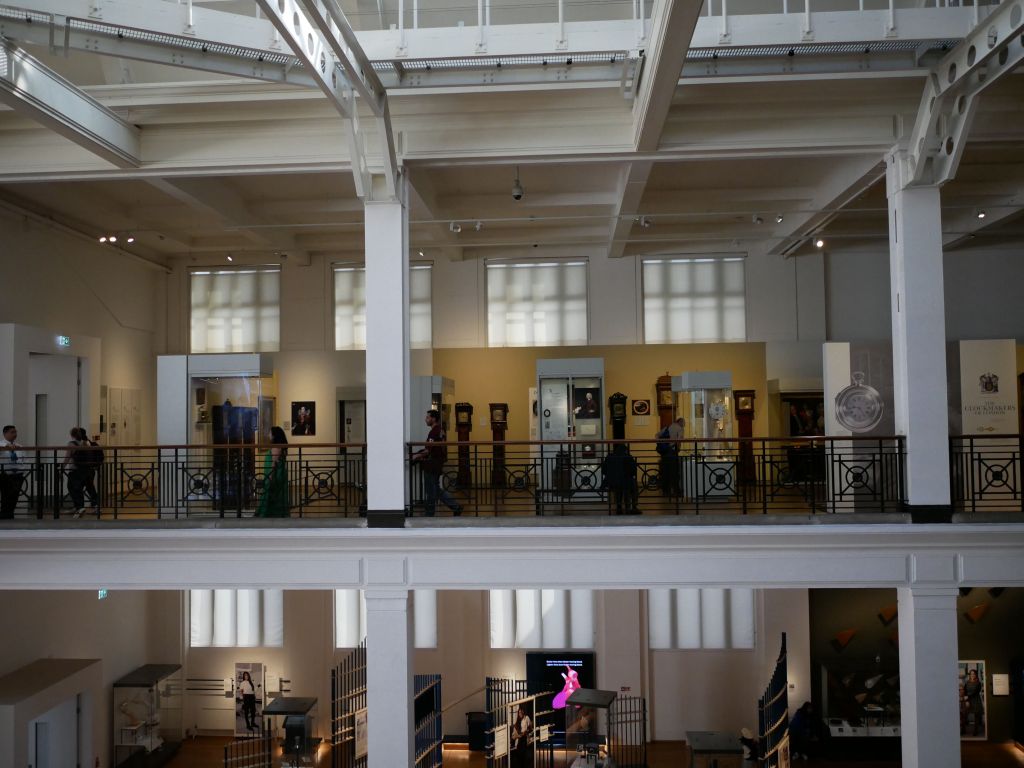
The exhibit features an extensive collection of timepieces ranging from early mechanical clocks to modern wristwatches.
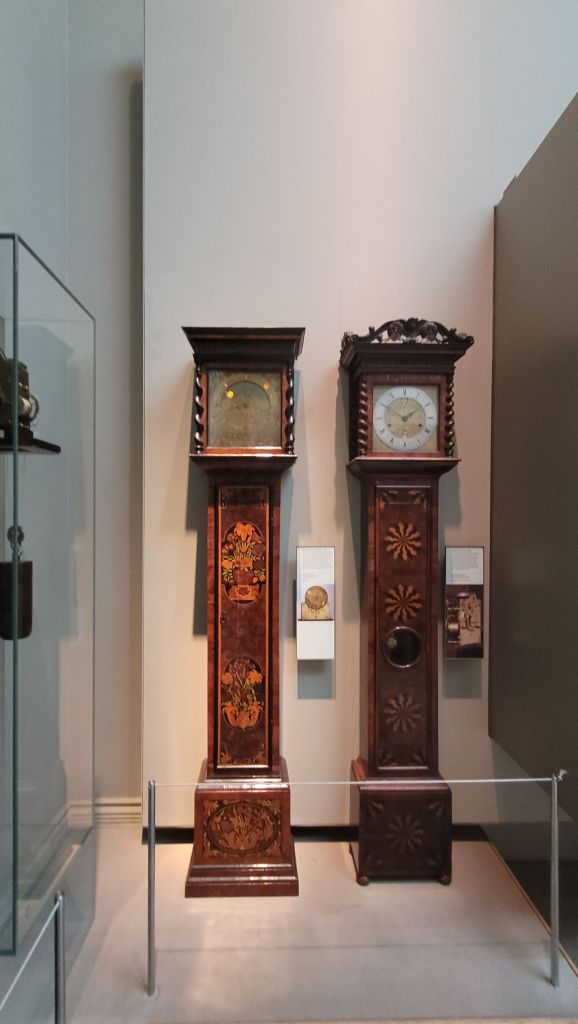
Among the highlights are medieval astronomical clocks, early pocket watches, and marine chronometers used for navigation.
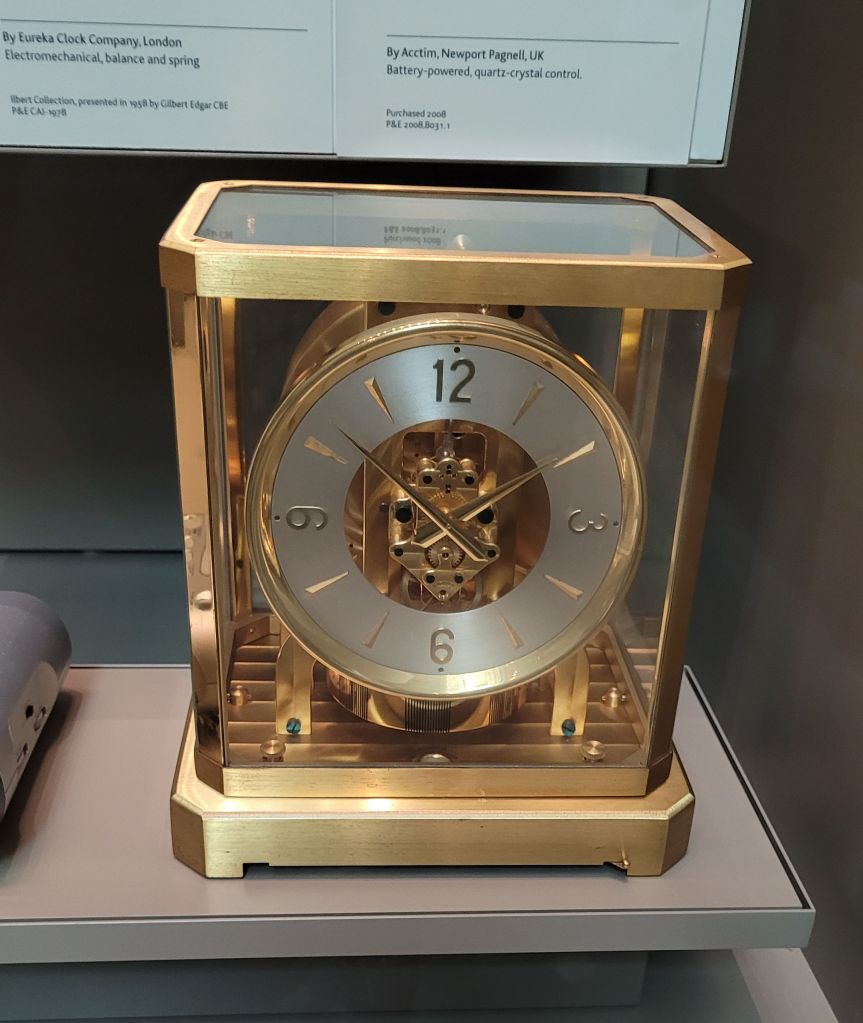
A standout section is dedicated to the work of John Harrison, a self-taught clockmaker who solved the problem of longitude at sea with his marine chronometers. These are considered some of the most important timekeeping devices ever created, crucial for safe and accurate navigation.
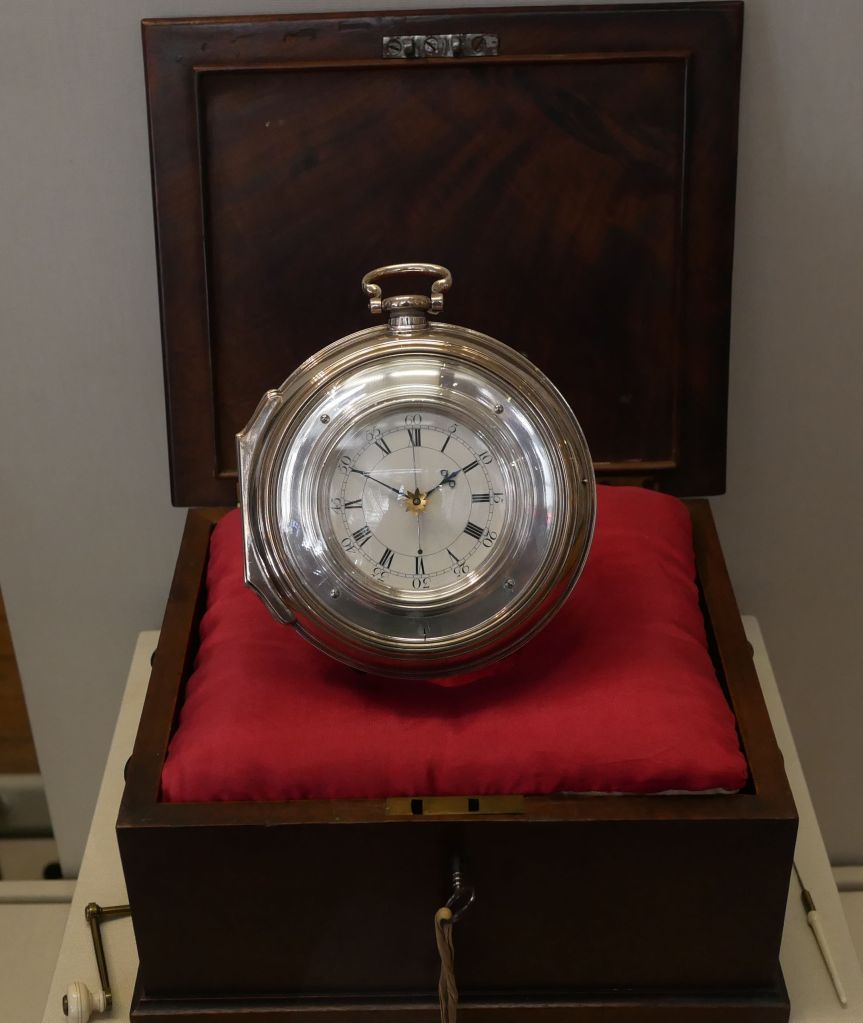
The exhibit includes several ornate astronomical clocks that not only tell time but also track celestial events such as the phases of the moon and the positions of the stars. These clocks are masterpieces of both art and science.
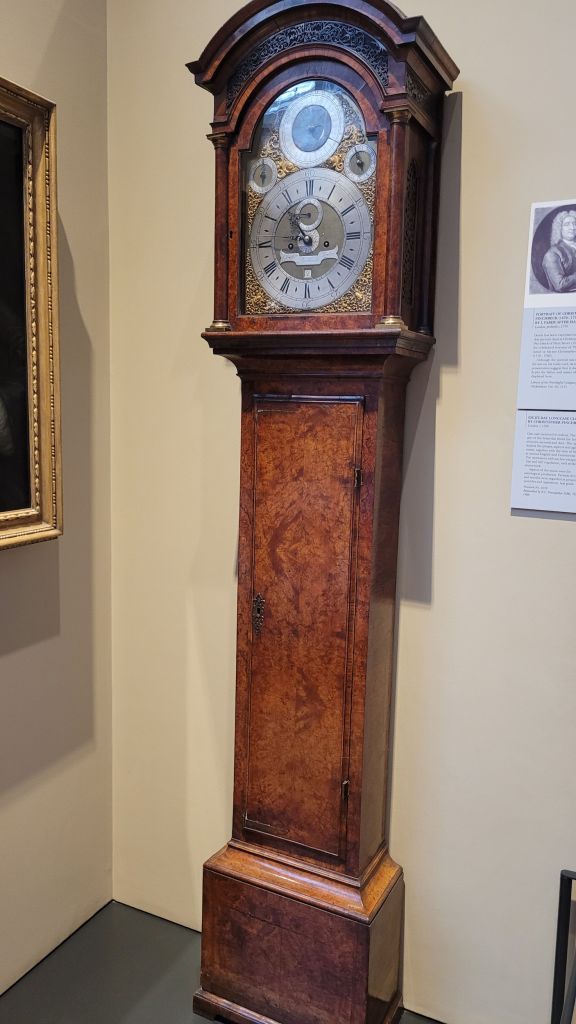
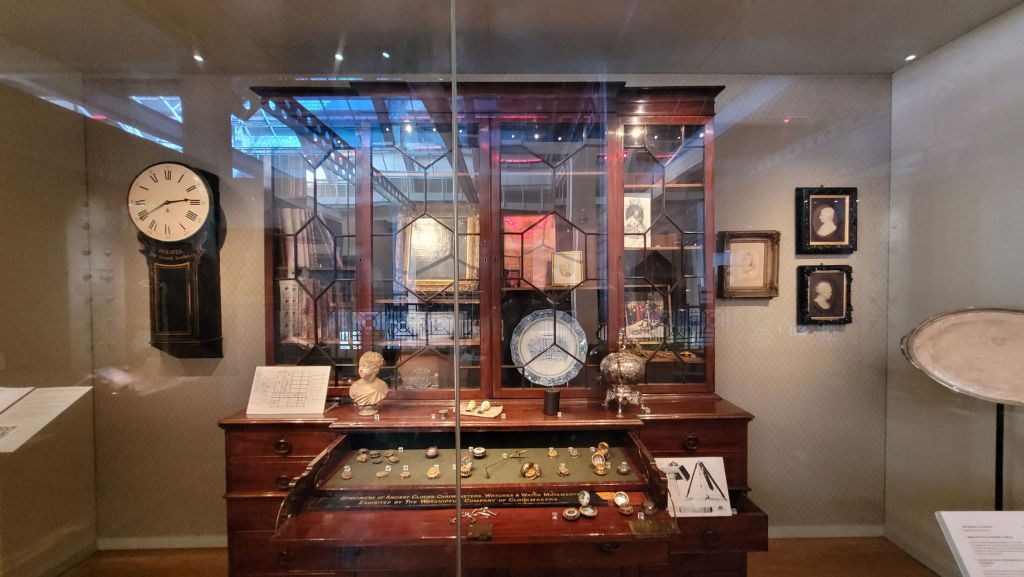
The Clockmakers’ Company collection, one of the oldest in the world, is on display within the museum. It features a range of exquisite clocks and watches, many of which are beautifully decorated and demonstrate the high level of craftsmanship involved in horology.
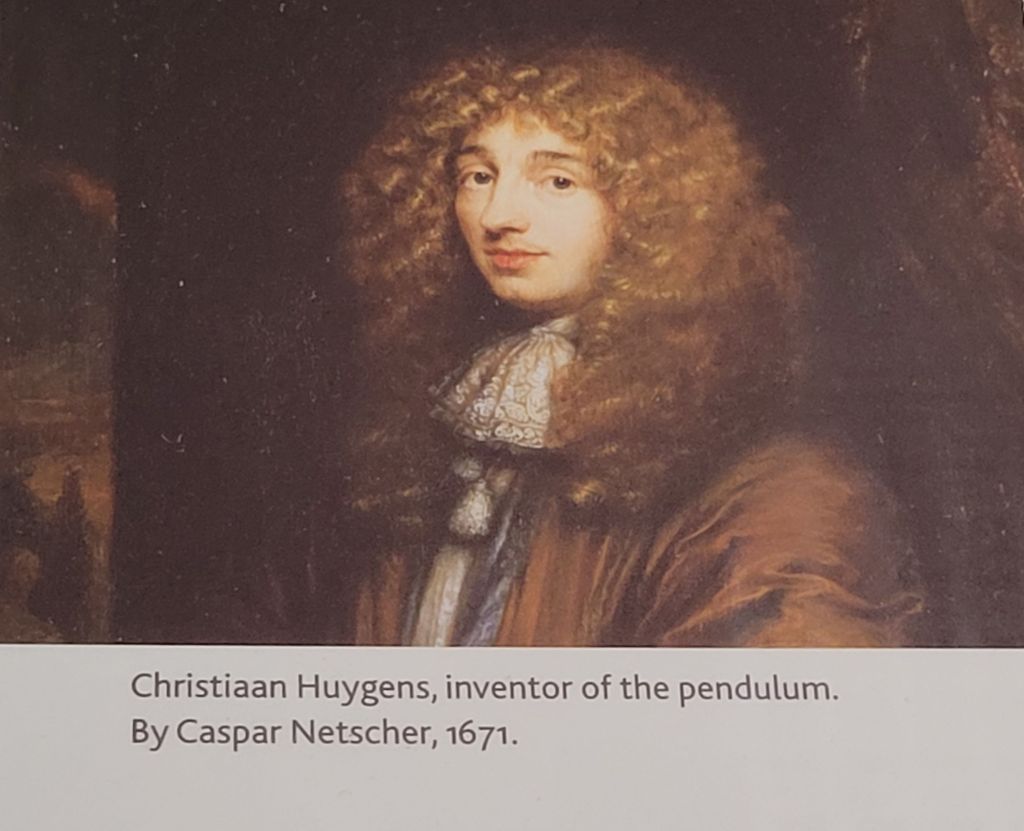
Throughout the exhibit, there are explanations of the technological advancements in timekeeping, from the invention of the pendulum clock by Christiaan Huygens to the development of quartz and atomic clocks. The exhibit explores how these innovations have impacted society, science, and industry.
Zimingzhong exhibit
The museum occasionally hosts temporary exhibits within the horology section that delve deeper into specific aspects of timekeeping, such as the influence of time on culture or the future of time measurement.
In the spring of this year (2024) a special exhibit of Zimingzhong clocks grabbed our attention. What is a Zimingzhong clock? It’s a clock that tells the time; moves, makes a musical sound, and has symbolic significance.
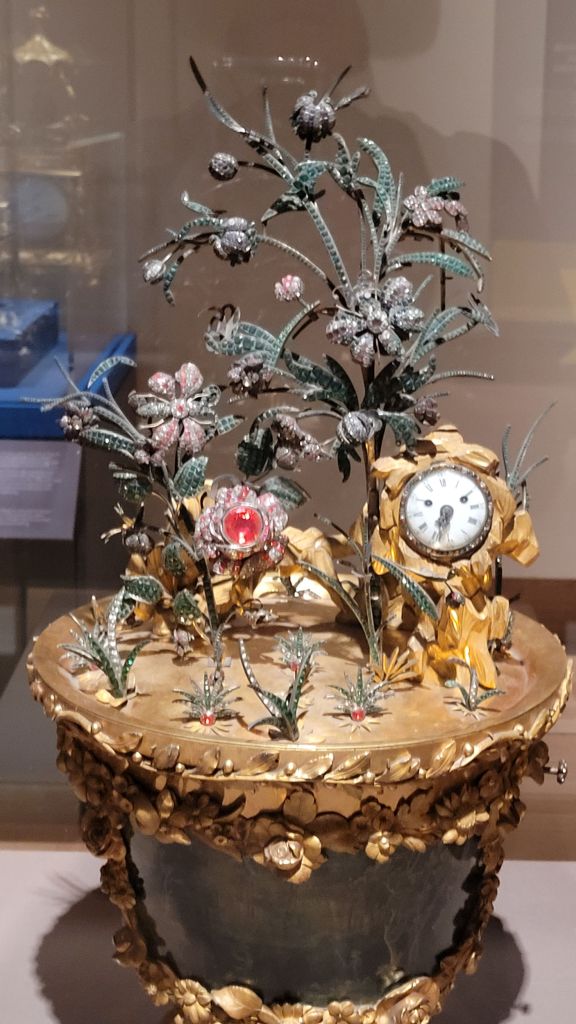
These clocks feature elaborate decorations and are typically made from materials like bronze, jade, or lacquered wood.

They reflect the rich artistic traditions and horological expertise of China.
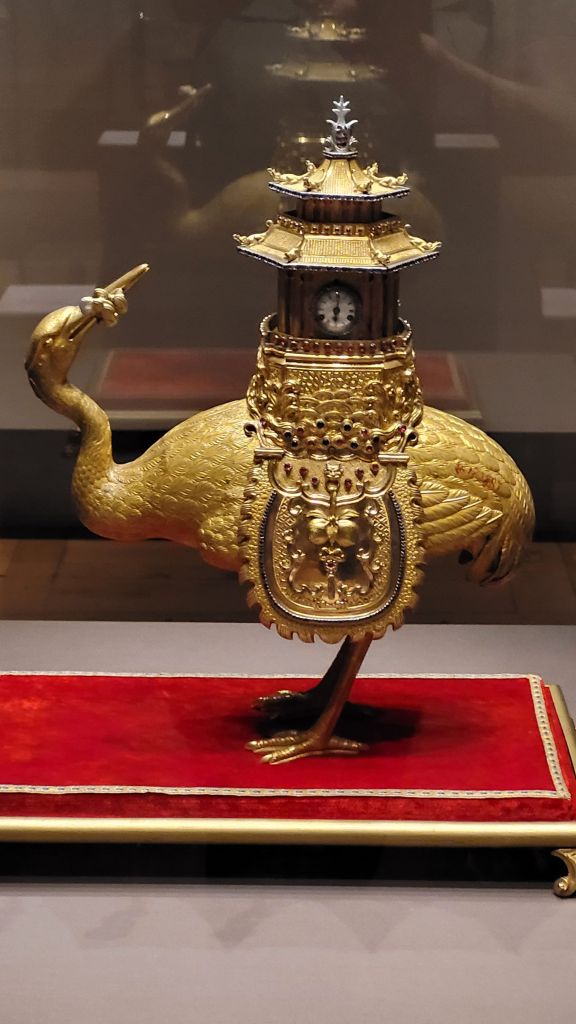
Zimingzhong clocks are not just timekeeping devices but also serve as symbols of status and wealth. They are often considered art pieces, showcasing the skill of Chinese craftsmen.
From the mesmerizing horology section, where intricate timepieces and historic clocks showcase the artistry and precision of timekeeping, to the interactive exhibits that ignite curiosity and wonder, the British Science Museum offers an enriching experience for all.
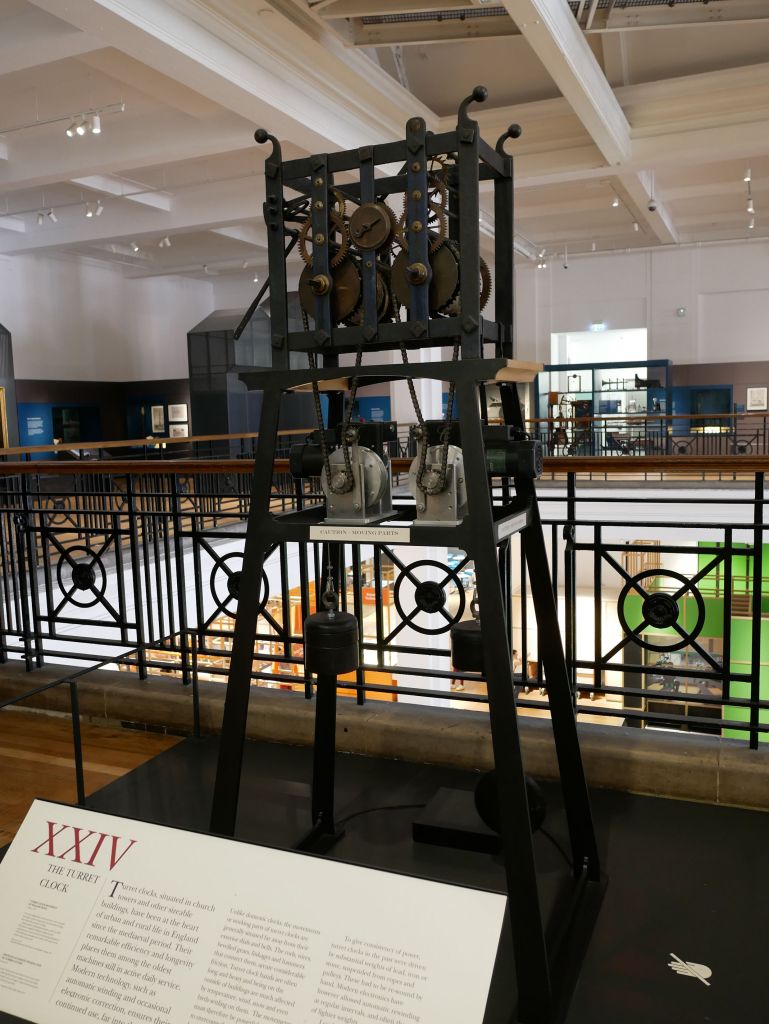
Whether you’re exploring the evolution of scientific discoveries or marveling at the ingenuity behind groundbreaking inventions, the Science Museum provides a unique opportunity to appreciate the impact of science on our world and its role in shaping our future.
Discover more from Antique and Vintage Mechanical Clocks
Subscribe to get the latest posts sent to your email.
 Antique and Vintage Mechanical Clocks
Interesting article, really enjoyed it.
LikeLike
Thank you
LikeLike
Yes, quite something. I wish I could visit there some day. The only “fly in the soup” on your blog is the very occasional re-sizing of pictures. You got to resize both dimensions, not just the vertical. Otherwise the object looks squashed.
But, thanks for your enlightenments. Thomas, (formerly CLOCKTIME – Clockmaker of Cape Town, now semi-retired and just Clocktime. I should write some articles, but time runs through my fingers.
LikeLike
Hi and thanks for the heads up regarding the display of the post. I checked tablet, mobile and PC versions on Chrome, Edge and Firefox and cannot duplicate the issue with dimensions. The one I have not checked is Apple, iPhone, Safari. Could this be the issue?
Ron
LikeLike
Hello!
Thanks for sending the information on the museum. A great place to visit! Interestingly, our family is said to be related to George Stephenson and ‘Stephenson’ was part of my Dad’s name. So it’s fun to see where the Rocket is located. There are several generations of engineers in the family including my Grandmother, who may have been the first femaie engineer in Canada, as well as my Dad.
We also have a mahogany Pequegnat Citadel mantle clock and some pocket watches that we hope to sell to an interested collector(s), which is why we joined upon the recommendation from someone at the Clock Museum in Canada. We are enjoying this site and are pleased to learn more. Thanks for sharing!
Alison
>
LikeLike
Thank you for your kind message! It’s fascinating to learn about the connection to George Stephenson—what a remarkable heritage! Having generations of engineers in the family is truly inspiring. The Clock Museum in Canada is a treasure trove of information, and I’m glad their recommendation led you here.
LikeLike