
In the world of horology, antique clocks stand as both timekeeping devices and exquisite works of art, bearing witness to the craftsmanship and design sensibilities of bygone eras.
Yet, beneath their exteriors lies a profound philosophical conundrum—one that questions the very essence of their identity. As we dive into the realm of antique clocks, we find ourselves pondering a perplexing thought experiment: When is a clock no longer the same clock?
This article embarks on a journey through the intricacies of restoration, originality, and the identity of antique clocks.
When gradually replacing every part of a clock, a fascinating philosophical question arises: at what point does it cease to be the same clock? This conundrum extends to the creation of a “new” clock from those original parts.
This brings to mind the Ship of Theseus thought experiment which raises the intriguing question of identity and continuity. If all the components of a ship are gradually replaced over time, at what point does it cease to be the same ship?

The dilemma lies in determining which of the two clocks can rightfully claim to be the original. This thought experiment delves into the complex nature of an object’s identity, as no two objects can occupy the exact same identity. It challenges us to consider whether an object with all its components replaced can still be fundamentally regarded as the same object.
Several years ago, I had the opportunity to work on a antique clock that was essentially a box of parts.
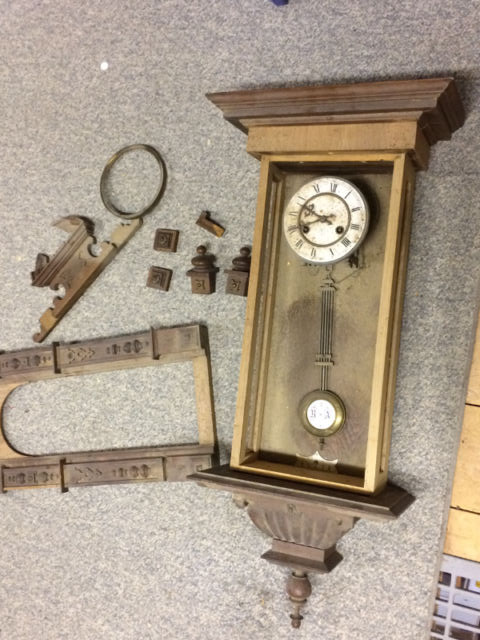
At first glance, it seemed to be in its original state, but upon closer inspection, discrepancies emerged. Contrary to the initial impression that all components were intact within the box, I soon realized that numerous intricate elements, such as case embellishments and finials, were absent. What’s more, a substantial portion of the case had been reconstructed using contemporary materials, and both front and side glass panels were notably absent.
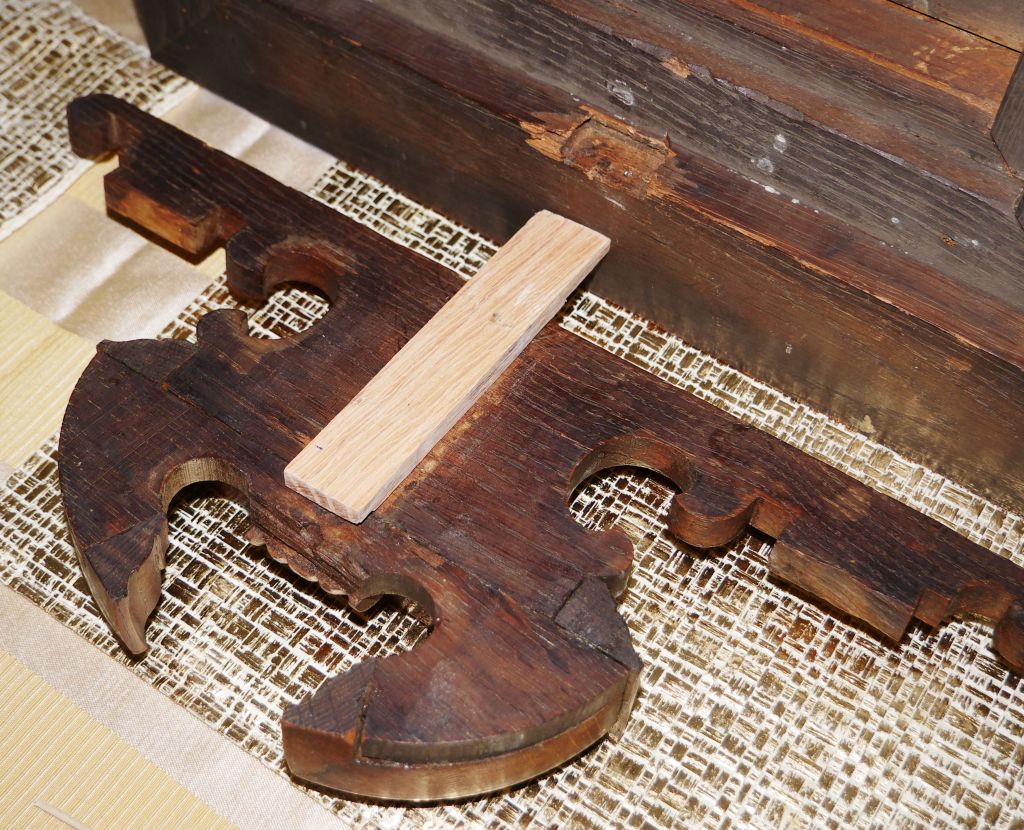
This prompts the question of whether a clock in such a state can still be categorized as original, or if it has strayed too far from the essence of originality due to the incorporation of modern elements and the absence of vital components.

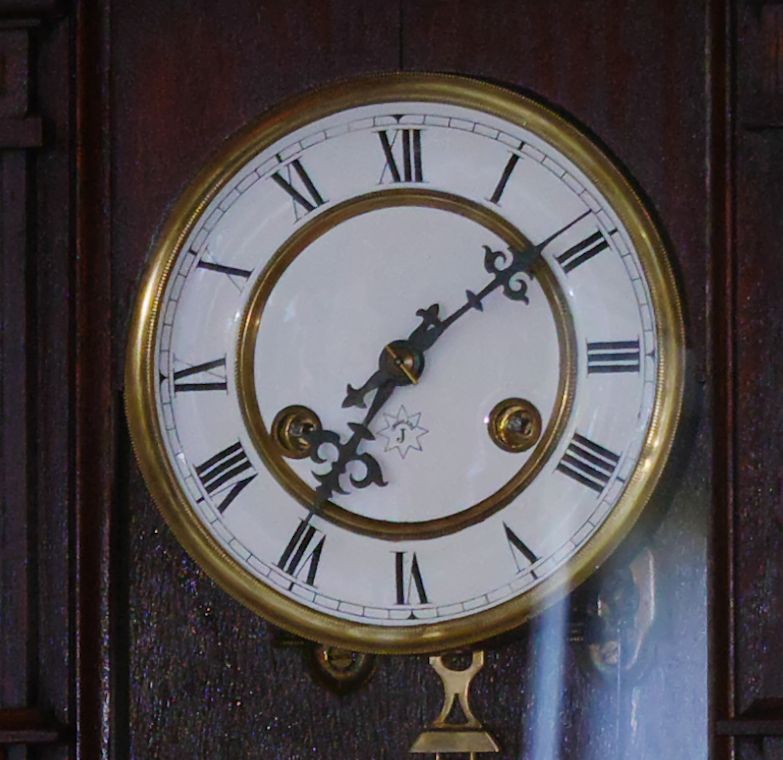
Despite its captivating visual appeal, my Junghans Crispi does not command the same market value as an authentic, original Crispi clock.

People often place a premium on originality, and I, for one, appreciate a well-preserved clock in its original condition. I may reconsider if it has been tastefully restored or repaired, recognizing that it’s a better fate than being discarded or stripped for parts. However, I wouldn’t expect to pay as much for a clock that has undergone significant alterations.
Valuing an excessively restored clock can be challenging. While conservation and restoration have their merits, the question arises: does a clock that was two steps away from the trash bin become less valuable when restored?
In reality, there are no definitive answers to these questions. Collectors will always exist who prioritize originality and others who are more forgiving of certain changes. So, is this debate a significant concern, or simply a matter of personal preference?
Discover more from Antique and Vintage Mechanical Clocks
Subscribe to get the latest posts sent to your email.
 Antique and Vintage Mechanical Clocks
You must be logged in to post a comment.