
In a world fascinated by the march of time, antique clocks offer us a unique glimpse into history. Not only have they served their primary purpose of telling time but have also become symbols of artistry, craftsmanship, and human ingenuity.
Despite their age and historical significance, it’s not uncommon for antique clock owners to find themselves disheartened by the appraisal of their cherished antique clock. Why do some antique clocks, some well over a century old, seem to have little monetary value?

In this blog article, we will explore several factors that contribute to the value of an antique clock and shed light on why certain clocks, despite their considerable age, might not be worth what some individuals believe.
Let’s examine those factors.
Craftsmanship and Materials
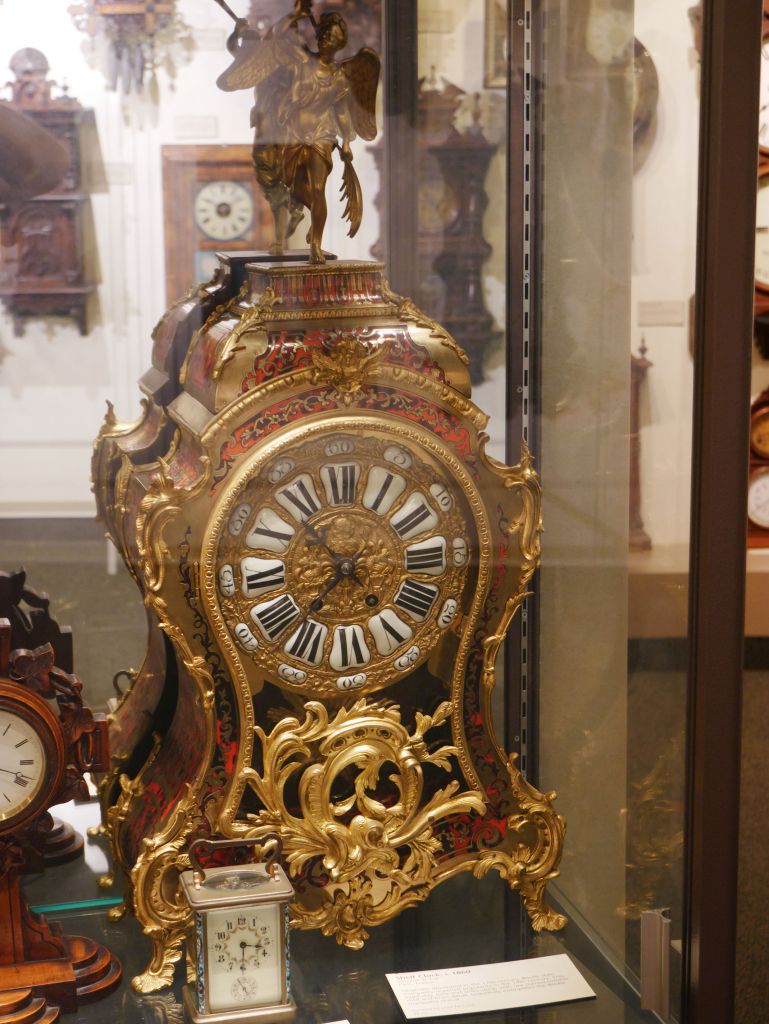
The value of an antique clock is deeply intertwined with the craftsmanship that went into its creation. Clocks made by renowned clockmakers or those displaying exceptional artistry tend to command higher prices. Similarly, the materials used play a pivotal role. Clocks crafted from precious metals such as gold or intricate inlays of rare wood often carry a premium value due to the inherent worth of these materials.
Rarity and Demand
Antique clocks that are rare or in high demand among collectors naturally hold greater value. Limited production runs, unique designs, or clocks associated with historical events or figures can significantly drive up their worth.
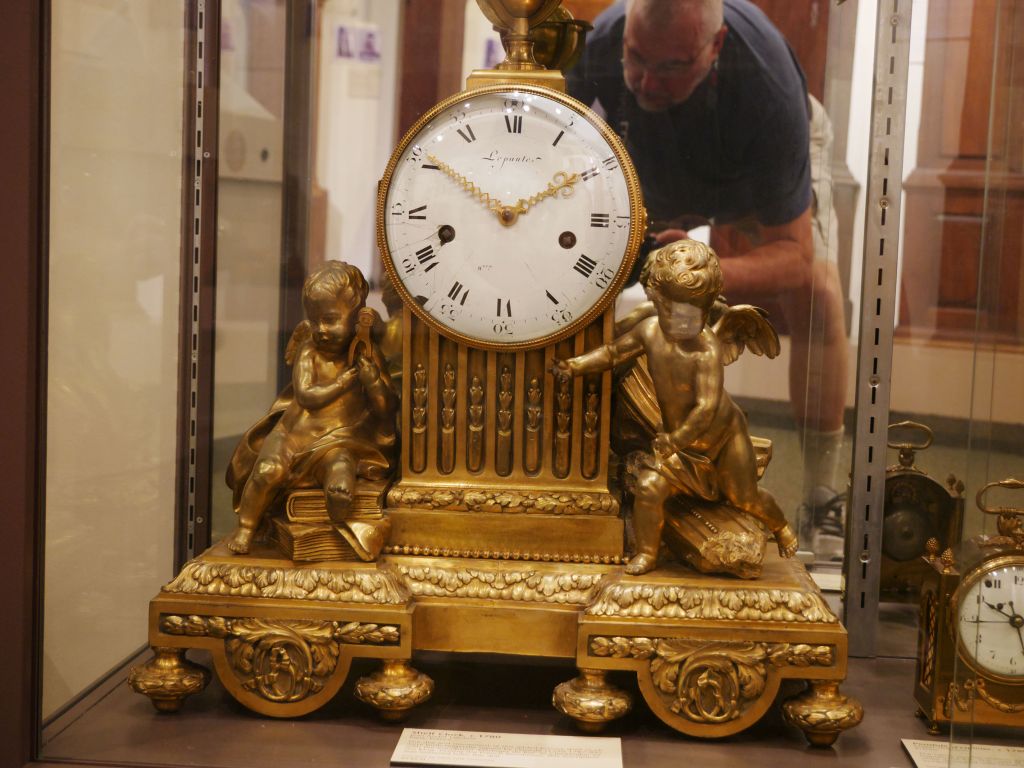
The history and provenance of an antique clock can significantly influence its value. Clocks with documented histories, especially those with connections to significant historical events or notable individuals, can command higher prices due to their intrinsic links to the past.
Mechanical Complexity
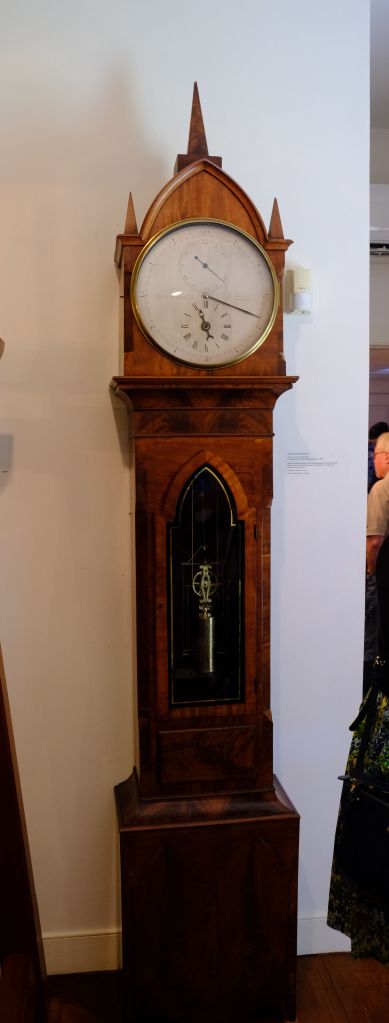
The complexity of the clock’s internal mechanism can greatly affect its value. Clocks with intricate movements, such as those featuring complications like moon phases, perpetual calendars, or astronomical indicators, tend to be highly sought after by collectors and enthusiasts alike. The more intricate the mechanics, the more valuable the clock is likely to be. Moreover, if an antique clock, such as a precision regulator or one featuring an astronomical indicator, is crafted by a renowned horologist, its value is further elevated.
Condition and Restoration
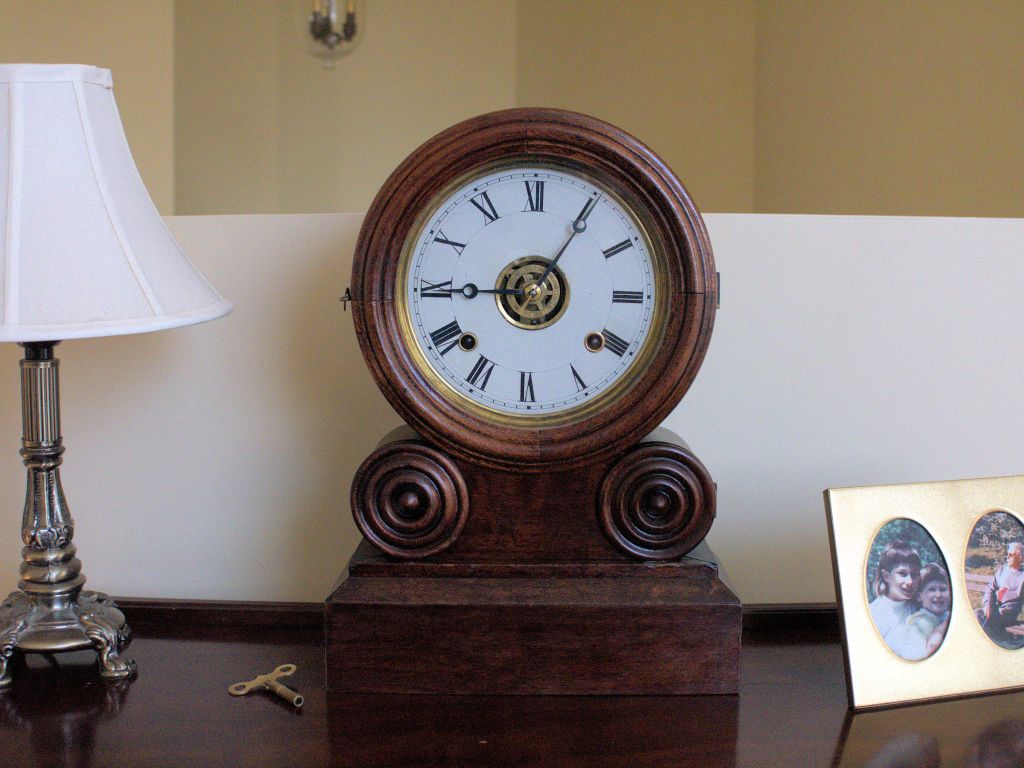
The condition of an antique clock can make or break its value. Clocks that have been well-preserved, with all original components intact, are generally more valuable than those that have undergone extensive repairs or replacement of minor and major components. While some restoration may be necessary to maintain functionality, overzealous restoration can negatively impact the clock’s value.
Trends in Collecting
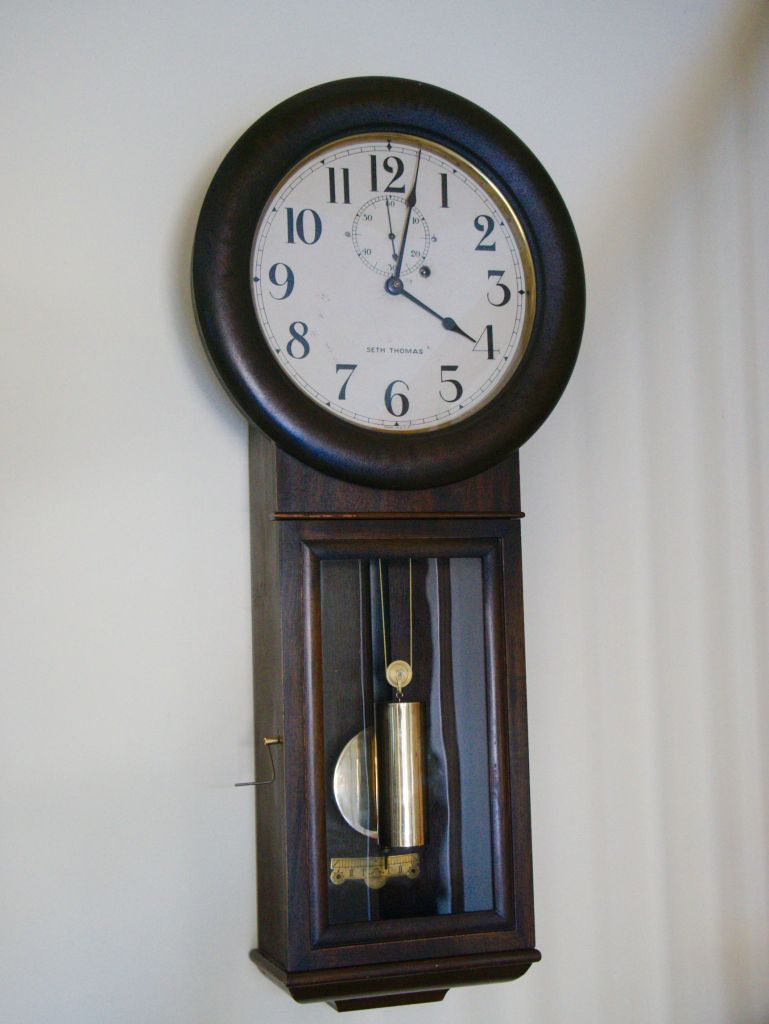
The world of antique collecting is subject to trends, and this holds true for clocks as well. There are periods when certain styles, makers, or types of clocks are in vogue, driving up their prices. However, common antique clocks, despite being over a century or more old, have experienced a decline in their value over the last five years. But, trends can also be cyclical, meaning that what’s not popular today may be in demand tomorrow.
Final thoughts
The value of an antique clock extends beyond its age, requiring a comprehensive assessment of craftsmanship, rarity, demand, mechanical complexity, condition, provenance, and prevailing collecting trends.
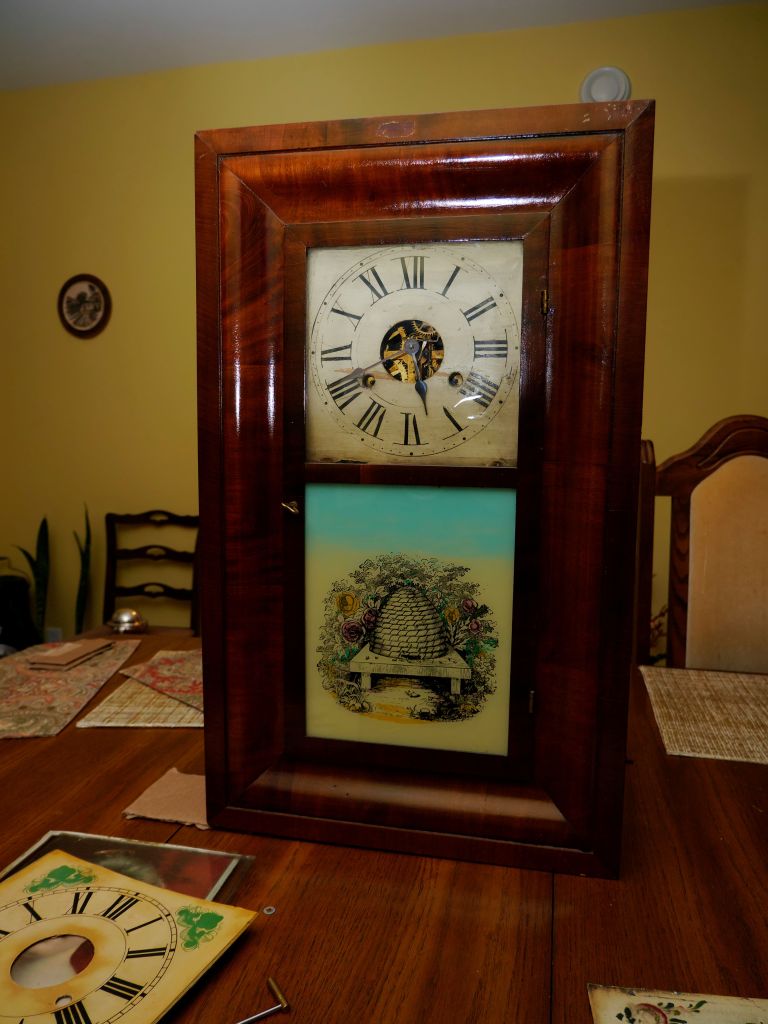
It’s important to recognize that while some antique clocks may not command high monetary value, they still hold immense historical and cultural significance. While your grandmother’s antique mantel clock might not hold significant monetary value, its true worth resides in being a sentimental piece of your personal history.
Owning an antique clock is like possessing a piece of time itself, a tangible connection to the past that transcends its monetary worth. So, whether your antique clock is valued highly by collectors or not, its role in preserving history and artistry remains priceless.
Discover more from Antique and Vintage Mechanical Clocks
Subscribe to get the latest posts sent to your email.
 Antique and Vintage Mechanical Clocks
You must be logged in to post a comment.