
If you’ve always dreamt of owning a special antique clock, follow these three straightforward rules to ensure a successful purchase:
Identify the Ideal Antique Clock
Begin by determining the style and type of antique clock that best suits your personal preferences. Whether you favour wall clocks over mantel clocks, parlour designs over gingerbreads, or Ogees over cottage clocks, understanding your preferences will help narrow your search. I have a strong preference for wall clocks, and whenever I come across something intriguing on an auction or online sales platform, I can’t resist taking a closer and more detailed look.
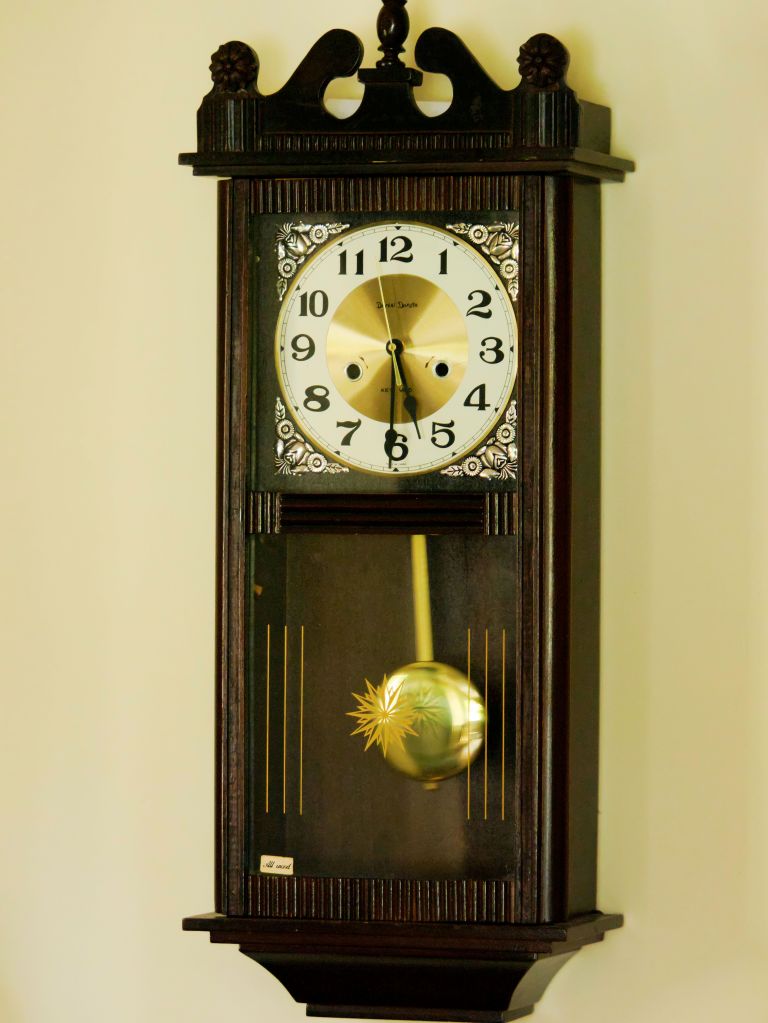
Be cautious when considering clocks advertised as “31-day” clocks from Chinese or Korean origin, as these are not genuine antiques and often not worth repairing.
Should you find the clock through a local online inquiry, make an effort to meet with the seller in person to finalize the sale. However, if the clock is available in an shop or antique mall, keep in mind that you might not be dealing directly with the seller and may encounter someone with limited knowledge about the clock.
Inquire Extensively
Before making a purchase, ask the seller a series of essential questions:
- Does the clock currently run? A running clock holds more value than a non-functional one, so request a demonstration from the seller.
- Who is the manufacturer? Different manufacturers produce clocks of varying quality and value. Don’t solely rely on the name; research the brand’s reputation and desirability among collectors.
- Has the clock been altered in any way? Modifications like newer case pieces, decorations, refinished cases, or replacement movements can significantly diminish its value.
- If the clock doesn’t run, are all the parts intact? Ensure all components are present and consider whether you or a skilled repair person can restore it. Quite often minor adjustments are all that is necessary to have the clock running again even if the seller says that it has not run in years.
- How old is the clock? Determine if it qualifies as a vintage or antique piece. Generally, clocks made before 1923 are now considered antiques.
- Does the clock come with provenance—a verifiable and interesting history? Such a clock may hold more sentimental and monetary value particularly if has been owned by someone famous.
- How long has the seller owned the clock? An item passed down through generations often carries greater value than one acquired recently for profit.
- Would the seller accept a lower price? If there are missing pieces or the clock is in poor condition, negotiate a reduced price based on these factors.

Engage Directly with the Seller
Opt to deal directly with the seller in person, providing you the opportunity to assess the clock firsthand and have the flexibility to walk away if unsatisfied with the purchase.
Remember that not all antique clocks are rare or valuable. A 150-year-old 30-hour Ogee clock may not hold as much value as a younger vintage French figural style clock. Patience and diligent research will lead you to the specific type or model of antique clock you desire, resulting in a satisfying acquisition.

Final thoughts
Fulfilling your dream of owning a special antique clock is an exciting journey that requires careful consideration and a discerning eye. By following the three straightforward rules outlined above, you can increase your chances of making a successful purchase.
Over the years, I’ve had the opportunity to discover fascinating clocks; however, there have been instances where I ended up paying more than I should have. But it is a learning journey that often leads to a deeper understanding of the market, a sharpened eye for value, and a greater appreciation for the unique beauty each clock possesses. Each experience, whether successful or not, has contributed to refining my collecting skills, making every new find all the more rewarding.
With these guidelines in mind, your journey to find that special antique clock will be both rewarding and satisfying. Embrace the thrill of discovery and cherish the timeless beauty that only an antique clock can bring into your life. Happy hunting!
Discover more from Antique and Vintage Mechanical Clocks
Subscribe to get the latest posts sent to your email.
 Antique and Vintage Mechanical Clocks
“Avoid these tall case clocks as many of the movements are at end of life”
I must say, I am a bit curious about a more background story of this remark. I would think basically any clock is repairable. If it is worth to you is another thing, of course. Are these wall clocks of such a general quality that after a few decades they are beyond repair and will not be repairable at all once they have failed to run? What is the (mechanical) background story on this? I suspect basically every clock I have, some are over 100 years old, and when build were probably not expected to still run by 2023.
LikeLike
Hi and thanks for your comment, Aiko. From the 1970s to the 1990s, Hermle, a prominent supplier to grandfather clock makers, encountered a problem with their movements. They used plated pivots, which would wear down over time, rendering the movements impossible to repair. Even if some clocks received reasonable quality movements, they often went without regular or any servicing, leading to repair costs surpassing the clock’s value. Additionally, the mass-produced movements from this period did not match the superior quality and simplicity found in older, well-engineered clock movements that continued to function despite significant wear.
LikeLike
Thanks for an explanation. I already have a nice big clock standing. It was estimated to be German and from around 1900. So good old fashioned durability, probably.
LikeLike
You are welcome.
LikeLike