
In this blog post, we’ll share practical tips on how to incorporate antique clocks into your interior decor. We’ll discuss strategic placement, creative styling techniques, and ways to create an eye-catching focal point.
Make your antique clock the star of the show by displaying it in a prominent location where it can take center stage. Surround it with complementary decor pieces such as vintage books, elegant candle holders, or framed photos to create an enchanting vignette that enhances the clock’s charm.

It’s best to limit the number of antique clocks in a room to one or two to avoid clutter and maintain a visually pleasing space. By creating a focal point for your antique clock, you’ll effortlessly draw the eye and showcase its timeless beauty.
However, some clock collectors understand the importance of presentation when displaying their collections. While it’s generally recommended to avoid placing multiple clocks in one location, some collectors choose to showcase their entire collection together. In such cases, grouping the clocks based on maker, style, type, vintage/age, or country of origin can create a cohesive and visually appealing arrangement. Thoughtful and well-planned presentations with a distinct theme running through them tend to be more successful than haphazard and confusing displays.
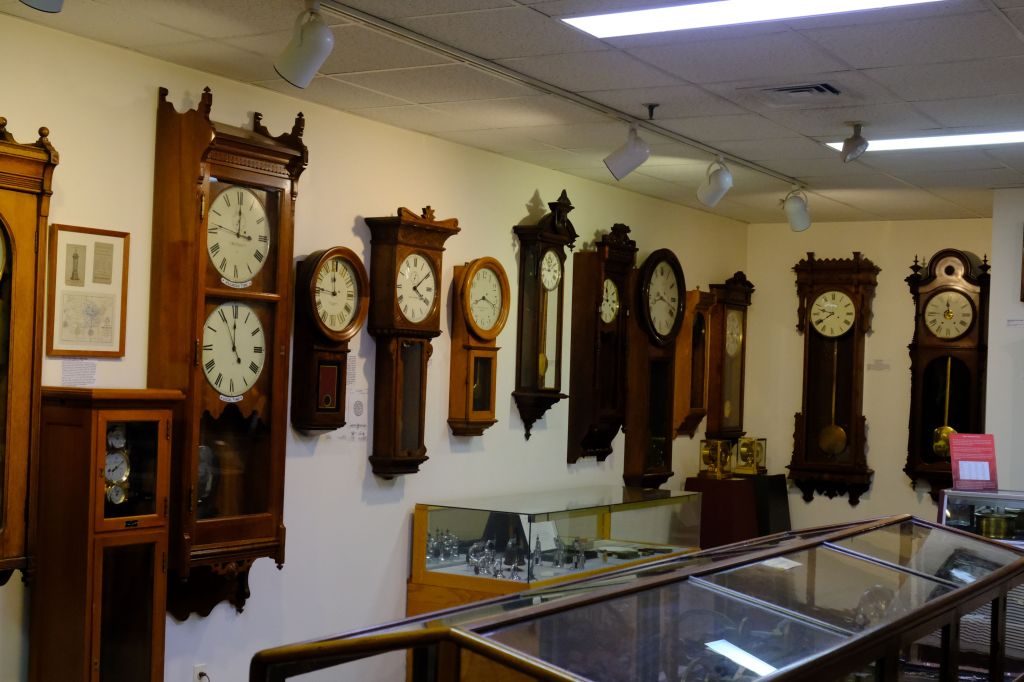
It’s common for collectors to set limits on the number of clocks displayed and running at any given time. Some clocks may be allowed to stop for a “break” while others continue to run continuously. Occasionally changing the location of clocks can add variety, but it’s important to consider the sensitivity of certain clocks to being moved.
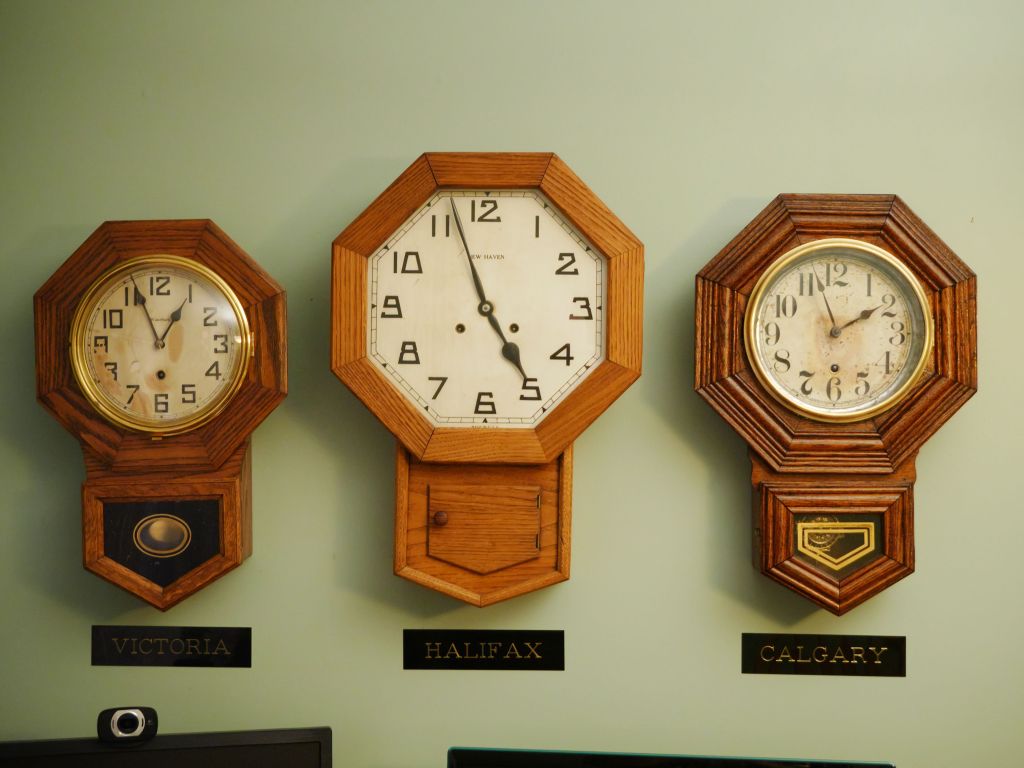
For example, in one photo, there are three prominently displayed clocks in a large room, including a 2-weight Gustav Becker clock from 1902, a Seth Thomas round-top cottage clock, and an Ansonia short-drop octagon clock. The arrangement allows the clocks to command attention without overcrowding the space.
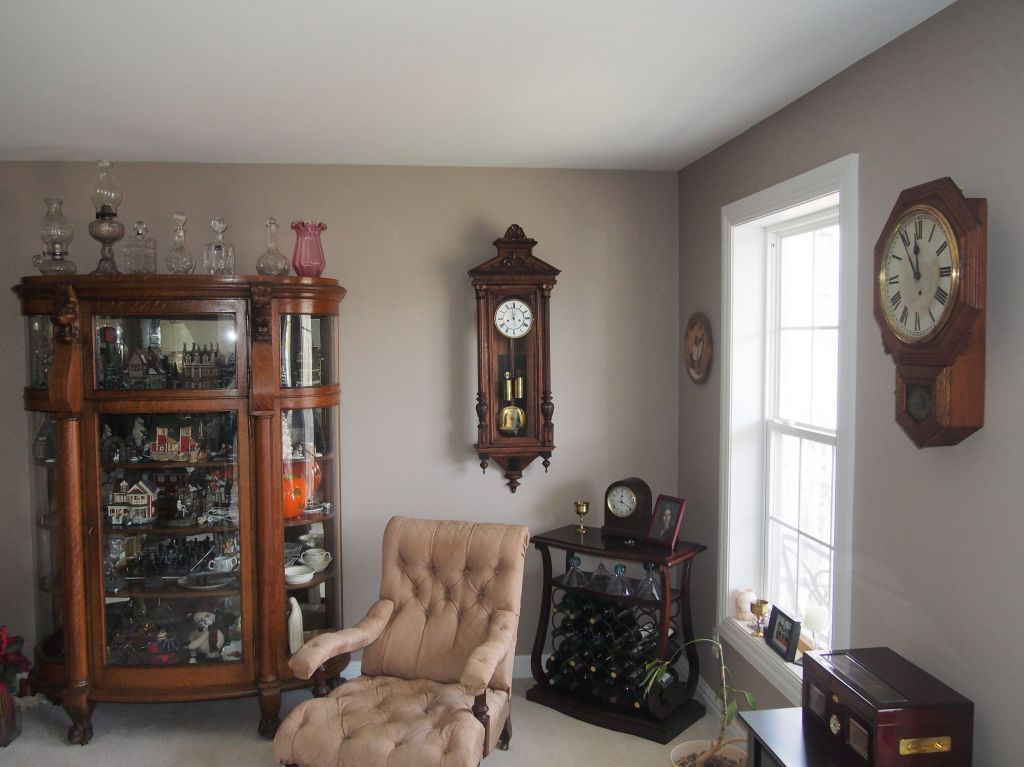
Another option is to confine the collection to one room, while others prefer to have clocks distributed throughout the house. The choice depends on personal preference and the tolerance of one’s partner.
In an entrance hallway, the Ridgeway tall case clock shares space with an Arthur Pequegnat Canadian Time wall clock. The limitations of the hallway restrict the number of clocks displayed.

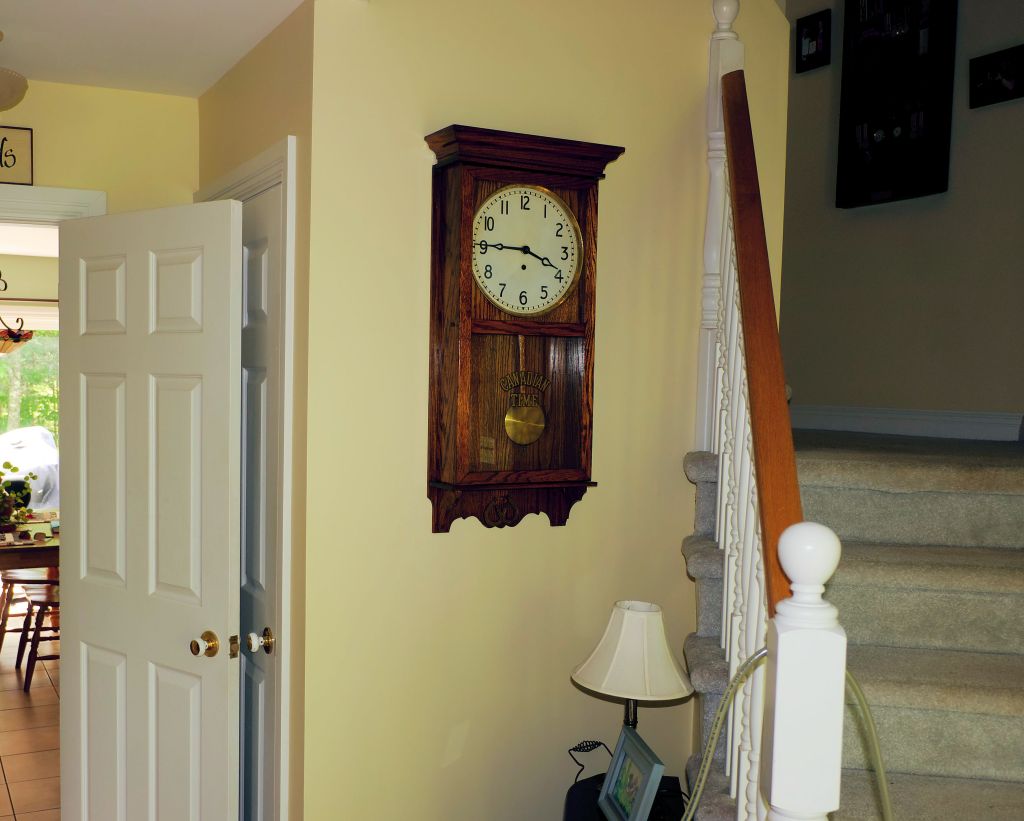
The kitchen features a U.M. Muller time and strike wall clock, which serves as a reliable timepiece for the household.

Lastly, a Mauthe Westminster chime mantel clock sits atop a 1947 Stromberg Carlson console radio in the dining room, adding a touch of elegance to the space.
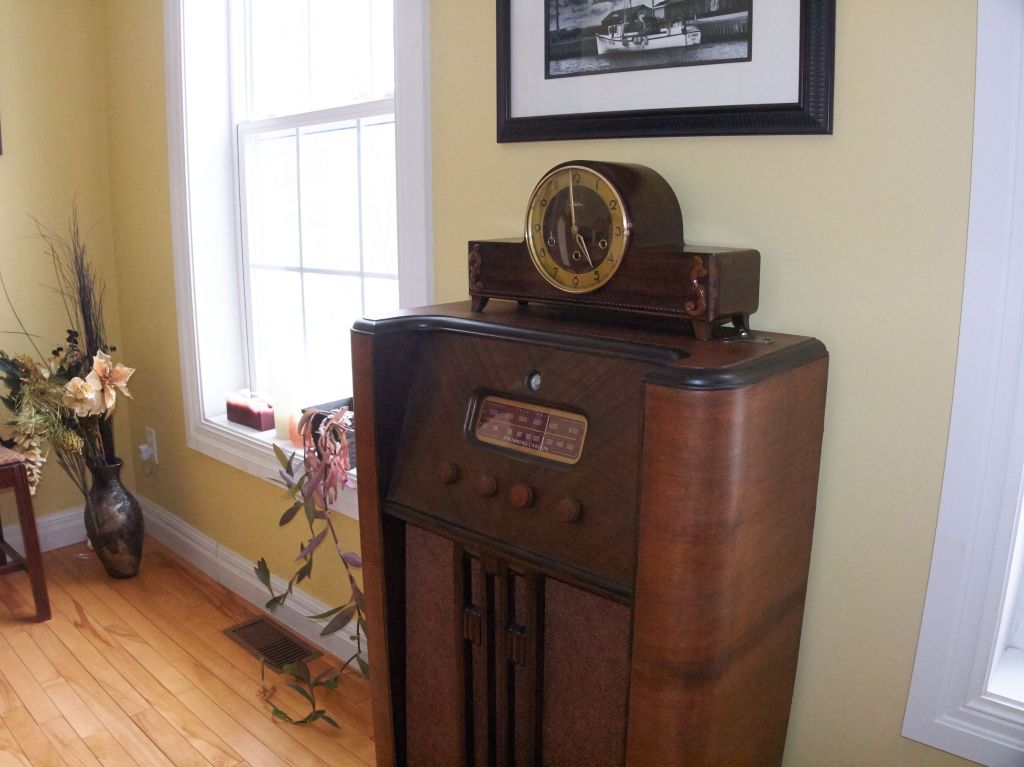
Arranging a clock collection requires thoughtful consideration, care, and attention. It’s essential to find a balance between showcasing the clocks and maintaining a visually pleasing and harmonious environment. Each placement decision contributes to the overall aesthetic and impact of the collection within the home.
Discover more from Antique and Vintage Mechanical Clocks
Subscribe to get the latest posts sent to your email.
 Antique and Vintage Mechanical Clocks
Ron, A pleasure to see (IMHO), this magnificent collection.
LikeLike
Thank you, Marty.
LikeLike