When people ask about my clock collection their first comment is, “Do you have a cuckoo clock”. No, I say and their reply typically would be “You should have one!” I often wonder why folks think I should have one. I suppose many collectors have at least one in their collection. Now when they ask I can now say, “of course I do”.
sellers are interested in a sale and do not need to know anything about the clocks past
Thank you, Uncle Dave.
I have acquired most of my clocks at flea markets, auctions, word of mouth etc., even had a few given to me but I know little about their history. The sellers are interested in a sale and do not need to know anything about the clocks past; unfortunate but it is what it is.
This is not any old cuckoo clock. This one is especially important……to me at least. This one can actually talk to me. I’ll explain.
My cousin Dave (we called him Uncle) died in 2017and his family knew that he loved his cuckoo clock. Rather than give or sell it to a stranger they decided to hand it over to the family clock guy…..me! Dave was related through my father’s father and has a cottage next door to ours in the province of Quebec. Dave was a helluva a guy and he would do anything for you. He loved life and cherished it to the end.
From time to time you will find service dates written or stamped inside vintage or antique clock cases. These dates give you an indication of the age of the clock and how well it was cared for over the years
In the early 1970s, he and his wife went to Germany for a tour, returned to Canada and regretted not buying a German cuckoo clock. So, he promptly went to the Cuckoo Clock Shop in Ottawa (our nation’s capital) and bought one. He also wanted it in running order. Over the years whenever it stopped he had it promptly repaired.
Back of clock
he history of an object is a window to its past. This clock is a common 30-hour cuckoo clock made in West Germany in July of 1975 (photo below).) and thousands of these were made and sold all over the world. It has a Regula movement, still made to this day. Regula movements are made by SBS-Feintechnik, and are dated by a letter code. This one has the letter “V” which indicates that it was made in 2007.
German made 30-hour cuckoo clock
The clocks complete service history is recorded on the back panel. When I opened the back access door to inspect the movement and the condition of the bellows I found all the dates when the cock was brought in for repair. From time to time you will find service dates written or stamped inside vintage or antique clock cases. These dates give you an indication of the age of the clock and how well it was cared for over the years.
Detailed service history behind the access panel
Oct 10, 1978, clean oil adjust, major repair
Sept 22, 1988, CXO (clean and oil) adjusted by “AO”
October 30, 1990, new movement, repair by “AO”
Jan 1996, 5996 (job #) clean, oil & adjust
April 27, 2007, 9869 (job #) new movement and chains
From the service records, I observed that the clock is on its third movement. It is often simpler (and cheaper) to replace the movement in a cuckoo clock rather than to repair it. Attempting to repair a cuckoo clock is very time consuming, frustrating, and costly. In addition, if the entire clock had to be shipped, the case usually incurs extensive damage as it makes its travels. This is the reason most clockmakers no longer accept most cuckoo clocks for repair.
Regula 1-day movements typically cost less than CDN120. The cost of servicing a two-train clock locally is CDN225 and up, so, replacing the movement is a logical decision.
Cuckoo clock bellows on left and right.
I oiled the movement, installed the weights and now it is a lovely little 1-day clock that dutifully cuckoos on the hour.
We have a number of clocks in our summer cottage and my wife and decided that that is where it should hang. Everyone who visits marvels at the sound of the cuckoo clock, it is so distinctive. Now they say, “that’s a nice cuckoo clock, where did you get it?”.
It is not perfect. Sadly at some point in every cuckoo clock’s life, it needs the bellows replaced and these bellows are brittle and in poor condition. A cuckoo clock that does not cuckoo is, well, just another clock! The bellows is a cottage project for next summer.
If one were to ask those with a keen interest in Canadian antique clocks, the word Pequegnat would immediately come to mind. Pequegnat produced clocks for close to 40 years and left an indelible mark on Canadian culture.
Predating Arthur Pequegnat is a lesser known clock maker (or clock-makers) that made clocks between 1872 and 1884. The Canada Clock Co, and the Hamilton Clock Co. struggled over a 12 year period to put Canada on the clock-making map. In 1872 the Canada Clock Co. established itself in Whitby, Ontario (Canada) but lasted just 4 years before failing, though largely due to a devastating factory fire.
Canada Clock Company cottage clock
Out of the ashes came another attempt in 1876 and key principles including manager John Collins moved to Hamilton and set up the Hamilton Clock Company. After 4 years this new company also failed and production halted in 1880. In late 1880 one more attempt was made to establish a new company called the Canada Clock Company resurrecting the old name. It is still based in Hamilton at the old Hamilton Clock Co. factory. Success was short-lived as the company declared bankruptcy in 1884 ending a dozen years producing clocks for the Canadian market.
Although both movements and cases were made in Canada they were copies American styles
Canada Clock Company, Prince of Wales parlour clockCanada Clock Company, City of Hamilton parlour clock
I have grouped the clocks from the three companies and these are their characteristics. The most common clocks found today are the weight-driven, thirty-hour “Ogee” style, with colourful birds or flowers surrounded by a black background on the glass tablet. At least five different labels are known, four have a beaver on them. The large printed paper label was located inside the case on the lower back. Spring-driven mantel clocks with plain cases were also made with thirty-hour movements. Although both movements and cases were made in Canada they were obvious copies of American styles.
Hamilton Clock Co Gothic steeple clock with etched glass tabletClock label showing the Hamilton Clock Company factory
Also produced was a spring-driven “school house” wall clock.
At least sixty models of spring-driven mantel clocks are known, with both thirty-hour and eight-day movements. Most of the door tablets (Canada Clock Co.) have acid etched glass designs, unique to the two Hamilton-based companies and done in association with a local glass factory. Wall clocks are also found with the Canada Clock Company, Hamilton label.
The most desirable clocks are the ornate time and strike parlour clocks such as the City of Hamilton and Prince of Wales pictured above.
Unfortunately, a valiant attempt to grow a home-bred clock company failed miserably. However, the clocks of all three companies are highly sought after by Canadian collectors today.
Photo of my grandfather’s clock sent to me by my cousin
I’ve thought about this clock, dreamt about it, wondering where it was all these years…….and now I have it. Now, what do I do?
I have a vivid memory of this Waterbury octagon short drop schoolhouse clock that hung in my grandparent’s kitchen when I was a young boy. After church on Sundays, my father would take us kids by for a visit; it was a weekly ritual. The house was stone quiet except for the sound of a clock ticking loudly in the kitchen. My grandfather was a veteran of WWI and was bothered by certain noises but did not mind the sound of a mechanical clock.
When I was a kid in the 1950s it looked gigantic and for some curious reason, it was painted yellow with red trim. What did I know, I thought old clocks came in all sorts of colours.
My grandfather, William George Joiner, taken during WWI
But he loved that clock. There is a story that my grandfather was fanatical about keeping the clock on time; he would constantly compare the time to his pocket watch and make adjustments, sometimes several times a day. They left the house on Olmstead Street in Eastview (now Vanier, Ontario, Canada) several years before his death and the clock was passed to a son (my uncle) and eventually handed down within his family. My grandfather passed away in 1962.
Movement is essentially intact except for the suspension spring, rod and pendulum.
A year ago I decided to track down the clock and learned that it had stayed within the family. My cousin sent a photo of the clock but upon examining it I could see that something was not quite right. It was missing parts, it looked pretty rough and that case looked homemade. At that time I replied,
Yes, it is indeed a Waterbury time and strike clock. Your description of it as a school clock is correct though it would not have been called a schoolhouse clock at the time. It would have been sold as an office clock. The patent date tells us that the clock was made after 1874 but likely manufactured in the 1890s to 1900.
In clock circles it would be described as a time and strike 8-day octagonal short drop wall clock, Roman Numeral dial face with spade hands. From the photo I can see that it is missing the pendulum (as you said) the hinged wooden drop access door which would have had a glass tablet and the brass/glass bezel which would have covered the dial. I assume these items are long gone.
It also appears to have been in a damp environment judging from the tarnished brass and the fact that the rust from the iron nails has bled through the wood. However, it is not unusual for a clock of this age to be in such a condition. I have seen far worse.
At a recent family get-together, my cousin said that if I wanted the clock I could have it. Yes, I said and I brought it home thinking about my next steps with my new clock project.
There are 4 posts in this series. Part II is in 4 days. In Part II I consider those next steps. Parts III and IV will be in November.
The family was in the process of downsizing and this was one of the items that had to go
This attractive antique Victorian style German wall clock was purchased locally from a family that once lived in the town of Parrsboro over 100 years ago. Parrsboro is a picturesque Canadian community in Cumberland County, Nova Scotia and one of the oldest settled areas of Canada. It had hung for many years in the Parrsboro Mansion pictured below. Today the mansion is a popular bed and breakfast destination.
Parrsboro Mansion, Parrsboro, Nova Scotia, Canada
I found the clock on a local online for-sale site. It looked interesting but there was no price listed. I contacted the seller but they were asking considerably more than I was willing to pay. I explained the work that had to be done to the case and movement and the fact that had it been in better condition they would easily receive more for the clock. I concluded the phone conversation with my top offer for the clock. They contacted me 4 days later and met my price.
I was curious about its history. The seller explained that the clock was brought over from Europe when her husband’s family moved to Canada in the 1890s and had been in the family ever since. The family was in the process of downsizing and this was one of the items that had to go. I was pleased that the seller expressed an interest in seeing the final restoration and I assured her that I would keep in touch. Knowing the history of the clock, or any clock for that matter, is value added in my view; provenance is so important when it comes to any antique.
Using the serial number and trademark I have determined that it was made between 1890 and 1910, consistent with information provided by the seller
It is a Mauthe time and strike wall clock with an Adler gong. I have been assured that the clock is original in every way and using the serial number and trademark I have determined that it was made between 1890 and 1910, consistent with information provided by the seller. The eagle emblem on the Adler gong suggests that it was made after 1898. The turn of the century would be fairly accurate dating for this clock. It is a 120 year old clock that is not overly garish and reflects the style its period.
Adler coil gong
The clock case is in need of a restoration. There are pieces missing and it appears that it was either in a hot environment for some of its life, an attic perhaps or hung over a fireplace; the finish is alligorated. Alligorated finsihes are those that have encountered heat damage and are characterized by a finish (shellac or lacquer) that softens and pools into globules collecting dirt as it re-hardens.
Alligorated finish
It is missing a finial on the crown, a trim piece on the top of the access door, the wall stabilizers and a corner piece on left side of the crown. Some of these parts are available through parts suppliers, other pieces must be fabricated.
Crown with missing finial and small corner piece on the top left
I am anxious to start on the case and must decide whether to clean the surface or strip to the bare wood. The dial is a separate issue. It is cellulose and very dark. Can it be cleaned? Not likely but I am doing some research to find a solution. In the meantime the movement has run strong for the past 4 days and strikes as it should. It will need a cleaning and possibly new bushings but I will know more once I examine it more carefully. At this point I do not see any major issues with the movement.
I am completing the restoration of a Waterbury wall clock and once done I will commence work on this clock project.
As I proceed with this project I will document my experiences restoring this early 1900s FMS Mauthe time and strike wall clock with an interesting history.
Found this little schoolhouse clock not 10 minutes from where I live. It is a Sessions Drop Octagon. It was manufactured in Forestville Conn. USA in the early 1920s and spent most of it’s life hung in a one-room schoolhouse near Springhill, Nova Scotia (Canada). The seller said that he had taken it out of the schoolhouse when it was decommissioned in the 1970s and it has been in storage ever since.
It is small, measuring 21 inches high by 13 1/2 inches wide and with a 7 inch Arabic dial.
Foxing
“It’s not running” he said. “Fine” I said. I took it home and had it running within 10 minutes. Although it ran strongly it required a good cleaning. I took the movement out of its case, dis-assembled it, cleaned all the parts in an ultrasonic cleaner, polished the pivots, cleaned and oiled the mainspring, installed 2 bushings, reinstalled the movement, tested it and set about cleaning up the case.
Time-only movement
After a Murphy’s Soap clean-up to the case I let it thoroughly dry then applied 2 coats of shellac to bring back the natural luster of the wood which was in otherwise good condition. The clock face had some foxing, which, in clock circles, means that some of the tin byproduct had leached through to the paper label and discoloured it. A little unsightly but I decided to live with it. I hung it up over my desk as one of a trio of time zone clocks to remind me of the time where my kids live.
Time zone clocks, Session clcok on right
The clock is a loud ticker but it runs well and should be reliable for years to come.
Chinese time and strike wall clock that seller calls a grandfather clock
Antique Grandmother Clock in Immaculate Condition
I am selling my wife’s grandmother clock because it does not suit the decor of our new home. She has treasured this antique for years and doesn’t want to part with it. Please make my execution as painless as possible and buy this clock quickly. Keeps perfect time and has no scratches on the cabinet.
This ad will be removed when I am executed…………..actually just before ,,,,,so purchase this clock now
This is a Chinese clock with a calendar feature, circa the 1960s. The ad refers to it as an antique. It is not!. Vintage, perhaps. The ad refers to it as a grandmother clock. It is not!
Grandmother clock by CraftLine circa 19780; a little shorter than a grandfather clock
The seller is asking $150, five times more than it is worth. It’s probably fairly reliable, looks well cared for and I would take it if it were given to me.
If you ever need to transport a German box clock or a similar style wall clock there are several steps you must take before you remove it from the wall.
German “box” clock by Mauthe, sold under the Solar or Forestville name in Canada
One of these procedures is to secure the strike rods. The gong or strike rods are screwed into the gong block. If allowed to move during transport there is a risk that the rod(s) will break. Although they are strong and withstand years of striking they are also brittle and can easily snap. Clock-makers have several solutions for securing the rods. This is one of them. Yours may be similar.
The gong block
On some clocks, you may find a fork-like device that turns to secure the rods.
Strike rod stabilizer
By turning it clockwise the three gong rods will fit into the forks as shown in the next photo.
The pendulum is removed and rods are now locked in place
Once the rods are secured in place and you have removed the pendulum rod and bob as well as secure the access door, you can now safely remove your clock from the wall.
An antique clock stopping unexpectedly can be frustrating, especially if it has been running smoothly for years. However, a stopped clock doesn’t always signal a major problem. In many cases, the issue can be resolved with a little troubleshooting and basic maintenance. Whether it’s a cherished family heirloom or a recent addition to your collection, understanding the possible reasons behind its stoppage can help you decide on the best course of action to bring it back to life.
Perhaps you’ve recently acquired a mechanical clock—whether inherited, gifted, purchased at an antique store, bought online, or one you’ve had for a while—and, for no clear reason, it has stopped working.
Categories of Clocks
There are four general categories of clock movements; quartz, electro-mechanical, electric, and mechanical. This post focuses on mechanical clocks, whether antique or vintage and if your mechanical clock has stopped, I may be able to help you get it working again.
Running Time
It may surprise some that mechanical clocks require regular winding. Eight-day clocks need to be wound once a week, while 30-hour clocks require daily winding. 31-day clocks only need winding once a month, and 400-day clocks, also known as anniversary clocks, are wound once a year. Additionally, many German and a small number of American clocks run for 14 days before needing a wind.
Kundo Standard 400-day clock winds with a key once per year
Arthur Pequegnat Moncton, 14-day time-only clock
Winding a Clock Movement
What does winding a clock actually mean? It means providing enough power to a mechanism that will allow it to run for its designed cycle.
For example for clocks with mainsprings, winding a mainspring implies turning the key until the clock winds no further. Time and strike clocks will have two winding arbours, chiming clocks generally have 3 winding arbours.
Clocks with weights have one, two, or three winding points. Absent the odd exception, a time-only clock will have one winding point, a time-and-strike clock will have two, and a chiming clock will have three. If there are no winding holes on the clock face, it is a weight-driven clock and the weights must be pulled up by hand.
In the case of clocks with mainsprings that provide the motive power for the time, strike, and chimes, wind each arbour until resistance is met and you cannot wind any further.
One key will fit all the arbours except the regulator arbour (on clocks that have this feature) which requires a smaller key. Clocks that have a regulator arbour originally came with a double-ended key; the smaller key is for the regulator.
Clocks generally wind clockwise but it is also common to find winding arbours that must be wound counterclockwise.
Over-winding
The idea of overwinding a clock is a myth. If a clock stops after being fully wound, it typically indicates that dirt, old oil, or grime on the mainspring has caused it to seize. Even if the mainspring, once unseized, has enough power, it still needs cleaning, which requires disassembling the movement and checking for other potential issues.
A clock in good working condition should complete its full cycle, whether that’s 30 hours, 8 days, 14 days, 31 days, or any other duration.
Winding arbors on a Seth Thomas mantel clock (arrows). The arbour over the 6 requires a smaller key to regulate the clock
Why Has My Clock Stopped
First and foremost, all clocks require motive power. Winding a clock stores potential energy in the mainspring, which is gradually released over a designed period of time. This energy is regulated by the escapement, a mechanism that controls the release of the energy in small, consistent increments, ensuring the clock keeps accurate time. Weights resting on the bottom of the baseboard will stop a clock and a completely unwound spring-driven clock will not run.
Is the clock in beat? Put your clock on a level surface. Listen to the tick and the tock of your clock. Try to minimize the sounds in the room you are in so that you can listen closely to its rhythm. It is in beat when its ticks and tocks are even….tick…tock…tick…tock…, and is out of beat when they are uneven, either, tick….. tock or tock tick…… Put another way, there must be an equal amount of time between the ticks and the tocks. When a clock is out of beat, it will not run, or it will run for a short time and stop. A clock’s beat must be regular to work properly.
Is the clock level? There are two ways to put a clock in beat. The first is to tilt the clock sideways, one way or the other, and listen for the beat to even out. When the beat is even, prop the clock to stay tilted that way. If it is a wall clock move the bottom section from side to side till you hear a steady beat. Now it will run in beat but it will obviously not look good.
Adjusting the crutch Adjust the crutch to one side or the other until the beat is even. The crutch is the rod that extends down from the pallets which rock back and forth on the escape wheel. The pendulum rod passes through either a loop (called a crutch loop) or a forked foot at the end of the crutch as indicated in the photo below. Incidentally, that rod needs to be in the middle of the crutch loop and can’t be tight inside the loop nor too loose. The crutch is attached to the pendulum leader which is then attached to a post with a suspension spring. Other mantel clocks require similar adjustment to the crutch and instructions may be provided on a label or a pamphlet that came with the clock. A clock with a balance wheel or lever-type escapement rather than a pendulum will operate on a non-level surface.
American made time and strike
Have repairs been done recently? Unless you had a friend fix your clock most reputable clock-makers will offer a warranty, typically 6 months to a year. If your clock stops within that time frame, contact the clock-repairer who may offer a few suggestions in the form of adjustments, over the phone before taking it back to the shop. If it still does not work have that person take a look at the clock.
Do you have the correct pendulum? Other than the winding key, it seems to be the item that gets lost the most. If lost or misplaced, ensure you buy a pendulum that is correct for your clock. One too light may mean that it does not run at all, too heavy and the centre of gravity is lowered and the clock might run too slowly. Clock suppliers such asPerrin or Timesavers will have the correct pendulum for your clock.
Pendulum bob with an adjuster for a French time and strike
Something is broken? If there is no resistance when turning the winding key, the mainspring has broken or a click has let go. If the mainspring winds but releases in your hand, the most common cause is a broken or worn click spring. This is a repair that requires removing the movement from its case, taking it apart, and replacing the worn or damaged part. If you are skilled with that kind of repair, go ahead and fix it, if not, a specialist is required.
A loud BANG when you turn the key indicates the mainspring has broken or let go. It may not be as simple as replacing the mainspring. If the mainspring breaks it might have taken out other parts with it such as pinions and gear cogs. This is called collateral damage. An inspection and a full servicing of the movement is the only solution. Occasionally a broken mainspring is the only problem but the broken spring must come out of the barrel. Some movement designs allow the barrel to be removed without disassembling the mechanism. Whether the barrel is removable or not, a correct mainspring must be sourced to replace it and installed in the barrel which is a job for an expert.
The mainspring inside the barrel may also have become unhooked. This could occur if the clock was wound backward or if the hooked end of the mainspring is split or broken. To address this, the clock will need to be disassembled, the spring barrel opened, and the cause of the unhooking identified. In some cases, a replacement mainspring may be necessary.
For time and strike clocks with open mainsprings, the break may be on one mainspring or both. The clock must be completely disassembled, mainsprings replaced, the movement inspected for other issues, reassembled, and tested.
Sessions click, brass spring, and ratchet
Why does my weight-driven clock stop? Ensure that the weights are in their correct location. If it is a new acquisition of a grandfather clock the three weights have a specific location. Look underneath the weight shells for marks indicating their location “L”, left side, “C”, center and “R”, right side. If there are no markings, use a scale to determine the one that is the lightest weight and put that on the left side.
Ridgway grandfather clock
When bringing up the weights to the top of the clock be careful that they are not run past their stops. You should have a full view of the weights on a weight-driven clock once wound.
Antique Ogee clocks and other weight-driven shelf clocks often lack their original weights, as these have been lost or misplaced over time. Eight-day clocks typically have heavier 8 or 9 lb weights while 30-hour clocks have lighter 2 1/2 lb or 3 lb weights. Incorrect weights for these clocks will cause them to stop.
Is the weight cord or the brass cable binding in any way? The cord or cable should be just long enough to accommodate the weights. A cord or cable that is too long will bind while being wound and stop the clock.
Gustav Becker two-weight wall clock requires a winding crank
Some clocks like weight-driven Vienna Regulators can be adjusted by a transverse regulating screw assembly where the crutch inserts into a slot in the pendulum. Turning a screw in one direction or the other will correct the beat.
Final thoughts
In conclusion, if you encounter a unique issue not addressed here, it’s advisable to consult a professional clock repairer or someone with expertise in mechanical clock repairs. Working with mechanical clocks carries a certain level of risk, as the power stored in the mainsprings can cause injury if not handled carefully. On the other hand, weight-driven clocks generally present less risk.
Although this article may not cover every possible scenario, I hope it has provided you with a clearer understanding of your clock’s issue and how to approach its resolution.
Tick-Talk Tuesday is about the letters and comments I have received from you, the reader, concerning your clock, issues you might have had, challenges you face or a clock you would like me to profile and my responses to your questions with advice on your particular clock concern. For those comments and questions that stump even me, I consult within my clock circles for the best possible answer.
GJ writes
“My name is GJ and I live in Lancashire, England. When my father died I ended up with this clock! It works so we put it up on the hall wall for a while and years later redecorated and the clock no longer has a home, it just does not fit in with the surroundings. However, somebody will love it, but we don’t know who to contact in order to find someone who would buy it with a view to using it. Do you have any contacts in England that we could offer it to? It is a forlorn hope, but we have to try.”
My reply,
“High GJ. Thanks for coming to my blog. What you have is a New Haven American Victorian drop clock (made in USA). It is a time and strike clock which means that it strikes the appropriate time on the hour and strikes once on the half hour. It looks like it has good wood inlay and the dial face is original but you are missing two carved side wings and the original reversed painted glass door which would affect its value. I would keep it for sentimental reasons but it sounds like you are ready to part with it. I do not have any contacts in England but you could try Gumtree, eBay or your local clock-maker.”
GJ writes back.
“Hello again, Ron. Thank you for your reply. I will try to find a good home for my clock. Actually, now it has been dusted it looks a lot better! Thanks again for your information and help.”
The Tempus Fugit Clock Company must be doing exceptionally well. Tempus Fugit clocks are everywhere, online for-sale sites, eBay, Kijiji and the like. Type “Tempus Fugit” in the eBay search box and dozens of wall clocks, grandfather clocks and mantel clocks will pop up.
Not only can the Tempus Fugit clock-makers pump out quality clocks they have also maintained a level of quality that is unmatched in the industry
The other day I found this 32″ clock (next photo) for the paltry sum of $30. What a deal! A truly inexpensive entry point for an exquisitely designed Tempus Fugit clock made by some of the worlds foremost craftsmen that you can add to your collection today.
A Tempus Fugit clock on an online for-sale site for only $30
Tempus Fugit clock-makers pump out quality clocks and they have also maintained a level of quality that is unmatched in the industry.
The factory is located in Timeville, Canada. I had a chance to visit the factory this spring and was able to converse with the owners, I said to Mr. Tempus and Mr. Fugit, “Your building could use a paint job”, to which Mr Fugit replied, “Don’t worry about it, clock-making is our strength”
Tempus Fugit Clock Co. factory in Timeville Canada
They graciously permitted me to install C and AA batteries in some of the movements on the factory floor. What a thrill! I really got a charge out of it. The 40,000 sq ft 400 sq ft factory floor is abuzz with activity. Placards of inspiration are everywhere such as “Time is on your side”, Time marches on” and “Time Flies”. The company also makes mechanical clocks. Here, a worker has all the movement parts laid out prior to assembly.
Putting it all together at Tempus Fugit
Gustav Becker and E. Howard might be great names in the clock world but Tempus Fugit always rises above them.
Anyway, back to repairing and restoring clocks. As they say at Tempus Fugit, “Time Flies” ……..or is it “Time Flees”?
My Gustav Becker Vienna Regulator wall clock is 51 inches in length. It is a 2-weight regulator that runs on an eight day cycle. In order to bring the weights up I must open the access door and insert the winding crank into the arbours on the clock face. I then raise the weights to their highest safe level. During the process of opening the access door and winding the clock there is always the risk of moving the clock, disrupting the level thus creating a condition where it is out-of-beat. In short the stabilizers, located on each side, keep the case from shifting while winding the clock.
Clock-makers provided stabilizers on many clocks so that they would not move during regular winding or remain stable in the event of vibration or shock (accidentally bumping into it).
The stabilizer is usually about an inch in length, has a knurled brass knob on one end and is mounted on a brass or steel plate which is then fixed to the back of the clock case by means of wood screws.
Brass stabilizer
This is the right stabilizer on my Gustav Becker.
Right stabilizer
Junghans Crispi wall clock showing one of the stabilizers
If you find two small holes on either side of the back and near the bottom of the case of a wall clock you can bet that you are missing the wall stabilizers. You can order them from any clock supply house.
They not only complete the look of a wall clock but are functional as well. A very simple solution to a potentially frustrating problem.
I have been to Middleton, Nova Scotia many times. I have even passed the Macdonald Consolidated School where the clock museum is located without realizing what treasures lay inside. The clock museum represents a small section of the museum, the remainder of which is dedicated to the history of the area.
In the Spring of 2018 my wife and I set off on one of our many mini staycations. On my agenda was a visit to this museum and I was not disappointed.
Macdonald Museum main clock exhibit area
Holbeck made tall-case clock
It certainly ranks as the best exhibit in Atlantic Canada
Off highway 1 on School Street, Middleton, Nova Scotia stands the Macdonald museum. I had some expectations because I had been to two well respected clock museums, the NAWCC museum in Columbia PA. and the Canadian Clock Museum in Deep River, Ontario. Though not on the same scale as these two, it certainly ranks as the best exhibit in Atlantic Canada.
The Annapolis Valley Macdonald Museum is home to the Nova Scotia Museum’s collection of over 150 antique clocks and watches. This permanent exhibit showcases items collected by the late Norman Phinney and was one of the primary reasons for establishing the Macdonald Museum. Many of the clocks are in working condition. There are a wide variety of clocks and watches on display, with some dating back to the late 17th century. Anyone interested in clocks would do well to see this exhibit – one of the best in Eastern Canada.
The museum is well laid out with enough information on each of the clocks on display to satisfy the general public and clock enthusiasts alike. Each display highlights its significance as an important development in horological history. We were alone as we walked though the main exhibit area and an adjacent room which contained a fascinating old clock-maker’s shop and a well laid out and informative interactive display on how mechanical clocks work.
Clock-maker’s shop
How mechanical clocks work
At least one example from the Baird Clock Co. of Montreal and five examples from the Arthur Pequegnat Clock Co. of Berlin (now Kitchener) Ontario were on display including the Arthur Pequegnat Regulator #1, that the company once advertised as “The finest clock made in America”.
Baird clock from Montreal
Arthur Pequegnat Regulator #1
None of the clocks were running, however. Though the clocks appeared to be in excellent condition, the sound of ticking clocks make for a more authentic experience. All other clock museums make a practice of running some clocks on a rotating basis at any given time.
At the entrance to the clock collection there is a simple plaque dedicated to Norman D. Phinney. Learning more about Norman D. Phinney, his contribution to the Macdonald Museum and the story of how the museum received his clock collection would add to the experience.
Norman D Phinney
If you are a clock fan or even if you only have a casual interest in the world of horology, this small clock museum may surprise you
Though perhaps not within the scope of Phinney’s original collection, examples from the Canada Clock Co. and the Hamilton Clock Co. or more peddlers clocks from Nova Scotia and New Brunswick would have provided an enhanced Canadian horological perspective.
Steeple or sharp Gothic clocks
However, these are minor quibbles and should not detract you from appreciating the high quality of the exhibits which contained British, American, French and Canadian examples or the many styles that included Pillar and Scroll, tall-case, shelf, beehive, steeple, drop octagons, mantel, alarm clocks and Ogee clocks, all of which were well represented.
If you are a clock fan or even if you only have a casual interest in the world of horology, this small clock museum may surprise you.
Oh, and while there, visit the rest of this fascinating museum.
Tick-Talk Tuesday is about the letters and comments I have received from you, the reader, concerning your clock, issues you might have had, challenges you face or a clock you would like me to profile and my responses to your questions with advice on your particular clock concern. For those comments and questions that stump even me, I consult within my clock circles for the best possible answer.
CM writes,
4 and 5 prong keys and singles
“Hello, I just read your article about keys for wind-up clocks. I have a parlor clock that belonged to my parents. It is on the wall, has a pendulum & requires winding. I believe that it is from the early 1980’s. And made by The Time Mfg. Co. However, I do not have a key – seems that it was lost prior to my getting it. Can you tell me what kind of key I need to get for it? And do you have any that would fit my clock that I could purchase? Thank you so much & have a great day.”
My reply,
“Hi CM. Thanks for coming to my blog. If it is made in the 1980s it is likely Chinese or Korean but it is hard to tell unless I see a photo. If I am correct these are 31 day movements. You could measure the arbours which will tell you the size but it likely takes a #6 or a #8 key which you can find here.”
Ansonia Extra short drop wall clock in as-found condition
The photos tell the story
Some time ago I wrote an article on an Ansonia barn find. It is an Ansonia Extra Drop time-only Rosewood veneered wall clock, circa 1880. I thought I would update readers on how this little project is progressing. I was able to find most of the parts but there are still some missing. I will let the photos tell the story.
It did not look like it would ever run again
Before shot of the seized time-only movement
Cleaned and serviced one-train time-only movement
Ansonia movement in the case and running an 8-day full cycle
The movement was cleaned up with 4 bushings installed and is now able to run a full 8-day cycle. The case received attention with glue repairs, a new backboard, new right finial and a re-lacquering of the veneer surface. The veneer was in good condition and required very minor repairs.
Dial with minor losses
The dial has been touched up and mounted in the case
Addressing the paint loss on the dial was a challenge. I played with various shades and mixed colours that were a close match to the original. The result is better than it was. The glass fits into a slot on the wood bezel and the fit was surprisingly tight. Had I known I would have glued the bezel pieces with the glass in place. Lesson learned!
I am still missing the drop access door plus its reverse painted glass and the brass bezel that surrounds the dial face. I will make the door but will leave that project for another day. My search for the brass bezel continues.
As I progress with this restoration project I will keep the reader up to date with changes.
The other day I decided to explore my humble beginnings and realized that 240 posts ago was post number one. Three years ago I had recently retired and I decided to look into blogging, something I always wanted to do. I never considered myself a great writer. I do not have that natural flair that some people seem to have for writing but I wanted to give it a try. I had some thoughts and ideas that I wanted to communicate with an audience that was looking for something a little different.
I attended a WordPress session at my local college and was very impressed with how easy it was to set up a blogging site. Anyone can do it said the facilitator and I wasted no time getting started. WordPress impressed me as a very intuitive package then and after 3 years I am still impressed with the power of the product.
This year as some of you know I decided to buy a domain name which I think is a great name and says everything it needs to, antiquevintageclock.com and a 1-year automatically renewable subscription. I won’t go into the additional benefits of the new package suffice to say the time was right for a change. The result has been a slight uptick in hits and exposure to more powerful options within WordPress.
Just a note about hits. In the first week or so of my new domain name my hits dropped dramatically, something to do with Google’s ranking analytics and not unusual for a brand new domain name. Of course, after I hit the migrate button and saw my hits drop I found an article that spoke directly to making preparations beforehand to avoid low hits after migration but too late for me. It would have been nice for a WordPress warning box to pop that would have read, “Oh, before you do that you may want to read this”
So, here is what I said three years ago. It was a short article and I remember at the time what a real struggle it was to put those first few words together.
I am no more than a clock collector and tinkerer. I am not a trained horologist nor do I have a great talent for clock repair or even getting a simple clock back to working order, but I find the world of horology to be quite fascinating.
It is a relatively new hobby for me which began with the purchase of a Daniel Dakota 2-train wall clock about 3 years ago.
The clock that started my collection, a humble Chinese clock that still ticks today.
Now I know what you are thinking. Why start with a Chinese made clock which most would consider inferior to almost any other clock in the world. Well, it was pretty cheap and it piqued my interest in collecting. From there I moved on to a Ridgeway grandfather clock and to my current collection of Mauthe, Seth Thomas, Hermle, Forestville, Sessions, Smiths Enfield, Muller and Pequegnat clocks.
I intend to profile my clocks both old and newly acquired on this blog and describe my attempts to repair and maintain my modest collection. I might even solicit a little help from my fellow clock enthusiasts.
Some of the nicer things about clock collecting are that is a great conversation starter and it allows me to combine my other passions, photography and traveling. Finding good clocks means traveling around the province of Nova Scotia, meeting interesting people along the way and is some cases getting fabulous deals. All the photos on this site are my own. I will try to capture the beauty of these old mechanical clocks and talk about the pedigree if I can learn anything about the history of any of these clocks..
Stay tuned. It is all a learning experience and as I bravely go further into the hobby I will be able to share my many experiences.
Well, I am still doing what I set out to do, profile my modest collection and pass on the clock repair techniques I have learned to the novice and intermediate clock repairer. Do I know more than I knew then? Sure, isn’t that what learning is all about? I am still tuned in and I hope you are too.
In the early spring, my wife and I travelled to Portugal and Spain. We attended our daughter’s destination wedding in Sintra, Portugal and we decided to expand our stay, visit Spain and see the sights in Barcelona and Montserrat. Spain has always been on our bucket list and it did not disappoint.
Being a clock enthusiast I did a little research beforehand to find out if there were any clock museums along our travel route. Alas, we travelled to places that were very distant from the well know clock museums. Clocks in Europe were made in specific regions and that is where you will find clock museums. Here are a few clocks that I found in various places in Spain (Barcelona) and Portugal. I will let the photos tell the story.
Tall case clock in a Barcelona cathedral
Little card on the side simply said “High box clock, school clock”, Barcelona
A marriage of movement and case found in a shop in Sintra, Portugal
Town clock in downtown Sintra, Portugal
A very ornate clock in poor condition, Pena Palace, Sintra, Portugal
The most ornate clock I found is this working example at the Porto basilica
Unknown mantel clock, Tivoli Hotel, Sintra, Portugal
Unknown gallery clock. I could not find an opening on this clock. No arbour holes on the clock face. Found on an estate in Sintra, Portugal
Flea market clock. Time and strike English or German clock, the 1960s
Flea market clock. Time and strike French clock with matching candelabra
Used goods store, time and strike wall clock, possibly French
I was not specifically looking for these clocks but as we visited churches, museums, shops and public places I photographed any I discovered in our travels.
Tick-Talk Tuesday is about the letters and comments I have received from you, the reader, concerning your clock, issues you might have had, challenges you face or a clock you would like me to profile and my responses to your questions with advice on your particular clock concern. For those comments and questions that stump even me, I consult within my clock circles for the best possible answer.
Modern Mauthe wall clock circa 1970S
DK writes, “I just received this clock. I’m hoping you can help me identify it and maybe help me to fix it. I’d like to see if I can repair it if possible. Hope to hear from you.”
I write back, “Can you send a photo of your Mauthe clock with the door closed?”
An attractive wall clock by Mauthe
DK, “I seemed to have fixed it so it is working, however the Lewis girl at the bottom of the pendulum I turn it to increase a time or decrease the time how does it go or work?”
Me, “Your Mauthe clock is from the 1960s. It is a time and strike and should run reliably for years. To adjust the rate, turn the thumbscrew at the bottom of the pendulum clockwise to speed the clock up or counterclockwise to slow it down.”
DK, “Thanks Rockin Ronnie. Does this clock have any value?”
Me, “Not especially. Depends on the market but perhaps upwards of 100US in top condition.”
DK, “Thanks Ron I kind of figured as much. Have yourself a good day and thank you for everything!”
Note: In 1970, Mauthe struggled for survival, and in 1975 the company was in receivership and forced to close in 1976.
I acquired four old clocks in a barn find. Two, a 30 hour Ogee and a mantel clock were totally unsalvageable although I managed to take off some veneer, case parts, a movement, boards, case hardware and a few other items.
Elisha Manross 30 hour steeple clock
Two others were worth a second look. One is an Elisha Manross 30 hour Gothic steeple clock that is worth restoring and the other, an Ansonia Drop Extra wall clock, the subject of this article.
There are a number of variations of the Ansonia Drop Extras and the one most sought after is the time, strike and calendar version. This is merely a time-only version and would fetch a price in the lower end of the range.
The largely intact label says,
Eight-day and thirty hour brass clocks, pendulum clocks, a variety of……., Also sole manufacturers of Jeweled Marines and eight-day gilt time pieces, Ansonia Brass and Copper….Ansonia Conn.
This clock was manufactured by the Ansonia Brass & Copper Co. around 1880. It is 26 inches high, 16 inches wide and 5 inches deep. It has a 16 inch round wood door bezel on a large 2 inch hinge. The drop section has serpentine sides and teardrop finials. The bottom access drop door opens downwards. Other Drop Extra access doors open to the side.
Much has been written about the Ansonia clock company. The company history can be found here. Formed in 1844, the Ansonia Clock Company went into receivership just before the stock market crash in 1929. The machinery and dies were sold to a Russian Company in 1931 thus ending the long reign of a glorious American clock manufacturer.
The Lima (Ohio) News gave this account in a March 12, 1931 news report:
“…there came an order to supply the Soviet union with men and machines to make watches and clocks, neither of which products ever had been manufactured there. Representatives of Amtorg went to the Ansonia Clock Company in Brooklyn and to the Duber Hampden Watch Company of Canton, Ohio, and bought them lock, stock and barrel. Then they hired most of the skilled employees of the plants to go to Russia and operate the familiar machines. These have been installed in a new, many-windowed building in Moscow, where Russian apprentices are beginning to master the trade.”
The time-only movement appears unusual because of the oversize 2nd and 3rd wheels. The dial glass is original as is the painted dial which is 11 1/2 inches wide. The painted zinc dial has black Roman numerals, is flaked in some areas and requires stabilization. The flaking dial could use some work if only to arrest the deterioration of the finish. In the meantime the numerals have been touched up with black metal paint.
Ansonia Extra short drop wall clock
Seized time-only movement
The clock is in generally poor shape, what I would consider a diamond in the rough. A challenging project? Yes, because there are so many missing parts. Missing are the brass dial bezel, clock hands, pendulum bob, verge, drop access door with its hardware, right tear drop finial and 3 hinges. The finish is completely gone, down to the bare veneer. The veneer has some minor losses that are in hidden from view but for the most part the case is in good condition.
The movement was rusty and the wheels were seized. Obviously the clock had not been running in a number of years. After applying some WD-40 I managed to free the gears. In addition, two bent wheels (2nd and 3rd) had to be straightened. The rust was removed and the movement cleaned up surprisingly well. Only one bushing was required on the escape wheel bridge. The movement is presently installed in the clock and running well with the addition of a new verge, pendulum rod and bob.
There is nothing special about bringing the veneer back to life. After a thorough cleaning with Murphy’s soap I applied three coats of shellac lightly sanding after each coat. The photo shows the clock after the third application of shellac.
Ansonia backboard with partial label & movement mount blocks
A section on the right side of the backboard was missing. I salvaged a piece of board from a donor Waterbury Ogee from about the same period and traced a pattern to fit the missing piece. Replacing the entire backboard might have been an option but I felt it necessary to preserve most of the label. Hide glue was used to bond the two boards which were then clamped for 24 hours. The gaps were filled with a combination of hide glue and sawdust one day later.
Ansonia movement running and installed in the case
Unfortunately, this is as far as I can go with this project. Unless the previous owner finds the missing pieces which is doubtful or I find another clock to marry the two together this clock will simply be a curiosity on a wall. In the meantime I have contacted some clock suppliers and have had no luck so far. My inquiries on clock oriented social media sites have also produced no results.
Rosewood veneered dial bezel in position
The movement has been running reliably for a full 8-day cycle and has run for the past 4 weeks. Despite not having the parts I require to complete the project there is a certain satisfaction in making a clock run that has not run in years.
Clocks have been more than just timekeepers throughout history; they are reflections of art, culture, and technological innovation. Whether for practical use or decorative appeal, clock styles have evolved to match the tastes, craftsmanship, and technologies of their times. Here’s a look at some of the most iconic and varied clock styles.
The clock is an instrument designed to keep and indicate time. It is one of the oldest human inventions. The clock has evolved through the ages from sundials in ancient times to early tower clocks of the 14th century weight-driven clocks and finally spring-driven clocks from the 1840s to the 1970s.
The world of mechanical clocks encompasses a wide variety of styles, and distinguishing between them can often be confusing—such as understanding the difference between a shelf clock and a mantel clock. In this article, I’ll navigate through these terms and highlight the most common styles or types, using examples from my own clock collection to illustrate them.
Mantel Clock
Many auction sites and even professional websites use the word mantle. The correct terminology is “mantel”. A mantle is a shawl or coat worn by women, an important role passed on from one person to another or the earth’s crust. A mantel is the top framing of a fireplace or a shelf above a fireplace opening.
A mantel clock is designed to fit on top of a fireplace or shelf. A mantel clock can be time only, time and strike, or a chiming clock. Generally, if there are 2 winding arbours it is a time and strike clock, if the clock has 3 winding arbours is it a chiming clock that is, it will play a tune on the quarter hours, the most common being the Westminster chime.
Mantel clocks might also be referred to as shelf clocks or buffet clocks.
Kitchen Clock
Arthur Pequegnat kitchen clock
Kitchen clocks are often referred to as gingerbread clocks or parlour clocks. At times, it can be difficult to differentiate between a kitchen clock and a parlour clock. Gingerbread clocks are distinctive because their designs are typically created by steam-pressing the wooden front face. However, some clocks, like the one above, are made using a powered cutting saw but are still classified as kitchen clocks. Additionally, some of these clocks included alarm mechanisms. The terms gingerbread, kitchen, and parlour are often used interchangeably.
Another type of kitchen clock is shown below. This is an 8-day time-only delft wall clock made by Forestville.
Delft Clock from ForestvilleE. N. Welch Whittier model
A parlour clock is generally considered more ornate than a kitchen clock, although it may still be referred to as a kitchen clock. It is placed in front hallways, entryways, and so on. The designs are always cut and there may be finials, a mercury-filled pendulum or very ornate design, garish trim pieces, and a decorative tablet.
Vienna Regulator
Gustav Becker two-weight Vienna regulator
There are many styles but most are of the single-weight or two-weight variety. The definition of a Vienna regulator is always open to debate but the consensus among collectors is that they are weight-driven, made in Austria/Germany, ornate in design, have porcelain dials, decorative crowns, large pendulums, and finials on the top and bottom.
The broad definition of Vienna Regulator includes those that are spring-driven. Though not defined as “regulators” it is acceptable among collectors to refer to them as a Vienna style.
Cottage Clock
Canada Clock Co Hamilton Cottage Extra
Sometimes called a mantel clock or a shelf clock, they are usually diminutive in size to occupy a smaller space. They are found in bedrooms and kitchens and are sturdily built since they are often designed to be portable. They come in time only, time and strike, or may have an alarm function.
Carriage Clock
French Carriage Clock
Carriage clocks are portable and were very popular around the turn of the 20th century. French-made carriage clocks are more collectible and fetch generally higher prices although American ones can be quite desirable. Carriage clocks are designed to be portable and are time-only but some are time and strike (with a repeater function) while others may have an alarm function.
Crystal Regulator
Ansonia Crystal Regulator
Crystal Regulator clocks are identified by a brass case with 4 crystals or glass panels. Porcelain dials, Roman or Arabic numerals, ornate in design but sometimes quite garish. Most are 10-12 inches in height though some are smaller. Makers are American and French though French crystal regulators are called four-glass clocks and tend to have higher value. Distinctive by their mercury or faux mercury pendulums. Some have visible Brocot escapements and the time and strike movements are always visible.
Cuckoo Clock
Cuckoo clock
These clocks are pendulum-regulated and make an automated sound like a cuckoo when it strikes the hours. Some can be very intricate with several animated characters. Desirable ones are antiques from the Black Forest region of Germany. Modern ones are generally frustrating to repair, cheaply built, and are poor timekeepers.
Lantern Clock
Converted lantern clock
A lantern clock is a type of antique weight-driven wall clock, shaped like a lantern. They were the first type of clock widely used in private homes. They probably originated before 1500 but only became common after 1600 and in Britain, around 1620. They became obsolete in the 19th century. The one pictured above has been converted into a fusee movement.
Alarm Clock
Baby Ben alarm clock with seconds hand
Alarm clocks are wound once per day and designed to do two things, wake you and display the time. They are cheap, and are average timekeepers but have long-lasting and reliable movements.
Desk Clock
Kienzle World Time clock
These sat on fancy office desks or credenzas in office locations. They are either time-only or time-and-strike. Most were time-only to minimize distractions in the office environment. Some are very attractive and have unique designs and are more decorative than utilitarian. This one above is called a World Time Clock by Kienzle.
Wall Clock
German Mauthe Box clock
A wall clock is broadly defined as any clock designed to be hung on a wall, making it a practical and visible timekeeping solution. Wall clocks come in various styles, from simple and functional designs to highly decorative pieces. This one by Mauthe is often described as a German “box” clock which became popular after the First World War and made into the 1940s.
Schoolhouse Clock
Ansonia schoolhouse clock
They are known as schoolhouse clocks because they hung in many schoolrooms in North America. Usually distinctive by their octagon shape and short or long drop feature with a glass door displaying a swinging pendulum. Many thousands were made; they had cheap mass-produced softwood cases and robust movements. Most were time-only though some were time and strike and others even included a calendar function.
When they were marketed years ago they were not called “schoolhouse clocks” but rather, clocks made for the schoolroom.
Novelty Clock
Chairman Mao Zetong waving as the clock ticks
These clocks are designed for the tourist trade with interesting features. In the case of the above clock, a smiling Mao Zedong has his little red book in hand and is waving “to the masses” as the clock ticks.
Ogee Clock
Waterbury OG clock
It is so-called because of the curved molded wood case. It might also be referred to as an OG clock. The design originated in the United States in the 1830s, distinguished by a case (usually pine) the front outer edges of which are curved into an S-shape (Ogee). This shape is formed by the union of a convex and a concave line. A mass-produced variant of the shelf clock, the Ogee clock typically stands about 30 inches (75 cm) high and is usually weight-driven. The movements were generally made of brass (earlier ones were made of wood) and ran for 30 hours or eight days. This is a 30-hour weight-driven version from the 1870s.
Tall Case Clock
Ridgeway Hamilton Country, Westminster chime
Tall case clocks are known by various names depending on the region. They are referred to as tall-case clocks in American terminology, long-case clocks in British terminology, hall clocks in Canada, and sometimes as floor clocks. However, the most commonly used term is “grandfather clock.”
They are usually weight-driven, with the weights on chains or cables, and are distinctive by their obvious height. They are always 6 feet or over but can be as high as 8 feet high (1.8 to 2.4 meters). They often feature elaborately carved ornamentation on the hood (or bonnet), the frames, the throat, and the dial or clock face. Older ones have 30-hour movements but all modern grandfather clocks run on an 8-day cycle.
Smaller clocks are called grandmother and granddaughter clocks. They are under 6 feet.
Anniversary Clock
Kundo standard size 400-day clock
These clocks are also called torsion clocks or 400-day clocks. 400-day clocks are torsion driven having a long suspension spring to which a weight oscillates back and forth. Typically these clocks operate at 8 beats per minute and run for long cycles on a single wind, up to 400 days. These clocks were popular as wedding gifts or gifts to mark special occasions. They are relatively simple to repair but can be finicky to set up. The newer quartz clocks are very accurate but do not replace the charm and curiosity of the older mechanical ones.
Some might call them purely decorative.
Tower Clock
Tower clock in Holguin, Cuba
In the early 14th century large mechanical clocks began to appear in the towers of Italian cities. There is no record of any working models preceding these public clocks that were weight-driven and regulated by verge-and-foliot escapements. They are referred to as Turret clocks in the UK.
In conclusion, while there are sub-categories for some of the clocks described above, this overview provides a general understanding of the commonly used terms. Having this knowledge can be especially helpful when shopping for a special gift or identifying the style of clock you may have in your possession.
Tick-Talk Tuesday is about the letters and comments I have received from you, the reader, concerning your clocks, issues you might have had and challenges you face and my responses to your questions with advice on your particular clock concern(s). For those comments and questions that stump even me, I consult within my clock circles for the best possible answer.
D writes
“Hi there. I came across your posts while searching for a repair manual for my clock.
I have a Daniel Dakota 15 day clock which runs about 15 minutes fast each day. I long ago lost the instructions/manual but thought you may be able to give me a tip or two to slow down the movement.
Let me know!”
D’s clock is similar to this Daniel Dakota wall clock
My reply.
“Thanks D,
First, I assume that it is a mechanical clock with winding arbours. Here is an excerpt from one of my blog articles posted earlier this year.
Regulating your mechanical clock – its easier than you think
Regulating your clock is the process of making repeated, precise adjustments to its mechanism with the goal of enhancing its accuracy and ensuring it functions as a reliable timekeeper over an extended period.
The running of your mechanical clock is influenced by three key factors: neglect, friction, and the environment. These elements will determine whether your clock can maintain accurate timekeeping. The article ends with tips on regulating your clock and the effects of mainspring power on timekeeping.
Let’s look at each factor.
Neglect
Neglect is easy to understand: without proper care, a clock will lose its reliability as a timekeeper. Placing a clock in a sunny spot, especially in a hot window, can cause the case to age prematurely and dry out the movement. Setting a clock near a heat source, like a heating vent, can affect its performance. Transporting a weight-driven clock without securing the weights can result in broken case parts and shattered glass. Moving a pendulum clock without removing the pendulum can cause internal damage.
Additionally, turning the hands backward should be avoided unless the manufacturer specifically permits it in the clock’s instructions.
Using a winding crank
Friction
Each moving part of a clock must be in optimal condition. The gear train should move freely, but excess friction will negatively impact the clock’s performance. Regular lubrication is crucial to prevent this. Friction causes wear, and over time, wear can lead to costly and time-consuming repairs. As bushing wear accelerates, the clock’s functionality will deteriorate, eventually causing it to stop.
Close-up of bushing wear; the pivot hole is oval when it should be circular
It’s good practice to inspect your clock’s movement every year or two and add oil if the pivots are dry. If you notice a buildup of thick, dirty oil around the pivot holes during your inspection, it’s time to service the clock’s movement. This can be done either by you, if you have the necessary skills, or by a clock specialist.
Six bushings installed on the back plate of a Sessions Westminster A mantel clock movement
Once the lubricating oil is used up or dries out the clock continues to run but the wheels are running without lubrication in their pivots holes. Once the pivot holes are enlarged (see above) the gears begin to run too deep into each other and the clock eventually stops. In clock circles the proper function of one gear operating with another, smoothly is referred to as “meshing”. Once wear becomes a factor, winding the springs no longer helps, as the springs lack sufficient power, or the gears fail to mesh properly, preventing them from overcoming friction in the gear train.
This leads some owners to think the clock is stopping due to being “over-wound,” when in reality, it’s simply worn out, or there is so much debris and dried oil in the mainspring that it sticks and refuses to unwind.
Preventative maintenance can help avoid costly repairs.
Servicing a clock is a separate topic altogether but black or green oil around or in the pivot holes is an indication that re-oiling will be ineffective; dis-assembly and cleaning of the movement is necessary.
Mixing old, dirty clock oil with new oil will speed up wear, and adding more oil won’t improve its performance.
Environment
Changes in the ambient temperature of your environment will affect it’s timekeeping rate. It is quite common to make seasonal adjustments to your clock. If you are in a temperate climate such as my part of the world, humidity, and temperature changes have a noticeable effect on the rate-keeping of any clock. Increasing the ambient temperature will slow it down, from the expansion and lengthening of the pendulum rod (unless it has a compensating type pendulum).
Clocks perform better in the more controlled environment of a home, but damp basements, window sills, bathrooms, areas above heating elements or vents, garages, and other humid spaces are unsuitable for mechanical clocks. Harsh environments can damage both the movement and the case, leading to issues like cracks, fading, and detached veneer in addition to a myriad of problems with the movement.
Pendulum bob with regulating adjustment
Regulating your Mechanical Clock
Regulating a clock often means making incremental changes to the length of the pendulum by means of a rate adjustment screw located at the end of the pendulum, or as in the case of a French clock pendulum (above) a rating screw inside the bob. Turning the rating screw clockwise shortens the pendulum (faster) and counterclockwise lengthens (slower) it.
Usually, one full turn of the screw means adding or subtracting a minute per week. To simplify the process some clocks have a rate adjustment arbour on the dial, typically at the 12 o’clock position. That way you do not have to open the access door at the back of the clock to adjust the rating nut on the pendulum.
Rate adjustment arbor
If you have a double-ended key, the smaller end is used for the rate adjustment arbour. The “S” (slow) and “F” (fast) settings correspond to adjusting the clock’s speed—slowing it down or speeding it up. Clocks may have either one of these adjustments, but sometimes both (adjustable pendulum and rate adjustment arbor), as on this French shelf clock.
French mantel clock
Rate adjustment is a trial-and-error process and typically takes a week or longer. If you can adjust your mechanical clock within a minute or two per week you are doing well. You will gradually gain a feel for the kind of adjustment required to regulate your particular clock.
Clocks without pendulums are those that have lever escapements, floating balance escapements, or balance wheel escapements. Regulation is achieved by moving a lever from slow to fast (as indicated on a wheel for instance) or adjusting weights in one direction or another on the escape wheel. There are specific directions on how to this and it is best to consult the instruction manual on your clock or search for resources online.
Mainspring Power and Regulation
When winding a spring-driven clock you are winding a sturdy coiled metal spring. The mainspring is an energy storage system or a power source. When you turn the key the winding gets tighter until you cannot turn the key any further. This stored energy (or potential energy) is now ready to be released but because a clock has reduction gears and an escapement (method for energy to escape) the energy is designed to be released at a steady and controlled rate. The purpose of the gear train is to convert the slow rotation of the main wheel into the faster rotation needed to tell the time. Each wheel in the train turns faster than the previous one.
A spring-driven clock tends to release most of its energy at the beginning of a cycle and releases less energy towards the end of it’s winding cycle which is typically an 8-day period. Most clocks will run longer than eight days but will lose more time as the spring supplies less power.
Regulating some spring-driven clocks can be challenging due to the way they release their power, though this can vary depending on the clockmaker. If your vintage or antique spring-driven mantel or wall clock is accurate to within 1-2 minutes per week, it’s performing quite well.
Sessions Beveled No 2 tambour style clock and French carriage clock
My Sessions time and strike tambour-style clock typically runs about one minute fast at the start of the week and around one minute slow by the end of the week. This is normal.
This one-weight Vienna wall clock is accurate to within 30 seconds a week
On the other hand, weight-driven clocks are more accurate since they release power at a constant rate through the winding cycle. Weight-driven clocks are generally more reliable timekeepers and are easier to regulate.
Junghans Crispi wall clock with compensating pendulum
Neglect, friction, and environmental factors play a significant role in a clock’s ability to keep accurate time. By ensuring proper maintenance, placing your clock in a location free from heat and humidity, and regularly checking for adequate lubrication, you can extend its lifespan, maintain its value, and enjoy dependable performance for years to come.
Regulating a clock often means making incremental changes to the length of the pendulum by means of a rate adjustment screw located at the end of the pendulum. Turning the rating screw clockwise shortens the pendulum (faster) and counter clockwise lengthens it (slower). Usually one full turn of the screw means adding or subtracting a minute per week.
In your case I would make several counter clockwise turns of the rating screw at the bottom of the pendulum to begin with and see how it does over the course of a day or two. Make sure that the pendulum bob actually drops when turning the screw counter clockwise.
If you can get your clock within 2-3 minutes a week you are doing well.”
Halifax (Nova Scotia, Canada) was devastated on 6 December 1917 when two ships collided in the city’s harbour.
Taken from the Dartmouth side
Results of the deadly blast
Today marks the 100th anniversary of the Halifax Explosion.
On Dec. 6, 1917, the Belgian relief ship Imo rammed into the French munitions vessel Mont-Blanc, which was carrying TNT through the narrowest part of Halifax harbour. A fire on board the French ship ignited her cargo, causing a devastating explosion. The Mont-Blancexploded at 9:04:35 a.m., sending out a shock wave in all directions, followed by a tsunami that washed violently over the Halifax and Dartmouth shores. More than 2.5 square km of Richmond were totally levelled, either by the blast, the tsunami, or the structure fires caused when buildings collapsed inward on lanterns, stoves and furnaces.
Two thousand people were killed in the Halifax Explosion and another 9,000 were injured. The explosion is the worst man-made disaster in Canadian history.
Seconds later a Junghans Crispi wall clock fell off a wall in a house on Princess court, North End Halifax. The following is the story of that clock.
I bought the remains of the clock from a gentleman in Halifax who related the story of how this clock was passed down to him through his wife’s family. It was important to him that someone who had a love and an appreciation of old clocks should continue with the restoration after he had rebuilt the frame some 30 years ago.
Thus began the six month journey of restoring the clock to its former glory. During the restoration I was able to obtain an old catalog image (supplied by a member of NAWCC) to guide me through the rebuilding process. Some of the smaller trim pieces were missing and because they are impossible to locate they had to be either purchased from a clock supply house or handcrafted.
How the clock came to me
Four Junghans clocks, the Cripi is second from the left
Junghans Crispi wall clock
It is now a wonderful tribute to that terrible tragedy on December 6, 1917.
Clock collecting and repair allows me to combine my other hobby, photography with the world of horology.
I have seen so many poor photos of clocks that I thought I would cover one small aspect of photography, macro photography. The following is a generalist approach to macro photography that is intended to allow the hobbyist to take more interesting photos of their clocks. You can make macro photography as basic or as complex as you wish it to be. Here we are talking about normal macro as opposed to true macro when you are creating an extreme close-up image of an insect, for example. Normal macro is a sharp image of a tiny object requiring the lens to be positioned much closer to the object. You do not have to be a studio pro to take macro images but you should have a macro capable lens.
Most photos on my blog are taken with an 8 megapixel Olympus E330 SLR which I have had for about 10 years. It is coupled to a 50mm F2 lens macro lens purchased around the same time (equivalent 35mm focal distance of 100mm). For photo enthusiasts the lens has has 11 elements in 10 groups with a minimum focusing distance of 0.2m. In 2008 DPReview called the 50mm a “Superb image quality (lens) even wide open – sharp, distortion-free with no lateral Chromatic Aberration”.
I do not use a cellphone when taking clock pictures. Simply put, it is NOT the resolution, it is the lens
The 50mm lens is a true macro and it permits shots that would be otherwise impossible to take on a typical cellphone camera. I do not use a cellphone when taking clock pictures. It is NOT the resolution, it is the lens. There are occasions when I will use a more up-to-date camera such as my Panasonic G85 when taking some clock shots and all videos as the E330 is not video capable.
8 megapixel E330 with 50mm F2 lens, introduced in 2006; first DSLR with “Liveview”
In some of the shots you will notice a purposely blurred out background. This is known as Bokeh. The degree of blurriness or Bokeh is an indicator of the quality of the lens but more importantly Bokeh allows the viewer to concentrate on the object in question without the distraction of a background. The decrease in sharpness is gradual on each side of the focused distance. This is accomplished by setting your camera lens to the widest possible setting (lower F stop, F2 for instance) and then focusing on one particular part of the frame. The contrast between in and out of focus portions of the frame concentrating around the subject and relative distance to other things in the frame creates a deeply enriched image.
E330 back view
A flash attachment like the Olympus FL-36 allows you to tailor the light for the scene. Make sure your camera has a hot-shoe for an external flash. Invest in an external flash unit with a 90 degree swivel (bounce) head. Buy the flash that is correct for your camera. You don’t need to spend a lot of money, external flash attachments can be very inexpensive.
When taking a flash picture indoors, turn off the camera’s built-in flash. Point the bounce flash head at the ceiling (rather than at the object) and take the picture. This will provide a soft, diffused light and it will cut down on reflections. Bouncing light creates a more natural effect rather a direct flash on an object which can be harsh and unattractive. Bouncing also works best with light coloured ceilings, white being the preferred colour. When there is no light to bounce off, a diffuser works well. The photo below shows the FL-35 with a diffuser (white rectangular shaped plastic top) attached.
E330 with Olympus flash
The top photo (Westclox LaSalle alarm clock) was shot with a white cloth background and a bounce flash.
Use auto white balance (AWB) in your camera settings. Shooting in JPEG is perfectly fine but for more control over the final result, shoot in RAW to correct colour temperature and exposure in post processing.
Rather than explain each shot I will allow the photos speak for themselves.
Floating balance from a Dugena mantel clock
Company name stamped on an Arthur Pequegnat Brandon wall clock movement
Pendulum lock on a type 89 Seth Thomas Cottage clock movement
Brocot patented speed adjustment on French table clock
Centre shaft cam, Sessions Westminster A mantel clock
Close-up showing extent of bushing wear on an American time and strike
Centre wheel on a German time and strike mantel clock
Patent date of 1877 on back of an Ingraham Huron pendulum
Centre canon teeth repair on an Ingersoll Waterbury mantel clock
Reverse side of factory pressed bushing oil sinks
Bad trundles on a 30 hour Ogee lantern pinion
Star wheel on a Gustav Becker Vienna weight drive regulator
Worn click on Sessions Beveled No. 2 time and strike movement; narrow focus range. Only the centre is in focus.
Having a capable camera with a high quality macro lens is essential to clock repair.
In a future article I will explore lighting, exposure and other techniques to enhance your clock photos. If you have any questions please leave a comment.
We were making our way to Missouri after beginning our journey in Maine in early May (2017). We only had one very important stop along the way because for the past 5 years I have always wanted to see the NAWCC clock museum in Columbia, Pennsylvania. Ever since I seriously wrapped my head around clock collecting and repair my dream was to visit this museum. Getting there was no problem but Interstate traffic is truly a disaster! Unfortunately, we budgeted too little time for a thorough tour in the hour and a half we had but we saw as much as we could in that short time.
Waiting in a hot parking lot for the museum to open was not much fun. Couldn’t you just open the front doors a little earlier than 10:00am? To kill time we walked around the town of Columbia. It might be neat and tidy place and one of the “top twenty small towns to visit in America”, so the sign says, but like all small towns in America the decline is evident in the number of vacant storefronts and absence of activity in the streets.
Sign in Columbia Penn.
We finally got into the museum. We (my wife and I) were the first in and being a NAWCC member my wife and I got in free. During our time there we saw only one other couple. So, not a terribly busy time but there are likely peak periods in the summer.
I was wondering how I would describe my visit to the National Association of Watch and Clock Collectors Museum in Columbia Pennsylvania on that day in May. It was wonderful and more than I had imagined. There is simply not enough time to see everything and take it all in. The museum is very well laid out and there are displays to please everyone.
Vienna Regulator with Grande Sonnerie movement
For me the highlight has to be Engels Monument Clock (see Youtube video below). There was only ourselves and one other couple at the time so we were happy that the staff were able to put on a real show for us. The staffer walked us through the history of the clock and followed with a fascinating demonstration. AS he did so I imagined what it must have like to attend a local fair and see this wonderful clock in action. The clock was exhibited around the country for 74 years and last displayed in 1951 at the Ohio State Fall.
There is an emphasis on American clocks as you would expect but there are excellent examples of French, German, English and Japanese clocks. There is a broad selection of tall case clocks all the way back to the 1700s The history of time was very interesting as are the interactive displays which I am sure would please any children visiting the museum.
In a later article I will post more photos.
Whether you are an avid collector or merely have a casual interest in clocks this is great place to visit.
Purchased earlier this year (2017) I thought it would make the perfect cottage clock. A relative attended an estate auction in Ottawa while I simultaneously bid online in Nova Scotia for the clock. She brought it to her home and it was months later before I actually got to see it. But for one low resolution auction photo, it was bought unseen and as-is.
Delft style clock, auction photo
It is a Delft style, triangle shaped front-wind 8-day time-only porcelain clock with a lever escapement similar to those found in marine/alarm clock movements. It is marked Forestville. While Forestville is a Canadian company the clock is not Canadian made. The Forestville Clock Company is often confused with clocks made in Forestville, Connecticut. According to the following historical information they are not the same.
The Forestville Clock Company of Toronto began its life as the Blackforest Clock Co. of Toronto headed by its founders, Leopold and Sara Stossel in 1928. Both movements and complete clocks were imported from Germany and sold through department and jewelry stores across Canada. Their son, Ed Stossel started working part-time with his parents company in the 1930s and later became a full time employee in the 1940s.
Some assembly work was carried out in their Wellington Street factory but most clocks were imported fully assembled. At first, imported mantel and grandfather clock movements were installed in cases made in Kitchener, Ontario but later complete mantel clocks were imported from Germany. This arrangement was interrupted by the Second World War which also led to a change of the company name to Forestville Clock Company in 1941. During the war years the company imported their movements from England, the United States and even France. Starting in the early 1950s German companies resumed production with Mauthe being a major supplier.
Clocks with a Dutch motif reflected a popular trend in the 1950s and 60s perhaps in recognition of Canada’s close relationship with the Dutch people since the war years
The Forestville Clock company was quite successful during the middle decades of the 20th century and many Canadian homes proudly displayed time-only, time and strike and chiming clocks retailed by Forestville. When Ed Stossel retired in 1979 the company survived just a few years without his guidance and leadership.
Clocks with a Dutch motif reflected a popular trend in the 1950s and 1960s perhaps in recognition of Canada’s close relationship with the Dutch people since the war years. Canadian troops liberated Holland at the end of the Second World War, the Dutch holding a particular fondness with Canadians since that time.
It is an attractive but a simple design. There is one scene on each “point” of the “squared off” triangle; a woman in traditional dress carrying water and accompanied by a child on the right, three single-mast sail boats (one large and two small ones) on the left and a Dutch windmill beside a small house on top. The violin bow styled hour and minute hand design is shared with other Forestville clocks.
Mother and child
Windmill and house
Sailboats
The clock ran slowly for the first day or so. On the back of the movement is a speed regulator that one would typically find on an alarm clock, an easy method of making small adjustments.
Speed adjustment
There are no chips, cracks or blemishes on the face. It appears to be in excellent condition and runs well.
I enjoy the ritual of winding my clocks once a week. It gives me a chance to “see how they are doing”. Each one is like a friend and my mission is to take care of them. As I go from clock to clock I listen carefully as I wind each one, adjust as necessary to speed it up or slow it down depending on the season of the year, humidity and so on and think about the last time it was serviced and what might need to be done.
Some keep very good time, especially the weight driven ones, because they release power at a steady rate while others, like the spring driven clocks either need adjustments often or only occasionally. Like friends, they are all quite different.
The grass is always greener….
This is the energy I need to keep going by doing physical things
It is Saturday. I wind my clocks up and then decided to mow the lawn. But you know how it is, you can’t just go out to the lawn mower and start it up and mow the lawn. First I had to go buy gas. I buy 10 liters of gas and wouldn’t you know it I return from the gas station to find that I already had another half full 20 liter container tucked away in a corner of the garage.
Mowing a lawn is unnecessarily complicated. I have been mowing my lawn for 20 years and each time I mow it I look at it and decide, which pattern will I use this time? But I end up mowing it pretty much the same way every time. It is a tedious task; it is a mindless task but it needs to be done. But, you know, the lawn looks great after it is cut!
Clock collecting and repair is good for the mind and soul
Anyway, the point is that this is the energy I need to keep going by doing physical things. Even cutting the lawn allows me to think about life’s little problems and provides the exercise that I need. Winding clocks is great therapy because it gets me off the couch and off the internet which is a time-sucking monster. Repairing clocks takes less physical energy but much more mental energy that keeps the brain cells from drying up.
Looking for new clocks to acquire or repairing my clocks takes a certain level of both physical and mental energy. It is a good feeling. Unlike lawn cutting there is nothing about clock collecting and repair that is mindless or tedious, you have to think about everything you do, meet each challenge with the thought that I might even learn something new.
For example, faced with two identical Sessions time and strike movements each one might have very unique challenges like a worn escape wheel tooth on one or a broken mainspring on another. Or, faced with a decision to buy or not to buy I must weigh the cost against my desire to have that particular clock. These weighty decisions take a lot of mental energy.
Worn escape wheel tooth
Sessions mainspring
Clock collecting and repair is good for the mind and soul. One of the things I enjoy most is facing a difficult challenge and seeing it through to the very end, stepping back and saying….yeah, I did that. Take my Junghans Crispi wall clock for example.
This is what it looked like when I first got it
This is what it looks like now
I decided that I would do my best to fully restore this clock
My mission from the very beginning was to have a Victorian style showpiece. I imagined what it might eventually look like and decided that I would do my best to fully restore this clock. Yes, there were challenges working on the case and learning new ways to fashion complex pieces, stain, glue and so forth. There were also challenges addressing issues with the movement which had not been running in 100 years.
I made the difficult decision to bring the clock to a horologist that I have used in the past. Why, it had two issues that I could not fix because I do not have the proper tools. I decided that while it was in the shop instead of having those two issues addressed, why not have it serviced completely. The horologist who worked on the clock did a fantastic job. When I picked it up she was very curious about its history and remarked that it was the first style of clock she had ever worked on.
Was it worth the many hours and the money to bring this fine Victorian style clock back to its former glory? Absolutely, without question! The before and after photos of this clock constantly remind me that when I put my mind to something I can achieve a fantastic result and every time I look at it I feel a sense of immense achievement. It gives me energy!
Yes, clock collecting and repair is good for the mind and soul. It is clock therapy and it works!

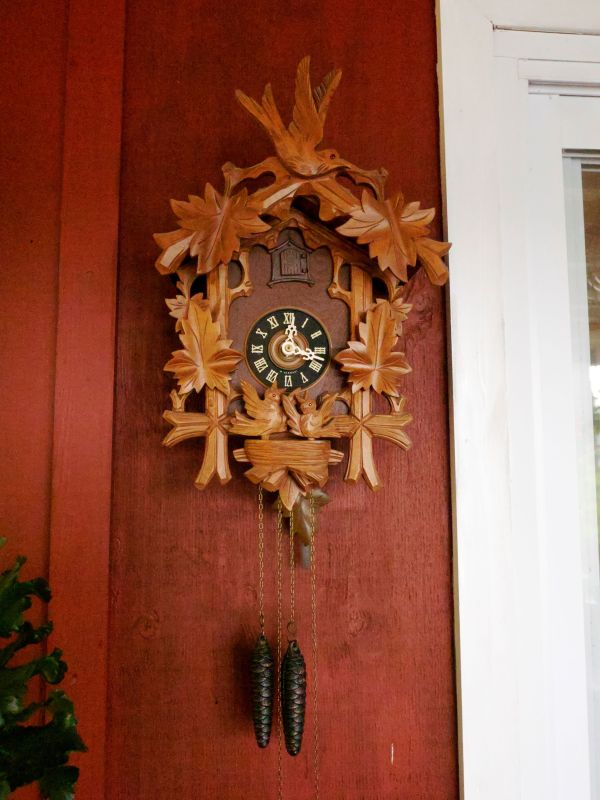
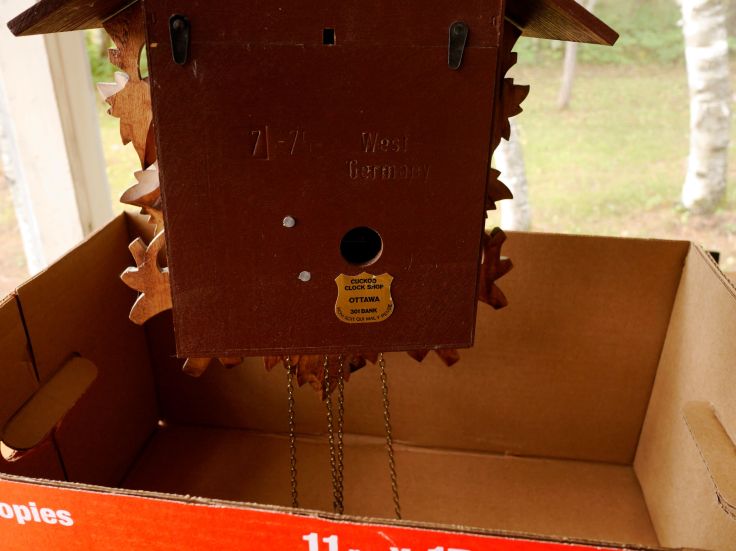
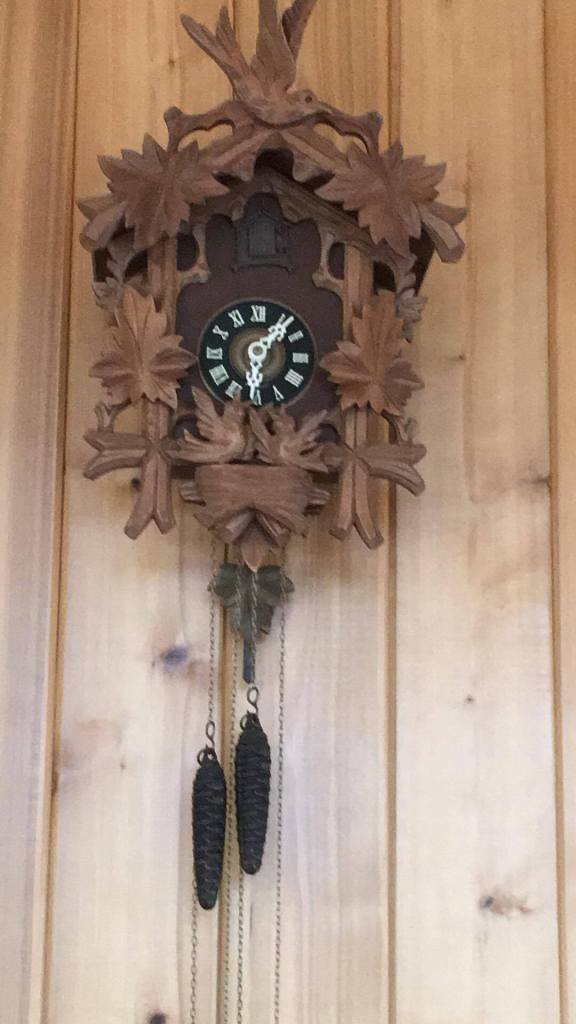
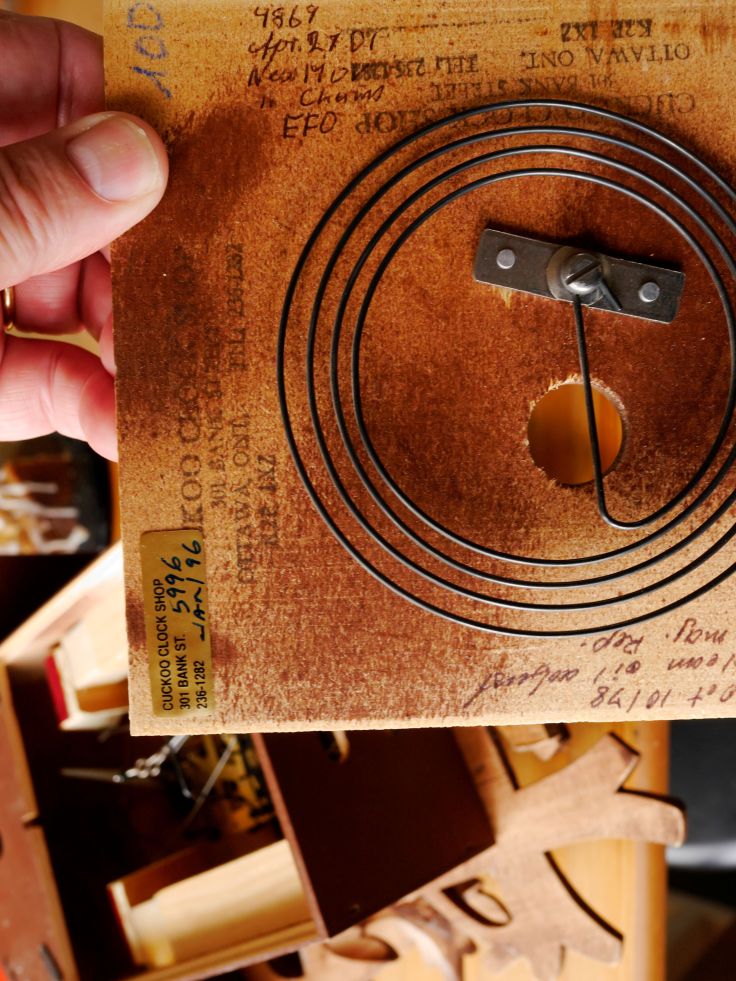
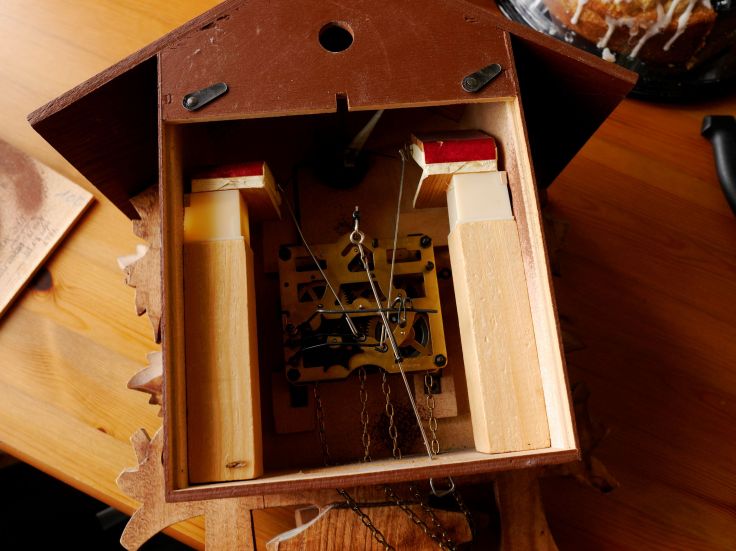
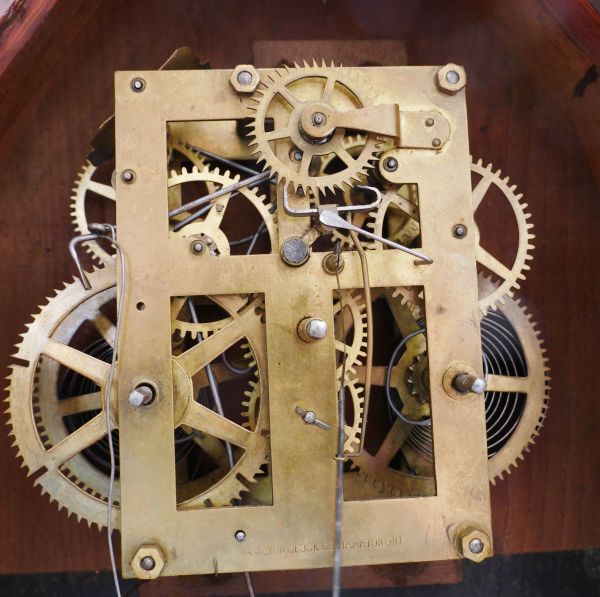
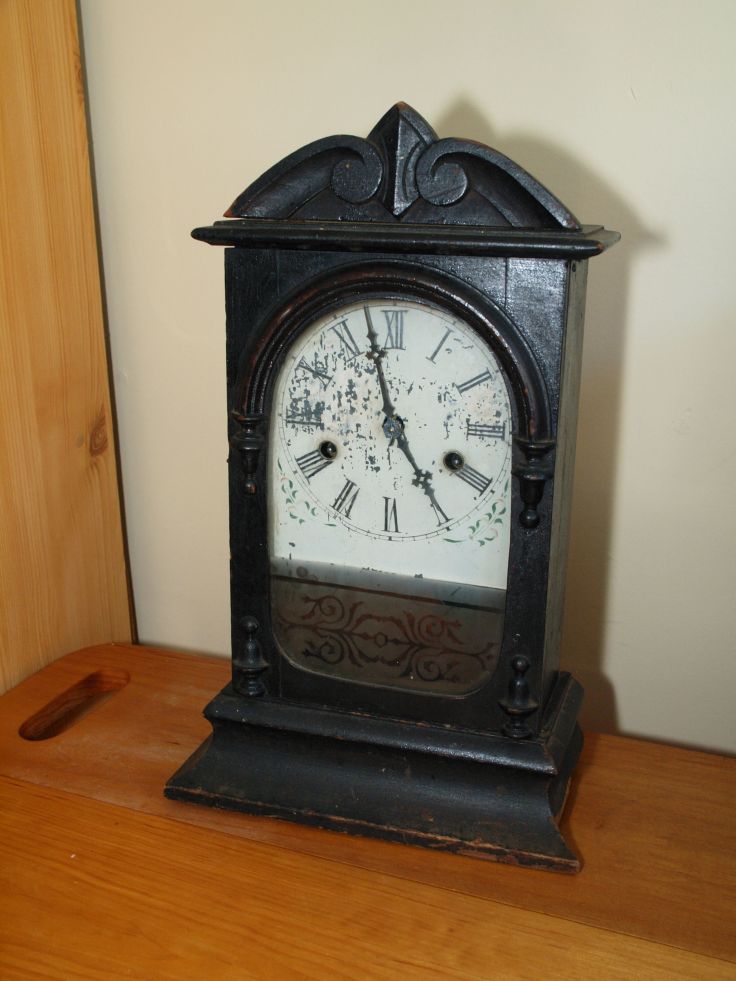
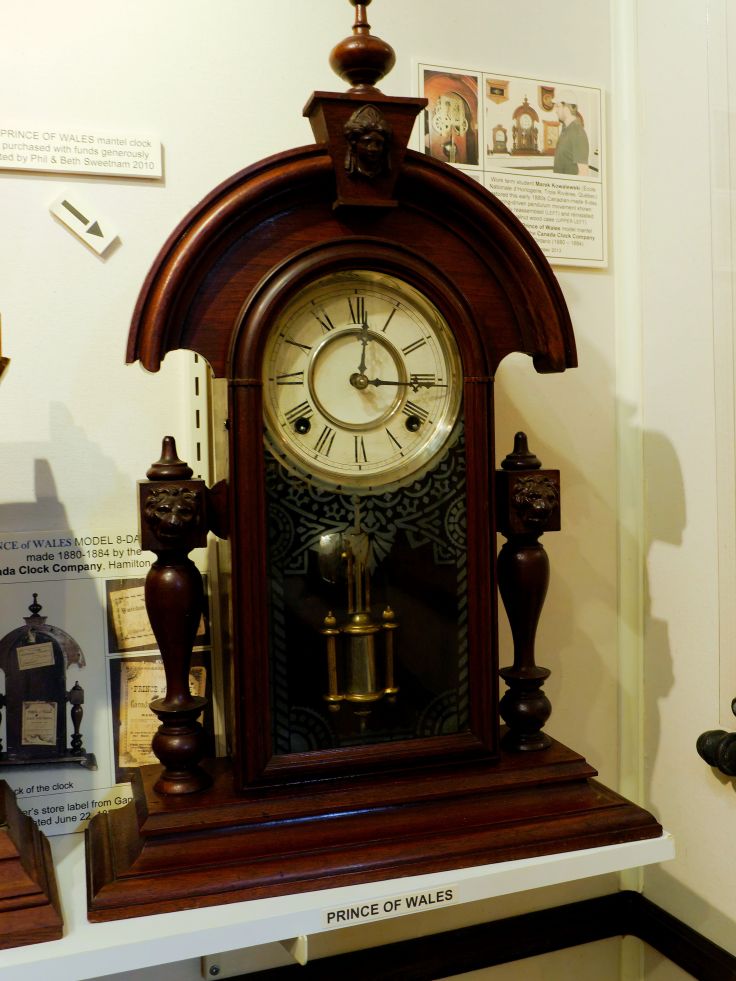
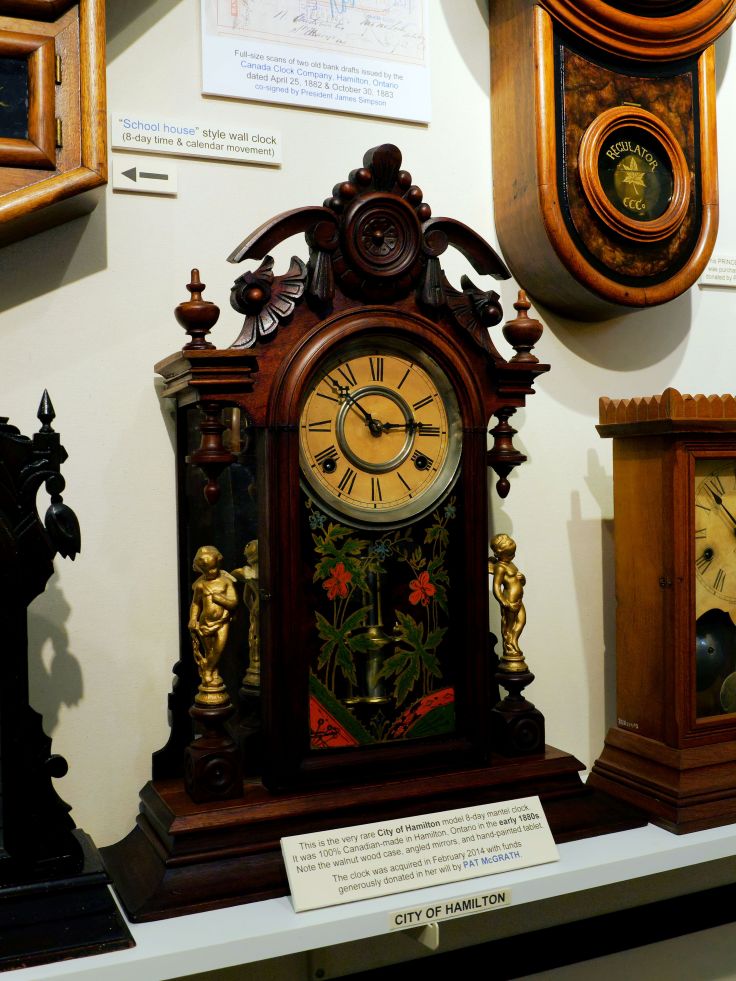
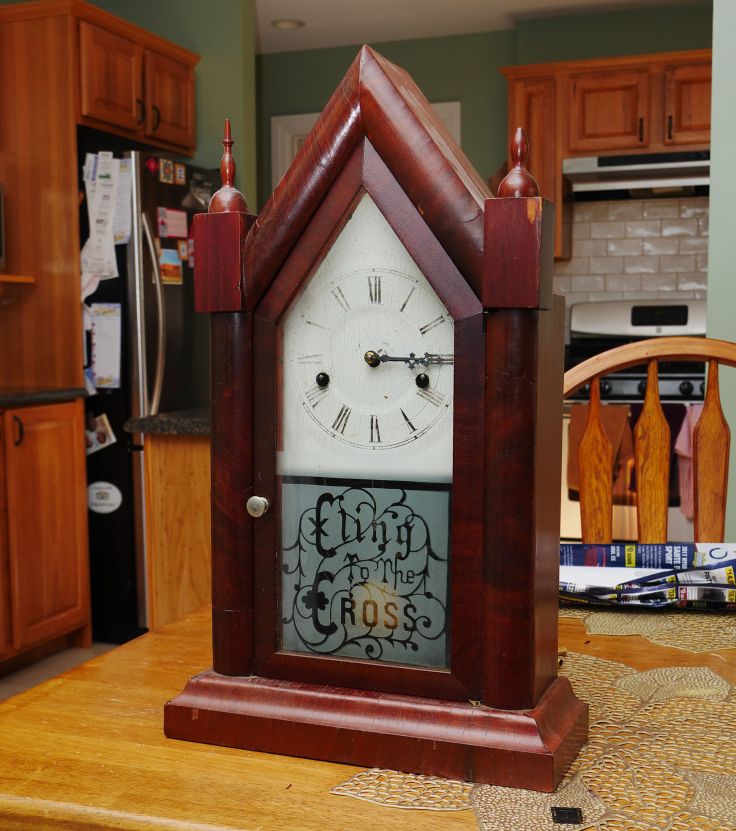
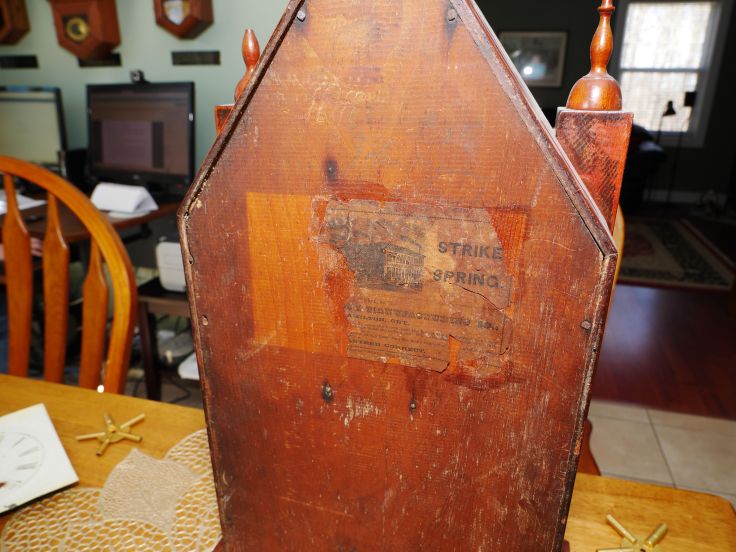
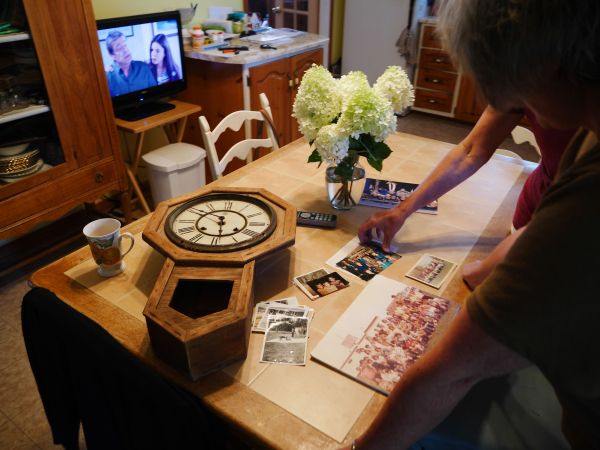
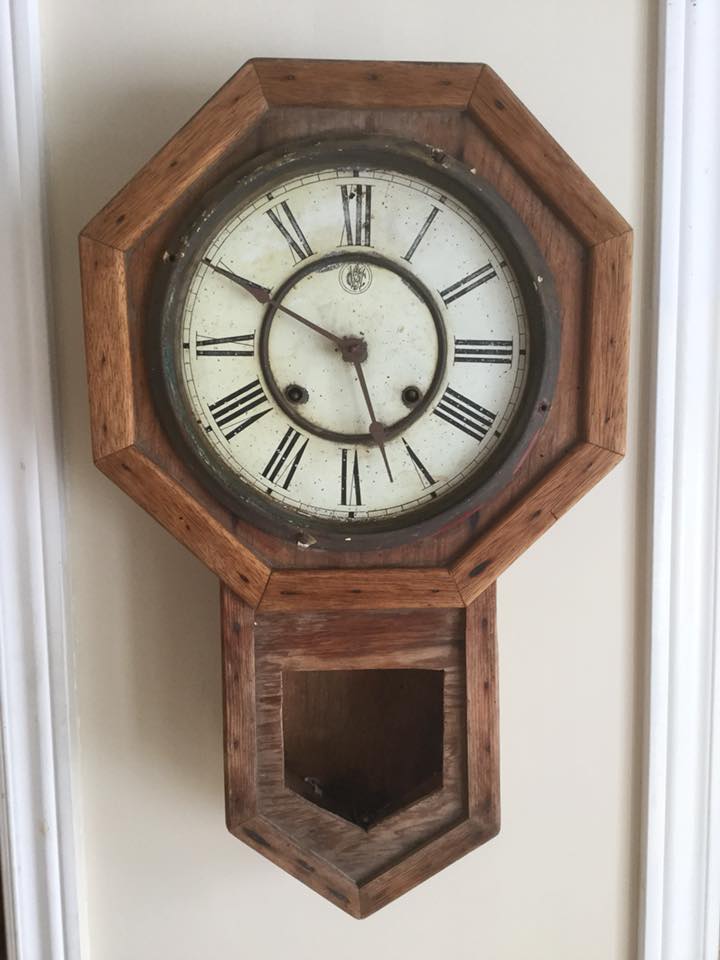
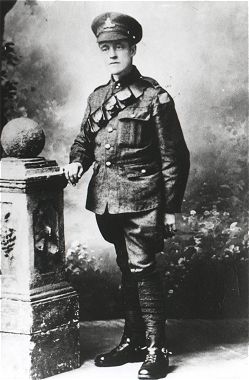
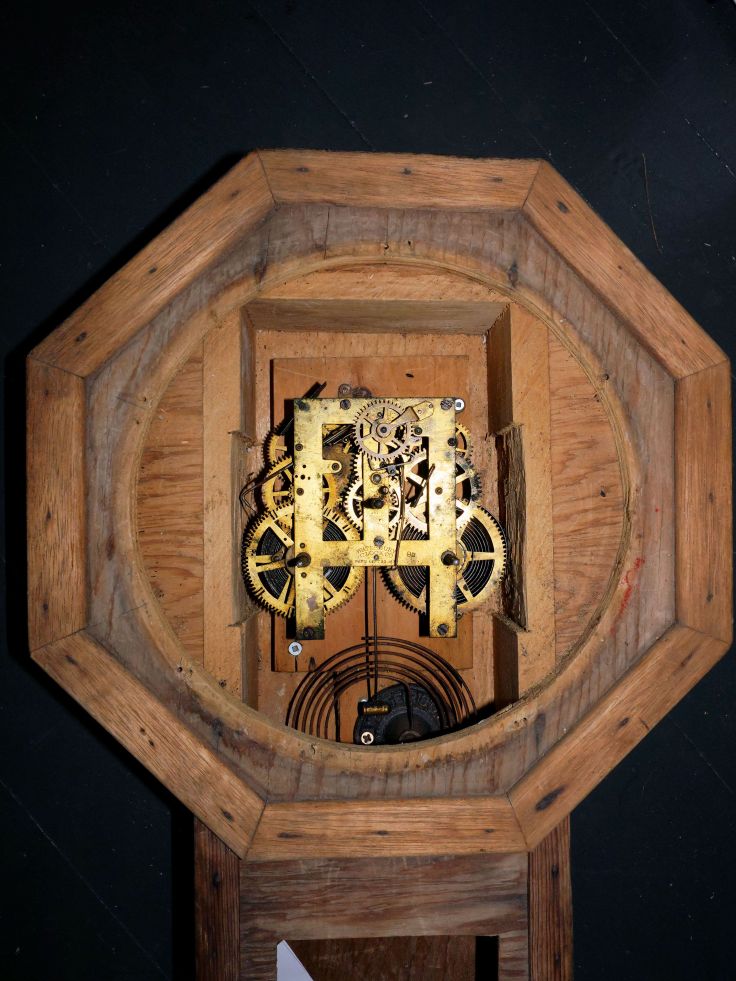
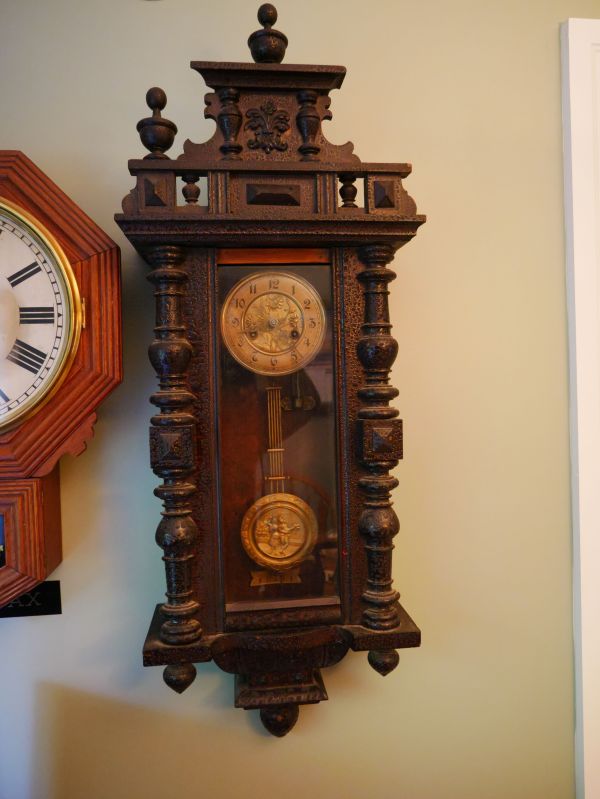

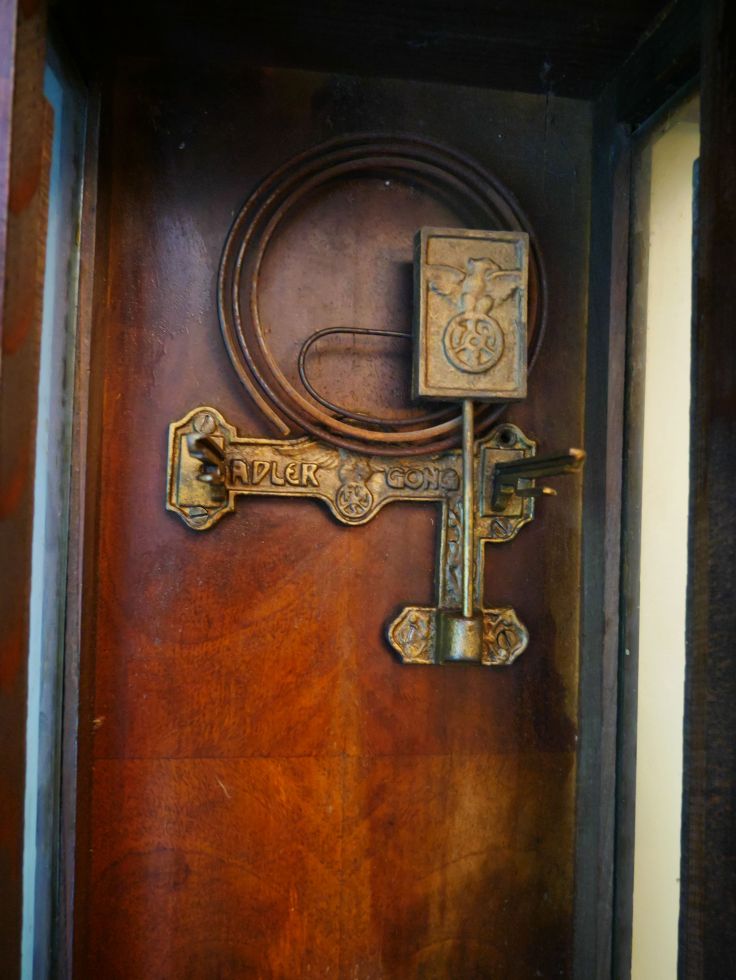
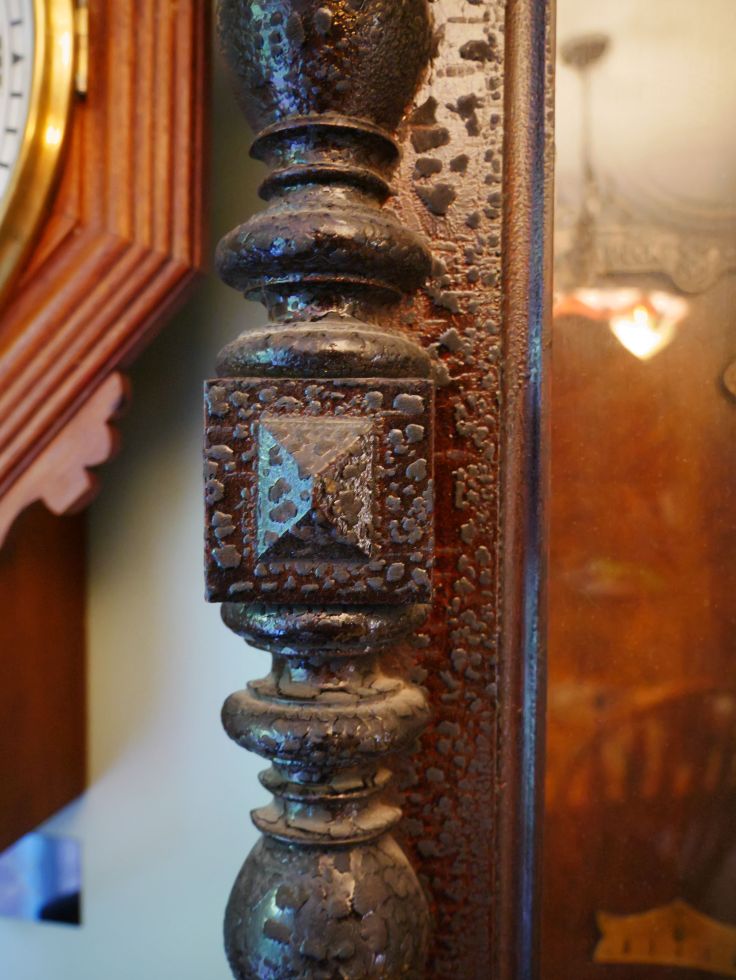
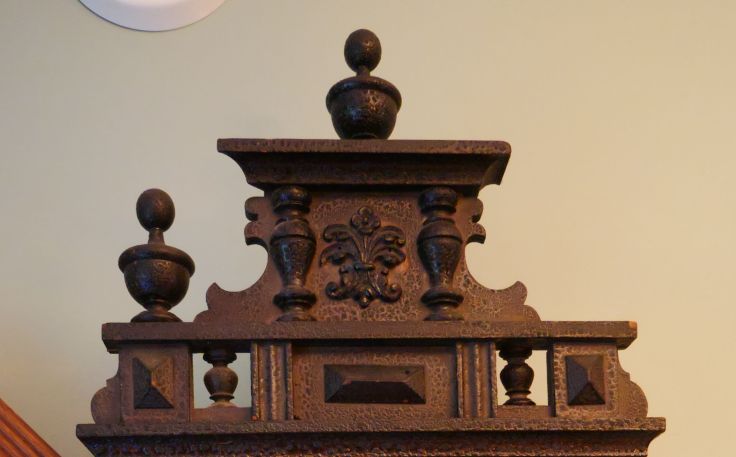
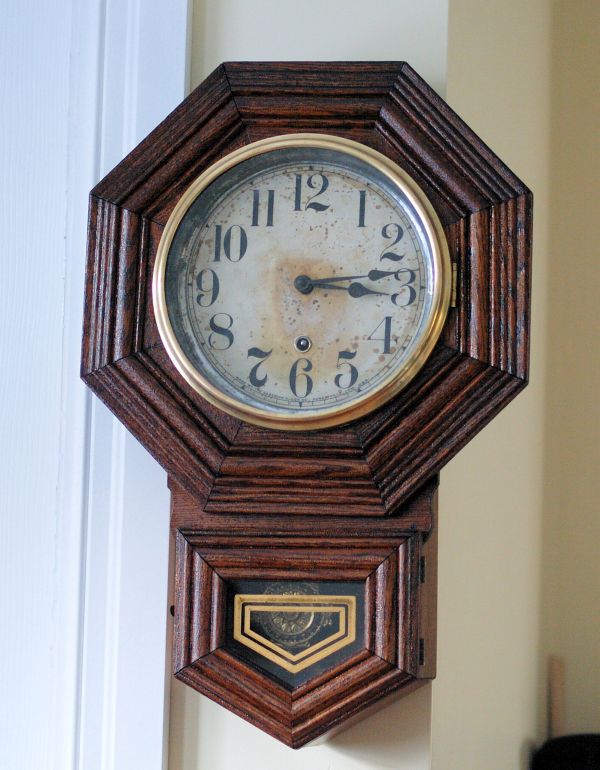
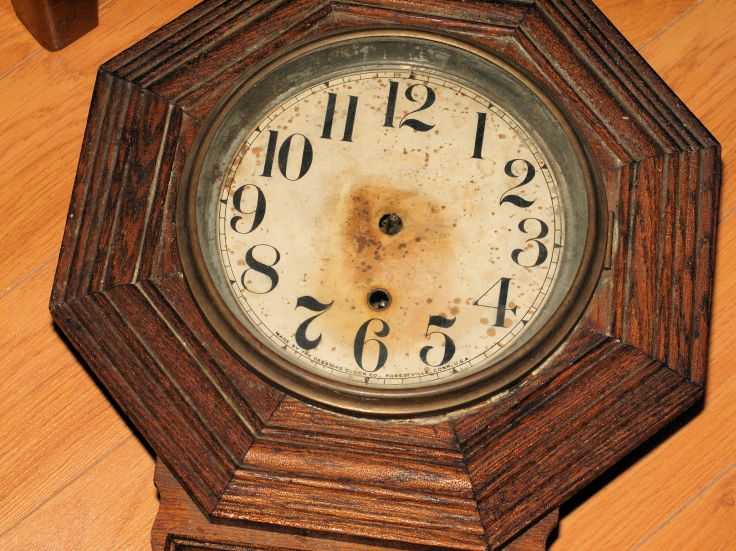
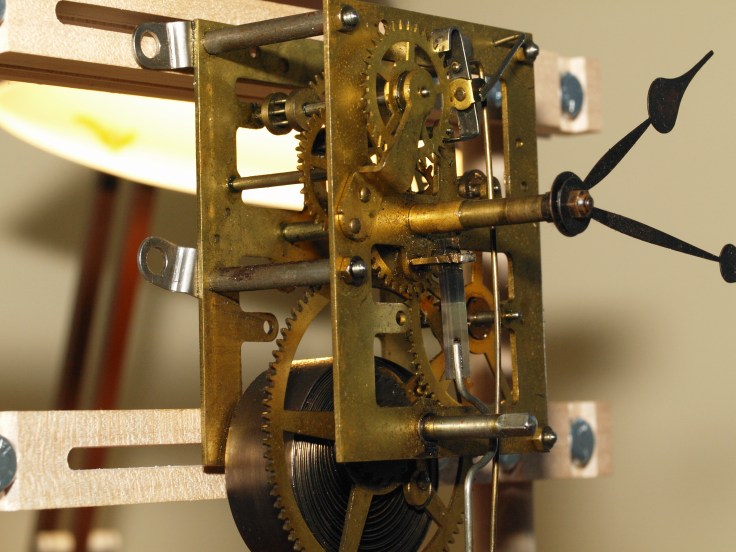
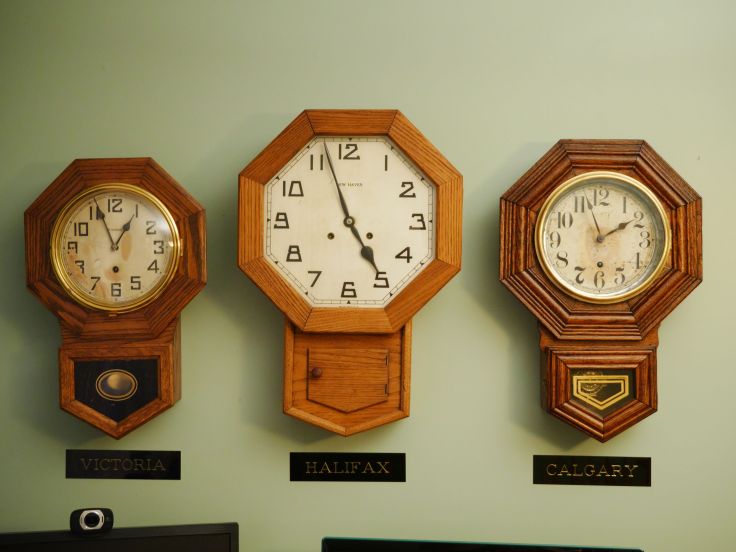

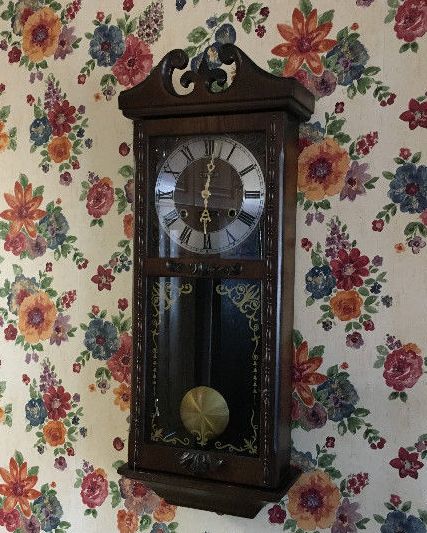
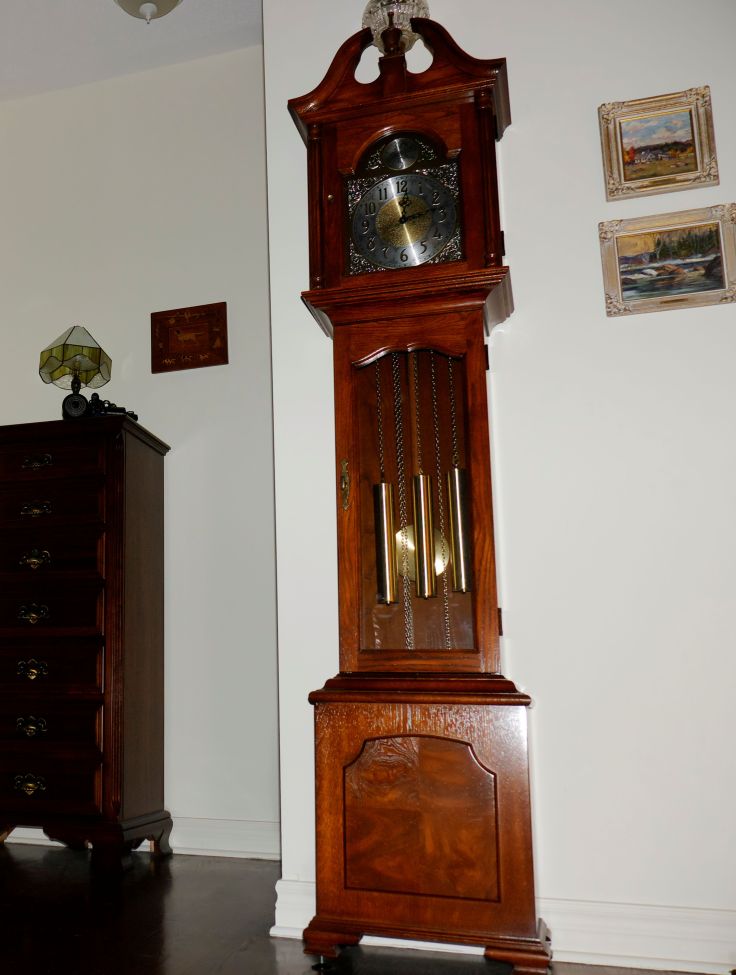
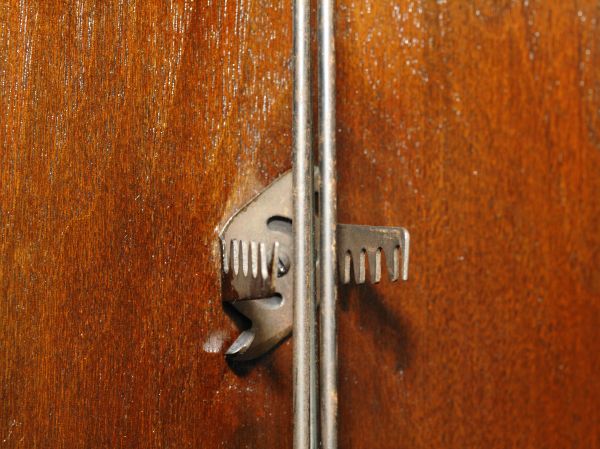

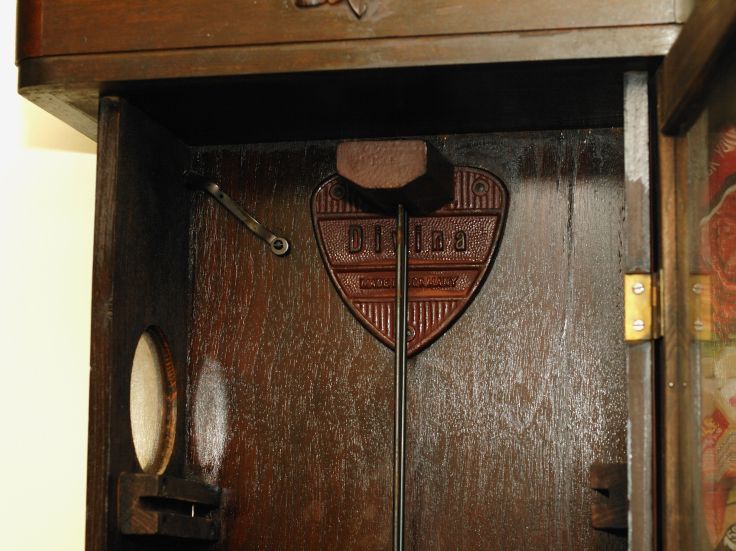
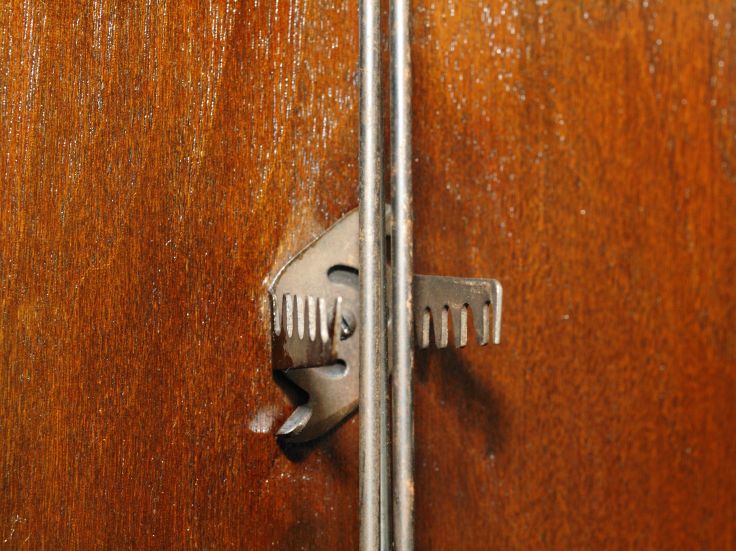

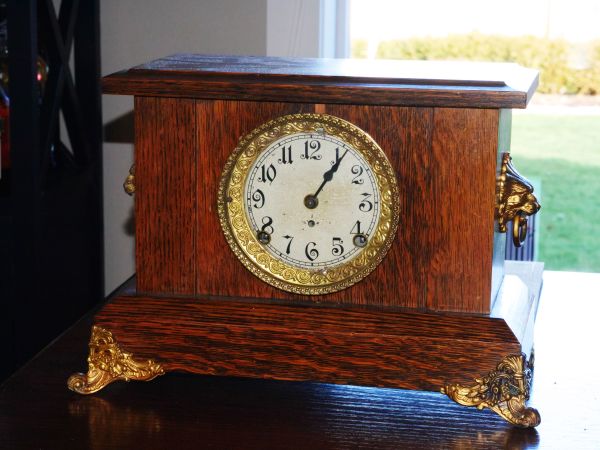
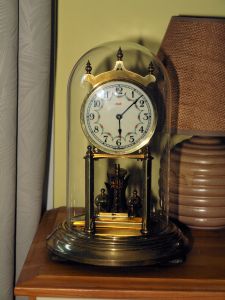
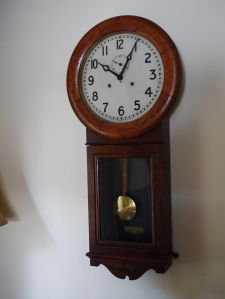


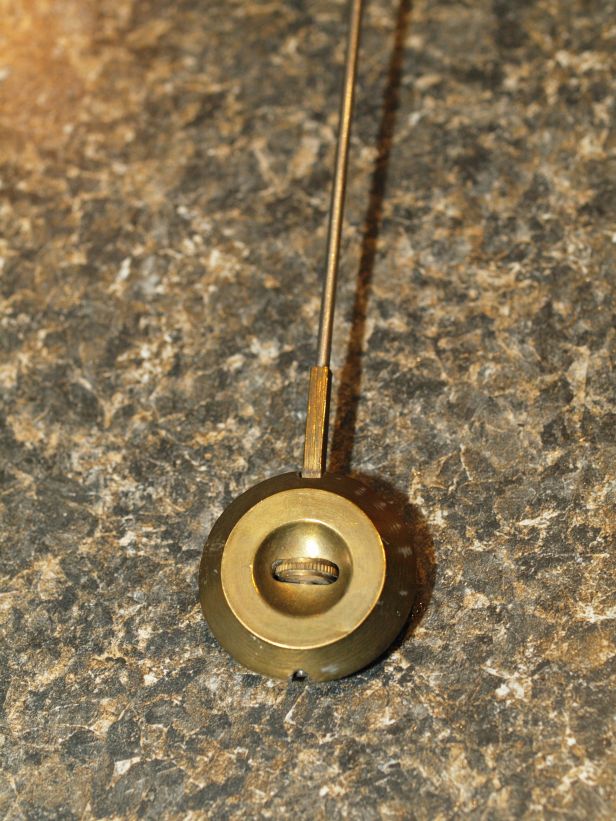
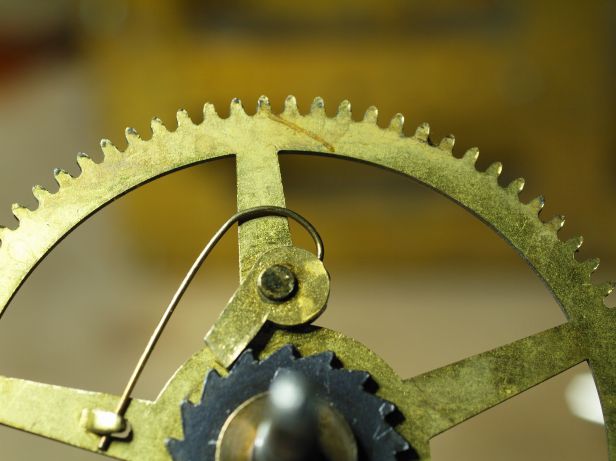
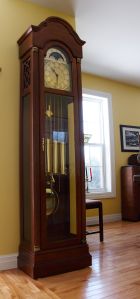
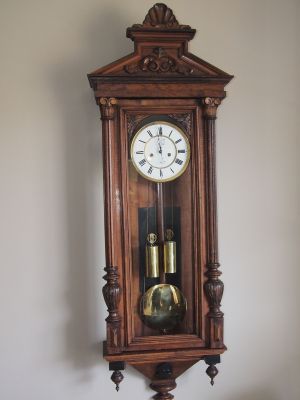

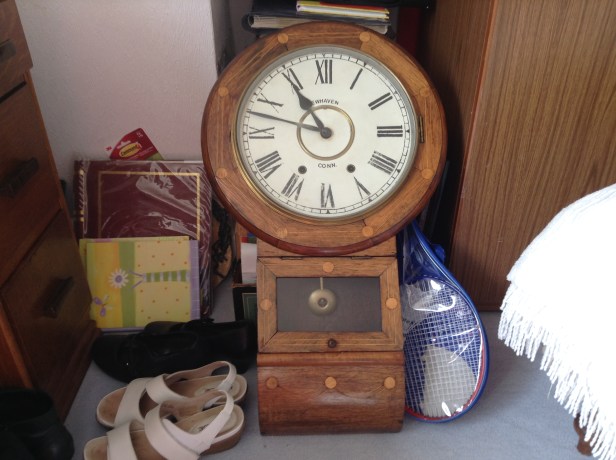
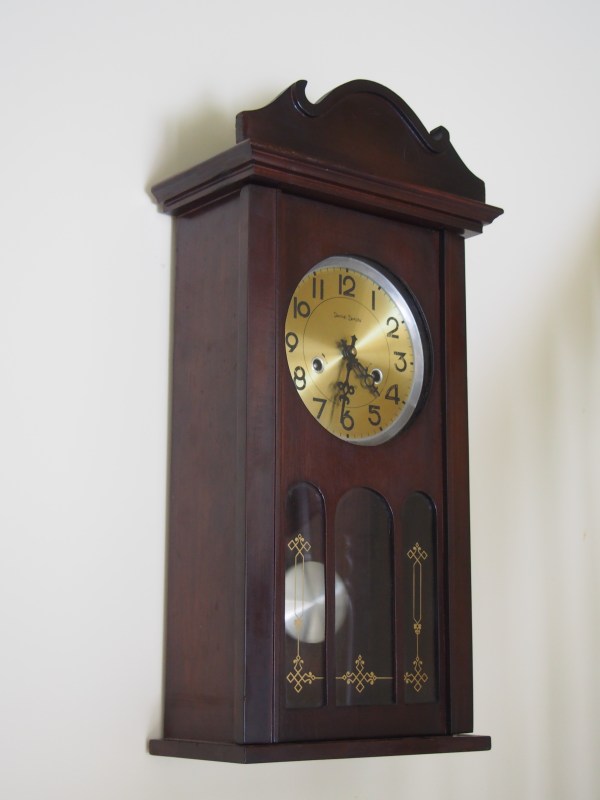


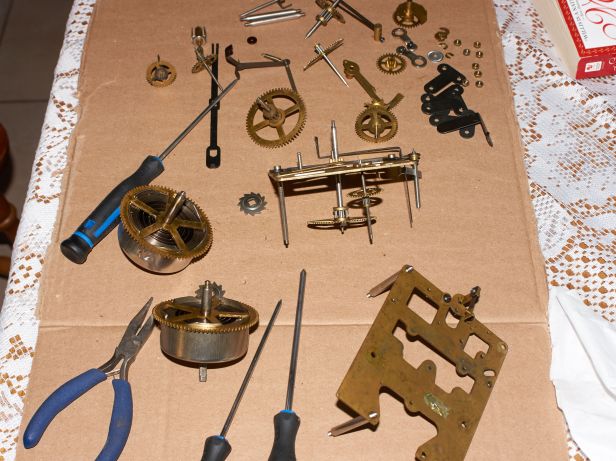
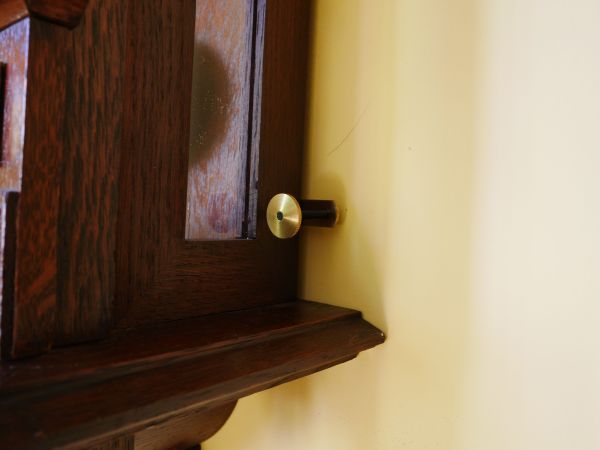
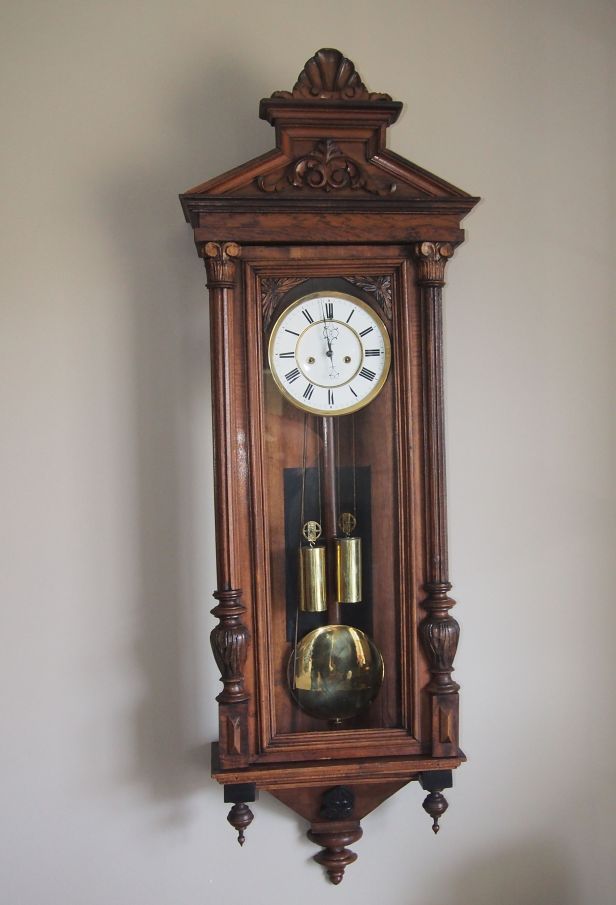
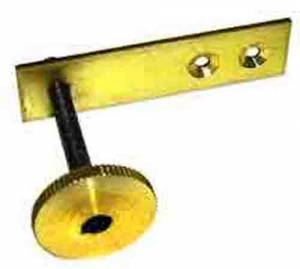
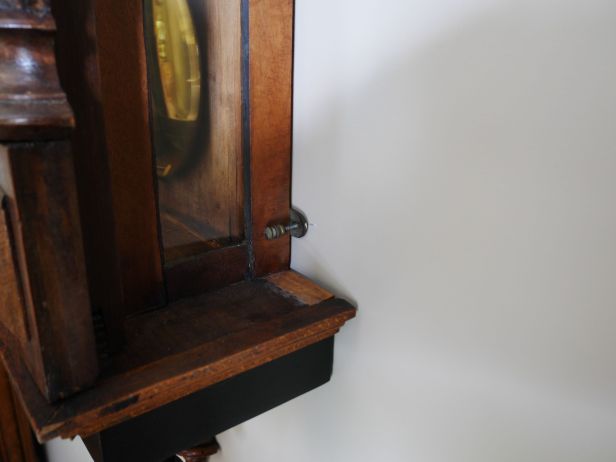
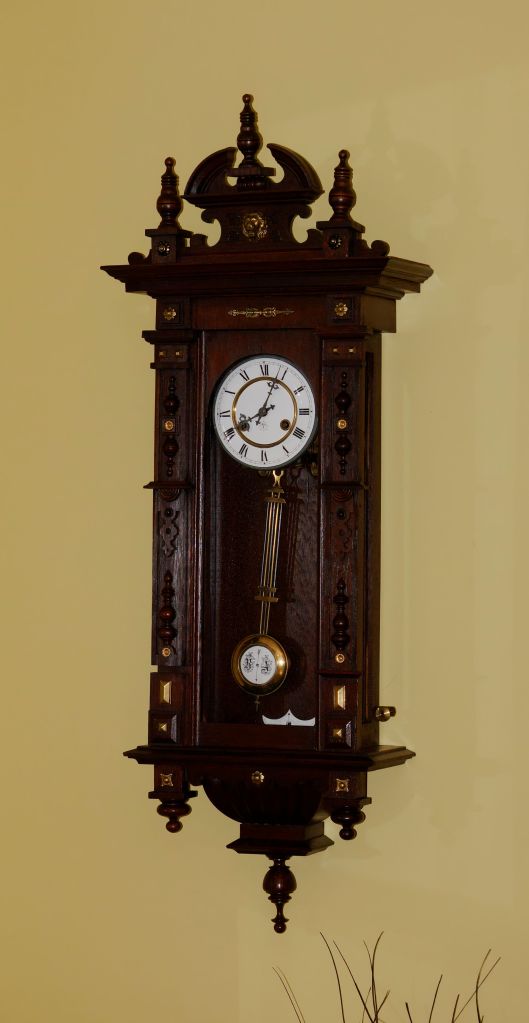

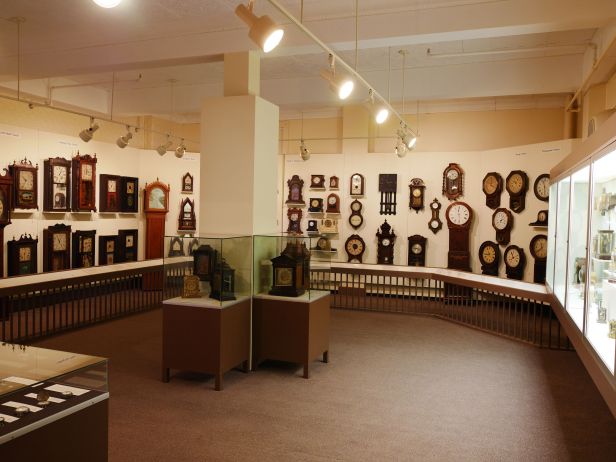
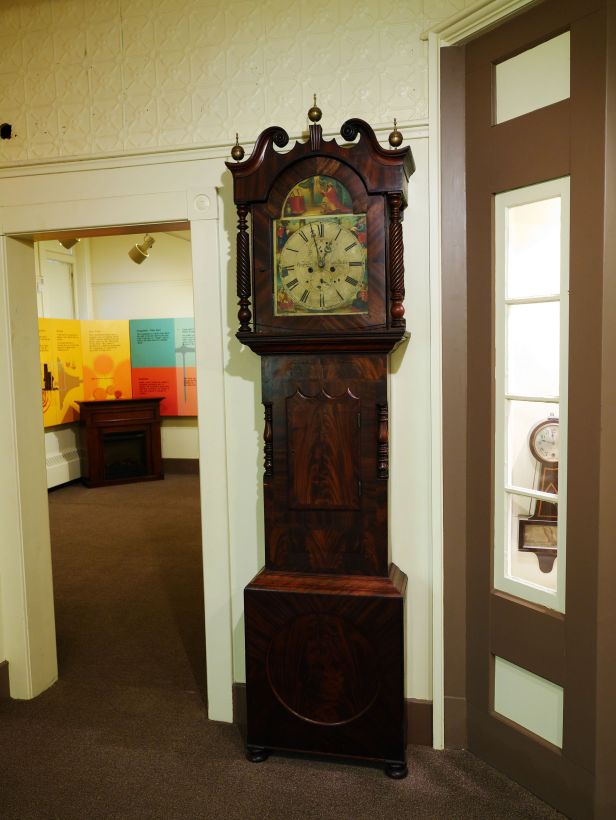
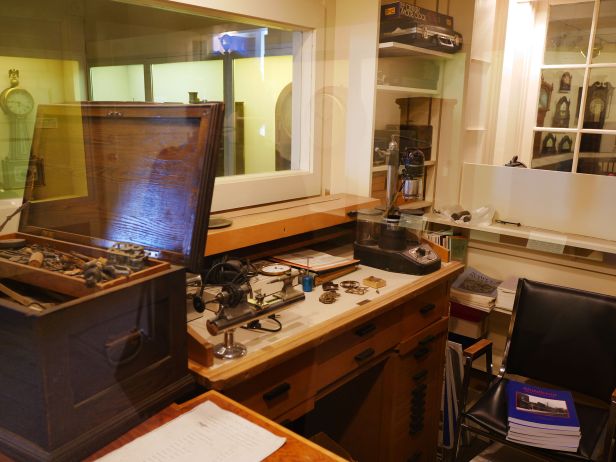
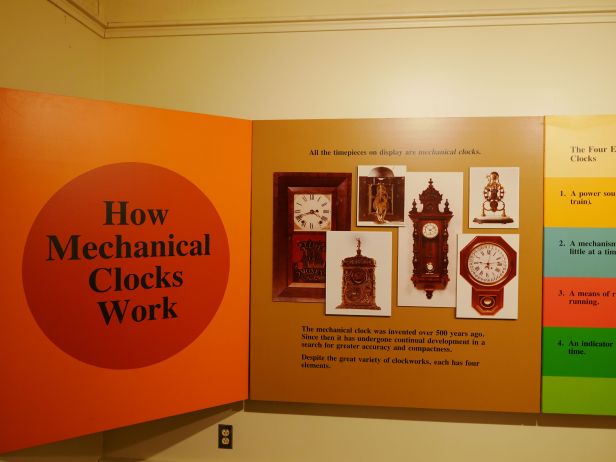
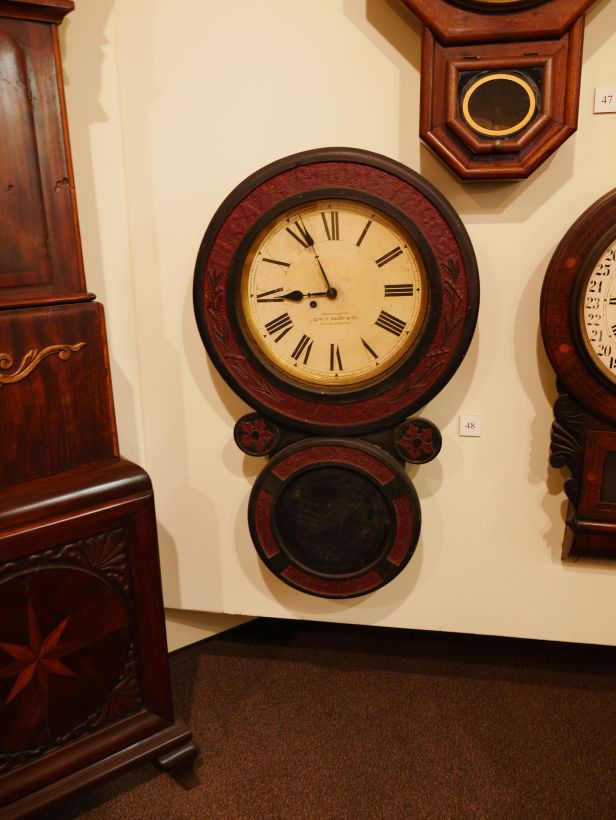
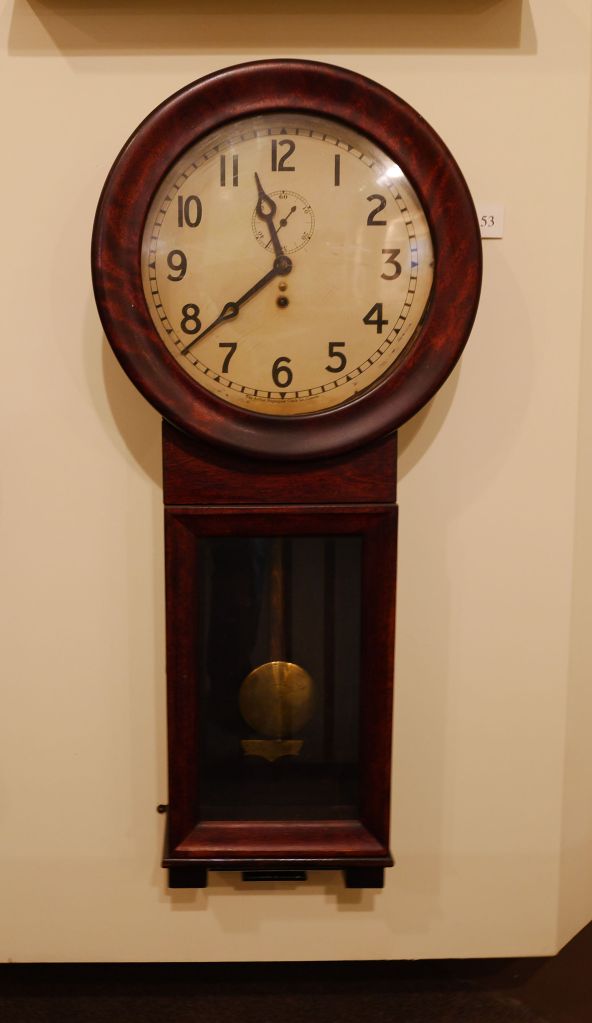
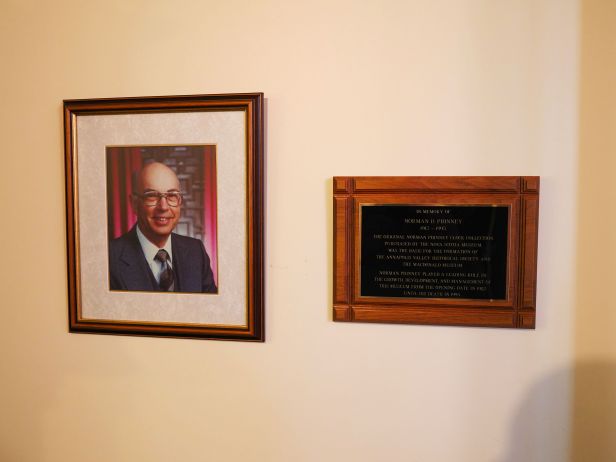
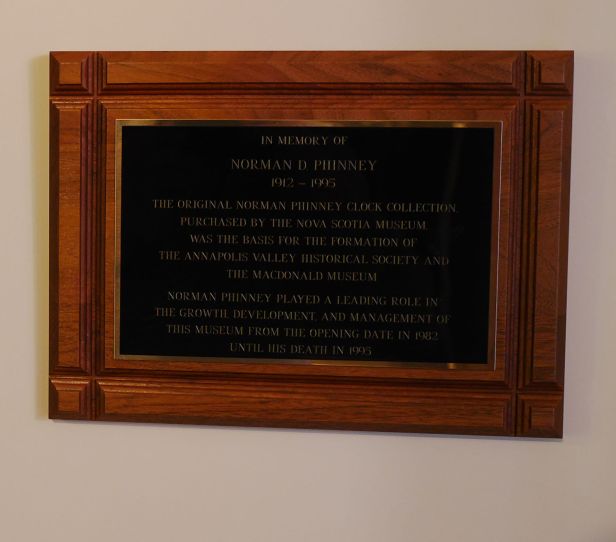
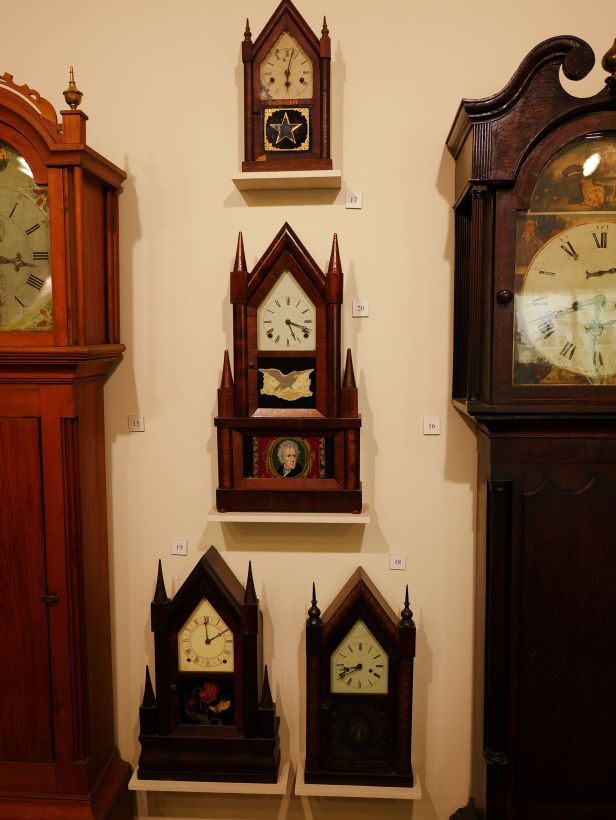
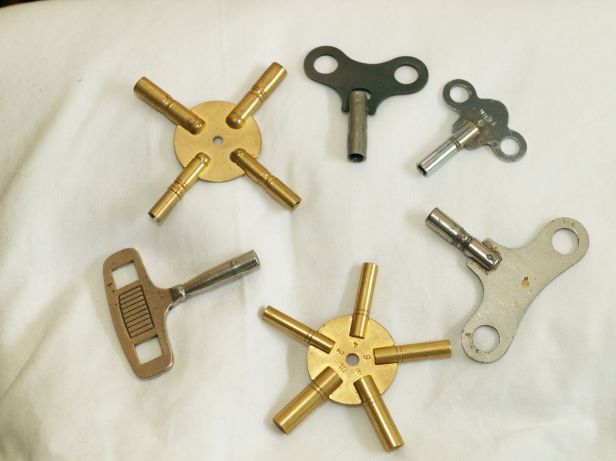
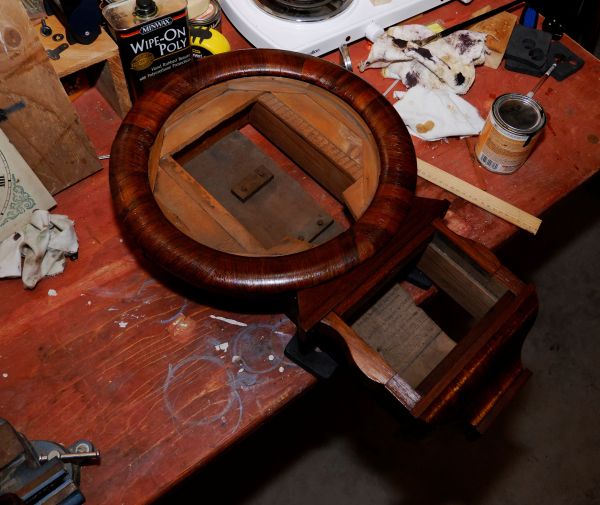
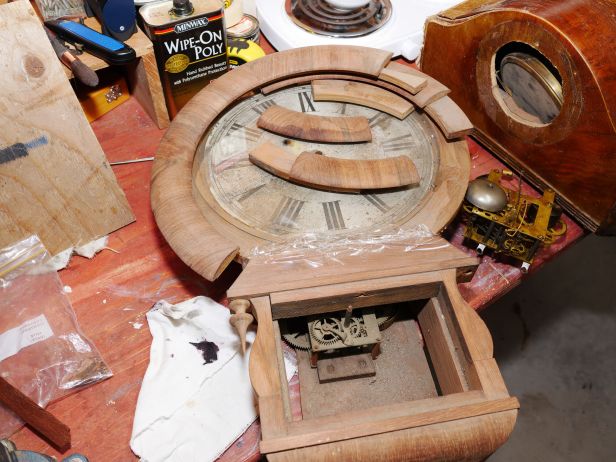
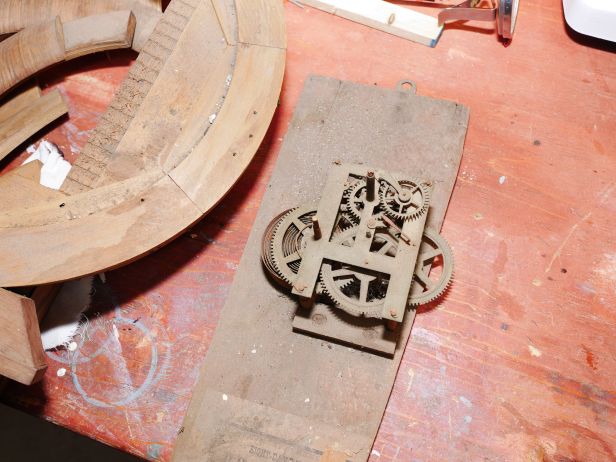
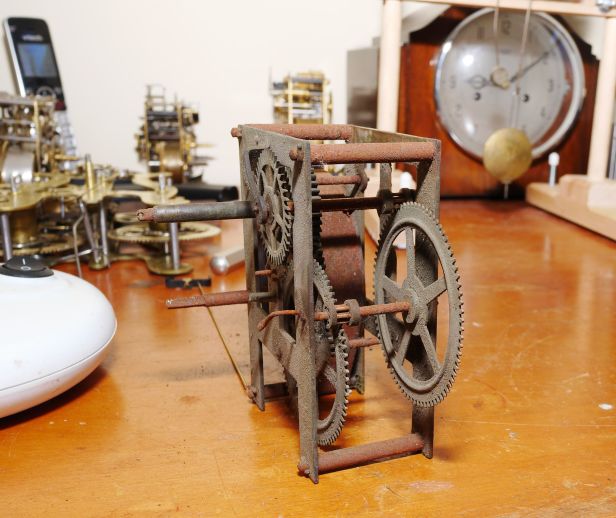
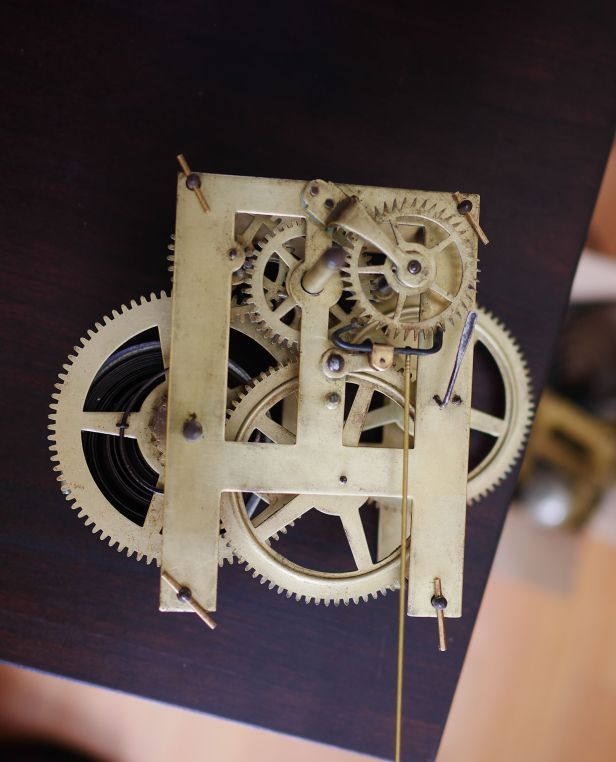
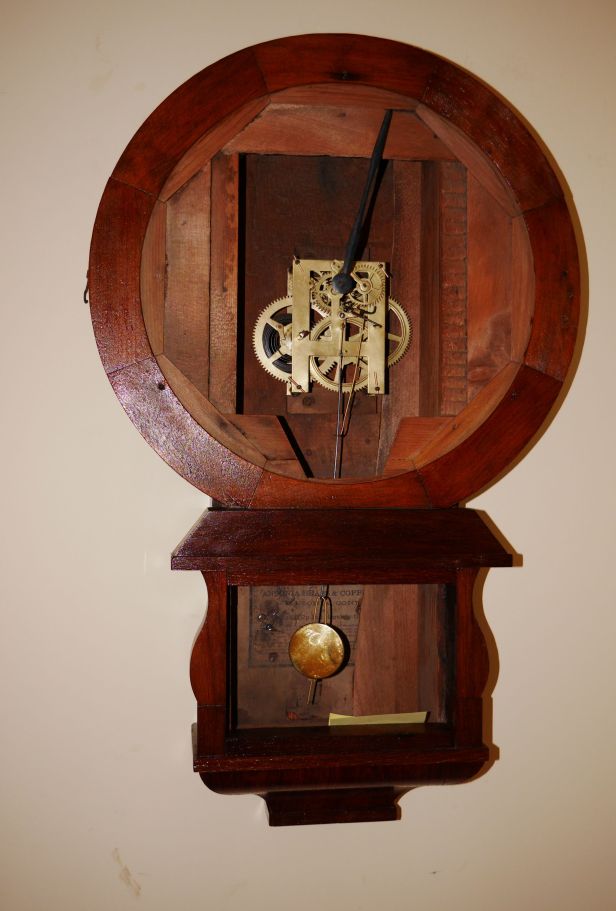
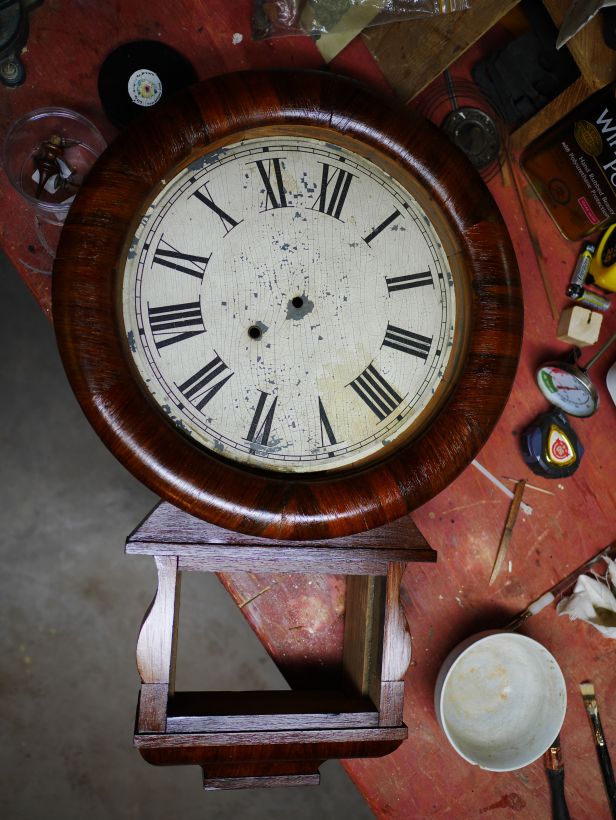
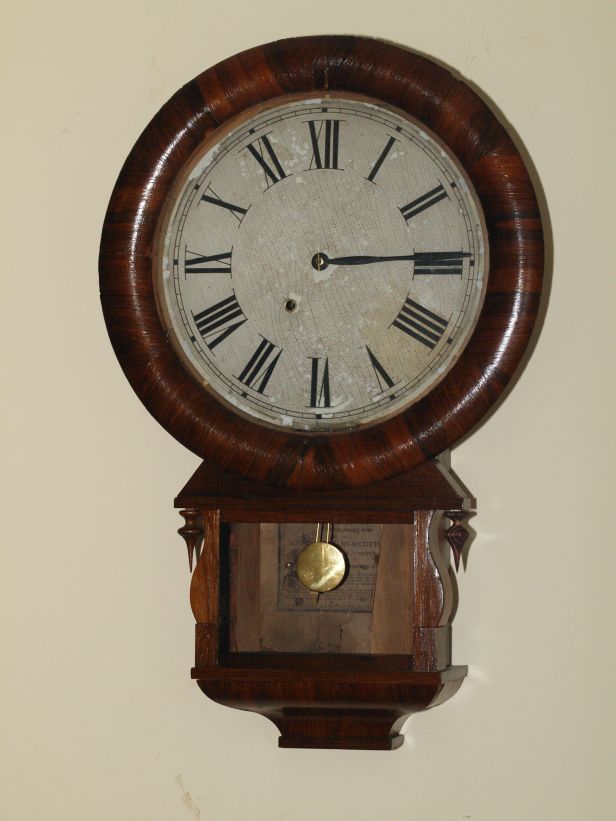

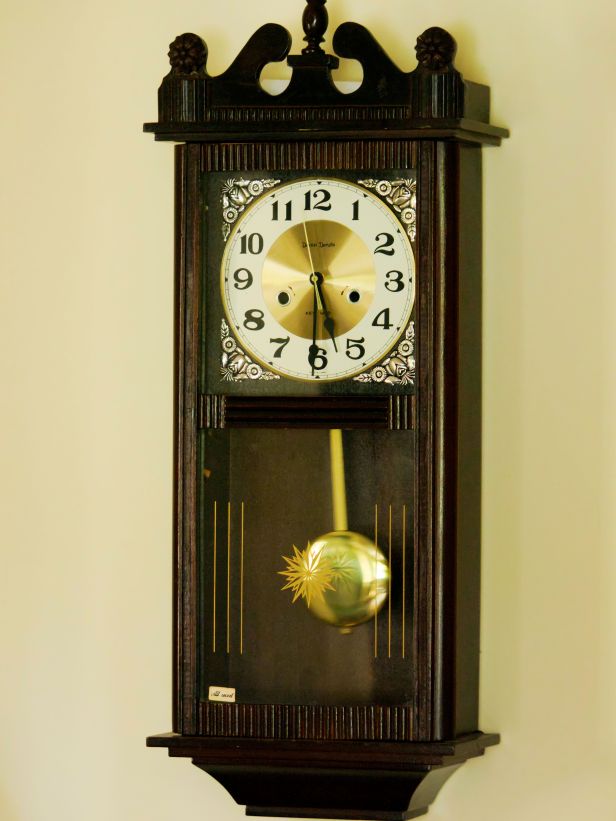

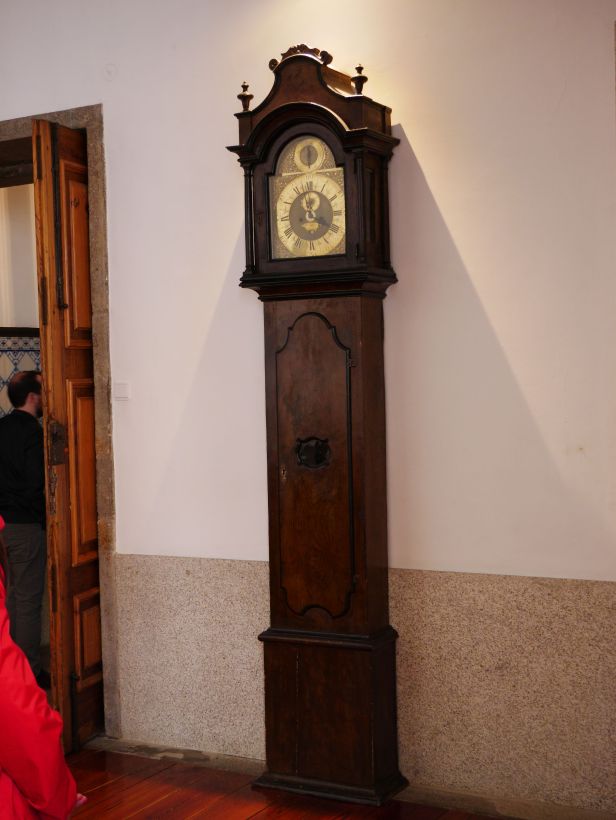
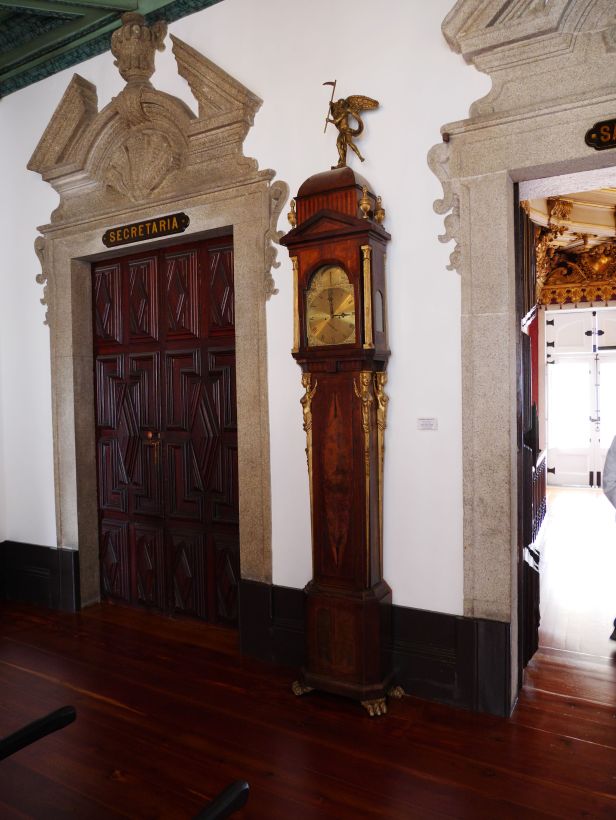

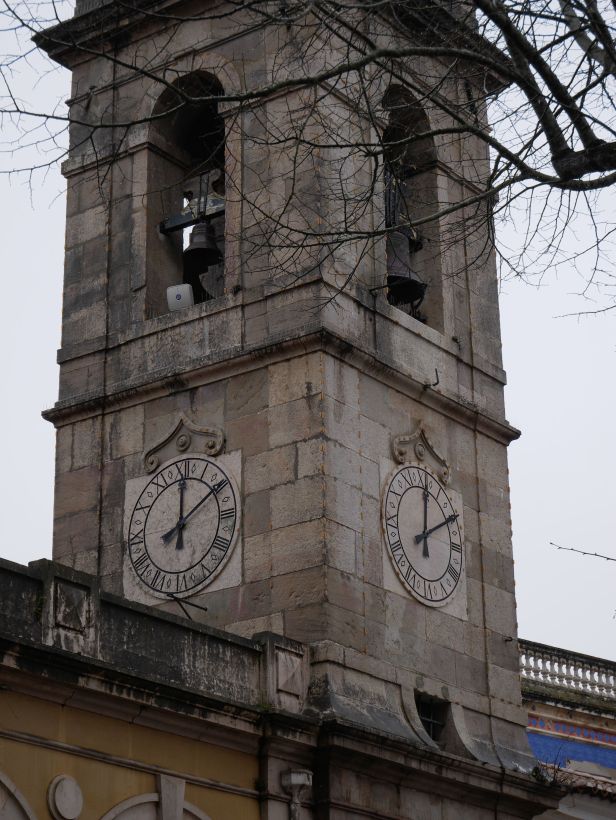
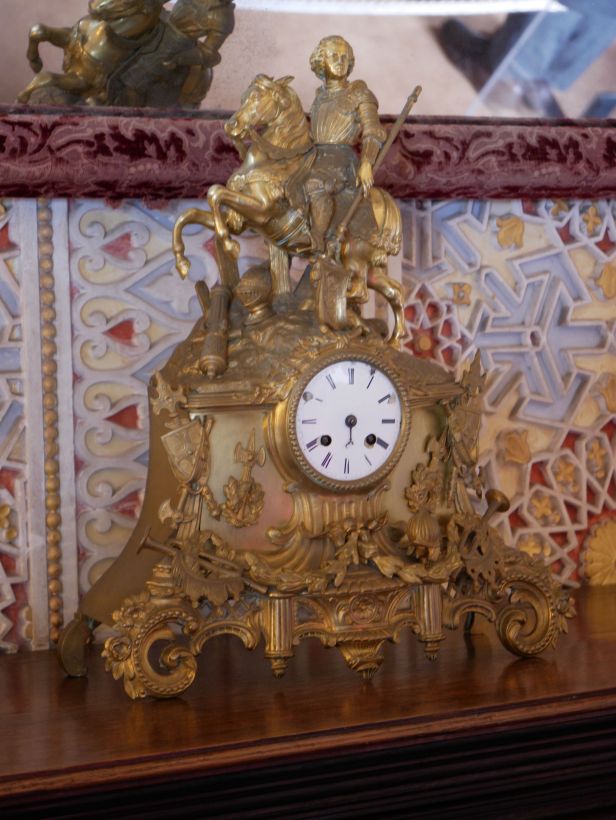
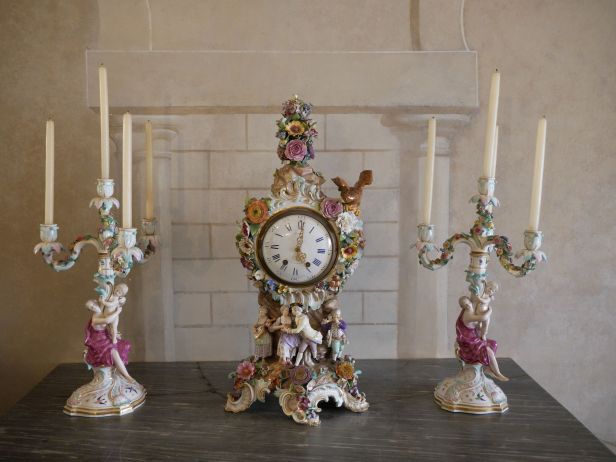
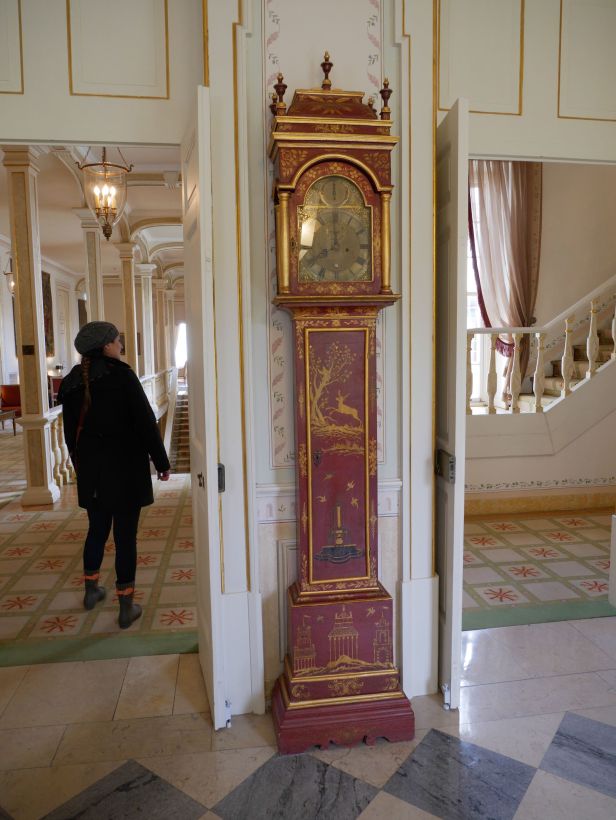

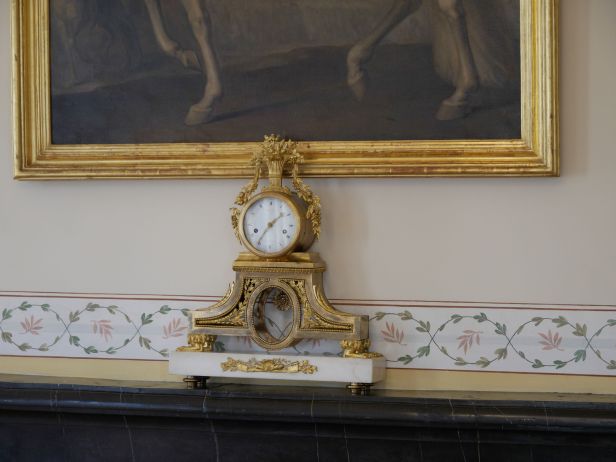
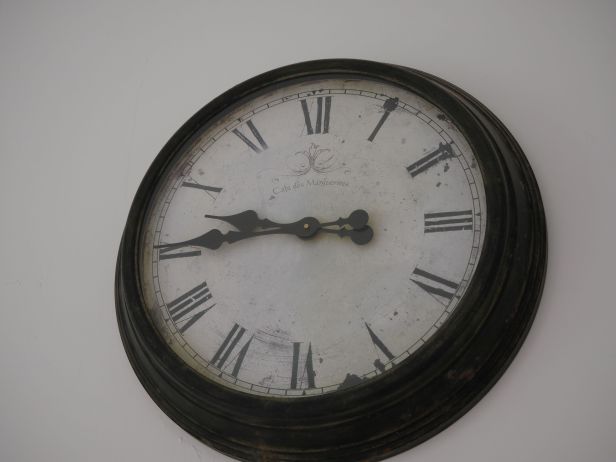
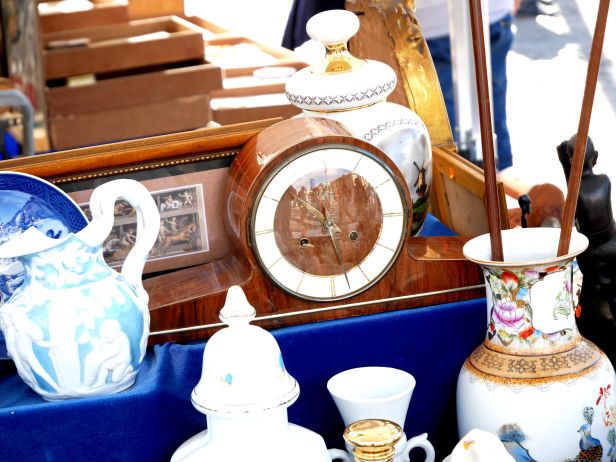
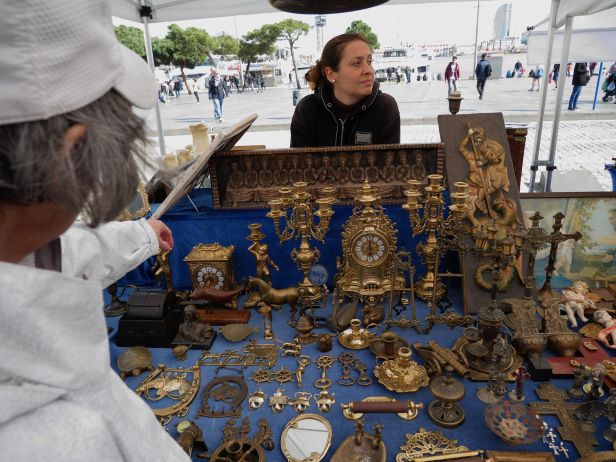
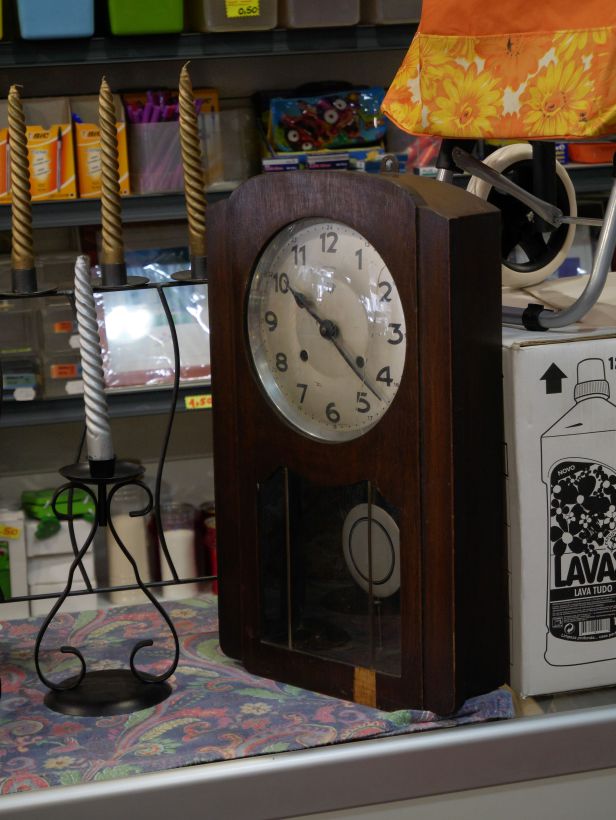
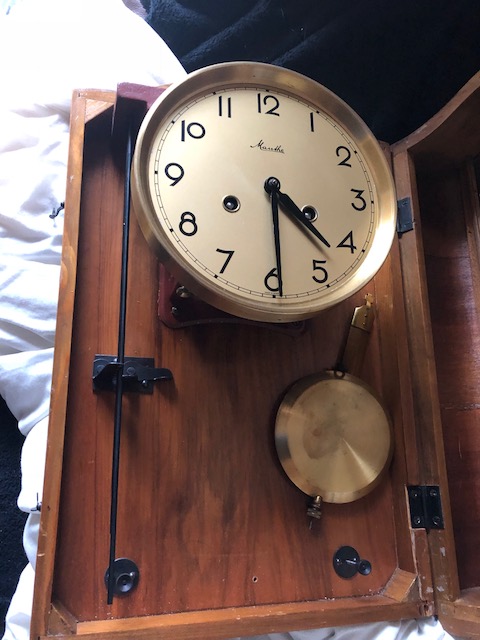
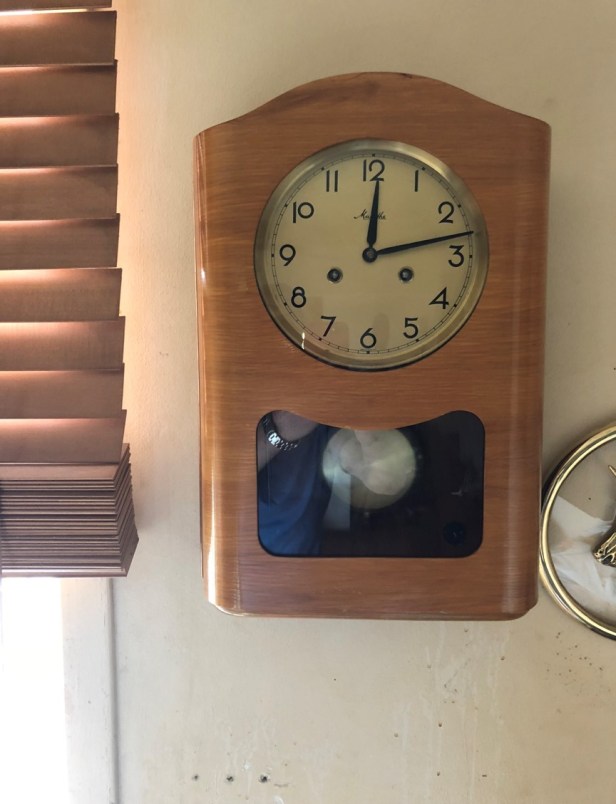
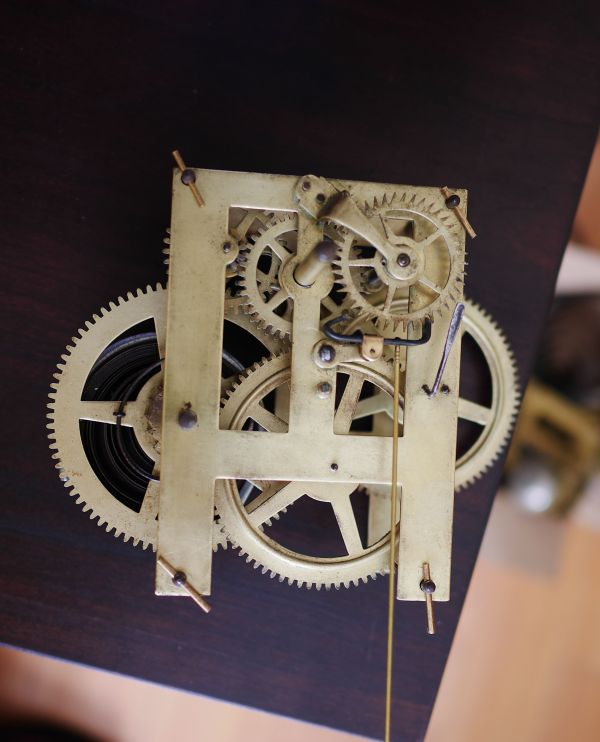
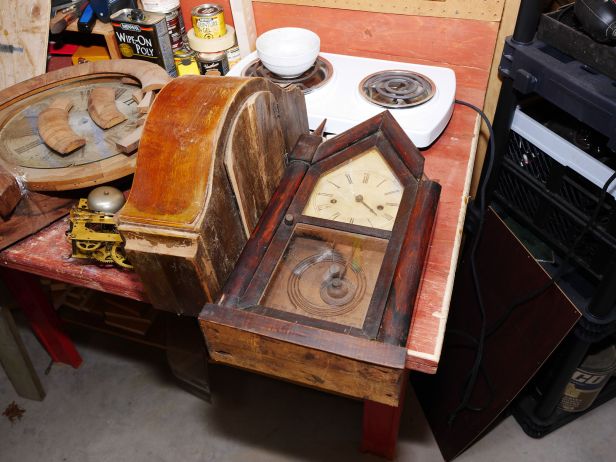
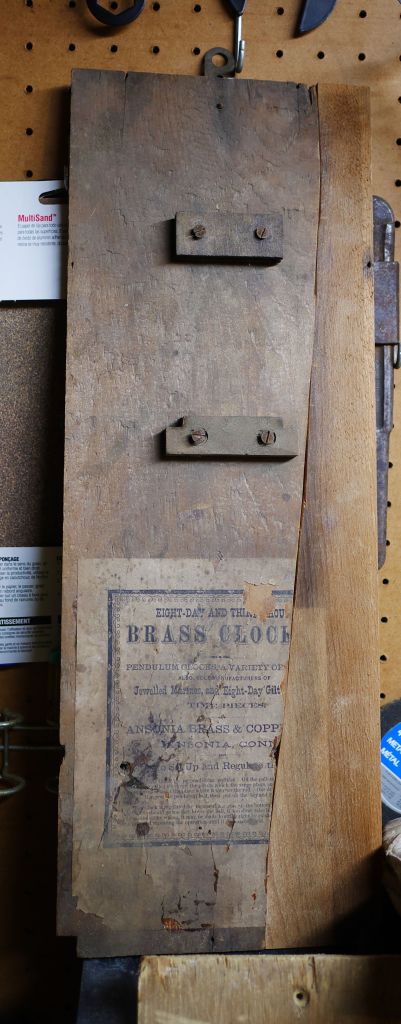
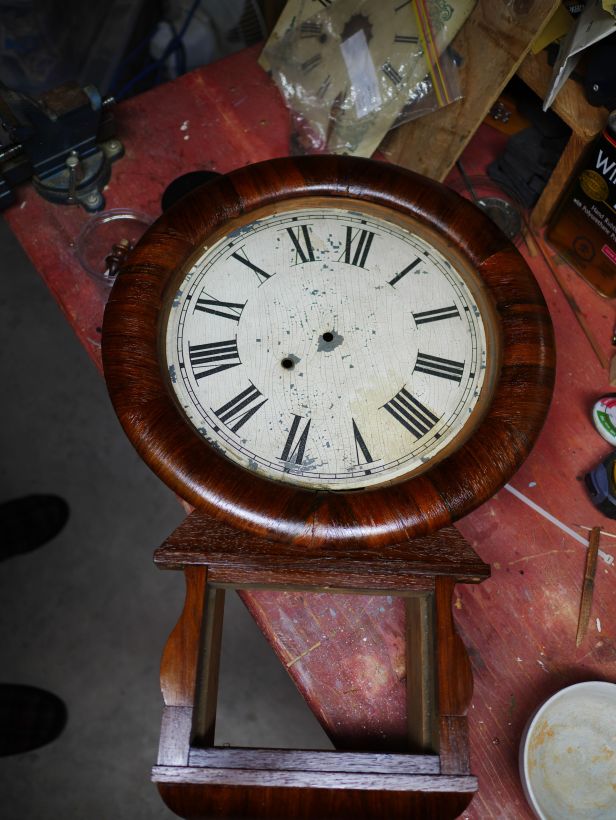
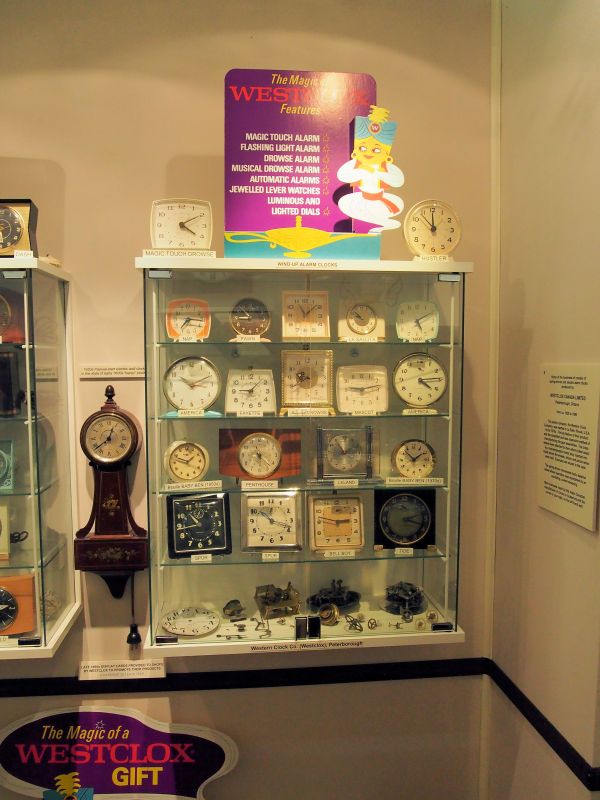
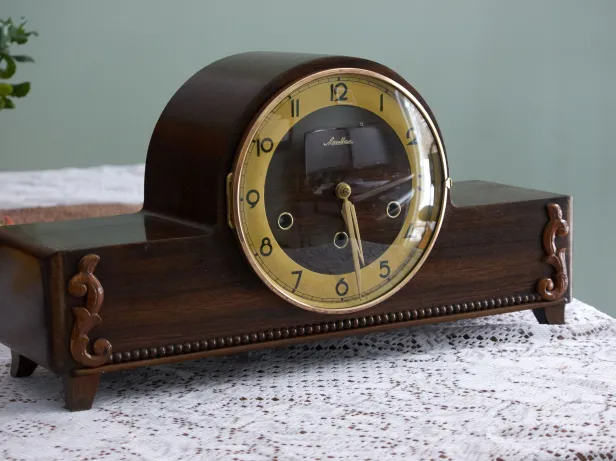
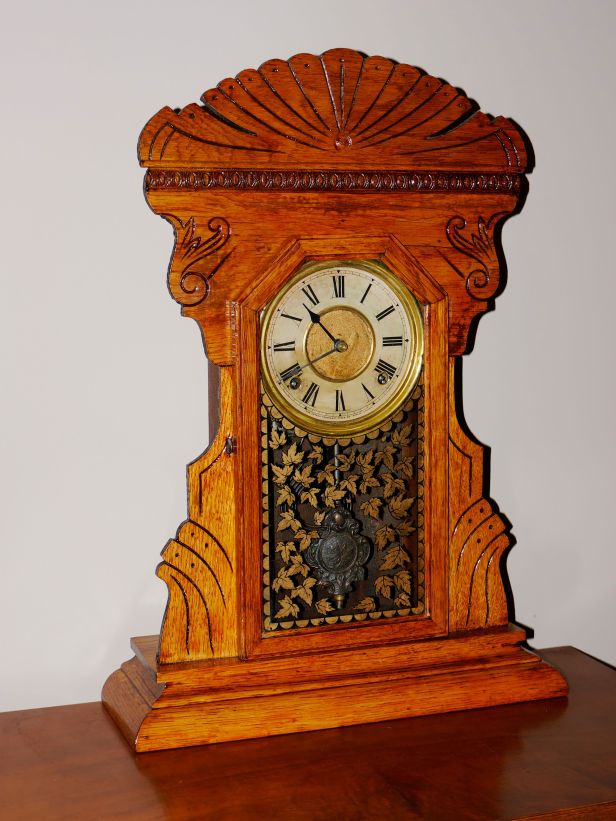

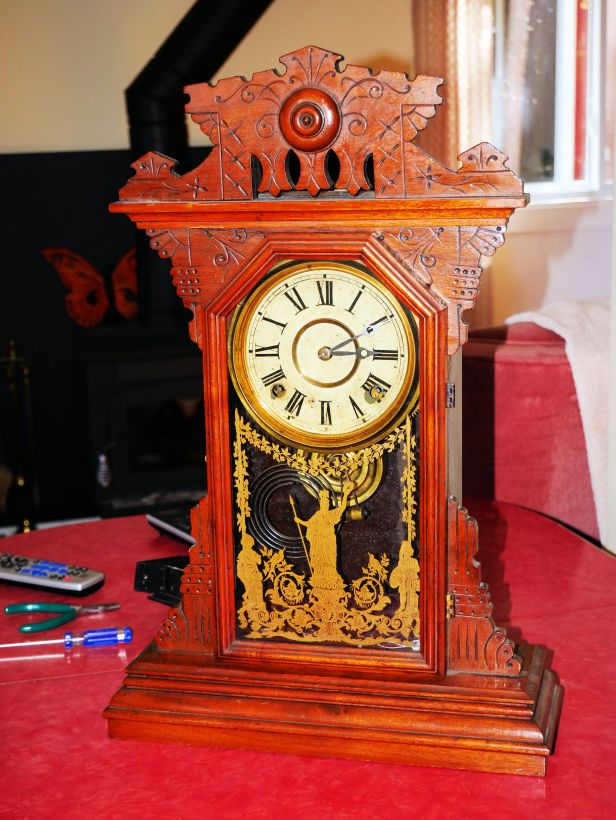
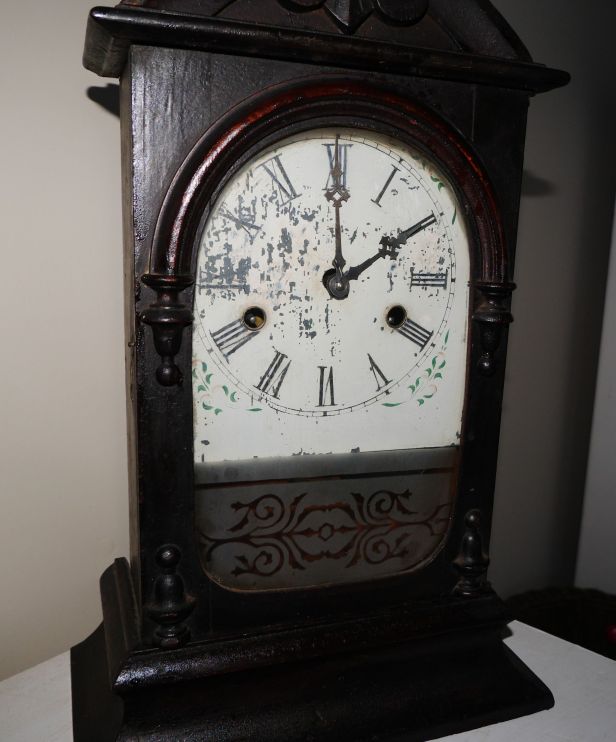
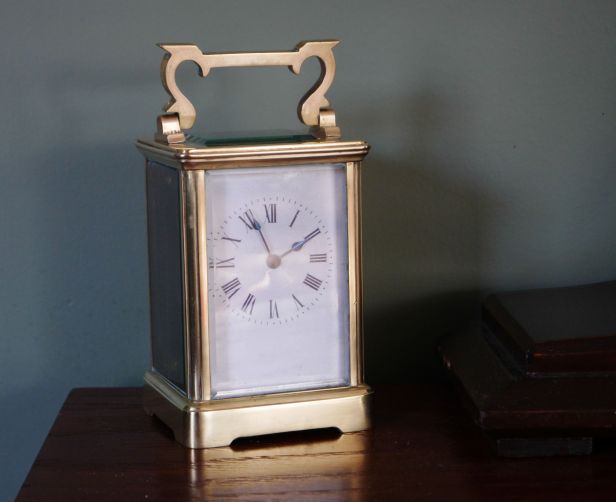
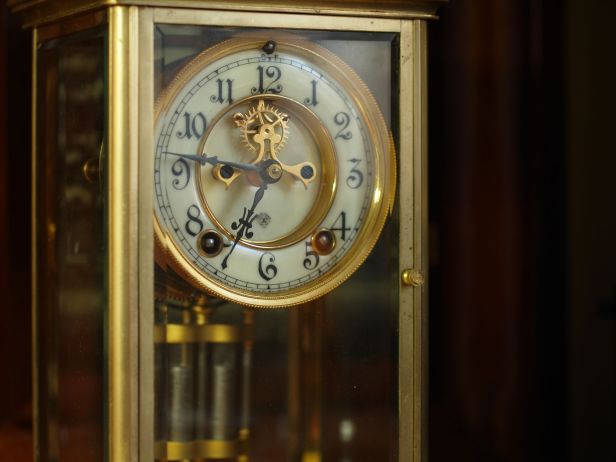


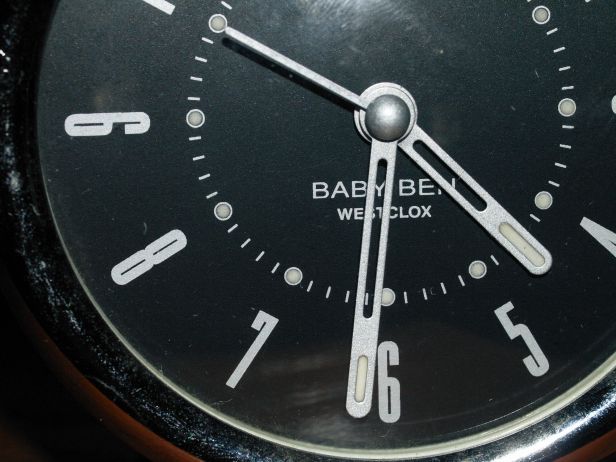
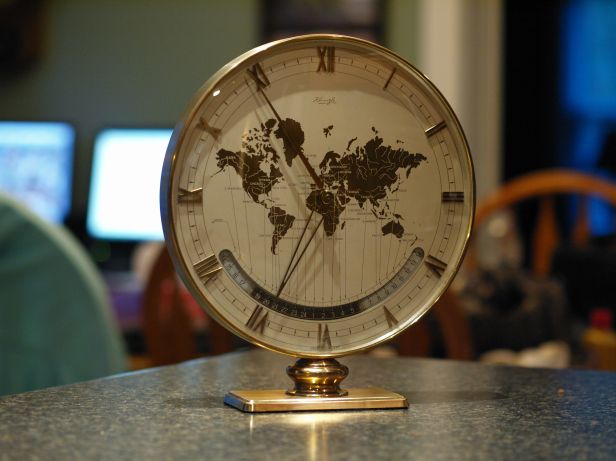


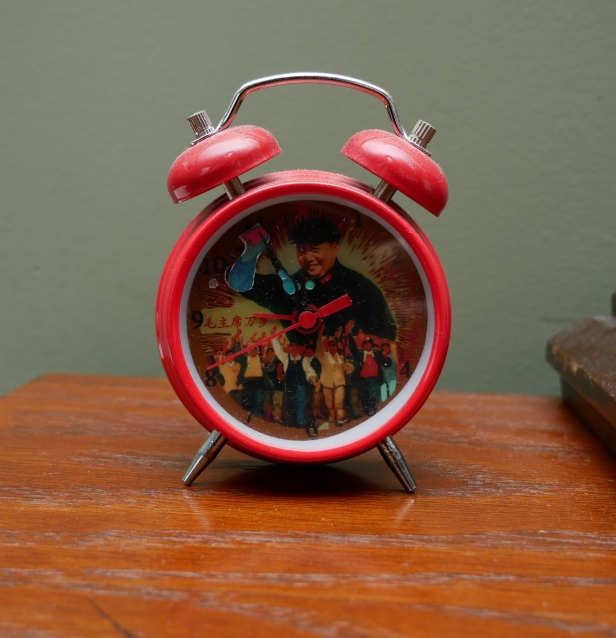



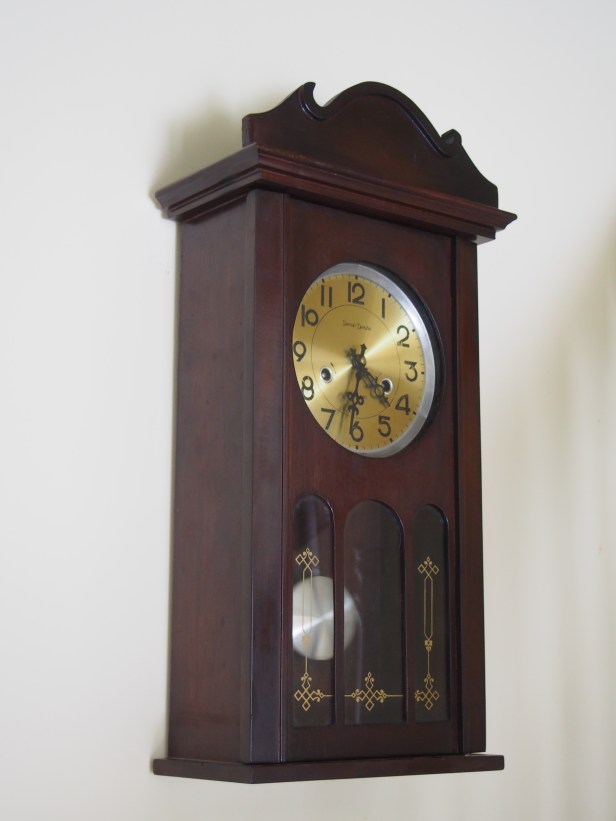
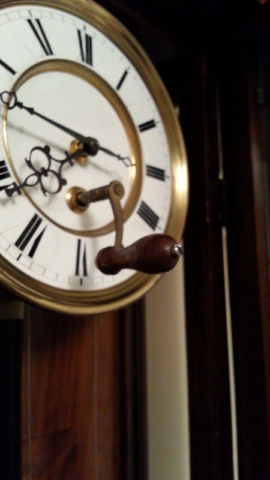
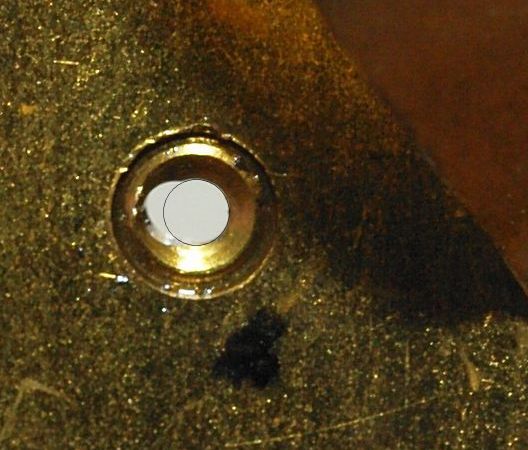
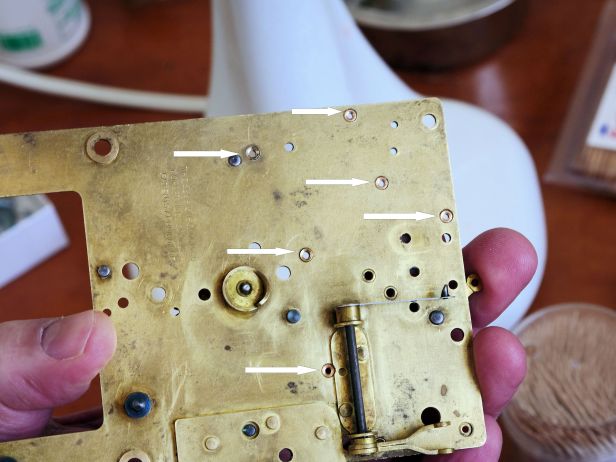
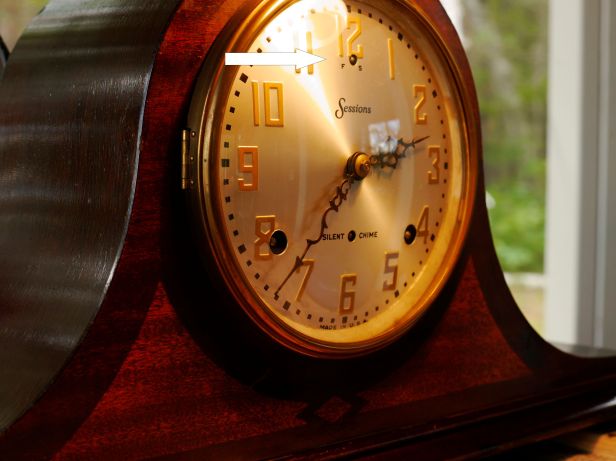

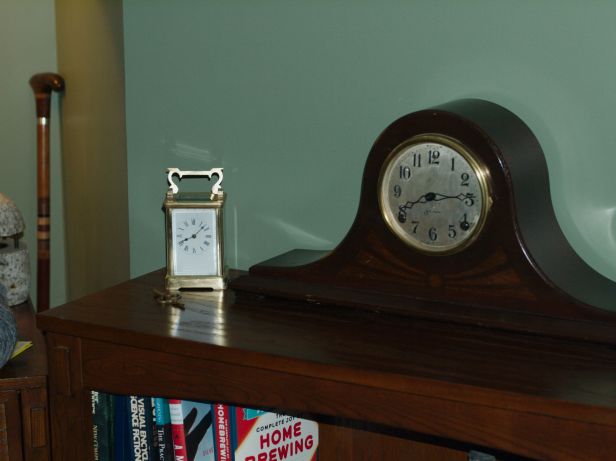
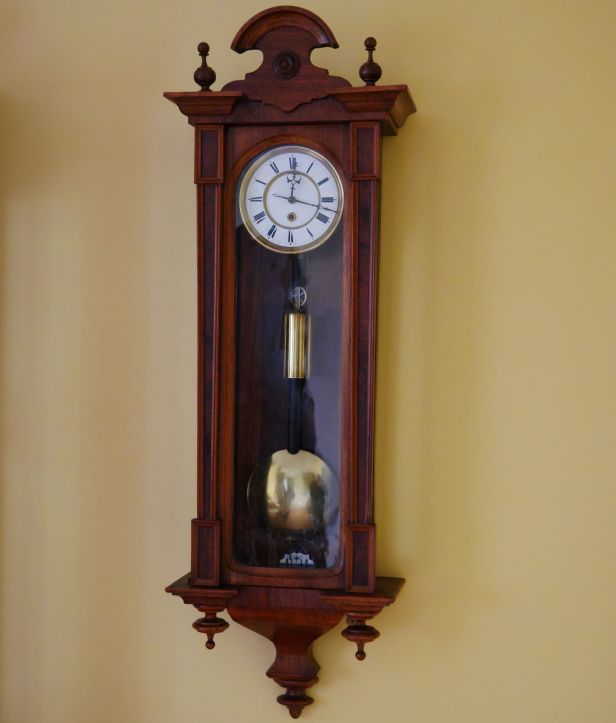
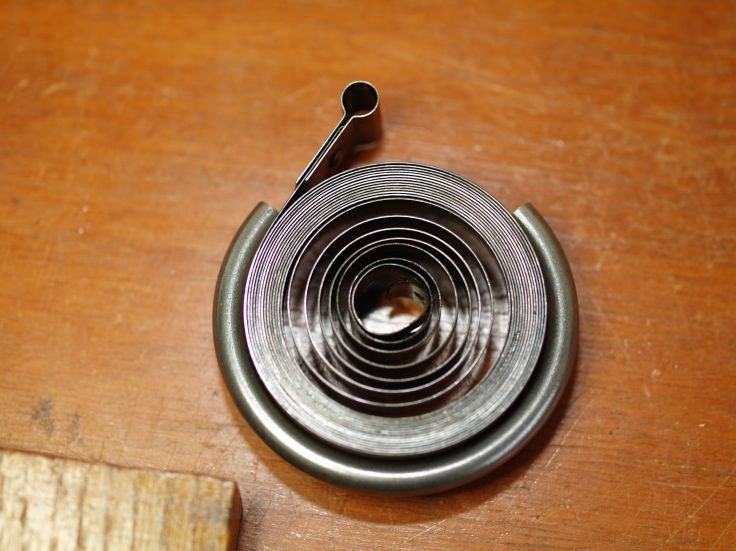
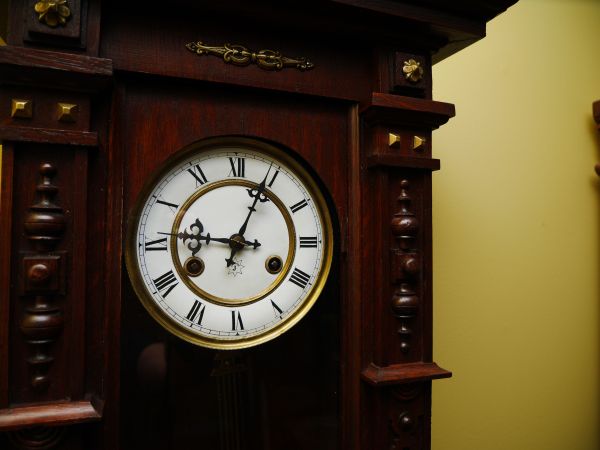



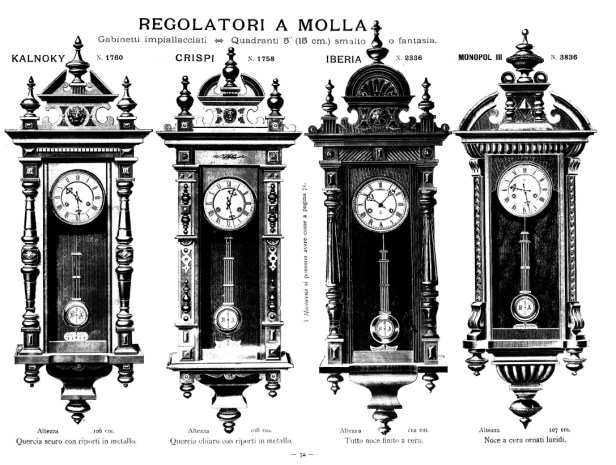

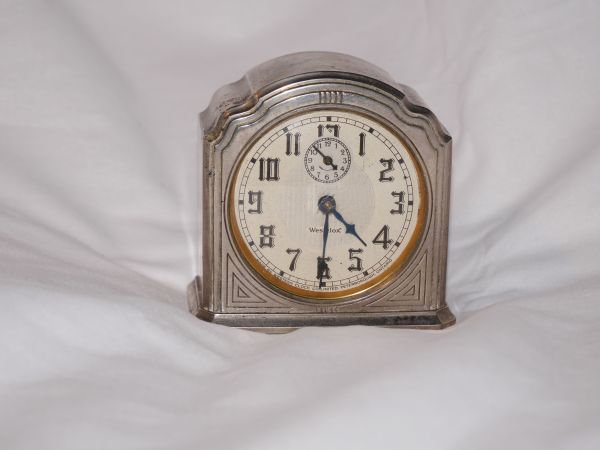



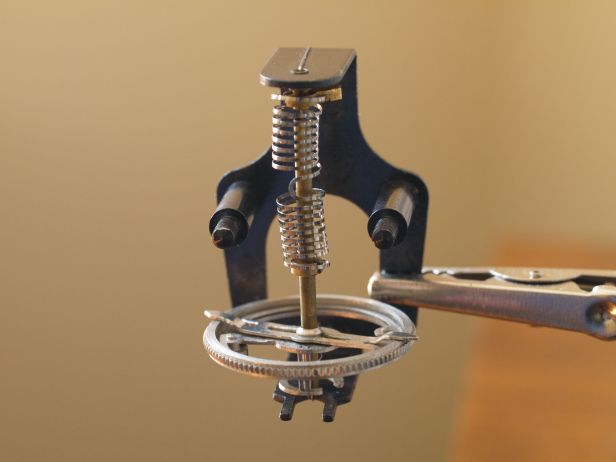
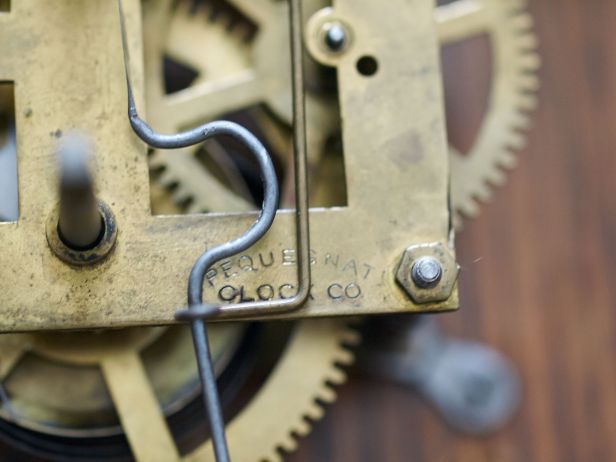
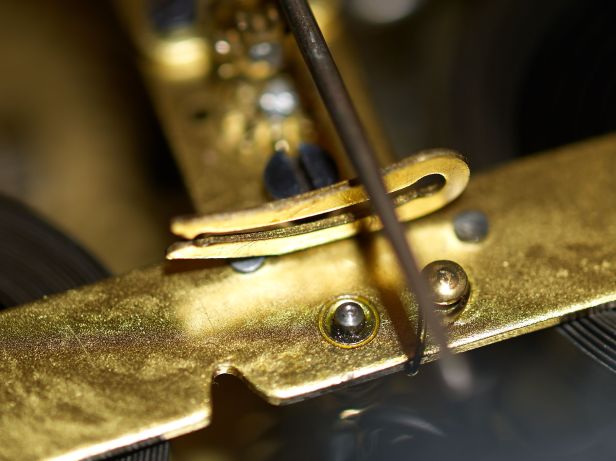
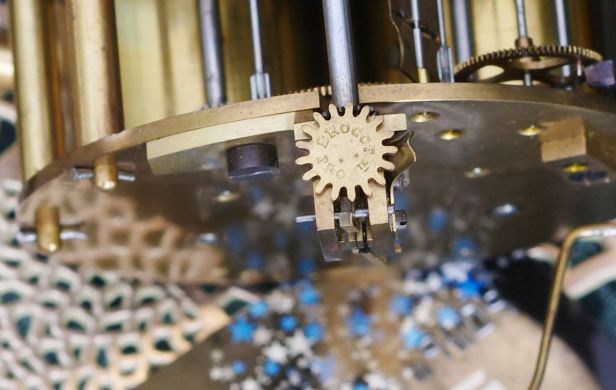
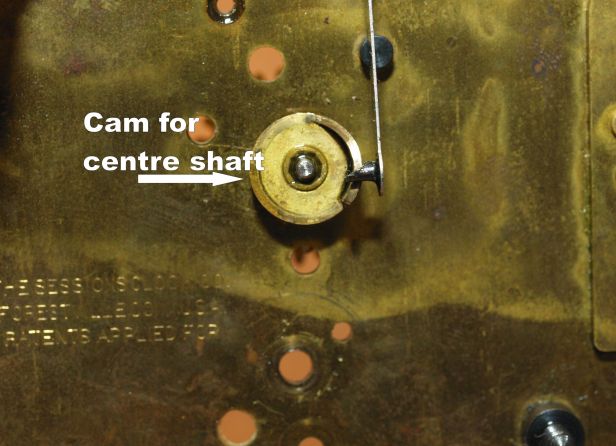
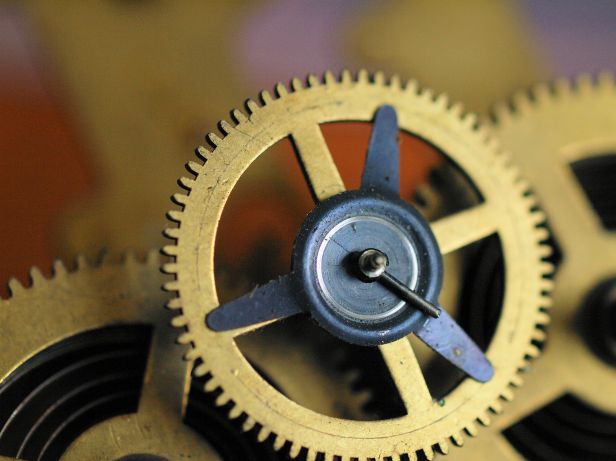
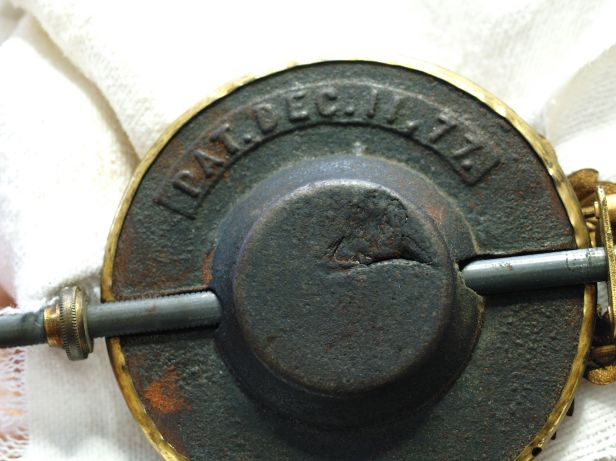
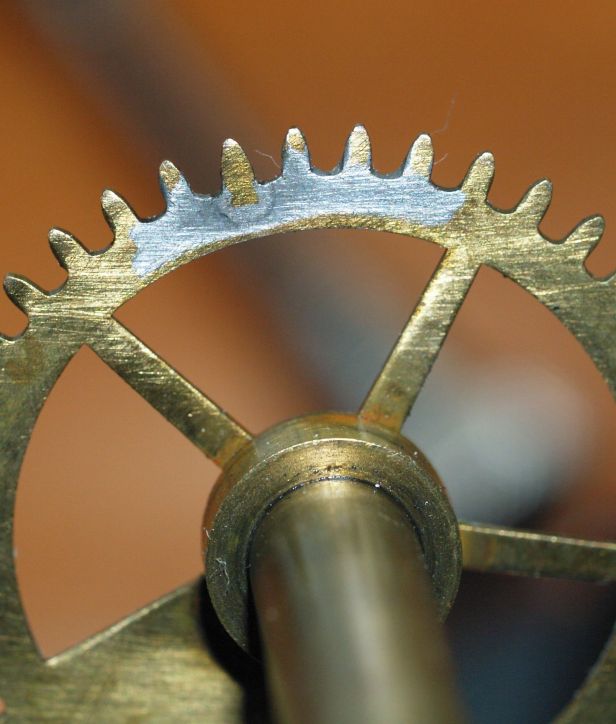
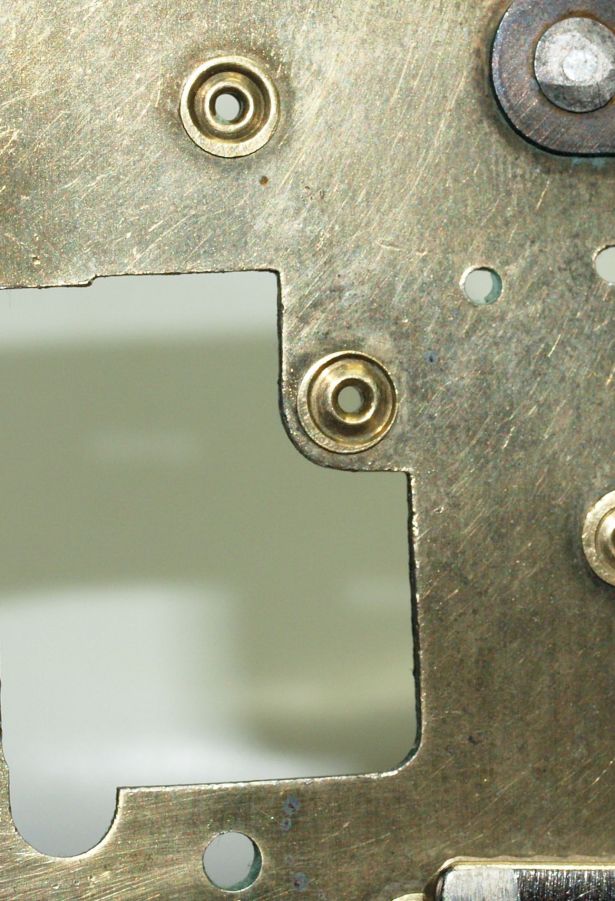

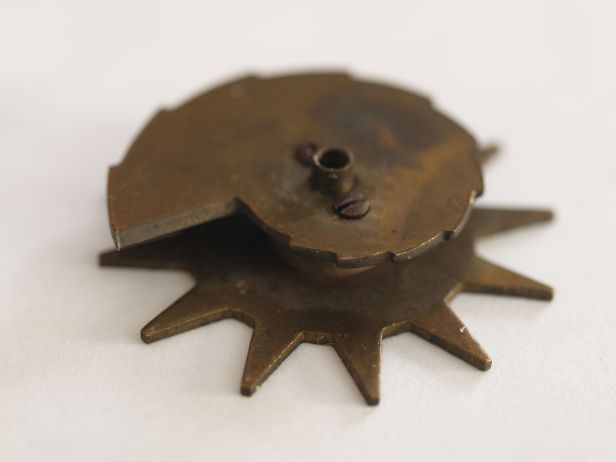
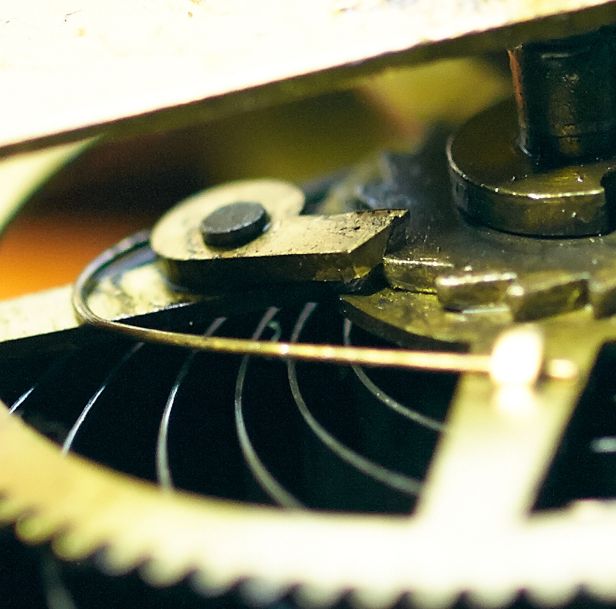



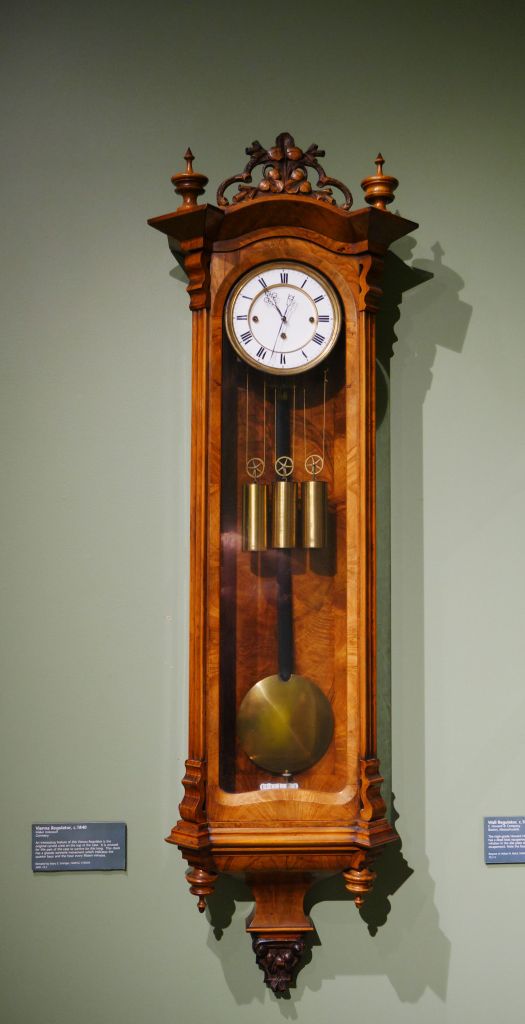
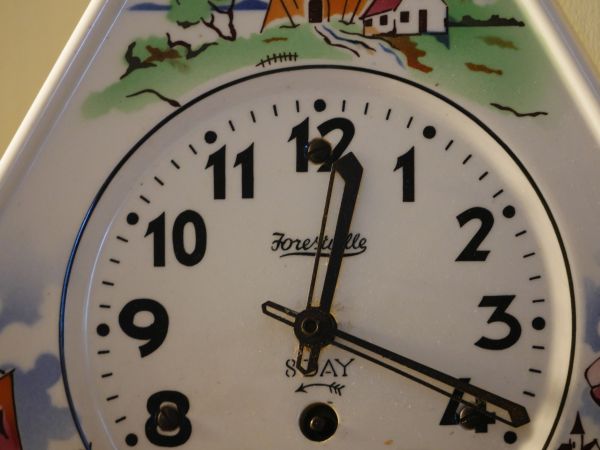
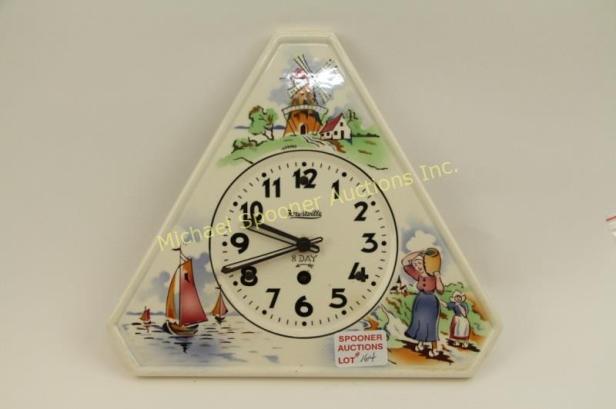



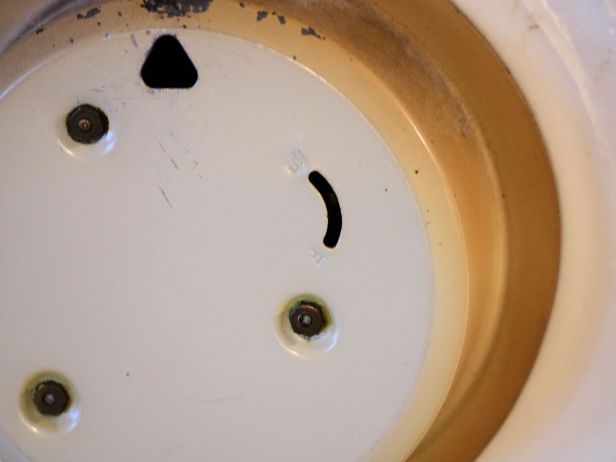
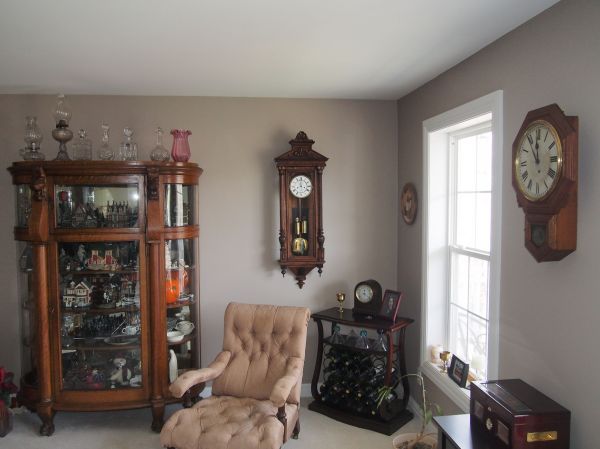

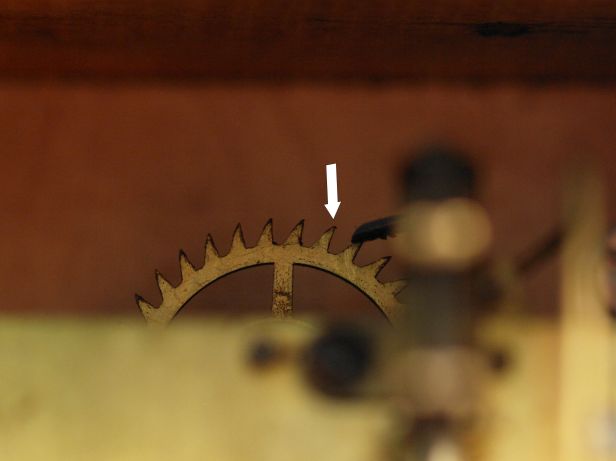
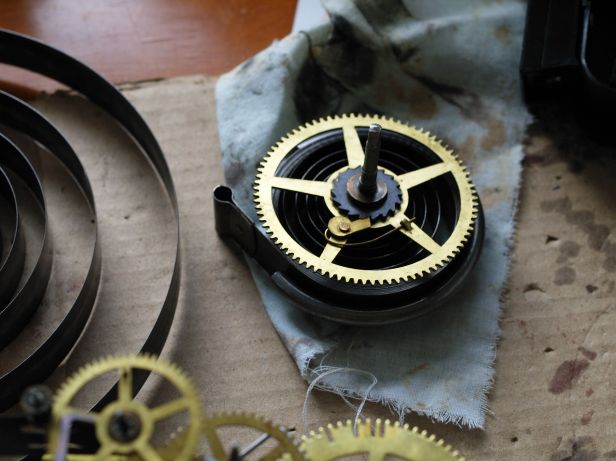
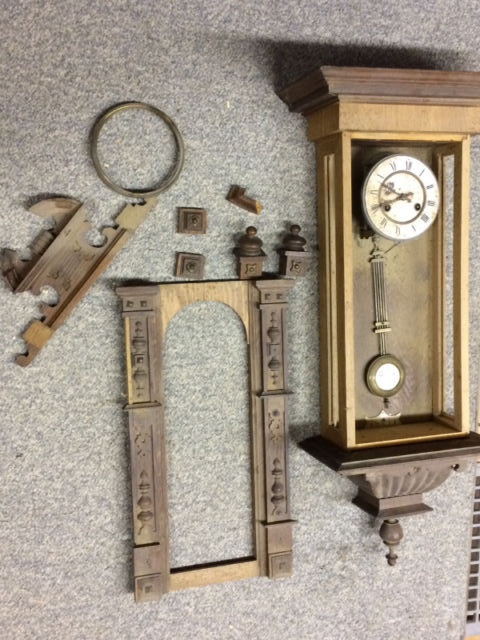
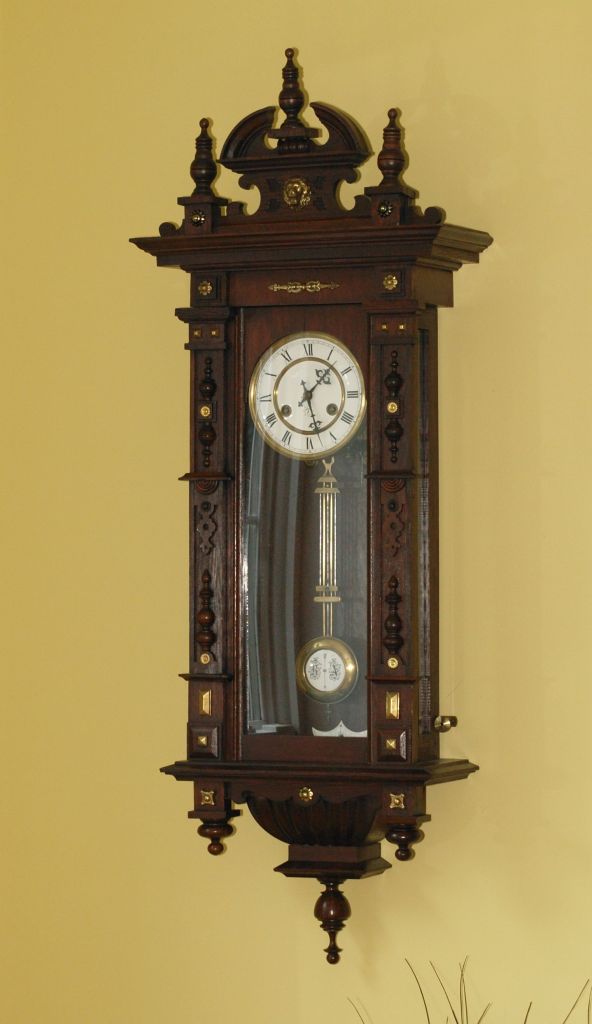
 Antique and Vintage Mechanical Clocks
You must be logged in to post a comment.