One more shot is what it deserves. It had been running fairly well since I serviced it three years ago it but in the last few weeks it has decided to run for about 5 minutes and stop and I think I know the reason why.
Ansonia Drop Extra wall clock
This Ansonia Extra Drop time-only Rosewood veneered wall clock was manufactured in the early 1880s by what was then known as the Ansonia Brass and Copper Company.
The brass dial bezel is the only significant part missing. Minor items such as the verge, hands, pendulum bob, suspension spring/rod, and the drop access door were easily sourced. I made the drop access door later on.
Here is an article I wrote in 2018 wherein I assess the case and movement for the first time. At the time I was challenged by the prospect of putting a rusty old movement back in running condition and giving it a new life.
It was in poor condition when I bought since it literally came out of a barn and it is just pure luck that it runs at all.
The symptoms? If wound halfway it would run 3-4 days and stop. If wound tight it would not run at all because surface rust and other contaminants caused the coils to bind together. This is very typical of old clocks that have not been running for years. A movement that is “overwound” is a myth. It is the combination of old oil, rust and dirt that seizes the mainspring.
Rusty mainsprings
For some clockmakers any rust on a mainspring means that is it tossed it out because the mainspring is inherently weaker. This particular mainspring has surface rust on the outer two coils and rust on the edges of the spring. Otherwise, it has no cracks or splits and has plenty of power.
Yes, it was seized
Generally, to remove rust, repairers often apply a liquid gel, black tea, or even use electrolytic rust removal.
If I were in the business of clock repair, I would certainly replace the mainspring and pass the cost on to the customer. However, the original mainspring is part of the history of the clock and I don’t think the amount of rust is enough to prevent me from reusing as long as it is cleaned properly. As far as I am concerned, replacing a mainspring is the last resort.
Servicing yet again
Now that I have it apart why not throw the parts into the ultrasonic for a good cleaning. After everything was dry I inspected the parts, polished the pivots, and pegged the pivot holes.
I released the mainspring but this is how it came out of the case
I gave special attention to the mainspring. After inspecting it (yet again) I used a Brillo pad, steel wool and a microfiber cloth to eliminate the roughness as much as possible.
Ansonia mainspring cleaned up and ready for installation
Following the cleaning I applied a thin film of Keystone mainspring oil. I then reassembled the movement and oiled it prior to placing it on the test stand.
Ansonia movement on the test stand
While on the stand I gave the mainspring a few turns, put the movement in beat and it ran well for a couple of days which is what I expected.
On day 4, it was time for the ultimate test, to wind it fully till it winds no further. I was hoping for a good result and it ran the full 8-day cycle. The mainspring just might be “clean” enough that it will now run without stopping.
I will monitor the results of this little experiment for a while longer but for now things very good.
Eight years ago I acquired my first Arthur Pequegnat clock. In the years following, I have added to my collection and now have a total of 8. Although my collection of Pequegnat clocks is very modest by comparison to a dedicated Pequegant collector it is a good start and I would certainly like to add to that number in the future.
The Arthur Pequegnat Clock Company (1904–1941) is notable as the longest-lasting Canadian-based clock manufacturer. They made a wide variety of different styled clocks from 1904 through to 1941 from shelf and mantel clocks to wall clocks and floor models.
Nickle-plated steel or brass plates
Unfortunately, it is very difficult to date a Pequegnat clock, except for what is termed pre and post-Berlin, the location of the company’s manufacturing plant. Clocks made before 1917 were inscribed “Berlin, Canada” on the dial face. Kitchener, Ontario was known as Berlin prior to and during the first World War. It was the town of Berlin from 1854 until 1912 then the City of Berlin from 1912 until 1916.
Because the name Berlin was associated with the war against Germany the town fathers decided the name Kitchener was less offensive and the change was made midway through the First World War. Kitchener is the present seat of the Regional Municipality of Waterloo, Ontario, Canada.
Most Arthur Pequegant clock movements are stamped with the company name but there are no date marks on movements indicating when it was made. Clocks made after the First War wore the company name plus Canada under the number 6 on the dial face. For example, clocks such at the Canadian Time were made from 1904 to 1941 and are separated in age by the Berlin label consequently, my Canadian Time wall clock with the Canada label could be as old as 104 or as “new” as 80 years old.
One distinctive feature on many movements is the use of nickel plating for both brass and steel plates.
Arthur Pequegnat Company name
Many models continued in production right up to 1941. By 1941, the demands of World War II armament makers for brass, the essential ingredient in clock movements as well as the growing popularity of the electric clock, forced the Arthur Pequegnat company to cease production.
And now, beginning with the first clock acquired in 2013.
The Canadian Time
My first Pequegant, purchased in September 2013 hung in the Intercolonial Rail Station waiting room in Pictou, Nova Scotia.
Canadian Time
The seller arranged the purchase of the clock just prior to the station’s decommissioning in 1993. It is in very good condition, missing its door clasp but otherwise intact. There are a few scratches and nicks consistent with its age but nothing objectionable.
The Brandon (2nd edititon)
I found this clock in an antique shop just outside Truro, Nova Scotia in 2014.
Arthur Pequegant Brandon II
The case is in excellent condition but the movement was quite worn. Had I known more about servicing clocks at the time of purchase I would not have sent it to a clock repair specialist. It is one of two in my Pequegant collection serviced by someone other than myself. This is the Brandon II. The Brandon 1, the first edition, was made prior to 1918, and had an ornate pressed wood bezel. This one is simpler in design.
The Maple Leaf “Fan-top”
Next came my first Maple Leaf kitchen clock, known for its unique lower tablet of scattered maple leaves and a distinctive maple leaf pendulum.
Arthur Pequegnat Maple Leaf kitchen clock
This clock, bought in 2015, was also serviced by a clock professional. The case was in very poor condition. Stripping a case is an absolute last resort as far as I’m concerned but the finish on this clock was pretty bad. I could not leave it as it was.
The finish on a Pequegnat fan-top clock
To Pequegnat collectors, it is known as the fan-top.
The Simcoe
Three years later, the Simcoe followed me home. It was bought at an antique shop in Victoria, British Columbia in 2018.
Arthur Pequegnat Simcoe mantel clock
It is not particularly attractive. It is the only mantel clock in my Pequegnat collection and it is from the “Berlin” period.
The Bedford
2018 was a good year because I acquired 4 Pequegnat clocks. This was number two of that year.
Bedford shelf clock
This clock was gifted to me by a reader. He asked if I wanted the clock but I had to pick it up in Quebec which was on our way to a summer cottage in central Canada. The movement was in very good condition but the case was damaged having taken a plunge off a high shelf.
The movement was serviced without issue but the case required extensive intervention.
The third purchase that year and the fifth in my collection is the Maple Leaf Pointed Top
The Maple Leaf “Pointed Top”
There are 4 Maple Leaf clocks made by Pequegnat. Any version of the Maple Leaf is sought after by Canadian collectors but this one has distinctive pointed side columns, hence the nickname.
Arthur Pequegnat Maple Leaf Pointed Top
Although termed a kitchen clock it could easily have been placed in a living room or parlour.
The Moncton
The last 2018 acquisition was a clock that I had in the back of my mind for quite some time and I was waiting for the right price. This is an excellent copy that is very presentable and looks great on our kitchen wall.
Arthur Pequegnat Moncton
It is a post-Berlin double spring time-only 15-day clock. Many were used in rail stations despite the fact that they were spring-driven. Weight-driven clocks were preferred for their accuracy but the Moncton was up to the task as a timekeeper.
And the last.
The Canuck
This is the only true Pequegant “gingerbread” clock in my view.
Canuck kitchen clock
The case was refreshed and the dial was redone. The movement was also serviced without issue.
Cleaned up more presentable
These are all keepers. Most Pequegants have kept their value over the years and in Canada, they are regarded as quality clocks for the masses. They were well built, well-designed movements with a distinctive Canadian charm as many were named after cities in Canada.
I want to share my experiences dealing with clock suppliers and let me begin by saying that my experiences have been largely positive.
I have been repairing and restoring clocks for the past 10 years and since I live in Canada I generally deal with one mechanical clock parts supplier out of Toronto, Ontario, Perrin. They are excellent for most of my needs, but they do not have everything and from time to time I must locate special or unique parts through other suppliers such as Merritts, Timesavers, and Ronell from the USA and Meadows and Passmorein England.
For example, I recently completed the restoration of an Ingraham Grecian shelf clock, circa 1871, and it required a new set of hands. The hour hand that came with the clock was too short and the minute hand was the incorrect style. My goal in this case is a clock that is as authentic looking as possible and incorrect hands always takes away from a clocks appearance.
My Canadian supplier did not have the correct hands and eventually my search brought me to an out-of-country supplier, Timesavers.
Ingraham Grecian Harris and Sons auction photo
Ingraham Grecian with correct sized moon hands
Had I ordered just a set of hands the shipping cost would have been substantial.
In order to justify the purchase I added additional parts; 2 smoothing broaches, a Seth Thomas #2maintaining spring, brass weight cable, a riffler set, and a bob wire set. The total came to $36US. The shipping and processing fee is $24US. Factoring in the rate of exchange the order cost me $82CDN.
If my Canadian supplier had everything I needed the cost would have been $20 less. It was not a significant difference in this case but it was worth it to find the correct hands.
What are the costs?
The sourcing of parts from various suppliers especially outside Canada can be expensive when administrative costs, shipping fees, exchange rates and import duty are included.
Some suppliers, however, require a minimum order. Others apply a credit card fee for international transactions, still others apply a processing fee and occasionally there is import duty. In almost every case the cost is higher and in some cases, it may not be worth it.
There are a number of choices for shipping but the cheapest method is not always “cheap”. Ground shipping in Canada is fairly inexpensive. Many out-of-country suppliers ship by air and the cost can be significantly higher.
That little $2.99 part can easily cost $20 or more after all costs.
Parts Availability
Seth Thomas Regulator #2
Not every supplier is going to have what you want. There are similarities from one supplier to another but there are also differences. For example, one is likely to find brass carriage clock feet from an English supplier because bracket and carriage clocks are much more common in that part of the world. English suppliers will also carry more tall case, and carriage clock parts and obviously, American suppliers will have many parts for clocks made in the USA.
The upside is that by knowing the various suppliers and their inventories I am able to satisfy most of my clock parts needs. If I only need one part I will always add additional items to justify the shipping and other costs.
My strategy for sourcing parts
If I were in the clock business and required one part, I would pass all costs on to the customer. I do not run a repair service and can afford to put a project aside if it needs parts and wait till I can justify an order.
I build a list of parts using an Excel spreadsheet, and when I feel there is enough to justify an order I pull the trigger. I can afford to wait.
As far as prices are concerned, companies such as Timesavers in the US have locked in their prices till 2022 while prices for some items at Perrin, a Canadian supplier, have increased marginally in the past year. Still, I buy Canadian when I can.
When ordering, if there is an offer of a free parts catalogue I always ask for one.
I also take advantage of every opportunity when I find pendulums, clock keys and other sundry items in flea markets and antique shops and snap them up, IF the price is less than I would buy from a supplier.
Clock parts are not cheap. If you are looking at clockmaking as a hobby factor in the cost of basic and more advanced tools but know that consumables can cost much more in the long run.
From my experience, most suppliers are excellent to deal with are and the service is speedy and professional. Just be mindful of all those other fees. It can really add up!
Perhaps recognizable as one of the most common regulator clocks in America, the Seth Thomas Regulator #2 was found in many railway stations, offices. libraries and other public places across America during the last century, a testament to its accuracy and dependability. It is a robust, accurate, well-engineered, and dependable timepiece that was made by Seth Thomas from 1860 to 1950, a run of 90 remarkable years. Few clocks can claim that kind of longevity.
It is an iconic American clock and every serious clock collector wants one.
Seth Thomas Regulator #2
This particular clock was made between 1922 and 1929 and has a base reminiscent of the earlier 1860 version of the #2. It has Arabic numbers with spade hands. The bow-tie between the wood dial bezel and the drop is one piece while earlier versions had a 3-piece “bow-tie”. It has a seconds hand 2 inches above the center cannon. However, it is not a true seconds hand and runs off the escapement taking 80 beats to complete the “minute”. All but the earliest #2s had the pendulum mounted in the rear.
It is 36 ½ inches tall and veneered in mahogany. It has 77A stamped on the bottom right of the movement with the letter “K” underneath and has a small ST stamp near the middle of the front plate. Some versions of the 77 have lantern pinions while this has cut or leaf pinions.
Seth Thomas Regulator #2
It has stopped – it needs a cleaning and perhaps a bushing or two
Lately, the clock has been stopping intermittently. I would nudge the clock along and it would run 5-10 minutes at a time and stop. I replaced the suspension spring and all seemed good as the clock ran for a couple of weeks. I thought I had addressed the issue but it began to stop again!
I bought the clock three years ago. It was oiled shortly after I received it but it has not been serviced and now it is telling me that servicing is long overdue.
Seth Thomas #2 suspension spring, old on left
The movement is relatively simple in that it has 4 wheels. I disassembled the movement, pegged the pivot holes, and re-assembled it. There is wear but I have seen far worse in clocks that continue to run well. However, It appears that this movement does not tolerate wear.
Very disturbing are the aggressive, deep punch marks around most of the pivot holes. Punching around pivot holes to close them might have been an acceptable practice many years ago, but not today. The repair is crude and unprofessional.
Seth Thomas #2, aggressive punch marks around all four wheels on the backplate
The leaf pinions are in very good condition, wheel teeth look good and the verge has minimal wear.
Servicing the movement
In total up to 6 bushings are required.
I also discovered a slightly bent third-wheel arbour that did not take much effort to straighten.
Seth Thomas #2, very simple with just 4 wheels
Despite its apparent simplicity the parts are made to close tolerances and any wear has the potential to stop the clock. I don’t think this is a good movement for the novice clock repairer.
I installed three bushings on the backplate; the second, third wheels, and the escape wheel, and two on the front; third wheel, the escape wheel, and the verge pivot hole front plate.
Seth Thomas #2, minus the motion works
The movement is clean, shiny, and mounted in the case for testing and minus the motion works gears.
Seth Thomas #2, test phase; the second hand is on to give me a quick visual as I pass by the clock
Despite the fact that I have 4 movement test stands, none are appropriate for this movement because of the iron bracket onto which the movement and pendulum are mounted. I suppose I could probably adapt something. For now, into the case it goes for testing.
After three weeks the clock is running very well.
Seth Thomas #2
While the movement was out of the case I replaced both the maintaining power spring and the old cable with 3/64 inch brass weight cable. The brass cable has one feature I really like, a nylon core that prevents it from coiling. I also gave the pendulum bob and weight a polishing.
Cleaning and bushing work put the clock right. After the wear issues were addressed the clock not only runs better but polishing the brass improves its appearance.
Tick-Talk Tuesday is about the letters and comments I have received from you, the reader, concerning your clock, issues you might have had, challenges you face or a clock you would like me to profile or my responses to your questions with advice on your particular clock concern. For those comments and questions that stump even me, I consult within my clock circles for the best possible answer
MM writes, “Attached are photos of a clock my mom has. She is downsizing and does not have room for this clock. The key is there and the best I can tell the clock works and chimes. Nobody in the family has an interest. Can you suggest what she can do with this clock.
Jauch wall clock
Jauch, the maker of your clocks, was a German clock manufacturer that made fine German clocks for the masses. Other German makers made higher end clocks but many people bought Jauch clocks for their homes because the price fit within their budget. Jauch sold popular styles of clocks over a number of years but finally folded in the mid 1970s.
Westminster chime clocks can be easily sold online. I would suggest Facebook Marketplace where she could sell locally and would be able to get something in the $125 range.
She could also gift it to a friend or acquaintance.”
Dial showing three winding arbours, a chiming clock
MM evidently reconsidered and decided to keep the clock. MM replied “I’ve decided to keep the clock myself. Are there any precautions needed before movement. Do I have to secure or remove the pendulum, etc.?”
My reply, “Unhook the pendulum. You may want to wrap the pendulum in paper or tissue and place it back in the case unhooked for transport. Make sure the key is inside the case and ensure the door clasp is secure.”
“Thank you for all your help”, MM replied.
Authors’ note
It is a shame that many fine clocks are thrown away or discarded in some fashion. The generation of folks who cherished old clocks are dying off and the newer generation either sees them as irrelevant or they don’t fit the decor. People are now living longer and pass off their possessions to “children” who are already retired and have enough “stuff” of their own.
Family heirlooms are lost forever.
Clocks are the mechanical wonders of a lost era. How many machines do you know work perfectly after 100 years?
It should have been an easy fix but often when working with clock movements unexpected issues occasionally crop up.
The clock was purchased in the fall of 2018. This Seth Thomas #2 Regulator has had little done to it except oiling the movement and cleaning up the case. It is one of the most accurate mechanical clocks in my collection which is no surprise since these clocks were originally designed for offices and railways.
According to an online database, the lower section of the case was redesigned in 1922. This allows me to date the clock somewhere between 1922 and 1929. 77 weight-driven movements are very common. They were made sometime after 1915 and well into the 1940s. Perhaps the letter “K” under the 77A stamp on the movement is a clue as to exactly when it was manufactured.
It has a very attractive mahogany finish and it is a real conversation piece. There are probably more oak regulators than any other type of wood, so, mahogany, although not rare, is uncommon.
Seth Thomas Regulator #2
The suspension spring
A suspension spring is a thin band of steel called a “spring” by horologists by which the pendulum of a clock is suspended. It separates the pendulum rod and bob from the mounting post. Its purpose is to assist in controlling the rate of the pendulum swing.
The suspension spring looked tired when I first inspected the clock in 2018 and it was time for a replacement, sourced from my go-to Canadian supplier, Perrins.
Seth Thomas Regulator #2 base design
What should have taken minutes stretched to an hour or more
Seth Thomas Regulator #2 (77A (K)), the iron bracket is just behind the movement
Removing the movement prior to replacing the spring
Removing the movement consists of first removing the hands. A screw secures the minute hand while the hour hand is a friction fit and pulls straight out. The second hand also pulls off. Eight screws hold the face in place; 6 outside the chapter ring and two on either side of the second hand. Once the face is removed there is a wood crossbar, held by two larger screws in front of and either side of the movement, that must be removed.
Then the weight, which is hooked onto the pulley, is removed. There are 4 posts on the front of the movement, inboard on the bottom and above the plate screws on the top. They do not come out entirely but once unscrewed, the movement is released from an iron mounting bracket.
Next, the pendulum/rod which is hooked onto the suspension spring on the bracket is lifted out and put aside.
The movement is mounted on a heavy cast iron bracket
Replacing the suspension spring
Once the bracket was exposed I thought it would be a simple matter of swapping out the old suspension spring for the new one. If it was not original, it is, nevertheless, quite old and likely weak with age. It probably can be done in place but it is much easier simply removing the cast iron mounting bracket which is held in place by 4 wood screws.
Seth Thomas #2 suspension spring, old on left, new on right
Laying the bracket out flat simplifies pushing out the pin holding the suspension spring.
Movement bracket for Seth Thomas #2
I have come to learn that replacement parts from a supplier often must be made to fit and the suspension spring I bought is no exception. Using a pair of pliers, the pin was pushed out of the block. Once out I reamed the hole so that I did not have to struggle to install it. Except that the new pin did not fit the smaller hole in the post. So, rather than use the old pin a tapered brass pin replaced it.
Re-installation and testing
The bracket is then screwed back into the case with the suspension spring in place. The pendulum attaches to the end of the horizontal pins of the suspension spring but it is important to ensure that the end of the crutch wire, which has a 90-degree bend and hangs down from the movement goes through the opening in the pendulum.
The movement, face, and hands go back onto the clock. Push the hour hand in far enough, otherwise, it will rub against the minute hand and stop the clock.
There is very little space between the hour hand and the second’s hand. This is by design, and if you do not push the second’s hand in far enough you will know soon enough when interference stops the clock.
Level the clock case on the wall and observe the action of the pendulum.
What should have taken minutes stretched to over an hour. Now that the new suspension spring is in place, I have had a chance to look over the movement and it will be scheduled for a full servicing in the next month or so.
In the meantime, the clock is running well; there is slightly more amplitude in the pendulum swing than previously and it is keeping excellent time.
The past year will be remembered for many years. It was a very trying time for many of us but in the midst of the pandemic, there are positives. It was a time of reflection and a time that reminded folks of a past when life was simpler. More and more people have become interested in hobbies and perhaps collecting antiques in general or antique clocks in particular.
Seth Thomas adamantine mantel clock, C.1909
Perhaps you received a clock as a gift, inherited one, picked one up at an antique store, found a clock online that needs work or discovered that very rare clock that requires a little TLC to run perfectly and you want to have it running just like the good old days.
Junghans Sydney bracket clock C.1911
Two options
Basically, you have two options.
Try to fix the clock yourself, or,
Find someone to put the clock in working order.
Even if you bought a working clock, eventually it will stop running and it will require cleaning at the very least or major repairs if it is very worn.
You might attempt to fix a non-working clock yourself. With basic tools, you might get lucky with the repair of simple, cheap movements but eventually, you will require a professional. Working on clocks requires a certain skill set and plenty of patience. It takes years to attain a level of expertise not to mention the specialized equipment required to work on the mechanisms. For any high-quality or rare clock, you may not trust yourself to work on it yourself and will need a reputable clock repair person to make it right.
McLachlan tall case clock, C.1848
It may come as no surprise that there are not as many people involved in the clock repair business today as there were years ago. Clockmakers are a dying occupation. Clock repair businesses are closing when owners retire as there are not enough young people to carry on the tradition. Plus, in the digital age do analogue clocks make sense!
Kienzle World Time clock, C.1951
With so few skilled professionals left, finding a person to repair your clock requires time, effort, and research. At one time in my home province of Nova Scotia, there were a dozen repair shops operating in or near every major town. Today there are two reputable repair shops left and both are hours away from where I live. They perform excellent work but they are expensive, and why not, they provide an exclusive service.
Reputable clock repair shops have repair persons who have the necessary credentials to work on a wide variety of clocks. However, some repair shops have questionable work practices. How would you know? The Better Business Bureau is a good source to determine whether or not a business is in good standing. If a business is in good standing and has no complaints it is considered reputable according to BBB standards.
Local jewellers might advertise mechanical clock repair but very few have a certified repair person on site.
The National Association of Watch and Clock Collectors, or NAWCC, has over 175 chapters, mostly in the United States, that are devoted to the repair and restoration of clocks. Members of this organization range from interested beginners to dedicated horologists. Consumers and interested collectors can receive answers to many clock questions with a free registration on the NAWCC Forum site. Guidance and direction can be provided to those seeking a repair person in their local area.
Ingraham Huron shelf clock, C.1879
Those looking for a clock specialist in the UK should look for those individuals who have a membership in the Antiquarian Horological Society or AHS.
Contacting either of the above organizations or reading their publications will narrow down your choice of a clock repair specialist.
And finally, word of mouth. Connect with someone you know who works on clocks and watches and they likely will tell you not only where you can have your clock repaired but who is reputable and if the repair cost is reasonable.
Once you find that special clock person to repair your clock you can rest assured that it will be given the love and attention it deserves and take comfort in the fact that someone is available to look after your mechanical antique or vintage clock needs.
A Chinese-made vintage Daniel Dakota time and strike 31-day wall clock purchase will not set you back a lot of money. These clocks are everywhere and they were made in the many thousands. I would bet that 99% of them have never seen the inside of a clock repair shop. They have cheap movements which seem to defy death, they last forever or end up unceremoniously thrown in the trash bin.
Daniel Dakota wall clock
The clock, which I bought in a junk shop some years ago, was gifted to a family member but it has been returned to me, not working; the boomerang effect. The family member has no desire to have it returned to them and I do not have a problem with that. Instead, I gifted them a much more refined German Schatz chiming bracket clock.
Chinese-made clocks have a design lifespan of about 20-25 years. They were never intended to be passed down as family heirlooms
Schatz W3
On online for-sale sites, these things are ubiquitous. Sellers believe these vintage clocks are worth something judging by the silly asking prices on online for-sale sites. On any given day, you will find dozens on eBay ranging in price from $30 to $160 and they will find new homes for the unsuspecting. Most are quartz but there is the odd mechanical one.
This is a Chinese-made clock. Most Chinese (or Korean) clocks of the 1960s have inexpensively manufactured movements with thin plates, thin stamped wheels, plenty of clips and washers, long dangerous mainsprings, and have every component made with cost-saving in mind. During the 1960s and 70s, there was a strong demand for mechanical clocks and Chinese manufacturers stepped in to fill it. These are clocks made for the masses and were good sellers in their day but have a design lifespan of about 20-25 years. They are tough but were never intended to be passed down as family heirlooms.
The 31-day run times mean that the mainsprings are very powerful and if they let go they are sure to do some damage not only to the moving parts inside but to anyone handling them. It is one reason why many in the clock repair business stay away from them.
However, they are surprisingly strong runners and will provide service for years while quite worn. If they stop, the cost of repair is far more than they are worth. When they stop, quartz movements often replace mechanical movements or the clock is simply thrown out.
Daniel Dakota time and strike movement
If you have worked on an English or German time and strike movement most everything will be familiar to you in terms of wheel placement since the Chinese copied existing designs. Some components like the fly and the star wheel are designed differently but their function is the same, of course.
Daniel Dakota mainspring barrel where the barrel has decoupled from the wheel
What is very different are the dangerous twist-on mainspring barrels housing long, powerful mainsprings which are not fun to work on.
Daniel Dakota movement; look familiar?
Why service the movement
Not surprisingly, these clocks can easily be brought back to life if there are no serious issues.
During the course of disassembling a typical Daniel Dakota movement, if I discovered something seriously amiss such as broken teeth, seriously bent arbours/broken pivots or broken mainsprings, I would stop immediately. There is no point in expending time, energy and expense on a throw-away movement. There is no source of parts for these things and if the type of repair offsets its value, there is no point. If everything looks relatively good, servicing makes sense and the only cost would be time and perhaps a bushing or two.
Let’s look at this movement
This came to me as a non-working movement. The movement is very dirty, the plates are tarnished, but the wheels run relatively free, the gear teeth have little wear, the pivot holes look good, the mainsprings are strong and none of the components appear to be damaged.
A deeper dive revealed some interesting issues. Once I took the movement apart I discovered two key trouble spots, a bent escape wheel pivot, and a bent flywheel pivot. It is a wonder that it even ran but no surprise that it finally stopped.
Bent pivots can be repaired. All the lantern pinions are in excellent condition, with no worn wheel teeth and the mainsprings are strong. There were punch marks around several pivot holes, likely done while the movement was assembled.
Repairing a bent pivot and cleaning the movement
Care must be taken when addressing bent pivots. If the pivots break while attempting to straighten them there is not much point in going any further on a cheap clock unless practice in repivoting is the goal.
A lathe comes in handy but a portable electric drill will do. Place the wheel into the jaws and hand spin it to check the direction to bend it. Using a staking tool rather than a hammer means you can apply very little pressure, checking progress with each gentle bit of persuasion. It is soft steel and will take a little bending but don’t get carried away.
Daniel Dakota movement
Both the escape wheel and the fly pivots were straightened. All other pivots were inspected and everything looked good. Now on to cleaning the movement in the ultrasonic machine.
The parts were dried and cleaned but the ultrasonic machine did little to reduce the tarnish on the plates. The movement will function quite well without shiny plates, purely a matter of aesthetics.
Once the plates were cleaned and pegged out I could see very little wear. The only enlarged pivot hole is the second wheel time-side, backplate which is not surprising since there is a heavy load on this wheel from the mainspring. This required a 1.50mm bushing with an OD of 3.50mm.
Reassembly
Seeing no other bushings holes requiring remediation, the movement is re-assembled.
Once the bottom nuts for the barrels and second wheel and cannon wheel are put on and tightened, the time side wheels are secured and the corner nut is next. Once that section of the movement is in place, the strike side wheels are coaxed into position. This is where a pivot locator is your best friend. The pivots are thicker than those found on a typical German movement but can still be bent through rough handling.
Pivot locator
Last, are the levers, snail, rack, and hour wheel on the outside of the front plate.
Final thoughts
Was the exercise worth it? Of course! I have worked on dozens of similar (English, German) types of time and strike movements I always find something that adds to my learning. These movements are easy to work on, are surprisingly strong runners when in good order and presented no issues during servicing.
In total, it cost me my time plus one bushing. Would I send this off to a shop for repair? Of course not! Why pay $250 or more to repair a clock that is worth almost nothing on a good day but for sentimental reasons it may be important for some.
Why fix it? To sell it, of course! I’ve had it a few years and enjoyed it, a family member has had it for a while and enjoyed it and now it is time to pass it on.
Canadian made Arthur Pequegnat Simcoe mantel clock, circa 1916, $300 (in Canada)
There are many types and styles of clocks and dozens of manufacturers. If you are a collector you know exactly what you are looking for and have a good idea of its approximate value. If you are not an “expert”, selecting an antique clock can be a daunting task. But this article is not about helping you find that special clock. It is about the variables that affect clock prices in 2021.
Mantel clocks on display in a museum
Over the years I have learned the value of many antique and vintage clocks. When I come across an interesting clock on an online for sale site or in an antique store I have several questions in mind. Is there anything special about it? When was it made? Is it rare? Is it historically significant? Is the price too high or too low and why? How much work must I put into it if it clearly needs TLC and will the seller accept a lower price? That said, I am prepared to walk away at any point.
For example, E. Ingraham clocks are common and can be had for very little money but the more desirable Ingrahams of the 1860s and 70s are those that Elias Ingraham had a hand in designing. The Ingraham Grecian is an attractive example of a clock that was designed in a period of American clock manufacturing where dappearance and uniqueness mattered.
E. Ingraham Grecian shelf clock C. 1870
Condition is important. One look at the case will tell me how well it was cared for. In my experience, it is pretty rare to find a clock that has been professionally serviced and many where a previous owner applied their limited skills to get it running. However, if you have the skills to service the movement and are handy at restoration, there are certainly bargains to be found.
If acquiring antique and vintage clocks is something you enjoy but have no knowledge of clock repair, the cost of servicing must be factored into the price particularly if you want it to run reliably.
Let’s assume that you are looking for an authentic antique or vintage clock that has not been altered in any way save for minor cosmetic touch-ups. What factors influence the price you pay for a clock today?
Miniature one-weight Vienna regulator wall clock, unsigned, circa 1870, in the $400 range
Here is a list of factors I would consider in making your next purchase and why you would pay more for some clocks and less for others.
Variables that affect clock prices today
Wall clocks generally command higher prices than mantel clocks, the exceptions are Asian wall clocks and the like that have little value.
Most mantel clocks less than 100 years old have little value.
Clocks that come from a prominent collection that are well cared for and in excellent condition are more desirable.
Demand in your local area affects price; Canadian-made clocks are sought after in Canada whereas the same clocks are almost worthless in the US.
Weight-driven clocks are more desirable than spring-driven clocks. The exception is the modern weight-driven grandfather clock whose value has plummeted in recent years.
Condition is key, a clock in excellent condition is worth more than one in poor condition or with parts missing.
Running clocks are worth (generally) more than non-running clocks.
A recently serviced clock is worth more than one that has either not been serviced in a long time or never serviced.
The same clock may be worth more than others that are the same or similar if it has special provenance i.e. a well-documented tall case clock that came from Grover Cleveland’s home.
A clock with a replacement movement is termed a marriage by collectors. Marriages are worth far less than an authentic clock but acceptable by some collectors.
Any clock that has had its mechanical movement replaced with a quartz one is worthless.
One of the largest factors in a clock’s value is the manufacturer. Many from Sessions Clock Co. are rather ordinary and relatively inexpensive but some Seth Thomas Sonora Chime clocks, for example, have good value.
Age does not always equate to a higher price. A clock that is 170 years old is not necessarily worth more than one that is 50 years old.
Mechanism type; double and triple fusee clocks and pinwheel regulators are worth more than open-spring-driven mantel clocks or modern tall-case weight-driven clocks.
Some clockmakers are more desirable than others; generally speaking a German-made Winterhalder and Hofmeier mantel clock is worth more than a similar American-made Gilbert mantel clock. Assuming both are in the same condition, an unsigned four-glass French clock has a greater value than a branded American crystal regulator.
Scottish tall case clock, circa 1848 for under $300
The Law of Supply and demand and the 30-hour ogee
The law of supply and demand is the theory that explains the interaction between the sellers of a resource and the buyers for that same resource. Generally, as price increases, people are willing to supply more and demand less and vice versa when the price falls. At the end of the day, the clock market is very unpredictable. Clocks on eBay that go for $400 one month are $100 the next.
An interesting example is a 30-hour ogee clock. Prior to the popularity of online auction sites 30-hour ogee clocks (below) were commanding prices in the hundreds of dollars. Antique stores had them in the $250-400 range and when the internet came along supply increased and prices dropped.
George H. Clark 30 hour Ogee, circa 1860
I have paid low prices for some of my clocks but higher for what I call special clocks that are not necessarily rare but are made with some level of precision or unique in design.
Seth Thomas Regulator #2, circa 1925, $800-1000 range
Closing thoughts
In commercial transactions, the principle that the buyer purchases at his own risk in the absence of an express warranty is termed Caveat Emptor, or let the buyer beware. In the clock world, buyers have little or no recourse if those goods turn out to be defective, misrepresented, or broken. The best of luck trying to get your money back if you are a successful bidder on an online auction site and your package arrives in pieces.
Selecting and purchasing an authentic antique mechanical clock can be a daunting task but it can also be a very rewarding experience.
During the winter of 2017, I restored an antique Junghans Crispi time and strike wall clock, circa 1898.
It came to me as a box of parts. I sensed the seller fully intended to complete the project but never got around to it but at least he reconstructed the case. I saw a challenge in that collection of dusty and dirty parts.
Much of the clock is original; the movement, the pendulum, dial, hands, coil gong, and movement bracket, the bottom base and top section of the case, crown, backboard, vertical columns, and most of the decorative trim. I added glass, smaller trim features, upper finials, and their bases.
Replaced some 40 years ago is the box frame and the front section that supports the right and left columns. Parts of the clock were evidently destroyed beyond repair and the remainder salvaged for later restoration which was never completed.
How the clock came to me
While much of the “newer pieces” are hidden, the previous owner took care to replicate woodworking techniques of the period aside from the use of Roberston screws on the back panel.
That aside, the movement was very dirty and had not been running for many years. Perhaps it last worked just before the Halifax Explosion of 1917. The previous owner informed me that the clock was in the family home in north-end Halifax (Nova Scotia, Canada) and the clock took a significant hit from that fateful blast on December 6th.
Very dirty movement, right out of the case
After completing work on the case, I set about working on the movement. During the course of disassembling/reassembling the movement, I not only broke the strike paddle but a retention spring as well. Back then (2017), my skills were not advanced enough to repair it so I had it professionally serviced.
Junghans movement, broken strike paddle
Three months later I picked up the clock and hung it on my dining room wall. It ran perfectly for over two and a half years. Some months ago the strike became erratic. It would strike incorrectly, not at all, or incessantly till the mainspring ran down.
I had a number of other clock projects on the go so I kept the time side going and left it on the wall until December 2020.
Disassembly and Inspection
Once I took the movement apart I found a slightly bent strike side cam wheel arbor. There were no other bent pivots or worn pivot holes and everything else looked good. Back in 2017 during its stay in a clock shop it had had extensive bushing work done, 6 on the front plate and 6 on the rear plate. There was a small amount of dirty oil around the pivots and after 2 plus years that is to be expected.
During the course of manipulating the plates, I snapped the paddle arbor retention spring, again! This time I was able to repair it.
Junghans movement spring repair upper center, Threadlocker Red at the base of the spring
There was enough of the spring to reuse. The wire is thin (0.5mm), very brittle and it does not take much pressure to break it. Using a micro drill with a 0.5mm HHS bit I drilled out the existing hole in the plate, reinstalled the spring, and applied Threadlocker Red to bond the spring to the plate.
Electric micro drill
Re-assembly
I cleaned the parts in the ultrasonic, pegged the pivot holes, polished the pivots, and re-assembled the movement.
Junghans movement work ready for the rear plate
I took a couple of attempts to line up everything on the strike side; paddle in the deep slot, cam lever in the low part of the cam, and strike paddle aligned between the points on the star wheel while ensuring that the stop wheel pin was in the 12 o’clock (approximately) position. If you have worked on German count-wheel strike movements, all this should sound familiar.
One is tempted to bend a lever or two to correct the strike side behave but in my experience, unless someone has messed with a lever in the past, it is best to leave them alone.
Junghans movement on the test stand
And now for testing. After several days the movement is running well and the strike side is finally behaving itself. Since there is nothing amiss I will chalk this up to a strike side design that causes it to “wander” over time or that slightly bent cam wheel arbor. One or two cycles on the test stand should be sufficient before returning it to its case.
While it was on the test stand I decided to research this clock. I visited the Junghans archive catalogue site and discovered a few new-to-me details. The clock was available in the 1898 catalog as I suspected.
Four Junghans wall clocks in 1898 catalog; the Cripi second from left
The clock case is described as “old oak” with burnished brass trimmings. The Crispi, as it was called, was designated #1758 and was available with a white or ivory-colored celluloid dial or a white or ivory-colored 5 3/4 inch enamel dial (this clock). The length is forty and a third inches (103 cm) and it is a 14-day strike. Given the description of the length, in inches, the clock was likely marketed for the United Kingdom and Italy as you can see by the above catalog entry.
Overall, a successful servicing and if it “wanders” again, a simple disassembly, reassembly, and re-adjustment at some point in the future should put it right. Let’s hope that is more than two years away this time.
DBs friend’s clock is similar to this one, an Arthur Pequegnat Brandon (2nd edition)
Tick-Talk Tuesday is about the letters and comments I have received from you, the reader, concerning your clock, issues you might have had, challenges you face or a clock you would like me to profile or my responses to your questions with advice on your particular clock concern. For those comments and questions that stump even me, I consult within my clock circles for the best possible answer
DB wrtes,
“Good morning, I stumbled across your site this morning while looking around for parts for what I think is a Pequegnat Brandon. It belongs to a friend and is missing the pendulum bob and key, but she thinks it works otherwise. I found parts that seem to be appropriate, but I’d like to find originals (or close to it) if I could.
Any advice?”
Pendulum bob
My reply,
Hi DB,
Thanks for your email. There is no known source for original Pequegnat parts although you might get lucky on eBay when clocks are parted out. It must be as close to 4.3 oz. or 125 grams, 62mm or 2.5 inches as possible, and it must be adjustable. I don’t see anything at Perrins, a Canadian supplier and the closest I could find is this one at Timesavers in the US. This one at Ronell looks to be the same but cheaper.
Do you ever run into those situations working with clock movements when one little thing is so annoying? I recently serviced one of my box clocks, a Mauthe with a bim-bam strike. Everything went according to plan except for one small issue; the strike side was misbehaving. I’ll explain a little later but first something about the clock.
German “box” clock by Mauthe
Nowhere on this clock German “box” clock by Mauthe does it have the Mauthe trademark or name, not on the clock face or any markings on the movement. However, an excellent clue is the two-rod gong, which was made by Divina, a subsidiary of Mauthe.
Divina rod gong
The clock was likely sold under the Forestville or Solar name in department stores across Canada in the 1940s. There is an applique of a maple leaf on the crown so, I would like to think it was made for the Canadian market. These are very good movements, are designed for long life and the sound of the gong is impressive.
So, what’s the problem?
The movement was taken out, cleaned, and one bushing installed. The movement is in very good overall condition despite having last seen a servicing in 1979 according to a date scratched on the front plate.
Mauthe movement front plate
Putting these German movements back together is not that difficult but one always must be mindful of the small pivots and the risk of bending or breaking one. How do I know that? Well, I might have bent or broken one or two along my journey through clock repair but not on this movement.
Mauthe movement backplate
Two critical adjustments prior to assembling the plates are the placement of both the stop or warning wheel and the star wheel.
Mauthe movement and the star wheel
The stop or warning wheel requires about half a rotation to arrest the train during the warning phase by means of a stop pin. During dis-assembly I made a note of the location pin, at approximately the 12 o’clock position which saved time and frustration and it worked just fine once assembled.
What I missed was the correct positioning of the star wheel relative to the two hammer arbours. Because there are two actuators and two paddles, they must be placed between two star points on the wheel. Otherwise, one of the paddles will become hung up on a star point at the end of the strike.
For example, during the end of the strike, you might hear the bim part of the “bim-bam” strike and the bam part at the beginning of the next strike. Of course, there is always the risk that the hung up paddle will stop the train entirely.
It is a simple adjustment but the mainsprings must be let down for safety reasons and the plates pulled apart enough to relocate the paddle lever arbours so that both paddles are between the star points. In the process of repositioning the levers, one or two other wheels may or may not pop out. Once all the wheels are relocated, screw down the corner of the plate and test the strike side action.
After the adjustment, the strike side ran as it should. It is a little thing but pretty annoying especially when it is discovered after the movement is put together.
In clock repair, fine-tune adjustments are part of the experience.
Some time ago I wrote an article on an interesting acquisition, an Ansonia Extra Drop, a true barn find.
This Ansonia Extra Drop time-only Rosewood veneered wall clock was manufactured in the early 1880s by what was then known as the Ansonia Brass and Copper Company.
It was in pretty rough shape when I bought it and the only significant part missing is the brass dial bezel and a number of minor items such as the verge, hands, pendulum bob, suspension spring/rod, and the drop access door (which I made later on).
I was challenged by the whole prospect of putting the many pieces back together and giving what most would consider a throw-away movement, a second chance.
A sad-looking and seized time-only movement
Here is the movement when I found it. What a sight! I thought if I stripped away all the rust and dirt something of value would be salvageable. How many of you would simply toss it out?
After disassembly, scrubbing, cleaning, and one new escape wheel bushing here is the final result.
Cleaned and serviced time only movement
First servicing
The fact that the spring was unwound on the movement when I received it tells me two things. One, the chance that it is “set” is reduced and secondly, having an open coil means more surface rust on the outer part of the spring.
I did my best to remove most of the rust on the mainspring and it went back in the movement. A short while later I discovered that the clock would only run if I wound it about halfway. Otherwise, if wound tight it would not run at all. The surface rust was evidently causing it to stop.
Some clockmakers who after observing any rust on a mainspring would immediately toss it out and argue that the spring is weaker because of the presence of surface rust. In this case, the mainspring is unsightly but has no cracks and has plenty of power.
Other repairers apply a liquid or gel, black tea, or even use electrolytic rust removal to extricate the rust. I know I risk igniting a debate about mainspring replacement and if I were in the business of clock repair, I would certainly toss out the mainspring and pass the cost on to the customer. However, I am hesitant to spend money on a new mainspring for what is essentially a $5.00 barn-find clock and my challenge was to spend as little money as possible on this clock.
During the initial servicing, I managed to get rid of most of the mainspring rust.
Second servicing
Still some problems. After several months I took it apart again, ran the parts through my new ultrasonic cleaner which I did not have at the time of the first servicing. I placed the mainspring in as well. Scotch Brite abrasive pad and WD40 combined are excellent for cleaning a mainspring and I was able to effectively smooth out the rough and rusty outer sections of the mainspring. Again, I checked for cracks and suspicious imperfections and found none. After rubbing the abrasive pad over the mainspring several times I gave it a healthy coating of Keystone mainspring oil. A smoother, rust-free mainspring should function a lot better.
Rather than mount the movement on the test stand, I installed it back into its case but left the dial off so I could monitor it more closely. It runs very well and has run several full 8-day cycles.
Ansonia movement in its case
I realize that I have pushed the limit of this mainspring and the next step is a replacement but we’ll see what happens after the testing period.
Weeks later
The movement continues to run well and now it is time to put everything back together.
It is time to service this very fine German box clock by U. M. Muller. I have been stalling for too long. I am a little leery because the last time I worked on one of these the strike tension spring broke (my fault) so I made a promise to be more careful this time.
I bought this clock in 2013 and while it has been very reliable and running daily, like all things mechanical it requires attention from time to time.
A little background.
German “box clocks” effectively spelled the end of the Vienna regulator period because they were cheaper to produce, had simpler lines and appealed to the middle class consumer of the 1930s.
U M Muller box clock
According to Schmid’s Lexikon, the original founders of this company in Mühlheim started in 1867. It was acquired by R. Schnekenburger around 1880, then by Gebrüder Müller around 1896 when it became Uhrenfabrik Mühlheim vormals R. Schnekenburger. In 1900 it assumed the name Uhrenfabrik Mühlheim, Müller & Co. or UM Muller.
This U. M. Muller box clock features wood carved inlays on the door, metal dial, wall stabilizers, brass bezel trim, spade and spear hands, beveled glass framed in brass and a fixed wood carved crown. The case reflects excellent quality.
Logos are helpful in dating a clock. U. M. Muller clocks can be dated by the lion logo on the clock face. If the lion’s tail is up it is pre-1930. On this clock the tail is down which puts it is in the mid to late 1930s.
Back of movement
Okay, enough of background; let’s get on to servicing the movement which is the subject of this post.
U M Muller movement, front plate
It is a count wheel strike which is not unusual but to be honest I was a little surprised and expected a rack and snail movement for a 1930s clock.
The movement has been opened at least once, perhaps more. I could not see any obvious signs of repairs, so, perhaps a cleaning or an adjustment was all it required. It was very oily and I suspect it was sprayed with some sort of solvent. Despite the “wet” condition of the movement it is actually in very good condition.
I had two issues with disassembly. One, I could not pull the count wheel off its arbour despite my best efforts, so on it stayed. I simply worked around it. It made for an interesting installation of the cam wheel bushing. Secondly, the strike lifting lever spring snapped when I disassembled the clock. See, this is what I feared!
I salvaged what was left of the spring, which is essentially a stiff, straight wire that hooks onto the strike arbour, but had to drill a new hole in the plate adjacent to the old one to secure the spring. The remaining spring happened to be just long enough to do the job.
Spring repair for U M Muller movement, solder used to secure the spring in place
The movement was disassembled and parts placed in an ultrasonic cleaner. After drying all pivots were polished.
Mainsprings
The powerful mainsprings are a weak point in German clocks of this era. Usually when they break they take a few things with them. It is called collateral damage and manifests itself in broken wheel teeth, bent wheels, arbours and so on. As the mainsprings were in top shape with plenty of power, no splits or cracks, they were cleaned and reinstalled in their barrels.
Bushing work
The movement required 3 bushings, the escape wheel front and back and one on the cam wheel, strike side. It was actually not as worn as I expected and likely could have gone on further without stopping but the bushing work and overall servicing including a good cleaning will certainly extend the life of this clock.
The three 2mm diameter bushings required for the plates are some of the smaller ones in my supply. Not a huge problem but they are so small that one snapped out of my tweezers when I grabbed it from the container. It is on the floor….somewhere!
Wheels are in place and ready for the top plate
Otherwise, the bushing work went well.
Testing
the movement was assembled and while the time side ran well the strike side was out of adjustment. With count-wheel strikes it generally takes a couples of attempts to get it right but I think I have only one adjustment to make, relocating the stop wheel so that the stop pin is in the 12 o’clock position. I will leave it and test the time side for now.
Next day
This is the day when things go horribly wrong.
I let the mainsprings down and opened the plates to relocate the stop wheel. In my haste to reassemble the movement I bent one of the pivots on the governor. I knew it right away because when I had the plates back together the train would not turn and the fly was “stuck” in one spot. Out came the wheels and once I attached the fly arbour to the chuck of my lathe and gave it a few spins I could see how much it was bent. It was not bent by much, but any amount will stop the train. I straightened it as best I could and it looked pretty good. The pivots are tiny and care must be exercised when moving the wheels around when assembling the plates. It is a hard lesson for all clockmakers.
The lion’s tail is downward
Of course, while straightening the fly arbour the tiny fly retention spring, which is a small wire, flew into the room somewhere. I had to fashion a new fly spring from 19 gauge wire. What else could go wrong! Thankfully nothing else did.
This should have been a relatively easy movement to work on. Instead I seemed to have encountered one problem after another but with each problem I arrived at a solution. Despite my issues this is a well made German movement and really nice to work on.
All is well, the movement is running and striking as it should.
It is time to service the movement on this mid-thirties German box clock. It was purchased at an antique mall in Peterborough, Ontario in May of 2017, and other than oiling, nothing has been done to it. While it has been running well since then, it is due for servicing. Plus, this little project is one of the many clock tasks that has kept me busy during the period of pandemic isolation.
There is nothing anywhere on this clock that tells me it is a Mauthe, not on the clock face or on the movement. However, the gong marked by the name Divina tells me that Divina was a subsidiary of Mauthe. It was likely sold under the Forestville or Solar name in department stores across Canada in the 1940s. There is an applique of a maple leaf on the crown so, I assume that it was made for the Canadian market.
German “box” clock by Mauthe
As mentioned, this spring-powered rack and snail movement has no makers mark though 25226 is stamped on the front plate as well as the numbers 42 and 105; 42 the pendulum length in centimeters and 105 as beats per minute.
The front plate shows the rack and snail
CA 79/9 scratched in the lower right of the front plate is a clock-makers mark for servicing in September of 1979, presumably the last time it was taken apart for cleaning.
Dirty as expected but in good shape
Both plates are 1.8 mm brass. The backplate is solid while the front plate is open. It is a robust movement that was designed to last.
Spring-loaded weight on the governor
An unusual feature is a spring-loaded weight on the governor. Manufacturers sometimes used a special fly that has a small spring-loaded weight attached to try to even the power curve of the strike side. The faster the fly spins, the further out the weight, providing more resistance.
Day I – dis-assembly and servicing mainsprings
Safety is paramount; first and foremost, let down the mainsprings.
The rack, snail, lifting levers, and other assorted parts are separated from the movement before the plates are opened up. The strike hammers stayed attached to retaining pins as they were just too difficult to take out. Additionally, despite my best efforts to pull the gathering pallet off the arbour, it would not budge. I did not want to risk any damage to either part.
The movement was dirty, as expected, but I have seen much worse.
Once everything was apart I reinstalled the time side to check bushing wear and found the only suspect bushing to be T2, front plate. After taking out the time side gears I reinstalled the strike side gears and found that side to be in very good condition. The pivots likewise on both sides are in excellent condition.
The movement is in very good condition for an 80-year-old clock.
In the normal course of clock servicing I install more than one or two bushings
Different sized mainsprings for time and strike
The time mainspring is slightly shorter in height and length and therefore less powerful than the strike mainspring. On many movements, both sides have the same mainspring power but this movement is clearly different. Is it by design? There is more resistance pushing the strike gears through the train in that it has to work a little harder so, one would expect a strong mainspring.
Note the difference in the size of the cut pinions below. Both are second wheels. The one on the right with the larger leaf pinion is the strike side, the left is the time side.
Each time I work on German or English movements I make it a point to scratch a small “T” on both the time barrel and mainspring so as not to interchange them. Even if both sides have identical mainsprings I note the difference as a matter of practice. If the springs are different and they are switched, the increased power of the incorrect, more powerful strike spring might result in premature failure of the time side.
Second wheels and difference in the size of cut pinions
The other possibility is that during a repair in September of 1979, the time side mainspring was replaced by a smaller, and more than adequate, mainspring.
I took the springs out of their barrels and gave each a cleaning in the ultrasonic. Once dry I applied Keystone mainspring oil to each mainspring and returned the springs to their barrels. That’s it for day one.
Day 2 – bushing work
In the normal course of clock servicing, I install at least one or two bushings. On this movement, one bushing was required, T2F. The hole was marginally oblong and I am sure the clock would have functioned fine without it but as a precaution, a new bushing was installed.
Cutting into the brass to prepare for a new bushingReady for the top plate
I generally spread my clock cleaning and servicing over several days but the bushing work went so quickly that I decided to proceed with assembling the movement.
The only critical adjustment prior to assembling the plates is the stop wheel. The stop wheel requires about half a rotation to arrest the train during warning otherwise, all the other adjustments are made outside the front plate. During dis-assembly I made a note of the location of the wheel, at 12 o’clock, saving time and frustration and it worked just fine.
Rather than use a test stand I returned the movement to its case for further testing.
Don’t throw that old clock case or movement away. In this article, I will describe how I repurpose/reuse an old ogee clock case and how saving those old clock parts will come in handy someday.
Some time ago I responded to an ad on our local online for-sale site from an individual who had four clocks for sale, all for $20. I had no idea of the condition of the clocks but for the price I couldn’t lose but I knew it would be interesting. So, off my wife and set off for a 30-minute drive north of our home in Nova Scotia. The seller had them spread out on a table in an old barn. They had been stored in an attic for many years and were filthy.
None of them were in great shape but three came with mechanical movements which was worth the price alone.
They are:
E N Welch 30-hour Ogee movement and case,
Elisha Manross time and strike steeple clock, with 30-hour movement,
Ansonia Extra Drop time-only, 8-day wall clock with movement,
That ogee case on the left was missing half of its veneer and would never be whole again
I managed to salvage two clocks from this bunch.
The Ansonia Extra Drop is hanging in my office and runs daily. The Elisha Manross steeple clock from 1843 has been cleaned up, serviced, and is now on display. The Manross clock has the distinction of being the only one in my collection with rare brass mainsprings.
A couple of missing pieces but looks good and runs well (reflection between 6 & 7)
Both clocks look great
Elisha Manross 30-hour steeple with brass mainsprings and new right finial & base
The Welch ogee and the Waterbury mantel clock were well beyond the due date they still had use as donor or parts clocks. I removed the brass bezel, strike rod block, dial face, rear door, and hinges from the Waterbury clock and tossed out the case which was not salvageable. Even the veneer could not be reused.
There was quite a bit to salvage from the Welch clock. I took out the movement, cleaned it, and put it aside to be used as a spare Ogee movement. I removed the pulleys, glass, hinges, iron nails, door catch and stripped the case entirely of its Rosewood veneer.
A new door made from the back panel of the ogee
Waterbury shot drop with new/old door
Talk to any clockmaker. Many save parts from clocks beyond repair for future use
Veneer from the ogee was used to make a new finial base for the Elisha Manross steeple clock
A section of old wood is glued to a missing section of the backboard for the Ansonia Extra Drop wall clock
Veneer from the ogee clock was used to cover the finial bases for an old Scottish tall case clock.
Talk to any clockmaker and you will find many that save parts from clocks beyond repair. Conserve, do not throw anything out, it may have a future use as a hard-to-find part for a repair.
Older readers growing up in the rural areas of Canada and American have fond memories of the one-room schoolhouse clock located in the front or rear of the classroom. Just how did the schoolhouse clock get its name?
As the teacher instructed the students to work quietly on their own students would look up furtively at the clock anticipating the next recess. Students learned about time, how it regimented the day, how it seemed to move slowly and yet so quickly. Can you imagine the privileged child selected to wind the clock once per week.
Killarney, Ireland pub. The drop fusee wall clock is to the right
With a swinging pendulum visible from a distance, the clock can easily be seen running. The open-door bottom access sash allowed for restarting and adjusting the rate. The vast majority were American clocks though Canada produced its fair share of schoolhouse clocks. Time-only movements were very popular because they had fewer moving parts, noiseless except for the ticking sound, were simpler to maintain and would run well for years even if very worn.
The schoolhouse clock came to be known as a particular style of clock found in school settings. If a particular style was ordered by a school authority manufacturers might have informally described them as clocks for schools or “school clocks”. In any event, the term, “schoolhouse clock” has become part of the lexicon of the clock collector.
Today, the distinctive schoolhouse clock is known as a drop octagon by clock collectors.
Most schoolhouse clocks are 8-day running, constructed of oak, have a brass dial bezel, bottom glazed access sash, 9 or 12-inch dial with the majority being time-only. A time-only clock provides less distraction in the classroom environment than those clocks making a striking sound.
None of the labels on my clocks have the word “schoolhouse” written on them. They are either described as a “drop octagon” or have a specific model name
In some clock circles it is said that schoolhouse clocks are a derivative of the English drop dial fusee clock such as the one seen in an Irish pub in Killarney (above photo).
None of the labels on my clocks have the word “schoolhouse” written on them. They are either described as a “drop octagon” or have a specific model name.
Here are a few schoolhouse clocks from my collection. Enjoy!
Sessions Drop Octagon from a school in Springhill, Nova Scotia (Canada)
Gilbert Admiral with 31-day calendar function, Colchester County, Nova Scotia
Ansonia schoolhouse clock, Berwick, Nova Scotia
German-made Jauch wall clock, 1970s era
“Special edition” clocks inspired by the classic schoolhouse wall clock are still sold today though you will find a quartz movement inside
Brandon II by Arthur Pequegnat, Great Village, Nova Scotia
Waterbury short drop wall clock, Halifax, Nova Scotia
A trio of clocks representing 3 time zones, From the left, a Waterbury, New Haven and Sessions
“Special edition” clocks inspired by the classic schoolhouse wall clock are still sold today though you will find a quartz movement inside.
The classroom was not only place for the schoolhouse clock. Many found their way into homes across Canada and the US. My grandparents had a Waterbury time and strike schoolhouse clock in their kitchen that I remember well as a young boy (the preview clock for this post).
Schoolhouse clocks evoke fond memories for the older generation today and fortunately many have been preserved for generations to come.
Tick-Talk Tuesday is about the letters and comments I have received from you, the reader, concerning your clock, issues you might have had, challenges you face or a clock you would like me to profile and my responses to your questions with advice on your particular clock concern. For those comments and questions that stump even me, I consult within my clock circles for the best possible answer
WE writes:
“I have the same Vedette Westminster chime box clock as the one I saw on your site. I am in need of the spring for the pendulum. Do you know where I can buy one? Thanks”
WE is referring to this clock, a 1930s vintage box clock made by Vedette of France.
Vedette Westminster chime box clock
My reply.
“Hi, WE,
If you are in the US, the biggest supplier is Timesavers. Another supplier is Merritt’s.In Canada, the main supplier is Perrin, located in Toronto.
The part you are looking for is called the “suspension spring”. If you have a broken one you will have to measure the total length, the length of the blocks and length of the steel band or bands between the blocks.
Broken suspension spring
Suspension spring mounted on the post
If the suspension spring is missing altogether, I can provide you with measurements to aid in your search. Let me know.
In light of current world events the antiquevintageclock.com family wish to convey our sympathy and condolences to those effected by Covid 19
Tick Talk Tuesday #24 – key required for family clock.
Tick-Talk Tuesday is about the letters and comments I have received from you, the reader, concerning your clock, issues you might have had, challenges you face or a clock you would like me to profile and my responses to your questions with advice on your particular clock concern. For those comments and questions that stump even me, I consult within my clock circles for the best possible answer
DM from Colorado writes.
“Dear Ron,
I hope you can help me. I have become in possession of our old family clock that my great grandfather brought for the old farmhouse. The clock is working but I do not have a key. I was hoping that you could sell me the right key to fit the clock. What I can read from the back sticker is ” Regulator H” and there may be another letter after that. “The sessions clock company of Forestville Connecticut.” Attached is the photo, any help would be great.
In light of current world events the antiquevintageclock.com family wish to convey our sympathy and condolences to those effected by Covid 19
There are a fair number of Canadian clock enthusiasts that have various sized collections of Pequegnat clocks. Skip Kerr‘s extensive collection immediately comes to mind.
Although my collection is modest by comparison with just eight Arthur Pequegnat Canadian-made clocks they cover a range of models from kitchen to wall clocks.
The Arthur Pequegnat Clock Company was in business in Berlin, later renamed, Kitchener, Ontario (Canada) from 1904 to about 1941. Pequegnat clocks are well known among Canadian Clock collectors. Many are still running today and they can be easily found on local and national online for-sale sites and you might even find them on the northern border states of the US.
Here they are; I will let the captioned photos speak for themselves.
Arthur Pequegnat Maple Leaf kitchen clock, otherwise known as the “Fan top”
Arthur Pequegnat Bedford mantel clock (variant with larger dial)
Arthur Pequegnat Simcoe mantel clock, Berlin period
Arthur Pequegnat Canadian Time (time-only) wall clock
Arthur Pequegnat Brandon (second version)
Arthur Pequegnat Canuck kitchen clock (otherwise known as a gingerbread clock)
Arthur Pequegnat Kitchen clock, Maple Leaf, otherwise known among collectors as the “pointed top”
Arthur Pequegnat Moncton, double spring time-only 15-day clock, post-Berlin (after 1917)
My journey goes on as I continue to purchase Pequegnat clocks adding them to my collection. I have yet to secure a tambour style clock and a Regulator #1 is certainly on the top of my list.
During our recent trip to the southern part of Ireland including the capital city of Dublin, I expected to see antique mechanical clocks in some of the pubs and I was not disappointed. I tried to visit as many pubs as possible to search for clocks, of course, and while there I sampled the local ales and lagers though no Irish visit is complete without a pint or two of Guinness stout.
I am a big fan of weight driven clocks and will add them to my collection when time, opportunity and finances allow.
There are generally 2 categories of motive power for mechanical clocks. The energy required to run a clock is provided either by a spring or a weight. Most of my collection is spring-driven but 10 clocks are driven by weights and they represent the broad period from 1835 to 1996.
here are some interesting facts about my ten weight driven clocks:
Eight are American,
Two are Austro-German,
Three are Ogee style,
Five are thirty-hour or one-day,
Two are column style
One is woodworks, and
Three have deadbeat escapements with maintaining power
Rather than describe each one I will let the photos (with captions) speak for themselves.
Every now and then a clock is temperamental. I am not talking about the signs of wear that will certainly stop a clock but occasionally it is serviced, everything looks good but it is downright cantankerous. Anyone who has 400-day anniversary clocks knows exactly what I mean. Are clocks moody?
I relocated my unmarked Vienna Regulator one-weight (time-only) wall clock from one room to another and it decided to stop, just like that! A push of the pendulum and 10 minutes or two hours later, it stops. Normally when a clock is moved and level is confirmed (and the movement in beat) it happily ticks along but not this time. Is my Vienna Regulator moody?
It is one of my favourite clocks and I wanted it to run.
Miniature one-weight Vienna wall clock
Some might call it a mini Vienna Regulator others might call it just small. It is 34 inches long 4.75 inches deep and 11 inches at the widest point and 8.5 inches at the waist. Time-only Vienna Regulators are my absolute favourite. They are simple andusually very reliable.
Tick-Talk Tuesday is about the letters and comments I have received from you, the reader, concerning your clock, issues you might have had, challenges you face or a clock you would like me to profile and my responses to your questions with advice on your particular clock concern. For those comments and questions that stump even me, I consult within my clock circles for the best possible answer
Converted quartz Daniel Dakota wall clock
DW writes, “Hello, my name Is DW I need to know where I can purchase some parts for my Daniel Dakota Grandfather Clock. If you know of any store or hardware place please let me know. Thanks in advance”.
My reply, “Hi DW and thanks for writing. There are a number of clock suppliers in Canada and the US but unfortunately none carry parts for Daniel Dakota clocks. The reason is that these clocks have a limited life and once they stop they are often discarded. They are also difficult to repair because no replacement parts are available and few clock repairers will accept them for servicing.
You may find someone in your area that will fix your clock but if not you have three other options. Option one is to find a replacement movement. Option two is to attempt the repair yourself and option three is to convert your clock to a quartz movement.”
This is Part II of a 2 part series on a clock collectors predicament: preserve or restore and consume
In Part 1, I put forward the argument that if we acquire a clock that has been changed from its original state are we adding or subtracting from its value if we make further changes?
The solution to preserve or restore might not be the only factor to consider when addressing your newly acquired antique clock. Technical limitations of the collector (owner) must also be considered. Cost and time are other factors. A decision now might not be the same decision someone else might make or I would make at a different time.
Let’s now consider the movement and the case.
The movement
Beginning with the movement; should it be in running condition? Should the movement be untouched as a historic object? If it has not been altered and if there have been no changes during its life, doing nothing is an option. If changes have been made to the movement over the years which may include gear teeth repair, bushing work or new pivots or pinions, should these changes be considered in preservation or restoration? Should bad repairs be reversed?

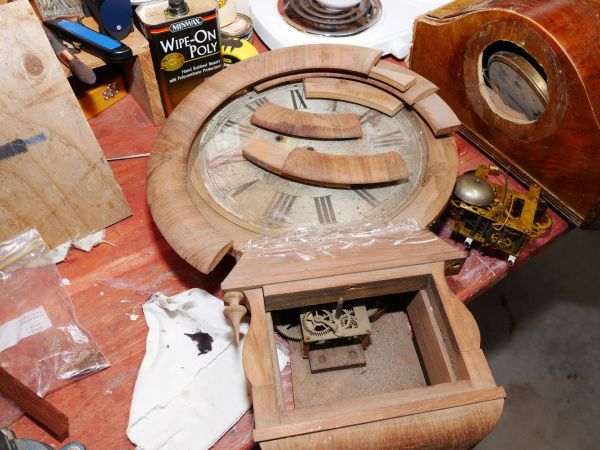


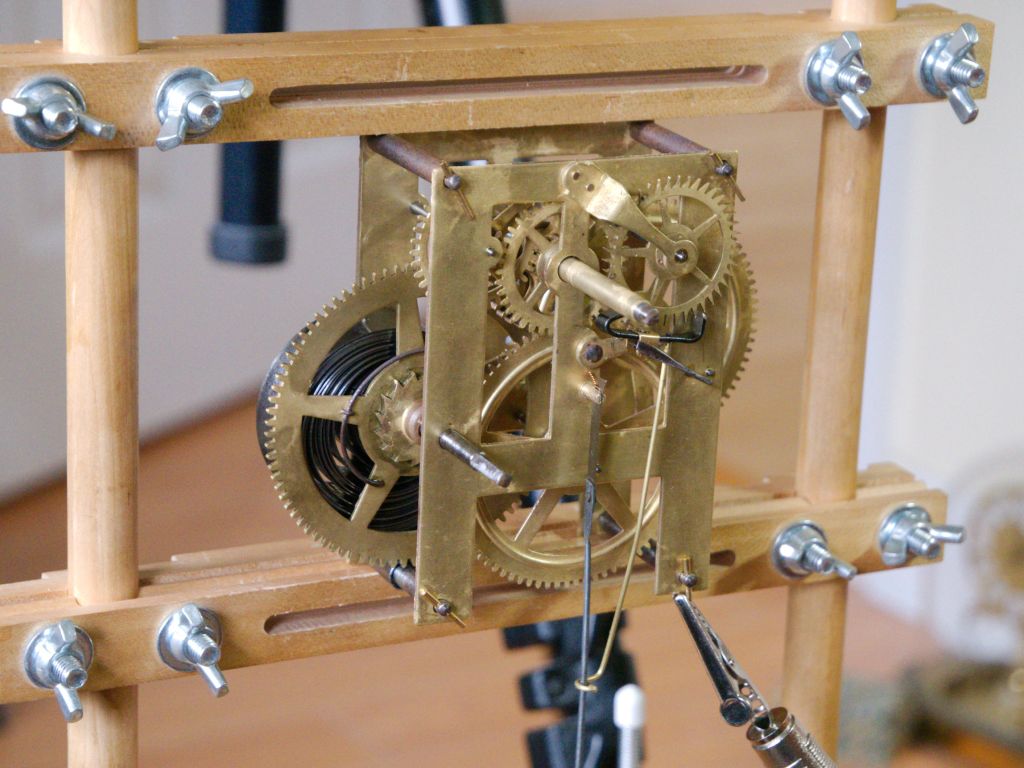
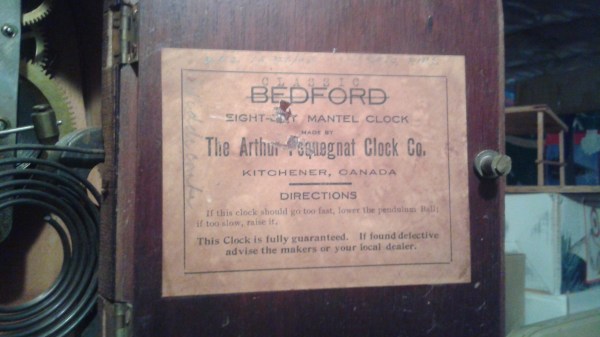
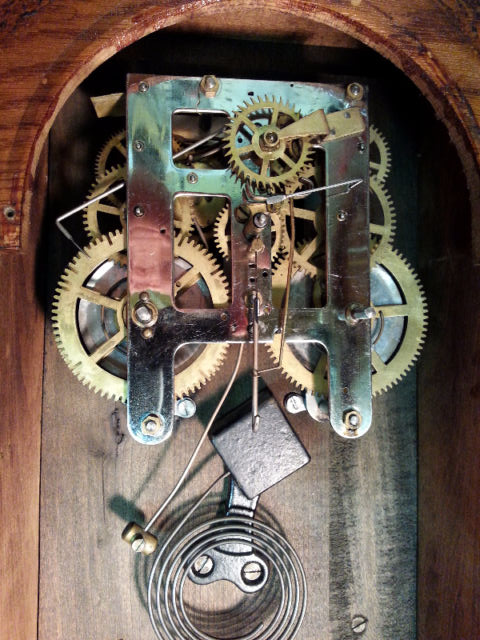
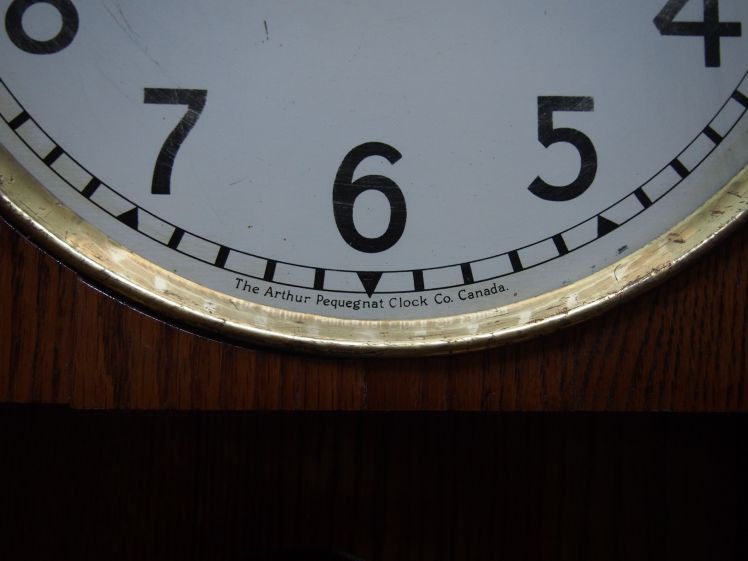

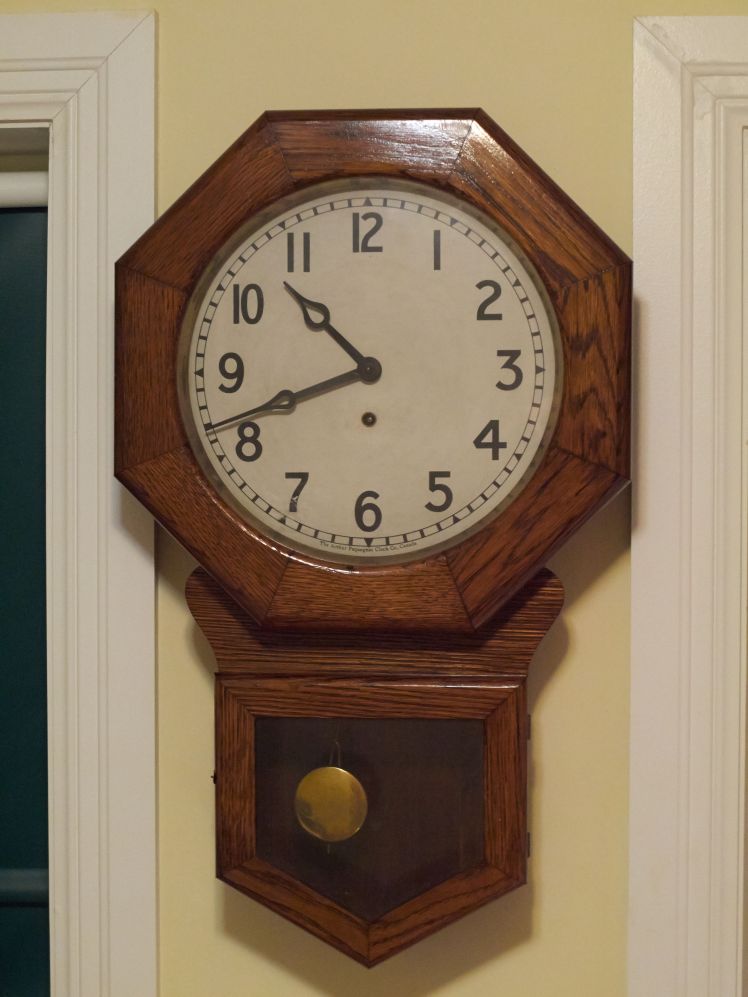

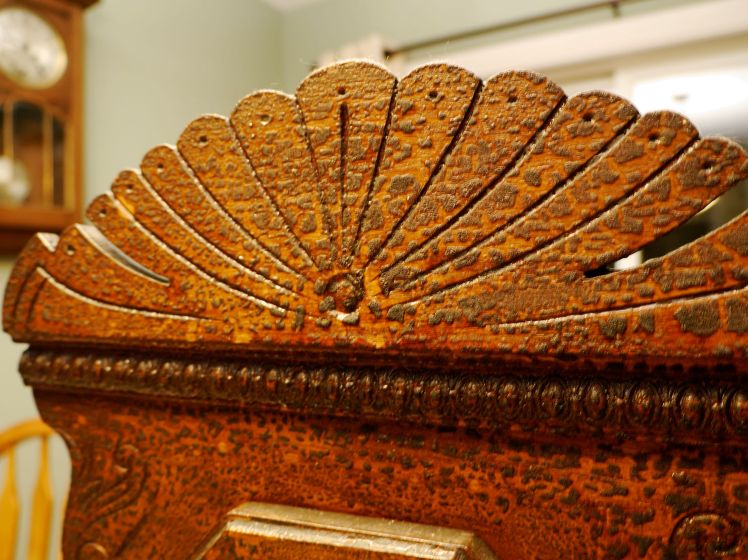


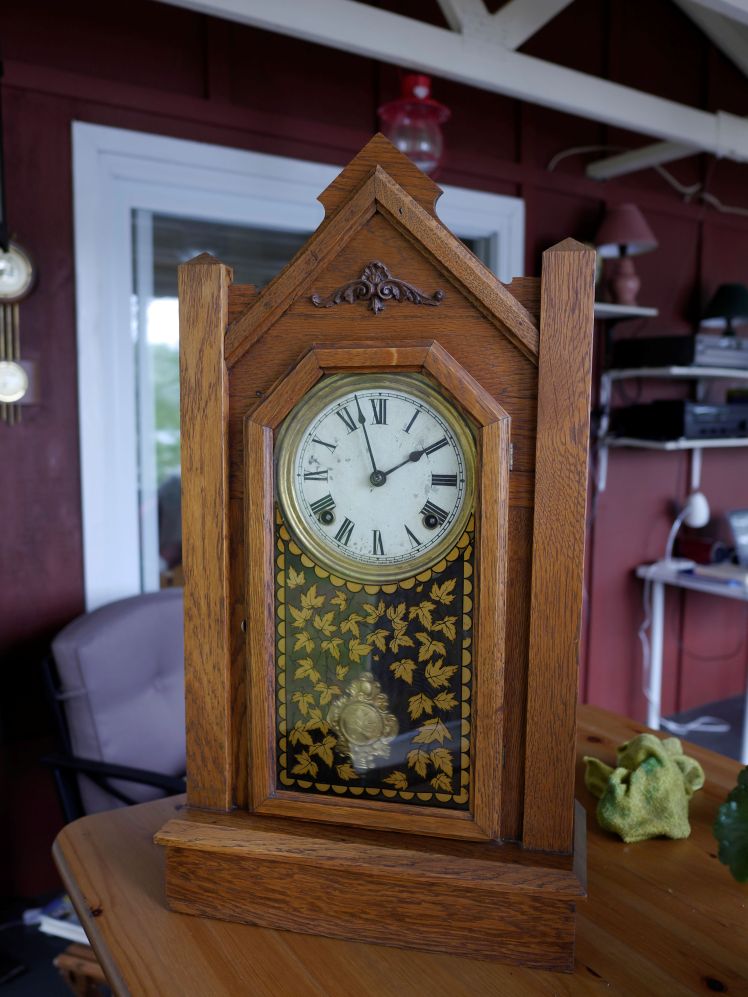


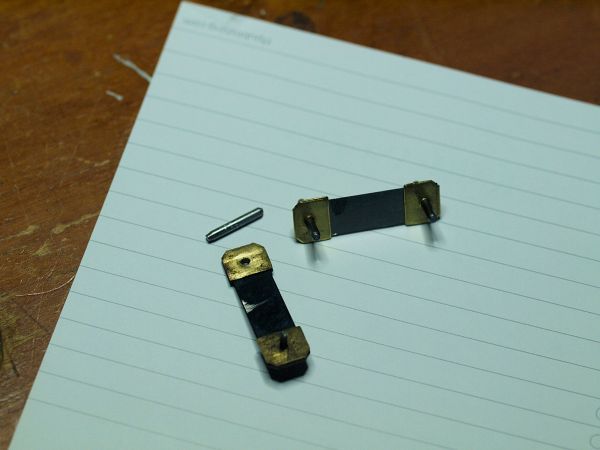


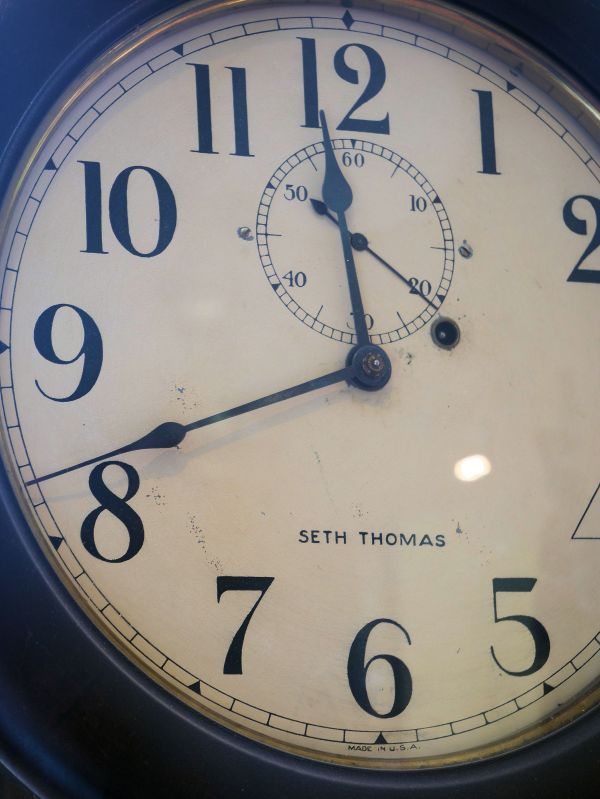

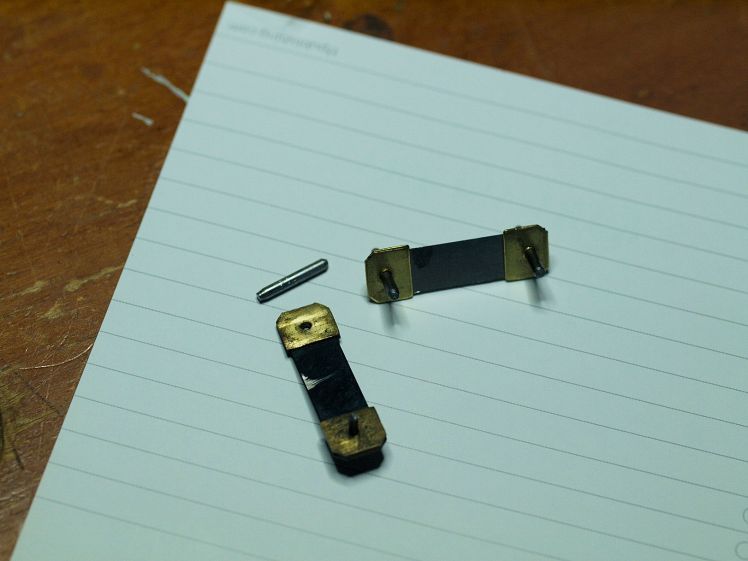
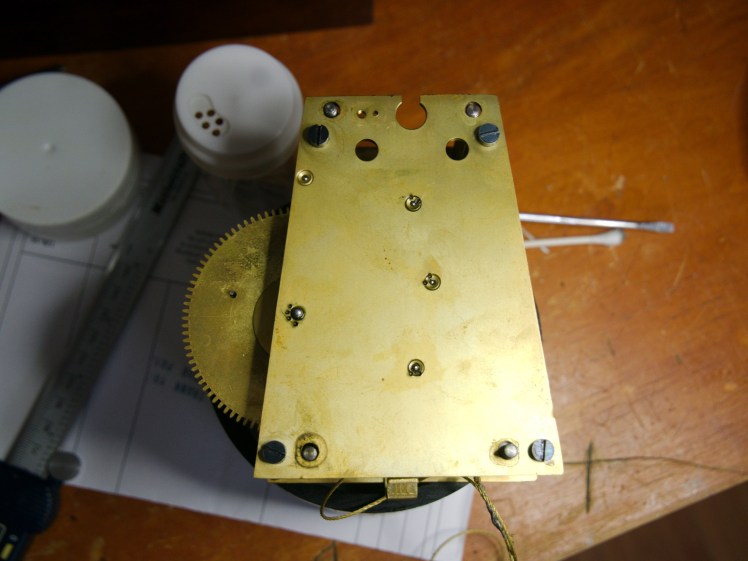
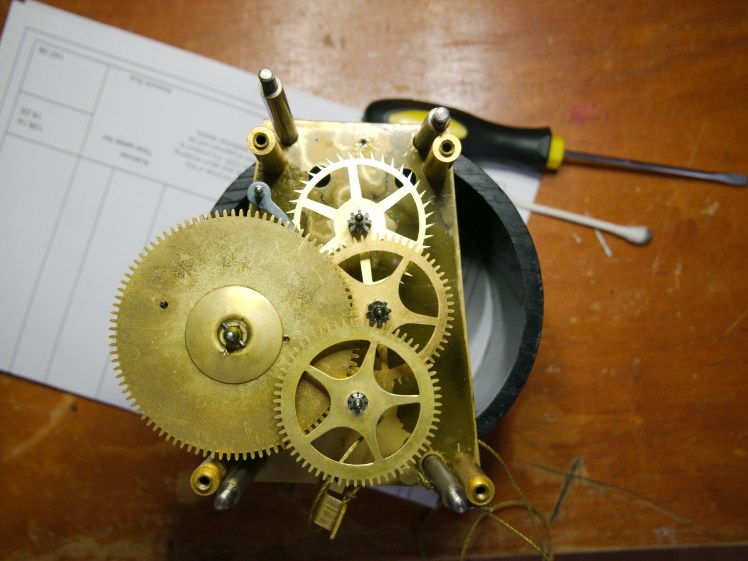
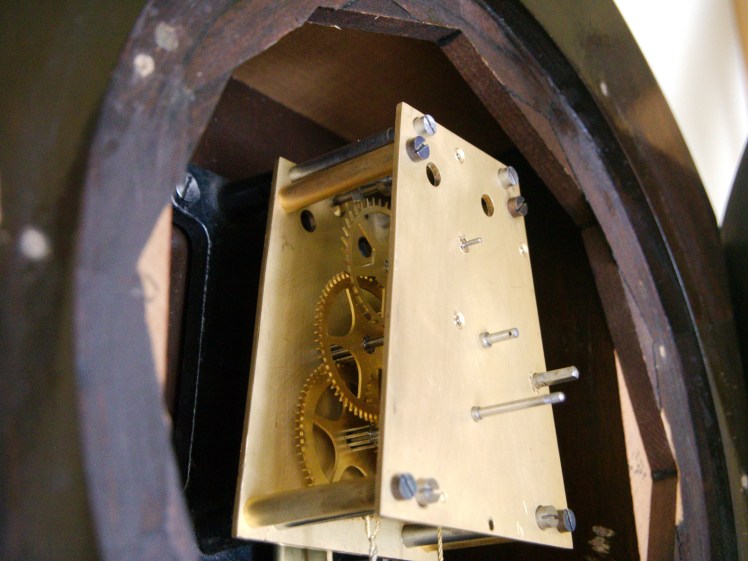
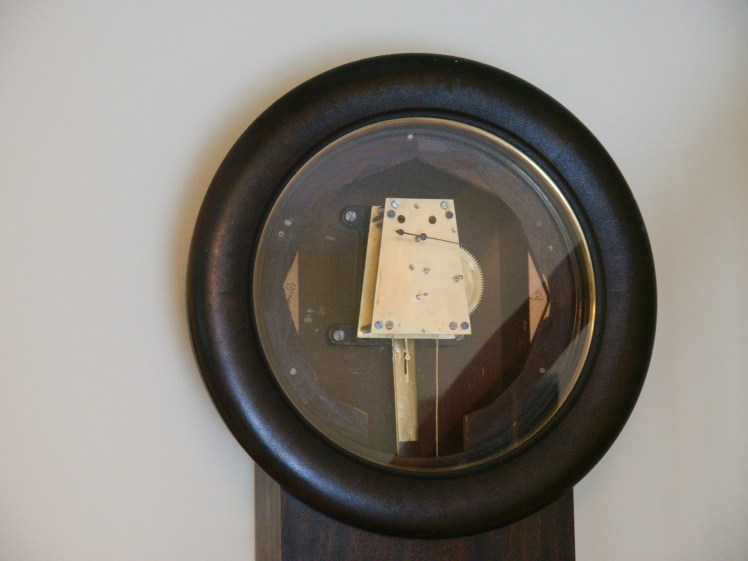



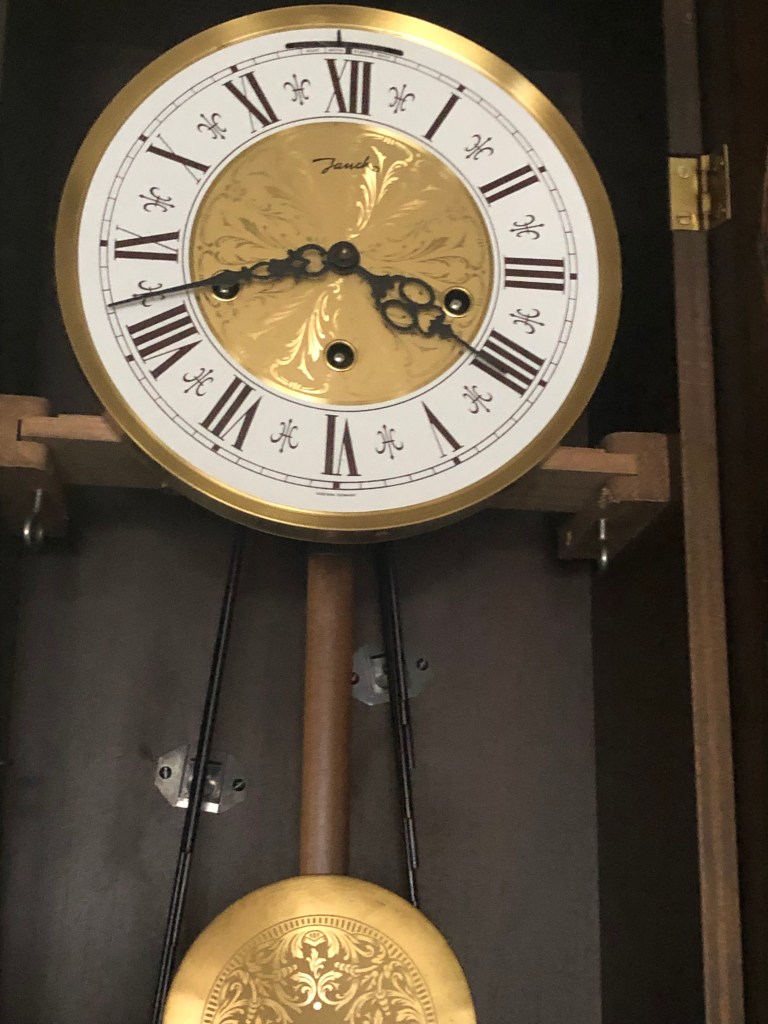
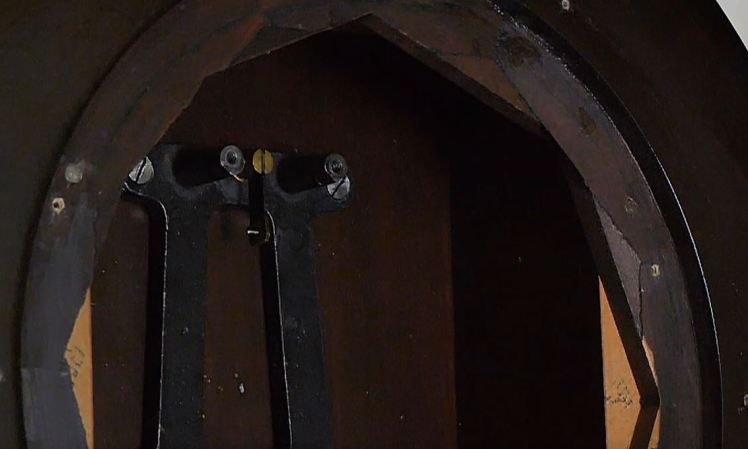
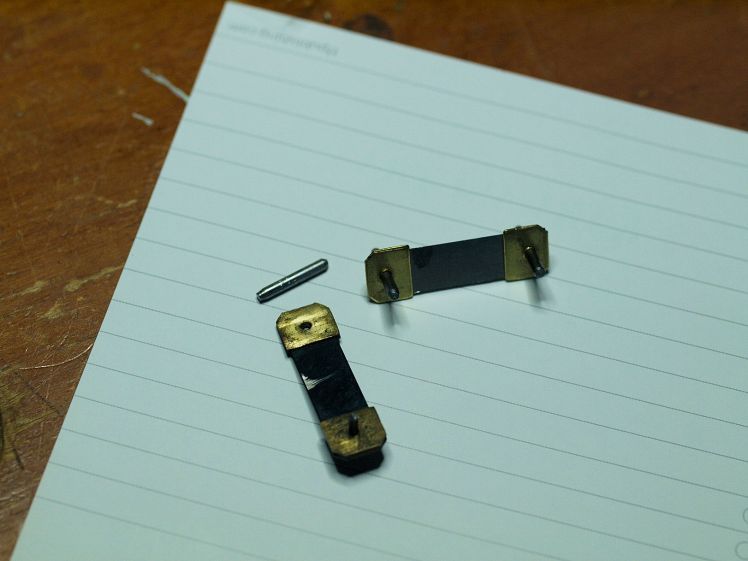
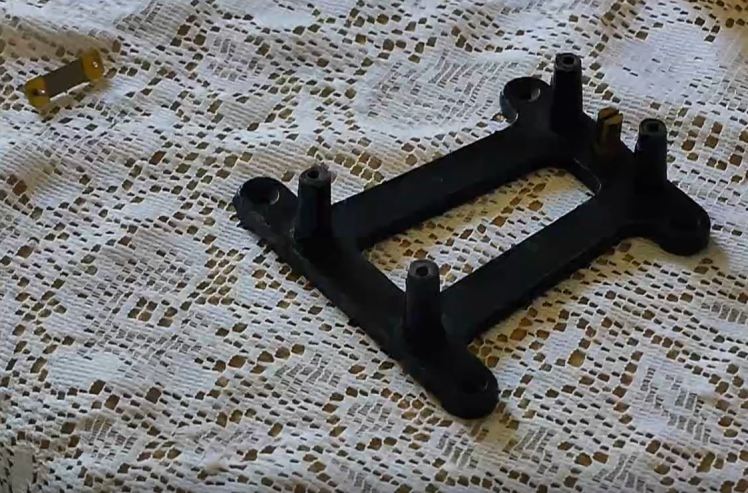
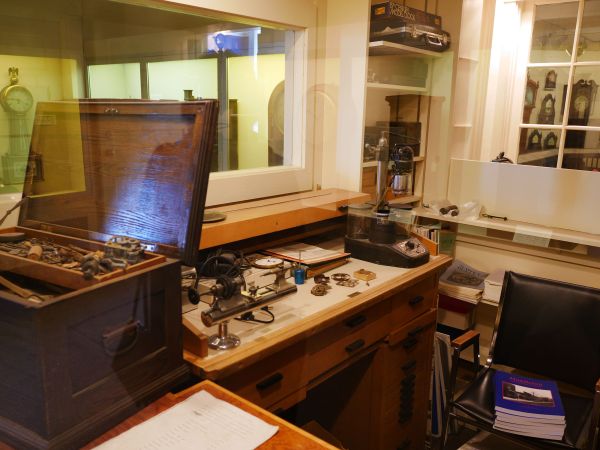
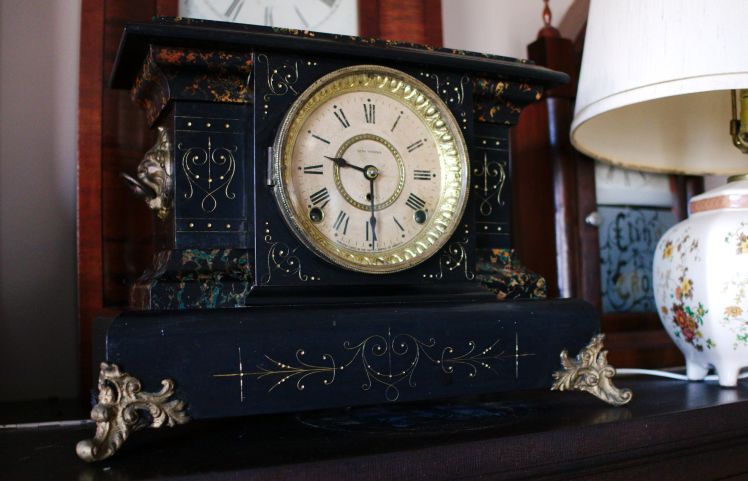

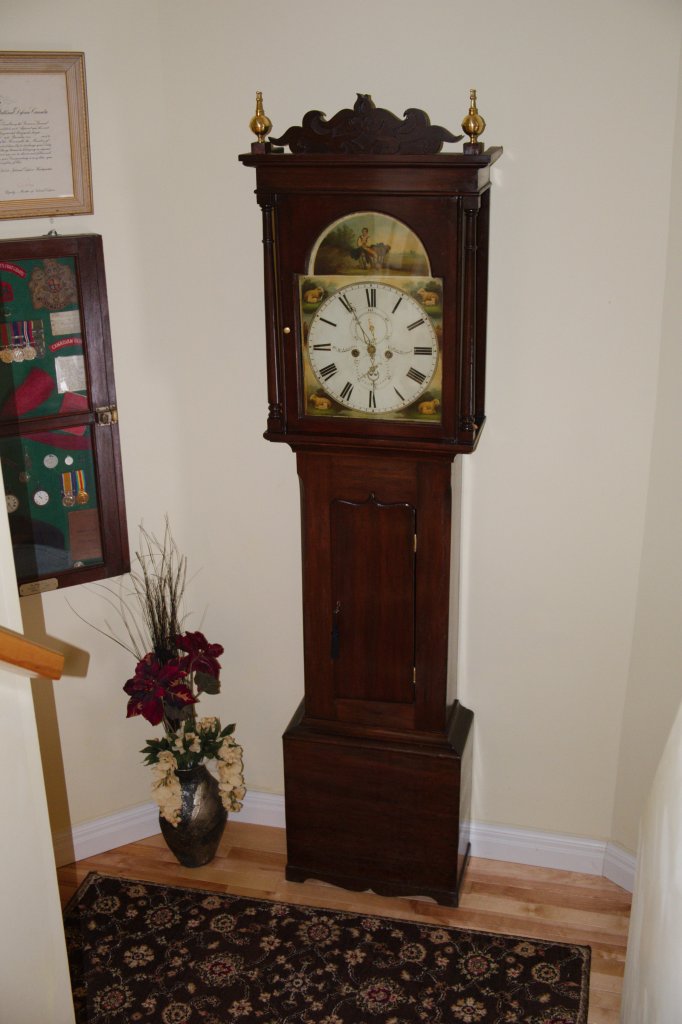

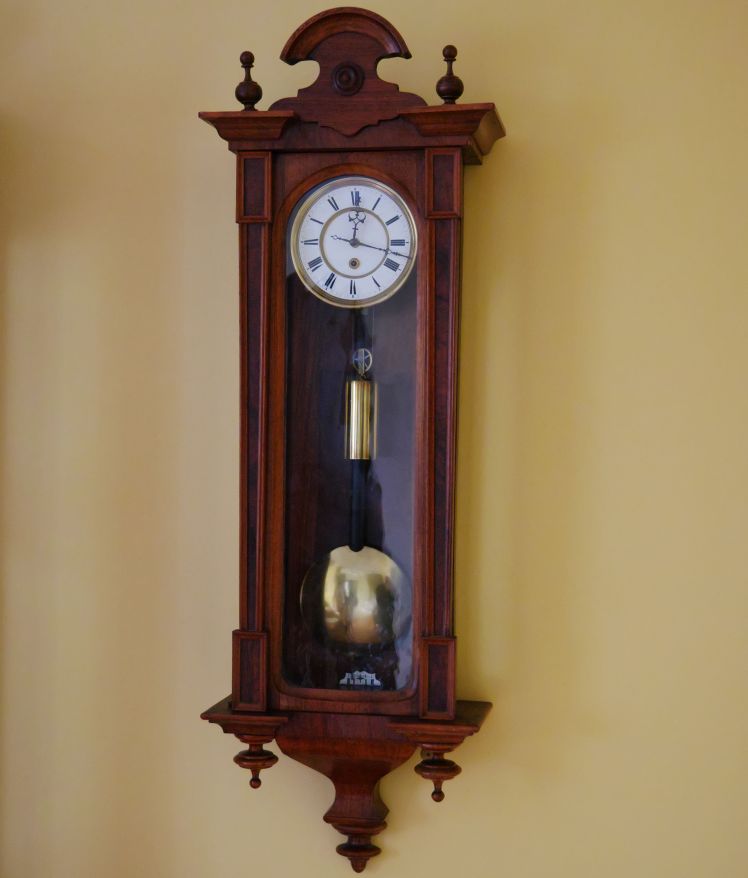


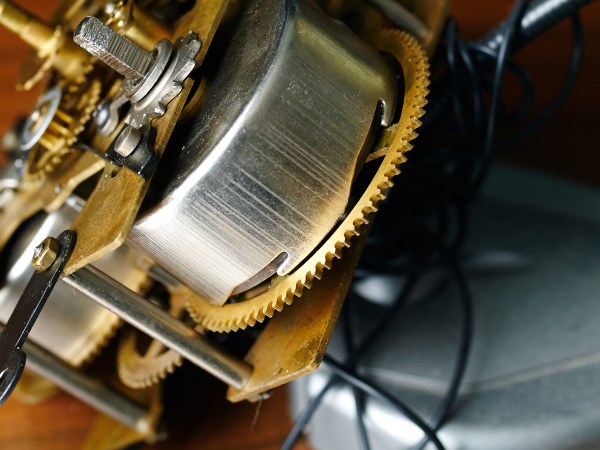
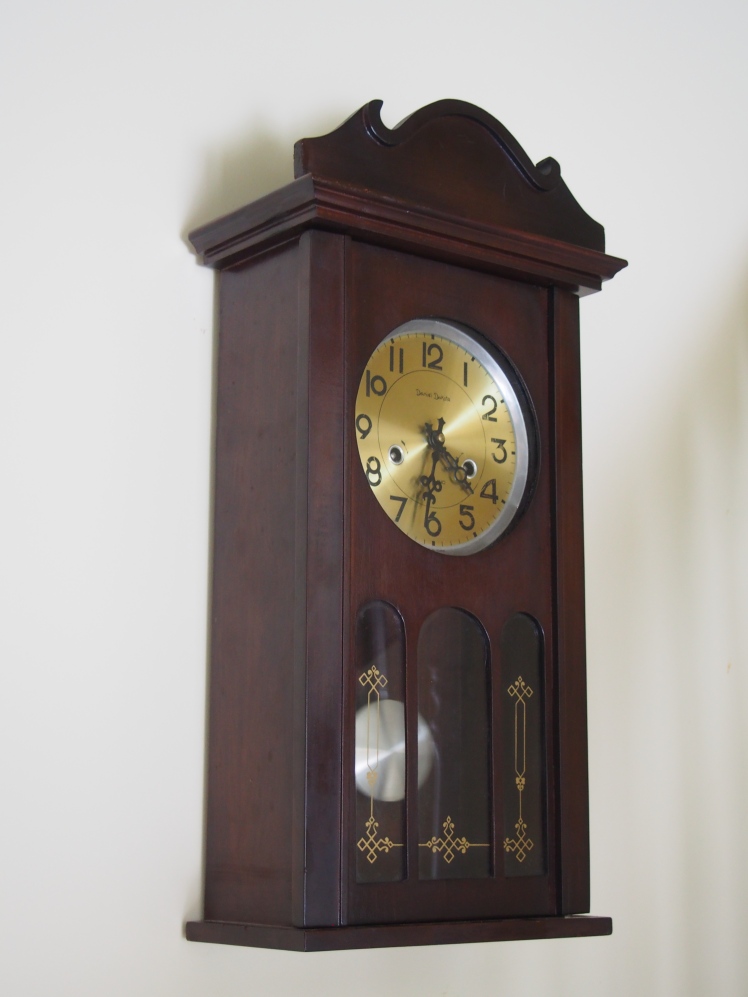
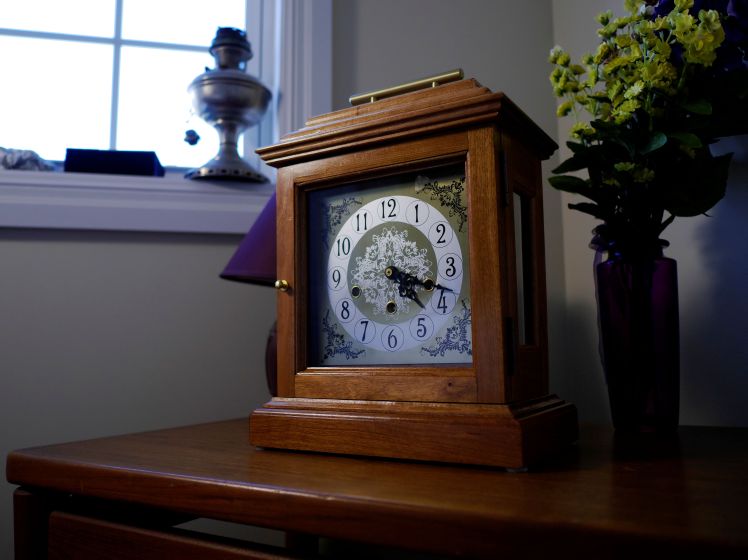
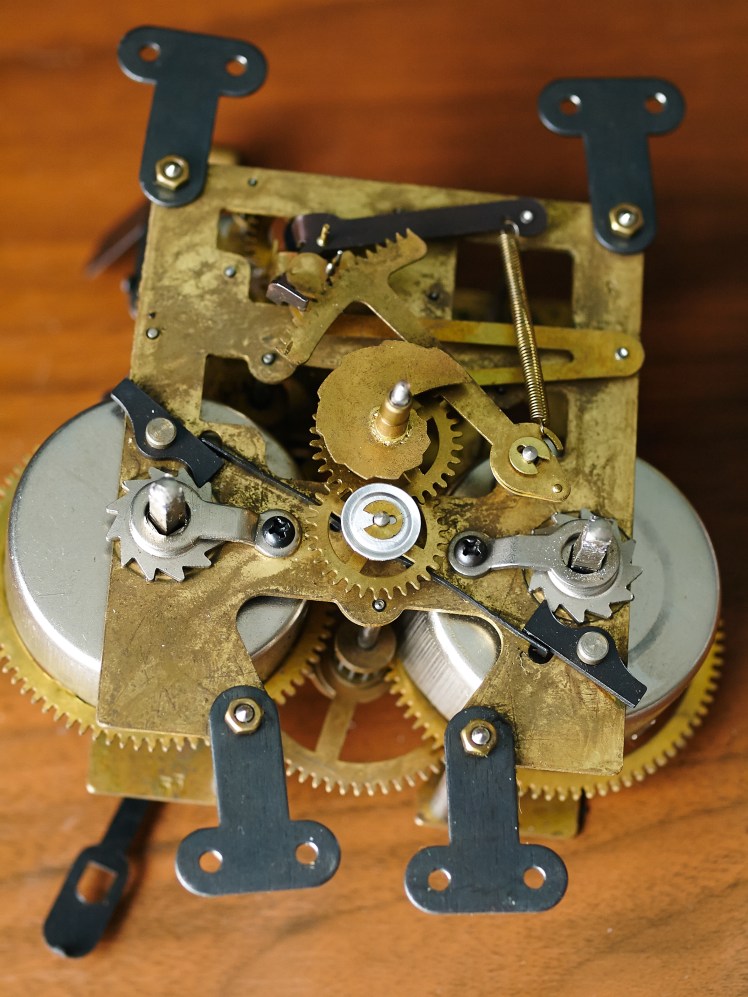
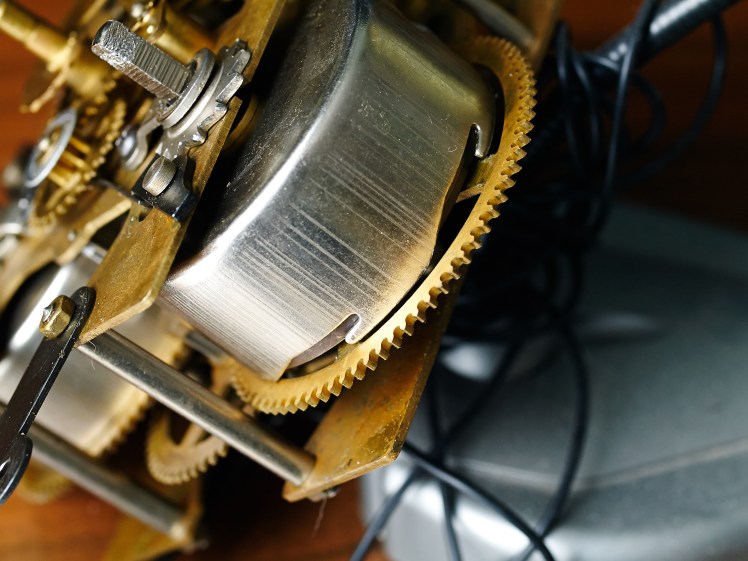
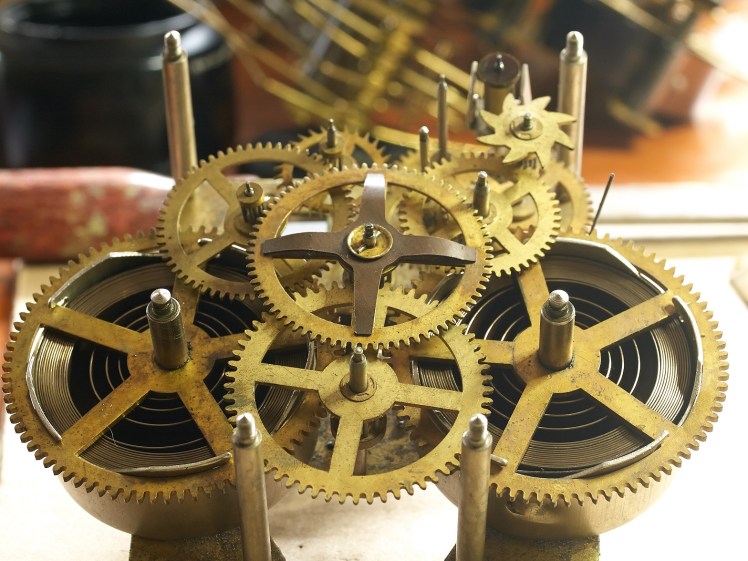
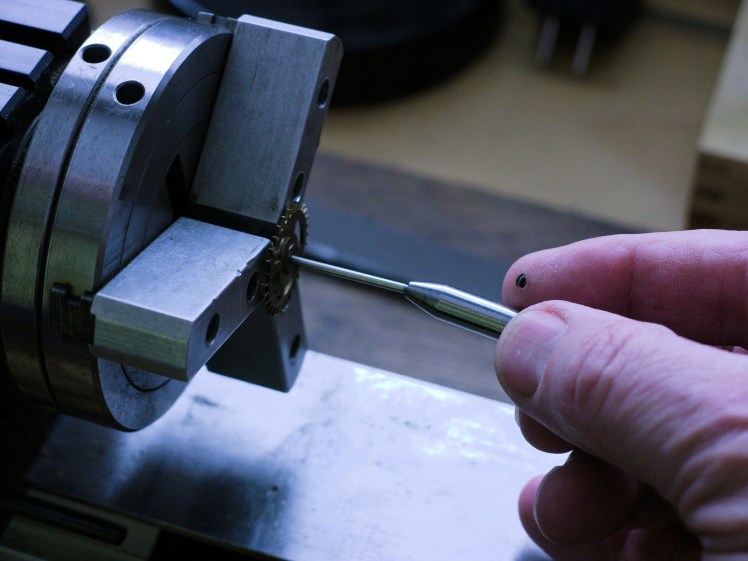
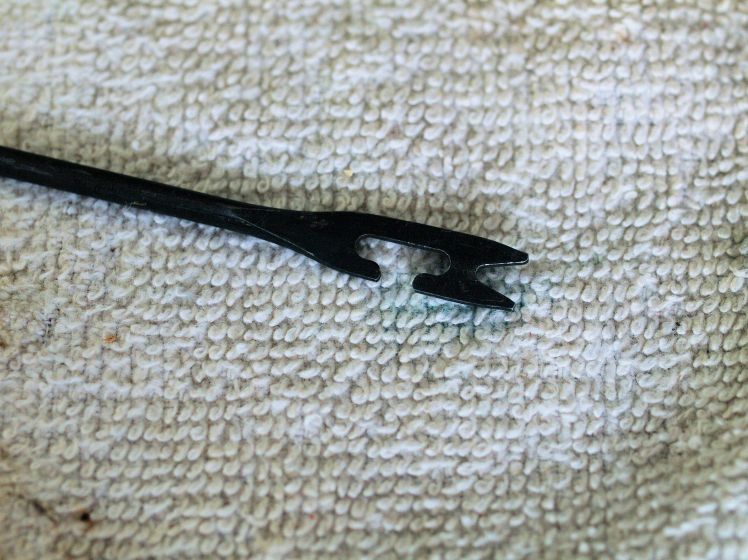
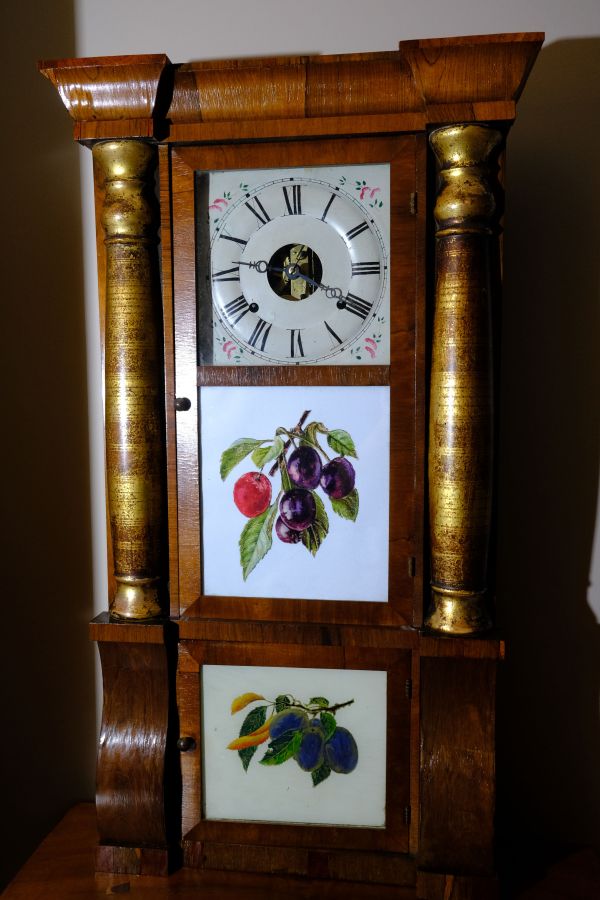
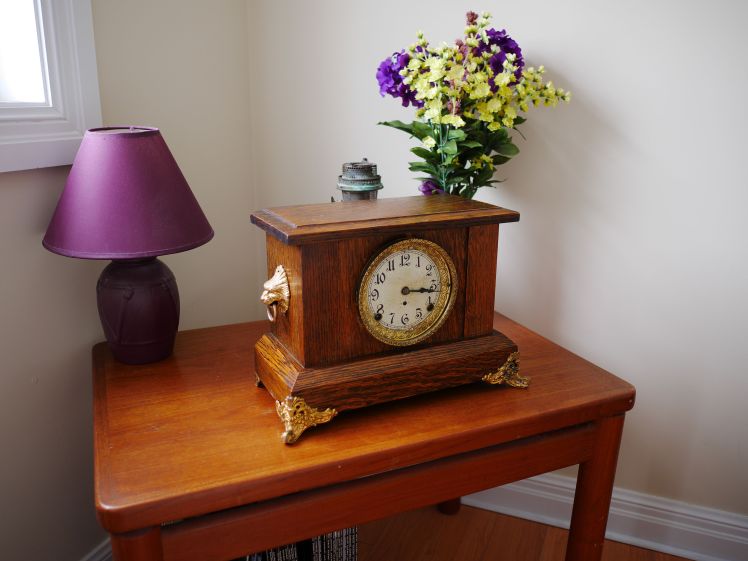
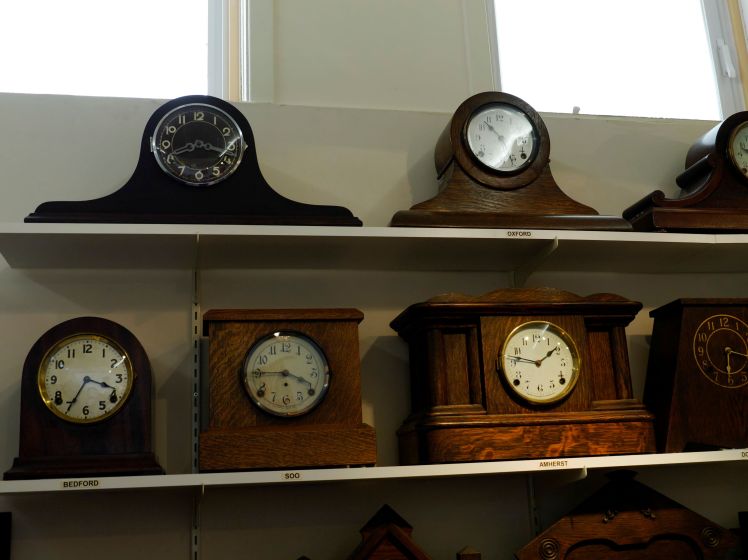

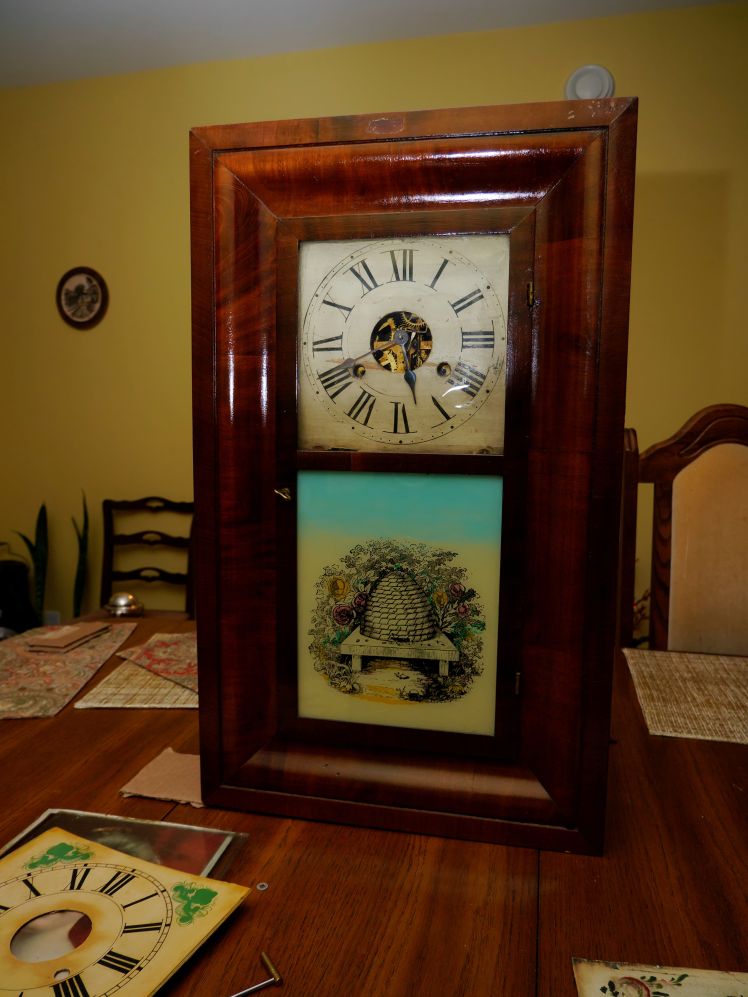


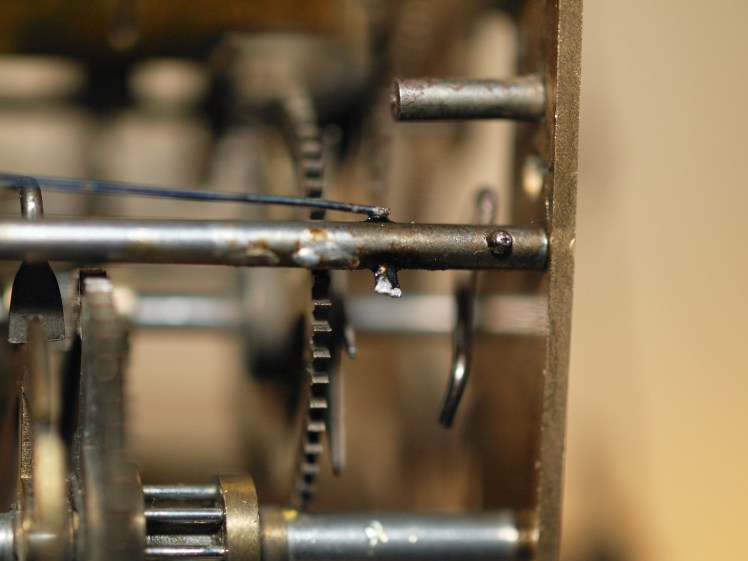


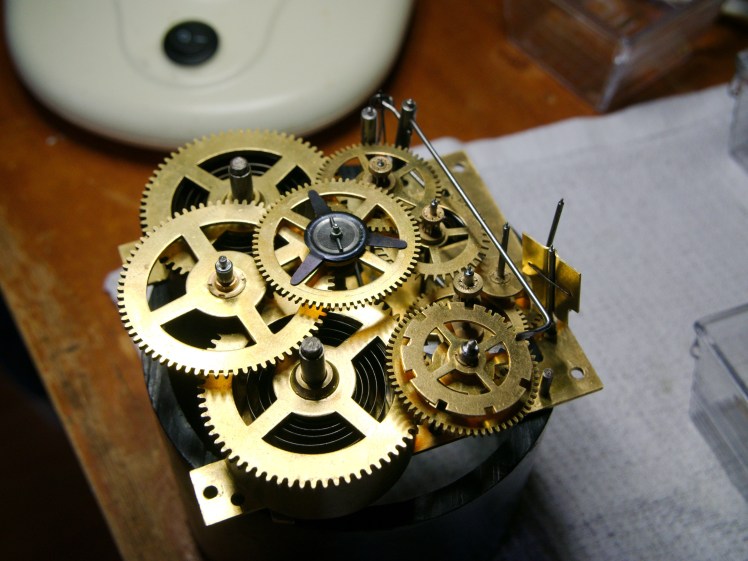

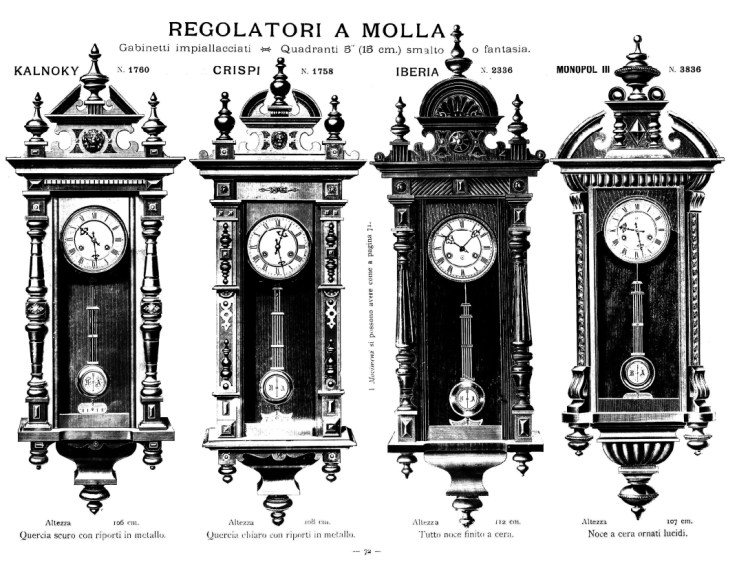
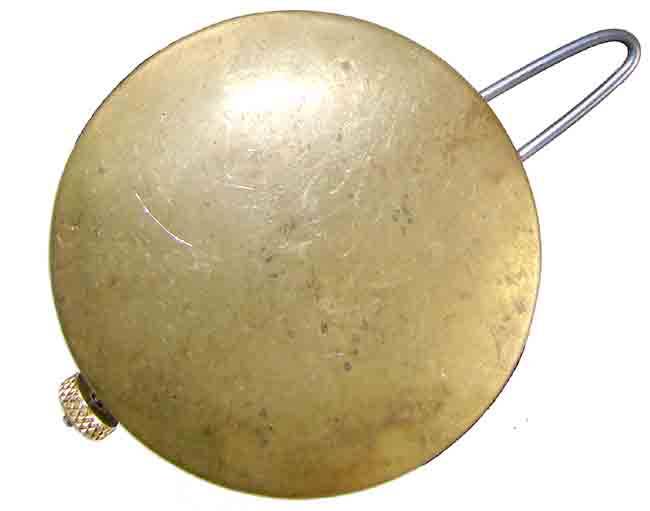
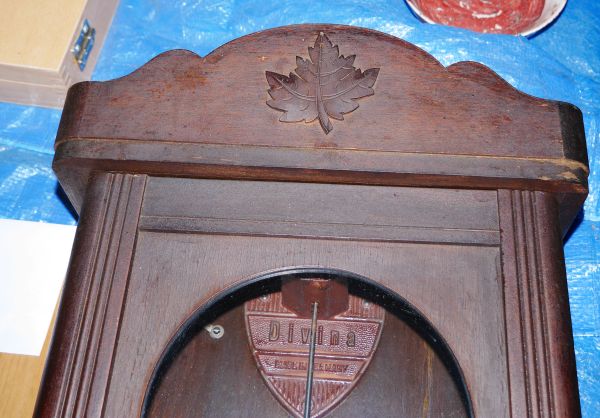

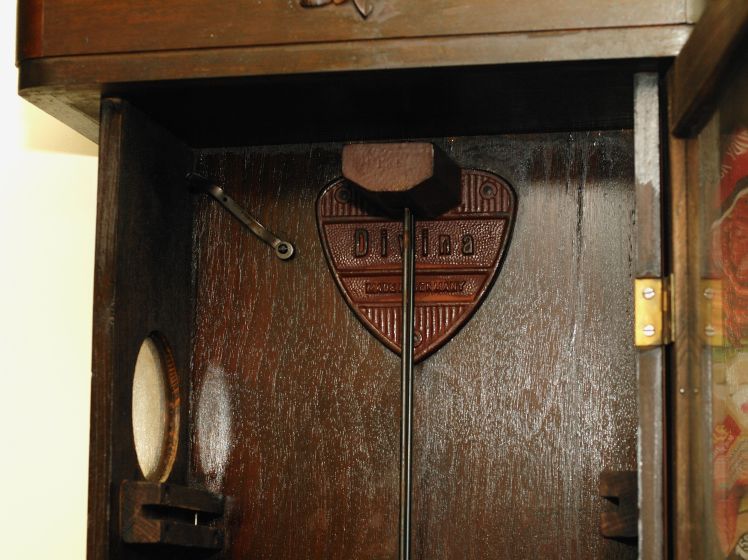
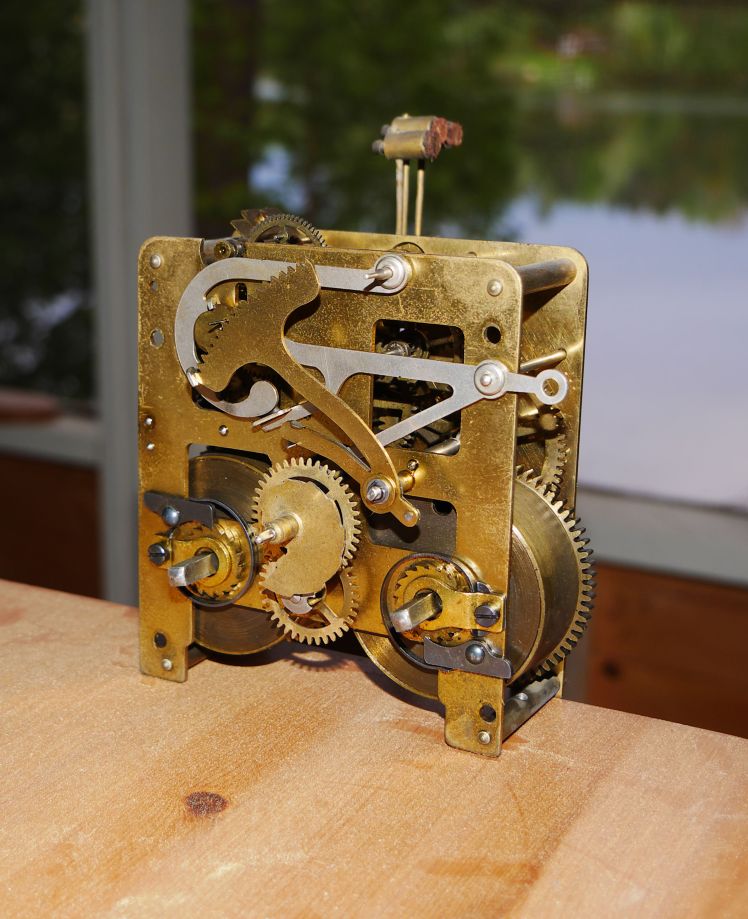
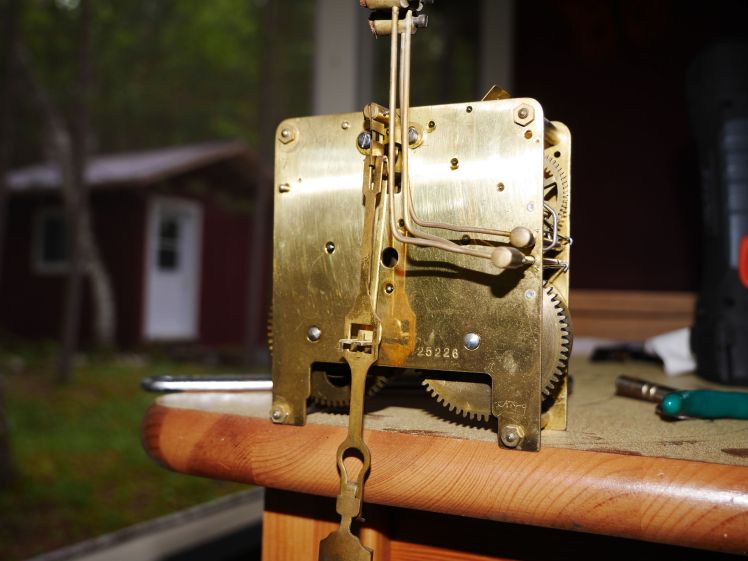
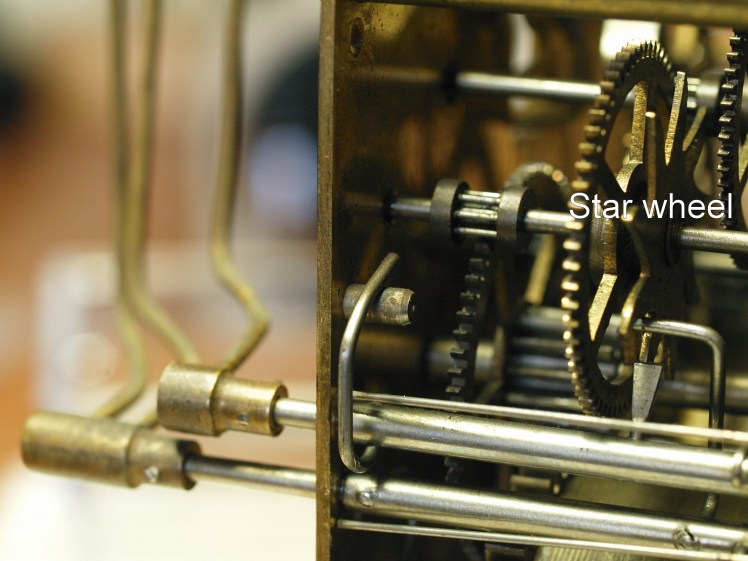
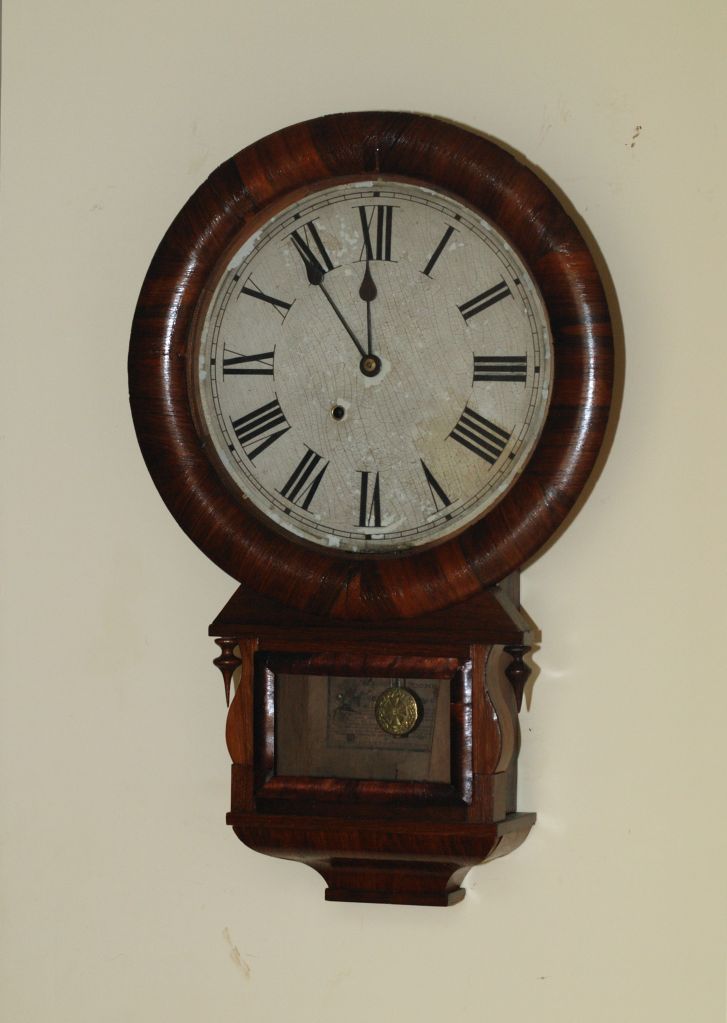
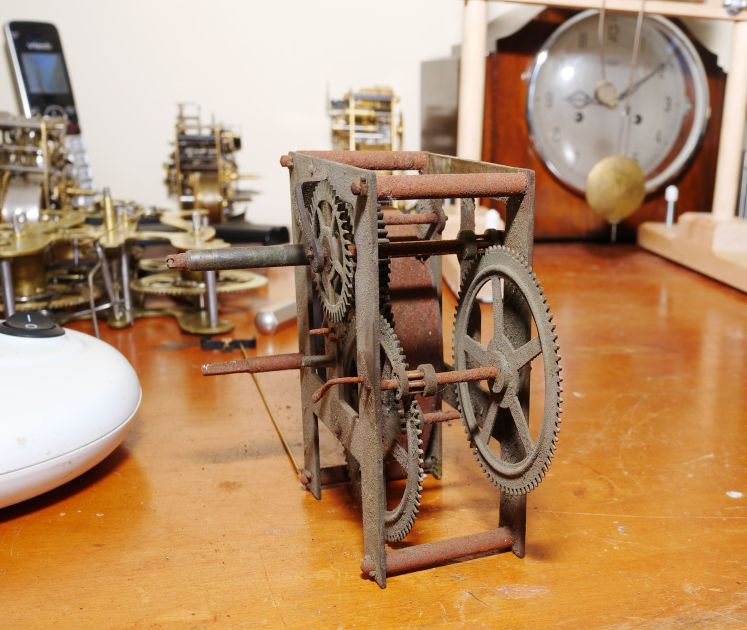
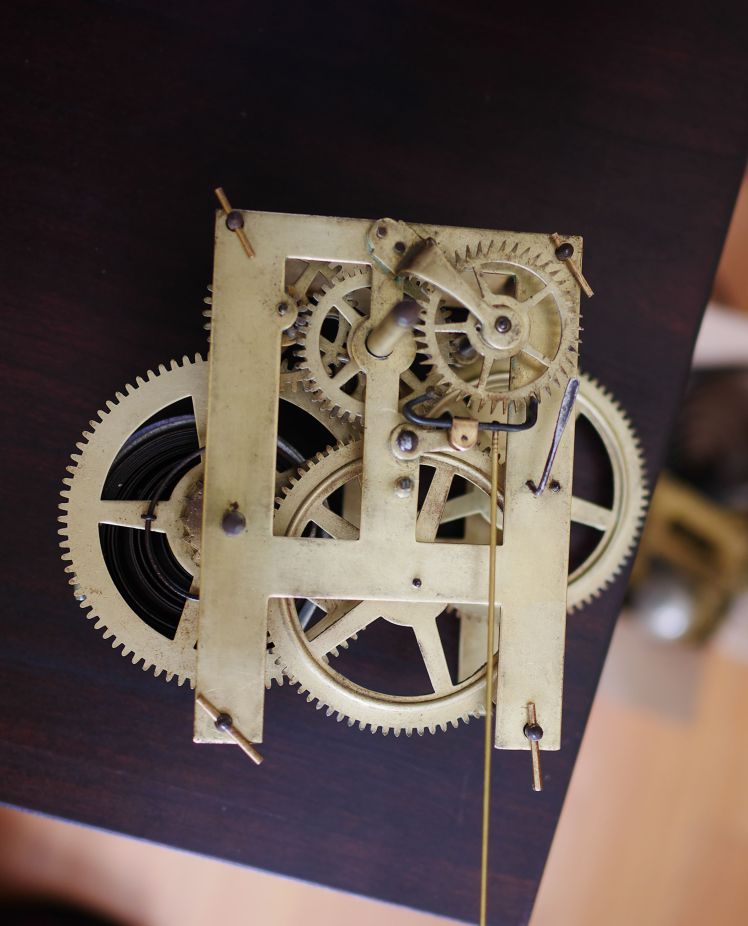
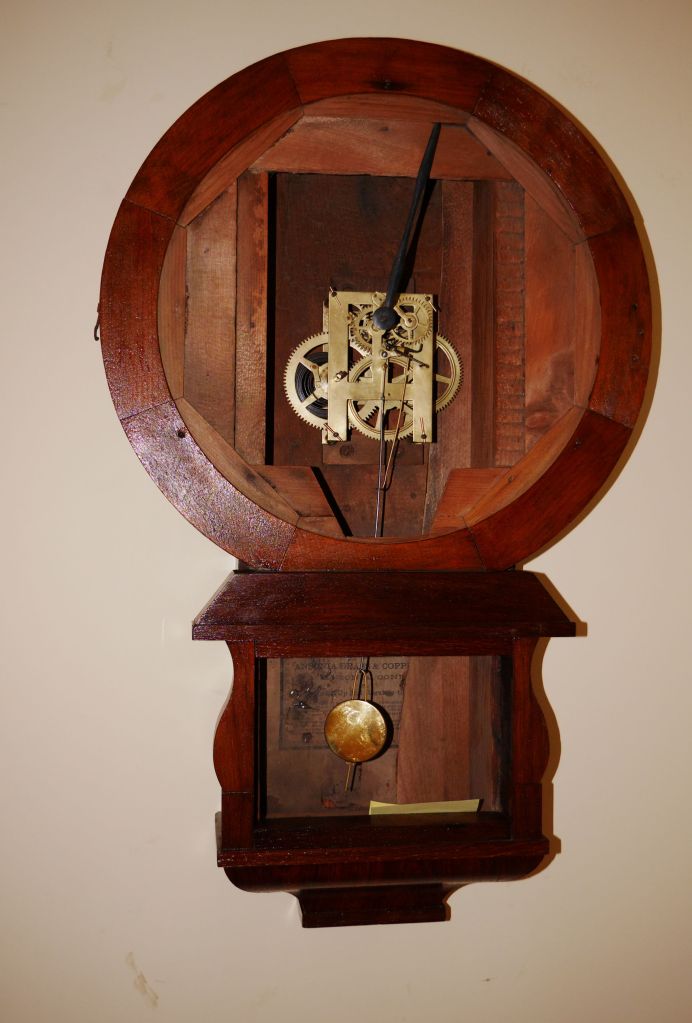
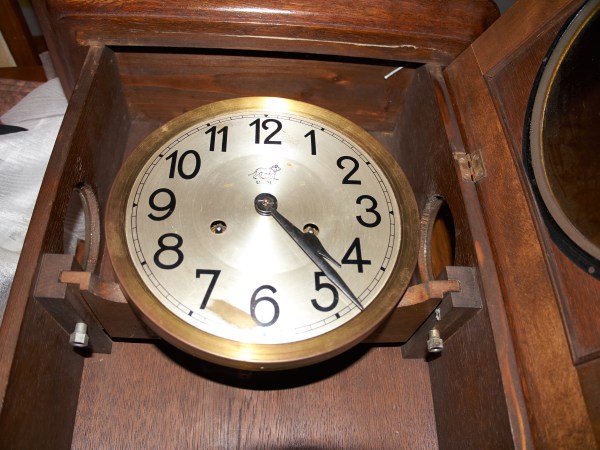
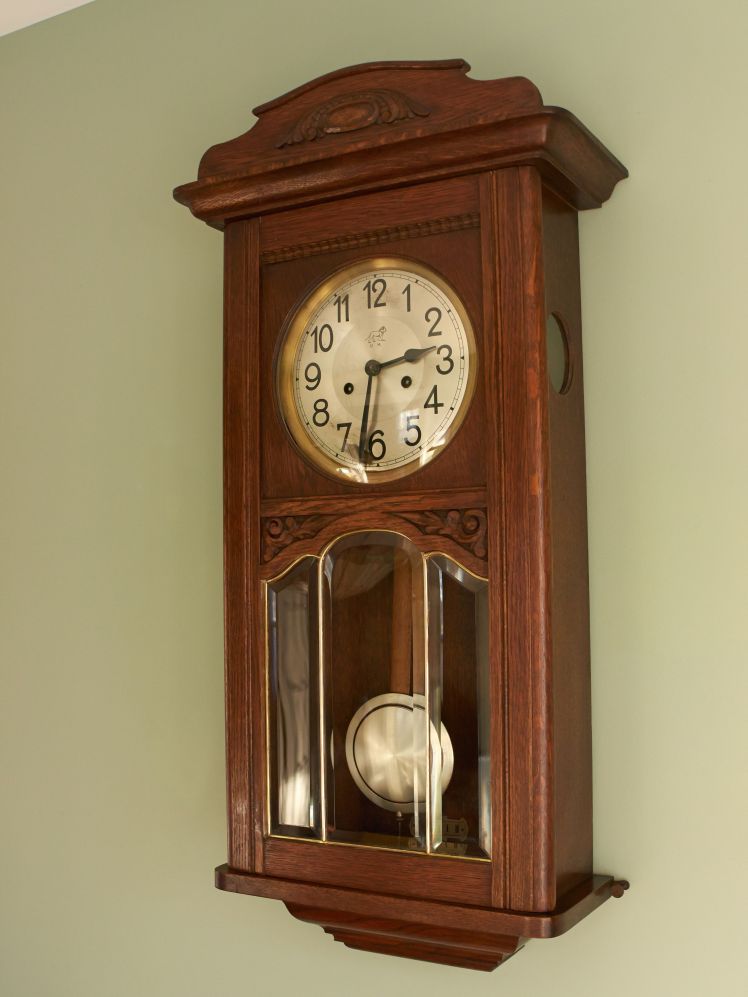
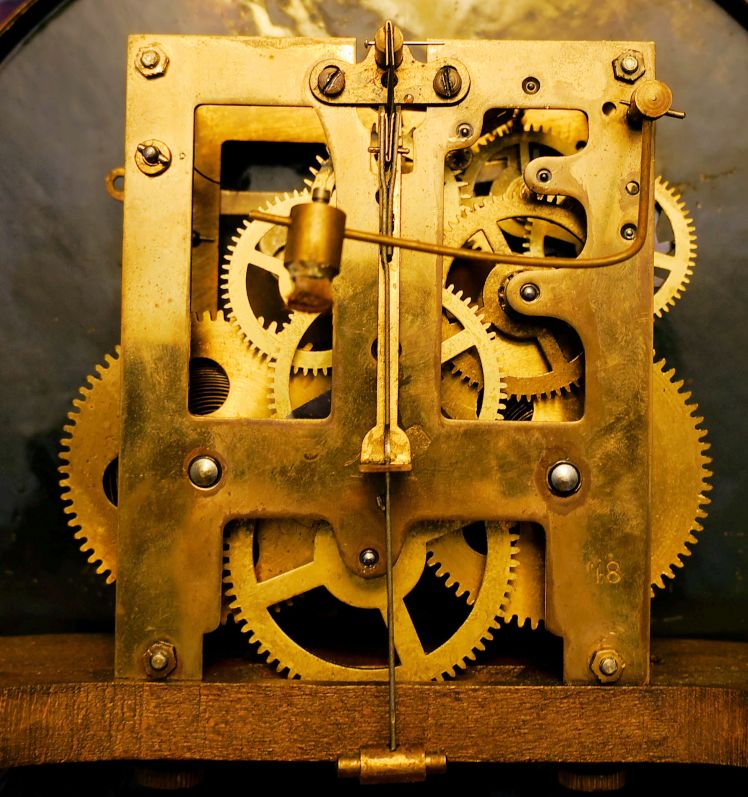
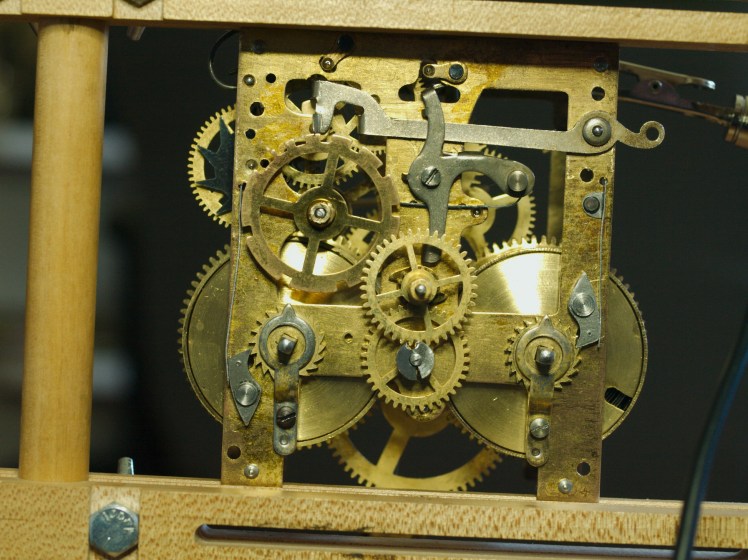
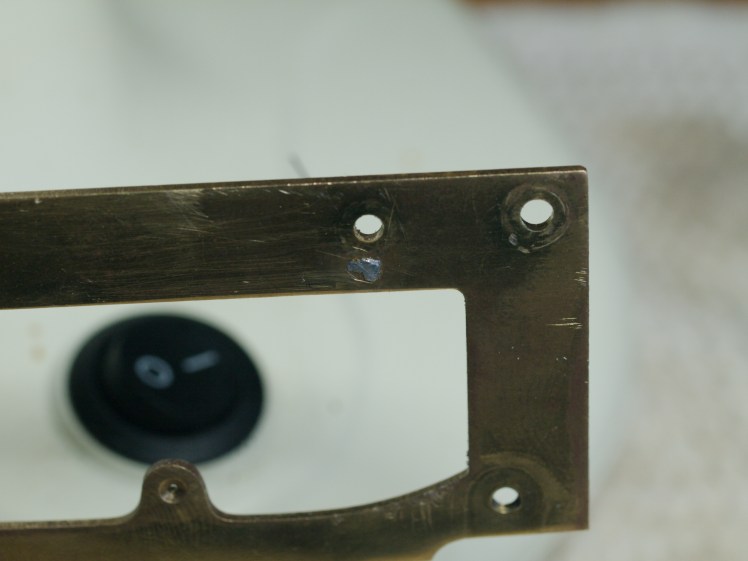
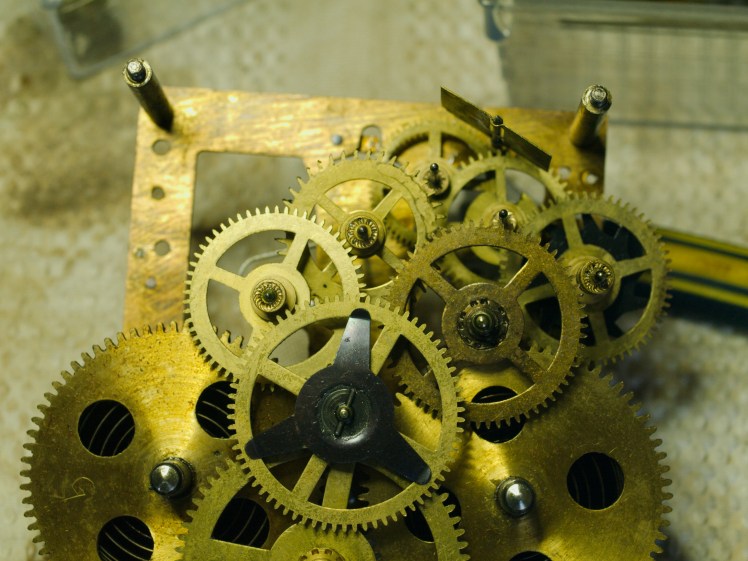

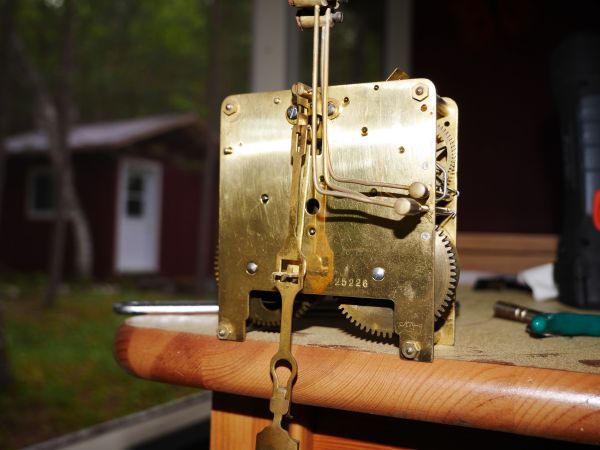
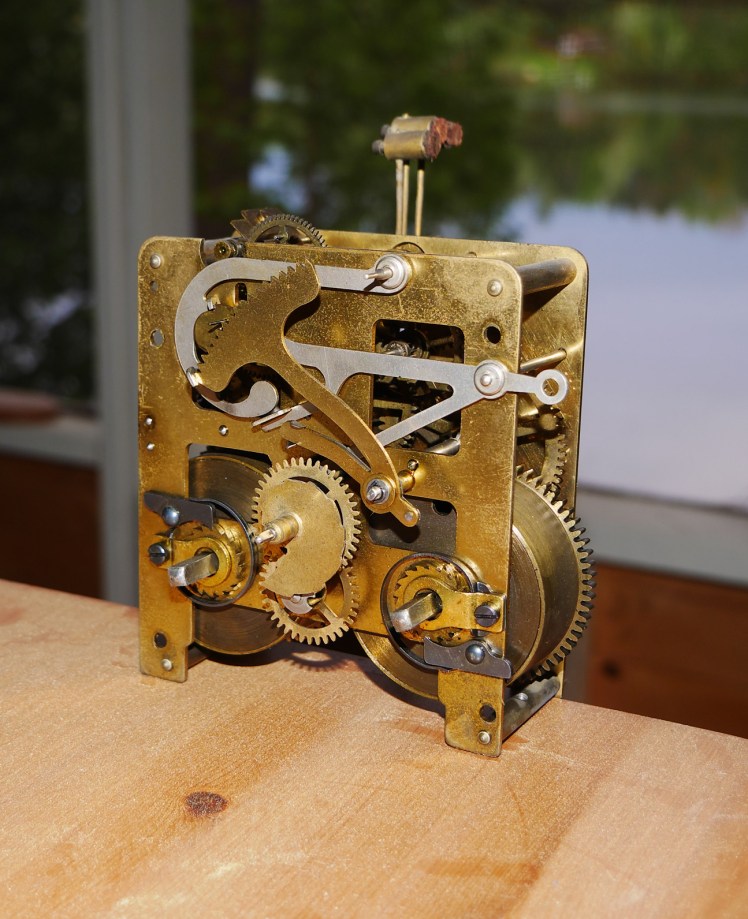

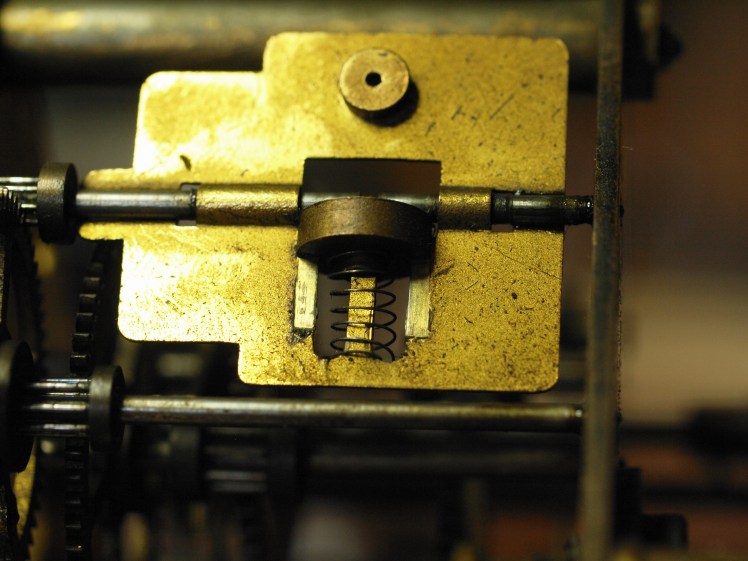

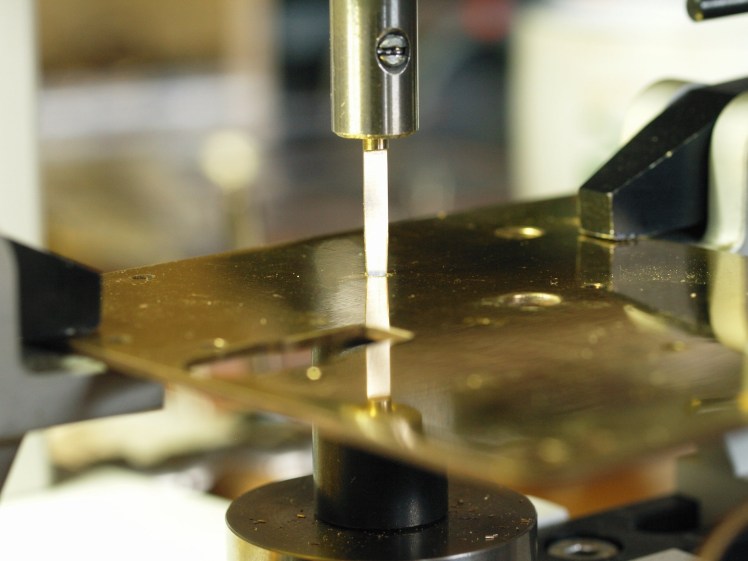
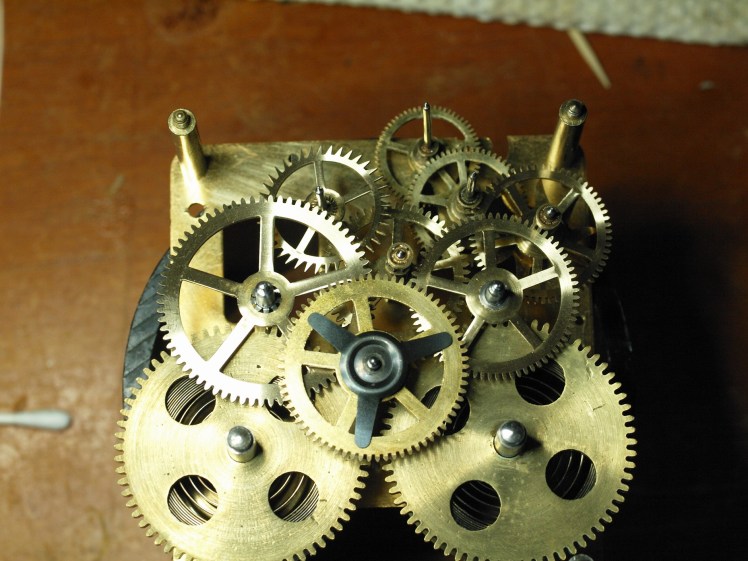
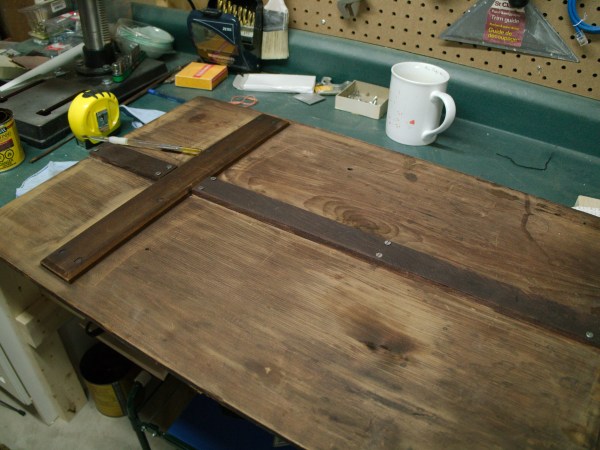
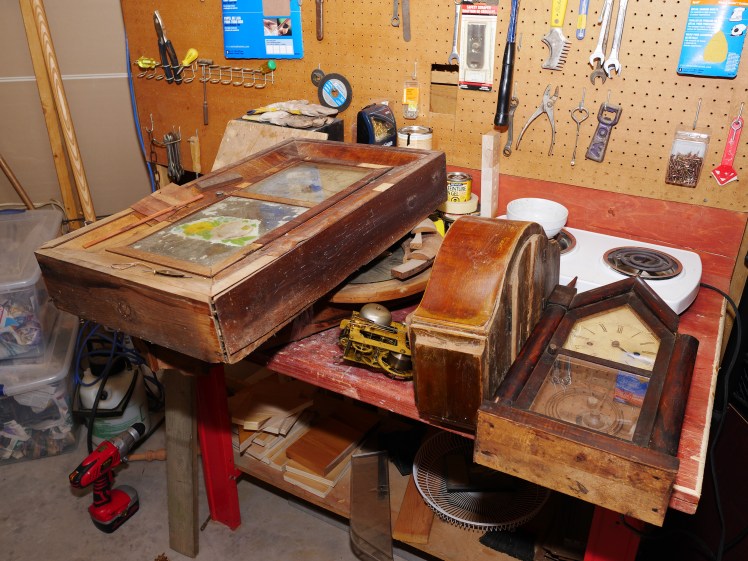
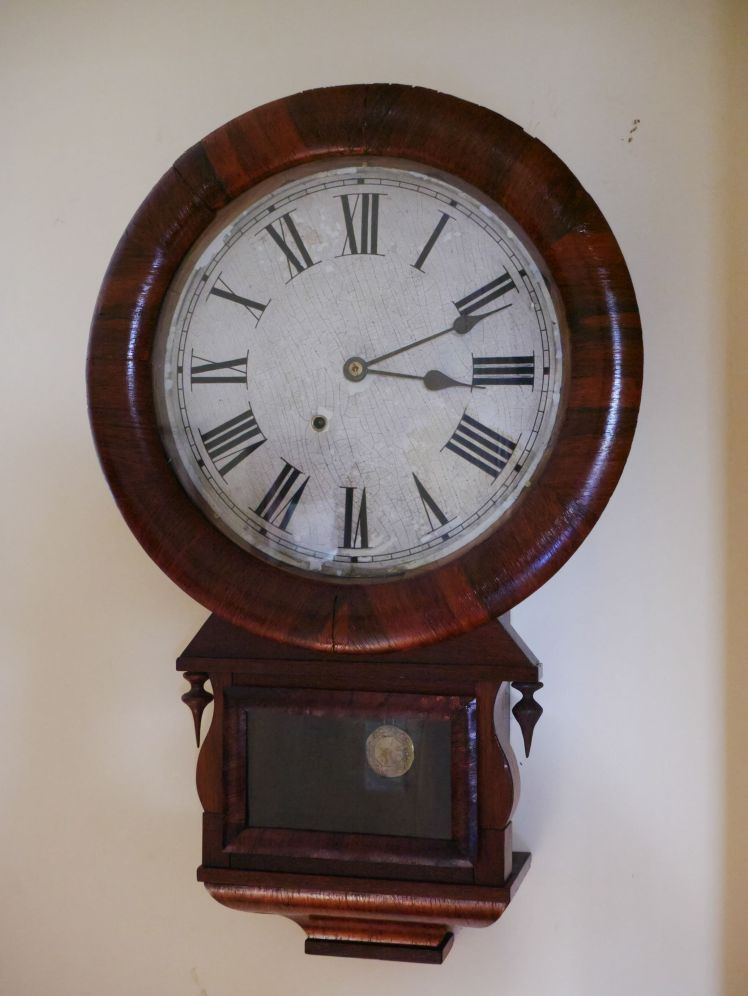

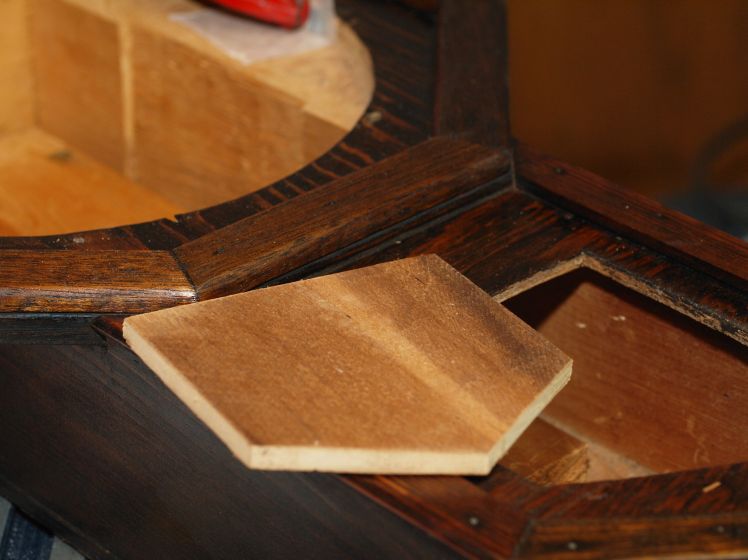
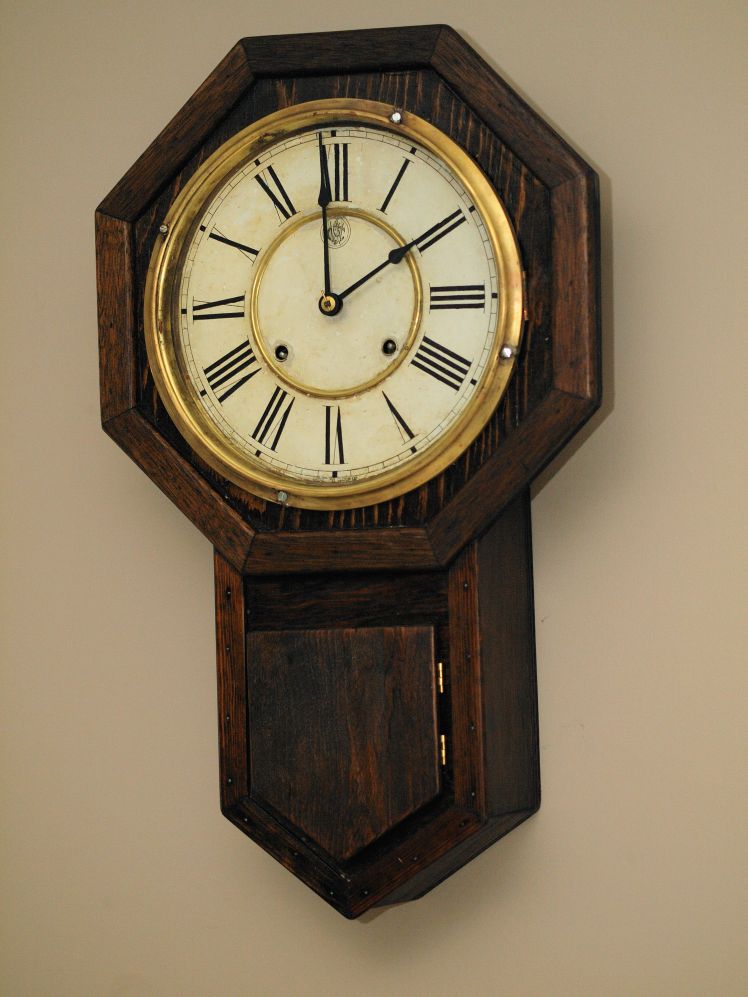
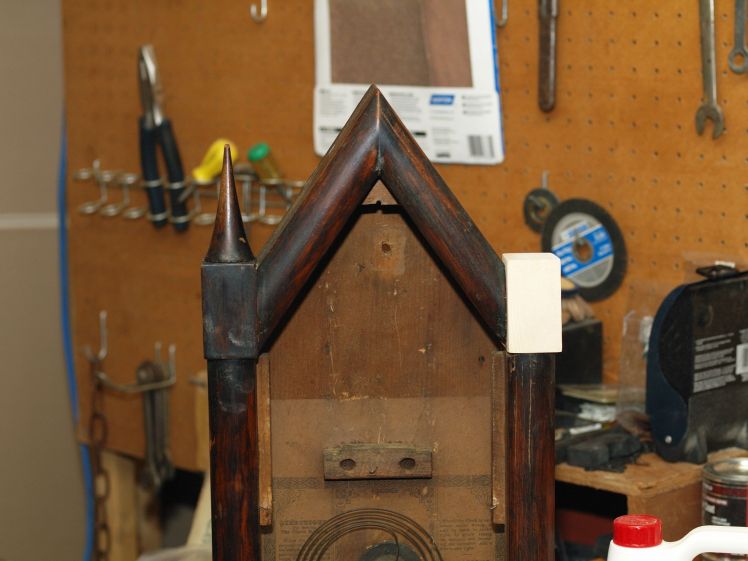
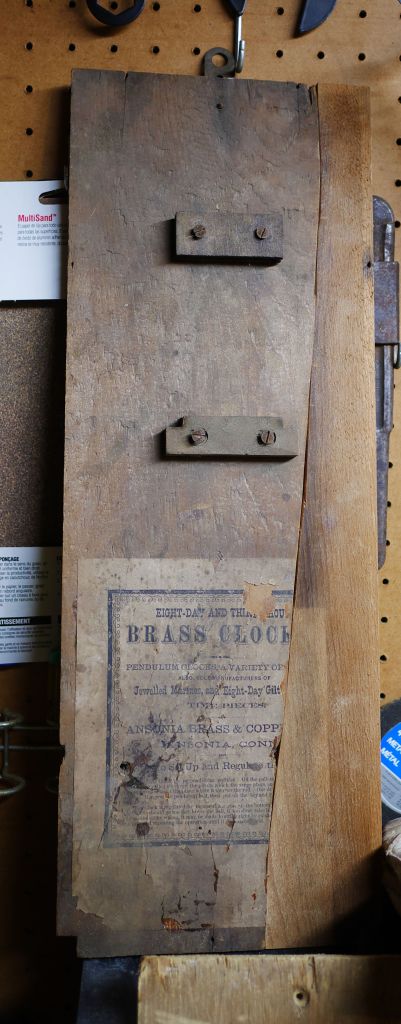
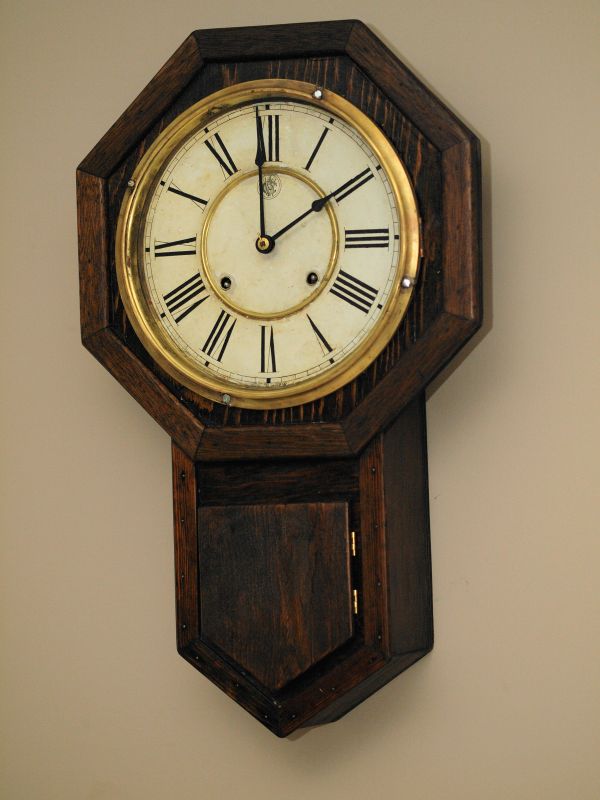

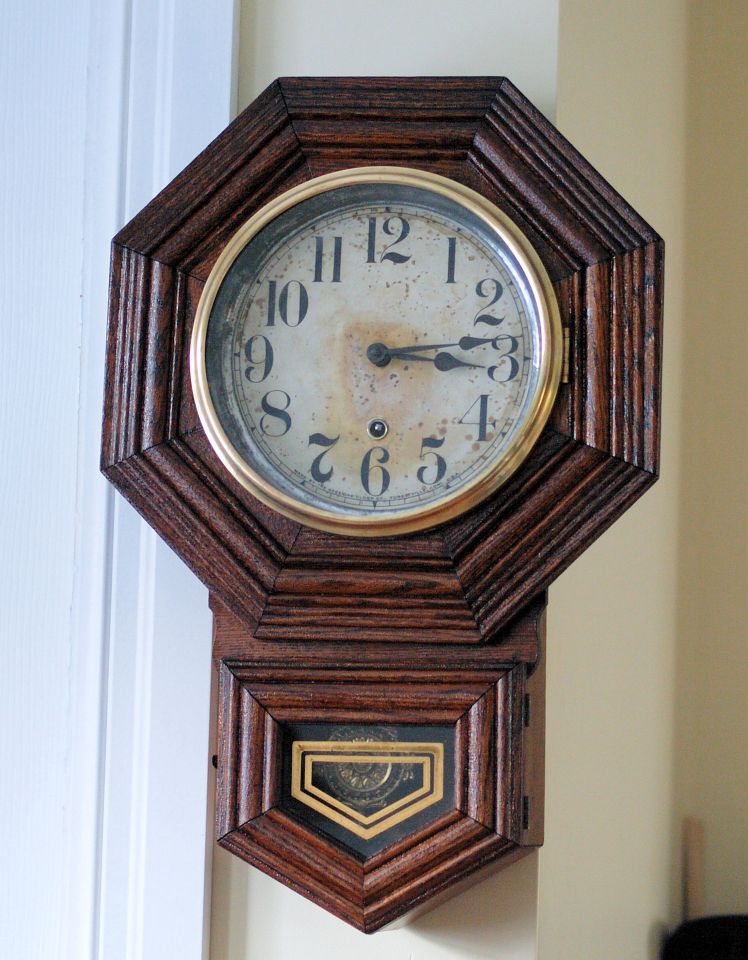
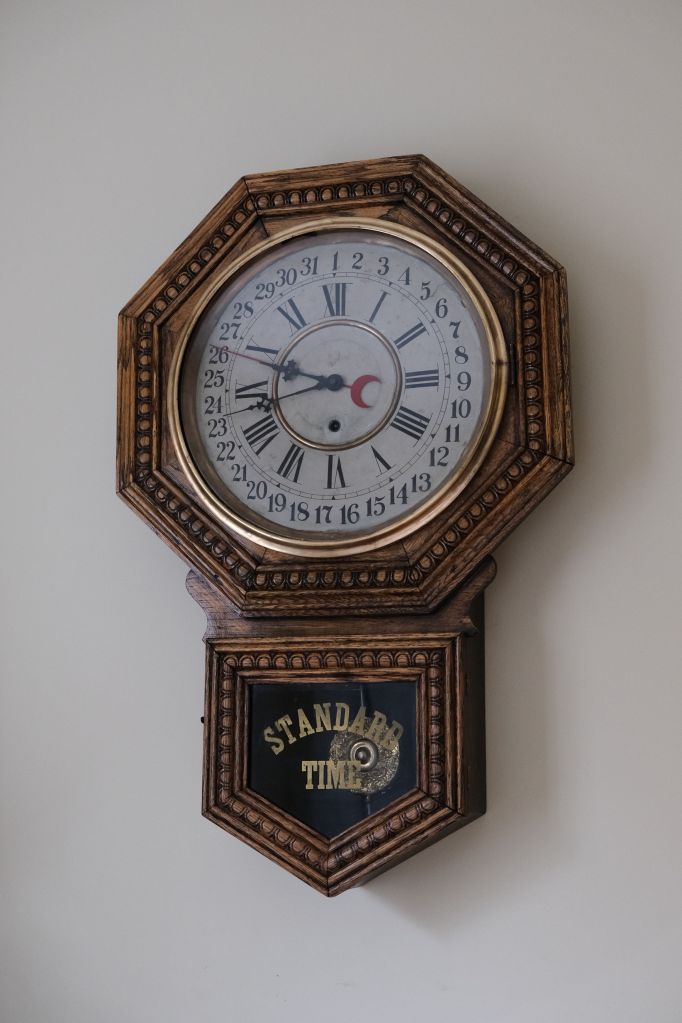
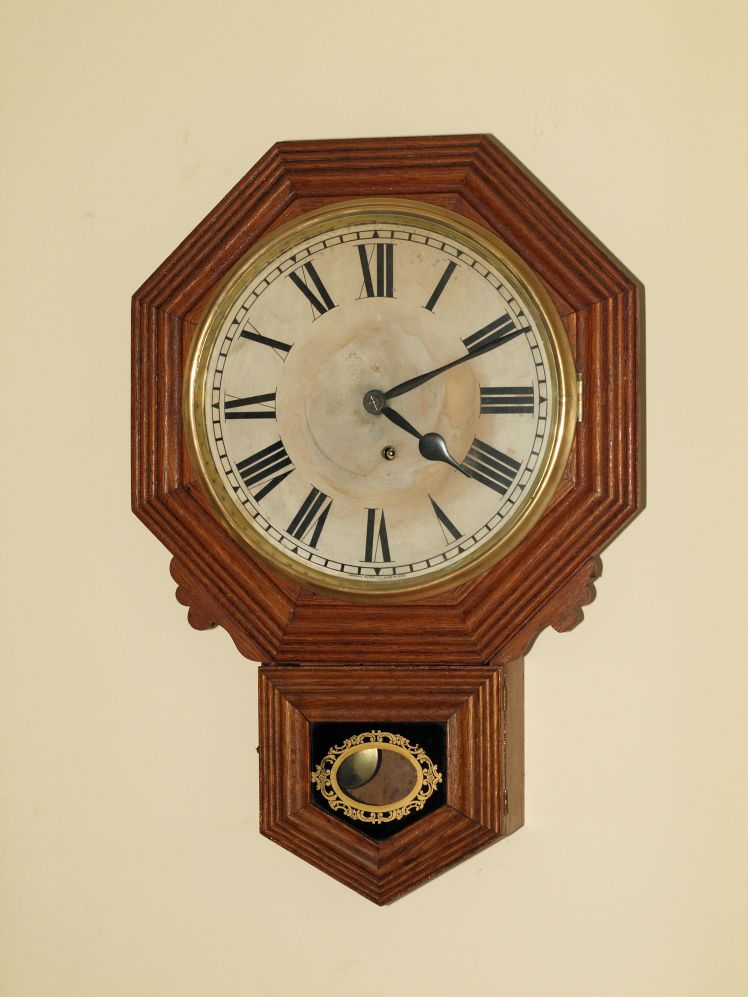

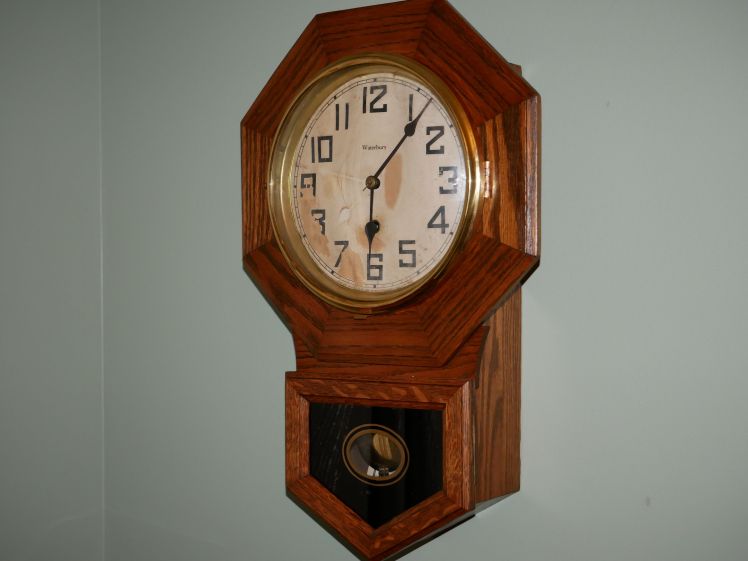
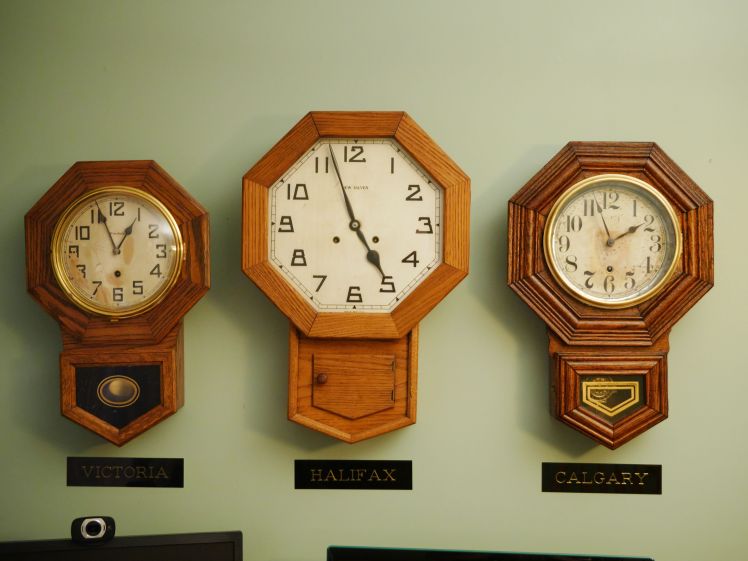
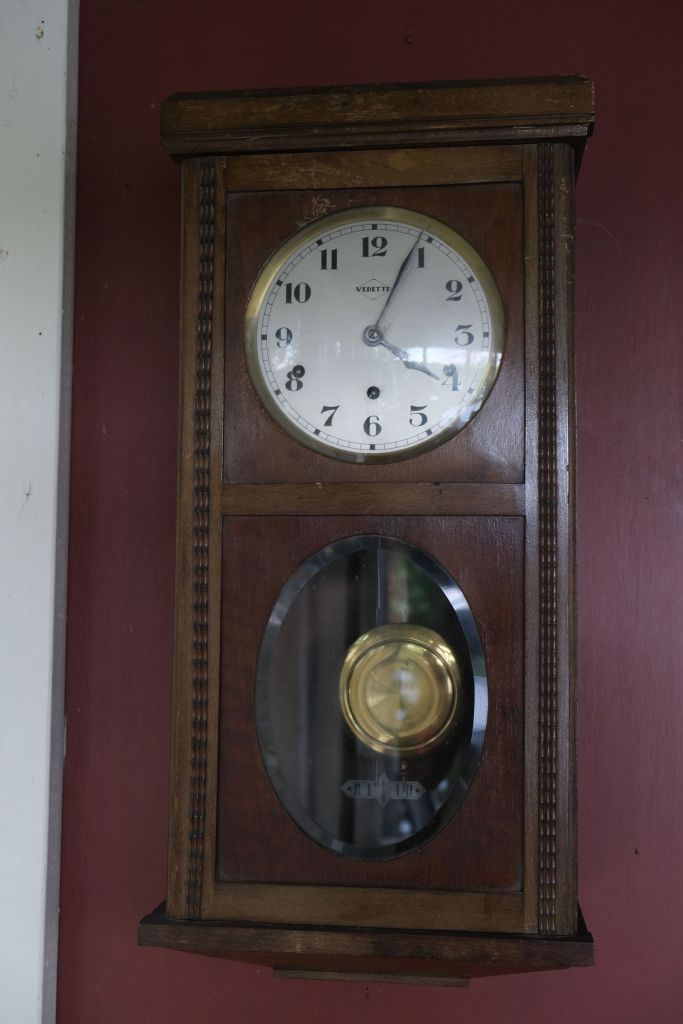
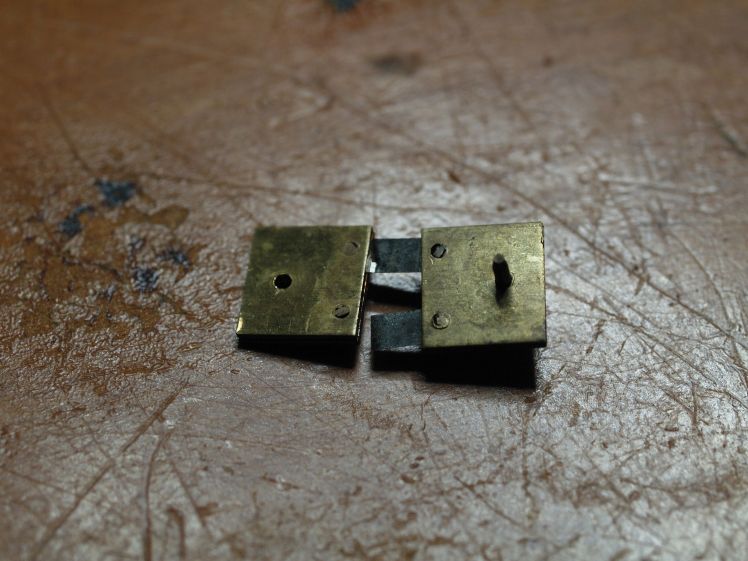

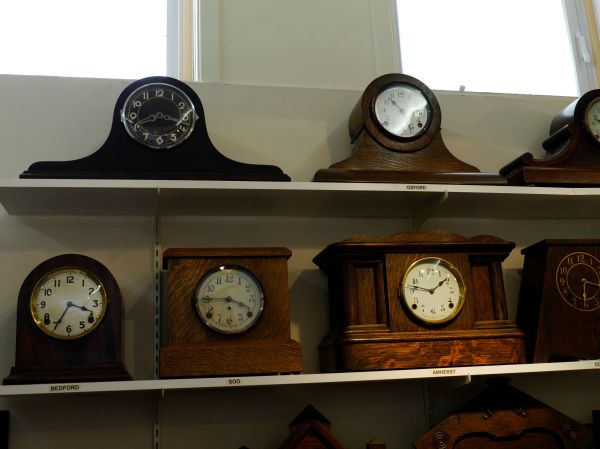
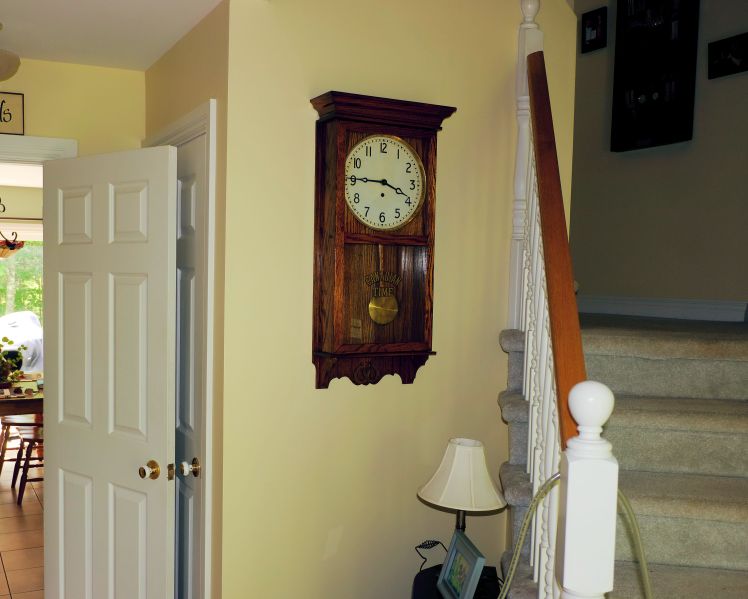
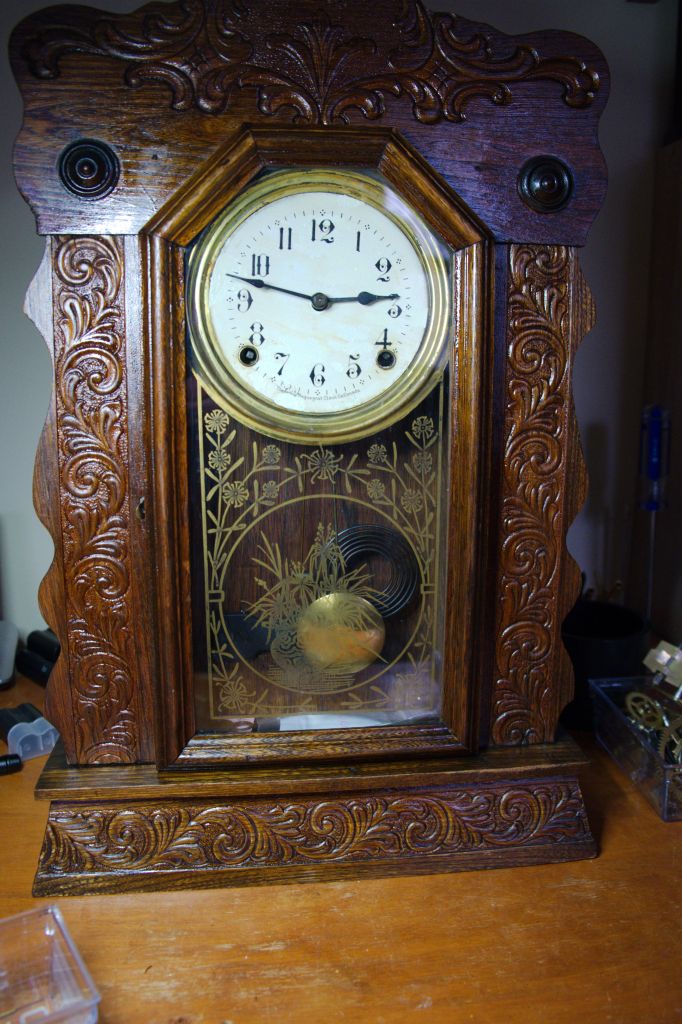
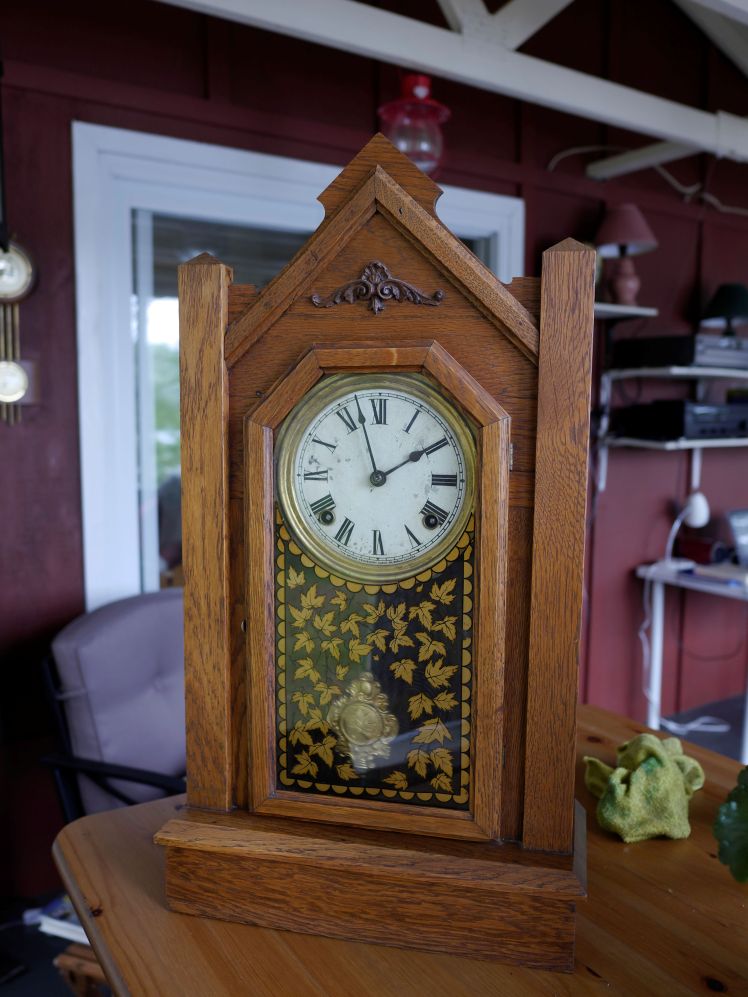

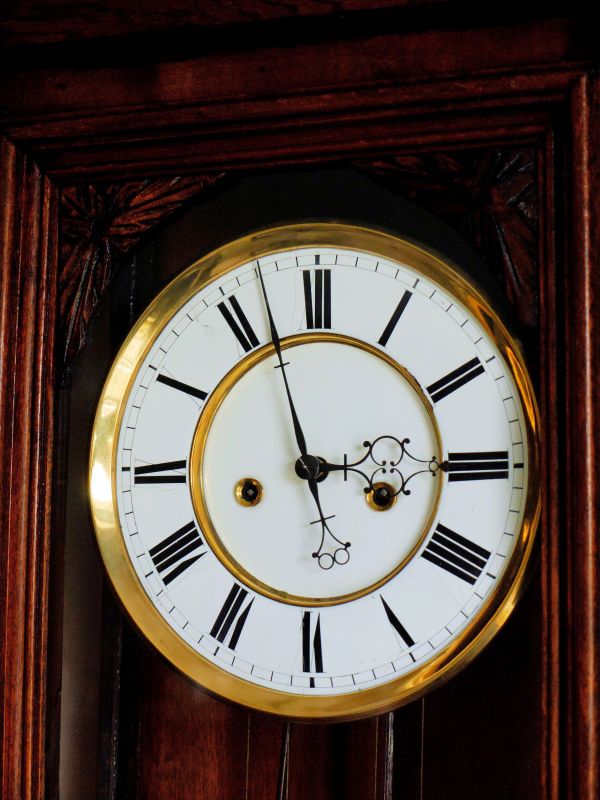
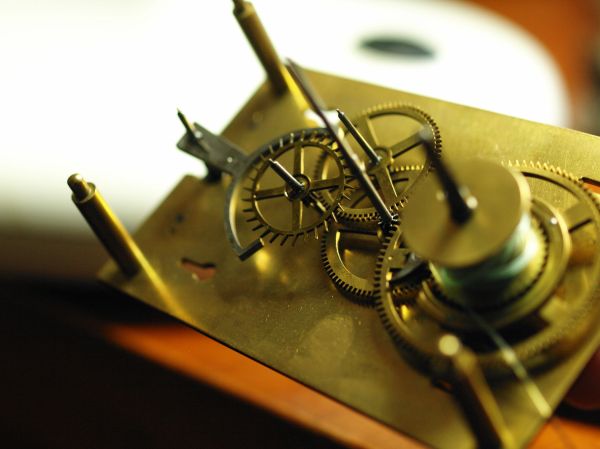
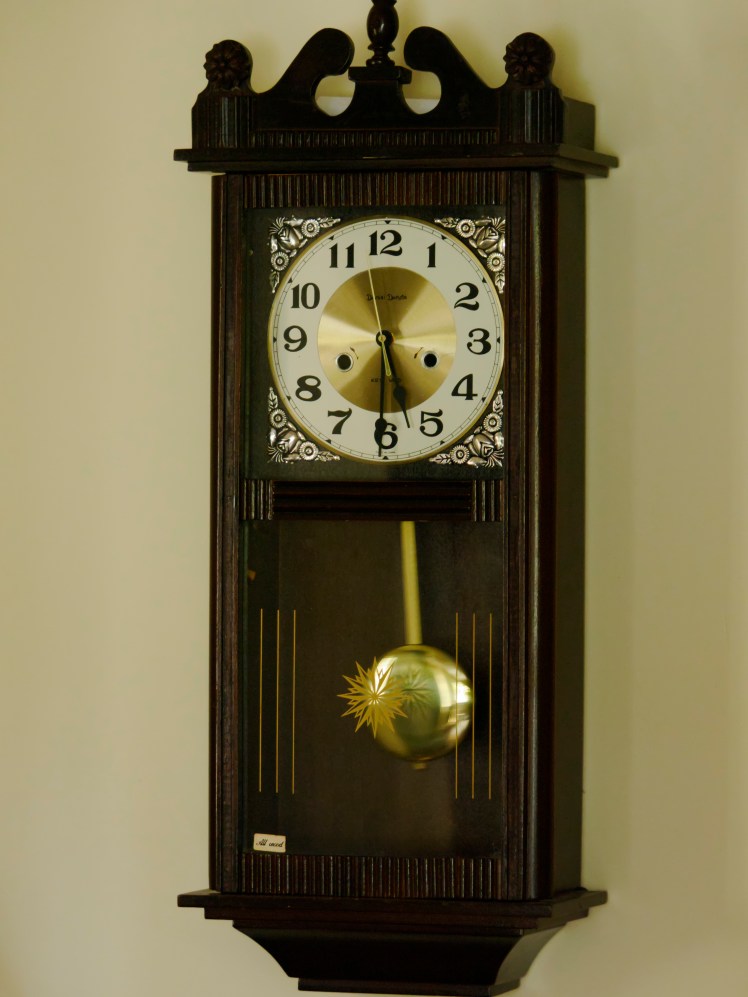
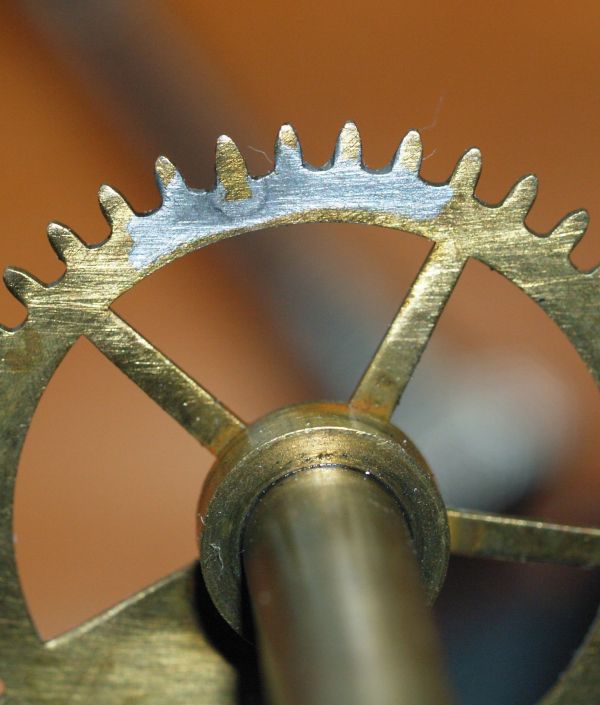
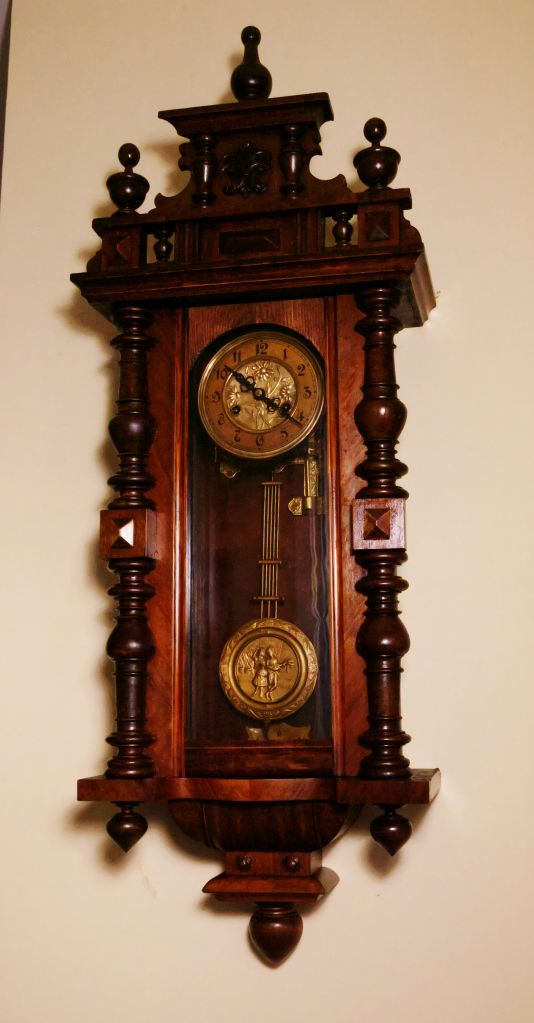
 Antique and Vintage Mechanical Clocks
You must be logged in to post a comment.