The final step in the repair/restoration of my tall case clock are the top finials. This clock had top corner finials at one point in its life. There is evidence that something was there on either side of the crown. I have no idea what they might have looked like but judging from photos of many tall case clocks of the 1850s period they were likely a brass ball type.
My first sight of the clock in a corner of an auction house
It is a classic Scottish tall case design from the 1850s. The removable bonnet is 23 inches at its widest point, the waist is 15 3/4 inches wide and the base is 20 inches wide. The bonnet has tapered columns on either side. The dial access door which covers the entire bonnet swings to the right. The solid wood access door on the waist measures 9 X 24. The clock stands approximately 84 inches.
Some time ago I wrote an article on an interesting acquisition, an Ansonia Extra Drop, a true barn find.
This Ansonia Extra Drop time-only Rosewood veneered wall clock was manufactured in the early 1880s by what was then known as the Ansonia Brass and Copper Company.
It was in pretty rough shape when I bought it and the only significant part missing is the brass dial bezel and a number of minor items such as the verge, hands, pendulum bob, suspension spring/rod, and the drop access door (which I made later on).
I was challenged by the whole prospect of putting the many pieces back together and giving what most would consider a throw-away movement, a second chance.
A sad-looking and seized time-only movement
Here is the movement when I found it. What a sight! I thought if I stripped away all the rust and dirt something of value would be salvageable. How many of you would simply toss it out?
After disassembly, scrubbing, cleaning, and one new escape wheel bushing here is the final result.
Cleaned and serviced time only movement
First servicing
The fact that the spring was unwound on the movement when I received it tells me two things. One, the chance that it is “set” is reduced and secondly, having an open coil means more surface rust on the outer part of the spring.
I did my best to remove most of the rust on the mainspring and it went back in the movement. A short while later I discovered that the clock would only run if I wound it about halfway. Otherwise, if wound tight it would not run at all. The surface rust was evidently causing it to stop.
Some clockmakers who after observing any rust on a mainspring would immediately toss it out and argue that the spring is weaker because of the presence of surface rust. In this case, the mainspring is unsightly but has no cracks and has plenty of power.
Other repairers apply a liquid or gel, black tea, or even use electrolytic rust removal to extricate the rust. I know I risk igniting a debate about mainspring replacement and if I were in the business of clock repair, I would certainly toss out the mainspring and pass the cost on to the customer. However, I am hesitant to spend money on a new mainspring for what is essentially a $5.00 barn-find clock and my challenge was to spend as little money as possible on this clock.
During the initial servicing, I managed to get rid of most of the mainspring rust.
Second servicing
Still some problems. After several months I took it apart again, ran the parts through my new ultrasonic cleaner which I did not have at the time of the first servicing. I placed the mainspring in as well. Scotch Brite abrasive pad and WD40 combined are excellent for cleaning a mainspring and I was able to effectively smooth out the rough and rusty outer sections of the mainspring. Again, I checked for cracks and suspicious imperfections and found none. After rubbing the abrasive pad over the mainspring several times I gave it a healthy coating of Keystone mainspring oil. A smoother, rust-free mainspring should function a lot better.
Rather than mount the movement on the test stand, I installed it back into its case but left the dial off so I could monitor it more closely. It runs very well and has run several full 8-day cycles.
Ansonia movement in its case
I realize that I have pushed the limit of this mainspring and the next step is a replacement but we’ll see what happens after the testing period.
Weeks later
The movement continues to run well and now it is time to put everything back together.
The Simcoe is one of 8 Arthur Pequegnat clocks in my collection. It is very similar in dimensions and style to the Jewel produced around the same time but a few dollars more at the time. The Jewel is an unadorned box while the Simcoe has more bling, a piecrust dial bezel, claw feet on each corner and lions head handles with rings on each side.
Time and strike movement with nickle-plated brass plates
To collectors, it is often referred to as a”Berlin” clock. Although it is impossible to date Pequegnat clocks the name Berlin distinguishes clocks made before 1917 and those made after and up to 1941 when the factory finally shut its doors for good. Clocks made prior to 1917 were inscribed “Berlin”, Ontario on the dial face as Kitchener was known as Berlin until midway through World War I.Kitcheneris the present seat of the Regional Municipality of Waterloo, Ontario (Canada). Those made afterwards have only the company name.
I passed by the clock in an antique store in Victoria, British Columbia without realizing that it was a Pequegnat. My wife has an eagle eye, told me to take a second look and I returned. Sure enough, a Pequegnat!
The yellow oak case is in very good condition with one or two small scratches and a chip just above the top of the bezel. The dial pan has had an ugly repair, there are two dabs of solder at 12 o’clock and 6 o’clock protruding through the front of the dial.
Piecrust bezel with some ugly repairs
The working movement looked to be in good shape but I expected some wear when I took it apart. After all, it is nearly110 years old.
I don’t know why Pequegnat chose to nickel-plate its movements. Perhaps the look was more exotic but the practical reason was to mitigate the formation of rust, The plating distinguished itself from similar American offerings notably the Seth Thomas number 89. Earlier Berlin movements had nickel-plated brass plates while later Kitchener clocks had steel plates with pressed in brass bushings.
Nickle-plated brass plate, rearFront plate with duller finish
On to the movement itself. Having a bell for the 1/2 hour strike adds to the complexity of the movement. It does not surprise me that later Pequegnat dispensed with the bell and relied on a passing strike gong. A keyhole regulator adjustment on earlier clocks, another complexity, gave way to an adjustable pendulum.
Key hole regulator adjustment
As expected, there were no surprises. The only evidence that the clock has been worked on is the newer strike side mainspring which is slightly smaller in height than the time side. Regardless, both springs run the full 8-day cycle.
There was no evidence of bushing work in the past and it is no surprise that it required some bushing work. Four were required on the time side and one on the strike side: S2R, T3F, T4F and EW front and back.
Assembly and testing
Now on to assemble and test the movement.
Assembly went well. On the test stand, the movement seemed to be working well but after a few days, I observed that it was not striking every hour. It was working well before I worked on it, so, something is amiss.
I wound the mainsprings tight thinking it was a power issue until I discovered that the helper spring on one of the lifting levers did not have enough tension. In other words, the unlocking lever was not lifting the count lever to prepare for warning. The solution? Tighten the lever helper spring.
In the meantime, I gave the case a good cleaning and one coat of shellac.
After a week it is running well and back on display.
Tick-Talk Tuesday is about the letters and comments I have received from you, the reader, concerning your clock, issues you might have had, challenges you face or a clock you would like me to profile and my responses to your questions with advice on your particular clock concern. For those comments and questions that stump even me, I consult within my clock circles for the best possible answer
Gilbert mantel clock
DG writes
“Hello again Ron,
Firstly, many thanks for your advice. It was extremely helpful. The clock is running, striking the right number of times and back in its case, adjusted for beat and now just getting it to keep reasonable time. I made up two pivot locators (a good suggestion) from wire, one heavy-duty to get the centre pillar in place (it always seemed out of alignment!) and another to adjust the pivots. I had trouble in getting some of the pivots to stay in place long enough to close the front and back plates as I went along so resorted to some Blu Tack on the bottom bush to hold them – not very professional but I couldn’t think of anything else. Getting the strike to work as it should was a total challenge and took me a long time but I got there in the end (probably the most satisfying part of the whole business). I am afraid it wasn’t a very professional restoration but I learnt a lot about Gilbert clocks in the process!
The date stamped on the movement is 1914. I’ve attached a photo of the front of the clock. It looks to me as though it had something attached to the bottom, front corners (there are two pin holes each side) which I am guessing were feet. Have you any idea what these might have looked like? Looking at pictures on the Internet there seem to have been slightly different styles as well as gold and a dark antique look, on Gilbert clocks. Any idea where I might find some – eBay?
Once again, many thanks.”
My reply
“It is certainly a good feeling putting a mechanical clock back together and have it in working order. If you can manage a Gilbert clock you can handle just about any American time and strike movement.
which has a piecrust dial instead of the plain dial on your clock. You are correct. It would have had feet at one time. If one went missing I suspect they were all discarded.
On the bench is an Arthur Pequegnat time and strike kitchen clock which is part of the popular Maple Leaf series produced up to 1941 when the company closed its doors for good. In Part Iof this two-part series I discussed disassembly and assessment of the work to be done.
In this Part III continue with cleaning, pivot polishing, bushing work assembly and testing.
Nickel-plated steel plates
Parts cleaning
All parts are cleaned in the ultrasonic and dried immediately afterwards. The mainsprings were cleaned, oiled and placed back in their spring retainers.
Bushing work
One of the pivots had small amount of scoring but otherwise all other pivots were in good shape, polished and made ready for bushing. Here I have the wheels ready for polishing. An emery board is perfect for pivot polishing. A steady-rest (top right) also comes in handy for those pivot ends that are difficult to secure in the 3-jaw chuck.
Getting ready to polish the pivots, steady-rest is in the upper right of the photo
As mentioned in Part I, I wanted to begin with the most problematic bushing wear, the escape wheel, but first it meant straightening out one of the pivots. A straight pivot will allow the arbour to align better.
Bent pivot, escape wheel
Here (below) is the hatchet job of a past repairer. Normally I have sympathy for folks who had few tools to work with in the old days but attempting to close a pivot hole so aggressively and bending a pivot in the process is terrible workmanship. It is a wonder the clock ran at all.
Punch marks around a pivot hole
The new bushing is certainly an improvement. My one concern was cutting into the steel as the pressed brass inserts for the bushings are not quite on-center. It is a quick way to ruin a Bergeon reamer and this time, it was close! This was the toughest one, the other 4 on the time side were standard installs. As mentioned in the last post, the strike side pivot holes were in great condition which happens when the strike side is not wound.
New escape wheel bushing
Reassembly and testing
Now, on to reassembly. The last 2 movements I worked on had steel plates with a similar problem; bent plates. If they are bent in any way it is a struggle to align the top and bottom pillars. Moreover, if the plates are bent especially in the middle they may impede the running of the movement as there may be insufficient end-shake for the wheels to run. There needs to be a little end-shake or the gear’s arbour will bind. I am not a big fan of steel plates.
Generally, I do not replace helper springs but if they are broken, replacement is essential. Many Canadian time and strike clocks have helper springs to maintain tension on lifting and locking levers including the lever for the strike action. The hammer spring looked good when I disassembled the movement but during reassembly, the spring promptly snapped. The .35mm brass spring was replaced with one the same size.
Having worked on two other similar Pequegnat movement recently, I knew exactly where to position the stop wheel for the strike side. Everything went together smoothly, the movement is now on the test stand and destined to run for years to come.
The case is in great shape but the dial was beginning to flake. I found the right combination of colours and inpainted where needed.
As received with some flaking of the dialMaple Leaf kitchen clock
While there was little wrong with the clock before servicing it is nice to know it will continue along for many years to come.
On the bench is an Arthur Pequegnat time and strike kitchen clock which is part of the popular Maple Leaf series produced up to 1941. Among collectors it is know as the “Pointed Top”. This Canadian made clock was bought at an antique store in Bloomfield, Ontario the summer of 2018 and presumably spent its life in or around the Toronto area.
The Arthur Pequegnat Clock Co. made clocks in Kitchener, Ontario (Canada) from 1904 to 1941. Canadian clock collectors are very familiar with the name and associate Pequegnat clocks with solid construction, robust movements, conservative designs and nationalism since many clocks were named after towns and cities in Canada.
Pequegnat made mantel, shelf, hall clocks (Tall case) and wall clocks mostly of oak though some were mahogany veneered. The Kitchen clock or gingerbread clock as it is often called was very popular at the time and Pequegnat made an effort to keep up with current styles with a range called the Maple Leaf. There were six versions of the Maple Leaf clock made by the Arthur Pequegnat Clock Co. Though the dimensions are similar they share two unique characteristics; all Maple Leaf’s have the distinctive maple leaf tablet and Maple Leaf pendulum. It is Pequegnat’s interpretation of a truly Canadian clock styled after similar American ones.
I always make it a point to mark the time side wheel and mainspring so as not to confuse the two
It is a distinctive Arthur Pequegnat movement with nickel-plated steel plates (confirmed with a magnet) and brass bushings pressed into the plates. Unlike most Pequegnat movements this one is unmarked. Because of the shortage of brass after the First World War, Pequegnat used steel for their plates but with pressed brass bushing inserts. There must have been a cut-off date when Pequegnat switched from brass to steel plates so, this movement may have been made during the transition period at or around 1916.
Nickel-plated steel plates
Not surprisingly it had been worked on in the past. One escape wheel bushing on the front plate has ugly punch marks around it made while a past repairer attempted to close a pivot hole. In the process the pivot was bent. Upon closer inspections there are dients on the top of the pivot.
Ugly punch marks around escape wheel pivot hole
Otherwise there appears to be an average amount of wear for its age. I corrected one small issue right away; the half hour strike arm was loose in the arbour and had turned to one side. I oriented it to the correct position and secured it with Lock-Tite.
Disassembly and assessment
Ah, but I discovered another reason why the strike arm was loose. While the time side requires at least 5 or 6 bushings due to excessive wear, the strike side has almost no wear at all. I can only surmise that the strike side was seldom wound. It makes perfect sense that the half-hour strike arm was twisted out of the way so as not to make any sound at all.
Overall, less bushing work for me but as far as I am concerned both sides are meant to run and they will.
Broken pressure washer on the count wheel
Though still usable the pressure washer on the count wheel is broken.
Bushing work
I thought I would tackle the worst bushing first, the escape wheel, back plate. First, to straighten the bent pivot. I put the wheel in the chuck of my mini lathe and gave the wheel a few spins. Yes, definitely bent.
Bent pivot
Using a punch I inserted the hollow end into the pivot and determined where I had to bend it by giving it a few more slow spins on the lathe. It is soft steel and bends easily.It is important not to be too aggressive as the pivot can snap off. Installing a new pivot is not fun!
Using a hollow end punch to straighten a pivot
Once straightened I gave it a good polish.
Polishing the pivot with an emery board
It is worth mentioning that on this movement the time side mainspring is 17.2 mm high while the strike side is 15.6mm; not the first time I have seen a differential on movement such as this. I always make it a point to mark the time side wheel and mainspring so as not to confuse the two.
Now it is on to cleaning, pivot polishing, bushing work and testing which will be discussed in Part II.
I know many of you did your best to adapt to isolation during what is now known as The Coronavirus Pandemic. It changed the way we think, the way we behave and the way we interact with each other. My condolences to those who suffered during this infamous chapter of our lives particularly those of you who lost loved ones.
I had already established my clock hobby long beforehand so the last few months meant that I was able to focus on tasks that I had planned to do but wondered whether I would ever have the time. Corvid19 changed that.
What was also very different was that I could no longer acquire new clocks to add to my collection. So, instead of searching for new ones, I serviced ones in my collection which is not a bad thing.
However, on day 6 of the weekly cycle, the clock would stop and always on day 6. Why?
I was very productive.
I have a small but growing collection of Arthur Pequegnat clocks and was able to service a good number of them and in the process learn the differences, some major and some minor, between early Pequegnat movements and later ones. I honed my skills as a clockmaker, meeting new challenges with each movement I worked on. Four of those clocks are:
Arthur Pequegnat Bedford shelf clock
Restored Arthur Pequegnat Bedford shelf clock; case and movement are now done.
Arthur Pequegnat Canuk, kitchen clockArthur Pequegnat Simcoe
As with the Bedford, Maple Leaf “pointed top” and the Simcoe the cases, including the dial and movement were done.
Maple Leaf kitchen clock, the “pointed top”
However, I was also able to focus on what I consider my most exciting clock acquisition in the last 3 years, my circa 1850 Scottish tall case clock.
I reconditioned and repaired the case and serviced what I would call the most frustrating movement I have encountered to date, an English bell strike. Plenty of patience is required for this one. It is all about small adjustments and in this case, mostly the strike side. Just when you think things are going well, another issue surfaces. I should have expected that working on a 170-year-old clock is not easy.
McLachlan tall case clockEnglish bell strike
I was unable to return the movement to the case immediately because it had to go through the testing process which meant constructing a clock stand. I have two other stands but they are too short and made specifically for wall and mantel clocks. Taking ideas from similar test stands online I constructed a 48″ high tall case test stand for my English bell strike movement.
A tall case test stand
The phenomenon of sympathetic vibration
However, during movement testing which lasted for weeks, I encountered a consistent problem. On day 6 of the weekly cycle, the clock would stop and always at about the same point in time. Why? It is something called “sympathetic vibration”. When the clock stops as the weights descended to the level of the pendulum a harmonic phenomenon occurs “wherein a formerly passive string or vibratory body responds to external vibrations to which it has a harmonic likeness”.
In practical terms, when the weights on a tall clock descend to the point where it’s at about the same height as the pendulum, the weights may begin to swing slightly. Since the power that drives the pendulum is now swinging the weight as well, the pendulum does not get its share of power and stops. Sometimes, despite the swinging of the weights the movement soldiers on but in the case of this movement there is insufficient over-swing of the pendulum to compensate for the loss of power.
It can generally be addressed in a tall case clock by fastening the upper part of the case to the wall, or by mounting the case on a solid foundation. For a free-standing clock stand placing a block of stiff foam rubber between the stand and the wall usually cures the problem.
Although the Scottish tall case project consumed a lot of time, it was very satisfying and it was a great learning experience.
More clocks
There are some other clocks I could have mentioned, two German time and strike clocks, a Mauthe and a Muller, a Gufa Westminster chime but suffice to say I made a lot of progress with my collection.
However, beyond the hours of time, it is self-satisfaction and a sense of accomplishment while engaged in productive activities that are the real intrinsic benefits. And folks, that’s what a hobby is all about.
It is time to service this very fine German box clock by U. M. Muller. I have been stalling for too long. I am a little leery because the last time I worked on one of these the strike tension spring broke (my fault) so I made a promise to be more careful this time.
I bought this clock in 2013 and while it has been very reliable and running daily, like all things mechanical it requires attention from time to time.
A little background.
German “box clocks” effectively spelled the end of the Vienna regulator period because they were cheaper to produce, had simpler lines and appealed to the middle class consumer of the 1930s.
U M Muller box clock
According to Schmid’s Lexikon, the original founders of this company in Mühlheim started in 1867. It was acquired by R. Schnekenburger around 1880, then by Gebrüder Müller around 1896 when it became Uhrenfabrik Mühlheim vormals R. Schnekenburger. In 1900 it assumed the name Uhrenfabrik Mühlheim, Müller & Co. or UM Muller.
This U. M. Muller box clock features wood carved inlays on the door, metal dial, wall stabilizers, brass bezel trim, spade and spear hands, beveled glass framed in brass and a fixed wood carved crown. The case reflects excellent quality.
Logos are helpful in dating a clock. U. M. Muller clocks can be dated by the lion logo on the clock face. If the lion’s tail is up it is pre-1930. On this clock the tail is down which puts it is in the mid to late 1930s.
Back of movement
Okay, enough of background; let’s get on to servicing the movement which is the subject of this post.
U M Muller movement, front plate
It is a count wheel strike which is not unusual but to be honest I was a little surprised and expected a rack and snail movement for a 1930s clock.
The movement has been opened at least once, perhaps more. I could not see any obvious signs of repairs, so, perhaps a cleaning or an adjustment was all it required. It was very oily and I suspect it was sprayed with some sort of solvent. Despite the “wet” condition of the movement it is actually in very good condition.
I had two issues with disassembly. One, I could not pull the count wheel off its arbour despite my best efforts, so on it stayed. I simply worked around it. It made for an interesting installation of the cam wheel bushing. Secondly, the strike lifting lever spring snapped when I disassembled the clock. See, this is what I feared!
I salvaged what was left of the spring, which is essentially a stiff, straight wire that hooks onto the strike arbour, but had to drill a new hole in the plate adjacent to the old one to secure the spring. The remaining spring happened to be just long enough to do the job.
Spring repair for U M Muller movement, solder used to secure the spring in place
The movement was disassembled and parts placed in an ultrasonic cleaner. After drying all pivots were polished.
Mainsprings
The powerful mainsprings are a weak point in German clocks of this era. Usually when they break they take a few things with them. It is called collateral damage and manifests itself in broken wheel teeth, bent wheels, arbours and so on. As the mainsprings were in top shape with plenty of power, no splits or cracks, they were cleaned and reinstalled in their barrels.
Bushing work
The movement required 3 bushings, the escape wheel front and back and one on the cam wheel, strike side. It was actually not as worn as I expected and likely could have gone on further without stopping but the bushing work and overall servicing including a good cleaning will certainly extend the life of this clock.
The three 2mm diameter bushings required for the plates are some of the smaller ones in my supply. Not a huge problem but they are so small that one snapped out of my tweezers when I grabbed it from the container. It is on the floor….somewhere!
Wheels are in place and ready for the top plate
Otherwise, the bushing work went well.
Testing
the movement was assembled and while the time side ran well the strike side was out of adjustment. With count-wheel strikes it generally takes a couples of attempts to get it right but I think I have only one adjustment to make, relocating the stop wheel so that the stop pin is in the 12 o’clock position. I will leave it and test the time side for now.
Next day
This is the day when things go horribly wrong.
I let the mainsprings down and opened the plates to relocate the stop wheel. In my haste to reassemble the movement I bent one of the pivots on the governor. I knew it right away because when I had the plates back together the train would not turn and the fly was “stuck” in one spot. Out came the wheels and once I attached the fly arbour to the chuck of my lathe and gave it a few spins I could see how much it was bent. It was not bent by much, but any amount will stop the train. I straightened it as best I could and it looked pretty good. The pivots are tiny and care must be exercised when moving the wheels around when assembling the plates. It is a hard lesson for all clockmakers.
The lion’s tail is downward
Of course, while straightening the fly arbour the tiny fly retention spring, which is a small wire, flew into the room somewhere. I had to fashion a new fly spring from 19 gauge wire. What else could go wrong! Thankfully nothing else did.
This should have been a relatively easy movement to work on. Instead I seemed to have encountered one problem after another but with each problem I arrived at a solution. Despite my issues this is a well made German movement and really nice to work on.
All is well, the movement is running and striking as it should.
To Canadian clock collectors, Arthur Pequegnat are clocks highly regarded. Irrespective of model names they are generally classified as either “Berlin” or “Kitchener”. The Arthur Pequegnat Bedford is a Kitchener clock. Let me explain.
Although it is impossible to date Pequegnat clocks to the exact year of production, the name Berlin distinguishes clocks made before 1917 and those made after and up to 1941 when the factory finally shut its doors for good. Those made after 1917 are referred to as Kitchener clocks. Prior to 1917 “Berlin”, Ontario (Canada) was inscribed on the dial face and after the war, simply “Canada”.
Later Pequegnat movements, such as this one, have steel plates with brass bushing inserts while older Pequegnat movement plates were nickle plated brass
Kitcheneris the present seat of the Regional Municipality of Waterloo, Ontario (Canada).
This clock was given to me by a gentleman from Quebec City in May 2018. He wrote to me and asked if I wanted it, at no cost. It was his father’s clock and he felt it should go to a home where it would be appreciated. All I had to do was pick it up. While on our annual journey to our cottage in central Canada we stopped by, spent the morning chatting about clocks and other things, and have become friends ever since.
Bedford with a 6-inch dial, Canadian Clock Museum
This clock might possibly be a variant. Most Bedfords have the smaller 6-inch dial as opposed to the larger 7-inch dial on this clock.
The dial bezel and glass might also have been added as part of a later repair. The past owner told me that the clock fell and the damage was extensive. I spend part of the summer of 2018 reconstructing and refinishing the case but did nothing with the movement.
Gluing and clamping the case
Now, two years later, the movement must be serviced.
Later Pequegnat movements, such as this one, have steel plates with brass bushing inserts while older Pequegnat movement plates were nickel-plated brass. The change to steel was made during World War I when brass was in short supply. Most Pequegnat movements are stamped with the company name; this movement is unmarked.
Standard Pequegnat movement with steel plates
It was a running clock when I received it, had been running since 2018 and I did not expect too many issues while performing the service nonetheless there were problem areas. In a past repair, someone attempted to close pivot holes by punching into the steel plate. That did not work well. There is some bushing wear and from my initial assessment, at least 5 or 6 new bushings are required. On the other hand, the pivots look to be in very good condition.
Servicing the mainsprings
The strike side’s main wheel assembly fell apart when I removed the mainspring. Using a punch I staked it back together. The mainsprings are in very good condition with no rust or cracks and will be re-used. They were cleaned, oiled with Keystone mainspring oil and reinstalled on their wheels.
Servicing the mainsprings
Bushing work
As mentioned above, a past repairer attempted to unsuccessfully close at least 4 existing bushings by punching into the steel plate, so, this movement has never been bushed.
This movement was certainly more worn than I thought. After assessing the movement a second time I determined that 9 bushings were required, 6 for the time side and 3 for the strike side. With brass inserts punched into a steel plate, one is always fearful of an insert becoming dislodged or falling out. Not this time, everything went smoothly.
The 4th wheel on the strike side is unlike every other wheel with a thinner shaft just below the pivot area. The shaft was turned in order to access the lantern pinions from that end. Why not come in from the other side?
Odd repair on 4th wheel, strike side
I have seen many interesting repairs over the years so I am not especially surprised.
Parts laid out after cleaning in the ultrasonic
Once the repairs are made, the parts are cleaned, the pivots polished and new bushings installed, it is on to reassembly.
Everything but the verge is ready for the top plate
Once the wheels and levers are in position it is ready for the top plate. The escapement verge is installed once the plates are together.
During the course of reassembly I discovered a bent steel front plate which meant lining holes to the pillars was frustrating. Brass bends easily but steel also bends with enough force. I suppose if one attempts to punch a plate to close pivot holes while the movement is assembled, the plates might just get bent.
On the test stand. Beat amp microphone attached to set and monitor the beat
Then, it is on the adjustments and testing. The movement is running and striking as it should but a testing period of a couple of 8-day cycles should tell me if any further adjustments are required.
After two weeks all is good and the movement is returned it its case. It should be good for years to come.
It is time to service the movement on this mid-thirties German box clock. It was purchased at an antique mall in Peterborough, Ontario in May of 2017, and other than oiling, nothing has been done to it. While it has been running well since then, it is due for servicing. Plus, this little project is one of the many clock tasks that has kept me busy during the period of pandemic isolation.
There is nothing anywhere on this clock that tells me it is a Mauthe, not on the clock face or on the movement. However, the gong marked by the name Divina tells me that Divina was a subsidiary of Mauthe. It was likely sold under the Forestville or Solar name in department stores across Canada in the 1940s. There is an applique of a maple leaf on the crown so, I assume that it was made for the Canadian market.
German “box” clock by Mauthe
As mentioned, this spring-powered rack and snail movement has no makers mark though 25226 is stamped on the front plate as well as the numbers 42 and 105; 42 the pendulum length in centimeters and 105 as beats per minute.
The front plate shows the rack and snail
CA 79/9 scratched in the lower right of the front plate is a clock-makers mark for servicing in September of 1979, presumably the last time it was taken apart for cleaning.
Dirty as expected but in good shape
Both plates are 1.8 mm brass. The backplate is solid while the front plate is open. It is a robust movement that was designed to last.
Spring-loaded weight on the governor
An unusual feature is a spring-loaded weight on the governor. Manufacturers sometimes used a special fly that has a small spring-loaded weight attached to try to even the power curve of the strike side. The faster the fly spins, the further out the weight, providing more resistance.
Day I – dis-assembly and servicing mainsprings
Safety is paramount; first and foremost, let down the mainsprings.
The rack, snail, lifting levers, and other assorted parts are separated from the movement before the plates are opened up. The strike hammers stayed attached to retaining pins as they were just too difficult to take out. Additionally, despite my best efforts to pull the gathering pallet off the arbour, it would not budge. I did not want to risk any damage to either part.
The movement was dirty, as expected, but I have seen much worse.
Once everything was apart I reinstalled the time side to check bushing wear and found the only suspect bushing to be T2, front plate. After taking out the time side gears I reinstalled the strike side gears and found that side to be in very good condition. The pivots likewise on both sides are in excellent condition.
The movement is in very good condition for an 80-year-old clock.
In the normal course of clock servicing I install more than one or two bushings
Different sized mainsprings for time and strike
The time mainspring is slightly shorter in height and length and therefore less powerful than the strike mainspring. On many movements, both sides have the same mainspring power but this movement is clearly different. Is it by design? There is more resistance pushing the strike gears through the train in that it has to work a little harder so, one would expect a strong mainspring.
Note the difference in the size of the cut pinions below. Both are second wheels. The one on the right with the larger leaf pinion is the strike side, the left is the time side.
Each time I work on German or English movements I make it a point to scratch a small “T” on both the time barrel and mainspring so as not to interchange them. Even if both sides have identical mainsprings I note the difference as a matter of practice. If the springs are different and they are switched, the increased power of the incorrect, more powerful strike spring might result in premature failure of the time side.
Second wheels and difference in the size of cut pinions
The other possibility is that during a repair in September of 1979, the time side mainspring was replaced by a smaller, and more than adequate, mainspring.
I took the springs out of their barrels and gave each a cleaning in the ultrasonic. Once dry I applied Keystone mainspring oil to each mainspring and returned the springs to their barrels. That’s it for day one.
Day 2 – bushing work
In the normal course of clock servicing, I install at least one or two bushings. On this movement, one bushing was required, T2F. The hole was marginally oblong and I am sure the clock would have functioned fine without it but as a precaution, a new bushing was installed.
Cutting into the brass to prepare for a new bushingReady for the top plate
I generally spread my clock cleaning and servicing over several days but the bushing work went so quickly that I decided to proceed with assembling the movement.
The only critical adjustment prior to assembling the plates is the stop wheel. The stop wheel requires about half a rotation to arrest the train during warning otherwise, all the other adjustments are made outside the front plate. During dis-assembly I made a note of the location of the wheel, at 12 o’clock, saving time and frustration and it worked just fine.
Rather than use a test stand I returned the movement to its case for further testing.
The Westclox Clock Company is best known for various versions of Big Ben and Baby Ben windup alarm clocks produced from 1909 to the mid 1980s though the later Chinese clocks did not compare with the better made American versions.
A pair of Baby Ben Dura 61C clocks
In the Art Deco style is the LaSalle series. Both of these clocks (above) are the model 61-C (401) otherwise known as a Dura clock so-called because of the nickel-plated, die-cast zinc cases made by The Dura Casting Corporation in the United States. There are 6 models in the LaSalle series and all use the Westclox type 61 Baby Ben, one day movement.
The second clock, sent to me by a reader, has a broken crystal, a rough case and a broken time key but the movement works. Since all parts are interchangeable my plan was to combine the best parts into one working clock.
A working clock, the product of taking the best of parts of two Dura clocks
So, I was left with a non working movement. I was intrigued by the design of the movement and the fact that many parts in this, which I believe to be the 61 number 2 movement, are interchangeable with other Baby Bens both before and after this movement was made. The date stamp on this movement is June 1930.
Broken time key
I wanted to know why this movement was not running. There were no obvious signs. I oiled the pivots to free the movement but had no success. The movement would run for a few seconds and stop. The alarm and time mainsprings were fine and had plenty of power but evidently not enough to keep the movement running.
My dilemma; two working movements and one good case
I let down both mainsprings. I removed the time and the alarm bridges to investigate further (3 small screws hold each bridge) and to eliminate the possibility of worn gears, broken pivots and worn bushing holes. Finding nothing I decided that a good cleaning was the next step.
Front plate
I disassembled the movement, pre-cleaned and placed the parts, including the mainsprings into my ultrasonic cleaner for 20 minutes. My wife had been baking and it was an excellent opportunity to take advantage of the heat of the oven to dry the parts thoroughly.
Free of dirt and grime
Hairspring escapements can be tricky though I got lucky and set it up correctly the first time. After installing the balance wheel and threading the hairspring through the regulator and attaching the post the movement was in beat from the start.
Hairspring and balance wheel escapement
Now I have two working movements and one good case, though one could call the second working movement a spare.
Baby Bens are well engineered and some parts are interchangeable. I enjoy working on these Baby Bens and will be on the lookout for more to add to my collection.
If you are a collector like myself there will come a point when there are just too many clocks and not enough walls and mantels. I manage my collection in two ways, some clocks are gifted while others are sold. I am not in the business of selling clocks but occasionally I will sell a few to trim my collection.
The objective is to recoup my initial investment and any time I put into a particular clock plus, make room for new acquisitions.
Juba Schatz time and strike sold in 2018
I hope you find these tips useful when preparing to sell your clock.
What does “antique” mean: The general standard for considering something as an antique is that it must be least 100 years old. Based on this definition a clock made on or before 1920 is an antique. Anything under 100 years but more than 30 years is vintage and anything 30 years or less is considered collectible. However, you will find sellers using the word antique when clearly, the article is vintage. And some consider anything that is old to be an antique.
Vintage Mauthe Westminster chime sold in 2019
Value: Research auction prices to get a feel for the value of similar clocks that are offered for sale and the price realized. There will be a range of prices and something in the middle of the range is a good guide. Know that a clock is only worth as much as someone will pay. If you price your clock too high you will know it soon enough.
Rare and desirable clocks, as well as clocks with an interesting provenance, will command higher prices.
Clocks vary in price according to the geographic location where they are sold. Generally, clocks that are made in the same location as the clock is sold will command higher prices.
Preparing the clock for sale: A clock in running condition will be worth more than one that is not. A professionally serviced clock in excellent running order will command a higher price. A clock case cleaned of grime will present better than a dirty one. Missing hands or dial glass will adversely affect the price. Items such as these can be replaced and parts are available from clock suppliers but it becomes an extra cost for the buyer and for many it is a deal-breaker.
Disclosure: Honesty is key. Tell the prospective buyer as much as possible about the clock. A clock that is a marriage, a case with a similar but replacement movement, should be stated as such. Replacement glass, newer dial, replacement crowns and finials, case repairs or full case restoration should also be disclosed. If the clock is running and was recently serviced by a competent repair person, state it. If the clock is running but the movement needs to be cleaned, state it. If it is not running describe why and what issues it might have (poor previous repairs, missing parts etc.). If you do not know, state it. Describe excessive wear, damage or missing pieces such as crowns, finials and trim pieces.
If your clock is rare, indicate why it is rare and how your research supports your description.
Jauch wall clock may look antique but it was made in the 1970s
Where to advertise: There is any number of ways to sell a clock. Facebook for-sale sites, local online for-sale sites, eBay, flea markets, consignment shops and auction houses are popular places to sell a clock. Setting up an account for most online sites is a pre-requisite but there is usually no cost.
Photographing your clock: Few cell phones are capable of capturing a detailed image of a clock but for many, it will have to do. Out of focus photos are a no-no, however.
Several images from different angles as well as a photo of the inside of the clock case are much more helpful than one photo. During the daylight, place the clock near a window and position yourself between the window and the clock to take a series of photos in natural light. If there is damage or wear take closeup photos of those areas.
A dedicated camera with artificial light will produce superior results.
Determining the age of a clock by the movement from a Gilbert mantel clock is easy. It is stamped on the plate (1925)
Collectors are interested in certain makes. Along with your description state the maker and the approximate age. If you do not know, a picture of the makers mark on the dial or the movement will assist prospective buyers.
Description of your clock: Crafting an ad is an art in itself. You must be concise and accurate and not overly wordy. There is a balance between too little and too much information. More information means fewer inquiries from prospective buyers. Too much information with technical terms will turn off prospective buyers.
State the clock’s maker if known, the model if possible, the year it was made, the type, (time-only, time and strike, chiming clock), the style of clock (mantel, wall, shelf, parlour, Ogee, tall-case etc.). as well as any interesting features, for example, a steeple clock with an alarm function or a clock with a second’s hand.
There is no need to provide a reason for selling but sometimes it helps the ad.
Junghans Crispi German time and strike wall clock, circa 1899
Example of a poor ad for Mauthe clock pictured below
Antique chiming clock, comes with key
Example of a good ad
Scaling down my collection. Antique German time and strike clock made by Friedrich Mauthe, circa 1899. Original glass, mild restoration including new upper centre finial, repainted hands, new wall stabilizers and new arch piece. Cleaned and serviced in 2019. Runs well, key supplied.
Mauthe wall clock
And finally
Know your terms: If you are selling a mantel clock, the word is mantel, not “mantle”. A clock with two winding points (and there are exceptions) are generally called striking clocks, that strike not “chime” on the hour and half hour. A chiming clock generally has a quarter-hour musical tone such as Westminster or Whittington and often has three winding points (again there are exceptions). There is no such thing as a Tempus Fugit clock. Tempest fugit means “time flies”. A grandfather clock is a tall-case clock 6 feet or higher, not a wall clock. Gingerbreads and parlour clocks are different but both are often called kitchen clocks.
Though certainly not a definitive guide to selling, I hope I have provided some pointers and ideas when you decide to sell your antique mechanical clock.
Tick-Talk Tuesday is about the letters and comments I have received from you, the reader, concerning your clock, issues you might have had, challenges you face or a clock you would like me to profile and my responses to your questions with advice on your particular clock concern. For those comments and questions that stump even me, I consult within my clock circles for the best possible answer
Sessions Raven clock
TL writes:
“Hello,
I have a Sessions Cathedral Going Mantle clock and I need a replacement pendulum bob for it, as the original bob was lost during a recent move. Can you help me or steer me in the right direction?
Raven time and strike movement
If you don’t have replacement parts can you at least let me know the model of the clock I have, I think it might be a Raven Model but I’m not sure?
What defines a successful clock day? When everything goes according to plan, I’d say.
I ordered a number of parts from a clock supplier that finally arrived recently. Among the supplies was a good quality pivot oiler, a mainspring for the time side of a mantel clock, a set of better quality broaches and movement parts for my English bell strike.
I have a number of oilers but they are cheap and dispense far too much oil. A high quaility German made oiler is the right choice.
The broaches are made by Grobet and they are of excellent quality. The inexpensive broaches that I bought when I began my journey into clock repair will be put aside.
Success #1
In the fall of 2019 I picked up a clock made by the Fleet Time Company a short-lived Montreal-based company that lasted 4 years before World War II.
Fleet clock without the movement
The case had to be refinished but when I finally returned the movement to its case I discovered a broken time side mainspring. Some movements are designed such that the mainspring barrels can be removed without dis-assembly. I removed the barrel to take measurements for the replacement mainspring. Using needle-nosed pliers I pulled the mainspring out, measured the width, thickness, length and ordered one from my supplier. I had to put this project aside until the mainspring arrived.
Using my Ollie Baker spring winder I coiled the spring into a retention collar and inserted it into the spring barrel and once inside the barrel, it was capped and returned to the movement.
Broken time side mainspring, not reusable
It is finally nice to hear it chime.
Success #2
I recently serviced an Arthur Pequegnat Canuck time and strike kitchen clock. After installing 5 bushings and reassembling the movement I was not able to make the strike side run correctly. Today, I pulled the plates apart slightly to make an adjustment to re-locate the stop wheel.
The movement just before servicing
That was enough to allow the movement to go into warning. The clock is happily ticking and striking.
Success #3
I recently serviced a Waterbury York time and strike parlour clock. The strike side did not work when I bought it. I took the movement apart, cleaned it, installed several bushings and installed two missing helper springs. The movement ran well on the test stand but not when I returned it to its case.
In the case with the dial attached and the clock stopped. Today, I discovered that the crutch, a later replacement, is rubbing against the back of the dial, but just to be sure, I removed the dial and the clock ran without a problem. The solution; push the crutch loop further back into the movement.
Thoughts
These might seems like small victories but I’ll take them when they come. In the clock world some days are filled with challenges and frustrations but there are days like today where everything seems to go perfectly and that makes up for everything.
Pequegnat was in the business of making clocks in Kitchener, Canada for over 35 years, 1903 to 1941. Unfortunately the shortage of brass during World War II was the death knell for this company. Pequegnat clocks are sought after by Canadian clock collectors and command higher than average prices, in Canada at least. The best collection of Pequegnat clocks can be found at the Canadian Clock Museum in Deep River, Ontario.
This article concerns the servicing of a typical Pequegnat time and strike movement. By typical I mean that most time and strike movements have steel plates with brass bushing inserts pressed into the plates. This was a working clock when I got it but I knew that there had to be wear issues that needed to be addressed.
This movement comes out of a Canuck.
Arthur Pequegnat Canuck gingerbread clock
The Canuck is a gingerbread style clock, not particularly sought after by collectors but an attractive clock for the kitchen or the dining area.
Time and strike movement
I began with revitalizing the case which meant giving all the oak surfaces a good cleaning followed by two coats of shellac. The dial was in poor condition and I considered an aftermarket dial but in the end decided to try a little inpainting with good results.
Before (inset) and after clock dial
Pequegnat movements with steel plates are nickle plated. Most of the plating has worn off on this movement so while it make look dirty after cleaning it is simply tarnished. The movement is well constructed with 4 cut pinions and 6 lantern pinions. I am going out on a limb here but I have worked on a lot of similar American movements and this movement, in my view, is better designed in many ways.
Dirty and tarnished but in good shape otherwise
I do not not believe this movement has ever been worked on. I see no evidence of past repairs and/or adjustments which is a good thing because undoing previous bad work can be very frustrating. There is some bushing wear as expected, but the pivots, cut pinions and lantern pinions are all in excellent condition.
All wheels minus the hammer and lever
The time side required 4 new bushings, T2F, T3F, T4F and T4R. The strike side required one bushing, T3F. There is plenty of power left in the mainsprings which were cleaned and oiled. Otherwise, the movement was dirty, though I have seen far worse. My ultrasonic took care of most of the dirt and grime but the wheels benefited from additional hand cleaning.
Getting everything working nicely when all is back together is more luck than skill. The strike side did not lock as it should but I decided to test the time side for a few days before opening up the plates to move the stop wheel into its correct position. Everything is working now.
On the test stand
A nice little project and while I would not say it was brought back to life it is completely serviced and will run for many years to come.
The only way you can safely disassemble a clock with an open mainspring is by using mainspring restraining clamps. 4 piece sets, which will accommodate various mainsprings sizes are available from all clock suppliers.
Wind the mainsprings tightly enough so that you can work the clamps around the springs. Move the rachet click aside and allow the let-down key to release the mainspring slowly into the clamp.
Mainspring restrained within in a clamp
With the mainspring safely clamped you can proceed with cleaning and servicing a clock movement.
A soft steel wire becomes a clamp
When a clamp may not fit or you do not have clamps, a soft steel wire will suffice.
This clamp on a time side mainspring
Round and flat mainspring clamps are available from suppliers. The above shows a flat clamp on a mainspring
Applying a round mainspring clamp while using an Olie Baker spring winder
If you can afford it, a spring winder is one of several essential tools of a clockmaker.
Assembling a movement with a mainspring restrained in a clamp
Safety is paramount when working with a clock. If you are going to buy just one set, I would purchase flat clamps. They are easier to maneuver around the mainspring than a round clamp. Mainsprings are not to be fooled with. They are very powerful and all that power can cause damage not only to clock components but to your limbs as well.
While I admire the ingenuity and creativity of clock repairpersons many years ago some of the repairs are downright scary and dangerous. I say clock repairpersons because may were back yard mechanics with minimal clock skills that were paid to “just get his thing running”.
In this article, I will describe some of the strange repairs in clocks I have worked on over the years.
Let’s start with this interesting wheel repair.
Tooth repair on a 30-hour time and strike
I would call this a passable tooth repair. It is functional but it could have been dressed properly and filed down to improve its appearance. I left it as-is.
In February 2020 my wife was perusing an online auction house looking for interesting bargains and noticed a 170-year-old Scottish tall case offered for bidding.
Over the past couple of years we had talked about acquiring an antique tall case clock but those we liked were either well beyond our reach or required extensive repairs so, here was a unique opportunity.
Though we had only auction photos to go by, the clock looked intriguing and was very much what we had in mind. We began our bidding low and managed to win the bid with a decent and acceptable (to us) price.
Tall case clocks have dropped dramatically in price over the past few years; nobody wants them and they do not fit the modern minimalist lifestyle of the young today. Besides, where would you put it?
Tucked into the corner of the auction house
The clock was not without issues nor did I expect it to be problem-free. The case required some structural work and the overall finish was dull and lifeless.
This article concerns my initial impressions and assessment of the movement prior to cleaning and dis-assembly.
Movement as found
What was I up against in terms of servicing the movement? What kind of issues would I find and did I have the skills to address those issues?
My preliminary assessment involved setting up the movement, connecting the weights, and performing some tests. After putting the clock in beat I managed to have it running for about a day.
while the time side ran well the strike side was another matter. Attaching the weight to the strike side produced a run-on strike until the power was depleted. Hmm, something serious or simply a minor adjustment?
Back of clock showing the crutch, bell, and hammer
While I have worked on dozens of English, German and American time and strike movements, this was my first attempt at an English bell strike. They are relatively easy to dis-assemble and re-assemble but are notorious for being temperamental. The greatest challenge is not the cleaning of the components or the reassembly, it is achieving long term reliability as a dozen parts threaten to hang up, split, or fall apart. Wear combined with scars from old repairs challenge any clockmaker.
First impressions
It is a very heavy movement with 3mm plates and large well-engineered components. These movements were designed to run reliably for years but 170 years and a history of cumulative repairs leaves one with a movement that can fail in many unexpected ways.
Looking at the escapement from above
Problem areas/issues
Enlarged pivot holes: I am reluctant to bush every pivot hole but upon inspection at least 3 bushings are required and possibly a fourth.
Repaired rack tail: The rack tail takes quite a beating. Once the rack is released during the strike sequence it drops with a bang on the snail. Years of banging ultimately results in a damaged and often repaired tail. The fix on this movement is ugly but the question is, is it robust enough to continue doing its job?
Homemade rack tail spring: Made from copper wire; there is too much tension causing the rack tail to strike the snail with too much force. A new rack spring has been ordered. In the meantime, I am using a thinner spring wire.
Worn gathering pallet: Assess and determine functionality.
Loose clicks: Loose clicks are a common issue with English bell strike clocks. The clicks on this movement are loose though the strike side is a little tighter than the time side. Both are functional. Should they be replaced or will they continue to function reliably as-is?
Loose crutch The crutch rod connecting to the escape wheel arbour has been adjusted too many times. It is loose and must be addressed.
Stiff Suspension spring: The suspension spring is the incorrect thickness and fashioned from a piece of a metal ruler! There is little amplitude. A new suspension spring assembly, pendulum rod, spike and hex nut have been ordered.
Bent rack: If it is soft steel it can be bent back to its original position. If it is hardened steel it could break if I tried to bend it.
Loose bell connection: Bell has been removed many times and the thread for the bell rod end where it connects to the cast iron bell, is stripped.
Missing seconds hand: Ordered
Calendar hand not connected: The movement has no calendar function. The face has a calendar hand and while the movement has no calendar wheel the movement is period correct. Was the movement replaced early in the clock’s life or was the clock originally built and assembled without a calendar function? That will remain one of the clock’s mysteries.
The cables are brass and they look old: I will make decision whether or not they should be replaced.
Side view showing the main wheel and the time train
And this ends part I. In the next part, dis-assembly and re-assembling the movement will be covered so, stay with me as we explore this movement further in Part II.
A clock test stand is an absolute must for anyone that repairs antique and/or vintage clocks. Quite often minor adjustments are required after servicing that can only be made if the movement is on a test stand.
Years ago I bought a test stand from Merritts Clock Supplies. It is called Gene’s test stand and it is both versatile and adjustable. The stand can be used for many mantel and wall clocks. For those wall clocks that have longer pendulums, I designed what I call a movement stand extension that you can see in the photo below.
Don’t throw that old clock case or movement away. In this article, I will describe how I repurpose/reuse an old ogee clock case and how saving those old clock parts will come in handy someday.
Some time ago I responded to an ad on our local online for-sale site from an individual who had four clocks for sale, all for $20. I had no idea of the condition of the clocks but for the price I couldn’t lose but I knew it would be interesting. So, off my wife and set off for a 30-minute drive north of our home in Nova Scotia. The seller had them spread out on a table in an old barn. They had been stored in an attic for many years and were filthy.
None of them were in great shape but three came with mechanical movements which was worth the price alone.
They are:
E N Welch 30-hour Ogee movement and case,
Elisha Manross time and strike steeple clock, with 30-hour movement,
Ansonia Extra Drop time-only, 8-day wall clock with movement,
That ogee case on the left was missing half of its veneer and would never be whole again
I managed to salvage two clocks from this bunch.
The Ansonia Extra Drop is hanging in my office and runs daily. The Elisha Manross steeple clock from 1843 has been cleaned up, serviced, and is now on display. The Manross clock has the distinction of being the only one in my collection with rare brass mainsprings.
A couple of missing pieces but looks good and runs well (reflection between 6 & 7)
Both clocks look great
Elisha Manross 30-hour steeple with brass mainsprings and new right finial & base
The Welch ogee and the Waterbury mantel clock were well beyond the due date they still had use as donor or parts clocks. I removed the brass bezel, strike rod block, dial face, rear door, and hinges from the Waterbury clock and tossed out the case which was not salvageable. Even the veneer could not be reused.
There was quite a bit to salvage from the Welch clock. I took out the movement, cleaned it, and put it aside to be used as a spare Ogee movement. I removed the pulleys, glass, hinges, iron nails, door catch and stripped the case entirely of its Rosewood veneer.
A new door made from the back panel of the ogee
Waterbury shot drop with new/old door
Talk to any clockmaker. Many save parts from clocks beyond repair for future use
Veneer from the ogee was used to make a new finial base for the Elisha Manross steeple clock
A section of old wood is glued to a missing section of the backboard for the Ansonia Extra Drop wall clock
Veneer from the ogee clock was used to cover the finial bases for an old Scottish tall case clock.
Talk to any clockmaker and you will find many that save parts from clocks beyond repair. Conserve, do not throw anything out, it may have a future use as a hard-to-find part for a repair.
While refreshing the case of this relatively nondescript mantel clock assembled by a short-lived Canadain clock company I ran into two interesting surprises.
Here is a garden-variety vintage Westminster chime mantel clock from the Fleet Time Company of Montreal (Canada). Many of these clocks were sold at department stores across Canada during the pre-war (WWII) era. However, this little known Canadian clock company had a brief life. Between 1936 and 1940 the company produced a range of two and three-train mantel clocks with movements sourced from Germany but were forced to end their operations.
The Second World War took a heavy toll on this company as the source of movements dried up and so did the company’s fortunes.
Wood cases were made in Canada for some models while other cabinets were imported from Germany.
This particular clock has a Gufa Westminster chime movement and I assume most of their 3-train clocks had a similar if not the very same movement. Gufa is the Guetenbacher Uhrenfabrik, located in Gütenbach, Germany. They manufactured 400-day clocks, cuckoo-clocks and later they became the “Jahresuhrenfabrik” (August Schatz & Sons in Triberg, Germany).
Rather than advertise the maker, many Fleet Time clocks simply had the word “Foreign” stamped on the movements.
This is a clock that could easily have been thrown in the garbage and I am fairly sure that is where it was headed. While I was in the city of Halifax (Nova Scotia, Canada) to pick up an Arthur Pequegnat Canuk kitchen clock the seller took me into his garage, pointed to a clock sitting on a shelf, and said. “for $10 more you can have this one”. “Why not”, I said!
Refinishing the case
I thought I would tackle the case first. While the front of the clock looks okay, the finish on the side sections were down to the bare wood plus scratches on top really detracted from the general appearance of the clock. It was a real mess. On top of that, the left side shoulder section was completely detached and had to be re-glued. Hot hide glue was used for this repair.
The finish was badly worn on both sides
Surprise #1
Rather than reproduce the dark lacquer finish I chose to sand the case down to the bare wood to see what lay beneath. To my surprise, I discovered a nicely grained, and beautifully textured grain. Enhancing the veneer with a light walnut stain is the way I chose to go because I did not want to go as dark as the original finish. Special Walnut, which has a light tone is perfect for the case and if I did not like it I could apply a darker walnut stain over it later.
Choosing the right stain; part of the case is still drying off from a wipe down with a damp cloth
The special walnut is very pleasing to the eye.
Special walnut stain
And the top of the clock.
Top of clock
After two coats of stain (above), here is the result.
After two coats of stain and two coats of shellac
The Special Walnut stain produced a very pleasing result. I applied one more coat of shellac, let it dry, and topped it off with Minwax Polishing Wax to produce a satin finish. Not the finish that came from the factory but it wlooks good.
Surprise #2
After cleaning the chapter ring, polishing the chrome bezel I was ready to return the movement to its case but what I should have done was test the movement beforehand.
When I received the clock I confirmed that the strike and chime functioned as they should and I assumed the time side was fine.
Broken mainspring which is not reparable
I inserted the winding key into the centre arbour and found no resistance. Hmm!
On these movements the barrels can be pulled out without disassembling the movement which certainly simplifies repairs. I pulled out the barrel, popped the back cap off, and discovered a broken mainspring. Using needle-nose pliers and heavy gloves, I pulled the mainspring out with for closer examination. No part of this mainspring is reusable and a new one must be ordered.
Occasionally when a mainspring breaks it takes a few other components with it like broken teeth, broken leaf pinions or bent arbours referred to as collateral damage. I inspected the gear teeth, pinions and arbours on the time train, gave the wheels a few spins and found everything moved smoothly, so, no damage this time. The broken mainspring is the only issue keeping this vintage mantel clock from striking and chiming again.
Mainsprings care easily sourced from a clock supplier. I waited until I built up a list of supplies for other projects then submitted the order online. German and American mainsprings are best and avoid those made anywhere else particularly India.
The movement was placed in a plastic bag along with nuts, hands, screws etc. and stored safely away until the mainspring arrived.
Two weeks later
Two weeks later, out come all the parts from storage.
Using my Olie Baker spring winder and mainspring retention collar I installed the mainspring into its barrel.
Fitting the barrel back into the movement involves moving the strike rods out of the way which is a bit of a pain, then, the barrel slides into a channel on the plate. The movement was returned to its case and the hands attached.
Fleet Time Westminster chime
The strike hammers were re-positioned for the best possible sound and my guess is that the clock is running and chiming for the first time in many years. As of this writing, it has completed a number of 8-day cycles. And to top it off, it looks great!
Let’s see, $10 for the clock $19.50 for the mainspring and less than a few dollars for stain, glue, etc. A satisfying project combined with a piece of Canadian clock history.
Among American clocks, the name Elisha Manross does not immediately come to mind unlike well-known clockmakers such as Seth Thomas, New Haven or Waterbury. However, Elisha Manross (1792-1856) was an important pioneer of the Connecticut clock.
Brass mainsprings are very rare. It is possible for a clockmaker to go through their entire career without seeing brass mainsprings. Why? Because brass was used for a very short period as a mainspring in clocks. From 1836 to 1850 brass mainsprings were used because steel was considered very expensive. It was not until 1847 that the tempered steel mainspring developed for everyday clocks was introduced and with it, the brass mainspring faded into clock history.
Tempered brass mainspring, American Clock and Watch Museum, Bristol Connecticut, June 2019
Quite often 30-hour time and strike Gothic Steeple clocks such as this one by Elisha Manross (Ca. 1847) have steel mainsprings because the original brass mainsprings broke and were replaced. That the mainsprings in this clock are original and still in excellent condition tells me that this clock did not have a particularly hard life.
Elisha Manross 30 hour movement, as found
My plan is to preserve the brass mainsprings. Some might be tempted to replace them with steel ones. My interest is in preserving the brass mainsprings in this clock because they represents a very important part of the history of American clocks and should be back in the movement where they belong.
It is time to take a little break. It has been a difficult first half of 2020 and we are all feeling the effects of isolation. For many the world-wide pandemic has been an adjustment not only with our daily routine but in our interactions with those dear to us. Hopefully things will change for the better.
The lake
Now, it is time to relax and slow down and for my wife and I that means a change of scenery.
I will be at our cottage in central Canada for most of the summer season spending as much quality time as I can with friends & family. At our summer get-away I plan to relax with a few good books, do a little fishing, swimming, hiking and exchange stories with friends and neighbours over a glass (or two) of wine.
Regular readers know that I typically maintain a steady output of 7 to 9 clock themed articles per month. I have prepared a number of articles in advance of the summer months which means that there will be NO interruption in blog posts.
Early morning fisher
Keep those letters coming. There may be a slight delay returning your email inquiry or responding to comments on blog posts but be assured that any question(s) about your clock or comments regarding any of my posts are important to me and will be answered as soon as I am able.
This blog profiles my own clock collection, the challenges of maintaining and repairing clocks, the joys of finding new and interesting vintage and antique clocks plus many articles of general interest. As we explore central Canada I will no doubt come across some interesting clocks as we forage through antique stores and flea markets. No doubt my summer adventures will produce new clock stories, new repair challenges and perhaps that next major restoration project. I might even include a trip to The Canadian Clock Museum in Deep River, Ontario.
If you are a newcomer to my blog, use the search box to browse past articles and/or click “follow” to have clock articles brought to your mailbox every three to four days. I hope you enjoy reading them as much as I enjoy researching each article.
Renewing an antique wood clock case is easier than you think. In this blog, I will take you through three simple steps to revitalize the finish on this fine American 30-hour shelf clock. Let’s begin with 2 assumptions.
Two assumptions
The word “simple” implies that you have done at least some work on clock cases/furniture pieces in the past.
It is also assumed that the clock that is being renewed is intact and requires no structural repairs.
Daniel Pratt reverse ogee and splat clock
This Daniel Pratt Jr. reverse Ogee shelf clock was made in Reading, Massachusetts, around 1838. It has a splat-top between two pedestal type capitals. The mahogany veneered case with half reverse Ogee moldings is dirty but is in otherwise excellent condition. Moldings flank the veneered 2-panel door and a painted wooden Roman numeral dial with a mirrored lower tablet are its standout features. I doubt the mirrored tablet is original.
The case is dark and dirty with years of built-up oil and grime. It was dull and lifeless and has probably never seen a good cleaning. So, let’s get started. You will need a few things.
Supplies
2-3 microfiber cloths
A small quantity of traditional shellac
Container for the shellac
Terry cloth or cotton for French polish pad
400 grit sandpaper and 0000 steel wool
Clean-up rags
Step 1 – cleaning the case
A thorough cleaning is the most important step. There is no point in applying wax or any other finishing coat until the case is free of years of dirt and grime.
Grease-cutting dish soap is certainly one option but my go-to cleaner is Murphys Soap. Use it either full strength or diluted with water depending on how deep and stubborn the dirt is on the finish. Use a light coloured microfiber cloth to visualize how much grime comes off. “Elbow grease” is necessary at this stage meaning you may have to work hard to get it clean but be patient, the results will unfold.
In the case of this clock case much of what came off were years of built-up dirt and oils and certainly, some of the original shellac finish. Some areas were down to bare veneer but this is to be expected.
Once the surface is thoroughly cleaned, it is wiped down with a clean damp rag. Allow the case to dry overnight to determine what if anything was missed. The next day if areas still require cleaning repeat the process then, let it dry thoroughly.
Finally, rub the case down with 0000 steel wool followed with a damp cloth and prepare for the next step.
Step 2 – first application of shellac
A modern polyurethane finish is not a substitute for traditional shellac. Shellac is the finish that would have been used at the time the clock was made. Shellac has been around since the early 19th century. What is it? Shellac is a resin secreted by the female lac bug on trees in the forests of India and Thailand. It is processed and sold as dry flakes and dissolved in alcohol to make liquid shellac, and used as a wood finish.
If at all possible avoid canned shellac, it does not produce the same results and has a limited shelf life. If you have no access to shellac flakes check the expiry date on the liquid shellac can.
I use a 1 lb cut which is an 8 to 1 mixture, that is, 1oz of flake to 8 oz of denatured alcohol. It dries very quickly and many coasts can be applied in a relatively short period of time. Shellac comes in a number of shades but amber shellac, which I prefer, employs a warm glow to the finish. I use a French polish to apply the shellac. A ball fashioned out of terry clock is the most effective method of applying shellac. French polishing consists of building up layers of shellac. Moisten the pad in shellac, wipe off the excess and apply in long strokes.
A ball fashioned out of terry clock becomes a French polish
French polishing is a finishing technique that results in a high gloss surface, with a deep colour.
Step 3 – steel wool between coats
400 grit sandpaper can be used for rougher sections prior to the first application of shellac. Use a damp cloth to clean off the residue from sanding and let dry. Otherwise, 0000 steel wool is all that is required to rub out the imperfections on the case after the first application of shellac. Repeat the process two times and allow for several hours drying time between coats.
The end result after a shellac topcoat
Final comments
Three coats is sufficient. More coats will produce a darker finish if that is what you are going for. If the finish is a too glossy and unnatural dull it down with 0000 steel wool until you have the effect you want.
Finally an application of a quality furniture paste wax will complete the effect. Minwax Paste Finishing Wax is the one I prefer.
It is not uncommon for a mechanical clock to run 25, 30 years or more with nothing more done to it other than the occasional oiling.
How often should a mechanical clock be serviced? It is not as simple an answer as it seems.
In this post, I will discuss what it means to service a mechanical clock and explore some of the factors that influence how long a clock’s movement will last and how to prolong its life. Those factors will help you decide the best service interval for your antique or vintage clock.
A very dirty 30-hour movement from the 1850s
If your clock does not work, cleaning it is the first step in determining the problem. Cleaning is just another word for servicing and the term “servicing” in the realm of professional clock repair implies a complete disassembly of the movement.
Though a common practice in the past, dunking a movement in a solvent and hoping for the best is not a substitute for servicing. Servicing a clock means that it is taken apart, inspected, assessed, cleaned, wear issues noted and damage due to abuse or failed parts is addressed.
What to look for
Normally clocks in my collection are inspected on a 3-4 year cycle. I will open them up and check the condition of the movement and if dry, re-oil. If I notice a particular clock stops occasionally and I find need to investigate, I will service it simply as a prudent measure. Clocks that stop occasionally are sending a clear message they require servicing.
If I notice that I am not getting full power during the clock’s designed running cycle I will investigate. For example, if a clock consistently stops at day 4 or 5 of its eight-day cycle this tells me that the movement might be very dirty or that there are worn parts causing the clock to stop prematurely.
I generally take the movement out of the case for inspection. As I inspect the movement I look for green or black residue around the pivots which indicate a more serious problem. It is at that point that dirt and other contaminants are mixing with the clock oil and producing an abrasive paste. This paste plays havoc with bushing holes and pivots.
The movement must be inspected closely and at a minimum, disassembled and cleaned. Once disassembled I will inspect parts for wear and determine if the wear should be addressed immediately or at some point in the future.
Miniature one-weight Vienna wall clock stopped and after a cleaning runs much better
Let’s look at some factors that affect wear on a movement.
The clock’s environment
The local environment is the greatest factor affecting the life of a mechanical clock. In today’s homes, humidity and temperature can be controlled very effectively. However, there are always occasions in the year when the windows are open causing humidity to rise in a home. A clock may run faster or slower if there are changes in the home’s humidity as wood and metal expand and contract. Constant temperature and humidity in the home environment will definitely improve a clock’s performance.
Older homes with poor insulation have environments that are more difficult to control especially in kitchen areas where clocks are exposed to higher humidity and particulates from cooking. Clocks in homes with a wood heat stove tend to attract dust (though most modern wood stoves are well sealed) and the presence of pets will shorten the lifespan of clock pivots.
Dog and cat hair in suspension will get into the workings of a mechanical clock by wrapping around the pivots. Eventually, it is the reason the clock requires servicing.
I use an Excel spreadsheet and record any changes I make to a clock in my collection
The amount of dirt and dust (and animal hair) entering the movement is determined by how well the clock case is sealed. There is a very good reason why you should have an access door on the back of your mantel clock and if it is missing it should be replaced. Movements in high quality, well-sealed cases will run many years with minimum maintenance.
U M Muller box clock, and example of high-quality case construction
What are the signs that something is amiss
Spring driven time and strike clocks typically exhibit more wear on strike side pivots due to the hourly striking action. Yet clocks, especially American time and strike ones, will tolerate pivot wear and still run reasonably well if very worn.
It is very common to install many new bushings on an American clock. But sometimes I come across a movement where one side is much more worn than the other. I recently worked on a movement that required six bushings on the time side but none on the strike side. Evidently, a previous owner was bothered by the noise and the strike side was rarely wound.
With chiming clocks, the chime train is first to respond to additional friction caused by dried oils and dirt. The additional complexity of the chime side means that more parts are subject to wear. The chime will eventually slow down then stop altogether.
Fleet Time Westminster chime mantel clock circa the 1940s
If your weight-driven clock stops before its designed cycle, check for twisted cables around the winding drum and ensure that it is correctly in beat. Otherwise, a weight-driven clock does not tolerate pivot wear well and will need to be taken apart to investigate for that and other possible issues.
Sits without running
What happens when a mechanical clock sits without running? Time and environment are the biggest enemy – not operation. The only deterioration on an unused clockwork would be the oil as the oil will thicken and break down over time. Many clockmakers claim that synthetic oil is less prone to breaking down, something to consider for your prized mechanical clock if you do not plan to run it regularly.
Parts that are not moving for extended periods of time tend to fuse, and rust builds up faster particularly in high humidity environments. All mechanical things age better when running occasionally and so my advice is to let parts move from time to time. Run your valued mantel clock at least once per month to give it the exercise it needs.
This Schatz triple chime clock is “exercised” once per month
The environment in my home is controlled, the temperature is constant, the humidity is low and we do not have pets much like a museum environment. Having said that, I continue to schedule a health check on my clocks as a preventative measure.
I use an Excel spreadsheet to track and record any changes I make to a clock including information on service intervals and issues regarding the servicing of each clock in my collection. I want my clocks to last and some I would like to pass on to my children.

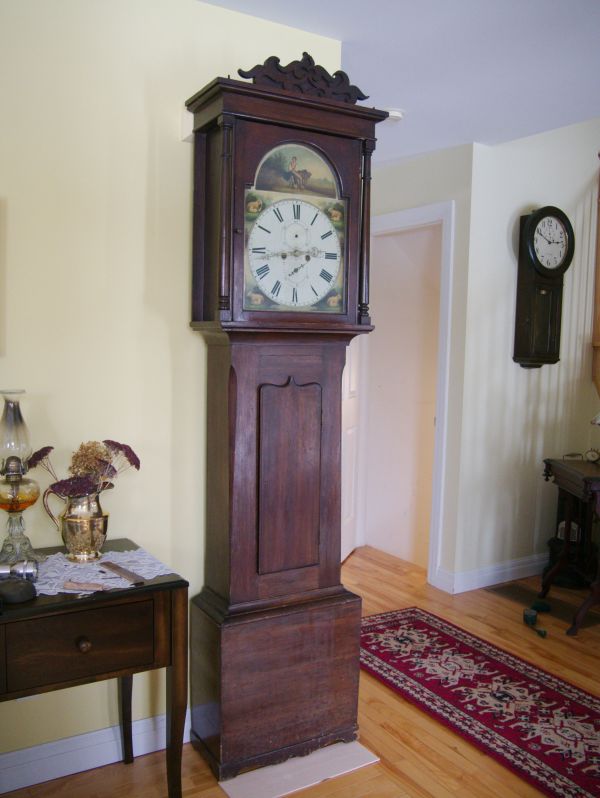
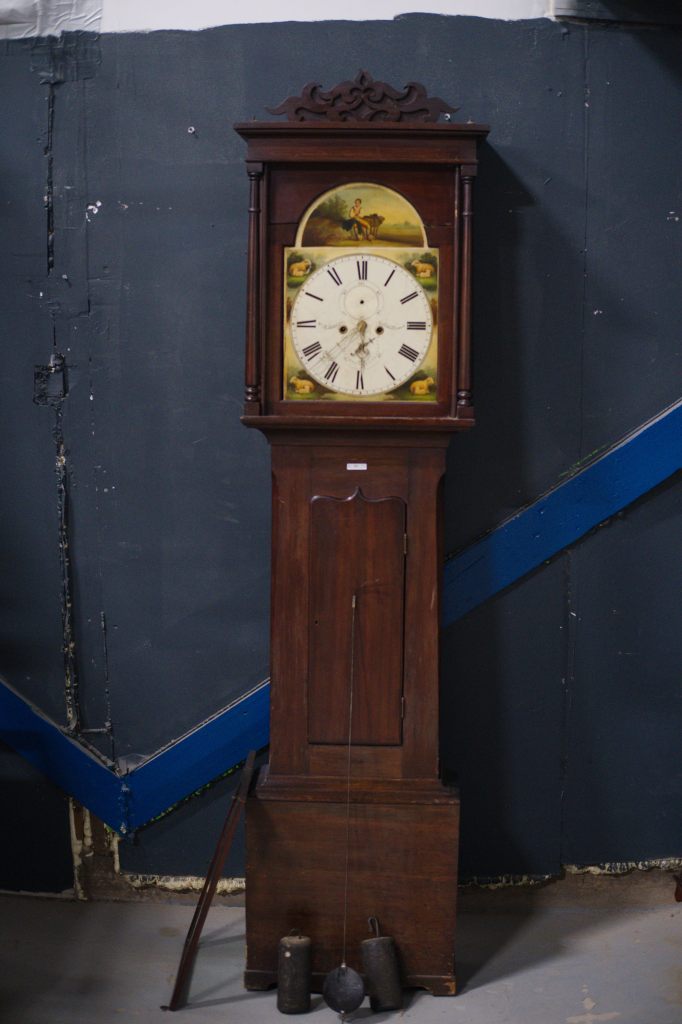
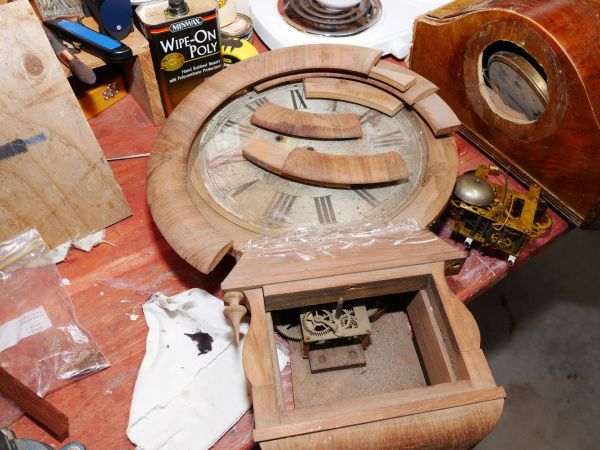

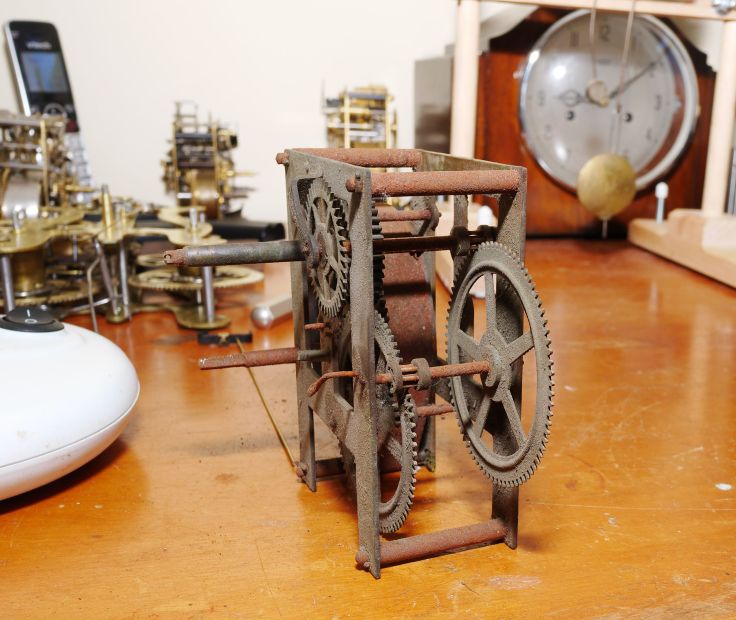
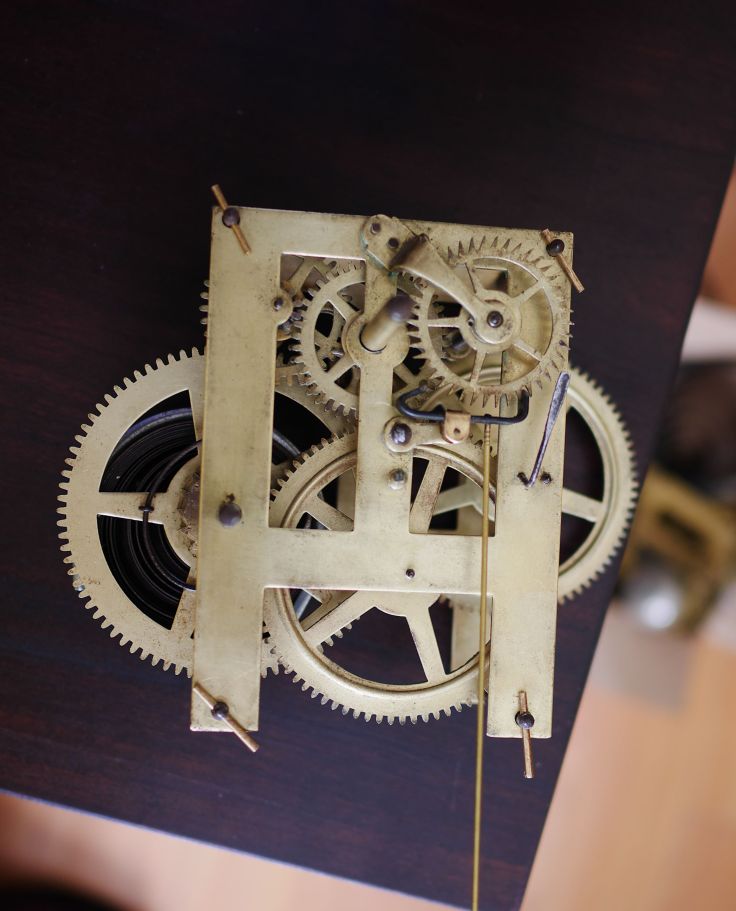
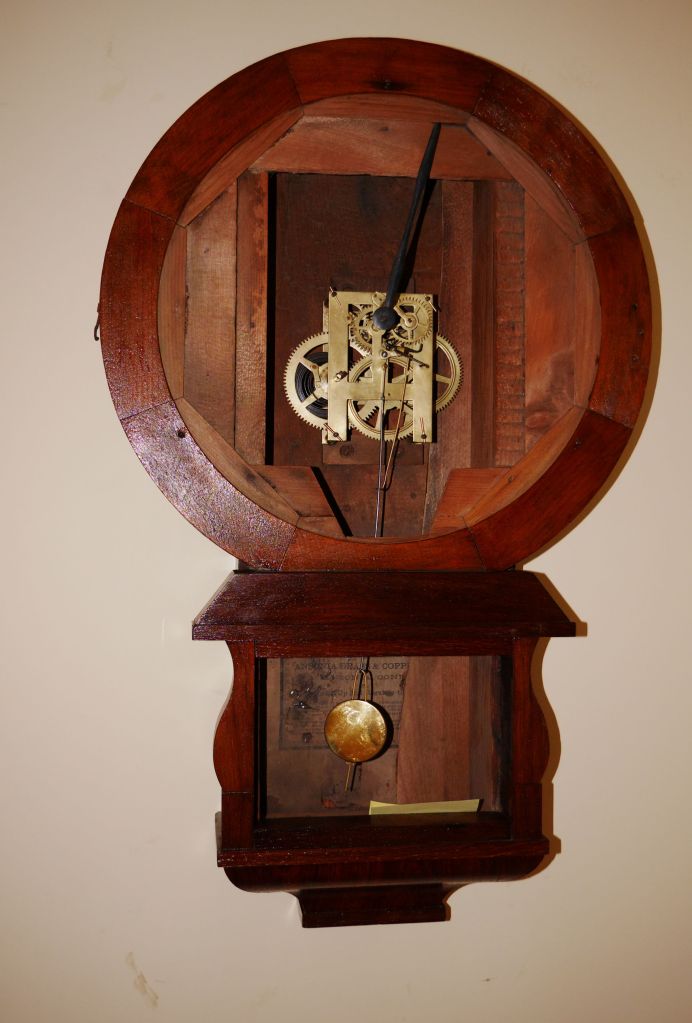
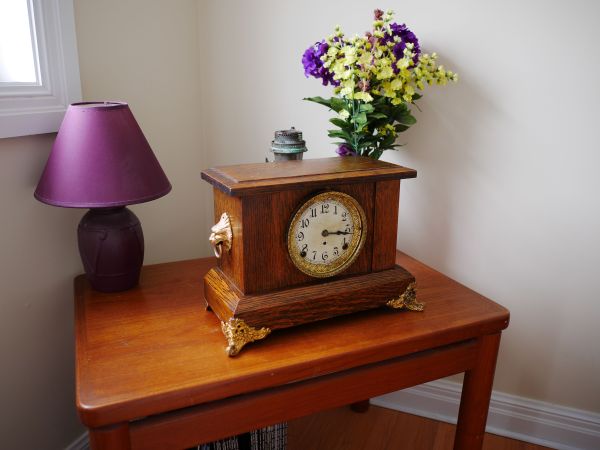
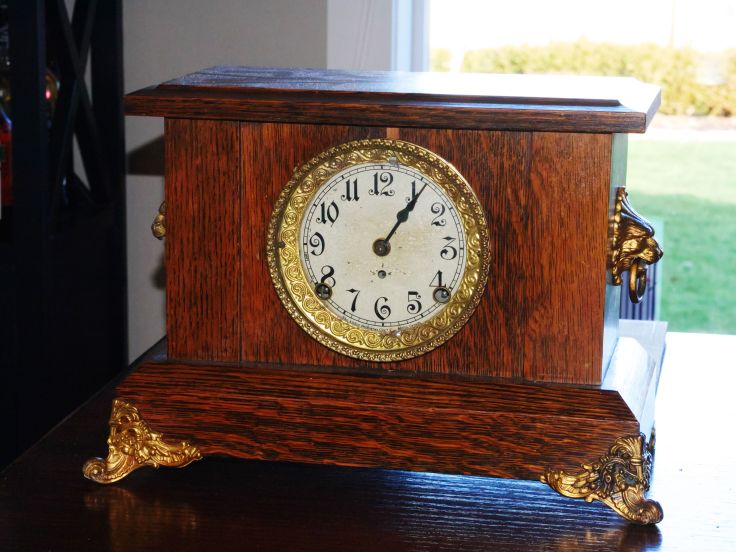
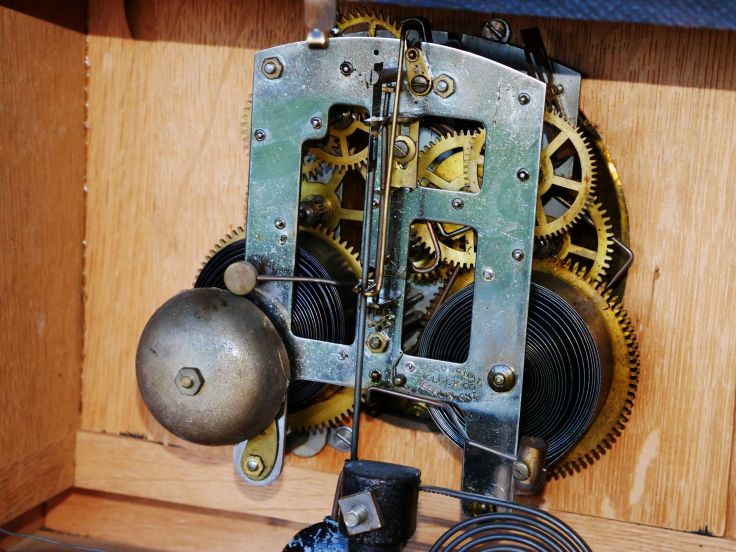
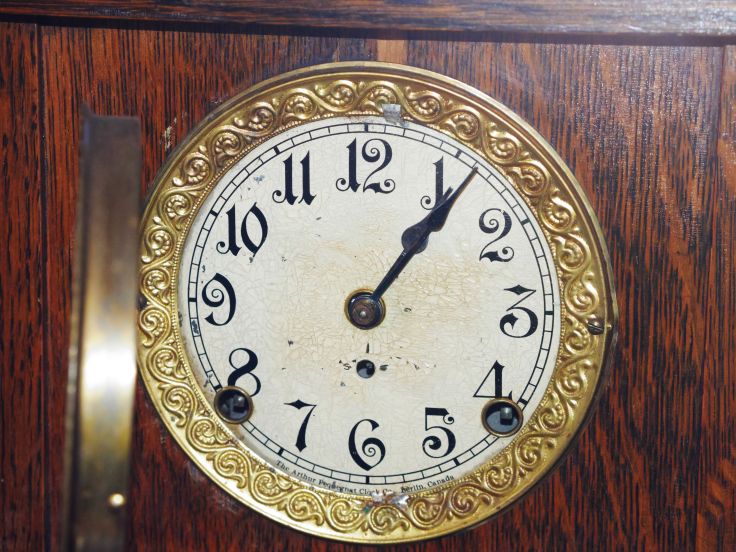

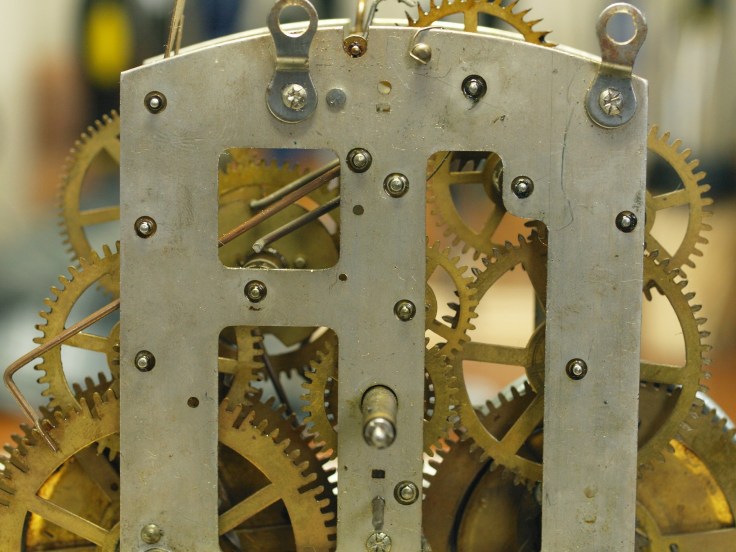
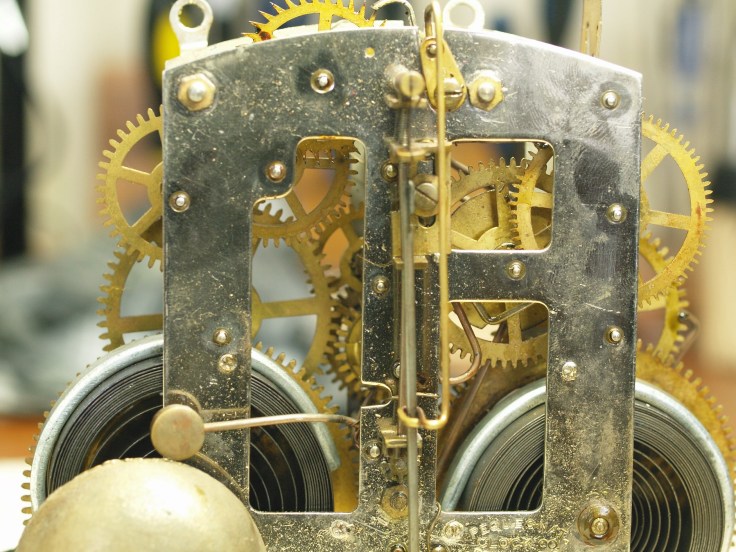
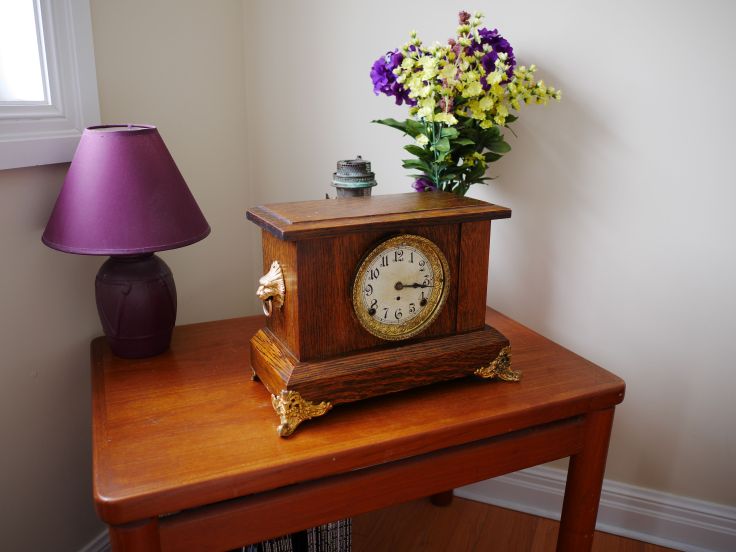

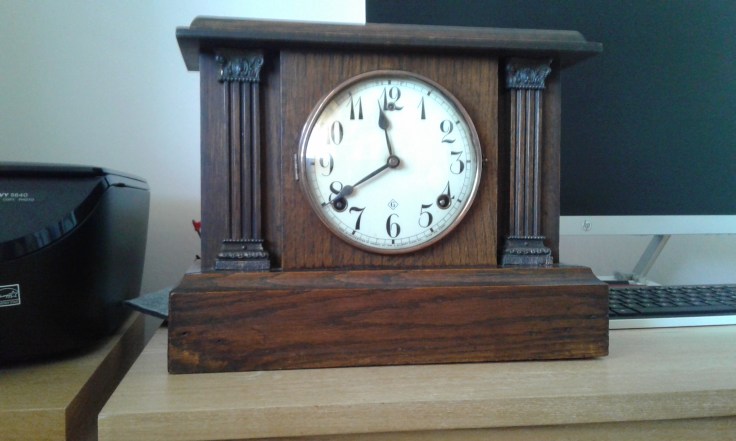
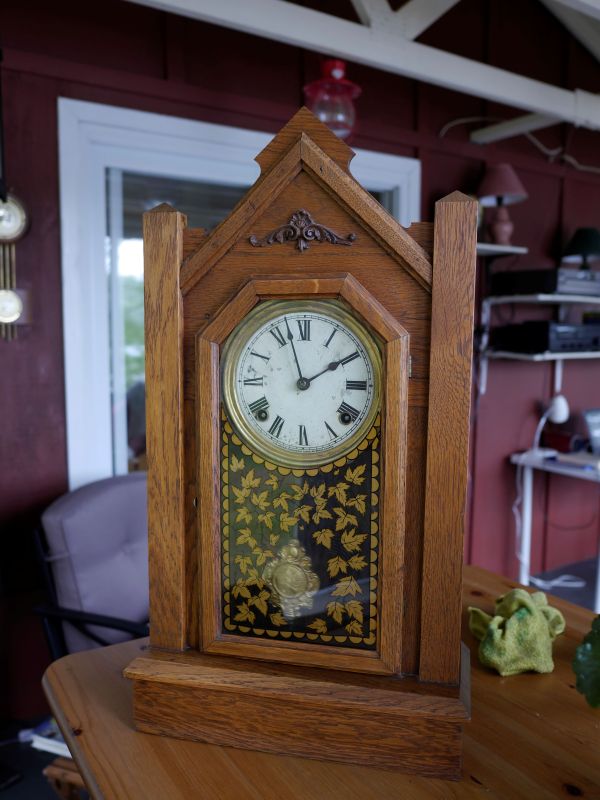
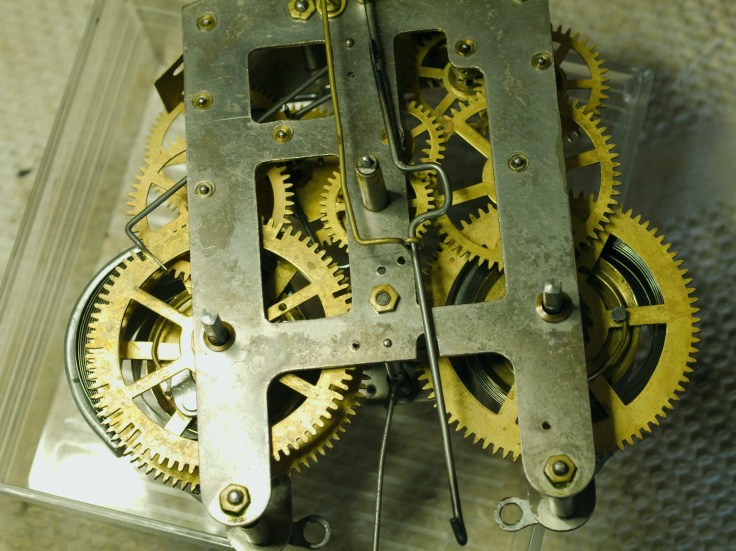
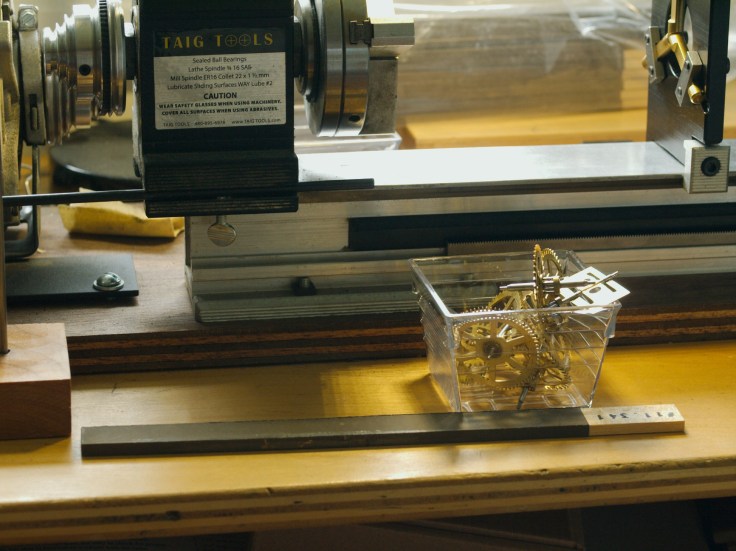
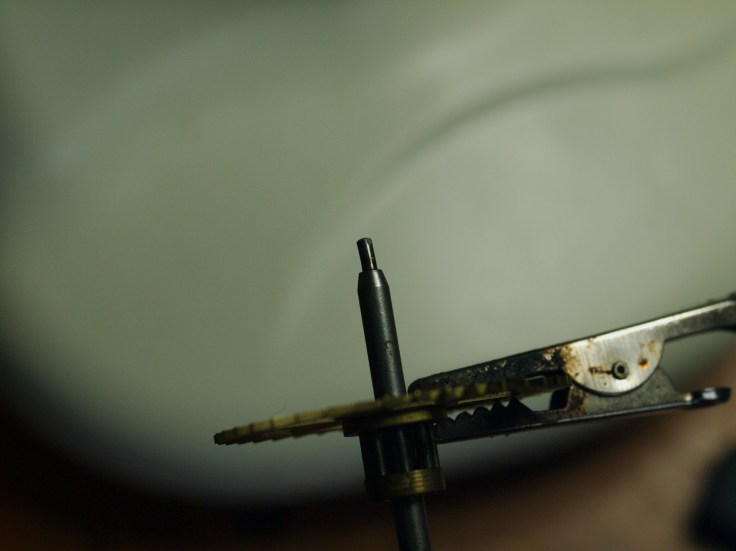
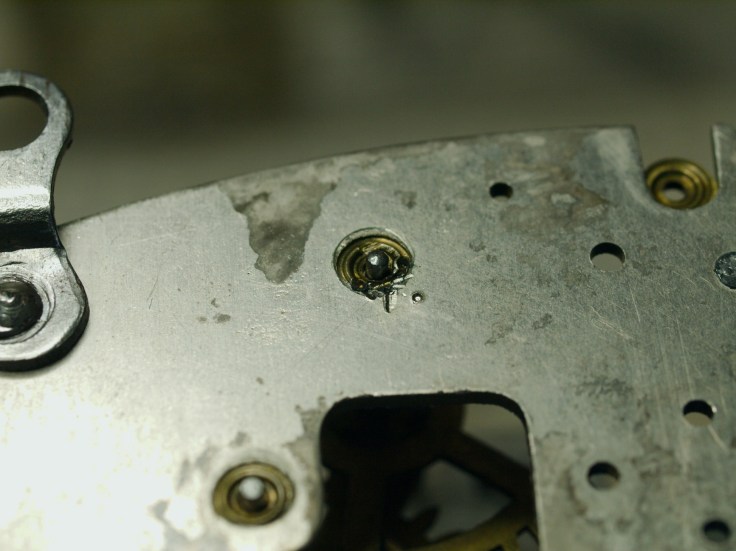
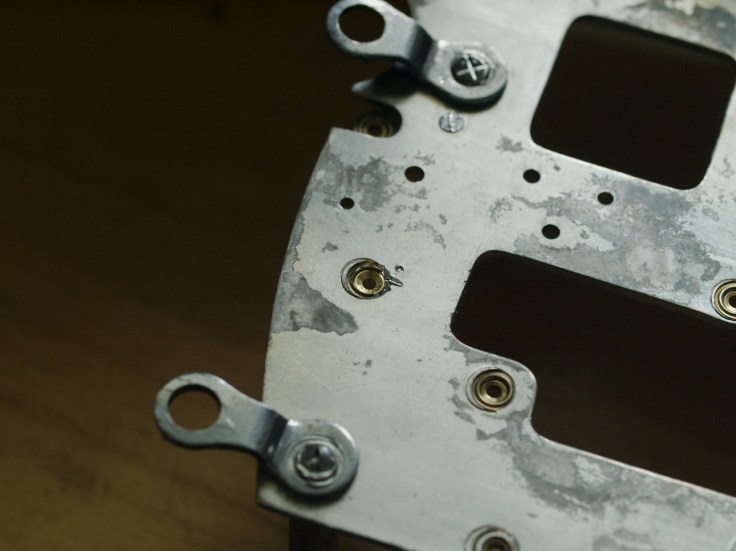
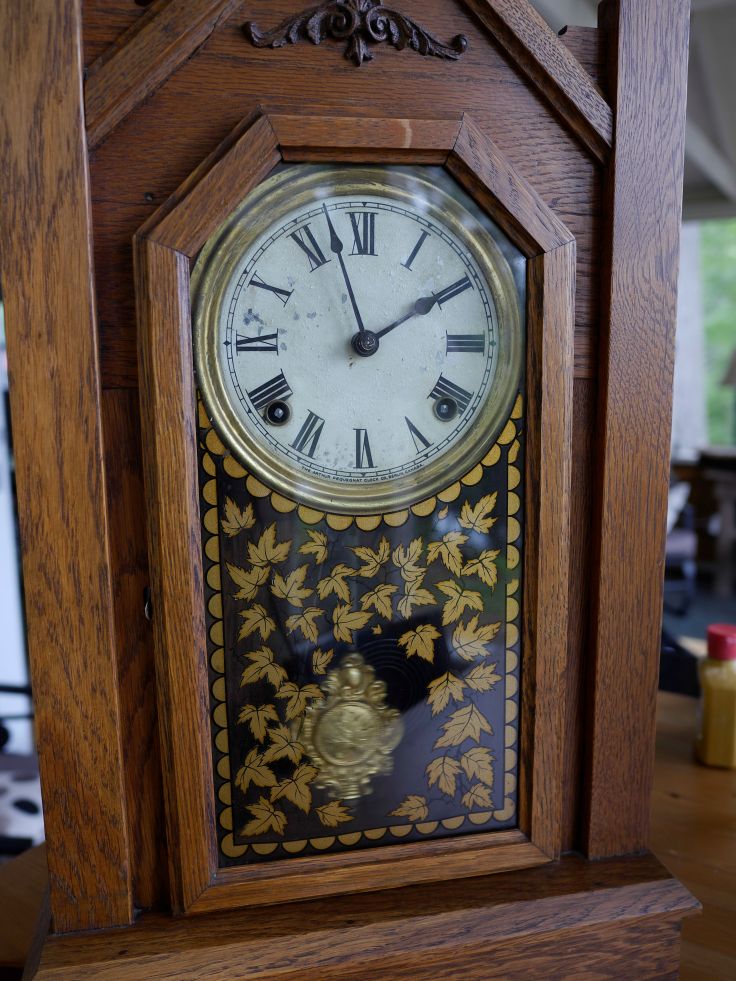
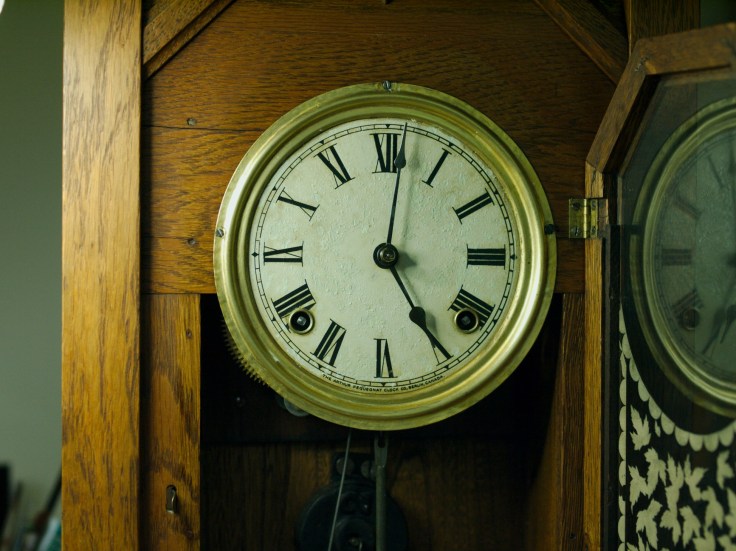
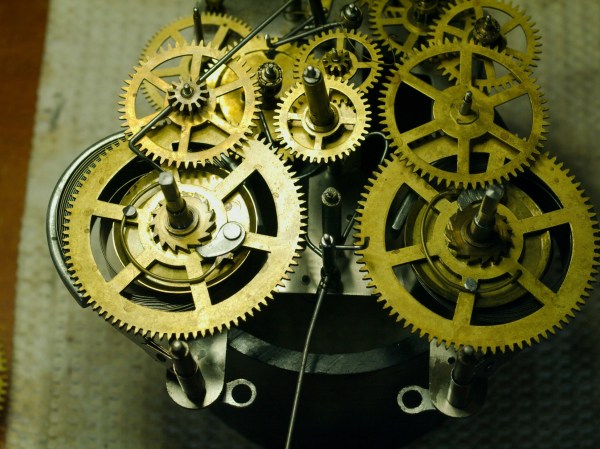
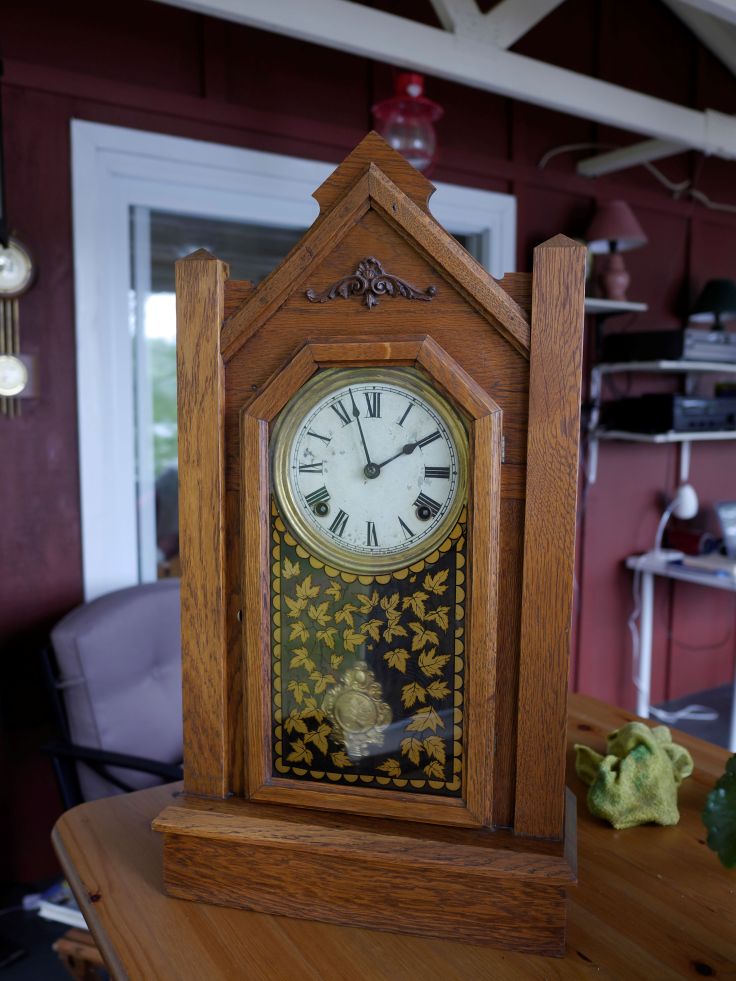
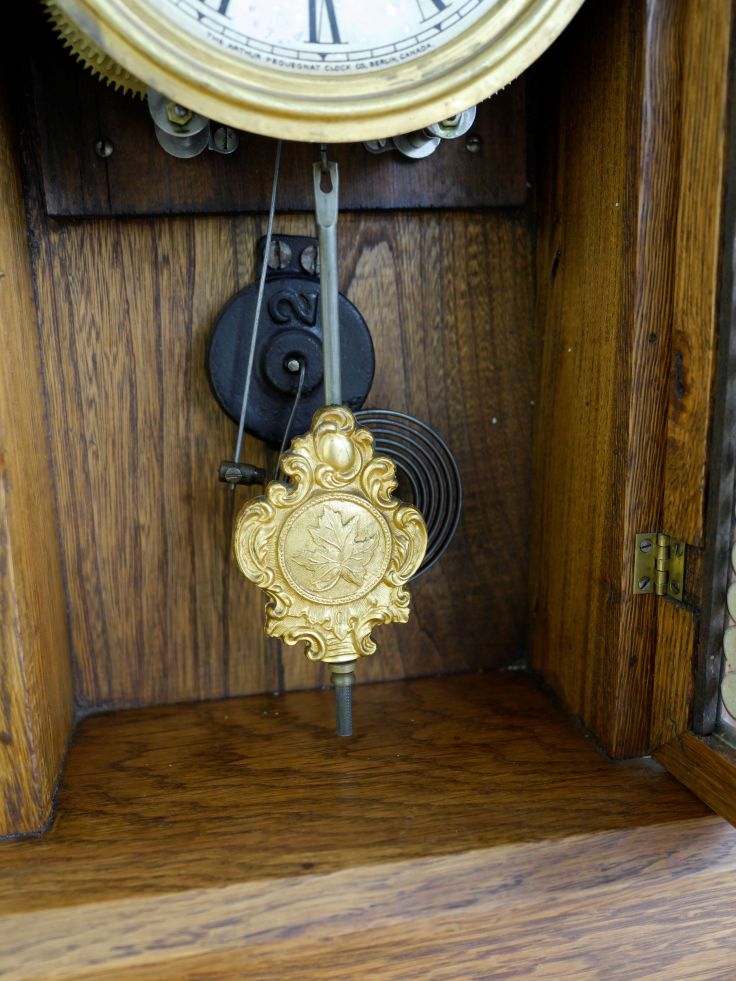
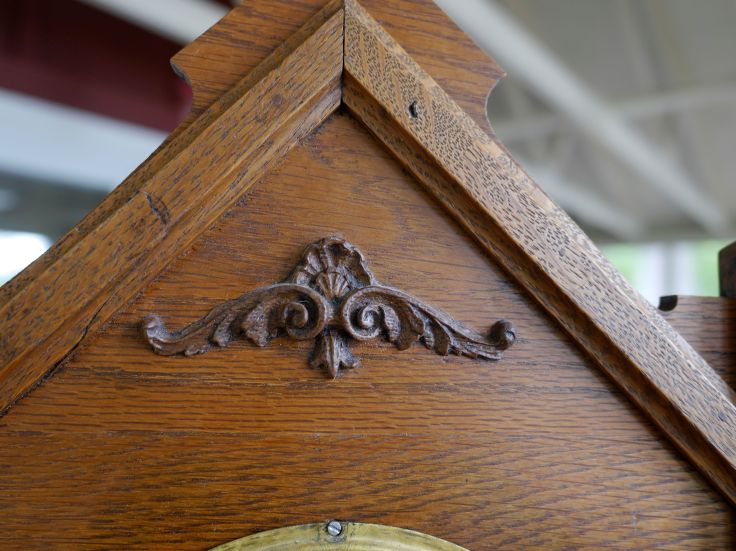

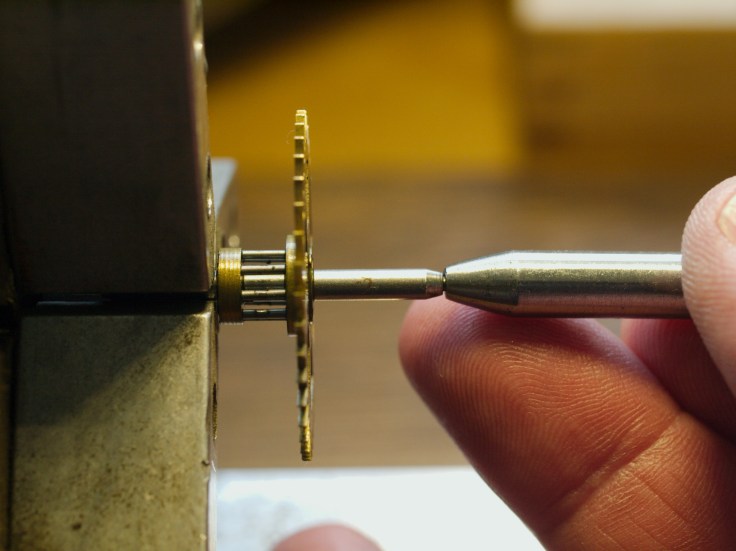
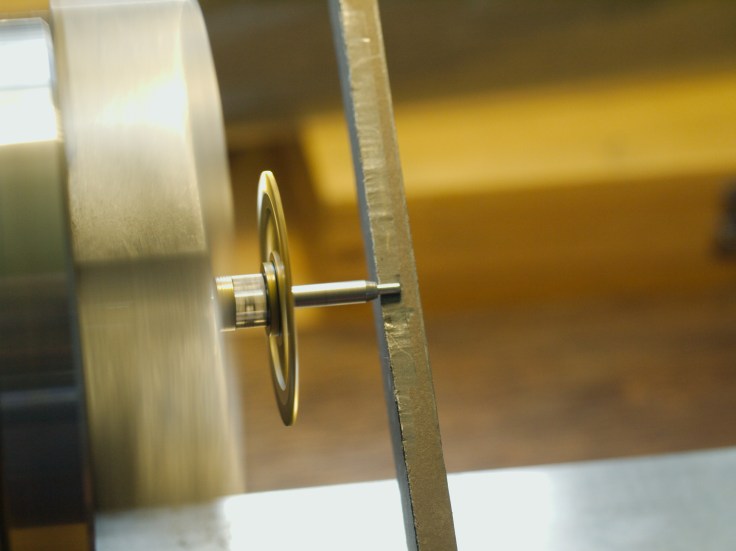
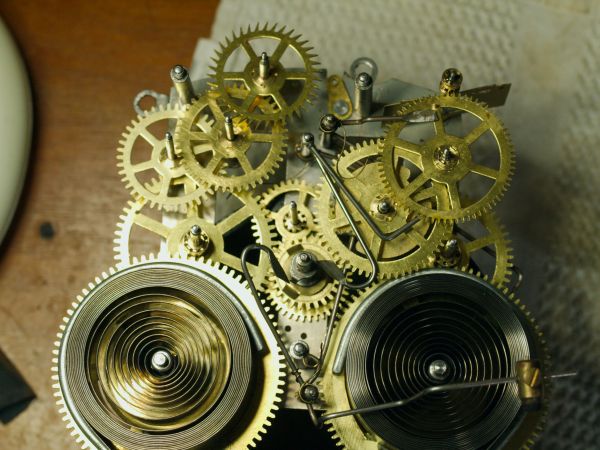
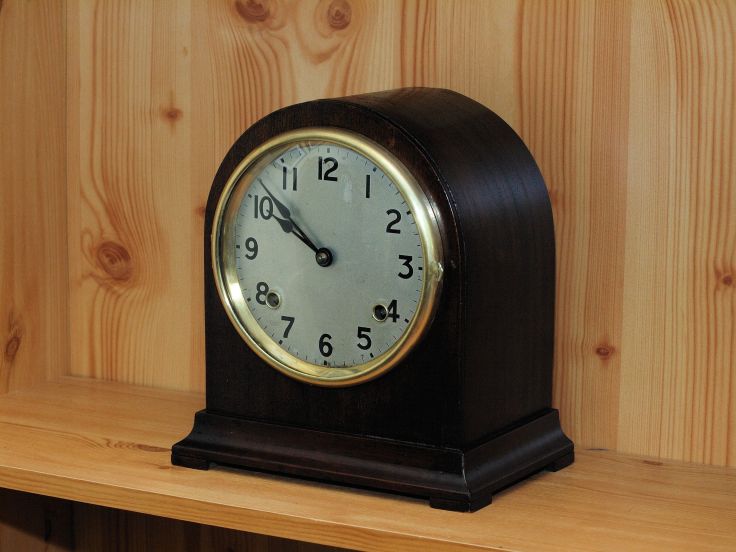
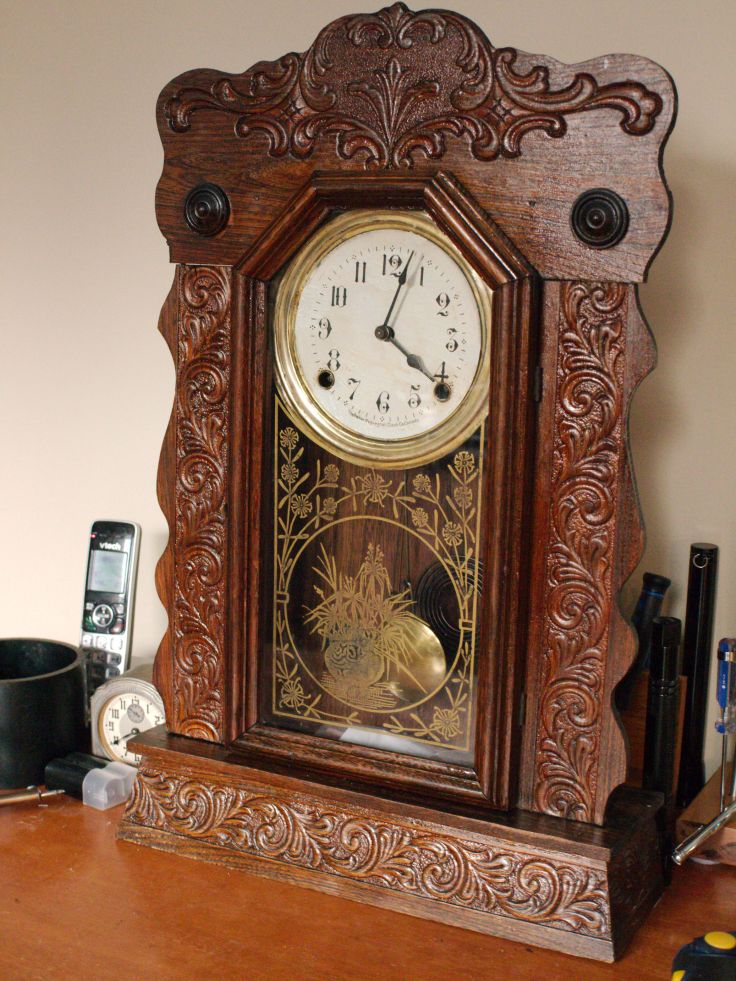
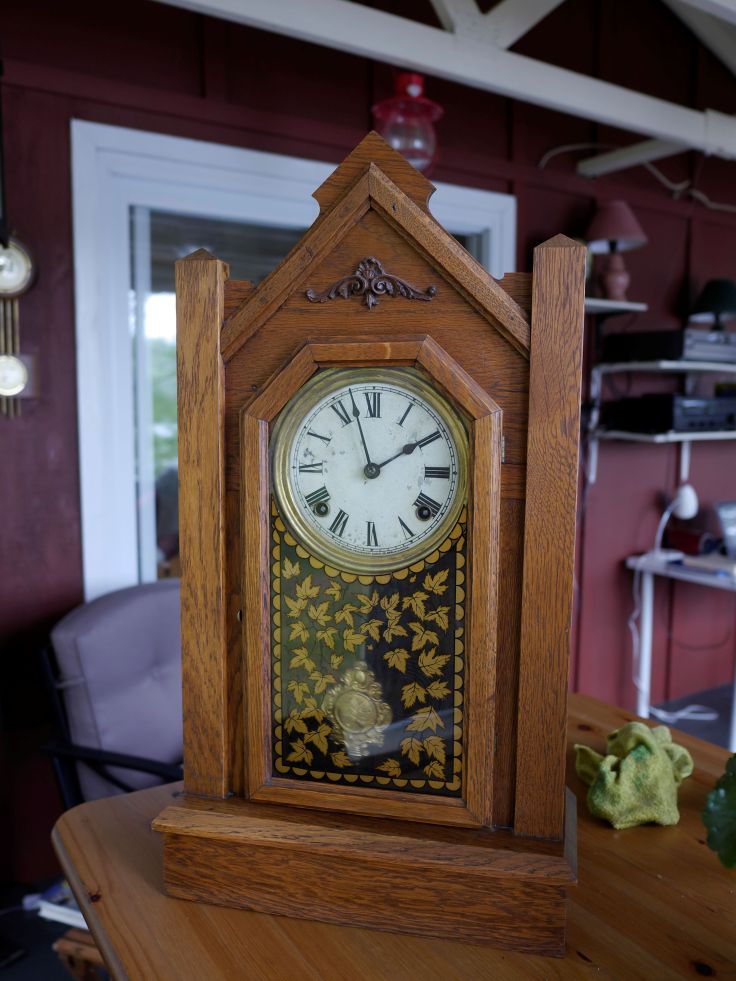

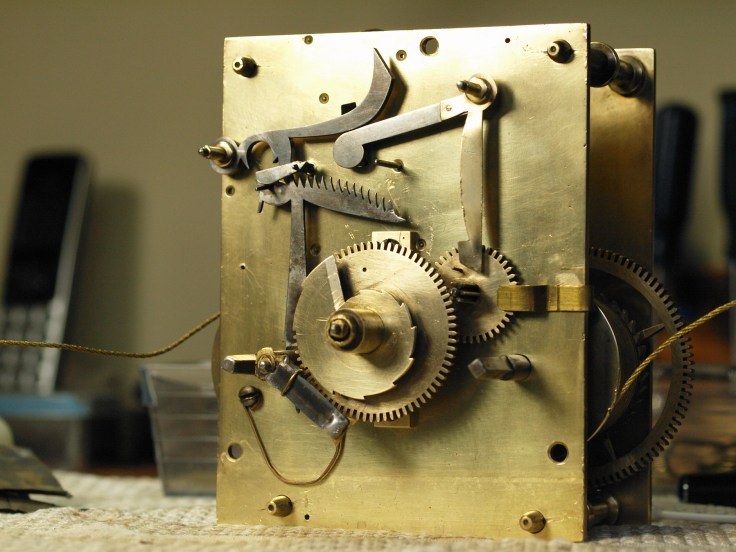
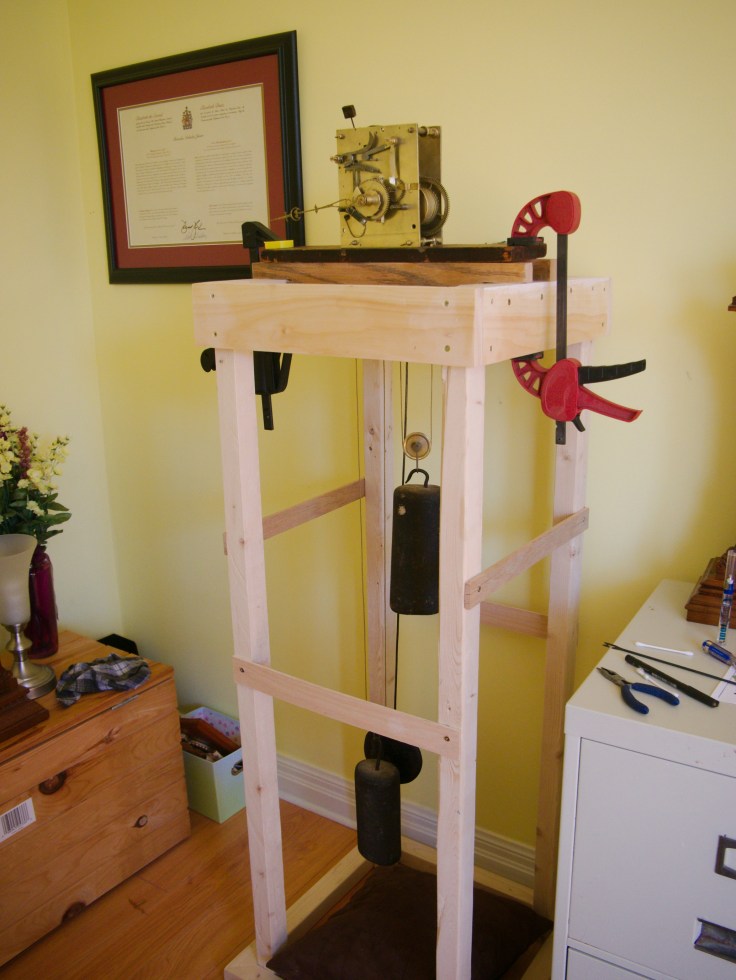
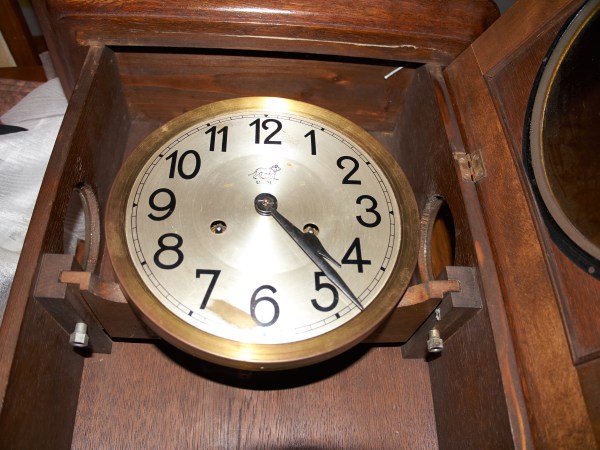
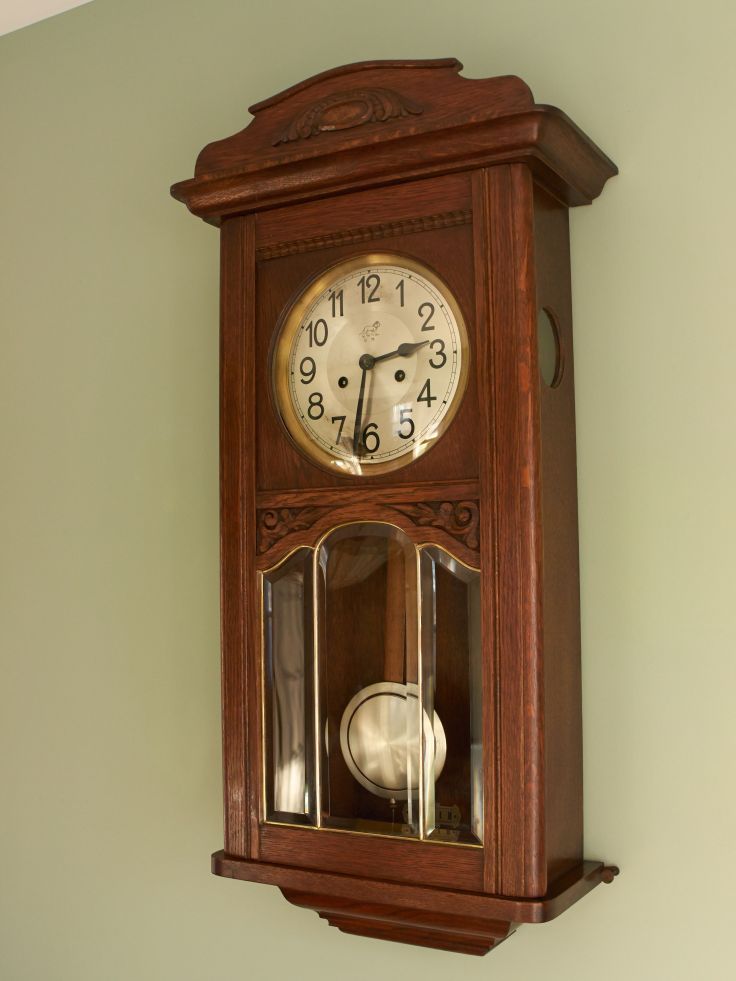
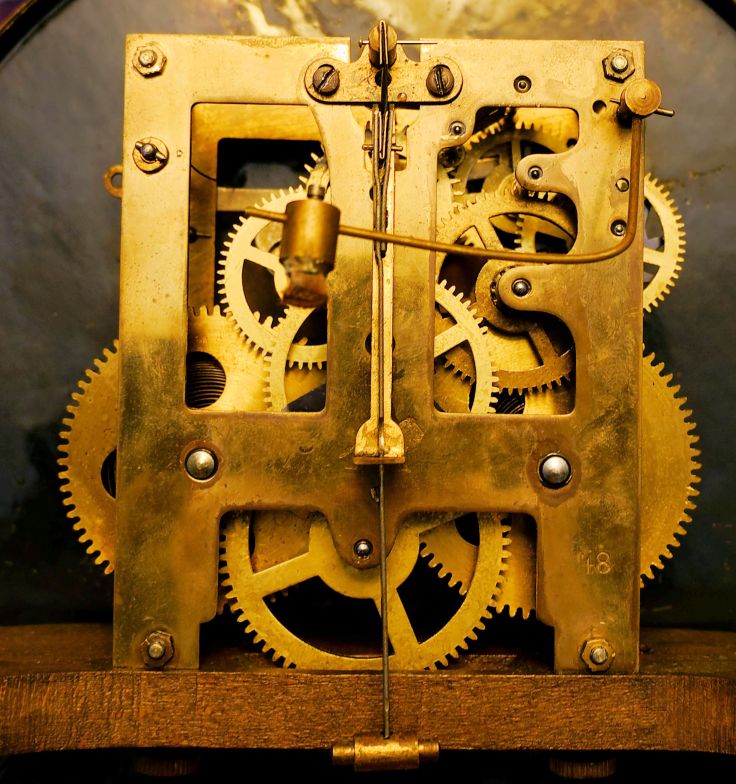
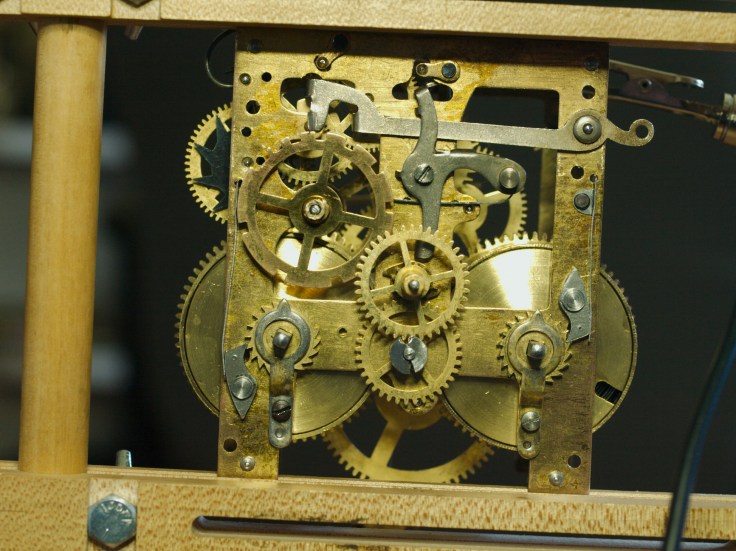
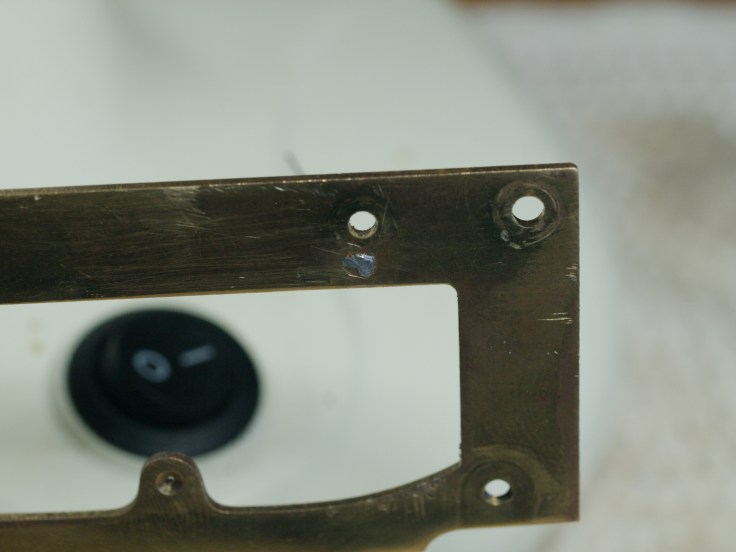
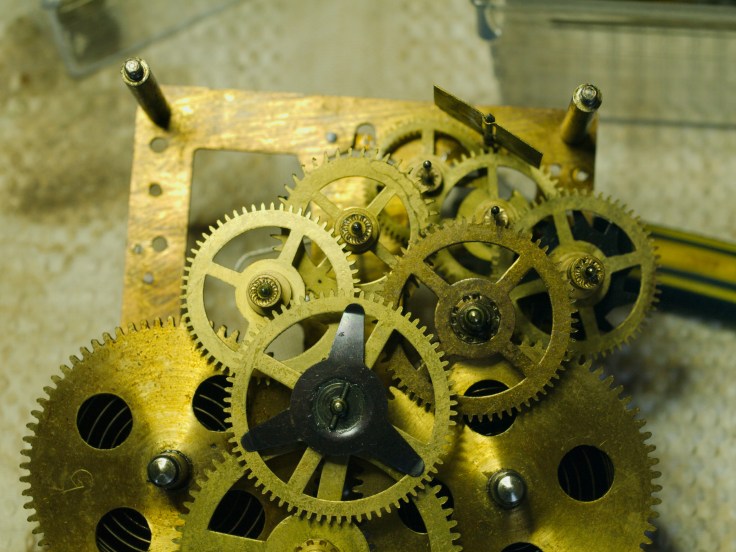
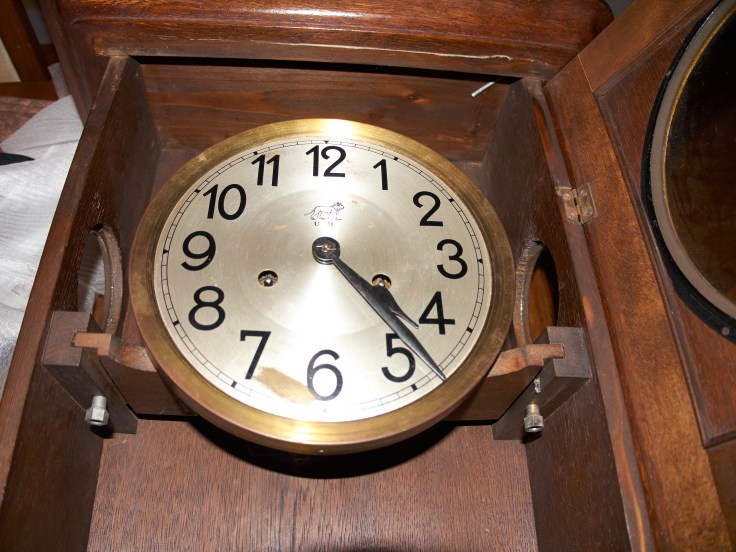
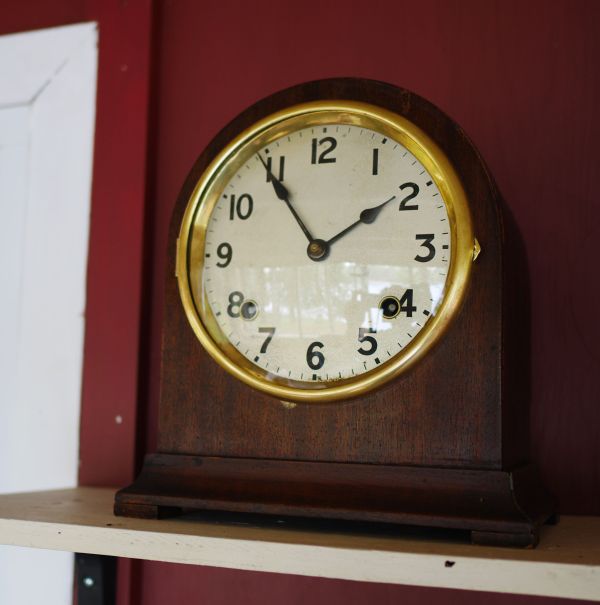
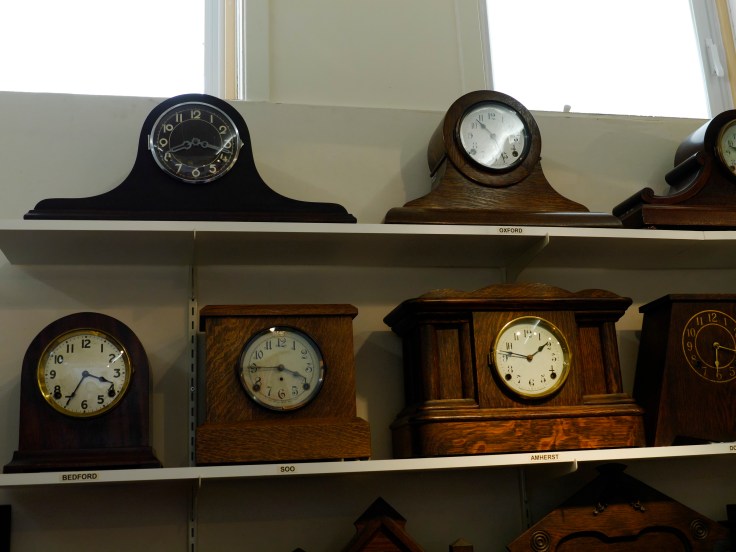
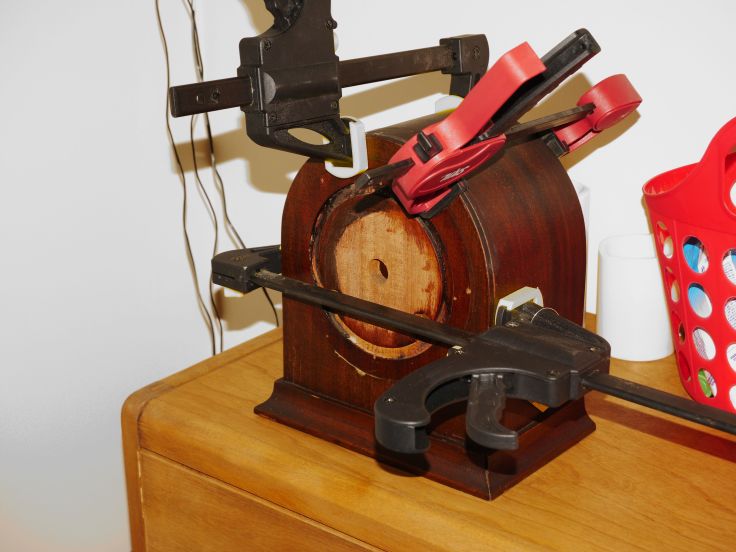
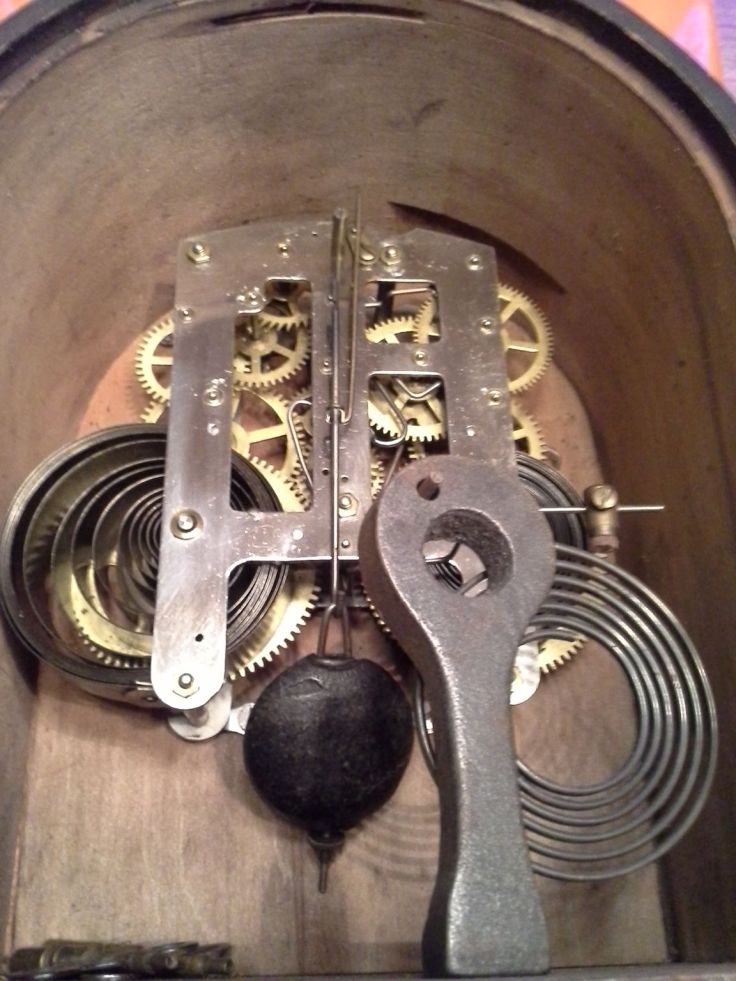
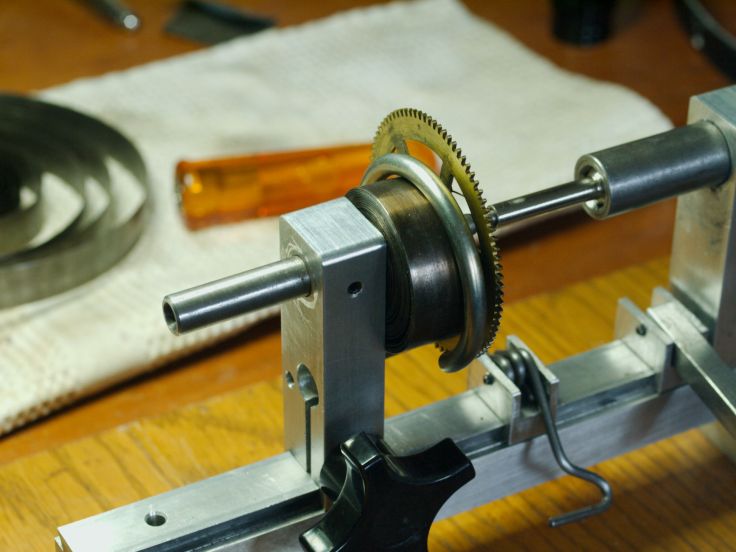
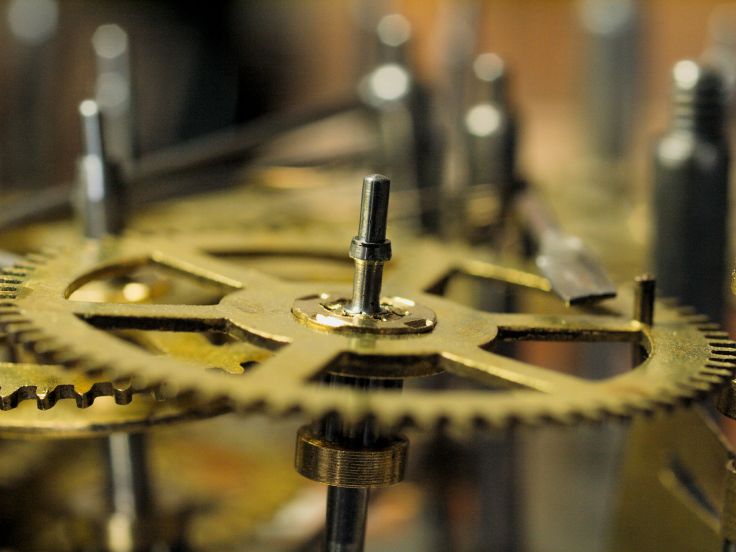
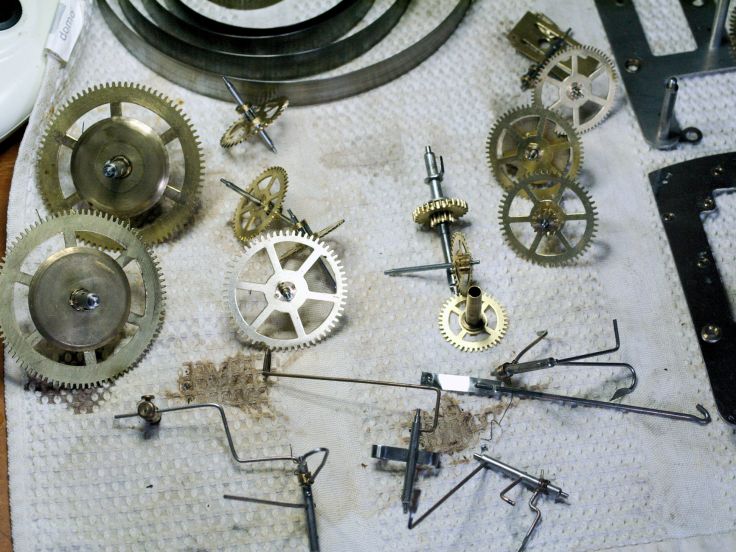
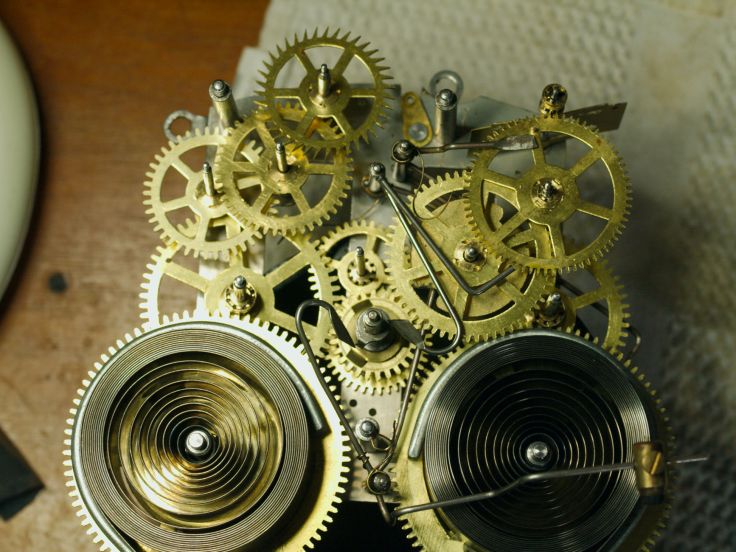
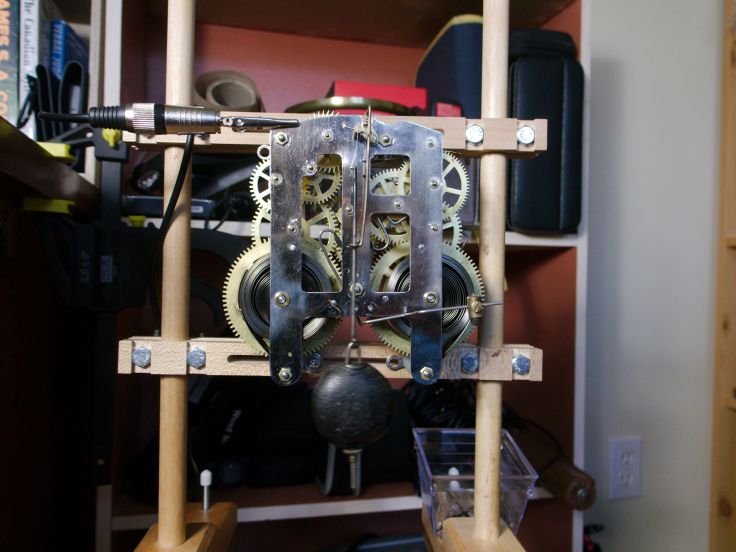
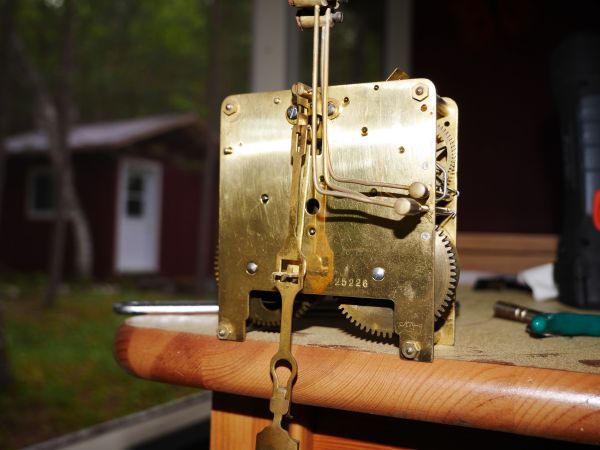

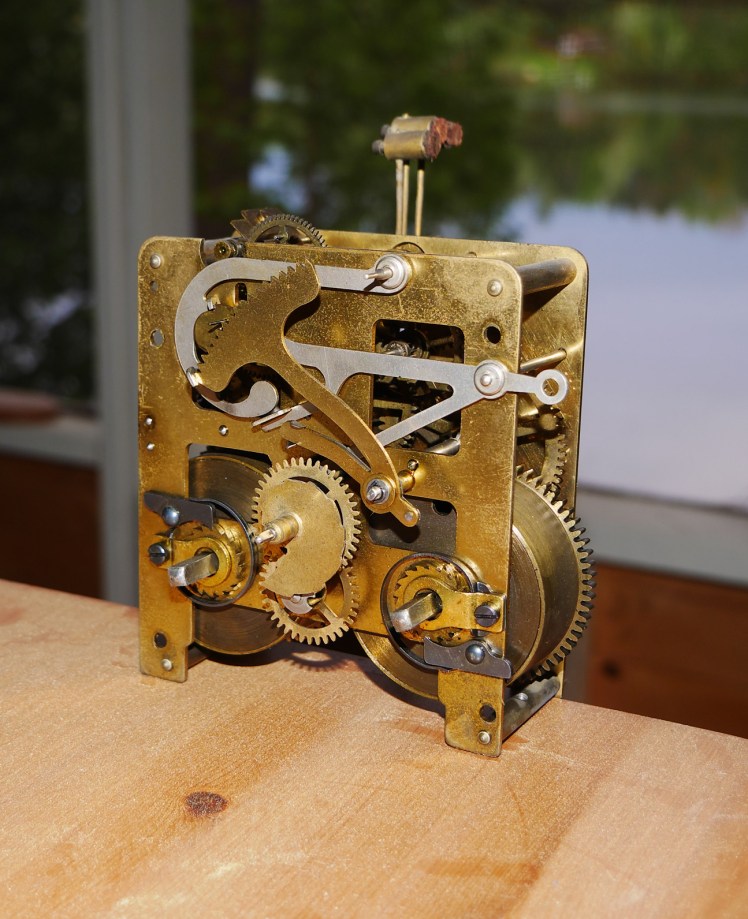

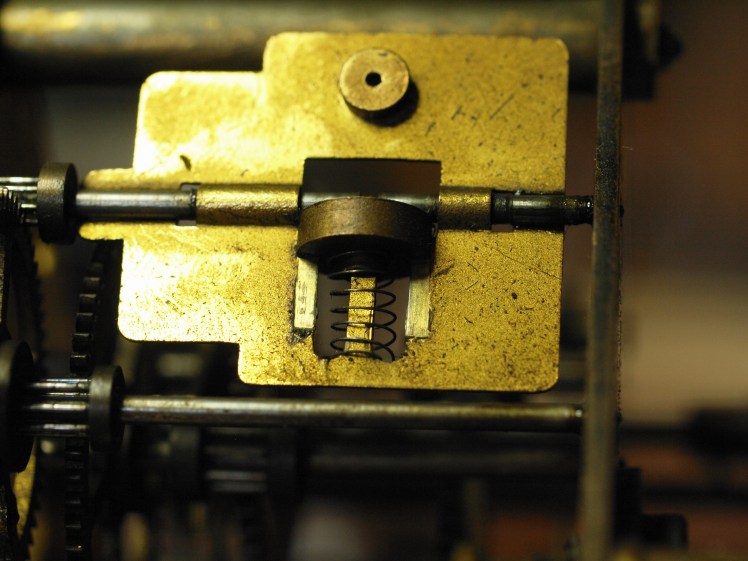

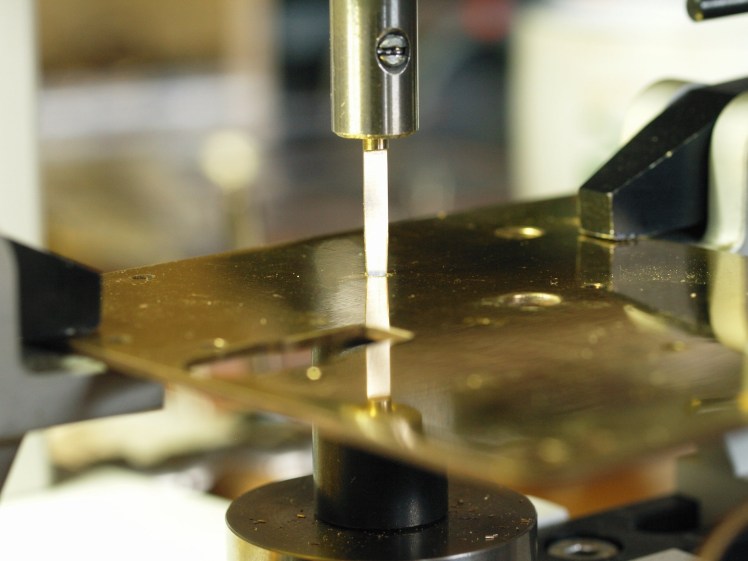
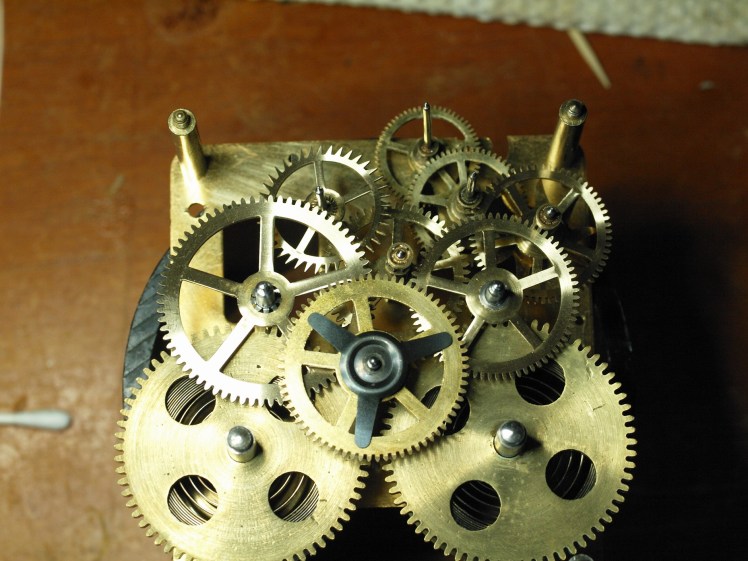
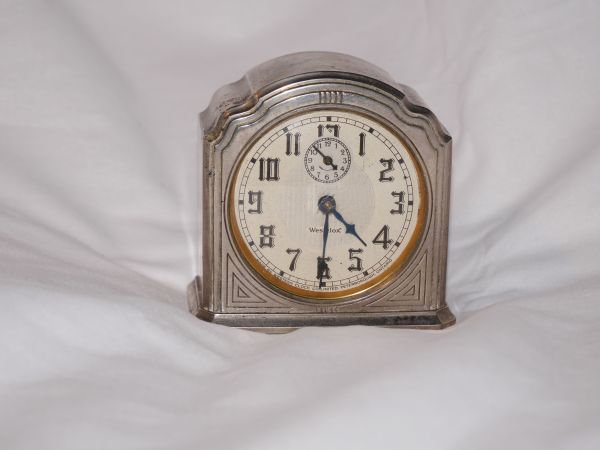
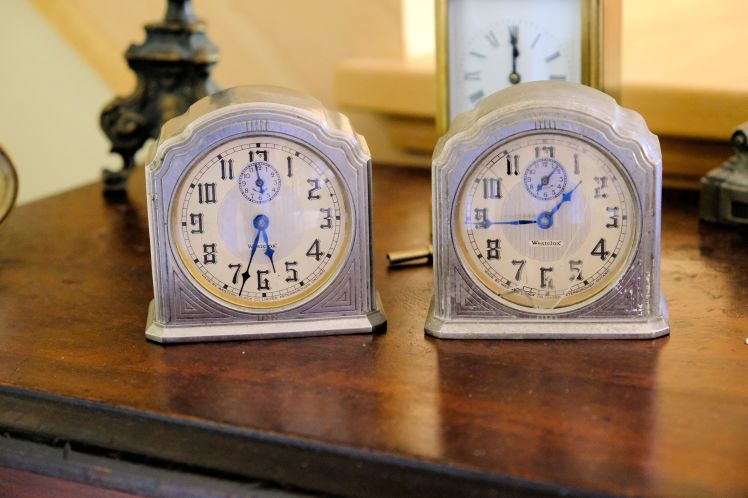
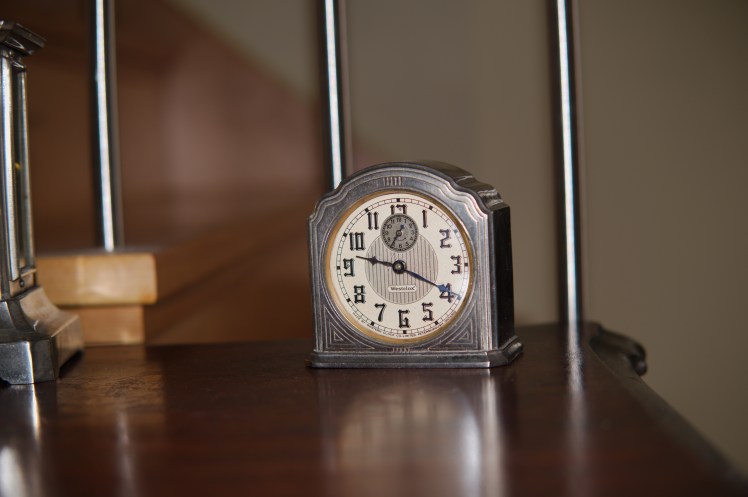
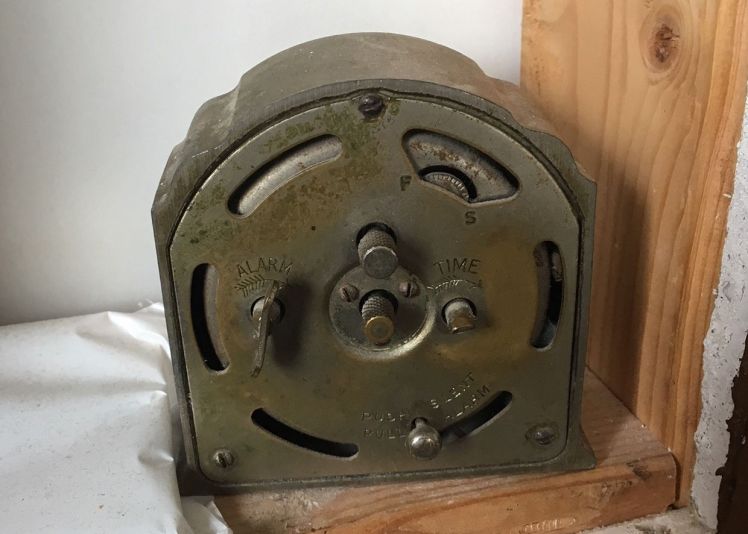
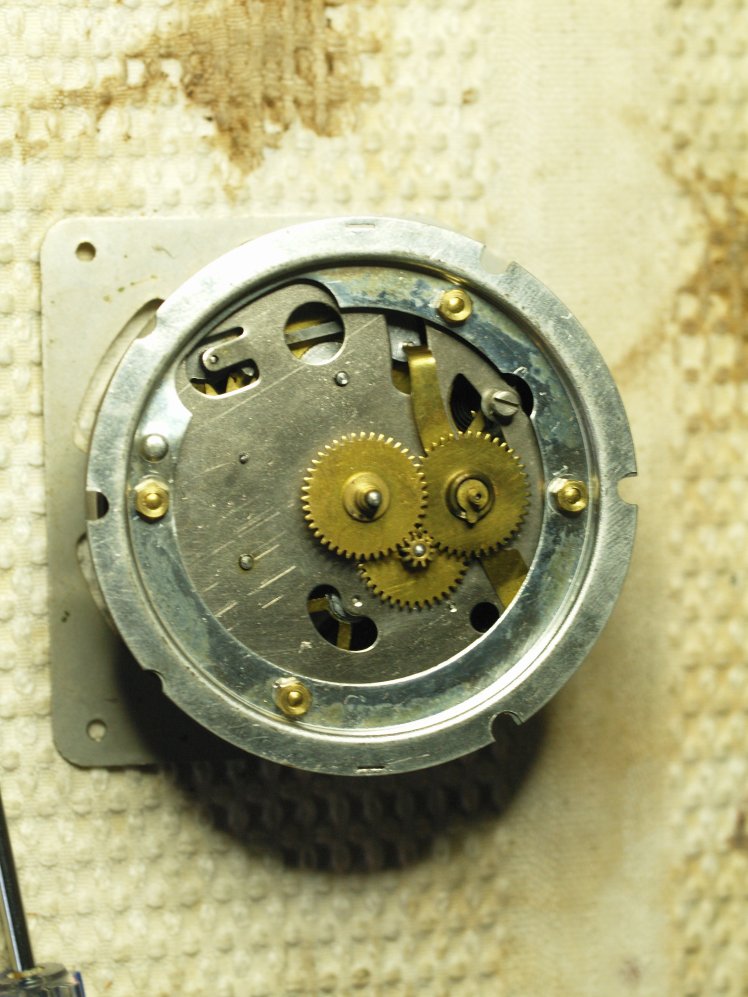
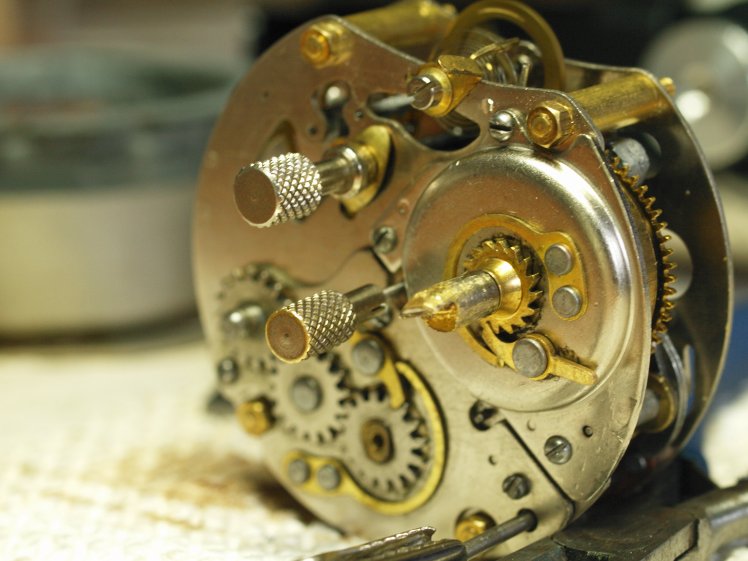
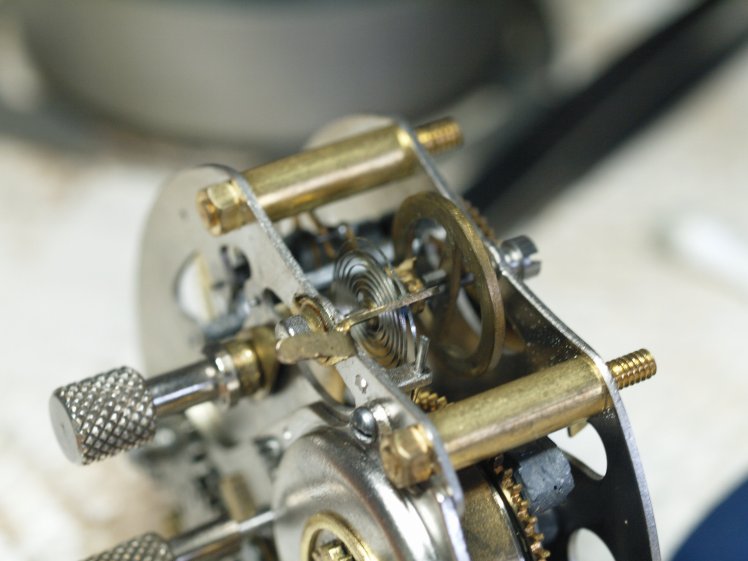
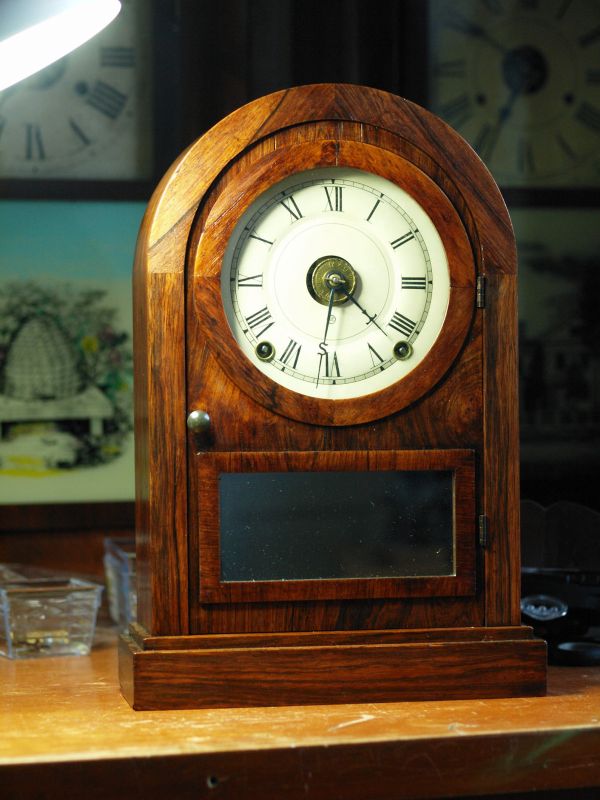


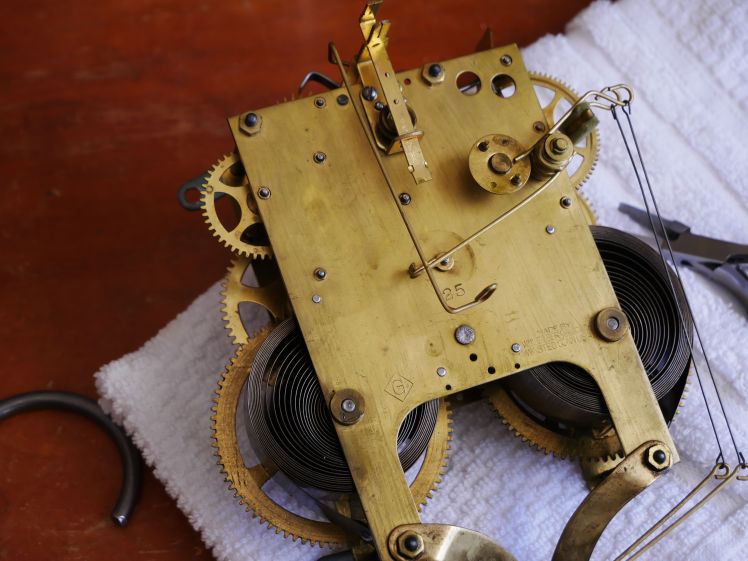
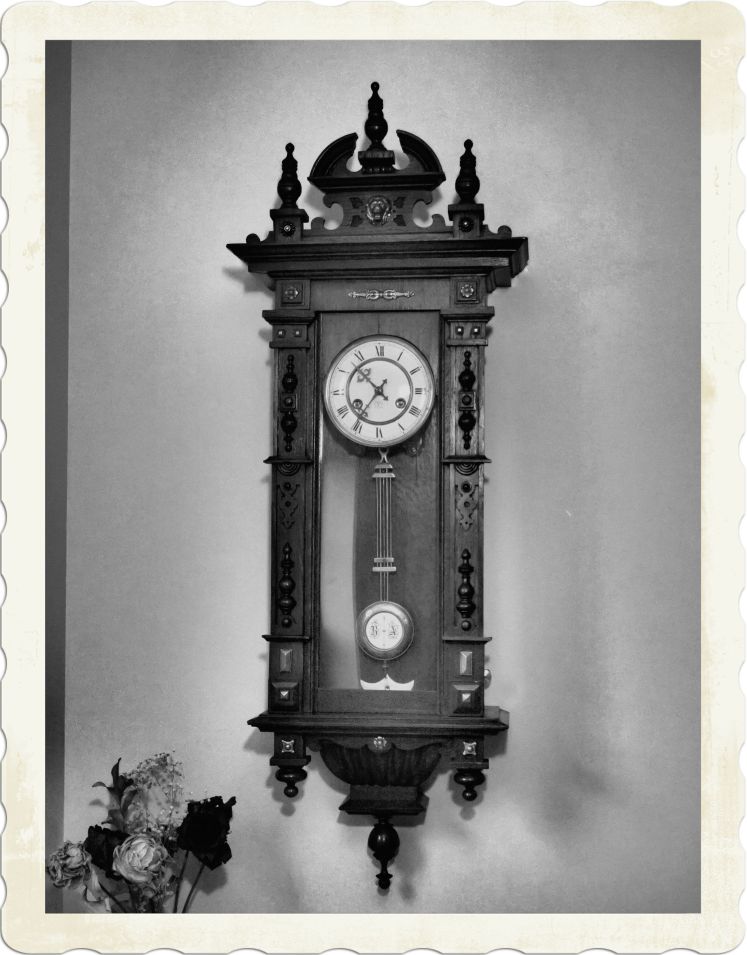
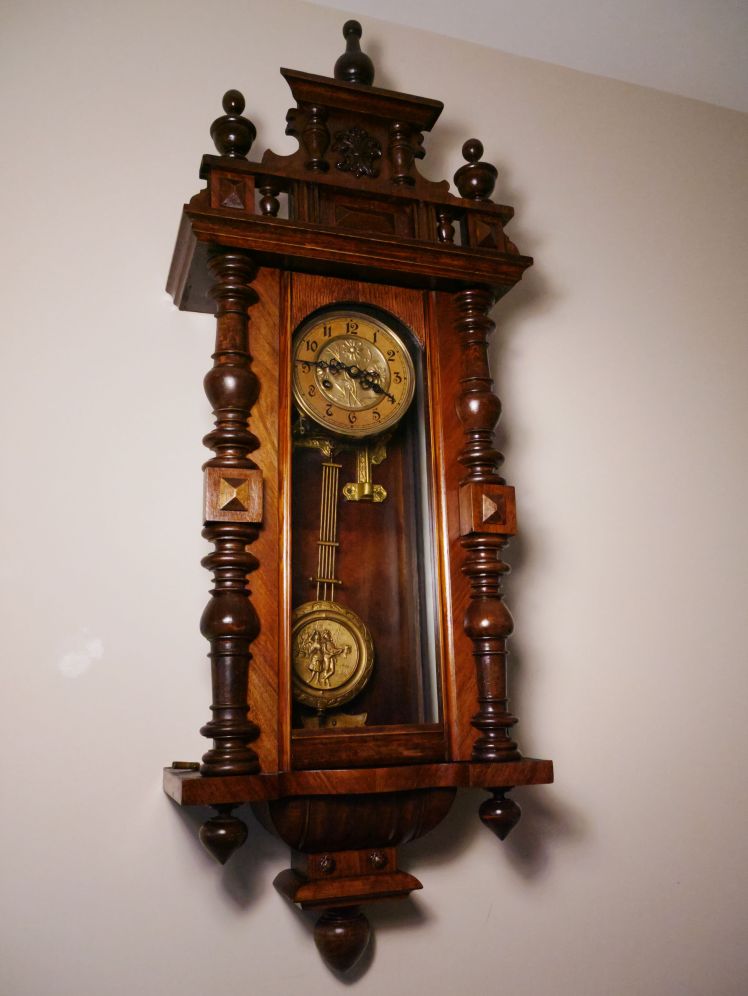

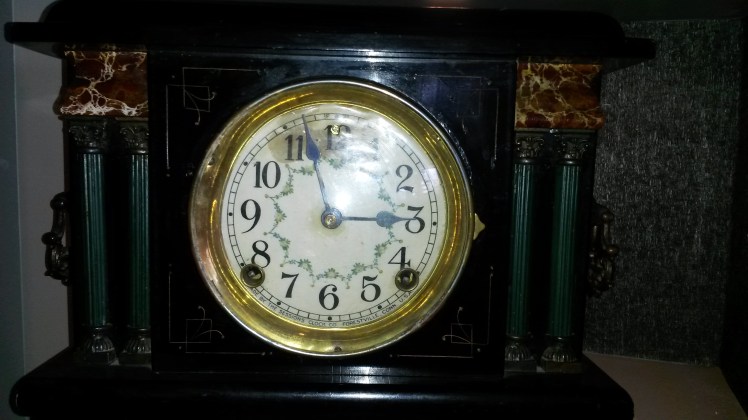
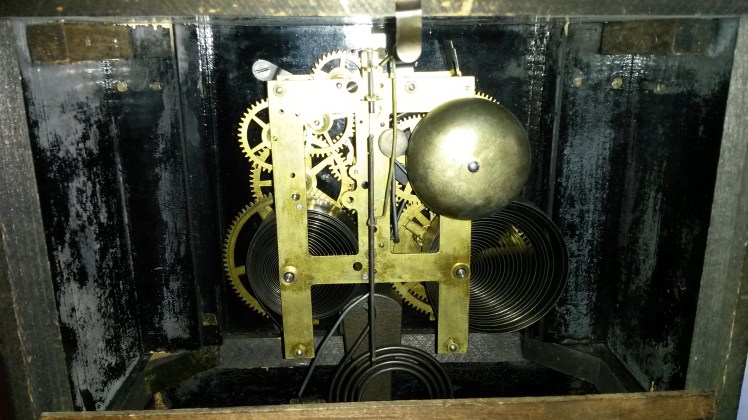
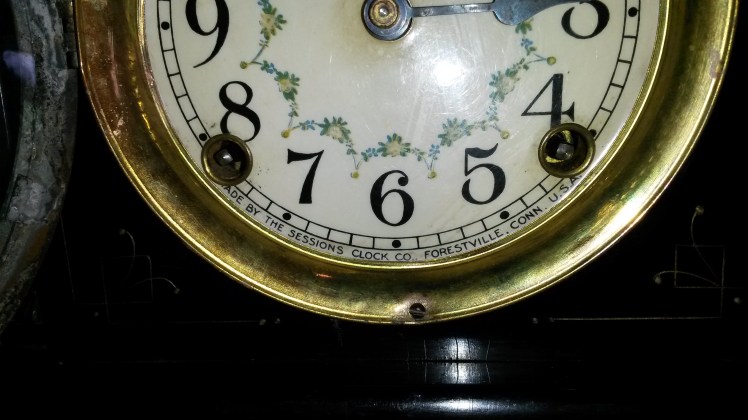

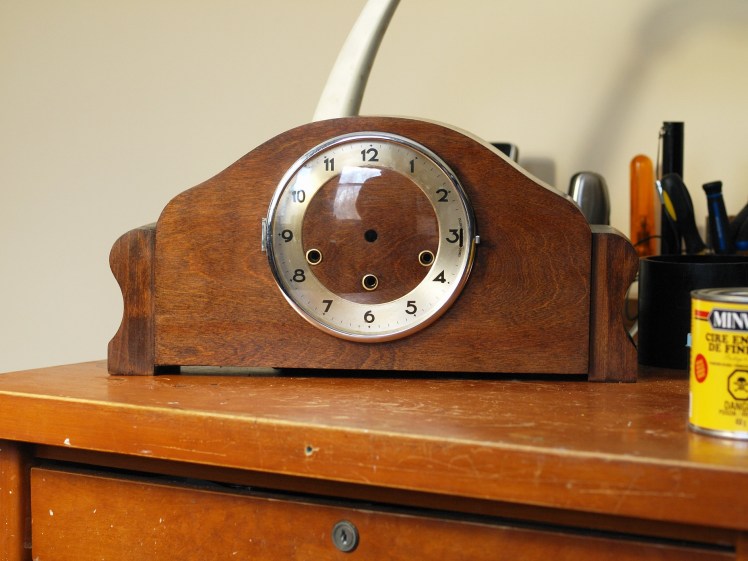

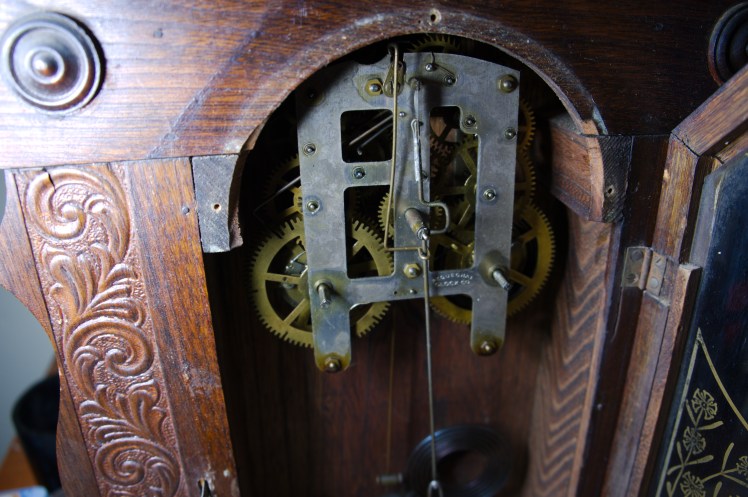
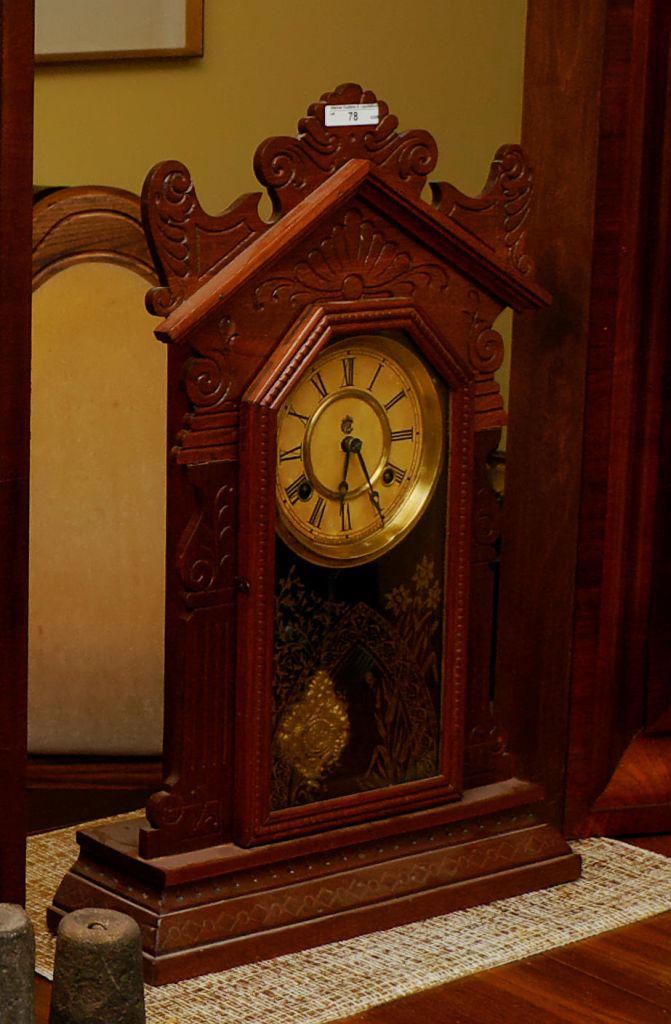
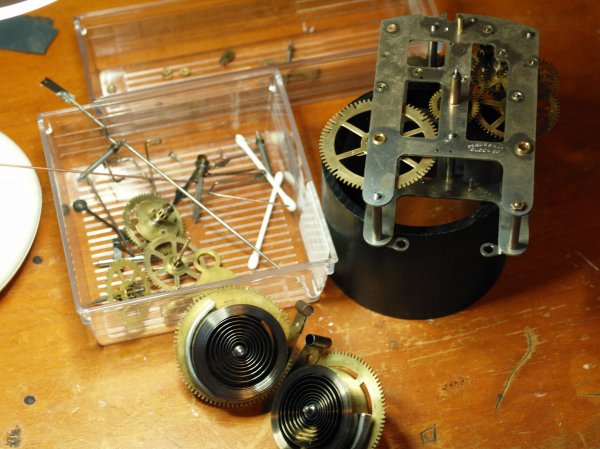

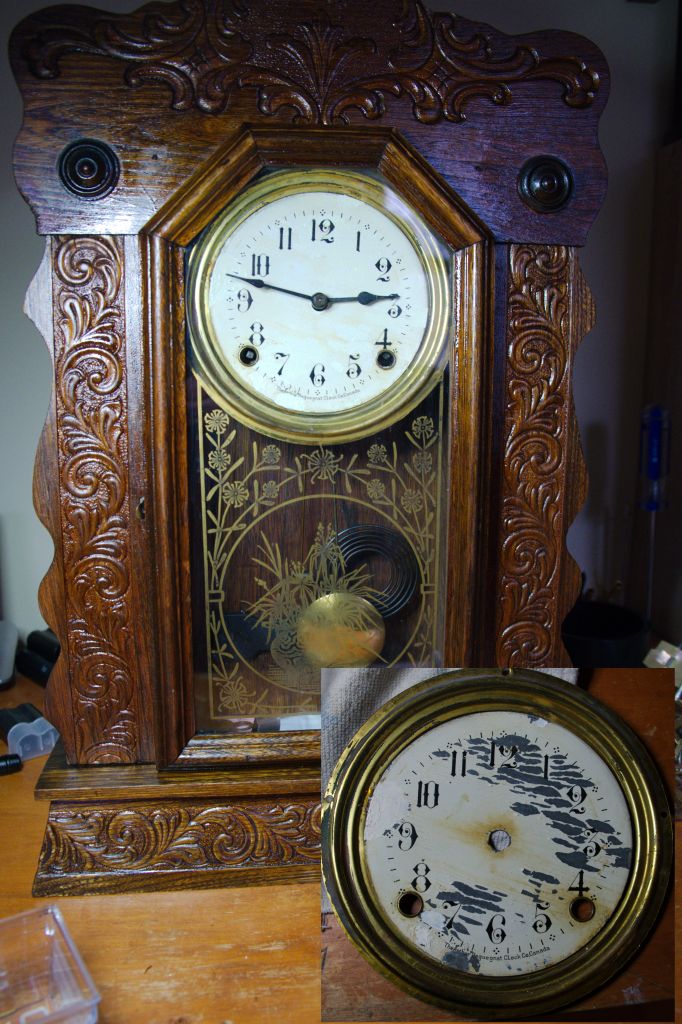
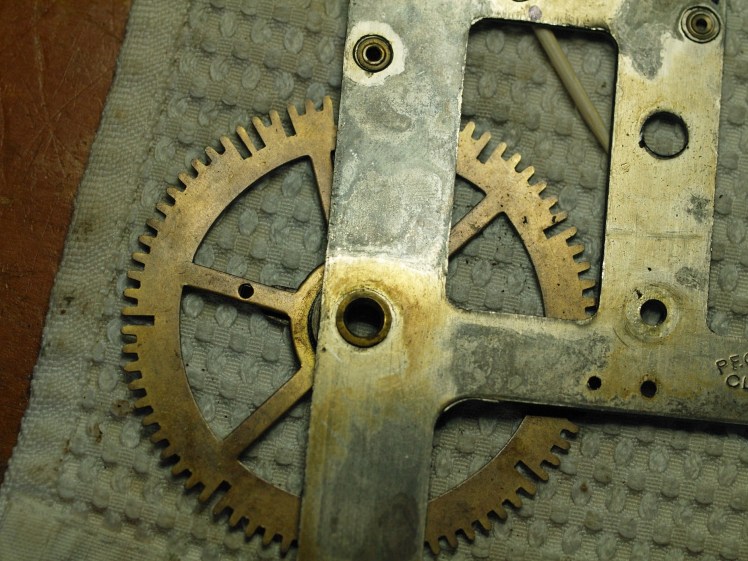
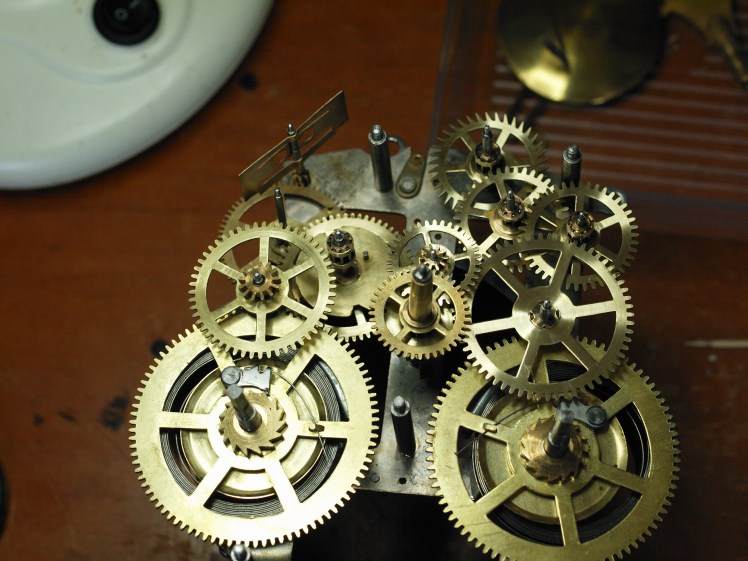
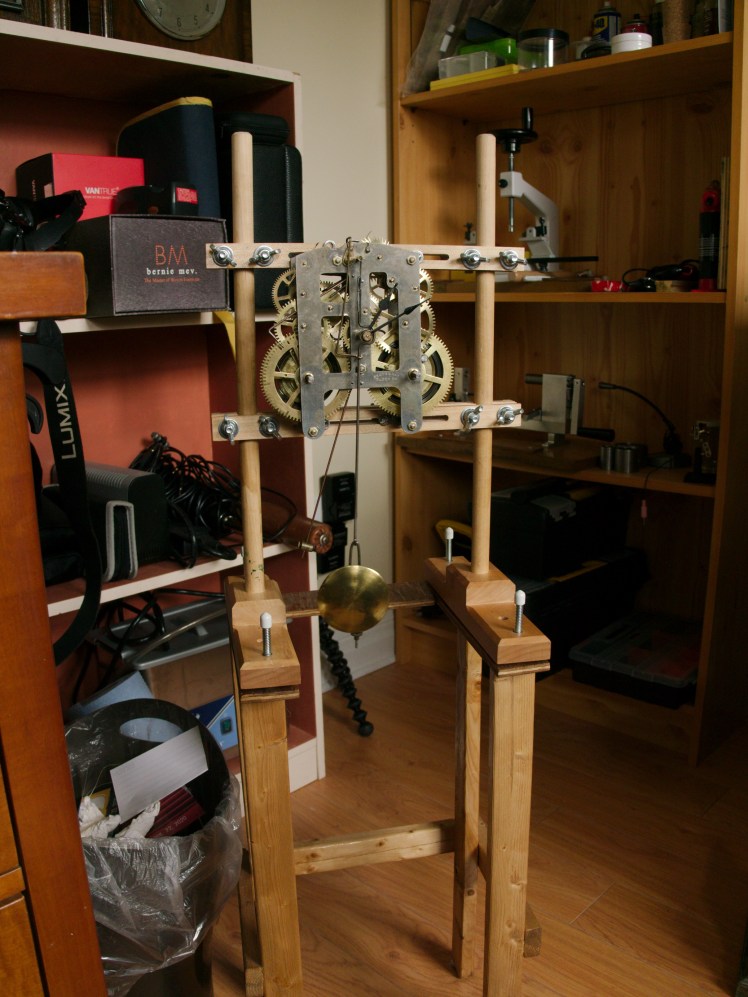
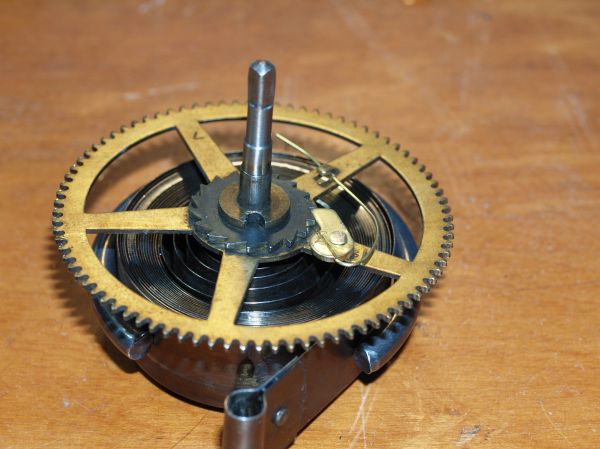
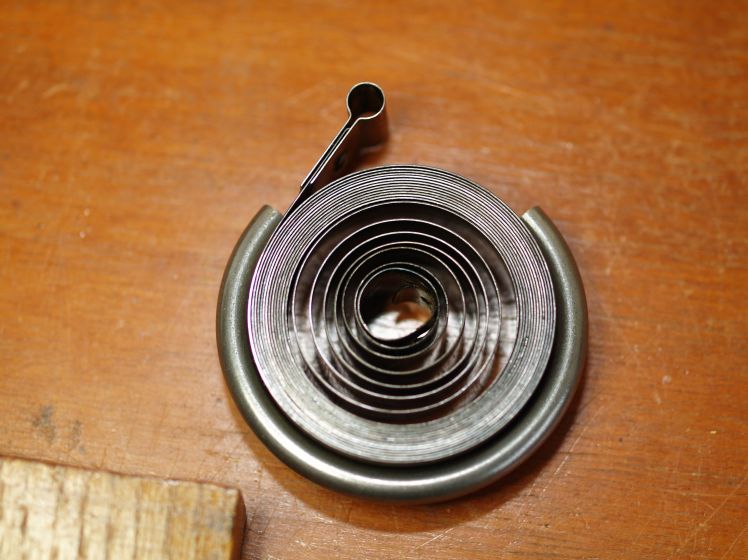
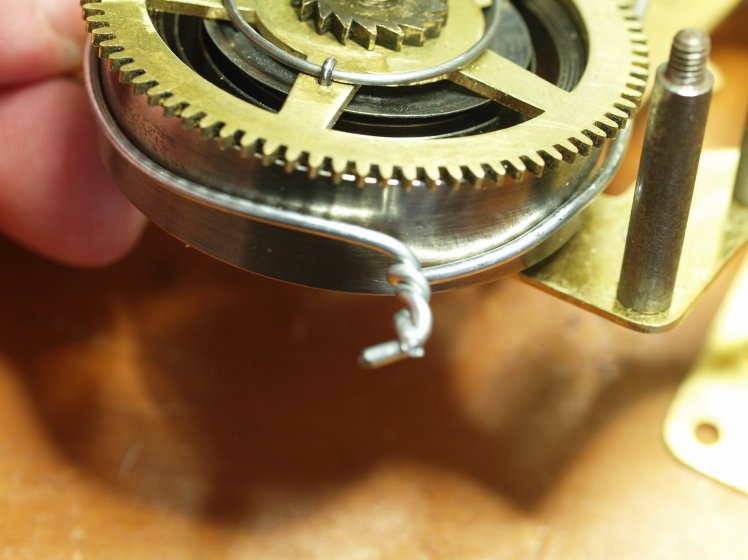
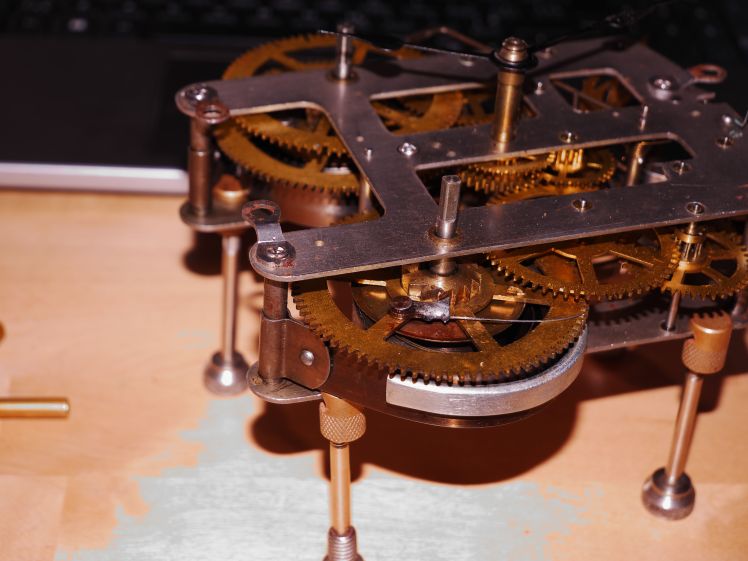
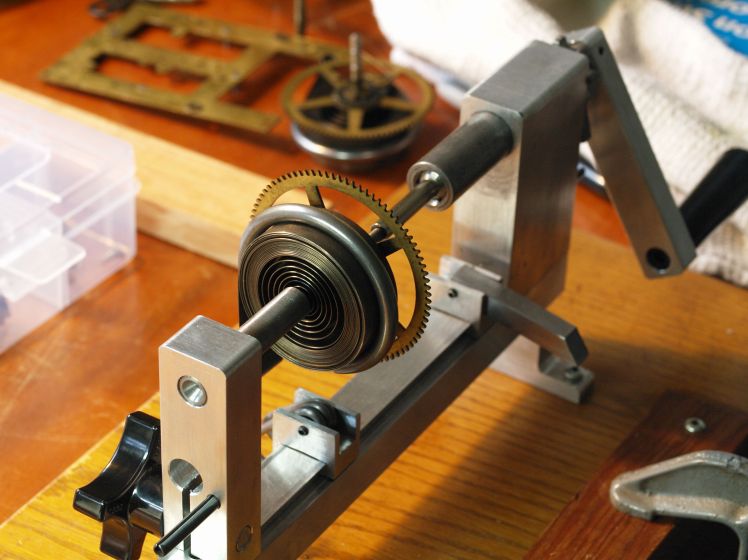
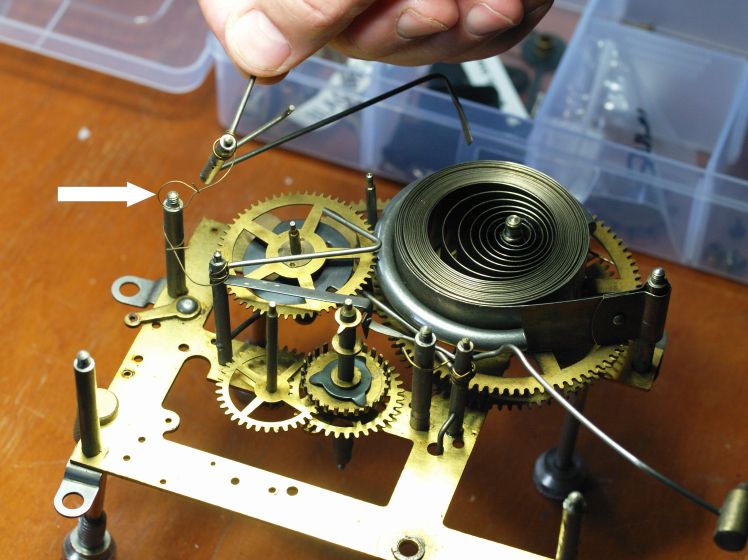


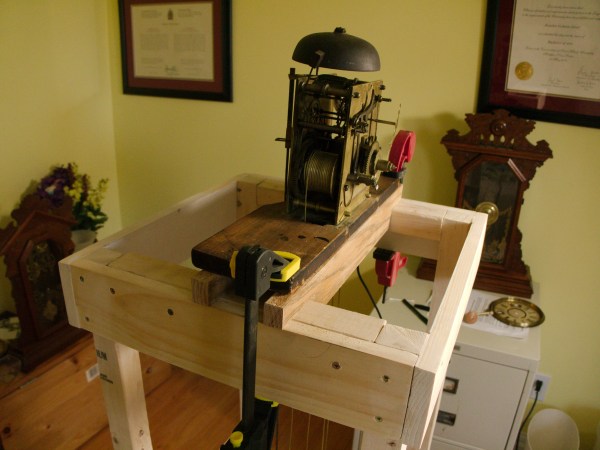

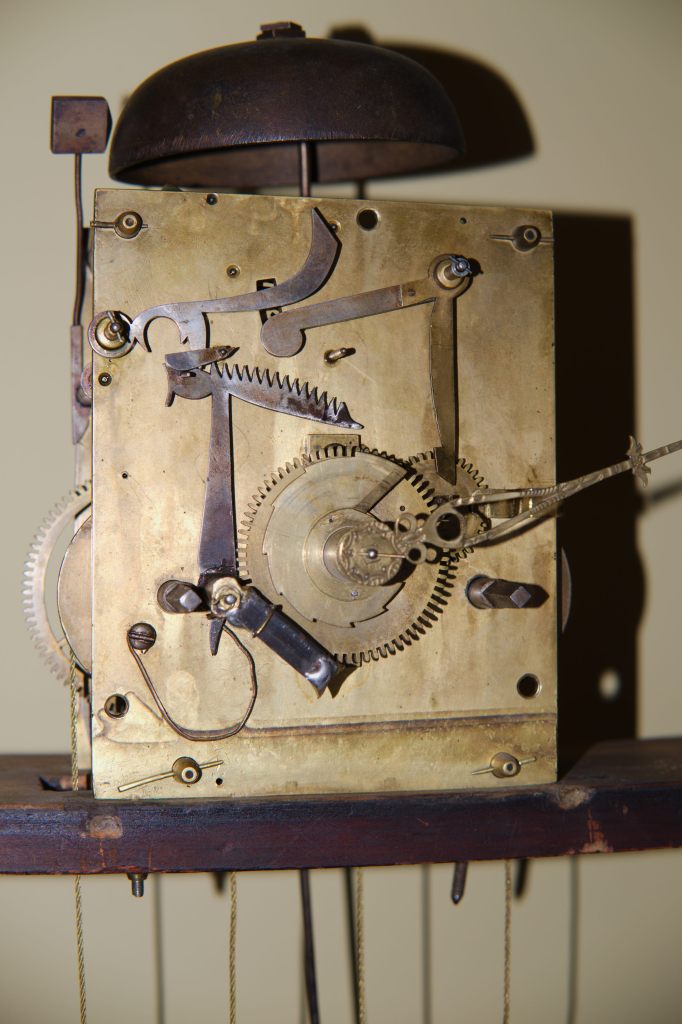
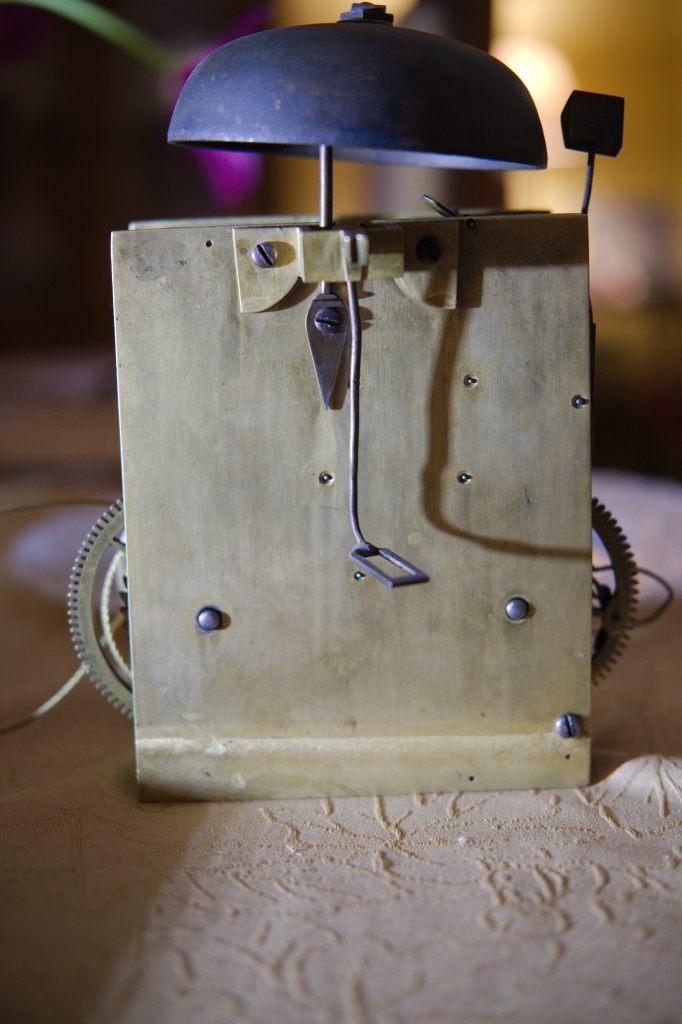
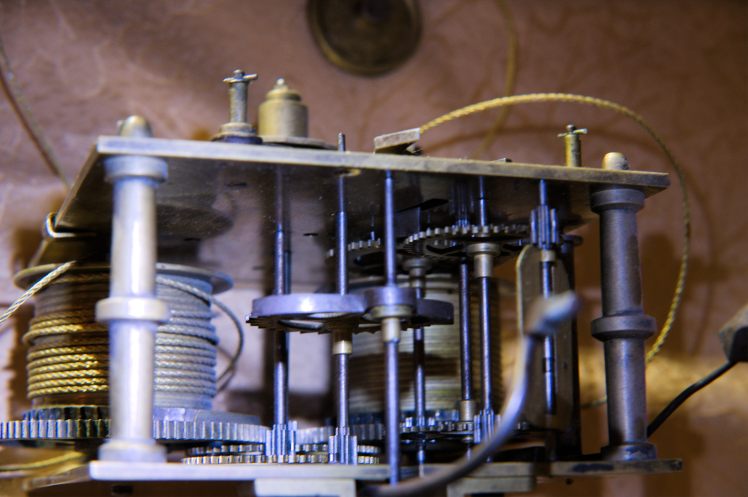
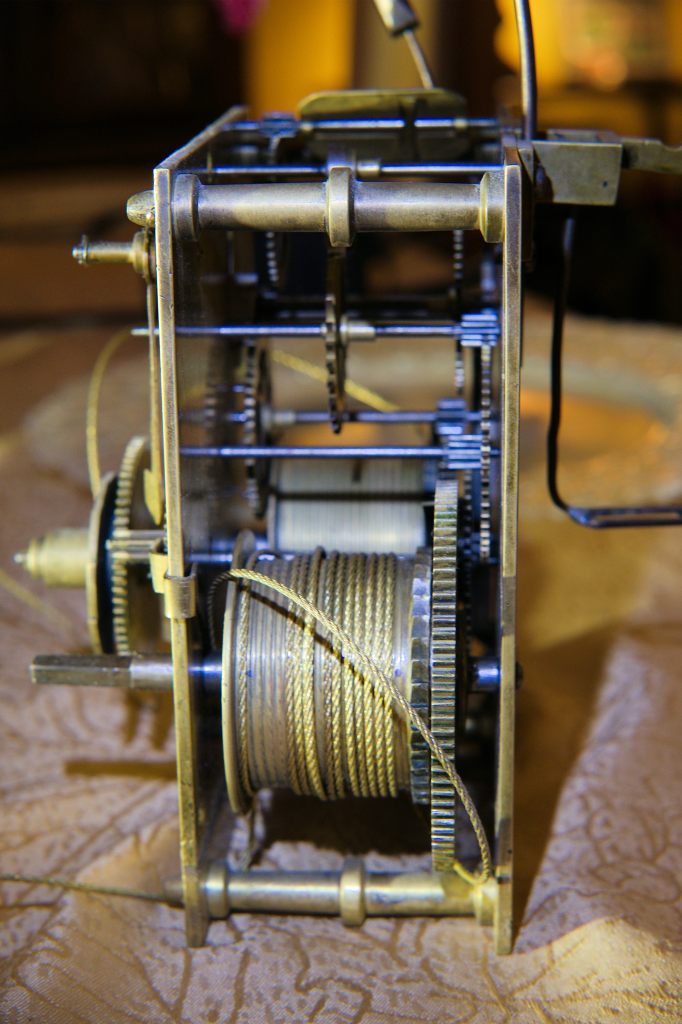
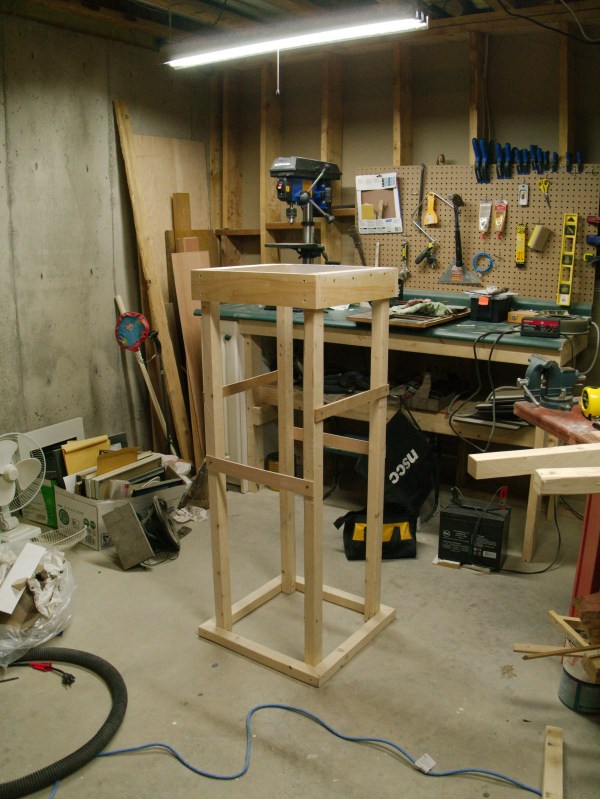
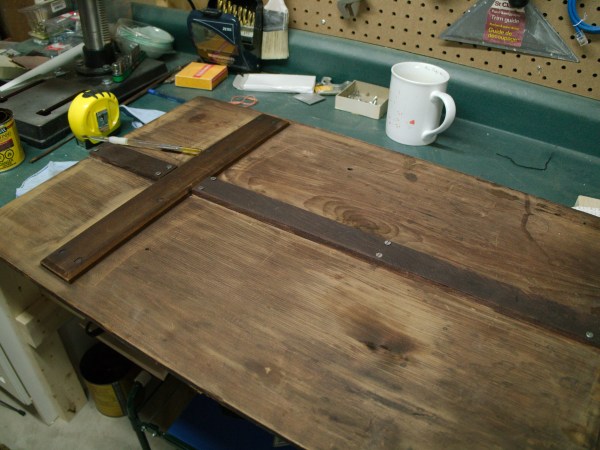
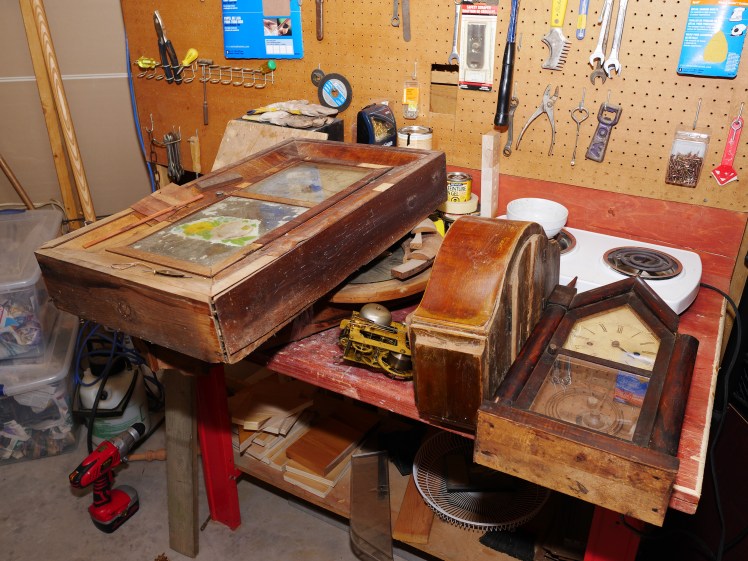
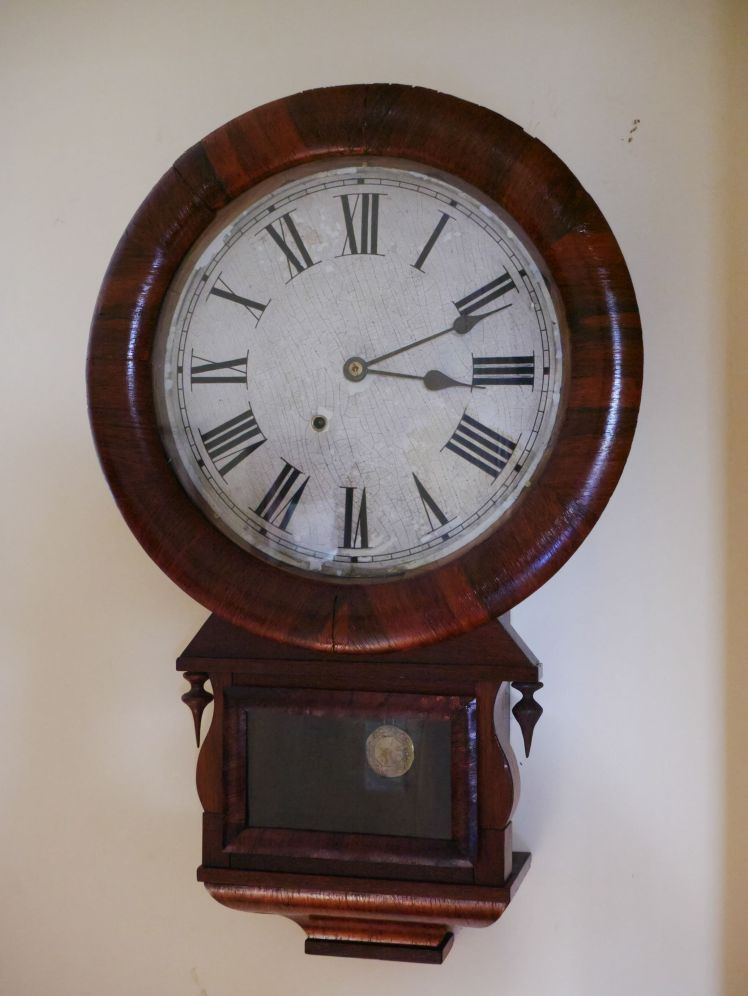

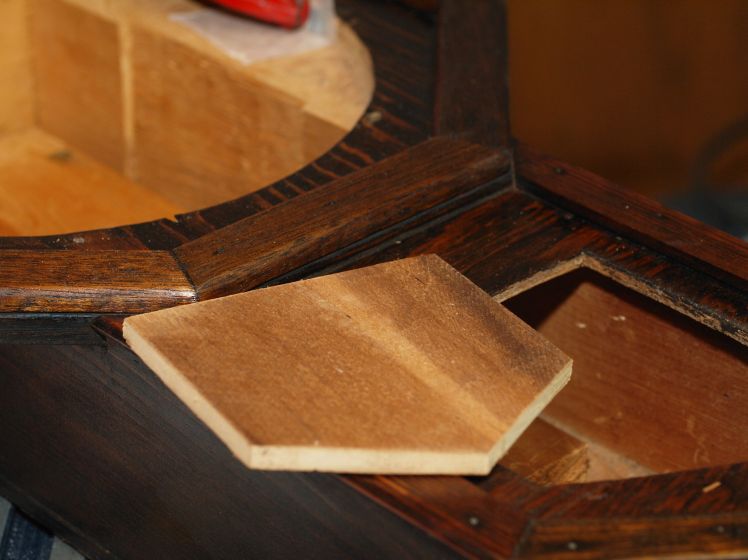
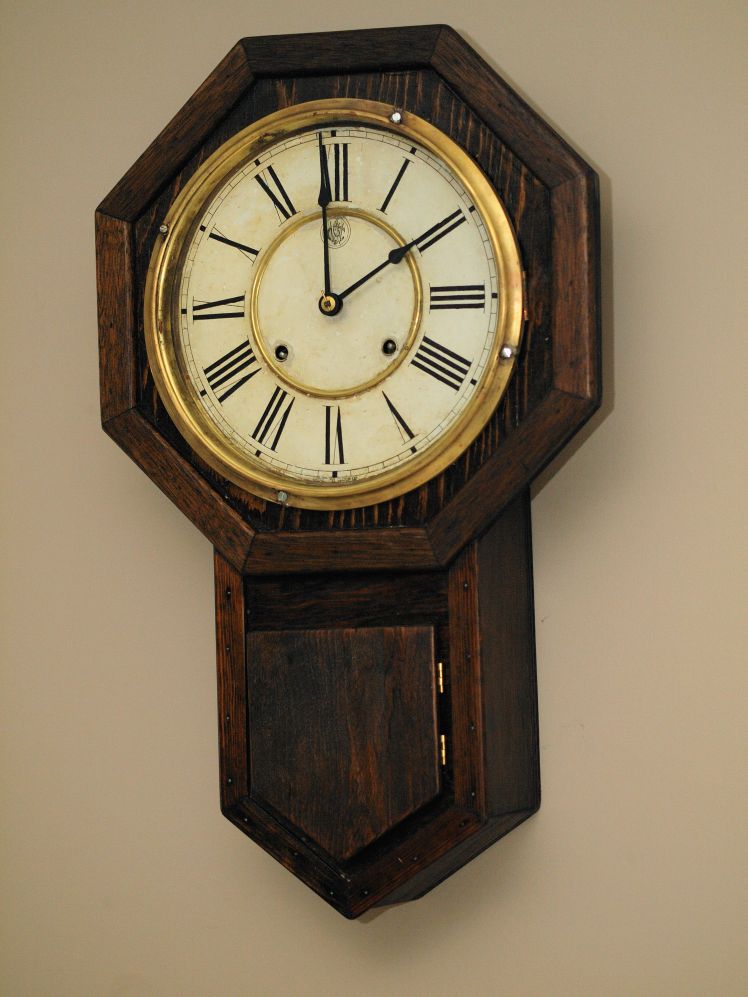
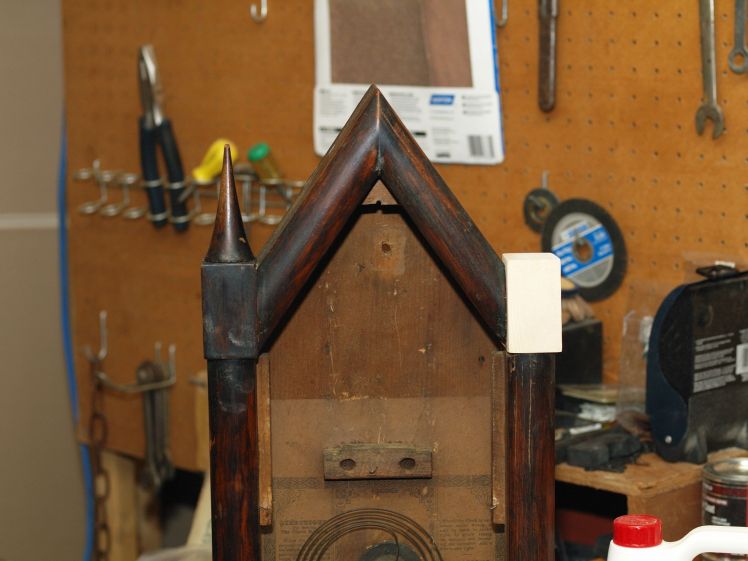
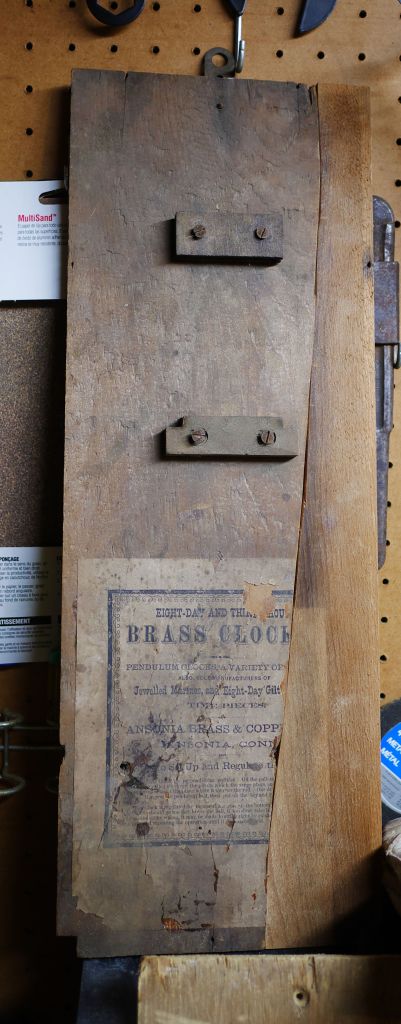
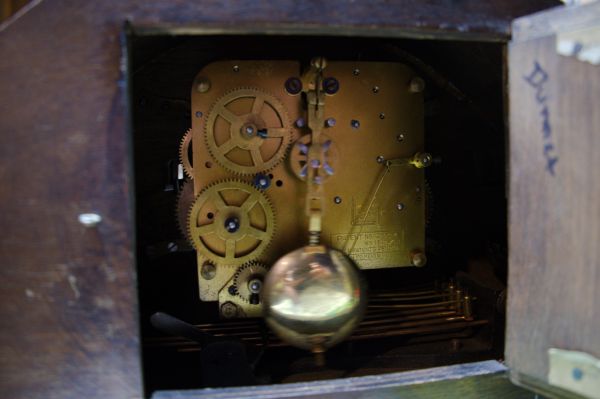
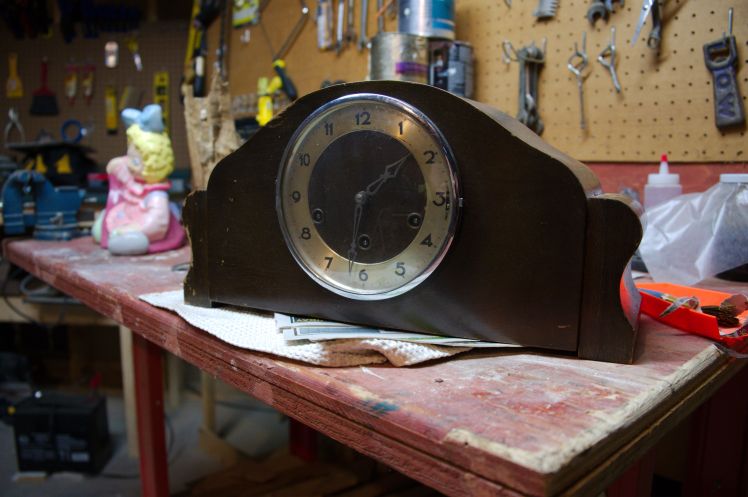

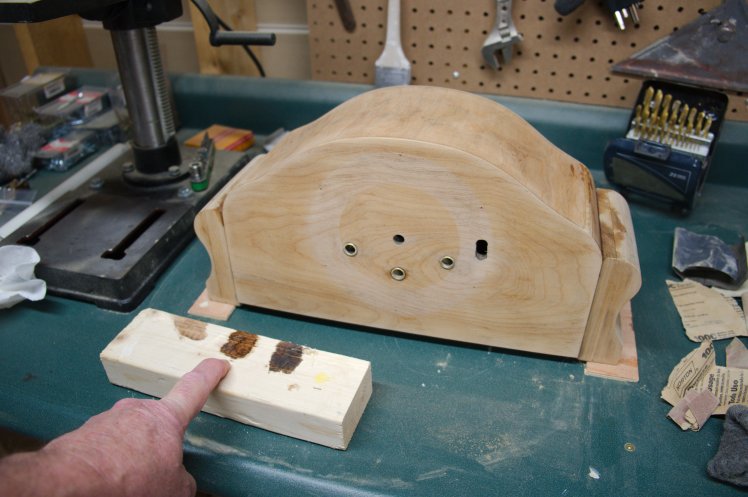
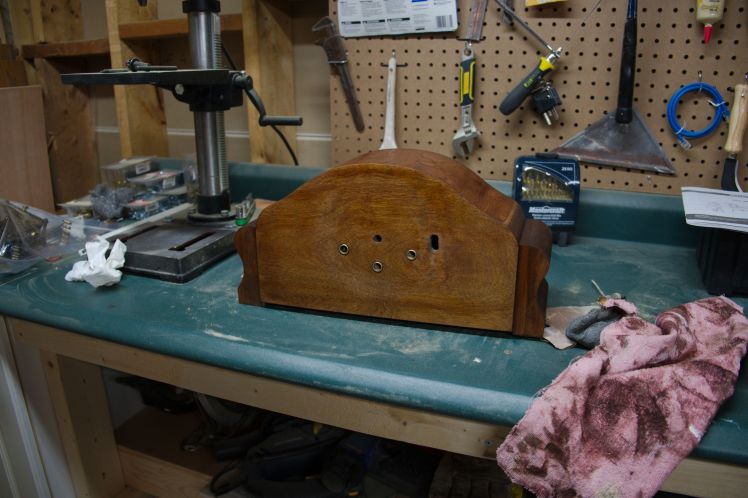
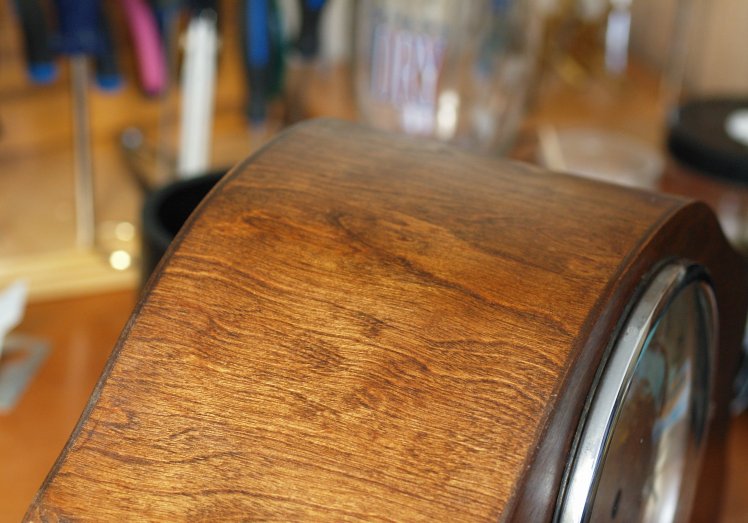
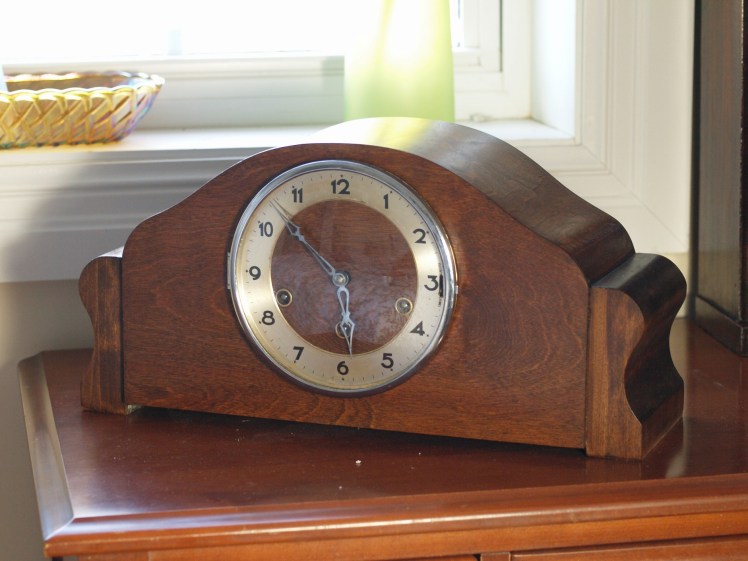
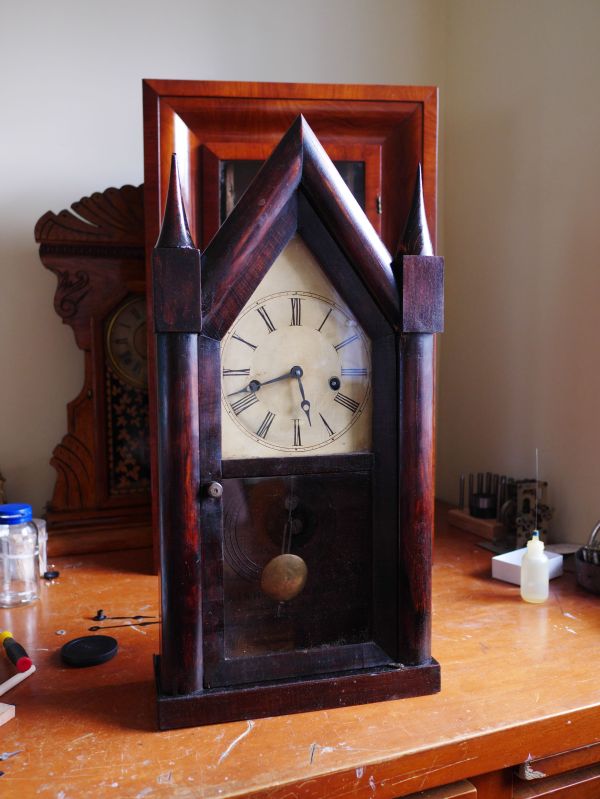

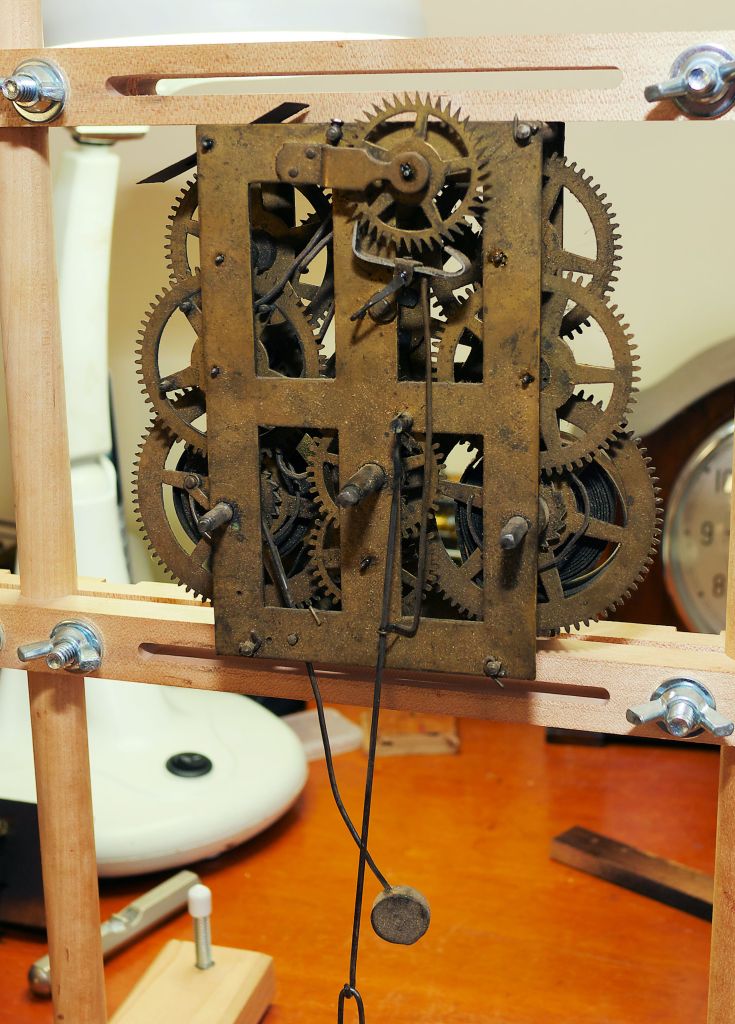



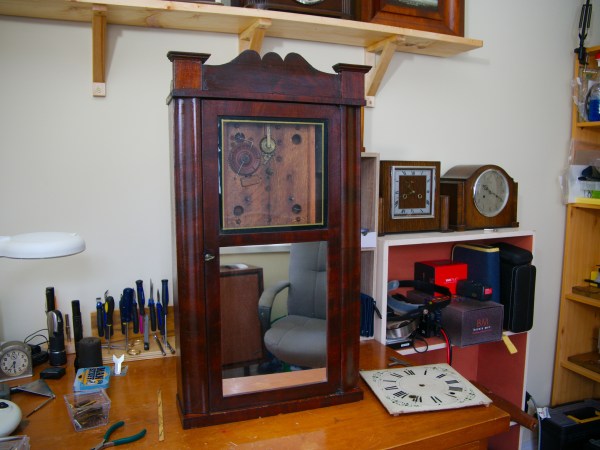

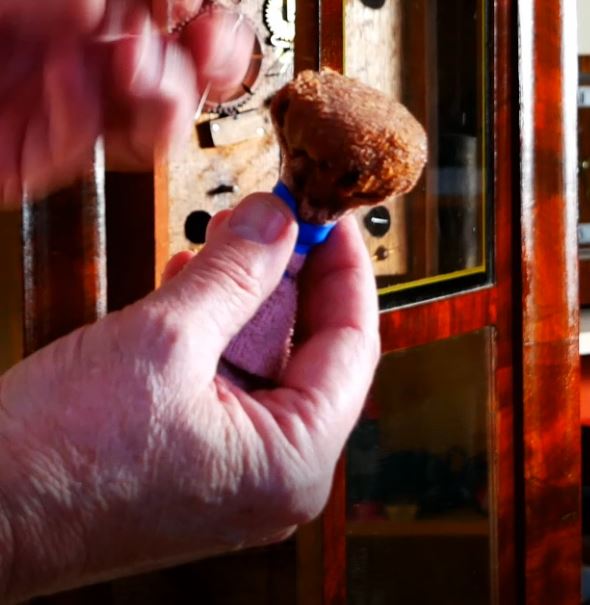
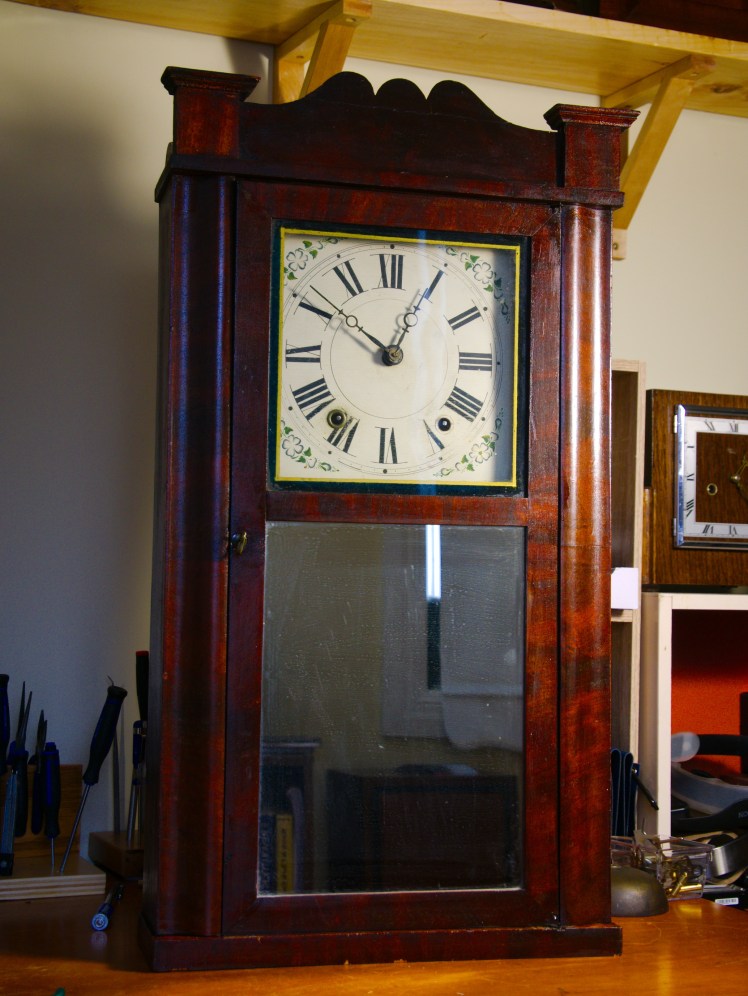
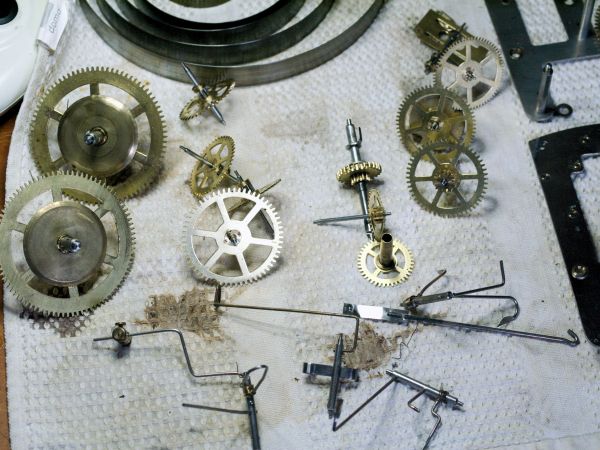
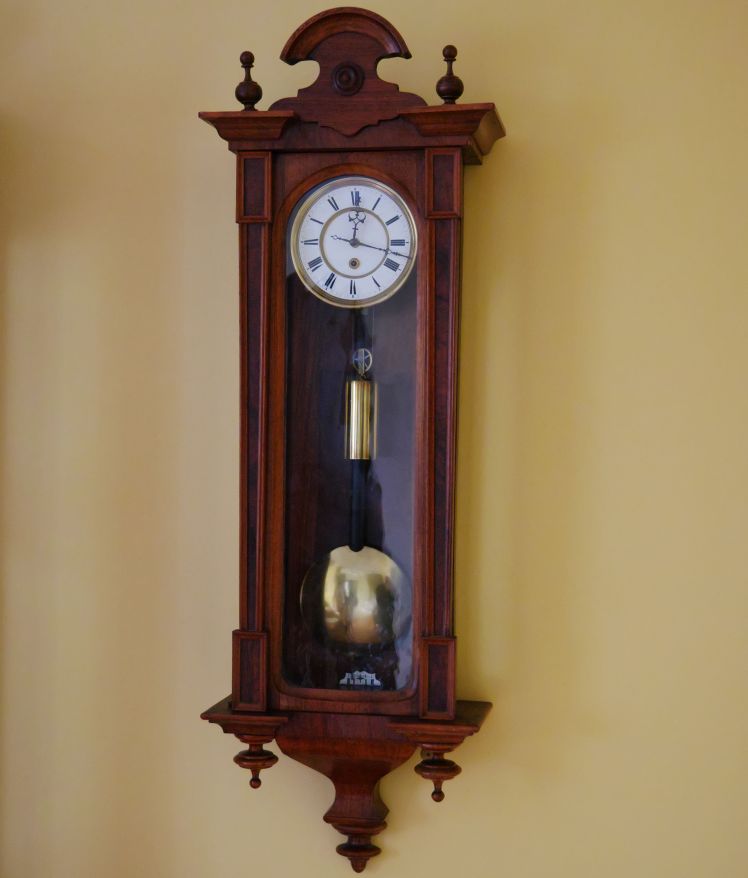
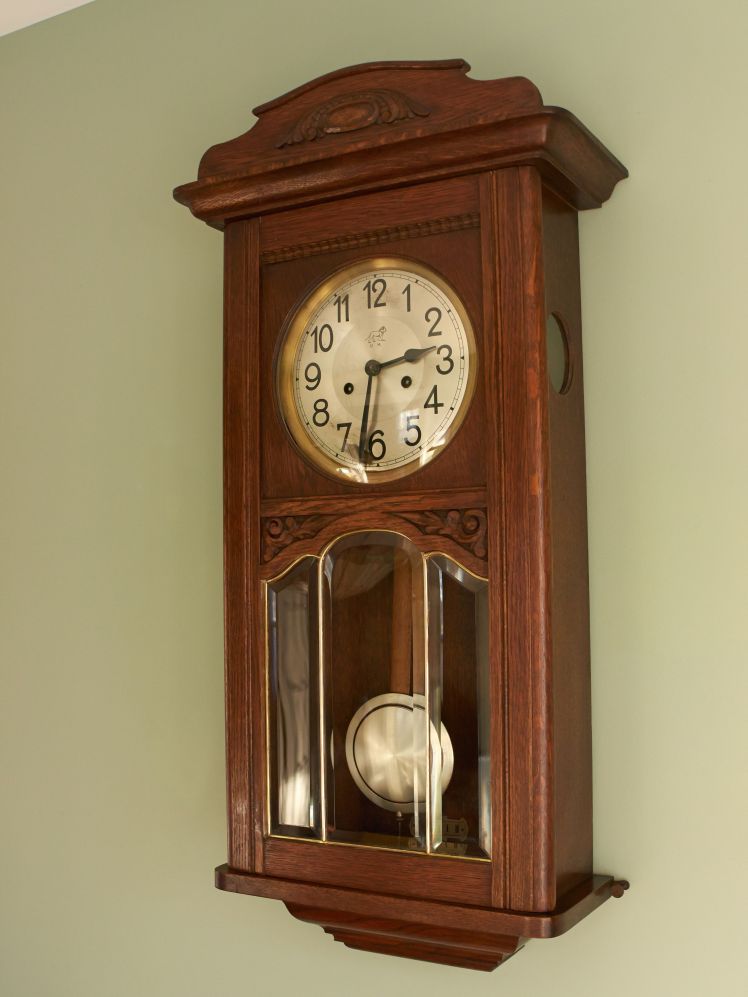

 Antique and Vintage Mechanical Clocks
You must be logged in to post a comment.