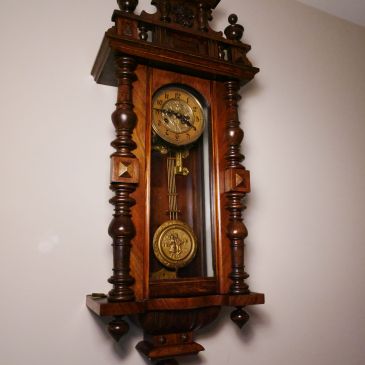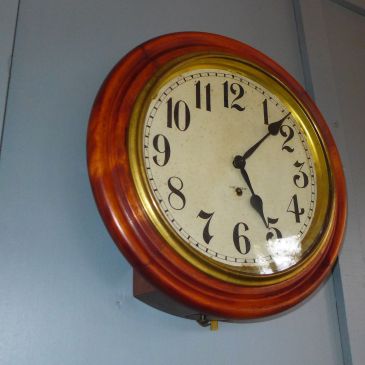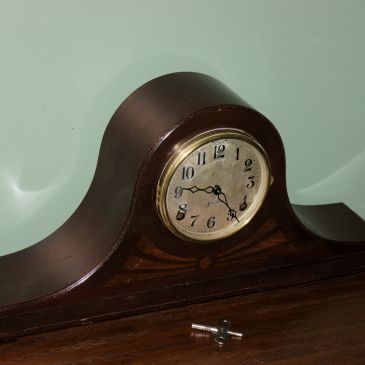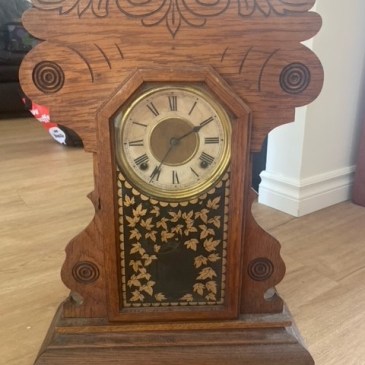
A Guide to Adjusting Your Clock’s Beat

You’ve acquired a clock that was running smoothly when you first laid eyes on it, but upon bringing it home and setting it up, it has suddenly fallen silent. A fundamental aspect of ensuring the proper functioning of mechanical clocks is to have a clock that is in beat.

Let’s delve into the concept of “beat.”

To start, ensure your clock rests on a level surface. Now, take a moment to listen closely to the tick and tock of your clock, attempting to minimize background noise and distraction. Placing a pencil or ruler near the ear with the other end touching the clock’s plate will amplify the sound.

A clock is considered “in beat” when its ticks and tocks are evenly spaced, creating a rhythmic, even cadence of tick…tock…tick…tock. Conversely, a clock is “out of beat” when these sounds are uneven, manifesting as ticktock… or tocktick…. Put another way, there should be an equal amount of time between each tick and tock. When a clock loses its beat, it may either cease running altogether or operate briefly before coming to a halt. It is important to emphasize that a clock’s regular beat is crucial for its proper functionality.

Correcting a clock’s beat can be achieved through two methods. The first involves gently tilting the clock sideways, back and forth, while listening for the beat to even out. Once you’ve achieved an even beat, prop the clock to maintain that tilt. However, while this method restores the clock’s beat, it may not maintain an aesthetically pleasing appearance.

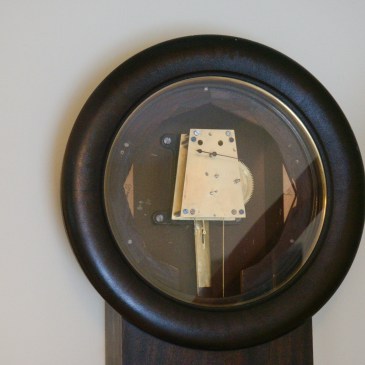
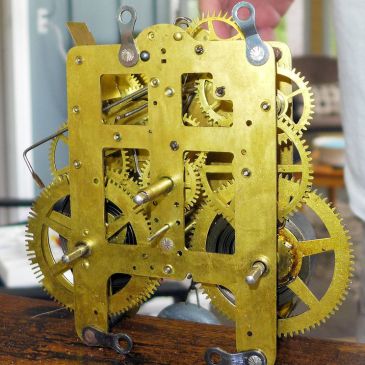
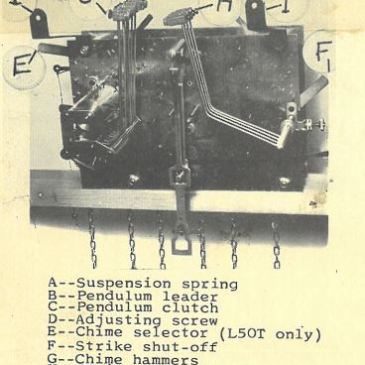
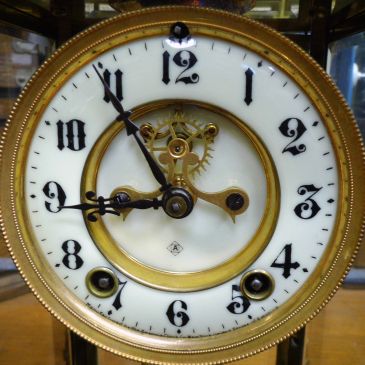
The second method entails adjusting the crutch, the rod extending down from the pallets that rock back and forth on the escape wheel. The pendulum rod passes through either a crutch loop or a forked foot at the end of the crutch, as indicated in the accompanying photo. It’s essential to ensure that the pendulum rod sits in the middle of the crutch loop without being too tight or too loose. The crutch is attached to the pendulum leader, which, in turn, connects to a post with a suspension spring.

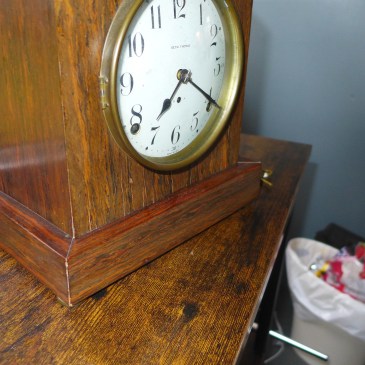
Seth Thomas mantel clock

For mantel clocks, the process is relatively straightforward, as they typically feature rear access doors that allow easy crutch adjustments. However, wall clocks require a bit more effort. To access the crutch on a wall clock, you’ll need to remove the hands (the minute hand is released with a screw or pin, while the hour hand is simply pulled off) and the dial face, which is attached with screws. Minor adjustments to a wall clock’s beat can also be made by slightly tilting the clock off-level, but the tilt may or may not be noticeable.

Gilbert Admiral with calendar

The crutch adjustment process can vary depending on the crutch’s design. If your clock’s crutch is a simple rod or wire, you can adjust it by gently bending it left or right until you achieve a steady tick-tock rhythm. The brass rod is usually pliable enough to allow for re-adjustments if necessary. Listen carefully to the beat as you make these adjustments, stopping when you attain a consistent and even tick-tock pattern.

If the crutch connects to the pallets with a friction joint, the adjustment involves holding the pallets steady with one hand while shifting (pushing) the crutch slightly to the left or right on the friction joint. The adjustment here may be subtle, requiring slight movements in either direction.

The good news is that you need to undertake this procedure only once. Whether your clock is a wall clock, mantel clock, time and strike, time-only, or time, strike, and chime, the principles remain identical.

There’s no need to seek professional assistance for this task; it’s a do-it-yourself procedure that’s remarkably straightforward.

Crutch is at right of centre

However, if the clock is moved to a new location, you may have to repeat the above procedure.

There’s something undeniably soothing about the rhythmic ticking of a mechanical clock in a room, especially when it’s in perfect beat.

Reflections on Building a Horology Blog from Scratch

In the late spring of 2015, I enrolled in a WordPress blogging workshop at our local community college, and it opened my eyes to the remarkable potential of blogging. At that time, I had already embarked on my journey of collecting and repairing antique and vintage clocks, making it an ideal moment to start a blog and share my passion for horology.

The initial months of blogging were met with considerable discouragement, a sentiment familiar to many bloggers. Building an audience and earning recognition on various search engines demanded patience and persistence. Page-views were few, content creation posed challenges, and I wrestled with the balance between catering to my audience’s preferences and conveying my personal enthusiasm.

While I never considered myself a writing virtuoso, I approached this endeavour with unwavering enthusiasm and dedication. To improve my craft, I closely observed fellow bloggers by becoming a follower, learned from their engaging sites, gathered insights from WordPress and other online resources, and eventually cultivated a style that felt authentic to me.

Blog articles composed in my home office

Come fall of 2015, there was a noticeable uptick in daily page-views, which spurred me to broaden my horizons. I recognized the importance of not only captivating those with a casual interest in antique clocks but also appealing to those with a deeper knowledge. While my blog wasn’t specifically tailored for expert horologists or professionals in the clock trade, I welcomed their occasional visits.

Clock parts and supplies

I’ve been fortunate to receive numerous comments from my readers, spanning from suggestions and advice on the projects I undertake to inquiries seeking guidance on specific clock-related issues. I’ve always been eager to provide assistance whenever possible, and I value constructive criticism as a vital aspect of my personal growth as a clock repair enthusiast.

Statistics, often referred to as analytics in the digital realm, serve as the lifeblood of any blog, whether one likes it or not. My most notable achievement in this regard occurred in February 2023 when I achieved a remarkable 999 page-views in a single day. On average, I now receive 640 daily page-views and accumulate about 4500-4900 page-views per week.

I began monetizing my blog in 2020 and receive a modest monthly stipend which allows me to pay for server space, domain registration, clock supplies, dues in two clock organizations and my Titan email service.

I find immense gratification in knowing that my blog has reached readers in over 100 countries, with the top six being the USA, the United Kingdom, Canada, Australia, South Africa, and Ireland. Witnessing the continuous rise in interest from mechanical clock enthusiasts worldwide fills me with optimism and shared passion.

I also stumbled upon a valuable strategy – writing articles well in advance and scheduling specific publication dates. This method has proven invaluable, particularly during times when I’m on vacation and unable to dedicate time to writing.

Admittedly, there are periods when my statistics experience slight dips, but I view these moments as opportunities to reassess my content, explore new areas of interest, and infuse the learning process with enjoyment. My recurring features, including “Tick Talk Tuesday,” “Crazy Clock Ads,” and “What Is This Thing For,” shed light on the lighter side of clock collecting and repair, adding a touch of variety to my blog.

Enjoy!

The Philosophical Conundrum of Antique Clocks: When is a Clock No Longer Itself?

In the world of horology, antique clocks stand as both timekeeping devices and exquisite works of art, bearing witness to the craftsmanship and design sensibilities of bygone eras.

Yet, beneath their exteriors lies a profound philosophical conundrum—one that questions the very essence of their identity. As we dive into the realm of antique clocks, we find ourselves pondering a perplexing thought experiment: When is a clock no longer the same clock?

This article embarks on a journey through the intricacies of restoration, originality, and the identity of antique clocks.

When gradually replacing every part of a clock, a fascinating philosophical question arises: at what point does it cease to be the same clock? This conundrum extends to the creation of a “new” clock from those original parts.

This brings to mind the Ship of Theseus thought experiment which raises the intriguing question of identity and continuity. If all the components of a ship are gradually replaced over time, at what point does it cease to be the same ship?

Theseus, Photo by Heinz Klier on Pexels.com

The dilemma lies in determining which of the two clocks can rightfully claim to be the original. This thought experiment delves into the complex nature of an object’s identity, as no two objects can occupy the exact same identity. It challenges us to consider whether an object with all its components replaced can still be fundamentally regarded as the same object.

Several years ago, I had the opportunity to work on a antique clock that was essentially a box of parts.

Junghans clock in pieces
Junghans clock pieces

At first glance, it seemed to be in its original state, but upon closer inspection, discrepancies emerged. Contrary to the initial impression that all components were intact within the box, I soon realized that numerous intricate elements, such as case embellishments and finials, were absent. What’s more, a substantial portion of the case had been reconstructed using contemporary materials, and both front and side glass panels were notably absent.

Centre crown support post
Crown support made from new oak

This prompts the question of whether a clock in such a state can still be categorized as original, or if it has strayed too far from the essence of originality due to the incorporation of modern elements and the absence of vital components.

Oak spindle
Fashioning finial bases from an oak spindle
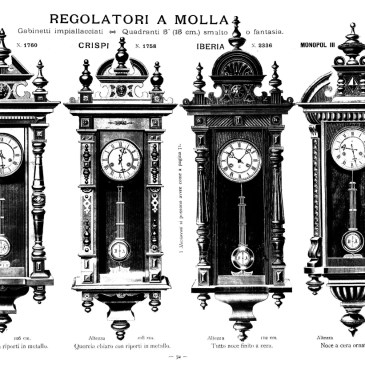
Junghans Crispi dial face

Despite its captivating visual appeal, my Junghans Crispi does not command the same market value as an authentic, original Crispi clock.

Junghans Crispi wall clock C.1899 (??)

People often place a premium on originality, and I, for one, appreciate a well-preserved clock in its original condition. I may reconsider if it has been tastefully restored or repaired, recognizing that it’s a better fate than being discarded or stripped for parts. However, I wouldn’t expect to pay as much for a clock that has undergone significant alterations.

Valuing an excessively restored clock can be challenging. While conservation and restoration have their merits, the question arises: does a clock that was two steps away from the trash bin become less valuable when restored?

In reality, there are no definitive answers to these questions. Collectors will always exist who prioritize originality and others who are more forgiving of certain changes. So, is this debate a significant concern, or simply a matter of personal preference?

Selecting and Gifting an antique Mechanical Clock

Any time of year is a good time to offer an antique clock as a unique gift.

Mechanical clocks take us back to simpler times, free from mobile phones, the internet, and streaming TV. They evoke nostalgia for an era gone by.

Two American wall clocks

Determining whether to gift an antique clock can be a challenge. Allow me to provide you with some valuable tips.

Observation skills are key

The first step involves careful observation skills, assessing whether or not the recipient would appreciate an antique clock.

If the person has a general interest in history or has shown appreciation for antiques in the past, they might be more inclined to appreciate an antique clock. Take note of their home’s interior design and decor style. Antique clocks can complement various decor themes, such as vintage, traditional, or rustic. If their home features elements of these styles, it’s a positive sign.

Consider whether the person has a sentimental attachment to heirlooms or family keepsakes. Antique clocks often have a rich history and can become cherished heirlooms themselves. If the recipient is known to collect items, especially vintage or historical items, they may be more likely to appreciate an antique clock as an addition to their collection.

Antique clocks often exhibit intricate craftsmanship. If the recipient has an eye for fine craftsmanship or has expressed admiration for handmade or artisan items, they may appreciate the work that went into creating an antique clock.

Listen for any comments or discussions about nostalgia for earlier times. Antique clocks can evoke a sense of nostalgia for a simpler, pre-digital era.

If the person has owned or displayed clocks before, it’s a good sign that they might enjoy receiving another clock as a gift. Consider whether the person appreciates receiving unique and thoughtful gifts rather than typical, mass-produced items.

By paying attention to these clues and considering the recipient’s preferences and interests, you can make a more informed decision about whether an antique clock would be a well-received and meaningful gift.

Mechanical clocks appeal to those who either enjoy the sound and striking of a clock or appreciate it as part of their decor. These preferences will guide your gift selection.

Here are two examples of clocks I have gifted to family members:

Schatz W3 bracket clock

My son and his partner have a German Schatz W3 bracket clock in a custom case. It is in excellent mechanical condition but because it has a floating balance escapement it is very quiet when running. It serves as the centrepiece for their buffet and hutch.

Sessions Raven clock

My daughter has a Sessions Raven 8-day mantel clock that rests atop a bookcase in their family room. Although they choose not to run it, they nevertheless cherish it.

Choosing the right one

If you believe the recipient would appreciate a mechanical clock as a gift, the next step is choosing the right one. There’s a wide range of options available, catering to different budgets, from basic American kitchen clocks to rare 19th-century French Boulle mantel clocks, from those that are fairly economical to higher priced items.

Let’s narrow down the choices with a strategic approach.

French Boulle clock C.1860

The following two categories can help you make the right decision when buying a clock for your loved one, friend, or business associate.

Category 1 – Recipients Who Appreciate a Running Clock:

  • Avoid non-working clocks unless you or someone you know has clock repair skills.
  • Exercise caution when considering clocks labelled as “may require adjustment,” as they frequently conceal significant issues.
  • Investing in clocks that have undergone recent servicing and come with a warranty justifies the higher price tag.
  • Give serious thought to purchasing from established and reputable clock repair retailers. They offer added assurance of quality and reliability when acquiring a mechanical clock.
  • Opting for local purchases is a better choice compared to online auction platforms like eBay, as it helps avoid elevated shipping expenses and the potential risk of receiving a damaged clock.

Most mechanical clocks are 8-day running, requiring weekly winding. Some quality 15-day and 30-day clocks exist but are not as plentiful. Avoid 1-day clocks unless the recipient enjoys daily winding. Avoid 31-day clocks, as they are frequently manufactured in China, featuring subpar movements and inexpensive cases.

Daniel Dakota wall clock, one of Tempus Fugits more popular models
Daniel Dakota wall clock is made in China and should be avoided as a gift

Category 2 – Recipients Who desire a Mechanical Clock as Decoration:

  • For certain individuals, the aesthetic appeal and potential for sparking conversations outweigh the clock’s functional aspects.
  • Clocks that don’t function but have appealing cases are well-suited for this situation.
  • Examine the case’s condition, recent repair work, and authenticity carefully. A poorly executed case repair will be readily noticeable.
  • Steer clear of clocks that have had their original mechanical movements replaced with quartz mechanisms. If the recipient ever decides to sell it in the future, retaining the original movement will enhance its value.
  • Removing dirt and grime from a soiled clock case can greatly enhance its visual appeal while preserving its original patina.

Types and styles of clocks to consider

  1. Grandfather Clocks (Longcase or tallcase Clocks): These tall, freestanding clocks are typically over 6 feet in height and have a pendulum mechanism enclosed in a wooden case. They are known for their elegance and often feature intricate detailing. These are large clocks that take up floor space which is an important consideration.
  2. Mantel Clocks: Designed to sit on a mantelpiece or shelf, mantel clocks are often smaller and more decorative. They can come in a wide range of styles, from ornate Rococo to sleek Art Deco designs.
  3. Shelf clocks: Designed to sit on a mantelpiece or shelf. Examples are steeple clocks, ogee clocks, kitchen clocks and cottage clocks.
  4. Wall Clocks: Wall clocks are hung on the wall and come in various shapes and sizes. Examples include the Vienna regulator clock, schoolhouse clock, and banjo clock.
  5. Bracket Clocks: These are small, bracket-mounted clocks typically found on shelves or brackets. They often have a carrying handle and are known for their portability.
  6. Carriage Clocks: Originally designed for travellers, carriage clocks are small, portable clocks with a handle. They often feature an enamel dial and a hinged protective case.
  7. French Clocks: French clock-making is renowned for its craftsmanship and artistic design. Styles include Louis XIV, Louis XV, and Louis XVI, each reflecting the aesthetics of its respective period.
  8. Vienna Regulator Clocks: These wall clocks originated in Vienna, Austria, and are characterized by their long and narrow wooden cases, typically with a pendulum visible through a glass door.
  9. Art Deco Clocks: Popular during the 1920s and 1930s, Art Deco clocks feature geometric shapes, bold colours, and sleek lines. They represent the Art Deco design movement’s distinctive style.
  10. Art Nouveau Clocks: Art Nouveau clocks emphasize organic, flowing forms inspired by nature, often featuring intricate metalwork and curvilinear designs.
  11. Cuckoo Clocks: Originating from the Black Forest region in Germany, cuckoo clocks are known for their distinctive cuckoo bird call. They often have wooden carvings and a pendulum.
  12. Skeleton Clocks: These clocks have an exposed mechanism with minimal casing, showcasing the intricate gears and escapement. They are prized for their transparency and craftsmanship.
  13. Marine Chronometers: Precision timekeeping instruments used for navigation at sea, marine chronometers are often housed in a wooden box and have a gimbal system to maintain accuracy on a moving ship.
  14. Calendar Clocks: These clocks display the date, often with additional complications such as moon phases or day-of-the-week indicators.

A mechanical clock makes for a truly special gift, one that has the potential to evolve into a beloved heirloom over time. Whether it continues to keep perfect time or finds its place as a decorative piece, the sentiment behind such a gift is sure to be appreciated by the recipient so long as you assess whether the recipient would appreciate such a gift.

A clock not only signifies the passage of time and makes it a meaningful present for any occasion. Its intricate craftsmanship makes it a symbol of both utility and beauty.

So, when you choose to gift a mechanical clock, you’re not only giving a functional timepiece but also a lasting memory that can be appreciated for years to come.

Assessing the Value Factor of Antique Clocks

In a world fascinated by the march of time, antique clocks offer us a unique glimpse into history. Not only have they served their primary purpose of telling time but have also become symbols of artistry, craftsmanship, and human ingenuity.

Despite their age and historical significance, it’s not uncommon for antique clock owners to find themselves disheartened by the appraisal of their cherished antique clock. Why do some antique clocks, some well over a century old, seem to have little monetary value?

An extensively modified clock such as this Junghans Crispi may not appeal to all collectors

In this blog article, we will explore several factors that contribute to the value of an antique clock and shed light on why certain clocks, despite their considerable age, might not be worth what some individuals believe.

Let’s examine those factors.

Craftsmanship and Materials

The value of an antique clock is deeply intertwined with the craftsmanship that went into its creation. Clocks made by renowned clockmakers or those displaying exceptional artistry tend to command higher prices. Similarly, the materials used play a pivotal role. Clocks crafted from precious metals such as gold or intricate inlays of rare wood often carry a premium value due to the inherent worth of these materials.

Boulle style shelf clock, red stained tortoise shell and brass detail, French C.1860

Rarity and Demand

Antique clocks that are rare or in high demand among collectors naturally hold greater value. Limited production runs, unique designs, or clocks associated with historical events or figures can significantly drive up their worth.

Both Intricate design and rarity enhances value

The history and provenance of an antique clock can significantly influence its value. Clocks with documented histories, especially those with connections to significant historical events or notable individuals, can command higher prices due to their intrinsic links to the past.

Ingraham Grecian
E. Ingraham mantel clocks are very common but some rare models such as this Grecian have higher value

Mechanical Complexity

The complexity of the clock’s internal mechanism can greatly affect its value. Clocks with intricate movements, such as those featuring complications like moon phases, perpetual calendars, or astronomical indicators, tend to be highly sought after by collectors and enthusiasts alike. The more intricate the mechanics, the more valuable the clock is likely to be. Moreover, if an antique clock, such as a precision regulator or one featuring an astronomical indicator, is crafted by a renowned horologist, its value is further elevated.

Willard astronomical regulator

Condition and Restoration

The condition of an antique clock can make or break its value. Clocks that have been well-preserved, with all original components intact, are generally more valuable than those that have undergone extensive repairs or replacement of minor and major components. While some restoration may be necessary to maintain functionality, overzealous restoration can negatively impact the clock’s value.

Seth Thomas #2
Although the Seth Thomas #2 was in production for many years they hold their value well

Trends in Collecting

The world of antique collecting is subject to trends, and this holds true for clocks as well. There are periods when certain styles, makers, or types of clocks are in vogue, driving up their prices. However, common antique clocks, despite being over a century or more old, have experienced a decline in their value over the last five years. But, trends can also be cyclical, meaning that what’s not popular today may be in demand tomorrow.

George H. Clark 30 hour Ogee
Ogee clock values have not held up well in recent years especially the 30-hour versions

Final thoughts

The value of an antique clock extends beyond its age, requiring a comprehensive assessment of craftsmanship, rarity, demand, mechanical complexity, condition, provenance, and prevailing collecting trends.

It’s important to recognize that while some antique clocks may not command high monetary value, they still hold immense historical and cultural significance. While your grandmother’s antique mantel clock might not hold significant monetary value, its true worth resides in being a sentimental piece of your personal history.

Owning an antique clock is like possessing a piece of time itself, a tangible connection to the past that transcends its monetary worth. So, whether your antique clock is valued highly by collectors or not, its role in preserving history and artistry remains priceless.

Clock parts suppliers that should be on every clock repairer’s list

Clock repairers often find themselves in need of specific parts and tools to ensure optimal repair. While utilizing components from donor movements is perfectly acceptable, there are instances where a new part becomes the only viable option, and reliance on reputable clock suppliers becomes crucial.

Bergeon Bushing Machine

Relying on reputable clock suppliers for these new parts, tools, accessories and supplies ensures that repairers have access to top-quality components that meet the necessary specifications and standards. This not only guarantees the longevity and reliability of the repaired clock but also enhances the repairer’s reputation for delivering top-notch craftsmanship and customer satisfaction.

Trusted suppliers offer a wide range of compatible parts, expert knowledge, timely availability, and potential warranty support, making them invaluable resources for clock repairers striving for excellence in their work.

All parts in except the minute / hour canon
Occasionally mainsprings must be replaced

Clocks come in various types and styles, and each may require specific parts that are compatible and interchangeable with the existing mechanisms. Reputable suppliers often stock a wide range of clock parts, offering a diverse selection to meet different requirements. They understand the intricacies of clock mechanisms and can provide suitable components that seamlessly integrate into the repair.

Reliable suppliers usually maintain adequate stock levels and have efficient logistics systems in place. This means they can promptly fulfill orders and ensure timely delivery of clock parts. Having a reputable supplier who can provide quick access to the required components is essential, especially for clock repairers with and waiting customers.

Steady rest clock tool

Reputable suppliers often stand behind the quality of their products by offering warranties and after-sales support. This provides peace of mind to customers, as they know they can rely on the supplier in case of any issues or defects. Warranty coverage allows for replacements or repairs, minimizing potential losses and ensuring customer satisfaction.

HAC movement
Movement held by a clock stand
Standoffs
Standoffs for working on a movement

So, who are the suppliers? The suppliers listed below, none of which are sponsors of this author, are the ones I would choose based on my past experiences in procuring parts with most of them over the years.

Here they are with a short description of their services.

Timesavers: According to their site, “TimeSavers is a worldwide distributor of clock parts and repair material. We have been in business since 1975.” Their extensive inventory contains thousands of parts. Timesavers is the best-known clock parts supplier in North America.

Cousins; Cousins is a UK parts supplier I have sought them out for specialty items such as brass feet for a bracket clock and parts for long case clocks and parts not readily available from North American suppliers.

Perrin: Perrin is Canada’s leading supplier of clock parts. Residing in the eastern region of Canada, I rely on Perrin as my primary supplier. Note; Perrin is closing its business effective May 2024

Butterworth: I am not certain if Butterworth has a dedicated site but they can be reached on Facebook. I have ordered a pivot polishing kit from them in the past but they are also known for the unique Butterworth bearing.

Merritts: While their parts inventory may not be as comprehensive as that of other suppliers, they do offer a diverse range of antique clocks available for online purchase at reasonable prices.

Meadows and Passmore: Some restrictions apply on the purchase of clock parts and it is best to check with the company before ordering.

Mile-high Clock Parts: The repairer’s source for Keystone tools, such as a staking set, spring winder, bushing machine as well as other parts.

Clockworks: The clock repairer’s principal source for new Hermle movements as well as other supplies and parts.

Black Forest Imports: A distributor for clock movements and supplier for case parts, tools, repair supplies, etc.

Ronell: Ronell is a worldwide provider of clock repair parts and supplies.

If the reader is aware of other suppliers please add them to the list through the comment section below. Should there be others this article will reflect the additions at a later date.

A reader suggested Griffens Clocks and they can be reached here. The company acquired R&M Imports in 2019. R&M was well-known to clock enthusiasts and started out as a mail-order business in 1968. Griffens also acquired the inventory and assets of the Herschede Clock Company. They are located in Portland Oregon.

With that said, pricing increases in the last two years may frighten some newcomers away. In my experience when dealing with suppliers, everything from bushings, files, and specialized tools such as bushing machines, spring winders, and so on have risen dramatically in price since the global pandemic. Some prices have increased by as much as 50% to 75%.

For those entering into horology as a hobby, fear not, as there are bargains to be found on the used market. However, unless you have developed an expertise for locating quality parts and tools that are in decent condition it is easy to fall prey to unscrupulous sellers.

While the prices of parts might appear appealing, it’s important to remember to include taxes, shipping costs, document processing fees, and import duties (if applicable). Additionally, certain suppliers mandate a minimum order. It’s worth noting that some of these suppliers also offer antique clocks, repair manuals, and novelty items in addition to clock and watch parts.

The reliability and quality of these suppliers not only ensure the authenticity of repairs but perpetuates the art of horology, allowing time to be both honoured and preserved for generations to come.

The ubiquitous type 89 movement by Seth Thomas

The Seth Thomas Clock Company is a well-known American clock manufacturer with a long history dating back to the early 19th century. The Type 89 movement is one of the many clock movements produced by Seth Thomas over the years. This type was made between 1900 and 1938.

This is a first look at the movement of a Seth Thomas time and strike mantel clock with a type 89 movement. Since there is no year stamp on the clock movement I am surmising that this clock was manufactured in the mid to late 1930s judging from its design and construction.

Discovered at a thrift shop in Renfrew, Ontario, the clock was not functioning initially.

Generally speaking, a clock movement faces issues with low power output caused by friction resulting from wear over time. The primary issue with aging clocks is their gradual deterioration due to extended periods of operation. Common culprits are dirt accumulation, insufficient lubrication, and lack of proper adjustments, although these are unlikely to be the reasons for the malfunction.

Interestingly, a dirty movement often continues to function even without lubrication if it’s in decent condition. There is no doubt that this movement requires bushing work to address accelerated wear, yet regrettably, I do not currently have access to the necessary bushing tools for the task as I am on holiday.

Despite the accumulation of grime, and potential wear-related concerns, I opted to put the movement into action, primarily with the goal of uncovering underlying issues. Doing this required removing the hour and minute hands, releasing 4 screws holding the movement to the front of the case, removing the strike block, and taking the movement out of its case.

Once on the work bench an initial inspection of the movement did not reveal any obvious issues with either the time or the strike side, so, it was safe to proceed further. When found both mainsprings on this time and strike movement were wound tight and appeared ceased likely as a result of the build-up of glue-like dirt between the coils of the mainsprings.

I have found that in some cases gently unwinding the coils of mainsprings with a let-down set can often relieve enough tension to provide a clock with the necessary energy to start running but there was one more step in the process.

A letdown set is required in order to release the mainsprings

Although there was a noticeable amount of dirt around the pivots, I applied oil to each one. However, it’s important to be cautious about mixing new and old oil, as their interaction can result in the formation of a harmful abrasive paste, which can speed up wear on both the pivots and the bushing holes.

Thus, while oiling a dirty movement is a temporary solution, it’s not a replacement for proper disassembly, thorough cleaning, and addressing wear issues.

As a result of releasing the mainspring, oiling the pivots, and putting the movement in beat, it now runs strongly. However, there is something amiss with the strike side and further investigation is required. Despite this, I am not anticipating major issues with this movement.

The next step is disassembly, cleaning, reassembly, and testing. Should it require bushing work, that step will have to wait a while longer.

I have every confidence that this movement will run very well once serviced.

Unravelling the Various Names of the grandfather clock

The tall clock that may be gracing your hallway or living room belongs to a bygone era. That sense of history and tradition seems to be missing in our modern world. In an era defined by fast-paced technological advancements and fleeting trends, the tall clock stands as a reminder of an earlier era when craftsmanship and longevity were paramount.

A grandfather clock

The Grandfather Clock

A tall case clock is commonly referred to as a “grandfather clock” due to a story that dates back to the 19th century. The term “grandfather clock” is said to have originated from the song “My Grandfather’s Clock,” written by Henry Clay Work in 1876. This song tells the tale of a clock owned by the songwriter’s friend, and it played a significant role in popularizing the term.

Henry Clay Work was an American songwriter and composer known for capturing the spirit and emotions of the time. His greatest hit was “Marching Through Georgia” in 1865, a cheerful marching song.

The lyrics of My Grandfather’s Clock narrate the story of a long-case clock, or a tall case clock, that belonged to the songwriter’s friend’s grandfather. The clock worked perfectly throughout the grandfather’s lifetime but stopped working when he passed away. The song’s lyrics reflect the sentiment that the clock’s ticking was synonymous with the grandfather’s life, and the clock’s stillness upon his death was seen as a representation of his passing.

Over time, this sentimental and catchy song contributed to the popularization of the term “grandfather clock” as a synonym for a tall case clock. The term stuck, and now, tall case clocks are commonly referred to as grandfather clocks in many parts of the world.

Scottish tall case clock
Scottish tall-case clock

Tall Case and Long Case Clocks

However, horologists generally prefer using the terms “tall case clock”, “long case clock” or hall clock instead of “grandfather clock”. The difference in terminology between “tall case clock” in America and “long case clock” in England primarily arises from regional linguistic variations and historical usage.

  1. Tall Case Clock (America): The term “tall case clock” is commonly used in the United States to describe this type of clock. This name emphasizes the clock’s design, which features a tall, vertical case that houses the clock’s movement and the pendulum. The term “tall case” is descriptive of the clock’s physical appearance, highlighting its height and elegant proportions.
  2. Long Case Clock (England): In England, the term “long case clock” is more commonly used. This name also relates to the clock’s appearance, particularly its elongated and vertical shape. The term “long case” emphasizes the clock’s form, again highlighting its height and the distinctive design of the case. On the other hand, a Long case Regulator (Chronometer) is a precision clock known for its accuracy. It often features a simpler, more functional design with a focus on precision rather than ornate decoration.
Clock (Chronometer) (1941) by William by National Gallery of Art is licensed under CC-CC0 1.0

The names simply reflect different ways of describing the same type of clock. Over time, these regional differences have become firmly established.

Hall clock (image by Openverse)

The Hall Clock

The term “hall clock” is also used in some parts of the world as an alternative to “grandfather clock,” “tall case clock,” or “long case clock.” This term, “hall clock,” emphasizes the placement of the clock in a hallway or entrance hall, which is a common location for these impressive and stately clocks.

While the “hall clock” might not be as widely recognized or used as the “grandfather clock” or “tall case clock,” its origin and usage can be traced to the same concept of describing these tall, freestanding clocks with long cases.

The term “hall clock” is descriptive and straightforward. The term continues to be used in some contexts, particularly in regions where the emphasis is on the clock’s placement and role within the home.

Tall Clock by The Metropolitan Museum of Art is licensed under CC-CC0 1.0

The Grandmother Clock

And lastly, a “grandmother clock” is a type of clock that is smaller than a “grandfather clock”.

Similar in design and functionality to its larger counterpart, the grandfather clock, a grandmother clock typically features a pendulum-driven movement enclosed within a vertical wooden case. The main distinction between a grandmother clock and a grandfather clock lies in their size. Grandmother clocks are generally shorter than grandfather clocks, standing around 5 to 6 feet tall, making them more suitable for spaces with limited room.

Despite their smaller size, they often retain the same elegant appearance and decorative features as their larger counterparts.

The term “grandmother clock” is less commonly used than “grandfather clock,” but it serves to describe this intermediate-sized clock that is more compact than the towering grandfather clock.

Different Phrases Express the Same Concept

The various terms used to describe this type of clock—such as “grandfather clock,” “grandmother clock”, “tall case clock,” “long case clock,” and even “hall clock”—all refer to the same basic type of clock: a freestanding weight-driven device with a tall vertical case housing the clock movement and pendulum.

The Changing Face of Timekeeping in the Smartphone Era

In my previous life as a community college instructor, I had a habit of glancing at the analogue clock above my office door to keep track of time during meetings with students. However, one day, I was surprised to discover that one of my bright students did not know how to read an analogue clock.

Half past seven

This incident made me realize that there are significant generational differences in how young people perceive and understand time, which is influenced by their exposure to the digital age and smartphones.

As an educator, I should have been more aware of these generational differences and the impact of the digital world on the present generation. Unlike my generation, which learned to tell time using analogue clocks, the current generation relies on digital interfaces and instant messages, perceiving time in a more precise and numerical manner, like, “seven thirteen” instead of using imprecise phrases such as, “about a quarter after.”

A quarter to

The prevalence of digital clocks on the college campus further highlighted this issue, as traditional analogue clocks were replaced due to the student’s inability to read them. As someone who collects antique analogue clocks, this shift in perception saddens me, as future generations might miss out on appreciating the beauty and utility of these “old-fashioned” keepers of time.

It’s evident that analogue clocks are losing popularity and value in today’s digital age. Antique clocks, which used to be highly sought after, are now available at lower prices. However, for those of us from older generations, these clocks continue to hold a certain charm and nostalgia that are difficult to explain to younger people.

Roman numerals add to the confusion

The digital age has undoubtedly influenced how the present generation perceives time, making analogue clocks seem irrelevant and unnecessary to them. Despite this shift, I hope that the charm of analogue clocks can still be appreciated and preserved for generations to come.

The Therapeutic Art of Clock Repair in Retirement

Engaging in a fulfilling hobby like clock repair and restoration can offer immense benefits for the soul, especially during retirement. Horology provides a respite from life’s pressures and allows individuals to use their time constructively.

Working on a time-only movement

Here are several compelling reasons why having a hobby like clock-making is invaluable for retirees and those approaching retirement.

Boosts self-esteem

Each small achievement in pursuing the hobby leads to a sense of accomplishment and success. These positive experiences build a strong foundation of self-confidence, which can be applied to handle other life challenges effectively.

Learning the components of a chiming movement

Eliminates boredom

Hobbies prevent boredom and deter individuals from indulging in destructive behaviours. Rather than spending hours mindlessly watching TV, constructive engagement with a hobby brings immense satisfaction and rewards.

Broadens perspective

Engaging in a hobby fosters continuous learning and personal growth. Taking on new challenges opens up fresh perspectives, facilitating personal development and resilience in overcoming adversity.

Promotes youthful vitality

Hobbies contribute to brain health and help maintain cognitive abilities, making them a valuable investment in both present and future well-being. Cultivating hobbies early in life ensures lasting benefits, much like a wise investment.

Examining a rusty time and strike movement

Integrates with other interests

Hobbies can be beautifully combined with other passions, such as photography, travel, or writing. This harmonious integration enhances the overall experience and enriches life’s journey.

Sparks curiosity and interest

Having a unique and captivating hobby, like collecting historical clocks with intriguing stories, makes one more interesting to others. Sharing these experiences enthralls attention and sparks engaging conversations.

A clock hobby is more than the movement

Provides stress relief

A hobby becomes a refuge in trying times, offering solace from the world’s stresses. It creates moments of tranquility and relaxation, promoting overall mental well-being.

Learning new techniques

Break Problems Down to improve problem-solving abilities

When confronted with a complex problem such as a complicated three-train movement, break it down into smaller, manageable parts. This approach allows you to analyze each component separately, find solutions more effectively and promote personal growth.

A feeling of satisfaction when things work correctly after servicing a movement

In challenging times, the dedication and effort invested in a hobby like clock repair and restoration bring immense joy and fulfillment.

It’s never too late to explore new hobbies and discover one’s own oasis of happiness and relaxation during retirement.

A clockmakers lament: The Decline of Antique Clock Collecting in a Modern World

Recently, my sister, who was an avid antique collector, confided in me that she has given up her passion. When I asked her why, she explained that there’s no one to inherit her collection and appreciate its value. She lamented that her son might end up melting down her cherished sterling silver collection for cash after she’s gone.

German bracket style clock by HAC

This got me thinking about the younger generation’s lack of interest in preserving the past, especially when it comes to antiques like clocks. While my three children have shown some interest in a few of my prized timepieces, when have departed this earth most will probably end up being auctioned off for minimal prices, which saddens me.

Ogee clock C.1876

However, this trend of disregard for preserving history isn’t new. I recall a trip to Boston in 2019, where my wife and I listened to a play at the State House about a slave’s connection to the John Hancock family. Despite its historical significance, the original Hancock house had been torn down in the 1860s, showing how past generations also failed to recognize the importance of preserving such landmarks for the future.

Scottish tall case clock C.1848

Part of the problem may be that the mechanical clocks that held nostalgic value for my generation are not present in the homes of today’s youth, except for iconic pieces like Grandfather and cuckoo clocks. Before my time, mechanical clocks were discarded in favour of electric ones when they wore out, further disconnecting younger generations from the charm of antique mechanical timepieces.

Trying to gift a mechanical clock to a millennial often leads to the response, “Thanks, but I have no space for one.” It’s evident from visits to antique stores or clock fairs that the average age of visitors and traders tends to be on the older side, reflecting the dwindling interest in these historic items among the youth.

Table clock C.1875

As a consequence, many valuable clocks are being sold for considerably low prices, despite the high asking prices seen on online selling platforms. With the current trend, it’s likely that clock prices will continue to decline for years to come.

The disinterest in preserving the past and the declining value of antique clocks are issues that continue to plague our society. While some special interest clocks may still hold value, the overall market for antique timepieces seems to be on a downward trajectory and it doesn’t look like that will end in the foreseeable future.

Perhaps it’s time for us to cherish and appreciate these pieces from the past before they become forgotten relics of history.

German Box Clocks: A Journey into Clockmaking History

The popularity of Vienna Regulator clocks began to wane towards the early part of the 20th century. The more modern and less ornate design of the box clock appealed to changing tastes and preferences after World War I, leading to the gradual replacement of Vienna Regulators with box clocks. The box clock design stood the test of time, enduring for over 30 years.

Gustav Becker weight-driven Vienna Regulator

The German “box clock” is a type of antique clock that became popular in the early 20th century, particularly in the period following World War I. These clocks are sometimes also referred to as “box wall clocks” or “wall box clocks” due to their design and placement on walls.

German "box" clock by Mauthe
German box clock by Mauthe

Key features and characteristics of German box clocks are its design and appearance since the box clock represents a departure from the designs of the Vienna Regulator clocks. Instead, box clocks embraced a more minimalist and utilitarian design. They typically have a simple rectangular or square wooden case with clean lines, a simple crown, glazed features and often lack the intricate carvings and embellishments seen in earlier clock styles.

Numerous German manufacturers, such as Mauthe, Gustav Becker, The Hamburg American Clock Company, Muller, Hermle, and Kienzle, were involved in the design and construction of box clocks.

U M Muller box clock

Box clocks employ a weight-driven mechanical movement or a spring-driven movement. For the cost conscious, spring-driven box clocks were within the budget of most households.

Whether the movements use weights or springs to power the clock’s operation, they require periodic winding to keep accurate time. The run times were typically 8 days though some were made to run for 14 days. The movement is always housed within a wooden case and is typically viewable through glazed side ports.

Kienzle time and strike box with round top

The clock dials on box clocks are typically white or silvered dials with either Arabic or Roman numerals to indicate the hours. Most box clocks have simple black spear or spade hands for better contrast and easy readability.

$299 Mauthe wall clock
Mauthe box clock

A prominent feature of box clocks is the pendulum, which might be quite plain or ornate, which swings beneath the clock’s dial and is visible thorough a bevelled glass panel. The pendulum’s length is adjusted to regulate the clock’s timekeeping accuracy.

Some box clocks include a chime feature that makes a musical tone on the quarter hour while other have a strike feature that rings the hour or half-hour. A clock face with three winding arbours signifies a chiming clock, whereas a clock with two winding points indicates a striking clock. This adds a pleasant sound to mark the passing of time.

The vast majority of box clocks were produced in Germany. German clock-makers were renowned for their precision and craftsmanship, making Germany a hub for clock manufacturing during that era.

Box clocks were widely used in homes, offices, schools, and other public spaces. Their minimalist design made them versatile and suitable for various interior styles.

Daniel Dakota box clock from the 1960s

Caution should be exercised against copies. In the 1960s, the Chinese reintroduced the box clock design and inundated the market with numerous 31-day clocks, sold under various names, with Daniel Dakota being the most widely recognized brand. However, these clocks did not match the quality and craftsmanship of the traditional German box clocks. During the same vintage period, certain Korean and Japanese clocks demonstrated acceptable quality standards but most are to be avoided.

Today, German box clocks are sought after by collectors and antique enthusiasts for their historical significance, craftsmanship, and unique design. They serve as reminders of a bygone era and continue to captivate people with their appeal.

If you are interested in acquiring a box clock, it’s essential to verify its authenticity and condition, as well as consult with experts or appraisers to ensure its value and authenticity.

Clocking In: Three Simple Rules for Navigating the World of Antique Clock Buying

If you’ve always dreamt of owning a special antique clock, follow these three straightforward rules to ensure a successful purchase:

Identify the Ideal Antique Clock

Begin by determining the style and type of antique clock that best suits your personal preferences. Whether you favour wall clocks over mantel clocks, parlour designs over gingerbreads, or Ogees over cottage clocks, understanding your preferences will help narrow your search. I have a strong preference for wall clocks, and whenever I come across something intriguing on an auction or online sales platform, I can’t resist taking a closer and more detailed look.

Be cautious when considering clocks advertised as “31-day” clocks from Chinese or Korean origin, as these are not genuine antiques and often not worth repairing.

Daniel Dakota is one of many Chinese clocks to avoid

Should you find the clock through a local online inquiry, make an effort to meet with the seller in person to finalize the sale. However, if the clock is available in an shop or antique mall, keep in mind that you might not be dealing directly with the seller and may encounter someone with limited knowledge about the clock.

Inquire Extensively

Before making a purchase, ask the seller a series of essential questions:

  • Does the clock currently run? A running clock holds more value than a non-functional one, so request a demonstration from the seller.
  • Who is the manufacturer? Different manufacturers produce clocks of varying quality and value. Don’t solely rely on the name; research the brand’s reputation and desirability among collectors.
  • Has the clock been altered in any way? Modifications like newer case pieces, decorations, refinished cases, or replacement movements can significantly diminish its value.
  • If the clock doesn’t run, are all the parts intact? Ensure all components are present and consider whether you or a skilled repair person can restore it. Quite often minor adjustments are all that is necessary to have the clock running again even if the seller says that it has not run in years.
  • How old is the clock? Determine if it qualifies as a vintage or antique piece. Generally, clocks made before 1923 are now considered antiques.
  • Does the clock come with provenance—a verifiable and interesting history? Such a clock may hold more sentimental and monetary value particularly if has been owned by someone famous.
  • How long has the seller owned the clock? An item passed down through generations often carries greater value than one acquired recently for profit.
  • Would the seller accept a lower price? If there are missing pieces or the clock is in poor condition, negotiate a reduced price based on these factors.
Avoid these tall case clocks as many of the movements are at end of life

Engage Directly with the Seller

Opt to deal directly with the seller in person, providing you the opportunity to assess the clock firsthand and have the flexibility to walk away if unsatisfied with the purchase.

Remember that not all antique clocks are rare or valuable. A 150-year-old 30-hour Ogee clock may not hold as much value as a younger vintage French figural style clock. Patience and diligent research will lead you to the specific type or model of antique clock you desire, resulting in a satisfying acquisition.

A rare find, a weight driven banjo clock at a very decent purchase price

Final thoughts

Fulfilling your dream of owning a special antique clock is an exciting journey that requires careful consideration and a discerning eye. By following the three straightforward rules outlined above, you can increase your chances of making a successful purchase.

Over the years, I’ve had the opportunity to discover fascinating clocks; however, there have been instances where I ended up paying more than I should have. But it is a learning journey that often leads to a deeper understanding of the market, a sharpened eye for value, and a greater appreciation for the unique beauty each clock possesses. Each experience, whether successful or not, has contributed to refining my collecting skills, making every new find all the more rewarding.

With these guidelines in mind, your journey to find that special antique clock will be both rewarding and satisfying. Embrace the thrill of discovery and cherish the timeless beauty that only an antique clock can bring into your life. Happy hunting!

A gifted clock is always appreciated

During my visit to a fellow enthusiast of antique and vintage clocks, I was graciously presented with a complimentary schoolhouse clock.

New Haven time-only schoolhouse clock

Although I wasn’t anticipating it to be in pristine condition, I gladly accepted the schoolhouse clock as a project, knowing that it would require some restoration work.

I own multiple wall clocks, among them are several schoolhouse clocks, and am amazed that they run so well after many decades. These clocks, known for their durability, continue to function reliably even in well-worn condition.

The clock’s manufacturer is New Haven, and it is a time-only clock featuring a twelve-inch Roman Numeral dial and a short drop design. What makes it particularly interesting is the reverse painted glass that allows the moving pendulum bob to be visible.

As for the construction, the clock’s case is crafted from softwood, elegantly adorned with Rosewood veneer on all the visible sections.

A robust time-only movement

During my holiday, I had limited time to work on the clock, but I did take the opportunity to inspect its movement and clean the case. I found the movement to be in very good condition with minimal wear. However, I did notice that there was an absence of lubricating oil. To ensure the clock’s optimal performance and to minimize further wear, I took the necessary step of re-oiling it before placing it back into its case.

The clock does have some veneer issues, especially noticeable in the bottom section of the short drop. I plan to address and repair these veneer problems when I have both the time and the necessary resources to do so properly.

Additionally, there are minor losses on the dial face, but I’ve decided to leave them as they are for now. While they may be imperfections, they also add character and a sense of history to the clock, so I believe preserving them in their current state will maintain the clock’s unique charm.

As my holiday schedule didn’t allow for a comprehensive repair, I made a mental note of wear issues that require attention. Upon my return when I have more time available, I intend to address these wear issues, particularly focusing on one or two bushings that need immediate attention. This approach will help maintain the clock’s accuracy and prevent any further damage.

Once I have the opportunity and means to address these repairs and restorations, I will ensure the clock regains its original beauty and functionality while retaining the traces of its past that make it special.

Antiquvintageclock visitors come from all over the world

The dashboard that forms part of the WordPress package offers a fascinating array of statistical information. It empowers me to track the viewership of my articles and gain insights into readers’ interests, as indicated by the number of clicks, which serves as a valuable measure of engagement.

Kienzle World Time clock

So far in the year 2023, antiquevintageclock.com has received an impressive total of 67,875 visitors, who collectively generated 124,006 page views. On average, each visitor explored the site with 1.83 views, indicating a significant level of interest and engagement.

Visitors came from a diverse range of 162 countries. So, let’s take a closer look at the top ten countries that contributed to the website’s viewership:

  1. USA
  2. United Kingdom
  3. Canada
  4. Australia
  5. India
  6. South Africa
  7. New Zealand
  8. Ireland
  9. Netherlands
  10. Germany

Google Analytics also enables the author to monitor real-time activity. For example, in a snapshot taken as this article was being written, there were visitors from America, France, Kazakhstan, and Australia.

It’s interesting to note that the website’s origin in the beautiful province of Nova Scotia, Canada, has attracted a significant portion of its visitors from English-speaking countries. This likely indicates a shared interest in exploring the world of antique and vintage clocks.

To encourage a global audience, this blog features a convenient language translation applet on its front page, enabling visitors to explore its content in the language of their choice. This user-friendly feature fosters a more inclusive and enjoyable experience for readers from diverse linguistic backgrounds.

Clocks at our summer retreat

At our seasonal cottage located in central Canada, we enjoy displaying a small selection of clocks, during the summer months.

The first clock, displayed for a number of years, was a Danial Dakota time and strike clock, which we had converted to a quartz movement. This clock, originating from the 1960s, incorporated Chinese design elements that were inspired by American clocks of that era. It required minimal maintenance and provided very good accuracy.

To operate, it relied on a “C” cell battery. This chiming clock offered both Westminster and Whittington chimes, with my wife and I favouring the Whittington chime.

Converted quartz Daniel Dakota

However, after a period of time we grew weary of the clock’s artificial electronic musical tone, and thus we decided to replace the Danial Dakota clock with a proper mechanical clock.

The Mauthe time and strike box clock we acquired as a replacement at the cottage features a raised maple leaf on its crown. This detail leads me to believe that it was likely sold under a Canadian brand, possibly marketed specifically for a department store or jewellery store. The distinctly Canadian touch with the maple leaf emblem, adds to its charm and appeal in our Canadian cottage setting.

Mauthe box clock
Mauthe box clock with maple leaf emblem on the crown

Next to the box clock is a captivating oak-cased gallery clock produced by the Empire Clock Co. of England. It was acquired through an auction in Nova Scotia and boasts a unique feature — a 10-inch dial instead of the more common 12-inch dial seen in similar gallery clocks.

Despite its resemblance to a fusee clock, it operates with a conventional spring-driven mechanism, which means its timekeeping performance is average at best.

Box clock and gallery clock

Adorning the wall of our sunroom is a familiar time-only schoolhouse clock that was recently gifted to me. It features a sizable 12-inch Roman Numeral dial and a pendulum visible through reverse-painted glass.

Although it has a few minor veneer imperfections that I plan to address later this year, I have already examined the movement and confirmed its excellent condition. After re-oiling it, I carefully placed the movement back into its case.

Schoolhouse clock

Displayed in our family room is a Hermle clock that harkens back to a nostalgic design known as the “wag-on-a-wall” style. This clock operates on a weight-driven mechanism and includes both timekeeping and striking functions. It emits a delightful bim-bam sound by striking on three rods.

The design aesthetic of this clock strongly resembles the clocks manufactured in the 1960s, which aligns with its likely production period. While it possesses a plain and unadorned appearance, it carries a certain charm and serves as a reminder of that era.

Wag on a wall

Among our collection of cottage clocks, we have a New Haven ogee-style clock that operates on a 30-hour time and strike mechanism. It is smaller than a conventional ogee clock and might be referred to as a mini ogee standing at just 18 inches high.

From afar, it presents an appealing appearance, capturing one’s attention. However, upon closer examination, it becomes apparent that the clock has undergone a removal of its veneer at some point in its history. The absence of the veneer adds a touch of character and reveals the clock’s journey through time, offering a glimpse into its past.

New Haven ogee clock

Finally, a well-worn 30-hour cottage Ansonia clock graces a bedroom dresser.

A cottage clock at the cottage

Despite its visible signs of use, this clock continues to perform well, a testament to the remarkable engineering employed by the clock’s manufacturers. Craftsmen at the time anticipated the rigours of wear and tear, and their foresight in creating such durable movements showcases their longevity.

Clocks at our summer cottage not only serve as functional timekeepers but also carry with them a unique charm and nostalgia.

Each clock tells its own story, displaying the marks of time and the craftsmanship of its makers. Whether it’s the captivating gallery clock with its distinctive dial or the familiar schoolhouse clock with its endearing imperfections, these clocks create a harmonious blend of functionality and aesthetics within the cottage.

As their hands tick away the hours, they remind us to slow down, appreciate the present moment, and savour the timeless tranquility of a summer retreat.

How to Display an Antique Clock in Your Home

In this blog post, we’ll share practical tips on how to incorporate antique clocks into your interior decor. We’ll discuss strategic placement, creative styling techniques, and ways to create an eye-catching focal point.

Make your antique clock the star of the show by displaying it in a prominent location where it can take center stage. Surround it with complementary decor pieces such as vintage books, elegant candle holders, or framed photos to create an enchanting vignette that enhances the clock’s charm.

Kienzle clock on display with Ingraham Huron
Kienzle World time clock on left and Ingraham Huron balloon style shelf clock on right

It’s best to limit the number of antique clocks in a room to one or two to avoid clutter and maintain a visually pleasing space. By creating a focal point for your antique clock, you’ll effortlessly draw the eye and showcase its timeless beauty.

However, some clock collectors understand the importance of presentation when displaying their collections. While it’s generally recommended to avoid placing multiple clocks in one location, some collectors choose to showcase their entire collection together. In such cases, grouping the clocks based on maker, style, type, vintage/age, or country of origin can create a cohesive and visually appealing arrangement. Thoughtful and well-planned presentations with a distinct theme running through them tend to be more successful than haphazard and confusing displays.

A museum display

It’s common for collectors to set limits on the number of clocks displayed and running at any given time. Some clocks may be allowed to stop for a “break” while others continue to run continuously. Occasionally changing the location of clocks can add variety, but it’s important to consider the sensitivity of certain clocks to being moved.

Trio of clocks
Trio of clocks representing 3 time zones

For example, in one photo, there are three prominently displayed clocks in a large room, including a 2-weight Gustav Becker clock from 1902, a Seth Thomas round-top cottage clock, and an Ansonia short-drop octagon clock. The arrangement allows the clocks to command attention without overcrowding the space.

Front room collection
Clocks displayed in the living room

Another option is to confine the collection to one room, while others prefer to have clocks distributed throughout the house. The choice depends on personal preference and the tolerance of one’s partner.

In an entrance hallway, the Ridgeway tall case clock shares space with an Arthur Pequegnat Canadian Time wall clock. The limitations of the hallway restrict the number of clocks displayed.

Ridgeway grandfather clock
Arthur Pequegnat Canadian Time clock

The kitchen features a U.M. Muller time and strike wall clock, which serves as a reliable timepiece for the household.

U M Muller box clock

Lastly, a Mauthe Westminster chime mantel clock sits atop a 1947 Stromberg Carlson console radio in the dining room, adding a touch of elegance to the space.

Mauthe mantel clock

Arranging a clock collection requires thoughtful consideration, care, and attention. It’s essential to find a balance between showcasing the clocks and maintaining a visually pleasing and harmonious environment. Each placement decision contributes to the overall aesthetic and impact of the collection within the home.

Getting a stubborn hand to fit correctly on an hour wheel

Approximately two years ago, I stumbled upon a weight-driven banjo clock listed on Facebook Marketplace. Before finalizing the purchase, I engaged in a conversation with the seller, who appeared to have limited knowledge about the clock’s value. The clock was among several items that the seller’s family was parting with, and it was evident that they didn’t have any sentimental attachment to it, despite it being in their possession for several decades.

To my surprise, the clock was remarkably intact, with only minor veneer issues. Apart from routine servicing of the movement, the clock required repairing the small sections of veneer and mounting it securely on the wall.

Banjo clock attributed to John Sawin of Boston 1840


I only needed to replace one bushing in the movement, and that resolved the only wear issue.

New bushing

However, the hands of the clock posed some challenges on a couple of occasions. Firstly, the minute hand became loose and wouldn’t advance properly. Upon investigation, I discovered that the hand was not securely attached to the minute wheel. I resolved this by using a slightly larger taper pin to tighten it.

Banjo clock

Later on, the hour hand started causing problems as well. It became loose and wouldn’t advance correctly. The minute hand, the hour hand doesn’t have a collar as you would find on a conventional mass-produced American clock and relies on friction to fit onto the top section of the hour pipe. There isn’t much room to work within this area, and it’s either too tight or too loose. Tightening the hour hand requires carefully punching the inside of the hole to make it smaller. Once again, due to the limited space available, this was a challenging task.

The hands stayed in place and now to test the movement for any issues.

The Schoolhouse Clock: Unveiling its History

The origin of the name “schoolhouse clock” is not well-documented, and it appears that the term was not used during the time these clocks were made. Instead, it was later coined by collectors to describe a particular style of clock commonly found in school settings.

Gilbert Admiral with calendar function

Schoolhouse clocks were the standard design for early North American schoolhouses due to their larger, easy-to-read dials. They were widely hung in schoolrooms across Canada and often had simple time-only movements, although some versions included a calendar function or time and strike movements. These clocks had a utilitarian look and were known for their durability.

Ansonia Schoolhouse Clock with 12-inch dial

The design of schoolhouse clocks is believed to be influenced by English drop dial fusee clocks, which were produced in the late 18th and 19th centuries. Drop dials closely resembled schoolhouse clocks and featured conical constructions with a chain or gut line pulled by a mainspring barrel, providing even power release for improved accuracy. Complicated movements such as these did not find their way into inexpensive mass-produced American and Canadian schoolhouse clocks.

When purchasing a clock, the author always asks the seller about its history and provenance.

Sessions Drop Octagon
Sessions Drop Octagon time only schoolhouse clock

In the case of the Sessions Drop Octagon wall clock pictured above, the seller had acquired it from a decommissioned one-room schoolhouse in Springhill, Nova Scotia. The clock, dating back to the 1920s, features a solid oak case, original hands, a pressed brass pendulum bob, a solid brass bezel, and a tin dial pan with stenciled lower glazing. While the paper dial showed signs of discoloration and wear, the clock was in reasonably good condition for its age.

Upon bringing the clock home, the author discovered that it ran for only a short time before stopping. A rubbing sound around the pendulum area indicated that the pendulum bob was hitting the inside of the case. After correcting a bent crutch rod, cleaning the movement, and making some adjustments, the clock started running properly. The author considered replacing the paper dial, which had brownish spots from prolonged exposure to moisture but decided to keep it as part of its history.

Time-only movements, like the one in this schoolhouse clock, are relatively easy to work on, making them suitable for beginners in clock collecting and repair.

While the exact origin of the term “schoolhouse clock” remains uncertain, it has become a permanent part of the clock collector language. These clocks, with their distinct style and large dials, were commonly found in early North American schoolhouses and have since gained sentimental value and recognition among collectors.

Exploring Factors Behind the Recent Increase in Clock Equipment Prices

While there has been a minimal uptick in clock prices, at least as far as the garden variety of common antique clocks is concerned, the cost of clock repair equipment had increased dramatically.

The increase in the cost of clock repair equipment can be attributed to several factors that may contribute to the significant rise in prices. Following a discussion of the factors I will present a case in point.

Rarity and Specialization

Clock repair equipment, especially those designed for antique and specialized clocks, may have limited production or availability at any given time. However, during the Covid years demand for specialized equipment virtually evaporated. Given the lull in manufacturing the restart costs of producing new equipment have increased. Scarcity and specialization will drive up prices. The relatively small market size can contribute to higher prices as manufacturers may need to recover their expenses with a limited number of sales.

Manufacturing Costs

The cost of raw materials, labour, and overhead expenses involved in producing clock repair equipment has risen over time. Factors such as inflation, increased demand for certain materials, the scarcity of raw materials, and changes in manufacturing processes contribute to the overall increase in costs.

Technological Advancements

As technology advances, new tools, and equipment are developed to cater to modern clock repair techniques. These advanced tools often come with higher price tags due to research and development costs, as well as the incorporation of improved functionality.

Import Costs and Tariffs

Clock repair equipment may be sourced from various regions or countries. Fluctuations in import costs, including tariffs, taxes, and shipping expenses, can impact the final price of the equipment. Changes in trade policies and international relations have influenced the cost of importing these products.

Bergeon Bushing Machine
Bergeon Bushing Machine model 6200

A case in Point

While browsing a Canadian clock supplier’s website in June 2023, I couldn’t help but notice a significant increase in the cost of the Bergeon 6200 Bushing Machine that comes with a toolset. Comparing prices from my previous purchase in 2016, the difference is striking. Back then, I was able to purchase a brand new Bergeon machine with hammers and cutters for around $1200, whereas today, the same machine is priced at $2126, a 77% increase (the 6200 has not been changed significantly), which also includes the reamers and hammers. One might be found at a reduced price of around $1900 on eBay, still a significant jump in price.

Similarly, a box of Bergeon bushings that cost $150 in 2016 now carries a price tag of $325. These price increases have made sourcing a used machine with a toolset at around $700, a more appealing option for someone entering the field of clock repair. However, if the reamers are worn and need replacement, the cost alone would be several hundred dollars if purchased new (all Canadian prices).

Drilling a hole with Bergeon bushing machine
Enlarging a hole using a Bergeon reamer

When evaluating pricing trends in the clockmaking industry, clockmakers and enthusiasts must take into account the changing market dynamics to stay updated.

Restoring Antique Clocks according to Customer wishes


While I do not operate a clock business I have, in the past, worked on other people’s clocks.

The customer’s perspective and preferences are always paramount when it comes to repairing and restoring antique clocks. As an antique clock blogger and clock repairer, I believe it is crucial to respect and understand the wishes of the clock’s owner. Each customer may have their own unique vision for their clock, and it is important to provide them with options while also offering expert advice.

When working on a customer’s clock, it is customary to present various options for repairing the movement and addressing any case issues. While some clocks may have significant provenance or historical value, necessitating minimal intervention, others may benefit from repairs and cleaning to bring out their full potential. However, it is ultimately the customer’s decision on how they want their clock to be treated.
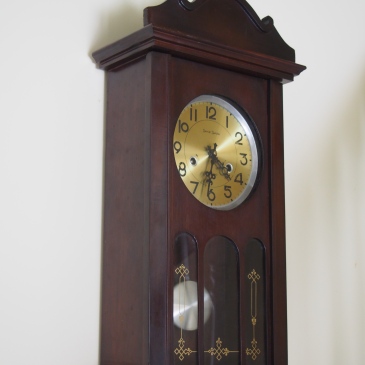
In a recent experience, I had the opportunity to work on a clock with a non-functioning movement and a beautifully designed case. When discussing the options with the customer, they expressed a desire to prioritize making the clock run and replacing the broken hands, while leaving the case untouched. Although I believed that cleaning the case and applying a fresh coat of shellac would enhance its appearance, I respected the customer’s wishes and proceeded accordingly.

1-day Ogee from the 1860s

In the realm of antique clocks, the customer’s satisfaction is of utmost importance. While as a clock restorer and enthusiast, I may have my professional opinions and recommendations, it is essential to remember that the customer’s vision and preferences take precedence. By offering different choices and providing expert guidance, we can ensure that the customer’s clock not only functions well but also aligns with their aesthetic sensibilities and personal attachment to its history.

Customer clock

The customer’s desires should be respected when working on antique clocks. While expert advice can be offered regarding repairs and restoration, the final decision lies with the customer.

By presenting various options and considering their input, a functional clock that meets their expectations and preserves the integrity of the clock’s history and design while preserving the relationship between the repairer and the customer is the ultimate goal.

A time of celebration for American readers

As a Canadian clock blogger, it’s essential for me to recognize and appreciate readers in the United States who are celebrating Independence Day, July 4th. In the spirit of unity and shared appreciation for history and tradition, this article aims to acknowledge and honour my American readers as they commemorate their significant day.

Photo by Brett Sayles on Pexels.com

A Common Thread of Independence

Just as Canada Day symbolizes the birth of a nation, Independence Day serves as a reminder of the extraordinary courage and resilience displayed by the American people throughout their history. Antique clocks, with their enduring craftsmanship, mirror the tenacity and independence that have shaped the United States. By acknowledging this common thread, we can celebrate the shared appreciation for freedom and self-determination that unites us all.

American Heritage

Independence Day is an occasion for Americans to honor their country’s rich heritage and the values upon which it was founded. As an antique clock blogger, I acknowledge the significance of American clockmaking traditions and the contributions made by skilled artisans throughout their nation’s history. By recognizing and showcasing the unique heritage of American clockmaking as much of my collection consists of American-made clocks, we can celebrate the ingenuity and craftsmanship that have made a lasting impact on the world of horology.

Connecting Through Time

Antique clocks have a remarkable ability to transcend borders and connect individuals across time and space. Those connections consist of many letters received from my American friends.

On American Independence Day, we can reflect on the profound impact that historical events have had on shaping both nations. By acknowledging our American readers and their celebration of independence, we foster a sense of unity and understanding, forging a connection that transcends geographical boundaries and embraces the collective appreciation for history and heritage.

Celebrating Freedom and Progress Together

Independence Day is a time for Americans to celebrate the hard-fought freedoms they enjoy today. It is also an opportunity to acknowledge the progress made over the years and to envision a future that upholds the values of independence, equality, and unity, values that are cherished in my country, Canada. By celebrating both the freedoms gained and the advancements achieved, we pay homage to the spirit of independence and progress that define our shared human experience.

As our neighbour observes Independence Day, I extend my appreciation to our American readers and acknowledge the significance of their celebration.

Celebrating Canada Day with family and friends

Finding a way to tie in antique clock collecting and repair to Canada Day celebrations on July 1st is an interesting challenge so I came up with some oddball thoughts the reader might find amusing. So here goes.

Canada Day, at one time known as Dominion Day, marks the anniversary of the Confederation of Canada on July 1, 1867. It’s a day when Canadians honor their country’s rich history and express their patriotism.

As the nation of Canada prepares to celebrate its special day on July 1st, it’s a time for Canadians to come together, reflect on their history, and embrace their shared heritage. And what better way to commemorate this occasion than by exploring the fascinating connection between Canada Day and the timeless beauty of antique clocks?

What is the connection you say!

Antique clocks possess an inherent ability to transport us back in time, evoking a sense of nostalgia and reminiscence. Just like a vintage clock reminds us of eras long gone, Canada Day encourages Canadians to reflect on their roots and appreciate the sacrifices made by those who came before. The celebration of Canada’s multicultural heritage and diverse traditions aligns beautifully with the stories antique clocks hold within their aging wooden cases.

Cherishing our past

Antique clocks remind us that time is a valuable resource, urging us to cherish our past, live in the present, and build a brighter future. Canada Day serves as a reminder to honor the progress made as a nation and strive for continuous growth, just as the gears of an antique clock works in harmony to mark the passing of time.

A clock that is older than our Confederation

To restore and preserve

Antique clock enthusiasts understand the importance of restoration and preservation. Similarly, Canada Day encourages Canadians to safeguard their cultural heritage, preserve historic landmarks, and protect the stories that shaped their nation. Both antique clocks and Canada Day represent the value of cherishing the past and ensuring its vitality for future generations.

The symbolism of time and a promising future

Whether it’s the meticulous craftsmanship, the nostalgic charm, or the symbolism of time, antique clocks and Canada Day share a deep connection that honors the past, celebrates the present, and looks towards a promising future.

So, as you commemorate Canada Day, take a moment to reflect on the timeless beauty of antique clocks and the remarkable story they tell.

And, there you have it.

As for me relaxing with friends and family is the only way to celebrate our most important day of the year.

Tick Talk Tuesday #49 – a well-preserved column and cornice clock

Tick-Talk Tuesday is dedicated to addressing readers’ letters and comments related to clock issues, challenges, and recommendations for specific clocks. In cases where the comments and questions are particularly challenging, I seek advice from my fellow clock enthusiasts to provide the most accurate and helpful response.

DS writes

Morning, Ron –

I’ve wanted to let you know how much I’ve enjoyed these blog posts.

What a nice work area you have there, too.

I’ve had my eyes on a marvelous Wm. Van Tassel sleigh-front, or “Triple Decker” Seth Thomas manufactured for the Canadian market for some time. I’ve been fascinated with these old clocks for many years, and in particular the triple-deckers.
I’ll attach an image or two of the Van Tassel I’m interested in.
It is perhaps the finest sleigh-front I’ve ever seen, in terms of condition & originality.

I only have a modest collection of some cottage clocks of the various Connecticut makers, and several “Ogees.” My only real “Problem” is finding time enough to spend with them!

Thanks again for these interesting, well-written articles.

Take care…

Image preview
Wm. Van Tassel sleigh-front

I write

Thanks for your email, DS

That is a very nice clock. Some would call it a column and cornice but as you said often referred to as a triple-decker. I like the two-door feature. I have a similar Seth Thomas. My only thought is whether or not the tablets (or at least one of them ) are original. The cornice and the base are often beat up with wear and tear and it is nice to see one so unmolested. It is a clock I would take a serious look at.

I appreciate your comments on my blog.

Ron

Seth Thomas column and cornice shelf clock
Seth Thomas column and cornice clock

My very similar Seth Thomas clock

Taking a break

It’s time for us to unwind, slow down, and embrace a change of scenery. My wife and I are heading to our cottage in central Canada for the summer season, where we plan to relax, read good books, indulge in fishing, swimming, and hiking, and share stories with friends and neighbors while savoring a glass (or two) of wine.

The lake

Even though many of my blog articles have been written well ahead of the summer months, there will be no interruption in posts throughout this period. I will continue to maintain a consistent output of two articles a week.

Just as Dean Martin used to say at the end of his TV variety show, “Keep those cards and letters coming!” While there might be a slight delay in responding to your email inquiries or blog post comments, please rest assured that your questions about your clock or comments on any of my posts are significant to me and will be addressed.

Mission style clock found in a thrift shop in the Quebec area

This blog primarily showcases my own clock collection, delves into the challenges of clock maintenance and repair, shares the joys of discovering new and intriguing vintage and antique clocks, and covers various horological topics of interest.

A Gilbert clock found on Facebook marketplace and a summer project

As we explore central Canada, I anticipate stumbling upon fascinating clocks in antique stores, flea markets, and other unique shops. Alongside documenting new clock stories, I’ll also face fresh repair challenges and perhaps undertake the next major restoration project during my summer journey.

Canadian Clock museum
The Canadian Clock Museum

Additionally, I’m excited to revisit The Canadian Clock Museum in Deep River, Ontario, where I’ll discover new and captivating clocks added to their collection and engage in conversations with curator Allan Symons.

Feel free to use the search box to explore past articles or click “follow” to receive clock-related articles directly in your mailbox. I sincerely hope you enjoy reading them as much as I relish researching each and every article.

Website Powered by WordPress.com.

Up ↑