
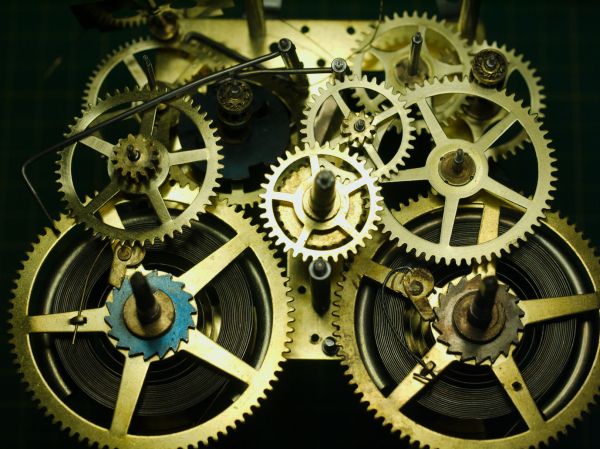
As the holiday season approaches, it’s wise to be familiar with some key terms if you’re considering purchasing an antique or vintage clock as a gift for that special person. One such term that often needs clarification is “serviced.”
I remember scrolling through Facebook one afternoon when a post caught my eye—a 100+-year-old mantel clock for sale, proudly labeled “fully serviced.” Naturally, my curiosity got the better of me. I messaged the seller, asking what exactly he meant by “fully serviced.”
His answer was simple: the clock had been ultrasonically cleaned, the pivots inspected, and it had been oiled. That sounded reasonable… until I realized he didn’t actually say the movement had been disassembled before cleaning.
I silently hoped it had been done properly, though in the clock world, more often than not, a “cleaned” movement is nothing more than a quick dunk-and-swish—a full plunge into cleaning solution and a hopeful shake and dry. No reputable horologist would ever call that true servicing. I didn’t pursue the clock any further, although it’s quite possible that it had indeed been “fully” serviced, as he claimed.
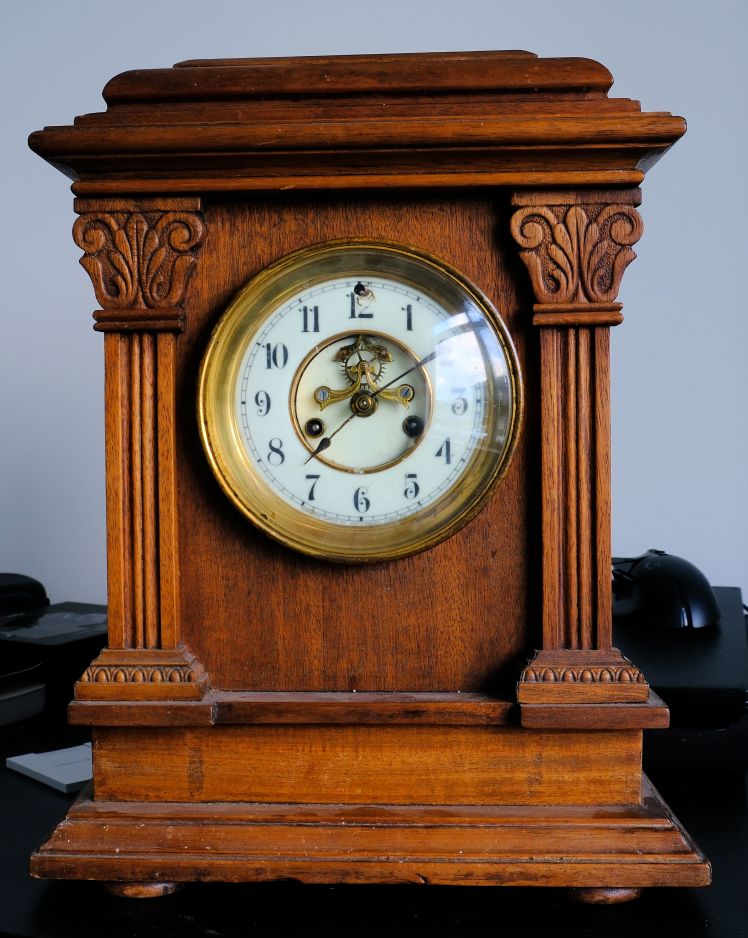
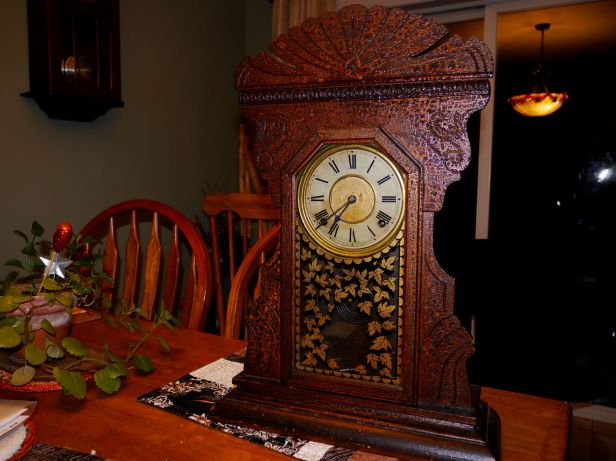
Yet the term “fully serviced” carries weight. Sellers know it can push the price up by many dollars. A clock that hasn’t been cleaned in years might still run smoothly for a while, but the real question is: what’s happening to the pivots? The pivot holes? The hidden wear in a clock that’s survived a century? Chances are, it’s been patched together before, perhaps without the care it deserved.
From my own experience, the older a clock is, the more likely it is to need bushings and careful repairs.
My idea of a full service is meticulous and follows this procedure:
- Remove the movement from its case,
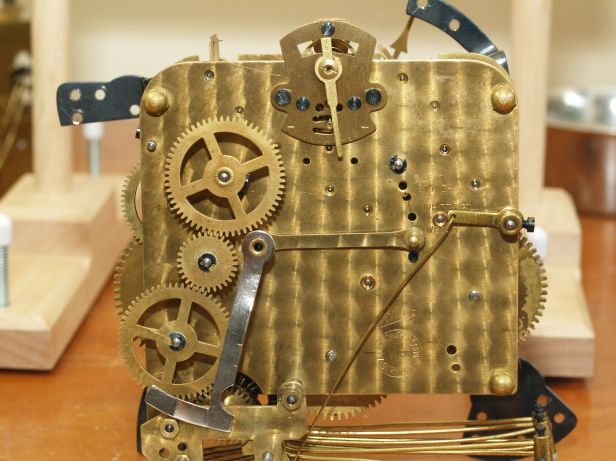
- Completely disassemble the movement,
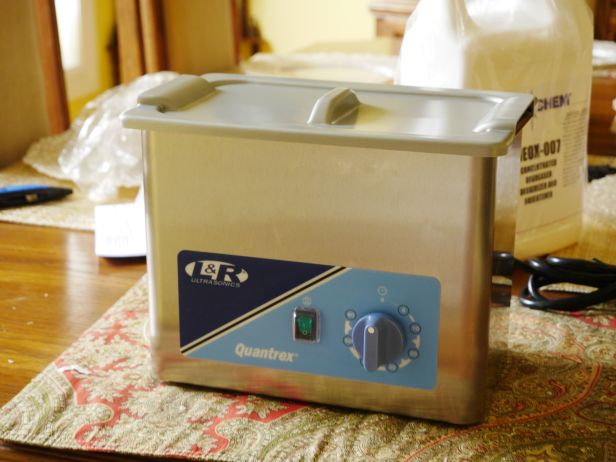
- Ultrasonically clean every component, separating out parts that should not be cleaned in an ultrasonic
- Unwind and inspect the springs, or if weight-driven, the wheels and cables,
- Polish the pivots,
- Peg pivot holes,
- Install bushings where needed,
- Check every part for wear,
- Reassemble,
- Test,
- Regulate and adjust, if necessary,
- And, finish with a gentle case refresh.
Separating out parts that should not be cleaned in an ultrasonic
I generally do not put leather hammer heads in the ultrasonic cleaner. I also avoid putting mainsprings in, though I have done so once or twice. If anything, it makes the solution unusable for further cleaning. There is also a chance one might not extract all the moisture from the coils leading to the formation of rust (though I suppose placing them in a cook oven on low heat should remedy that). Floating balances and balance wheels should also be kept out as they are delicate and risk being damaged. Any lacquered components should be avoided as well, since the ultrasonic cleaner will strip the lacquer away unless that is the intention. Likewise, any parts that are soldered should not be placed in the cleaner, as the agitation can fatigue the joints.
My Experience
I’ve seen clocks tell their stories through wear. Some years back, a 1920s Sessions Beveled No. 2 came to me needing twelve bushings. The Maple Leaf kitchen clock in my collection, professionally serviced in 2015, also needed twelve bushings.
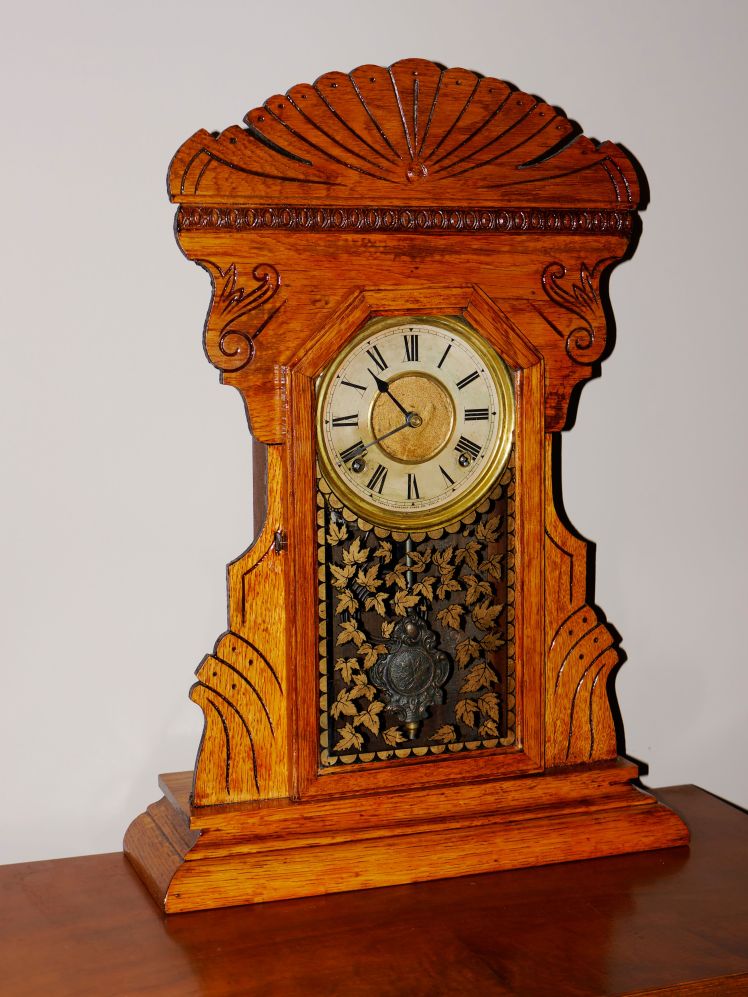
A 1940s Ingersoll Waterbury wasn’t too badly worn, yet it still required three bushings. Each clock reveals its life through the work it needs—a silent testimony to the decades it has kept time.
Confusion among sellers
Browsing online, you see phrases like “all of our clocks are fully serviced and tested to ensure reliable running.” But rarely do sellers say how they serviced it, or whether it was completed by a professional horologist or a backyard hobbyist.
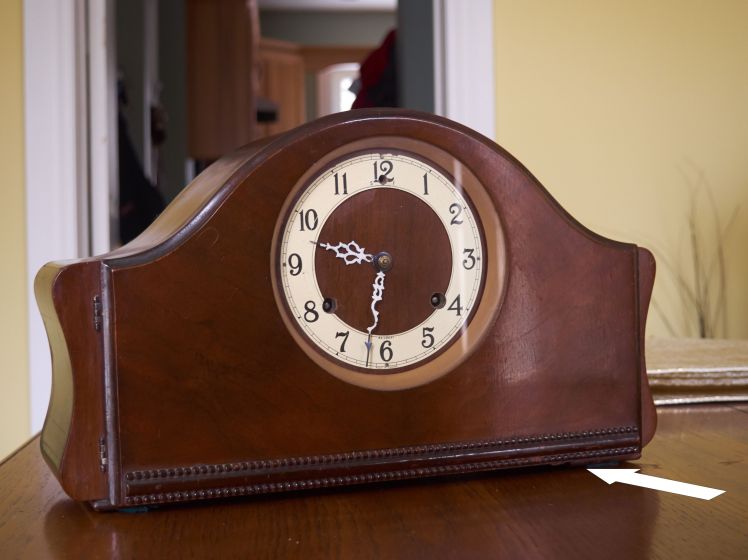
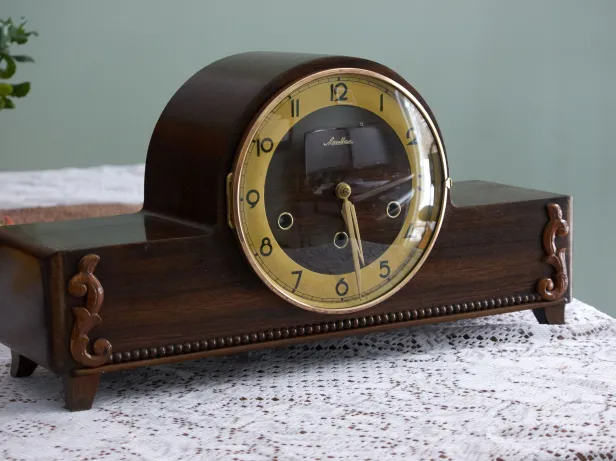
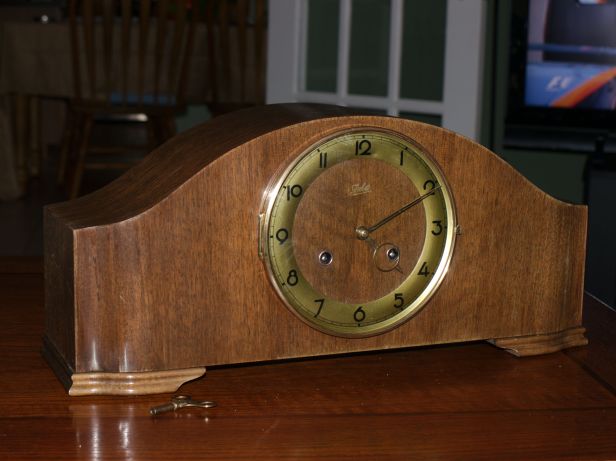
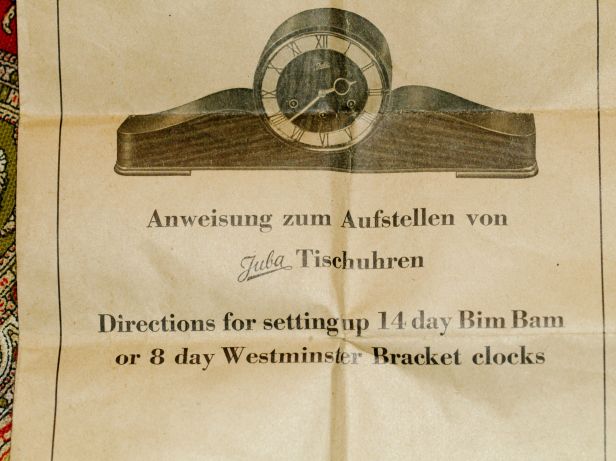
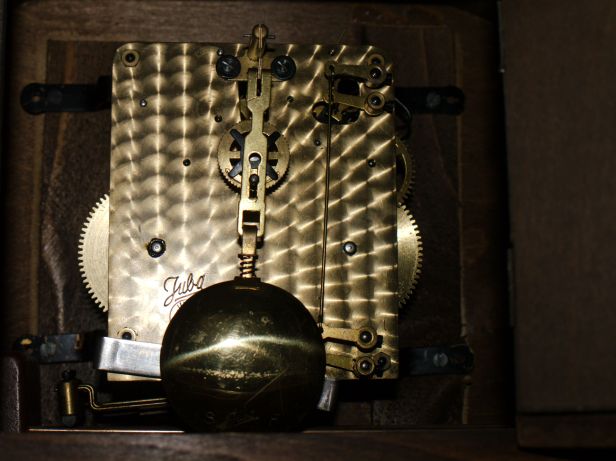
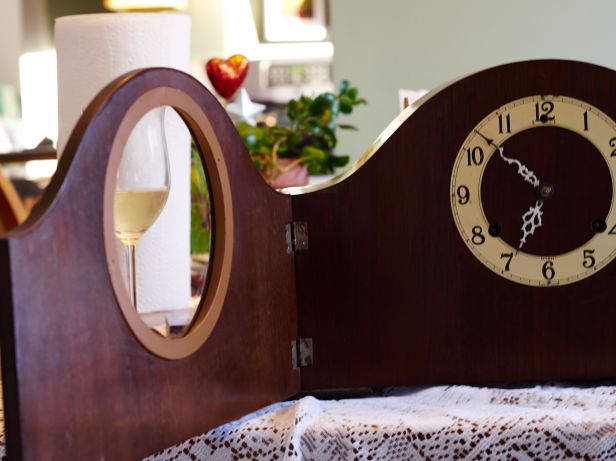
As for my Juba Schatz mantel clock that I offered for sale—some might have called it ‘serviced,’ yet all I did was remove the movement, inspect the pivots, oil it, and return it to its case. Ten minutes. That’s the gap between reality and the magic words ‘fully serviced”. Don’t worry, I didn’t advertise it as such.

To me, selling a clock as fully serviced should mean being transparent. A proper description might read:
“This clock has been fully serviced, the movement completely disassembled, ultrasonically cleaned, wear addressed, reassembled and tested.”
A bit more detail, like repairs or bushings replaced, adds credibility—but for a serious buyer, that’s about as close as you need to get.
Fully serviced means different things to different people. My advice? Always ask. Dig a little deeper. Because in the end, a clock is more than metal and springs—it’s a story, and the best stories deserve care.




 Antique and Vintage Mechanical Clocks
You must be logged in to post a comment.