
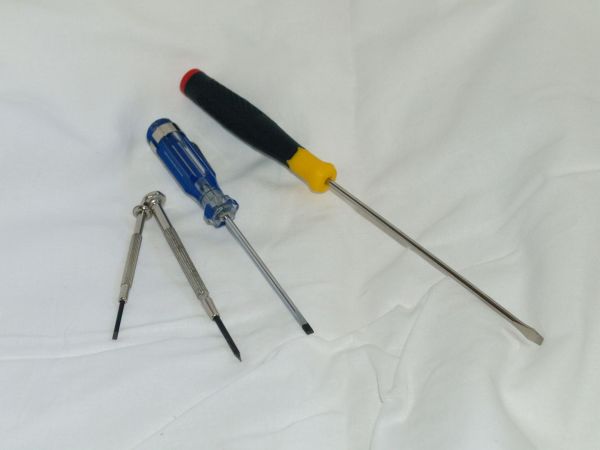
Antique clocks are not only valuable as historical artifacts but also as complex machines that require precise repair and maintenance. To ensure their longevity and functionality, clock repairers need to have access to advanced tools that can help them diagnose and fix various issues. From ultrasonic cleaners to digital calipers, the modern clock repairer has an array of high-tech tools at their disposal that can make the restoration process more efficient and accurate.
In this article, we will explore some of the most advanced tools used in antique clock repair and how they are used to restore these valuable timepieces to their former glory.
Some of these tools may or may not break the bank depending on your financial situation or budget restrictions. Should you be prepared to invest heavily and cost is no object there are a number of options. For those of you who are budget minded, are looking for value, and are handy around wood-making tools, there are options for very little money.
For those specialized tools that will assist you in building and designing your own movements, such as a wheel/pinion cutter, the depthing tool, and advanced testing machines, please look elsewhere, this is not the place for you.
In my last article, I focused on what is needed for more advanced repairs but kept the budget at under 400 USD. This time the outlay grows a little but it can be controlled if you make careful decisions.
As in life, there are many ways of accomplishing the same task which means a number of options are available:
- Purchase new tools
- Substitute hand tools for machine tools
- Make the tools
- Buy on the used market
- Improvise
For each category area, there are options for budget-minded and those with unlimited funds.
On a personal note, my first major tool was a spring winder. Next was a bushing machine followed by an ultrasonic cleaner and finally, a metal lathe. The purchases were made over the space of four years and working within a limited budget. Your mileage may vary.
Let’s get started.
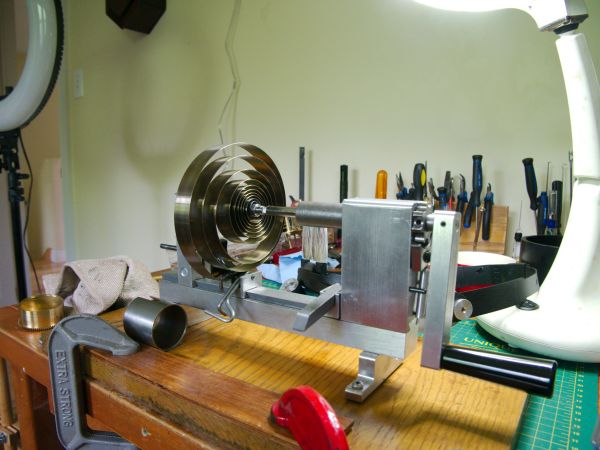
Spring winder
Joe Collin’s spring winder for the budget-minded
Olie Baker spring winder
The Olie Baker spring winder is designed for hole or loop end mainsprings. It has a unique tailstock feature that safely stabilizes and secures your mainspring so it will not slip off. It also comes with nine mainspring sleeves.
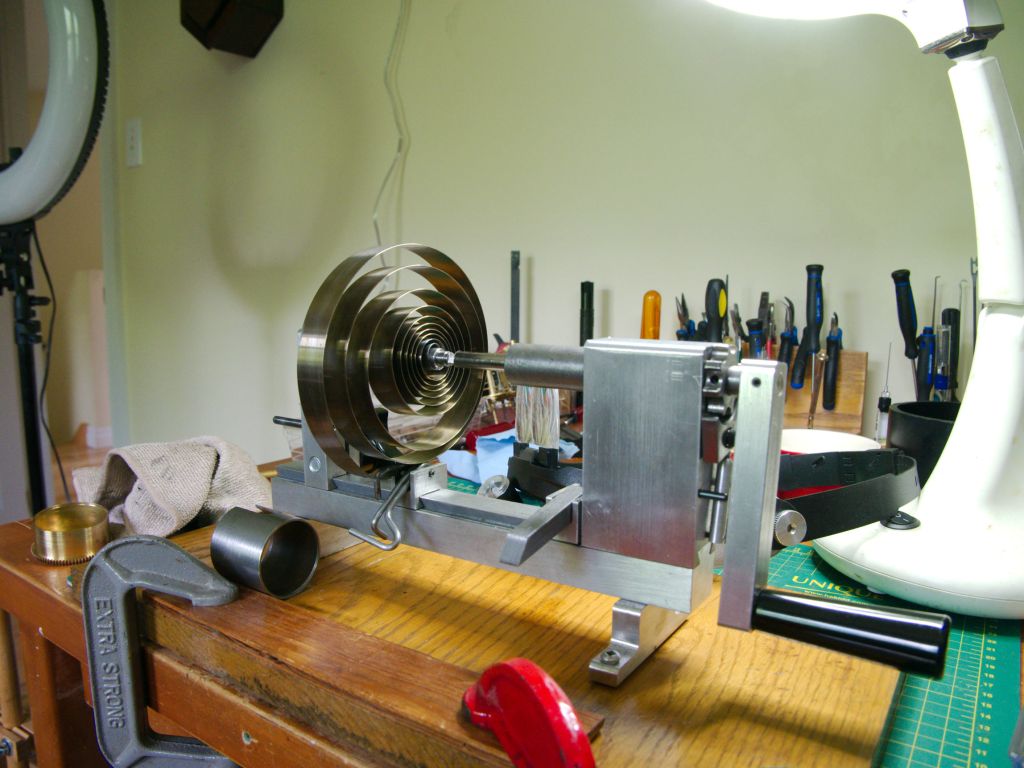
It is American-made and approximately 280 USD. An extra cost Mainspring Let-down Set or a comparable tool is required to operate the Ollie Baker Winder. The KWN spring winder, which is equally capable, competes with the Olie Baker.

Bushing Methods
Drill press
Bushing work can be accomplished on a drill press but a cheaper unit will have poor runout. Runout is the amount of “wobble” that is found in the drill press (the drill bit specifically) when it is rotating. A machine with a poor runout will produce a larger and more imperfect hole than the size of the drill bit used. My inexpensive Canadian Tire drill press has a visible runout and is not acceptable for bushing work. Higher-priced machines have less runout and can operate at very low speeds. A low-speed drill is optimal for bushing work.
Bushing by hand
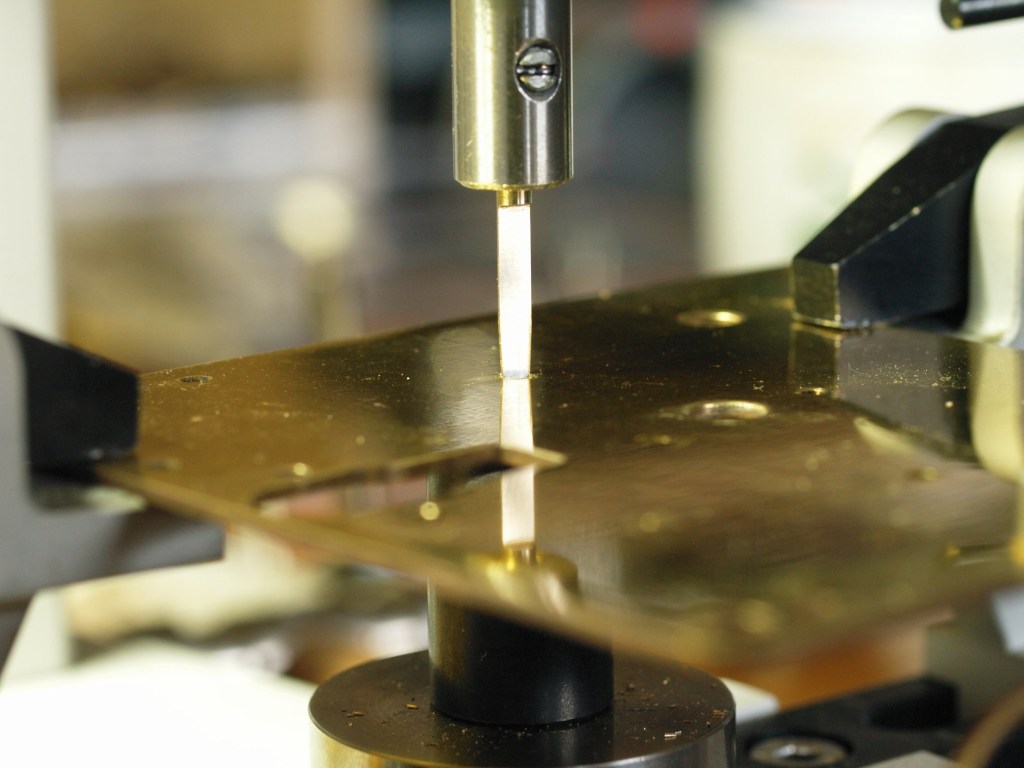
Hand-reaming with KWM or Bergeon cutters is an art in and of itself. Hand reamers usually come as a set of 5 Reamers, 1 Chamfering Cutter, and a handle. A hand reamer set is an economical method of reaming bushing holes so that brass bushings are pushed into place once the hole is reamed out.
The Bushing machine
The KWM Bushing Tool is used with KWN bushings. Used units, which are a fraction of the cost, can only use KWN’s own bushings however, a new design makes it now possible to use all the original KWM brass brushings but also all brass and bronze bushings by Bergeon.

The Bergeon bushing machine is the second option. The Bergeon Bushing machine Includes 2 plate clamps, 10 reamers, 3 pushers, 4 drilled stakes, 1 undrilled stake, 1 centering tool, 1 chamfering cutter, 1 centering stake, and instructions and is made in Switzerland.
As far as bushing machines are concerned one is no better than the other. Each has its advantages and disadvantages. There is a legion of fans on either side.
Cutting and smoothing broaches
Cheap cutters and smoothing broaches will certainly work but it is worth spending a little money on better-quality tools.

Regardless of whether you subscribe to Bergeon or KWN bushings a set of bushings of various sizes is essential.
Polishing pivots
Taig metal lathe
For repairing broken pivots a metal lather is essential. For polishing pivots, a lathe is very useful but not essential. The Taig metal lathe is a popular choice for hobbyists and professionals alike due to its accuracy, rigidity, and durability. With a range of attachments and accessories available, the Taig lathe is capable of tackling a variety of machining tasks with ease.

Portable drill
During the early days of clock repair, I used a portable drill to polish pivots. It is relatively cheap as one usually has a portable drill around the house. Combined with emery boards it is an effective polisher.
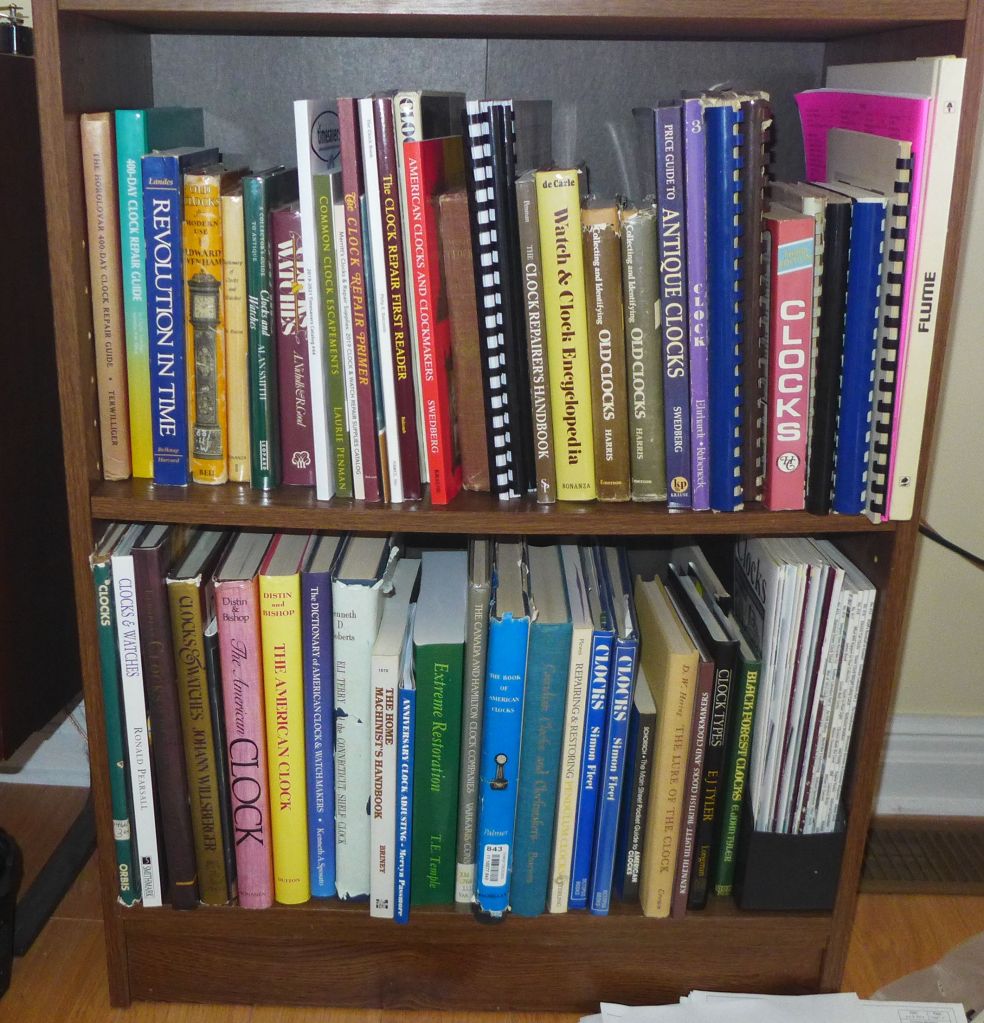
Clock Reference Books, how-to guides, and manuals
It is becoming increasingly challenging to find good hard-cover clock repair books. Check out my article above for my choices for clock repair resources.
Cleaning choices
Ultrasonic cleaner
Using an ultrasonic cleaner is a highly effective way to clean small clock parts and components without causing damage or introducing harmful chemicals. The high-frequency sound waves generated by the cleaner can dislodge dirt, grime, and other contaminants from even the most hard-to-reach areas.
There are a wide variety of ultrasonic cleaners. A Chinese-made cleaner will work well (and is cost-effective) but for reliability and longevity, it is best to spend a little extra money on a quality machine.

Of course, if you prefer not to go the ultrasonic route, hand cleaning is perfectly acceptable. You will not have the shiny brand-new look that an ultrasonic cleaner will give you but in most cases the movement is hidden and aesthetics are not absolutely required.
Important extras
Comfortable chair
Using a comfortable chair for antique clock repair can help reduce fatigue and improve concentration during the restoration process. A well-designed chair can provide proper support and comfort for extended periods of work, which can be particularly beneficial for complex and time-consuming repair projects. Do not underestimate the value of a comfortable chair.
Leather gloves
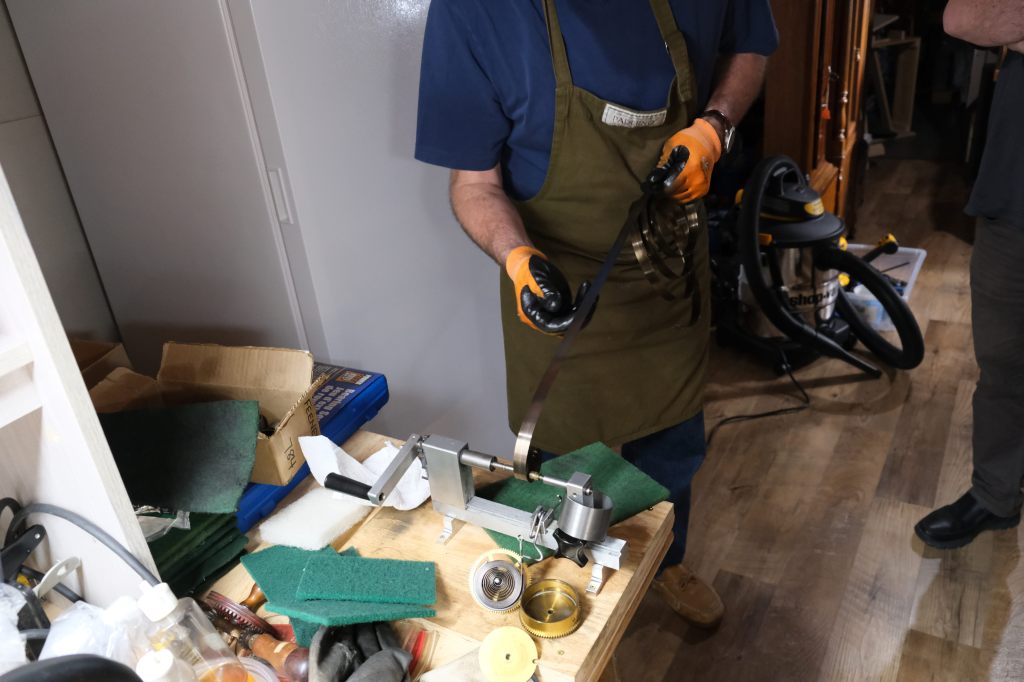
Mainsprings, when they break or let go can leave ugly cuts and bruises. A good pair of leather gloves will be your best friend.
Work area
Using a dedicated work area for clock repair is essential for creating a safe, organized, and efficient workspace. Having a designated area for repair work can help prevent accidents, minimize distractions, and ensure that all tools and materials are within easy reach. It can also help maintain the integrity of the clock being worked on by minimizing the risk of damage or contamination.
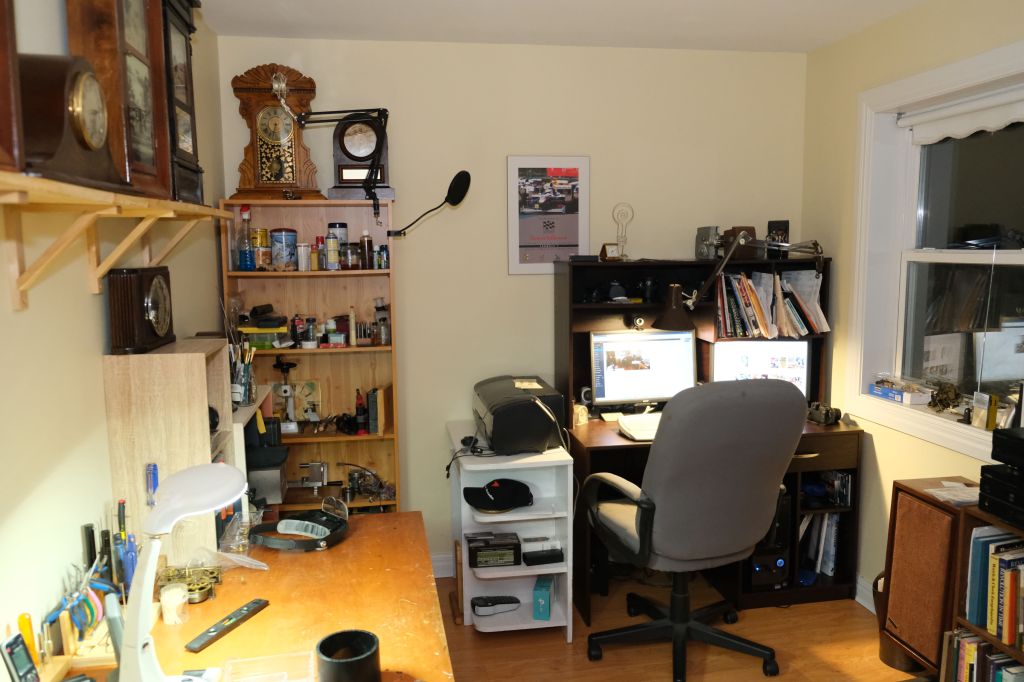
I am sure I left out a few things but these are the essentials and again if your budget permits, better-quality tools will make all the difference.
In conclusion, the world of antique clock repair has come a long way in recent years with the development of advanced tools and technologies. These tools have made it possible for repairers to restore valuable timepieces with greater precision, efficiency, and accuracy.
While traditional repair methods and techniques will always have their place, the use of advanced tools has enabled repairers to tackle even the most challenging restoration projects with confidence. The use of advanced tools and techniques can help preserve these historical treasures for generations to come.



 Antique and Vintage Mechanical Clocks
You must be logged in to post a comment.