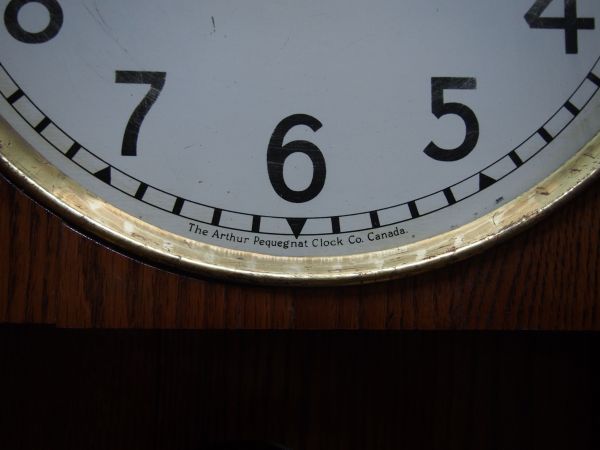
The Arthur Pequegnat Regulator No. 1: A Canadian Collector’s Dream

One clock that’s high on my wish list is the Arthur Pequegnat Regulator No. 1. It’s a single-weight, 8-day, time-only wall clock, and it’s a rare one. Every so often I’ll see one for sale, but the price tags are usually well out of my reach—for now, anyway.

Pequegnat as a clock company was Canada’s answer to the big American clockmakers, especially Seth Thomas. Their wall clocks often borrowed design cues from their U.S. counterparts, but Pequegnat also came up with some distinctive styles of their own. One thing they were known for was their use of quarter-sawn white oak. If you’ve ever seen the way the ray flecks shimmer in that wood, you’ll know why collectors admire it so much.

The Regulator No. 1 is often compared to the Seth Thomas Regulator No. 2. While Seth Thomas sold thousands of #2s into schools, offices, and railway stations across America, Pequegnat’s No. 1 didn’t reach the same production numbers. But here in Canada, it served the same purpose—and today it’s one of the most sought-after Pequegnat models. In fact, a well-preserved example will usually bring twice the price of a similar American regulator.

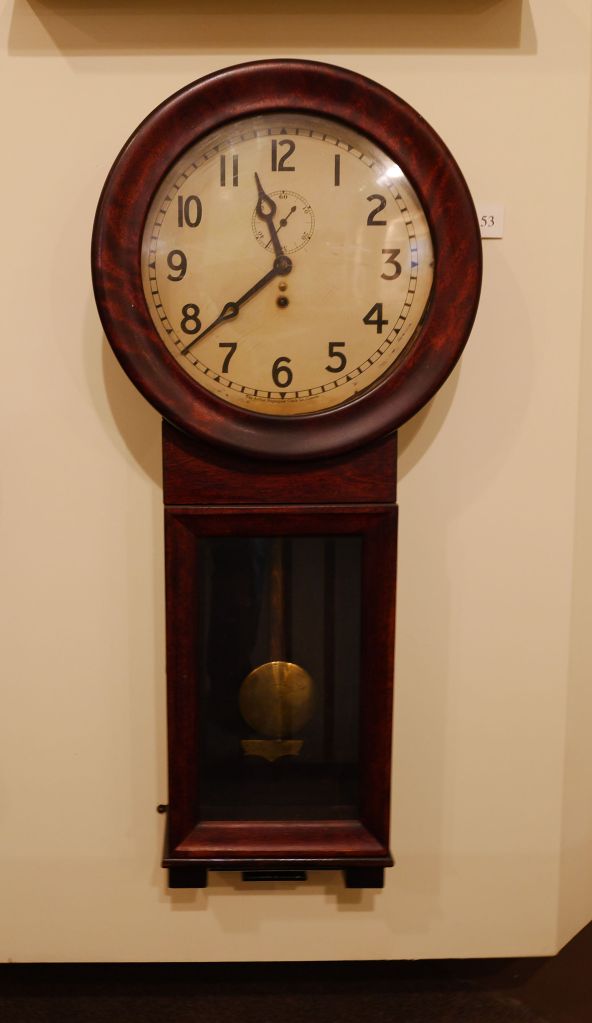
The photo below of the Regulator No. 1 was taken at The Canadian Clock Museum in Deep River, Ontario, back in 2013.
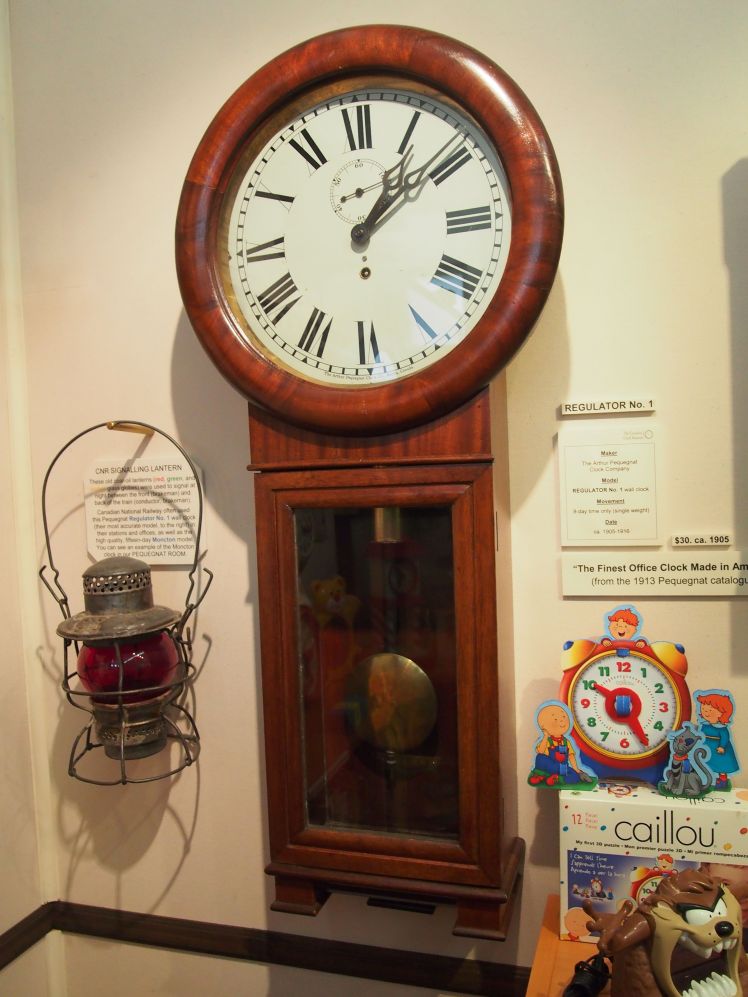
Arthur Pequegnat Regulator #1

The Pequegnat Story

Arthur Pequegnat was born in Switzerland in 1851 and came to Berlin, Ontario (now Kitchener) in 1874 along with his wife, parents, brothers, and sisters—a total of 18 family members. By the late 1870s, he was running a jewelry and watch repair shop, and before long, he and his brother Paul were in business together in Berlin. After about a decade, they each went their separate ways, both staying in the jewelry trade.

In 1897, Arthur took a bit of a detour and started making bicycles. That worked well for a few years, but as the market declined, he pivoted once again. By 1904, he was using his bicycle factory to make clock movements, marking the start of Canada’s best-known clockmaking venture. At first, local furniture makers supplied the cases, but Arthur eventually brought case production in-house.

One detail that helps date Pequegnat clocks is the town name. Berlin, Ontario, was renamed Kitchener in 1916 because of anti-German sentiment during the First World War. So, if a dial or movement is stamped Berlin, you know it’s pre-1916. If it’s marked Kitchener, it’s from 1916 or later. Of course, since many models were made for years, you’ll only get an approximate date—but it’s still a handy clue.

Arthur passed away in 1927, but his family continued to run the company until 1941. When brass became scarce during the war, production stopped and never started up again. The factory was demolished in 1964, and today all that’s left is a commemorative plaque in Kitchener—fitting recognition of Canada’s most famous clockmaker.


Where to See Pequegnats Today

If you want to see Pequegnats in person, The Canadian Clock Museum in Deep River is the place to go. They have the largest collection in the country, and it’s well worth the trip.

Canadian Clock museum
The Canadian Clock Museum, Deep River, Ontario

On the East Coast, the Macdonald Museum in Middleton, Nova Scotia, has a smaller but very nice display too.

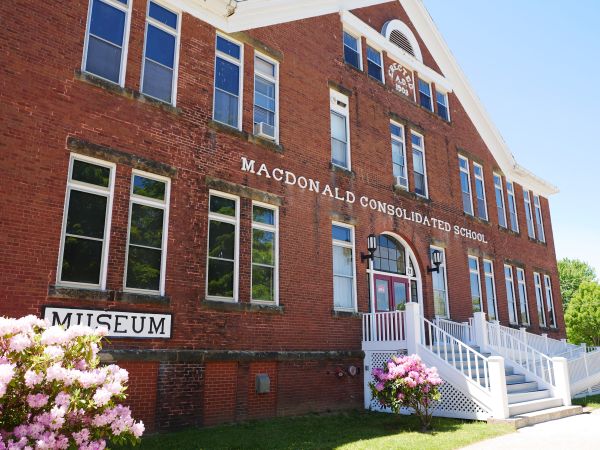
Macdonald Museum in Middleton Nova Scotia

My Own Collecting Dream

For me, the Regulator No. 1 is about as good as it gets in Canadian wall clocks. Is it the best Canadian clock ever made? No, it has its faults, but it’s got the look, the history, and the craftsmanship that make it stand out. I can’t quite justify the price of one right now (my wallet insists on reminding me of that), but that’s part of the fun of collecting—dreaming about the ones that might join the collection someday.

Who knows? Maybe one day I’ll stumble across a Regulator No. 1 tucked away in an antique shop or sitting quietly at an auction, waiting for the right bidder. Until then, it stays on my wish list—one of those “holy grail” clocks that keeps the hunt exciting.
Regulator #1 by Arthur Pequegnat

One clock that holds a special meaning and one that I would like to add to my collection someday is the Arthur Pequegnat Regulator #1, a single-weight eight-day clock. This clock is truly a rare find, though the prices I’ve encountered thus far are a bit steep for my budget.

Arthur Pequegnat Regulator #1
Arthur Pequegnat Regulator #1, photo taken at The Canadian Clock Museum in Deep River Ontario, Canada

The Arthur Pequegnat Story

The Arthur Pequegnat clock company was a formidable contender to American wall clock manufacturers. While their wall clocks often mirrored American models, some of their designs boasted a unique touch. The company favoured the heartwood of quarter-sawn white oak for their cases, showcasing the stunning visual appeal of this choice of wood.

The story of the Arthur Pequegnat clock company is one marked by distinction. Born in Switzerland in 1851, watchmaker Arthur Pequegnat immigrated to Berlin, Ontario, Canada, in 1874 with a substantial entourage of 18 family members. Initially establishing himself as a jeweler and watch repairman in the late 1870s, Arthur and his brother Paul operated a successful shop in Berlin, Ontario, by the mid-1880s. After a decade, the brothers pursued independent ventures, each managing prosperous jewelry shops in Southern Ontario.

In 1897, Arthur expanded his Berlin Jewelry shop to include bicycle manufacturing. However, as the demand for bicycles waned by 1904, he shifted focus back to the clock industry, manufacturing his clock movements at his Berlin Bicycle Manufacturing plant. Initially, wooden clock cases were sourced from local furniture makers, but over time, Arthur began crafting his own cases.

Despite Arthur’s passing in 1927, the company, guided by family members, persevered until 1941. The scarcity of brass during the war effort led to the company’s closure. The factory, where these exceptional timepieces were crafted, never produced another clock and was eventually demolished in 1964. Today, Kitchener pays tribute to this great clock manufacturer with a commemorative plaque.

The renaming of Berlin to Kitchener in 1916, amid World War I anti-German sentiments, serves as a helpful dating marker for Pequegnat clocks. Movements or dials marked “Berlin” indicate a clock dating to 1916 or earlier, while those marked “Kitchener” are from 1916 or later. Due to the long production life of many clocks, precise dating of Arthur Pequegnat clocks remains challenging.

For a fascinating journey into the world of Arthur Pequegnat clocks, The Canadian Clock Museum stands as a treasury, boasting the most extensive museum collection of Arthur Pequegnat clocks in Canada. Additionally, the Macdonald Museum in Middleton, Nova Scotia, offers a modest yet noteworthy collection of Pequegnat clocks—a worthwhile stop for those journeying through the Canadian province of Nova Scotia.

The Regulator #1

The Regulator #1 is frequently likened to the Seth Thomas Regulator #2. While the Seth Thomas counterpart found widespread use in offices and rail stations across America, the Arthur Pequegnat Regulator #1, though less prolific, met the demands of many businesses in Canada.

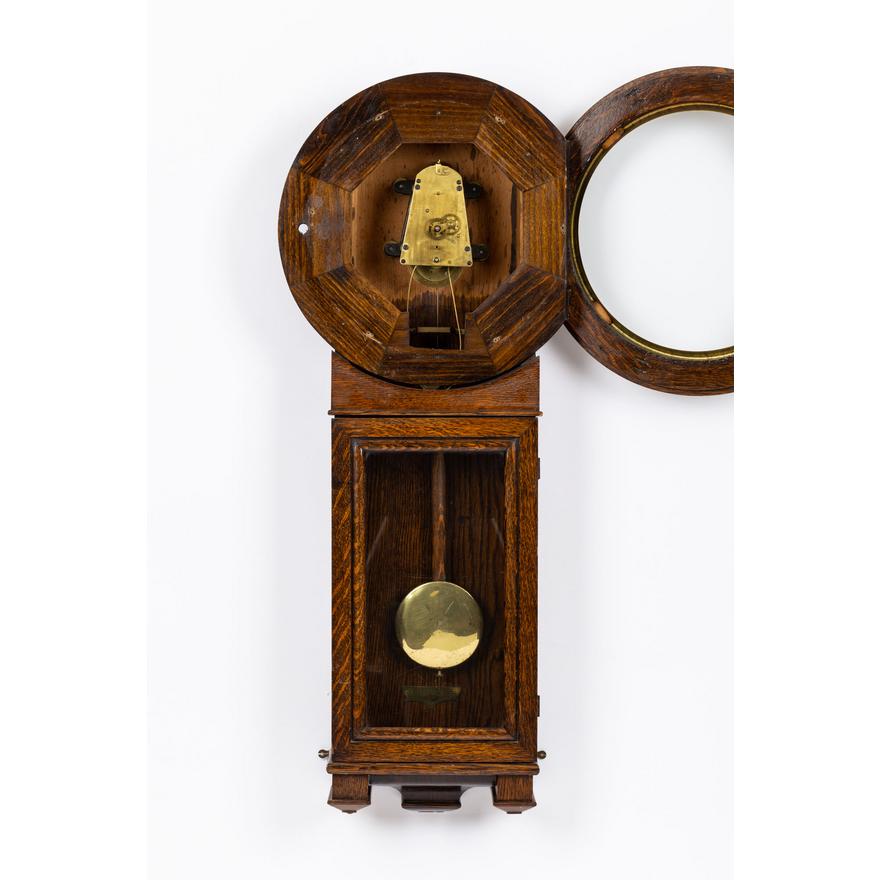
The dial removed showing the movement

Although sought after by collectors the Regulator #1 has interesting technical quirks according to Canadian clockmaker John Plewes, author of Repariring & Restoring Pendulum Clocks. Plewes cites three design issues with the clock. Two are minor quibbles but the third involves the weight. Despite its similarity to the Seth Thomas Regulator #2, it requires a heavier weight (1/2 lb more) to drive it reliably. A lighter weight such as the one found on the ST#2 causes the clock to stop after a short period particularly when the minute hand is rising. The hands are simply too heavy for the clock as they influence the force applied to the train.

Plewes, therefore, takes issue with Arthur Pequegnat’s claim that the #1 is the “finest office clock made”.

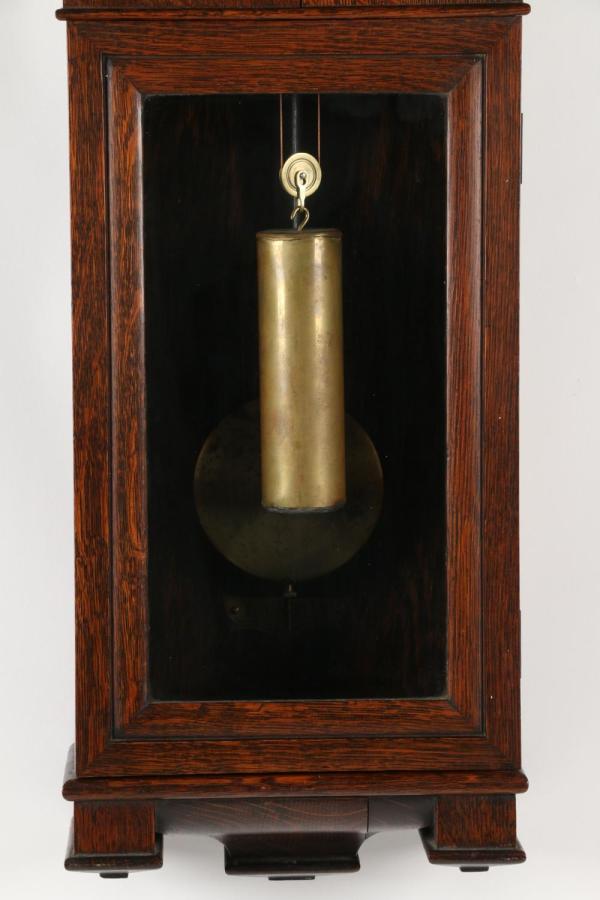
Lower section of the clock case

Regardless, the clock is highly sought after among Canadian collectors, and commands a premium, often doubling the price of similarly styled clocks from well-known American counterparts such as the Seth Thomas Regulator #2.

Ah, some day!

The Macdonald Museum – if you are a clock fan, or even if you are not, this small museum may surprise you

I have been to Middleton, Nova Scotia many times. I have even passed the Macdonald Consolidated School where the clock museum is located without realizing what treasures lay inside. The clock museum represents a small section of the museum, the remainder of which is dedicated to the history of the area.

In the Spring of 2018 my wife and I set off on one of our many mini staycations. On my agenda was a visit to this museum and I was not disappointed.

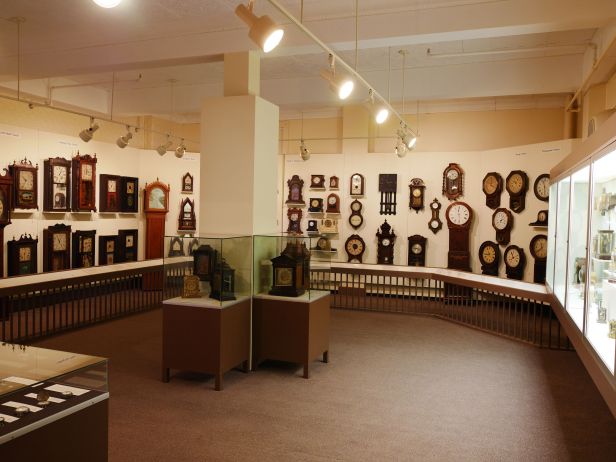
MacDonald Museum main exhibit area
Macdonald Museum main clock exhibit area

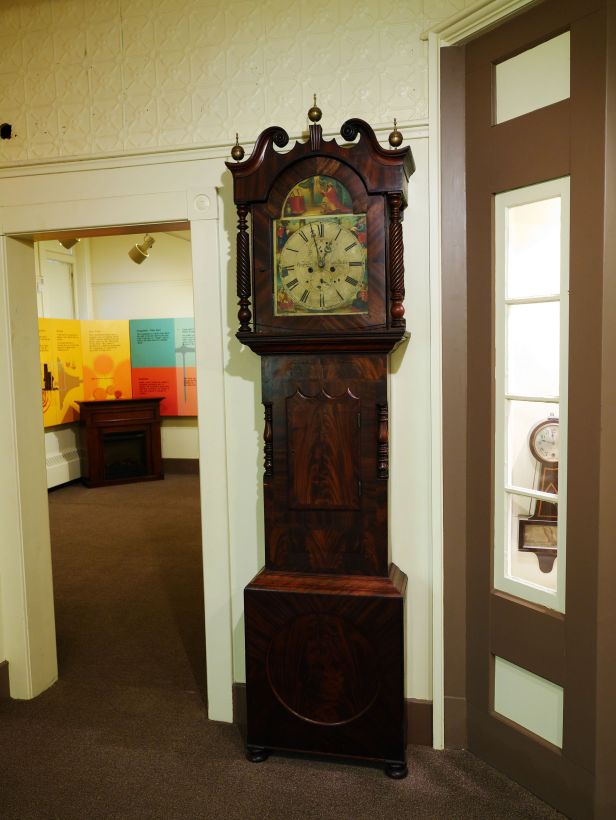
Tallcase clock
Holbeck made tall-case clock

It certainly ranks as the best exhibit in Atlantic Canada

Off highway 1 on School Street, Middleton, Nova Scotia stands the Macdonald museum. I had some expectations because I had been to two well respected clock museums, the NAWCC museum in Columbia PA. and the Canadian Clock Museum in Deep River, Ontario. Though not on the same scale as these two, it certainly ranks as the best exhibit in Atlantic Canada.

According to the web site

The Annapolis Valley Macdonald Museum is home to the Nova Scotia Museum’s collection of over 150 antique clocks and watches. This permanent exhibit showcases items collected by the late Norman Phinney and was one of the primary reasons for establishing the Macdonald Museum. Many of the clocks are in working condition. There are a wide variety of clocks and watches on display, with some dating back to the late 17th century. Anyone interested in clocks would do well to see this exhibit – one of the best in Eastern Canada.

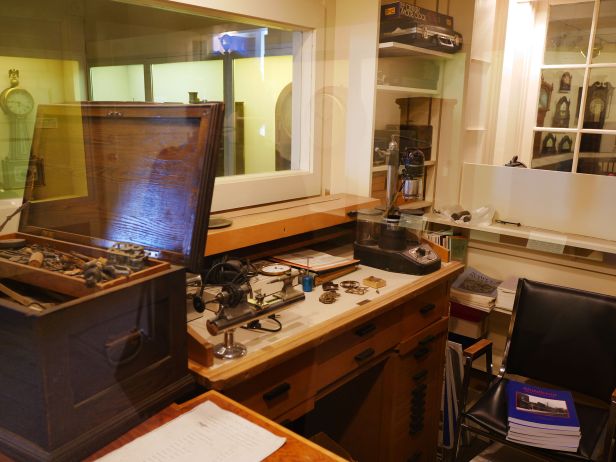
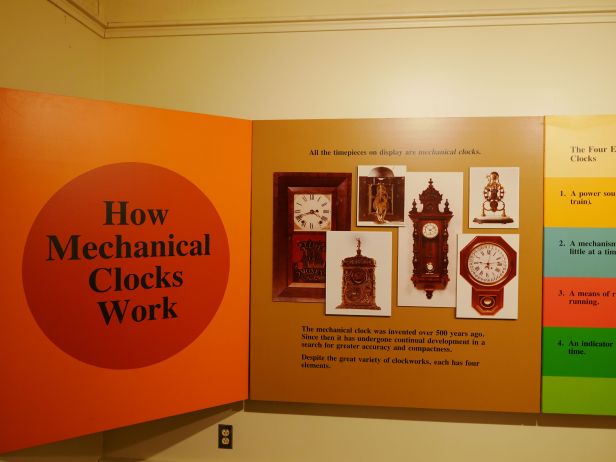
The museum is well laid out with enough information on each of the clocks on display to satisfy the general public and clock enthusiasts alike. Each display highlights its significance as an important development in horological history. We were alone as we walked though the main exhibit area and an adjacent room which contained a fascinating old clock-maker’s shop and a well laid out and informative interactive display on how mechanical clocks work.

Clockmaker's shop
Clock-maker’s shop

How mechanical clocks work

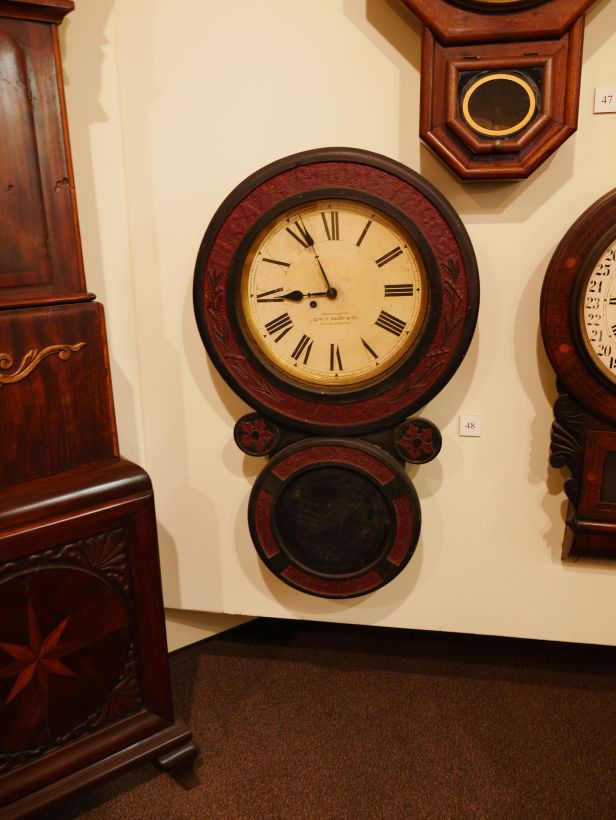
At least one example from the Baird Clock Co. of Montreal and five examples from the Arthur Pequegnat Clock Co. of Berlin (now Kitchener) Ontario were on display including the Arthur Pequegnat Regulator #1, that the company once advertised as “The finest clock made in America”.

Baird clock from Montreal

Arthur Pequegnat Regulator #1

None of the clocks were running, however. Though the clocks appeared to be in excellent condition, the sound of ticking clocks make for a more authentic experience. All other clock museums make a practice of running some clocks on a rotating basis at any given time.

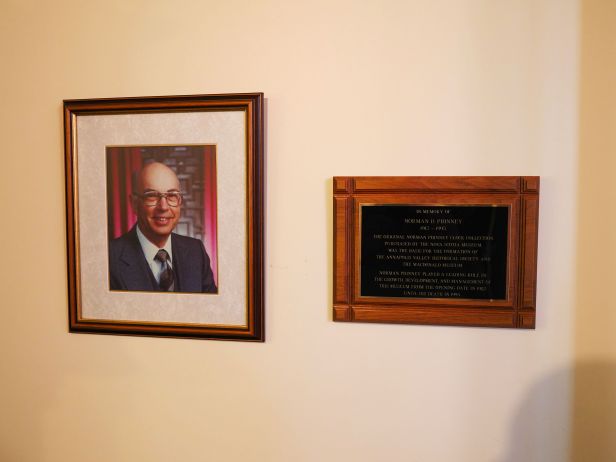
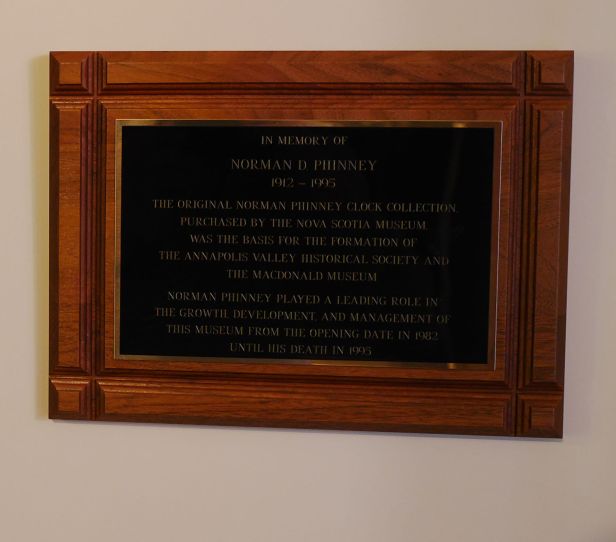
At the entrance to the clock collection there is a simple plaque dedicated to Norman D. Phinney. Learning more about Norman D. Phinney, his contribution to the Macdonald Museum and the story of how the museum received his clock collection would add to the experience.

Norman D Phinney
Norman D Phinney

If you are a clock fan or even if you only have a casual interest in the world of horology, this small clock museum may surprise you

Though perhaps not within the scope of Phinney’s original collection, examples from the Canada Clock Co. and the Hamilton Clock Co. or more peddlers clocks from Nova Scotia and New Brunswick would have provided an enhanced Canadian horological perspective.

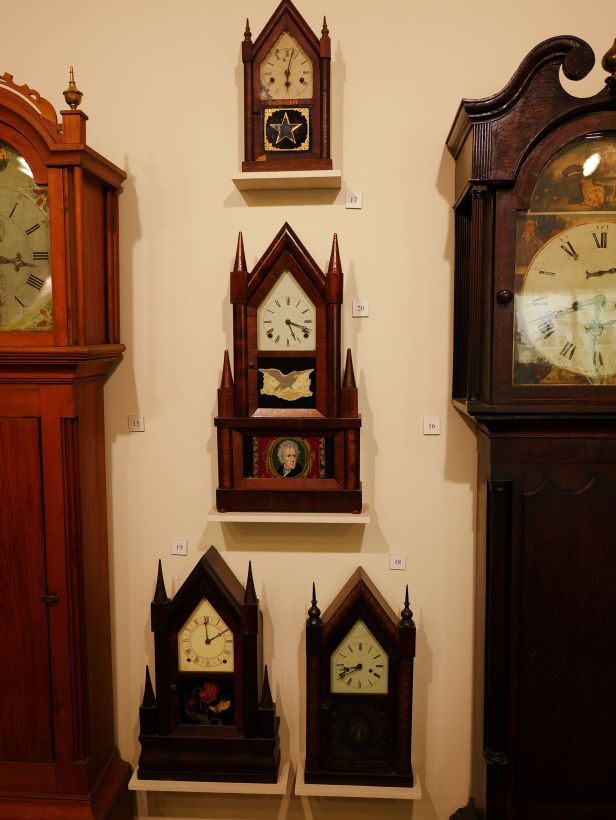
Steeple or sharp Gothic clocks

However, these are minor quibbles and should not detract you from appreciating the high quality of the exhibits which contained British, American, French and Canadian examples or the many styles that included Pillar and Scroll, tall-case, shelf, beehive, steeple, drop octagons, mantel, alarm clocks and Ogee clocks, all of which were well represented.

If you are a clock fan or even if you only have a casual interest in the world of horology, this small clock museum may surprise you.

Oh, and while there, visit the rest of this fascinating museum.

Website Powered by WordPress.com.

Up ↑