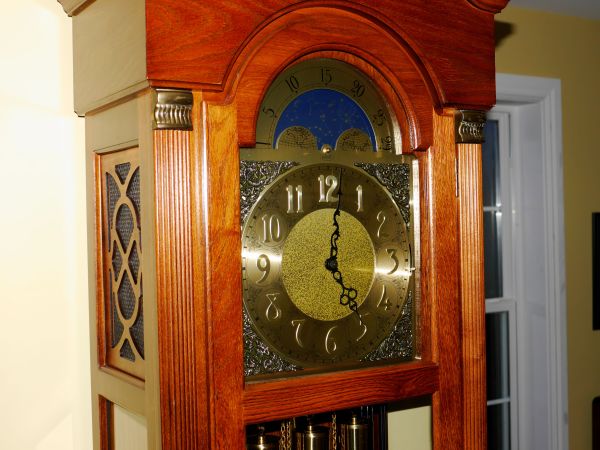
Will grandfather clock prices go up in 2026? That’s the question. And while no one can predict the market with certainty, there are a few subtle signs worth paying attention to.
Just recently, I came across a recent article in House Beautiful titled “This Status Symbol From Your Grandmother’s House Is Suddenly Cool Again.” The headline alone caught my eye, and sure enough, the featured photo was a tall, elegant grandfather clock. According to the article, designers are beginning to reintroduce these traditional pieces as focal points in modern homes. Instead of being seen as outdated or fussy, they’re being appreciated once again for their warmth, craftsmanship, and presence.

Grandfather clocks are statuesque by nature. They bring a certain rhythm to a room—not just visually, but audibly. The ticking, although not for everyone, can lend a feeling of calm and stability. But the article made an important point: a tall clock works best when it complements the interior, not when it demands attention. It should feel like it belongs there. You also need enough physical space to make one feel at home, especially since most stand between six and eight feet tall. Trying to wedge a clock of that size into a tight room is rarely successful.
One designer interviewed noted that grandfather clocks shine in areas where you want a sense of arrival or serenity: an entrance hall, a living room, a dining room—anywhere you can slow down and appreciate it. And that’s key. These clocks aren’t meant to be tucked away. They do best in spaces where their presence adds to the experience of the room.
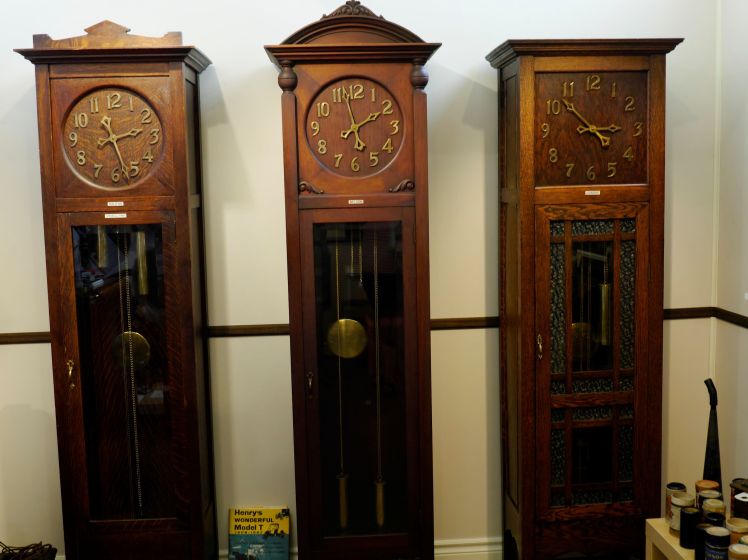
But is all this designer enthusiasm translating into a real comeback? That’s where things get interesting. While some people may be rediscovering grandfather clocks, I still see plenty advertised online for next to nothing. Many of those, unfortunately, are well past their prime—either cheaply made to begin with (I’m looking at you, Daniel Dakota) or neglected to the point that the movement is at the end of its service life. Attractive case or not, if a clock hasn’t been serviced in decades, you’re buying a project.
On the other hand, clocks in genuinely good condition—especially those recently serviced, with high-quality movements—are holding their value better. And if the design world truly is coming back around to tall clocks as decorative pieces, these better examples could see a modest bump in demand.
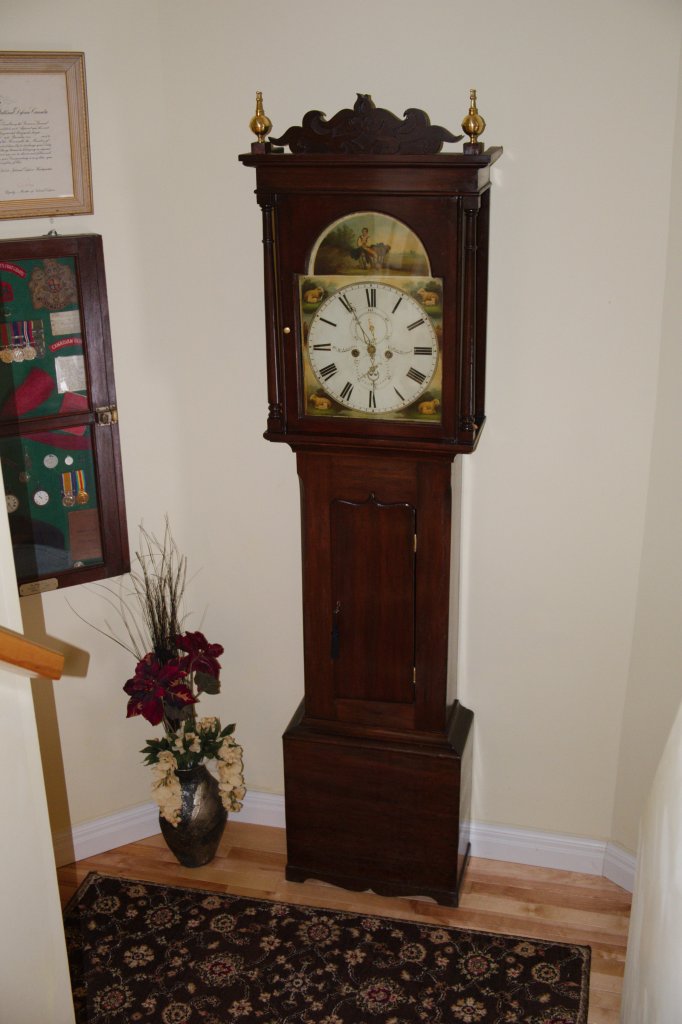
So, will prices rise in 2026? We’ll see. The market for antique clocks tends to move slowly, and tastes change gradually. But if designers continue to feature them, and if homeowners begin to see past the “big old thing in the corner” stereotype, we might be witnessing the early stages of renewed appreciation.
For collectors, that means one thing: keep your eyes open. A well-cared-for grandfather clock might not just bring character to a home—it may also turn out to be a smart long-term buy.
 Antique and Vintage Mechanical Clocks
You must be logged in to post a comment.