If you’re a collector of any kind, you’ll relate to what I have to say in this blog article. In the early years of collecting anything, many of us follow a very familiar path. We begin with breadth rather than depth, acquiring whatever speaks to us, and for me, it was mantel clocks, shelf clocks, kitchen clocks, the occasional novelty piece, and just about anything that ticked.
One of the enduring truths about horology is that a clock collection, much like anyone who collects, is never static. It ebbs and flows, expands and contracts, and evolves in quiet harmony with the collector’s own journey. Over time, clocks are added, sold off, traded, gifted, or, when age and wear have had their final say, parted out or retired completely. In this way, a clock collection behaves much like the history of clockmaking itself—constantly in motion, shaped by shifting tastes, new discoveries, and changing priorities.
The first antique clock I ever bought, 25 years ago, is still in my collection
But as time passes, so too do our personal preferences. For me, the evolution has been gradual. I now own far fewer mantel and shelf clocks than I once did. Instead, my interests have gravitated toward wall clocks—regulators, Vienna-style pieces, and distinctive works by specific makers, especially those connected to Canada’s own horological heritage. Collectors often narrow their focus as their knowledge grows. It is a natural growth.
Even recently, the changing nature of a collection becomes clear in unexpected ways. Just the other day, a clock enthusiast emailed me asking if I could measure the glass door bezel of a clock for a replacement piece of glass. Unfortunately, I couldn’t help because I had parted with that clock four or five years ago, even though I had written about it several times in blog posts. It was a reminder that clocks, like memories, pass through our lives and collections, leaving traces of their stories even after they’ve moved on.
The clock in question
This change is partly driven by experience. After handling clocks from different eras, regions, and makers—from the mass-produced American clocks of the early 1900s to the quieter Canadian ventures of the early 20th century—we start to notice subtleties: the quality of the movement, the style of the escapement, the character of the case. Some clocks speak to us in a lasting way; others pass through our hands like chapters in a book we enjoyed but will never reread.
A favorite clock in my collection
Practical considerations echo historical realities as well. Just as factories once adapted production methods to suit changing markets, collectors adapt to the constraints of space and lifestyle. Mantel and shelf clocks take up real estate. Wall clocks—particularly regulators and finer makers’ pieces—offer presence without clutter. The shift is natural, almost inevitable.
And then there is the human side of collecting. Some clocks are sold to fund the next important acquisition, just as workshops once sold older stock to invest in improved machinery. Some are gifted to friends or family, continuing a tradition of passing clocks from one generation to the next. A few, too worn or incomplete to justify further effort, end their journey—much as many historical clocks did when changing technology made them obsolete.
Clocks like this attractive Mauthe buffet clock were sold off to acquire new pieces
A living collection tells a story. A static one may be beautiful, but a changing collection reflects the realities of horology—shaped by new finds, practical decisions, sentimental choices, and the gradual shift of personal taste. A changing collection also keeps me enthused and energized.
In the end, our collections evolve as we do. They follow the contours of our interests, the limits of our space, and the discoveries that excite us. Change is constant—each adjustment bringing us closer to the clocks that truly matter to us, those that will remain as markers on our own timeline.
After working on my brother-in-law’s clock earlier this year, I was so taken with it that I decided I wanted the same—or at least a similar—clock in my collection. I nearly succeeded when I found a comparable clock in Ottawa, Ontario, this summer.
I had been monitoring the sale of the clock for about two weeks. I assumed the seller was eager to sell, as the price dropped in $10 increments several times. When it hit my sweet spot, I contacted the seller.
Mauthe box clock
But first, let’s talk about the style of this clock—the box clock. By the early 1900s, Vienna Regulators were starting to fall out of fashion. Even before World War I, people began favouring the cleaner, less ornate look of the box clock. Its modern style fit the mood of the time, and before long, these practical yet stylish clocks had taken the place of the traditional Vienna Regulators.
The box clock design stood the test of time, enduring for over 40 years. Key features and characteristics of German box clocks are their appearance, since the box clock represents a departure from the designs of the Vienna Regulator clocks. Instead, box clocks embraced a more minimalist and utilitarian design.
They typically feature a simple rectangular or square wooden case with clean lines, a modest crown, and glazed elements, often without the intricate carvings and embellishments seen in earlier clock styles. The access door is large and swings open to the right. In the upper section of the door is a glazed panel protecting the dial, while the lower section usually contains five clear beveled glass panels. Sometimes the design is understated, as in the photo below, while other examples show a more ornate treatment.
Brother-in-law’s clock
The absence of markings other than pendulum length (45 cms) and the beat (100 bpm) stamp on the movement might suggest uncertainty, but the Divina gong confirms that the maker was Mauthe (pronounced maw-tay).
Divina was a trade name and subsidiary brand of Mauthe, used particularly for their gongs and striking mechanisms. When you see a gong stamped Divina, it’s essentially a Mauthe product, and it helps confirm the maker when the movement itself is unmarked.
My new clock has the same dimensions, dial face, spade and spear hands, and crown applique as my brother-in-law’s example, but there are two key differences and some minor ones. My clock strikes on three rods, while the other strikes on four. Is there a difference in sound between three and four rods? The answer is yes—the four-rod strike produces a noticeably richer and more sonorous tone.
Secondly, the glazed panel treatment on my clock is, in my opinion, more attractive, featuring a Napoleon-hat-style curve in the center glass panel.
Bottom glazed panel
Next, mine is missing the rod lock, removed for some unknown reason. The rod lock is important when transporting the clock, as it prevents the rods from banging together and potentially snapping off. Otherwise, I had to stuff napkins between the rods when transporting the clock.
The other clock has no standoffs, while mine does. Standoffs help keep the clock vertically aligned on the wall and prevent it from shifting from side to side and putting it out of beat. In my experience, some came with standoffs while others did not.
Both clocks have a 45 cm pendulum and run at 100 beats per minute. My clock lacks a maker’s trademark, whereas the other one displays it on the movement. Regarding pendulum length and beats per minute, I’ve seen other similar Mauthe box clocks with 42 cm pendulums running at 105 beats per minute. Why the difference, I don’t know?
It’s difficult to pin down a manufacturing date, but judging from others I have seen, I would estimate that it was made in the early 1930s.
Unfortunately, little is known about this handsome, well-preserved German wall clock, other than that it was purchased at an antique shop in Cornwall, Ontario, (Canada) about four years ago by a lovely elderly couple. After the husband passed away, his wife began downsizing and was evidently not concerned with getting top dollar for the clock.
Mauthe movement back plate, three strike hammers shown
The clock runs and strikes, though two minor adjustment issues became apparent. First, when the first hammer struck the rod, it produced more of a thud than a clear tone. Bending the hammer back about a centimeter or so resolved the problem. Second, the pendulum bob wobbled slightly, which was corrected by gently squeezing the suspension post closed with pliers. A clean, even swing transfers energy efficiently. A wobble wastes some of that energy, which can potentially cause the clock to stop.
The plan is to display the clock, run it for a short period, then remove the movement to inspect it for signs of wear. If the pivots are dry, I’ll apply oil, run it a bit longer, and ultimately proceed with a full servicing of the movement.
If you’ve been around antique or vintage clocks for any length of time, as I have, you’ve probably heard a few “truths” that get passed along like family recipes. Some have a sprinkle of fact in them, others are pure folklore, and a few can actually cause more harm than good. So, let’s sit down, pour a cup of coffee on this fine Monday morning, and bust a few of the most common myths I hear all the time.
Myth #1 – OverwindingA Clock
Let’s start with the big one: the infamous “over-winding” myth. I can’t tell you how many times I’ve heard, “It was running fine until I over-wound it!” Here’s the reality — you can’t hurt a healthy clock just by winding it all the way. If it stops when fully wound, the culprit is likely dried oil, dirt, or worn parts. Old, dried-up oil can turn into a sticky glue that causes the mainspring coils to cling to each other, thereby stopping a clock.
When I bring home an old spring-wound clock, the very first thing I do is let the springs down completely, give them just a small wind, and then see if the movement runs. If it does, that’s my cue that the springs need a proper cleaning and lubrication, right along with the rest of the movement.
Myth #2 – More Oil Is Better
Then there’s the advice some give to oil a clock every single year. I get it — we want our clocks to run smoothly. But adding fresh oil without cleaning first is like pouring new motor oil into an engine without changing the filter. You’re just mixing clean oil with grime and making an abrasive paste that speeds up wear. Most clocks are perfectly happy with a proper cleaning and oiling every four to five years. The only exception is that, after an inspection at the two-year mark, if it’s clear the pivots are dry and there is no residue around the pivot holes, a light oiling is a prudent step, provided only a small amount of clock oil is applied.
Myth #3 – A pendulum Clock “Adjusted for level” Will Work On Any Surface
Placement is another overlooked detail. I’ve seen pendulum clocks happily ticking away on a sturdy wall, and I’ve seen others struggle just because they’re sitting on a wobbly shelf. Uneven or unstable surfaces throw the clock out of beat and mess with its timing.
When someone says a pendulum clock was “adjusted for level,” it means that during servicing, the clock was placed on a level surface and its beat was adjusted accordingly. If the clock is later moved to an uneven or non-level surface, the beat will need to be readjusted to match the new position.
Get a clock with a floating balance escapement; it will work nicely on just about any uneven surface.
It is easy to place a mantel clock with afloating balance
Myth # 4 – A loud Ticking Clock Is An Unhealthy Clock
And while we’re on the topic of how a clock sounds — louder doesn’t always mean healthier. A good clock doesn’t need to shout; an even, crisp tick is a much better sign than a booming one.
However, keep in mind that some clocks are loud because of case acoustics, or they are located in areas where the sound is amplified, a hallway or a small room with hard surfaces, perhaps. Some surfaces can even act like acoustic amplifiers.
Arthur Pequegant Brandon wall clock, a loud ticker
I also believe that the type of escapement is a factor. Due to their mechanics, recoil escapements are always louder than all others. I have an Arthur Pequegnat Brandon wall clock with a recoil escapement in a room with six other clocks — and which one is the loudest? The Brandon, of course! It’s almost as if it’s saying, “Look at me, I’m the loudest in this room.”
Myth # 5 – WD-40 Works Well As A lubricant
One myth that makes clock repairers wince? WD-40. Yes, it might make a sticky clock run for a little while. But it also strips away proper lubrication and leaves a sticky film that attracts dust like a magnet. It’s the short-term fix that leads to long-term headaches.
What does the WD in WD-40 stand for? WD in WD-40 stands for “Water Displacement.” The product was originally designed to repel water and prevent rust, and the “40” refers to it being the 40th formula the chemists tried before they found one that worked effectively. Who knew?
Now, please don’t tell me it worked for you!
Myth # 6 – The Older the Clock, The More Valuable It Is
And while we’re setting the record straight, let’s talk value. Not every old clock is a gold mine. Age is only part of the story — rarity, maker, originality, and condition matter much more. Old is not gold, as they say. An 1850 Ogee clock might have stood the test of time, but it was made in the thousands, so it’s actually not all that rare.
George H Clark 30-hour Ogee shelf clock, circa 1850, for a ridiculously low price at auction
Of course, there are always exceptions. Well-preserved French clocks, such as a Louis XIV cartel clock of the 17th century, prized for their exquisite craftsmanship, ornate gilt bronze (ormolu) cases, and fine enamel dials, can be quite valuable.
However, many are often surprised to find out that their 100-plus-year-old clock is worth next to nothing.
Myth # 7 – Don’t Assume Black Forest Means “Made in Germany“
Also, don’t assume the words “Black Forest” mean German-made. Some Canadian and American makers used the name simply because it sounded exotic and marketable. For example, the Blackforest Clock Company of Toronto (which became the Forestville Clock Company in 1941) produced reliable clocks for the home. While the cases were made in Canada, the movements were sourced from England, France, and, more typically, Germany.
Myth # 8 – It’s Running Fine, So It Doesn’t Need A Service
Another one I hear often: “It’s running fine, so it doesn’t need service.” The truth? Even a clock that’s keeping time can be quietly wearing itself out if it’s running on dry bushings or worn pivots. A thorough inspection should reveal any issues with the clock’s movement.
Myth # 9 – An Antique Clock Should Always Look “Like New”
And please, don’t feel you have to polish away every bit of patina. That gentle wear tells the story of your clock’s journey through the decades.
When we think of antiques, there’s often a temptation to restore them until they look spotless and brand new. But with antique clocks, that shiny, polished look isn’t always the goal, and here’s why.
Patina is the natural aging and mellowing of a clock’s surfaces over time. It’s the soft glow on wood, the subtle tarnish on brass, and the gentle wear marks that tell a story. This “aged finish” is like a fingerprint of the clock’s life, showing decades, sometimes centuries, of use, handling, and care.
Stripping away that patina by over-polishing or refinishing can actually damage the clock’s historical value. Collectors and experts often prize original finishes because they preserve the clock’s authenticity and character. A well-preserved patina connects us directly to the past, making the clock not just a timekeeper but a piece of living history.
Having said all that, I’ll admit I’m certainly guilty of refinishing the odd old clock now and then. After all, I keep many of them for my personal collection, and refinishing is a great way to learn new restoration techniques.
It also allows me to bring out the original beauty that may have been hidden under years of dirt and wear, which I believe is a good thing in certain situations. Plus, sometimes a carefully done refinishing can help stabilize fragile wood or finishes, ensuring the clock can be enjoyed for many more years.
And I will throw in two bonus myths.
Bonus Myth #1 – Serial Numbers Always Tell A Clock’s Date of Manufacture
Lastly, serial numbers. While they can sometimes pinpoint a clock’s date of manufacture, this only works for certain makers with complete records. Unless you can match the serial number to a verified database or understand the dating system the maker used during production, it’s merely an educated guess as to when the clock was made.
Clock company catalogs are an excellent resource for dating an antique clock—if you can find them! For example, if you have a clock made by Junghans of Germany, they offer an excellent catalog archive on their website.
Many of the serial number charts floating around online are best taken as educated guesses, not hard facts.
That said, many movements have no numerical markings beyond the trademark.
Bonus Myth #2 – A Quick Bath Is All A Movement Needs To Run Properly
One common myth I come across is that you can clean a clock simply by dunking the whole movement into a cleaning solution without taking it apart first. It sounds like a quick fix, but in reality, this can cause more harm than good. Clock movements are made up of delicate parts that need to be carefully disassembled, cleaned individually, and then properly lubricated.
Dunking the entire mechanism risks damaging pivots, bushings, and other components, not to mention leaving grime trapped in places you can’t see or reach. Proper cleaning takes time and patience, but it’s the only way to ensure your clock runs smoothly.
Duncan Swish was NOT a famous clockmaker!
At the end of the day, part of the joy of collecting clocks is hearing the stories — and sometimes, debunking them. Myths may be fun to repeat, but knowing the truth will help you keep your clocks in good health and their history intact. After all, a well-cared-for clock doesn’t just tell the time… it tells its own story.
If you know of any other clock myths or stories that deserve a closer look, I’d love to hear them—drop a comment below and let’s keep the conversation ticking!
Mauthe mantel clocks are widely available in various shapes and sizes, often appearing on online marketplaces, at garage sales, flea markets, and in antique shops. However, not all are well-preserved—many show signs of age and neglect. This particular round-top mantel clock stands out for its excellent condition, especially considering its age.
A well-preserved “buffet” clock
While commonly referred to as a mantel or shelf clock, Mauthe marketing literature described this style as a “buffet clock.” In the mid-20th century, clocks of this design were often intended to sit on buffets, sideboards, or credenzas in dining rooms. This placement allowed the clock to serve both a decorative and a practical purpose, complementing the room’s furnishings. The term “buffet clock” reflects its association with this specific setting, distinguishing it from mantel or shelf clocks, which were typically placed in living areas or on fireplaces.
This three-train Westminster chime pendulum clock features a five-rod gong block and plays a musical tone every quarter hour. I discovered it at an antique shop in Great Village, Nova Scotia (Canada) in 2015. The movement is unmarked, lacking a trademark, but bears the number 50089 on the bottom right of the rear plate. There is no doubt that the movement is original to the case.
Mauhe 3-train movement
This clock runs on a complete eight-day cycle and produces a very pleasant sound. The case features a simple yet attractive design, is in excellent condition, and the movement is clean, having been serviced in 2015.
Mauthe – The Company
Mauthe clocks were produced in Germany by a company with a long and distinguished history, manufacturing thousands of wall, mantel, office, and hall clocks. Founded in 1844 by Friedrich Mauthe and his wife Marie in Schwenningen, Germany, the company initially focused on producing watch parts. By the late 1860s, Mauthe began making its own wall clocks and movements—some produced through the Gewerblern method (a form of cottage industry), while others were made through a more industrial, factory-based approach.
In 1876, the Mauthe sons, Christian and James, took over the business. A decade later, in 1886, the company began manufacturing its own spring mechanisms.
By around 1900, Mauthe offered a wide range of clocks, including alarm clocks, pendulum wall clocks, grandfather clocks, office clocks, and “Buffet Uhren” (buffet clocks). At the time, the company employed around 1,100 people. The third generation of the Mauthe family took control in 1904, with Eugene Schreiber (Christian Mauthe’s son), Dr. Fritz Mauthe, and Alfred Mauthe (sons of Jacob Mauthe) joining the leadership.
In it’s day, it would have displayed in this manner
In 1925, Mauthe introduced a new trademark featuring an eagle with outstretched wings clutching a three-part round plate marked with the letters F, M, and S. By 1930, the company was producing approximately 45,000 clocks per week and employed more than 2,000 people. Around 60% of their production was for export, with England being their primary market.
In the mid-1930s, Mauthe began manufacturing wristwatches, some of which were supplied to the German Army (Wehrmacht). After a brief pause during the war years, Mauthe resumed production in 1946, focusing on wristwatches. The company continued operations through the 1950s, 1960s, and 1970s, but ultimately declared bankruptcy and closed in 1976.
Why I Sold It
While it’s a lovely clock with a beautiful chime, I ultimately decided to focus on other types, particularly those made in Canada or with a Canadian connection. I also have a soft spot for wall clocks, which now form the core of my collection. I have no regrets; this one went to a good home.
Using Someone’s Photo Is Copyright Infringement
Not long after I sold the clock, I came across another one listed on a local online for-sale site. When I looked closely at the photo in the listing, I realized the seller had used my photograph (the first photo in this article) to advertise his clock—an infringement of copyright. I wrote to him and asked that he take the photo down. He refused, saying, “I found it on the Internet,” implying that anything online is free to use. I explained that I own the photo and my permission is required to use it, and told him that if he didn’t remove it, I would file a complaint with the site administrator. He eventually took it down, but the incident left me wondering how copyright can truly be protected when so many people assume that anything found online is fair game.
And Finally
This Mauthe buffet clock is a fine example of the company’s craftsmanship, combining reliable timekeeping with a pleasing chime. Its well-preserved condition and recent servicing make it a standout piece for its present owner.
In an era when Canadian furniture manufacturers were struggling to compete with international imports, one company stood out not just for its elegant craftsmanship but for the remarkable story behind its founder.
Craftline Industries, established in Toronto during the mid-20th century, was the brainchild of Manny Drukier, a Holocaust survivor whose vision, ingenuity, and resilience transformed a fledgling furniture operation into one of Canada’s premier producers of home furnishings and decorative clocks. With little formal education but a boundless entrepreneurial spirit, Drukier built more than a business—he created a legacy that continues to tick away in homes across North America.
Manny Drukier, as a young man, after WWII
In preparation for an article on Craftline Industries and its founder, Manny Drukier, I contacted the Drukier family with a series of questions. My main point of contact for this article was Cindy Drukier, Manny’s daughter. The Drukier family responded with remarkable generosity, providing a wealth of information, far exceeding what I had initially sought. I have included the entire text of their reply to me and have their permission to make minor edits for flow and clarity.
A snapshot of production, entitled Production Operations 1974, offers readers a clear sense of the scale and ambition behind Manny Drukier’s vision.
Manny Drukier’s Story as Told by His Family
From his daughter, Cindy Drukier, “The answers to the questions you asked may be more than you bargained for. Apologies for the excessive detail in some places, but the family decided that since such scant online evidence of Craftline exists, this was an opportunity to enter it into the digital record. These days, if it doesn’t exist online, it’s almost as if it never happened. So we’re grateful for the opportunity!”
The answers were written by Manny’s daughter Cindy, with input from her mom, Freda Drukier, and three siblings, Gordon, Laurie, and Wendy. Cindy also consulted the 1974 Canadian Jeweller article (which I have summarized in a separate section) and Manny’s unpublished writings. Manny has a published memoir, “Carved in Stone: Holocaust Years – A Boy’s Tale,” but it stops when he arrives in Canada. He wrote a Part 2, but it wasn’t published before he passed. Manny died in January 2022 of Alzheimer’s at 93.
The Vision
In 1948, Manny arrived in Toronto, a 19-year-old Holocaust survivor from Poland. He’d already spent a year in New York, but his mother and sister had made it to Toronto post-war, so he moved to Canada to join them.
Suddenly, Manny had to find a way to support the family. While buying furniture for their tiny flat with savings from New York, it dawned on him that the city was full of fresh immigrants needing to do the same—furniture would be a booming business, he figured. He had zero experience but managed to finagle (i.e., lie that he had experience) a sales position in a furniture store and quickly excelled at it, earning $30 for a six-day week, plus 2 percent commission.
He lasted less than a year working for someone else. By then he decided he had learned all he could and would go into business for himself.
He rented his first small store with his brother-in-law, David Rosenfeld, on Bloor St. West near Dufferin in downtown Toronto and called it North American Furniture. It went well, and soon they opened a second location on The Danforth on the east side of downtown Toronto. In 1961, they closed both to open a much larger and more upscale store in a former supermarket at Bathurst and Eglinton.
By 1964, he noticed he was importing more and more goods from the United States because Canadian furniture, although well-made, wasn’t elegant enough for modern consumer demand. He saw an opening in the market. He also disliked being the middleman—selling the wares of others—so he decided to go into manufacturing.
He didn’t have a clue how to do it, but he thrived on challenge and had infinite faith in his ability to figure things out. He sold North American Furniture to his brother-in-law and cobbled together a couple of partners for his new venture. Leonard Caplan was manufacturing case goods in Georgia, and Henry Gancman was a Canadian maker of chrome kitchen sets, which Manny sold in his store.
Manny, circled in red
They opened a small factory in the north end of Toronto, on Lepage Ct., employing about 15 people. One was my mother, Freda, who set up the bookkeeping and ran the one-woman office.
A couple of years later they moved to a bigger location, that included a showroom, on Milvan Dr. A few years after that they bought some land (including some from the power company, Ontario Hydro), to eventually build a 215,000 sq foot factory, showroom, and offices on 13 acres located at 15 Fenmar Drive in Weston, and industrial area at the northwest end of Toronto.
Craftline catalog
Craftline manufactured all-wood occasional furniture such as coffee tables, end tables, curios, and consoles, and, later on, wall units and grandfather and grandmother clocks. It eventually became Canada’s top manufacturer of elegant furniture, employing about 250 people.
Craftline catalogue
Cindy added, “Manny was the main designer for all the furniture, including the clocks. He had no experience in this, of course, and couldn’t really draw on any either, but he always had lots of ideas!”
ProductionOperations 1974
The information in this section is sourced from the March 1974 issue of Canadian Jeweller magazine.
Demand for Craftline grandfather clocks was high in 1974—so high, in fact, that the company couldn’t keep up with orders. In 1973, Craftline produced 2,500 grandfather clocks and expected to double production by the end of the year, 1974. At the time, owner Manny Drukier estimated the U.S. retail market for clocks, priced between $200 and $4,000, to be worth $200 million.
Manny is in the special clock boutique area of the factory
Craftline began making grandfather clocks in 1968, and by 1974, 20% of the company’s total output was devoted to them. The tall clock cases were made from solid lumber and veneered with fruitwood, elm, and ash, in styles such as Spanish, Mediterranean, Colonial, and Country French.
They produced both eight-day mechanical clocks and transistorized, battery-operated, pulsation-type clocks. The higher-priced models used mechanical movements, while the less expensive versions, made by subsidiary Craftique, used battery-powered movements. Craftique, by 1974, had manufactured 14,000 units.
The production floor
In 1974, clock faces, hands, and weights were imported, although Craftline was exploring Canadian sources. The mechanical movements were imported from two suppliers in Schwenningen, Germany. One supplier would have impacted production, while relying on two suppliers was a safer approach.
While the suppliers were not named in the article, at least six companies were manufacturing movements in Schwenningen at the time: Kienzle, Mauthe, Hermle, Schatz, Urgos, and Haller. (Author’s note: Urgos and Hermle would have been the suppliers)
Eaton department stores began selling Craftline clocks in 1972, but could not get enough stock to meet demand. However, most clocks were sold through furniture stores, where salespeople were well-equipped to market them. Jewellery stores typically bought in smaller volumes, as limited floor space made it harder to display the larger clocks.
Checking on Canadian sources for parts
The Craftline plant could finish 700 clock cases in two days, but the four-person team responsible for installing movements could only assemble 36 completed clocks per day. Much of the training for clock assembly was done in-house, with employees learning from one another.
Back to the story.
Launching the Clock Line
Manny constantly had an antenna up, looking for profitable ways to expand Craftline’s offerings, and, in 1968, he got the idea for grandfather clocks. We’re not sure where the idea came from.
Craftline catalog
Manufacturing the wood cabinets was easy, but not so the clockworks. He had two suppliers in the German Black Forest, but we don’t know more than that. I do know that, being a Holocaust survivor, he initially had misgivings about buying the works from Germany, but they were excellent and reliable, so he went with it. He said he also considered sourcing them from Asia, but decided it was too risky. He had expressed hope of buying them from a Canadian source in the future, but that never happened.
The clock cases were made of hardwood like elm, ash, and fruitwood. There were many designs, including traditional, Spanish, Mediterranean, colonial, and country French. They either had an eight-day wind-up chain mechanism or battery-operated pulsation movements. The highest-end grandfather clock was an oriental design with black lacquer and gold. The wholesale price for that clock was about $1,000 (CAD) in the early 1970s. It was the only model with an imported case—from Portugal, as it turns out.
He also started a spinoff company called Craftique Originals that produced ornamental objects from molded urethane. Craftique’s products included elaborate mirror frames, framed art reproductions, wall-mounted weather stations, and a line of wall clocks that looked like miniature grandfather clocks—except their brass weights were purely decorative and they didn’t chime.
Clock Sales and Ice Cream
Craftline had a team of salesmen who covered Canada coast to coast, and a bit of the eastern United States. All clocks were branded as either Craftline or Craftique, and they were sold to department stores and independent retailers, not to individual customers. He did, however, offer a premium service: customers could order a personalized engraved brass plate for their clock. Cindy Drukier spent one summer filing invoices and using an engraving machine to etch out those plates.
And there was one time when Manny traded a grandfather clock for its value in ice cream from the first Canadian importer of Häagen-Dazs. “Best business deal ever for a household with four kids!”
The Difficult Process of Ending Operations
Craftline lasted until 1991, when two hammers fell at once: The Canada-US Free Trade deal (precursor to NAFTA), and the introduction of the GST (Goods and Services Tax). Both hit manufacturers hard. Everyone knew Canada’s furniture industry wouldn’t make it, and despite a valiant effort to keep things afloat, the bank stepped in and forced Craftline into bankruptcy.
Craftline catalogue
By then, Manny was the sole owner. He and Henry had bought out Leonard in about 1975, and Henry got out in the final few years.
It was very upsetting, says my mom, after putting so much of your life, money, time, energy, and creativity into something, and then to have the rug pulled out from under you through no fault of your own.
She worked by his side the entire time. Manny was more philosophical and practical about it. He really didn’t dwell on things. It happened, so it happened. Meanwhile, he had other business ventures and interests. He also took the opportunity to go to Poland, with Freda, for the first time since the war and write his memoir (Carved in Stone: Holocaust Years – A Boy’s Tale).
Grandfather clockowned by the author’s daughter
Personal Challenges
We had one very fine oriental-style grandfather clock for about 40 years until it was consumed by flames in a house fire in 2011. So we all grew up with that wonderful ambient chime every 15 minutes. We’re elated to hear that many Craftline clocks are still working well!
What he enjoyed most about business was always the challenge. Clocks were just the next challenge, having mastered furniture. Lack of experience was never a barrier. He was not motivated by money—he was motivated by trying to make a longshot succeed. Nothing daunted him. Certainly, that attitude came from surviving the Holocaust. Money was fleeting—in a single day, it could be made worthless. And since he’d already been through the worst, no setback was terribly troubling. He also got bored quickly with the routine.
TheLegacy of Manny Drukier
It’s extremely heartwarming to hear that you (author) care to research and record the history of Craftline. He’d be gratified to know it! Occasionally, we hear about this or that Craftline clock still standing in someone’s home, and it’s always satisfying to know its chimes are resonating in someone’s life.
Grandmother clock owned by the author’s sister
Manny had many business ventures over the years, not just Craftline, although Craftline was the constant, and the one that made money. But he also dabbled in real estate, although he found it generally uninteresting (unless he had colourful tenants).
He published two short-lived magazines—a cooking magazine, “à la carte [sic]”, and a literary magazine, “The Idler”. He opened a pub we lived above, also calledThe Idler, and ran that for 15 years. He became an author and the star of a documentary my husband and I made about his war years called Finding Manny.
Manny was an innovator—if he had a vision, he went for it, and nothing would stop him. Because of the war, his formal education stopped at grade 4, but he was a voracious reader and a lifelong learner. He was a generous mentor and an incurable optimist. He also had a great sense of humor and left us with many useful words of wisdom.
“I’ll leave you with a few gems that seem most apt:
LIfe isn’t a cafeteria, you can’t always choose what you want.
Sometimes a kick in the pants is also a step forward.
Don’t be the schmuck who ends up walking backwards when you’re moving furniture.
I think I’ve contributed something by my staying alive. (in Finding Manny):
We agree.
The Drukier Family”
That’s the story—more than I ever expected. I encourage you to watch Finding Manny, which explores Manny’s early life, the profound loss of family members during the Second World War, and the horrors of the death camps.
Given the lack of other dedicated online sources, this stands as the most reliable and comprehensive resource currently available on Craftline Industries.
I receive a number of letters each day from clock enthusiasts, first-time buyers, and people who have inherited family clocks, among others. Typically, I share these letters—while keeping the writer’s identity and location confidential. However, in this case, I’ve chosen not to publish the letter, as doing so would reveal both the sender’s identity and the name of a specific clock repair shop.
I received a letter from DV from Australia who wanted to know more about a recent clock purchase.
DV Writes
We recently picked up a Mauthe Wall clock from an auction and were hoping you could help date and value it. I have attached some photos, but because of the signature, I was thinking around 1946 in accordance with the different trademarks.
Regards,
Mauthe wall clock
My Reply
What a wonderful clock, DV. I really like the lower glass treatment. The crown is stately, if overdone; such was the style at the time. The hunting motif is interesting, though usually it is carried over to the pendulum as well. The trademark name on the movement is Mauthe, a prolific and respected clockmaker in the early 20th century. Mauthe had many trademark styles, but the one on your clock was used after 1911, so, between 1911 and 1914, I would say.
An ornate pendulum but possibly a mismatch
Clocks of this type are often missing pieces such as the finials, hands, and other case parts, though yours appears to be intact. It is a half-hour strike clock. Everything appears “nearly” correct, including the winding key. Usually, clocks like this will sell in the $300 to $500 range, but because it is original and unique, I would value it between $500 and $1000.
Clock face depicting a hunting motif
The numbers on the left of the movement are pendulum length in cms and beats per minute. On the right is an inventory number.
Two small negatives are the beat scale, which should be attached below the pendulum, at or near the bottom, and a possible mismatch of the pendulum to the clock dial. If the pendulum is a mismatch, that would certainly affect the value.
Of course, the clock movement is very dirty and needs an overhaul to run reliably in the future.
DV Writes Back
Thank you so much for the information. We just love it and it has found a wall in our house.
I definitely see that the pendulum is a mismatch, now that you point it out, as it doesn’t make any sense to have a hunting theme mixed with signs of love.
The beat scale looks to be in its original location, as I can not find a hole at the bottom of the case. I guess it could be a reused case; this is a different movement, as the movement is very hard to move on the bracket.
Regardless, we love it and are grateful for the information you have been able to provide.
Have a good day/night, as it is only 0640 am here in Western Australia.
Regards,
Author’s Note
The beat scale appears to be a later addition, likely installed by someone unfamiliar with its proper placement within the case. While it is quite possible that the clock is a marriage, beauty remains in the eye of the beholder. Despite its imperfections, it is sure to be valued by its owner.
A German-made Mauthe time-and-strike wall clock, likely from the late 1940s, was gifted to my father-in-law—a physician in a small Nova Scotia town—by a grateful secretary, likely in the mid-to-late 1960s. It hung in the family home until 1997 when it was packed away during a move and eventually passed to the user’s brother-in-law. The clock was never displayed again and remained in storage for decades.
Recently, I was asked to restore it. My wife recalls the clock from childhood, confirming its presence in the home for many years. A service sticker inside the door, from “Time Center” in Amherst, Nova Scotia, suggests it was professionally serviced sometime between 1974 and 1996, most likely in the 1980s.
Now, after years of neglect, the clock is due for a full movement cleaning and cosmetic case touch-up.
I’ll cover the case restoration in this article. Surprisingly little must be done to the case, although it is dull with age and has a few minor scratches.
A word about Clock Cases
I’m firmly opposed to stripping and refinishing clock cases for two key reasons. First, it destroys the original patina—a quality many collectors value and appreciate in antique clocks. Second, the finishing techniques used when these clocks were made are nearly impossible to replicate today. As a result, refinishing often produces a sanitized look that lacks the character and authenticity of the original.
Instead, I will begin by cleaning the case and attempting to minimize the nicks and scratches that have accumulated over time through normal use, using a light coat.
Cleaning and touch-ups
The Case
The clock case was cleaned and given two light coats of Minwax wipe-on poly, with a light sanding between applications. For the final polish, 2500-grit sandpaper was used to achieve a smooth finish.
The poly finish helped conceal minor scratches, though some faint marks remain visible upon close inspection.
The glass was thoroughly cleaned, and the brass strips on the door were polished using Brasso.
The spun brass bezel was also polished with Brasso. While there is some minor wear visible on the dial face, I chose to leave it untouched, aside from a gentle cleaning with soap and water, as it is not particularly noticeable from a normal viewing distance.
While I was working on the case, the movement was undergoing testing. It’s now at the end of the first testing phase, and the next step is to reinstall it into the case and continue with testing.
The complete clock
The movement dial is attached to the movement using four pins, one at each corner. Once the dial is in place, the hands are installed—first the hour hand, followed by the minute hand.
Once the dial is mounted on the movement and attached to the seat board, the assembly can be slid into the channels in the case and screwed into place. Under the seat board are two thumbscrews used to secure the movement.
The main challenge was positioning the strike hammers so they rest about 1/8″ from the strike rods. This involved some trial and error, requiring the movement to be removed several times for fine adjustments. The hammer rods are somewhat pliable and can be carefully bent into the correct position.
Finally
This well-traveled Mauthe clock has finally returned to active duty, proudly ticking away once more after decades in storage. With both the case and movement restored, it now stands as a meaningful family heirloom and a fine example of mid-century German craftsmanship.
Many years ago, my father-in-law received a gift from his secretary. As a physician in a small town in Nova Scotia, it was once common practice to accept small tokens of appreciation from fellow employees. The gift was a German-made Mauthe time-and-strike wall clock, often referred to today as a “box clock” and made sometime in the late 1940s.
It hung on the wall in my in-laws’ home until 1997, when they moved to a smaller house in the same town to downsize. The clock was packed away and never rehung in their new home. Instead, my brother-in-law took it to his home, about three hours away, presumably intending to display it. However, it remained in storage and was never hung.
Mauthe time and strike box clock
Recently, he asked if I could service the movement and restore the clock, and I gladly agreed.
My wife remembers the clock from her childhood, recalling it from when she was a young girl. This suggests it was gifted in the mid-to-late 1960s. Her father proudly hung the clock in the family home, and I remember his weekly ritual of winding it.
It was evidently serviced at least once. Inside the clock’s door, there is a sticker from a clockmaker in Amherst, identifying the repairer as Time Center, 5 Westminster Ave, Amherst. However, an online search yielded no information about this business. The sticker includes a Canadian postal code, which indicates that the clock was serviced after 1974, when postal codes were introduced in Nova Scotia. This means the servicing took place sometime between 1974 and 1996, though I cannot pinpoint the exact year. It likely would have been serviced in the 1980s.
A jewelry shop in Amherst, Nova Scotia, circa 1940s
After many years stored, it is long overdue for a cleaning. The plan is to service the movement and touch up a tired case.
Servicing the Movement
Before taking the clock apart, I wanted to see if it still worked. I removed the movement, oiled the pivots, and then placed the movement back into the case. I hung the clock on the wall in my office, wound it, attached the pendulum, and gave it a push. To my surprise, it ran for a while—despite having been in storage for years. Running the clock also reassured me that I likely wouldn’t encounter any significant mechanical issues.
The front plate is removed to show the two trains
However, the only way to confirm any wear for certain would be to disassemble the movement, which I proceeded to do.
Second wheels with robust Leaf pinions
I disassembled the movement, put all the parts in an ultrasonic cleaner, dried the parts after the cleaning, pegged the pivot holes, polished the pivots, and now checked for wear. I generally assemble the trains separately with the strike side first, since often it is the greater source of wear. I then move to the time side.
The movement looked to be in very good condition overall, though I noticed some wear in six of the pivot holes. The most worn appeared to be the third wheel on the backplate (or star wheel), and the second wheel on the time side backplate. In the end, I installed only two bushings—those pivot holes were in the worst condition.
This is a family clock, and I doubt it will see daily use; it’s more likely to serve as a decorative piece. If I were doing this as a professional repair, I would have addressed all signs of wear, which in this case might have meant installing up to six bushings.
Springs barrels with partially exposed mainsprings
I’m also donating my time to this project, so if the clock stops after a couple of years, I’d have no problem servicing it again.
The mainsprings were serviced by removing them from their barrels, thoroughly cleaning them, and then applying fresh oil. The barrels and their caps were also cleaned to remove any residual oil and were placed in the ultrasonic cleaner for a deep clean.
Mauthe clock dial
Reassembly
Transitioning from a typical American antique clock movement to a German one is a significant step, primarily because you’re dealing with much smaller pivots, which greatly increases the risk of bending or breaking them. Those who have replaced pivots before know how challenging the process can be—and that it requires specialized equipment, such as a metal lathe. This is a case where it’s essential to resist the urge to force the pivots into their respective holes and instead exercise a great deal of patience.
A pivot locator is an essential tool that every clock repair person should have in their toolbox.
Pivot locator
Assembling the movement begins with inserting the mainspring barrels onto the backplate. The third wheel on the time side is positioned between the barrels, which means the barrels go in first, then the third wheel and the three-wing retaining spring on the top are then secured in place. After that, all the other gears and put in place.
Once everything is where it should be, the front plate is positioned and secured in place by the two movement nuts on the barrel end, which helps prevent the plates from separating while aligning the pivots up the trains into their respective holes. On the strike side, I generally leave the fly and stop wheel out until the very last moment.
The escapement is worked in through the opening on the front plate after the movement is assembled and the two screws for the suspension spring bridge secure the escapement in place. Once they are in place, it is time to work on the front plate by installing the levers, the rack, and the snail.
This movement has four strike hammers. It produces its distinctive bim-bam sound by having one hammer strike the outermost rod, while the other three simultaneously strike the remaining rods. The arrangement involves a paddle and “L” rod system (one hammer on the paddle and three on the “L” rod), and both must be positioned between two points of the star wheel.
“L” rod and paddle in the centre of the photo
If not, one or the other may get caught on a star point and stop the strike. Sometimes, I’m successful on the first try; otherwise, I must open the plates and reposition the star wheel. In this case, I got it right the first time.
The only other adjustment to be mindful of is ensuring that the pin on the warning wheel—the uppermost gear on the strike side—is positioned roughly at the 12 o’clock mark. This ensures that the wheel spins enough to properly set up the warning.
Testing
I take a cautious step-by-step approach during the testing phase. I wind the time side first, observe the movement and the action of the escapement, and make any necessary adjustments to ensure that once the movement is level, the escapement is in beat. I then run it for 24 hours.
Once I’m satisfied that the time side will run reliably, I shift my focus to the strike side. I check the movement, ensure there aren’t any obvious obstructions, wind the strike side mainspring, and observe its action, taking care to note the position of the lever on the snail to ensure that all 12 hours strike properly. I did have to make one small correction. I adjusted the snail by removing it, repositioning it one cog to the left, and reinserting it to ensure it aligned properly with the flat sections.
I typically test for about 2 weeks or 2 eight-day cycles before I reinstall it into the case. Once in the case, I resumed testing for another two cycles.
Summary
I’ll cover the case restoration in a separate article. Notably, surprisingly little must be done to the case, although it is dull with age and has a few minor scratches.
This project is particularly rewarding because it’s a family clock. It has been in the family for nearly 60 years and was a source of pride for my father-in-law. Were he still with us, I’m sure he’d be pleased to know that it’s being carefully restored to its original condition.
Allow me to take 5 minutes of your time to watch my video of 19 wall clocks in my collection. Each wall clock is identified by its maker, where known. The video features background music throughout, with a brief segment of sound highlighting the winding of a Mauthe wall clock. Otherwise, there is no dialog.
My only requirement is that the clock must be in good working order and have an appealing appearance.
19 wall clocks in my collection
My entire collection consists of 85 clocks. Many are on display in my home, and some are in the process of restoration or repair.
It’s been about two years since I last worked on a Mauthe time and strike movement. While Mauthe clocks are fairly common, my attention has been directed toward other types of clocks and clock projects in recent years.
This is the first installment of a two-part series, offering initial impressions and background history of the clock, as well as outlining the plan for servicing the movement and addressing minor issues with the case.
This isn’t just any Mauthe box clock—it carries a significant family history. It was given to my father-in-law in the 1970s by his secretary, whose father originally owned it. I can still vividly recall the warm, familiar sound of its two-toned strike echoing through my in-laws’ home on Rupert Street in Amherst, Nova Scotia. Those gentle tones bring back fond memories of family gatherings at special times of the year. The house was eventually sold in 1996.
The house on Rupert; the original owners were the Tennant family
Both the clock movement and the case are in surprisingly good condition, especially considering my father-in-law’s knack for being a bit rough around the edges and heavy-handed regarding repairs. His endearing awkwardness somehow spared this clock, which has stood the test of time remarkably well. It’s clear he went the extra mile with this clock because, upon disassembling the movement, I discovered evidence of servicing by a professional clock specialist.
German “box” clock by Mauthe
Although the clock was carefully stored it has not run in over 25 years. It is long overdue for a cleaning.
According to several online databases, the design of the trademark stamp suggests it was used by Mauthe after 1946. This places the clock’s production in the late 1940s to early 1950s.
Condition of the movement
To remove the movement from its case, start by unhooking the pendulum. Next, loosen the two screws securing the seatboard. Once these screws are released, the movement can slide out from the front. Detach the seatboard by unscrewing the two thumbscrews located on underneath and either side of the seatboard. Additionally, a unique pair of angled pieces that also hold the movement in place, fastened with wood screws, must also be removed. This setup may seem a bit excessive, but it provides a secure and stable mounting for the movement.
After removing the seatboard, I examined the movement and was struck by how clean it remained despite years in storage. The pivots were completely dry, so I applied a small amount of oil to test its functionality—and it ran smoothly. A little oil is no substitute for a cleaning and I proceeded with disassembling the movement by first releasing the power of the mainsprings.
I’ll conclude here for now. Join me in my next article as I disassemble the movement, discuss what needs attention, and explore some of the issues and challenges associated with it as well as addressing minor issues with the clock case.
As we enter a new year it is time to look back on the adventures and milestones I’ve experienced in the world of antique and vintage clock collecting and repair in the past year. 2024 has been one of discovery, growth, and deepening appreciation for the art of horology.
Over the past year, I have been shifting the focus of my collection. While I have acquired clocks from various countries, my interest has increasingly centered on Canadian clocks and those with a Canadian connection. This focus is evident in my acquisitions of the following clocks this year.
Adding to the Collection
My collection of Arthur Pequegnat clocks grew significantly this year with the addition of some standout pieces.
Arthur Pequegnat Hamilton Tall
The Dandyand Hamilton Tallmodels were particular highlights, each offering unique insights into the craftsmanship and history of the Pequegnat Clock Company.
Arthur Pequegnat Dandy
I also came across a rare find — a 30-hour Ogee clock by the Canada Clock Co., a true testament to Canadian clockmaking heritage. An interesting feature of this clock is the faux grain finish on the wood case, which was evidently a cost-saving measure by the company to make their prices competitive with American manufacturers at the time.
Canada Clock Co. Ogee
One of my most memorable acquisitions was an Arthur Pequegnat Simcoeclock (not pictured), purchased in 2018 from a shop in Victoria, British Columbia, for close to $200. This year, I added the Jewelmodel to my collection after spotting it on a high shelf at a local antique shop. Its price was surprisingly modest, coming in at less than a quarter the cost of the Simcoe making the find all the more satisfying. The addition of legs and side handles distinguishes it from the Simcoe.
Arthur Pequegnat Jewel
My most interesting acquisition was not a Canadian clock but a German-made Kienzle wall clock, which was given to me by a gentleman in Ontario (Canada).
Kienzle time and strike wall clock
The clock had been passed down from his grandfather, and the seller hoped to find someone who would truly appreciate it. He contacted me for advice and asked about its value. I offered some insights and mentioned that if he was unable to sell it, I would be happy to take it off his hands. Honestly, I never expected to hear back from him after that.
Several months later, he reached out to tell me that he would be gifting it to me. We arranged a hand-off in a small village in Quebec, and it has since become part of my collection. It is a handsome clock with a resonant two-tone strike that is one of the most “complete” clocks in my collection (for more on this clock go here).
Repairing and Restoring
In 2024, I spent less time repairing and servicing clock movements, instead focusing on my blog, researching clocks and clock companies and their histories, and maintaining my collection.
On the repair front, I tackled several challenging yet rewarding projects, including a Seth Thomas Type 89 time and strike and a HAC/HAU time and strike movement. These were standard servicing tasks that presented minimal issues.
Generally, my servicing philosophy is to avoid replacing original components as much as possible but I always test and ensure they meet the clock’s functional requirements. This year reinforced my belief that preserving original parts is vital to maintaining a clock’s authenticity.
HAC (Hamburg American Clock Co.) movement with plate removed
Among the repairs waiting their turn is the Danby model by Arthur Pequegnat which has been placed on the back burner due to other priorities. With three other movements to finish first, the servicing of those clocks plus the Danby will be projects for later in 2025.
Mauthe wall clock
Another project I’ll be tackling in 2025 is a family clock. This past year, I received my father-in-law’s clock for repair. It was passed down to my wife’s brother and has been out of service for over 25 years. I plan to return it fully serviced, and I hope that this stately Mauthe wall clock will take a prominent place in my brother-in-law’s home as a sentimental reminder of my wife’s father.
Sharing the Passion
This year celebrates seven years of blogging about clock collecting, repairs, and restoration. My blog has become a platform to share knowledge and stories, blending my love of writing, photography, and horology. Though I took a break for the holiday season, I look forward to returning this year with fresh content and inspiration.
One of the goals of this blog is to introduce antique and vintage clocks to younger generations and inspire an appreciation for these remarkable mechanical devices from the past. In today’s modern age of a throw-away culture, how many items can you think of that still function flawlessly after more than a century? It is a short list indeed!
A Special Milestone
In 2025, I will celebrate the remarkable milestone of reaching 1 million views, and I’ll be publishing a special article to mark the occasion. This achievement highlights the significant impact and reach of my content, demonstrating that my blog has resonated with a broad audience and built a dedicated following over time. Reaching this level of engagement is a testament to the value and quality of the information I share, making it an incredibly rewarding accomplishment as a creator.
A Broader Perspective
My collecting journey has always been intertwined with a sense of history and nostalgia. Yet, I’ve also faced the reality that interest in antique clocks is waning among younger generations. While my children may not share my passion, I find joy in preserving my clocks for future collectors or enthusiasts who might rediscover their charm. I hope that a younger generation will emerge and find value in collecting these old treasures.
My tastes and collecting habits are evolving, and I am increasingly focusing on Canadian-made clocks or those with a significant Canadian connection. This year, I may sell some of my more common clocks, which will reduce my collection to a more manageable size while still preserving my collection of 15 Canadian-made clocks.
Looking Ahead
As the New Year is upon us, I’m excited about the possibilities. My trip to the UK in 2024 provided opportunities to explore horological treasures, visit museums, and reconnect with my British heritage. Whether acquiring new clocks or deepening my understanding of their history, I’m eager to see where future journeys take me.
To all fellow enthusiasts and readers of my blog: thank you for your support and shared passion for these timeless pieces of history. Here’s to another year of celebrating the art and craft of clocks!
Tick-Talk Tuesday is a special time when I respond to readers’ letters and comments about clock issues, challenges, and recommendations for specific clocks. When the comments and questions are especially complex, I consult with fellow clock enthusiasts within my circle to ensure I offer the most precise and helpful answers possible.
RK writes:
I am working on an almost identical clock movement as the one shown on your website above. It was made by Frederick Mauthe. I have restored the movement, inserted many bushings, etc., and during testing have realized that the movement is gaining an hour a day. I don’t think the pendulum is original and I suppose I am on a quest for a replacement.
Mauthe wall clock
Here is the case. The finial has been re-glued and altered at the top, and that is another story. Here is the current pendulum: it weighs 0.139 kilos; the distance from the top hook to the bottom of nut under the pendulum is 220 mm. The diameter of the bob 100 mm. I believe this is too light and too short, but there is no more room in the case.
Mauthe movement showing 2 critical numbers
Do you know what the correct dimensions are for the original pendulum? (Weight and length)
This movement is now working so well and it would be a pity not to be to use it just because I cannot find a replacement pendulum.
Front of Mauthe movement
Thanks for your time.
RK
My reply:
Hi and thanks for your email, RK. On the back of the movement, on the lower left of the last photo, are two numbers. 34 refers to the measurement in centimeters from the top of the suspension spring post to the bottom of the pendulum regulating nut. The second number refers to the beats per minute. Measure the pendulum you have and compare it to the first number.
Regarding the pendulum’s bob weight, I won’t have access to the clock until mid-September. However, I can get the measurements you need at that time if they’re still required.
It’s time to inspect the movement on this mid-thirties German box clock. Purchased at an antique mall in Peterborough, Ontario, in May of 2017, it was serviced in 2020.
Mauthe time and strike box clock
This clock is part of a small collection at our family cottage and runs for about three months each year. However, the cottage environment can be harsh. Before we converted the screened-in porch to an enclosed sunroom, the clock was exposed to the elements for three years, so I expect some dust, dirt, and debris.
Mauthe movement back-plate
One hint tells me this clock is made by Mauthe of Germany, even though there is no trademark stamp on the movement plates. The gong block is made by Divina, a subsidiary parts maker for Mauthe.
In the 1930s and 1940s, the clock was sold in Canada under the Forestville or Solar name in department stores from coast to coast. An appliqué of a maple leaf on the crown of the case suggests it was made for the Canadian market.
Divina gong block
Removing the movement
Removing the movement from its case is a relatively simple procedure. Open the front door and release the two thumbscrews under the movement seatboard, then slide the movement forward from its side channels.
Both plates are a robust 1.8 mm brass. The backplate is solid while the front plate is open. It is a robust movement that was evidently designed to last.
Removing the movement from the case is the best way to check the condition of the movement. Once out all you see is the back plate with the dial concealing the front of the movement. To inspect the front of the movement, the dial and hands must be removed. The hands come off easily by pulling the center cannon pin that attaches the minute hand. The hour hand is a friction fit and can be pulled out with minimal effort. Remove four brass pins on pillars to detach the face from the movement.
Once the dial face is detached both the front and back of the movement can be inspected.
Movement with attached seatboard
There is also no need to remove the seatboard to inspect the movement.
Of course, the only true measure of the condition of any movement is to take it apart, but in this case, I saw no need.
The clock has been working well, keeping good time and striking as it should.
What to look for
I always look for dirty oil around the pivots, which indicates possible wear. As oil ages, it gradually interacts with worn brass, creating a black abrasive paste. Here the pivots looked good but I did notice that some bearings had dried up. While at it I inspected the barrels for bulges and cracks, finding none. The lantern pinions, gear teeth, and levers looked clean. The suspension spring also looked good. In fact, I saw nothing that would cause me to take the next step: disassembly.
The movement is in excellent condition and will need no attention since its last servicing in 2020.
Oiling
All that is required is an oiling before it is returned to the case. Periodic inspections ensure that the oil is clean and appropriately applied, preventing friction and wear. In this case, the oil was clean but some pivots required additional oil.
Oil and applicatorwhich has a spooned end
I keep it simple as far as my oiler and dipper container are concerned.
Periodic inspections
Periodically inspecting a mechanical clock movement is important. Regular inspections can identify potential issues before they become serious problems, helping to prevent major repairs or damage.
Over time, the movement parts can wear down, and identifying and addressing wear ensures the clock runs smoothly.
Dust, dirt, and other debris can accumulate in the movement, affecting performance. Regular inspections {and disassembly and cleaning if needed} can keep the clock running accurately.
Clocks exposed to varying environmental conditions, such as humidity or temperature changes at our cottage, may require more frequent inspections to prevent damage. My fears that this movement was dirty because it was in a harsh environment proved unfounded.
Mauthe movement front plate
If the clock starts losing or gaining time, an inspection can identify the cause and allow for adjustments. Inspecting the movement helps to ensure that all components, such as springs and gears, are in good condition and properly aligned.
Finally, by addressing these aspects through regular inspections, you can extend the life of your mechanical clock and ensure it continues to function properly.
My collection of clocks is divided between my home in Nova Scotia and our cottage in Central Canada. Part of my collection is there because I am not the type of person who abandons a hobby; I make it a part of my everyday life.
Although not an even split, about 15% of the collection is at our summer cottage in central Canada. The clocks at the cottage, though not particularly special, add a charming ambiance to the space. They often serve as great conversation starters when guests are over, contributing to the cozy and inviting atmosphere.
Let’s begin in the sunroom, the focal centre of our cottage. In this room are two German box clocks, a Mauthe and a Kienzle, which has been a recent acquisition. Joining the two box clocks is a 30-hour Ansonia cottage clock.
Mauthe time and strike box clock(the wall to the left is under construction)Kienzle time and strike box clock
Check out this recently posted article for more information on the Kienzle clock.
Ansonia 30-hour cottage clock
Inside the main part of the cottage which comprises the kitchen, dining, and living area are 3 clocks, a Hemle time and strike weight-driven wall clock, passed on by my wife’s uncle, known as a wag-on-a-wall clock, an Empire time-only gallery-style clock from England, and a 30-hour New Haven miniature ogee.
This New Haven clock might look good from a distance, but closer inspection reveals that the front veneer has been stripped, likely due to significant loss or damage. This condition is not common with old veneered cases but unfortunately, it is what it is.
New Haven mini ogee clock
In our bedroom is one clock, and one clock only, and it is placed there for a reason. It is a time-only GIlbert gallery clock. Gallery clocks, in other parts of the world, may be known pub-clocks, canteen clocks, or office clocks.
Gilbert gallery clock
This time-only gallery-style clock made by the Gilbert Company of USA is nondescript and quite ordinary looking. There is nothing special or distinctive about it but it is in excellent condition.
Check out this articleon how having a clock in the bedroom can aid in getting a restful night’s sleep. The article describes how providing a gentle reminder of the time helps regulate your sleep patterns and creates a more restful environment.
So, there you have it—time flies at my summer cottage with these clocks. They may not be particularly special, but they surely tick all the boxes to enhance my summer experience!
When my wife’s parents sold their home in a small town in Nova Scotia in 1996, they passed on a wall clock, which had been given to my father-in-law by a patient and had hung on the wall in the main hallway of their home, to his son, my wife’s brother. It has been in storage ever since then.
I hadn’t seen the clock in nearly 30 years though I have vivid memories. In the 1980s and 1990s, my wife and I would bring the kids to visit their grandparents on weekends. The clock would resonate throughout the house. It was unforgettable, by its loud ticking and the four-hammer strike marking the hour and half-hour.
Made by Mauthe, it is a 1930s-style German box clock, dark in color, reminiscent of one in my own collection. In fact, except for minor details on the case, it’s almost identical to mine.
German “box” clock by Mauthe, in my collection
My father-in-law loved the clock and had it for years, winding it without fail once a week. When it stopped, he would have someone local service it for him. He cherished it deeply, though I’m not entirely sure why. Perhaps, as a doctor, he valued it as a thank-you gift from one of his patients, or maybe he simply had a passion for clocks.
Sadly, my father-in-law passed away in 2012, and my mother-in-law passed away this year. While settling the estate, my wife and her brother started communicating on a deeper level, and the subject of the clock came up. Would I fix it?
Not this clock but a similarMauthe movement
The clock has now been passed to me for repair. I picked it up in mid-June, and my first impression was that the case was in excellent shape for its age. While the case has minor nicks and scratches that can be easily addressed, the dial is rough. Otherwise, the movement appears intact with no missing or damaged parts.
Overall, I believe the clock is definitely worth restoring. Once I evaluate the clock further I can determine what needs to be done, make any necessary repairs to the movement, and the case, test the movement, and return it to my wife’s brother. To have it displayed prominently on a wall and running again would be a testament to my father-in-law’s memory.
Although I have other projects on the go and cannot tackle this project until the fall, I am pretty excited about working on this clock. It is a perfect candidate for restoration but more importantly, it has great sentimental value.
In future posts, I will describe a step-by-step process of revitalizing the case and another on servicing the movement.
If you’ve ever examined a pendulum-driven wall clock, you might have noticed a small plaque affixed to the back panel just below the pendulum. This plaque is commonly known as a beat plaque or beat scale indicator. Although the presence of a beat scale on a clock does not always indicate its value, it does perform a significant role.
Seth Thomas #2 beat scale below pendulum bob
Most beat scales have I and II markers on either side and when the pendulum swings, it should swing beyond the indicator I marker and close to the II.
The amplitude of the pendulum swing can reveal the health of the clock’s movement.
If there is very little amplitude in the pendulum’s swing, it could indicate wear or issues with the movement. In such cases, it may be necessary to investigate the movement, make pallet adjustments, or mitigate any wear issues.
Mauthe wall clock
When the pendulum swing is too large or excessive, it may indicate an issue with the clock’s movement. Swinging too far beyond the II marker on the beat scale could suggest that the clock’s mechanism has a problem, which could include a loose pallet or an escapement that has worn out. In this case, it may be necessary to make adjustments or repairs to the clock’s mechanism to address this issue.
Mauthe wall clock circa 1895
Ideally, the pendulum of the clock should align with the center of the beat scale when the pendulum is stopped. It may not align correctly because of several reasons, such as wear and tear in the clock’s movement, changes in the environment that affect the clock’s components, improper installation, or adjustments made to the clock’s pendulum or beat scale.
If the beat scale appears off-center when the clock is stopped, it may also indicate that the clock is not squared correctly on the wall.
Arthur Pequegnat Moncton 15 day wall clock
The presence of a beat scale does not necessarily imply that a clock is of high quality. Certain high-quality clocks were produced without a beat scale, while others were designed with a beat scale as a guide or an ornamental feature. In some cases, beat scales may have been added to clocks after their manufacture for decorative purposes.
If a clock has a beat scale, it assumes several conditions.
These include;
the assumption that the beat scale is original to the clock and was applied dead center,
that the scale has never been removed,
that the clock’s case has not undergone any environmental changes such as warping or high humidity,
that the pendulum rod and bob have not experienced similar environmental changes.
and that the clock’s movement, pendulum, and bob have not required any repairs or maintenance that could adversely affect the dead center between the beat scale and the pendulum.
Vienna regulator beat scale
The beat scale was originally designed and manufactured as a high-tech object and while they do serve a practical purpose in some clocks in many cases beat scales are purely decorative.
However, as noted above, the presence of a beat scale alone is not necessarily indicative of a clock’s value or quality.
Well, it’s that time of the year. What is my best clock acquisition of the past year? You can decide for yourself and leave a comment but I will reveal my favorite at the end of the post.
As a clock hobbyist, I have had little difficulty locating interesting clocks and every year I have managed to find a winner or two. 2022 was no exception.
In the early days of collecting, time and strike vintage mantel clocks were my principal focus with the goal of taking them apart and making them work, an important part of my learning. Many of those clocks have been either sold or gifted. I have shifted my focus toward collecting interesting clocks, rare clocks, clocks that have a special provenance, and growing my collection of Canadian-made clocks.
My wife is my best clock finder. Our discussions may go something like this; “did you see that wall clock on Facebook/xxx auction house?”. “Let me see. Yeah, it looks good, what do you think? Make an offer?” and off we go. Sometimes I will accept the offer from the seller without negotiating because it is a fair price but there are times when a little wheeling and dealing takes place prior to the sale.
In no particular order, here are my finds for 2022.
Fusee gallery clock
Gallery or dial clock, unknown maker
The clock is also called a dial clock in England which is where it was made. There are no markings anywhere on the clock save an obscure trademark that I have been unable to identify. It is a time-only fusee clock with a 12-inch dial, a very common size. It might have had a chain drive at the beginning of its life but it now has a cable. I have not serviced this clock because I don’t know enough about fusee movements, particularly the method of preloading the powerful mainspring.
E N Welch marine clock
Marine clock by E N Welch
This 30-hour spring wound clock with a hairspring lever escapement simply tells the time. It was made in the 1870s and perhaps earlier. It has been serviced, bushed, and cleaned, but my challenge at the moment is setting up the hairspping. It will work but not well.
Hamilton clock co ogee
Hamilton time and strike ogee clock, Canadian made
Acquired in the spring of 2022 this ogee clock was made in Hamilton, Ontario (Canada). The movement was serviced but the case challenged my veneering skills. It looks quite presentable now but was in poor condition when I bought it.
Jerome and Co. Rose Cottage clock
Rose Cottage clock by Jerome & Co.
Quite honestly I was going to throw the case out after having serviced the movement. It simply looks too far gone. However, I have accepted the challenge of bringing back this clock to its former glory. So far it is a work in progress.
Jauch calendar clock
Jauch 8-day calendar clock
From a distance, this clock looks good but a closer examination reveals a cheaply made time-only movement and an equally inexpensive pine case. It is clear that this German company was attempting to cash in on the antique American schoolhouse clock that was popular in the 1970s.
Wag on the wall
Wag on a wall
This has a well-made German movement, possibly by Mauthe or Hermle. It is a time-and-strike weight-driven clock and keeps very good time. Its only negative is that it has a cheap 1960s look about it but the only thing missing is a bottom middle finial.
Sessions Grand Assortment
Grand Assortment by Sessions
Perhaps the ugliest gingerbread clock ever made. The photo is the exact clock I worked on two years ago since the clock is apart at the moment and I have stripped down the case (a last resort).
Sessions Mission clock
Sessions Mission clock, 8-day time and strike
I like this clock not only because it is a 10$ thrift store find but it has very nicely styled mission clock and it works very well, keeping decent time for a spring-driven clock.
Empire gallery clock
English gallery clockwith 10-inch dial
I was hoping this was a fusee clock when I bid on it on an online auction in the spring of 2022 but it is a spring-driven 8-day clock with a fairly robust movement that was intended for commercial use, a store, an office environment perhaps.
Daniel Pratt Jr woodworks clock
Daniel Pratt Jr woodworks clock
I have a couple of Danel Pratt woodworks clock. Unfortunately, this one is missing its topper. Servicing woodworks movements takes special care and attention and I may tackle this clock in the spring.
Ansonia 30-hour parlour clock
Ansonia 30-hour parlour clock
I seem to gravitate toward 30-hour clocks. This is a time-and-strike clock and is in decent condition requiring only a few touchups.
My favorite?
Well, it has to be the time-only fusee which is probably why I subconsciously placed it first on the list. It well built industrial-strength clock that was designed to last for years. It looks great on any wall, is very quiet, and quite accurate which is what fusee movements are known for.
Seven clocks in my collection have family connections, not necessarily with my own family but clocks that I am able to trace back through families mostly in Nova Scotia (Canada). No names are mentioned. The stories are sad in some cases but interesting nonetheless.
Let’s begin.
Waterbury wall clock
When I was a child back in the 1950s my grandparents had one clock in their home, a Waterbury drop octagon located in the kitchen above the sink. It was the only mechanical devcie that made a sound in their home.
Waterbury shot dropwall clock, homemade case
My grandfather was a veteran of the First World War and suffered from shell shock (PTSD) long after the war. His home had to be stone quiet with the exception of the time and strike Waterbury clock in the kitchen.
Not knowing much if anything about case constructionmy cousin decided to screw the bezel into the case
After he died my grandmother sold the house and moved in with one of my aunts. The clock went to one of my uncle’s kids. The original case was painted yellow to match my grandfather’s kitchen walls and either it was in poor condition or broken, and a new case was constructed by my cousin. He knew almost nothing about case construction but did the best he could. Because he did not know how to repair the movement the clock was stored in a barn for a number of years (chicken pecks on the dial face!). In 2020, he gave the clock to another cousin who was breaking up their home and asked if I would have it.
Rather than take the movement out of its homemade case and put it into something more appropriate I decided to leave it as is as the case with all its warts is part of the history of the clock.
Sawin Banjo clock from a collector in Wolfville NS
My wife found this weight drive time-only banjo clock on Facebook Marketplace. The photos were quite poor and I imagine the seller was not getting much traction on the ad. Knowing that it might be something special I made an offer, sight unseen.
Banjo clockby John Sawin or one of his associates
It had a few minor issues such as broken glass, and veneer losses but otherwise, the clock was intact including the original acorn finial.
Timepiece
I always ask the seller about a clock’s origin and in this case, the clock was from a collector in Wolfville, Nova Scotia. The seller said that her uncle had this clock as well as a number of quality clocks for as long as she could remember, perhaps 60 years or so but could not recall where the clock originally came from.
After researching this clock I discovered that it was made in or around 1840, in Boston and although unsigned has all the markings of a clock made by John Sawin (or one of his associates) an apprentice to the famous inventor of the banjo timepiece, Simon Willard.
Gilbert mantel clock Shawville
What attracted me to this clock was the condition of the case. For a 100+-year-old clock, it is in remarkably good condition.
Gilbert time and strike mantel clock
The design is simple but graceful and of course, it would have been one of the cheaper clocks in the Gilbert line.
Gilbert movement
Despite the pandemic, people were still engaged in the buying and selling of clocks. This was another Facebook ad. The price was very reasonable. The clock was bought from a family in Shawville Quebec. A family member had passed away and all household items were sold off. The seller said her mother loved the clock and polished it weekly though it had not run for years.
Because the seller did not wish to have physical contact with me the clock was placed in a recycle container on the side of the highway for me to pick up.
Mauthe Horse crown
Most would call this a Vienna-style springer. Made in or about 1885 it had been in a family since I bought it from a former superintendent of schools about 6 years ago.
In the early 1980s, his wife brought the family clock over from Holland in a suitcase. It had been in his wife’s family for several generations previously. The gentleman’s wife passed away 10 years ago and had she been alive today I would certainly have learned a lot more about its history.
Mauthe Horse Crown with replacement bottom center finial
The seller was reluctant to let this clock go since it was a happy reminder of his past life. But he was moving into the next phase of his life with a new partner and that meant divesting of furniture and other items. Like him, I think of life in phases.
Mauthe Horse Crown movement
The only issue was a missing bottom finial. I can only imagine that the finial had to be removed so the clock could fit in the suitcase.
Junghans wall clock Crispi
What happens when you get a clock in a box? Call it a collection of parts, pieces, and dust. To some, a box of clock pieces is discouraging but to me, it was a challenge.
Junghans clock in pieces
This is an antique German Junghans time and strike spring-driven clock made in the style of a Vienna Regulator. There is no serial number on the movement which dates the clock to 1899 or earlier (in 1900 Junghans began to number their movements).
Fully restored Junghans Crispi wall clock
This clock is a witness to the day of the Halifax Explosion in 1917. The result of the explosion from a munitions ship in the Bedford basin was apocalyptical.
This clock, owned by the seller’s wife’s mother caught the brunt of the blast.
Catalog photo of the Crispi, second from left
The blast not only shattered the glass panels but heavily damaged the box frame. Most of the parts sat in a box for 100 years. Since the box frame was damaged beyond repair, the seller, an amateur woodworker, built a new frame made of oak some 35 years ago. He was at a loss as to how to repair the movement, put the project aside, and lost interest.
Wag on a wall
The style of the clock is a “wag on the wall”. It is a strange name but basically, it is a clock with the movement enclosed in a small case and with a pendulum and weights exposed. It is so named because the pendulum appears to wag on the wall like a dog’s tail.
Wag on a wall, unknown maker
My wife’s uncle was an internist (internal medicine specialist) in Newfoundland and practiced for many years but dementia and its attendant complications finally got the best of him. He spent the last 5 or so years in a locked ward of a residential facility for the elderly.
The pendulum wags like a dog’s tail
As part of his practice, he set up a home office where he would receive patients and consult with colleagues. In his office was a wall clock given to him by a former patient.
When he passed away his possessions were distributed among his family members with the clock going to his brother who, himself passed away this past year. Unfortunately, there was not much interest in the clock and it spent 15+ years in a Rubbermaid container in the basement of his brother’s home.
His wife is currently in the process of moving to a smaller home, giving away what she could and since I have a keen interest in antique and vintage clocks she determined that the best place for the clock was in the hands of someone who would appreciate it.
Ingraham Huron
The clock is Rosewood “Huron” Shelf Clock, by E. Ingraham & Co., Bristol, Connecticut circa 1878.
Rare E Ingraham Huron found on a local online for-sale site
It has a paper-on zinc dial with a round glazed door and a lower glass access panel. It is a brass eight-day spring-powered movement, with a height of just under 41 centimeters.
Ingraham Huron balloon-style shelf clock
I asked the seller who was about 70 years old at the time, “what do you know about this clock?”. He extended his hand palm down out to about a meter from the floor and said, “I was this tall when I can first remember it in my grandmother’s home”. There is a penciled marking just inside the case indicating that it had been serviced by a person by the name of Hebb in 1944. The seller recalls a Hebb family who at one time lived in the Bridgewater area of Nova Scotia near where I purchased the clock.
He and his wife were in the process of dissolving their marriage and were selling off everything they own including many sentimental items.
Conclusion
I always make it a point to ask about the history of any clock I purchase. Sometimes, in the cases above I learn interesting things about the clock. In other cases, the seller knows nothing.
I wish I knew more about other clocks in my collection. Unfortunately many were passed on from seller to buyer and the history has been lost forever, but what stories some of them could tell.
Tick-Talk Tuesday is about the letters and comments I have received from readers concerning clock issues, challenges faced, a clock you would profiled or advice on your particular clock concern. For those comments and questions that stump even me, I consult within my clock circles for the best possible answer
Mauthe box clock
NT writes:
I was wondering if you could take a look a this clock for me. It belonged to my great grandmothers mothers. My great grandma recently passed at 108. I can only imagine the age and value of this clock. I know it’s called Mauthe.
My reply:
Hi and thanks for your email.
The clock looks to be in fair condition although I would remove the cement/putty(??) on the door frame. These clocks do not have a lot of value, probably the $100-150 range. It looks to be from the 1920s, or 1930s. Some were quite large and ornate with intricate wood carvings but your appears to be at the lower end of a model range.
They are known as box clocks because of their style. Mauthe and other makers made literally thousands of them and they sold very well but the company eventually went out of business in 1976.
The movements are quite robust and they will last for years and are easily repairable unless there are serious problems as parts for them cannot be sourced.
If it has sentimental value I would keep it, have it cleaned and serviced and displayed in a prominent location. Most Mauthe clocks have wonderful sounding strike gongs but are not loud tickers.
I have a growing collection of clocks with upwards of 85 in my collection. My focus is on clocks made in Canada that are entirely manufactured in this country or companies such as Fleet and Forestville, that assembled clocks with foreign/domestic cases and movements. In addition, I have many other clocks that were made in France, Briton, Germany, Austria and so on.
In terms of style, my particular interest is wall clocks. Within my collection, I have 21 wall clocks, the oldest around 1870, and the newest is from the 1930s.
I would like to add one more to my collection but it is sitting in an auction house awaiting my bid. This post will describe my experience bidding on a clock at an online auction. Did I win the clock? Read on and the answer will be revealed at the end of the post.
During pandemic times it is probably safer purchasing a clock online. There remains a risk however. Unknowns are the condition of the case, who the maker is, the state of the movement and what time and money it will take to service it. At this point I only have photos to go on. This is an estate auction and the auction house is located 1 1/2 hours drive from my home.
The clock appears to be a vintage oak-cased German time and strike from about the 1930s. I am guessing Mauthe as the maker since there is no indication from the auction information as to who made the clock. Many German makes have the company name or logo on the dial face; there is nothing on this one. Nevertheless, It looks like a good prospect and I will chance it.
Box clocks were all the fashion in the 1920s and 1930s but those with round tops were less common. Many German tall case or hall clocks of that era had round tops so it is unusual to see a round top on a wall clock. Nevertheless, it is a very attractive clock with simple lines in the Art Deco style.
The three tall panes of beveled glass look good. There appears to be a scratch or a crack on the right hand section of the door about halfway up, but nothing is showing on the inside of the door in that area.
There are no pictures of the movement but one can see the movement seat board thumb screws and the winding arbours in the next shot. The rod gong is visible behind the pendulum rod and it looks like a rod lock at the midway point.
The item description does not say it is running and it does not come with a key. The pendulum is crooked on the auction photo which might mean the connecting hook is broken or it is hooked incorrectly.
This is an online auction called a “Lockdown Live Auction” that, as of this writing, closes in one day.
I have a good feeling about winning this item for four reasons.
One, it is the only clock offered which means that clock collectors will not be drawn to this auction,
There is no reserve bid, the opening bid is $5.00 A reserve is off-putting because auction houses that seldom have clocks for offer, price them higher than they are worth,
There has been no pre-bidding yet and,
It is offered without a key which means that it may or may not be running and might or might not need adjustment or repair. The casual collector might avoid this one.
The auction house allows all bidders to set up a “watch list” and I will be monitoring the bids on this item until the item hits the “auction floor” tomorrow.
A Google search reveals that this style of clock is uncommon but I found one that sold at auction for $100. It was described as an unknown German wall clock.
What would I bid? I am going no higher than $75 but winning it for less would be nice. The final price includes a buyers premium of 15%, 15% sales tax and shipping.
The next day
At 10:30 AM there have been a couple of pre-bids and the clock is now at $12.50. I held off bidding until 8 minutes before it came up for sale at 8:00 PM. At the 8 minute-to point the bidding was $22.50. I placed a “high bid” of $60 which means paying only a small amount more than the next highest bid. Not wanting to get caught up in last second bidding, I walked away from the computer. I was prepared to let it go if I lost the bid.
I returned later to discover that I had won the item for $52.50. With buyers premium, tax, and delivery the final cost is $73.43.
Who is the maker?
The clock arrived. There is no trademark name on the dial face, and nothing on the outside of the case to identify the maker.
The movement sits on a seat board, typical of most German clocks. I released two thumbscrews at the bottom of the seat board and slid the movement out for further inspection. There is no maker’s mark on either the movement or the iron block of the 4-rod gong.
These two shots are the front and back of the rack and snail time and strike movement.
There are two numbers on the bottom right of the rear plate, 43 (length of pendulum rod) and 104, (beats per minute). Using those two numbers and the search terms “German”, “wall clock” and “round top” I conducted a search on the internet and found a matching clock. I compared the design of the plates on mine with the clock I found and it is a Kienzle from the early 1930s or late 1920s.
Who is Kienzle?
Kienzle is a well-respected German clock company that has a long history.
The company was founded in Schwenningen in southern Germany, in the Black Forest, by Johannes Schlenker, in 1822. In 1883, Jakob Kienzle became part of the family by marriage, and took control of the company, becoming its sole owner in 1897.
He revolutionized production by mass-producing individual components and then assembling them. This modern manufacturing approach led to a massive expansion, and by 1939, Kienzle had over 3,500 employees and was making about 5 million wall-clocks and table clocks per year.
The company continued on through the years, changing hands a couple of times and gradually shifted production to wristwatches. It still exits today.
The most distinctive feature of this clock is the 4-rod bim-bam strike. Probably the nicest sound of any striking clock that I have.
I wound both sides and it runs well but the movement is dirty and requires a servicing. Stay tuned for that.
Tick-Talk Tuesday is about the letters and comments I have received from you, the reader, concerning your clock, issues you might have had, challenges you face, a clock you would like me to profile, my advice on your particular clock concern or a general clock question. For those comments and questions that stump even me, I consult within my clock circles for the best possible answer
CL writes:
“Hi Ron,
I was hoping you could help me identify a clock I purchased at an estate sale this weekend for $10. The back of the wall pendulum clock has a intact paper label with a full size standing Ostrich and the letters H H S N. Stamped on the workings is 45/100 and 27583 It is a 4 chime clock.
That is all of the identifying marks.
Any information you have would be helpful.
I did find one post on a site called Worth Point about a clock that had HHS N (Hermann Heinrich Straussj of Nurenberg)
STORAGE AUCTION FIND IN UNIT I WON IN AUCTION! If you search journeymagazine on eBay’s Discussion boards under Watches, Clocks & Timepieces I asked about this antique clock movement with the initials HHS N – and got 2 responses. First is a link that shows HHS N is a very rare clock movement that was part of the historical clock & watch exhibition in Nuremberg 1905 (Below)The 2nd is a link to a Mauthe that had HHS N clock movement in it.A VERY RARE CLOCK MOVEMENT FOR THE COLLECTOR OUT THERE!NOTE: I don’t have a key + I don’t know clock movements, so I don’t know if it works – Ask Any Questions or for more Photos – SOLD AS IS!FROM LINK GIVEN ME ON DISCUSSION BOARD: H.H.S.N. was a mark for the firm of Herm.[ann] Heinr.[ich] Strau [ =ss], of N rnberg. The only information in Abeler’s _Meister der Uhrmacherkunst_, the standard ref. for clockmakers in the German speaking tradions, is “erw. Hist. Uhrenauustell., N rnberg 1905.” In other words, they were mentioned in some connection with the historical clock & watch exhibition in N that year (in celebration of the 400th anniversary of the invention of the pocket watch (so they said) by Peter Henlein aka Petrus Hele. There were lots of firms represented, new and old clocks exhbited, etc. There’s a dozen or so small-print pages on this exhibition in several issues of the 1905 _
Thanks for your time.”
My reply:
“Hi CL
Thank you for coming to my blog.
This is a German “box” clock style from the late 1920s. The letters HHSN stand for Hermann-Heinrich Strauss, Nürnberg. Strauss in German means Ostrich. This company were clock dealers who are thought to have used Mauthe movements (and others) in their clocks. They went out of business in the late 1920s. Your clock could have been made by almost any of the big German firms at the time, Mauthe, Kienzle, Junghans etc. The movement looks like a Mauthe and that makes perfect sense. 45 refers to the length in centimetres of the pendulum (17.7 inches) while the number 100 refers to the beats per minute. 27583 is a production number and the first two digits are likely the year the clock was made.
4 -rods mean the movement will produce a very nice bim-bam strike if the hammers are aligned correctly on each of the strike rods.
It is a clock worth preserving and a steal for the price you paid.
Hope this helps
Ron”
CL replies:
“Ron,
Thank you for this knowledge! I appreciate the quick reply. I look forward to getting it cleaned and hung on our wall.”
It is a nondescript Art Deco-style German mantel clock made in the 1960s sold under the Forestville name, a Toronto-based company that assembled clocks up to the 1970s.
The rack and snail movement is relatively simple to work on with all the adjustments, save for the stop wheel, on the outside of the plates. The mainspring barrels can be removed separately for servicing, typical of movements of the period.
An arrow pointing to the centre wheel
The hairspring escapement is something I did not attempt to clean. They can be finicky to work on and if the movement has been running beforehand, like this one, there is no pressing need to mess with it. Three screws detach it from the movement.
The bane of clockmakers – the broken pivot
When working with German and French movements particularly one must always be very careful of the small pivots. Normally when I work on this type of clock I am very aware of how easy it is to bend or break the tiny pivots and this clock was no exception. After taking apart the movement and reinstalling the gears to determine bushing wear I noticed the front plate center wheel pivot had come off.
Thinking I was careful guiding each pivot in place with a pivot locator I either applied too much pressure closing the plates or it was hanging on like a tread. Regardless, it broke. Compared to a pair of tweezers it is very small.
Broken pivot compared to a pair of tweezers
My experience with pivot repair is limited. I don’t come across broken pivots very often. Compared to an American clock that has much larger pivots these are tiny, perhaps 0.5mm or so. Although I have bushings that fit I do not have pivot wire that size and had to make do with a piece from my assortment of 0.85mm to 1.10mm wire. Not pretty but functional.
First, using a centring bit followed by a high-speed bit on my Taig metal lathe, I drilled 5mm into the shaft, enough to securely anchor the pivot wire. Once the wire was inserted, I applied high-strength Permatex Threadlocker Red to secure the wire in place.
A centring bit is essential when drilling a starting hole in an arbour.
After the 24 hour curing period for the adhesive, I installed a bushing in the front plate and put the gears back together to check the action of the new pivot. It is working okay. I will reserve judgment on the repair until the other bushings are installed.
There is more wear on the time side that at least 3 new bushings are required, two on the front plate and one on the back.
Out of an abundance of caution, I installed an additional 2 bushings. In total are T2, T3, T4, rear plate, and T4, T5, front plate. All bushings are on the time side which tells me that the strike side did not see much action, typical for many mechanical clocks since some folks find the noise of the strike bothersome.
2 new bushings on the front plate, new pivot in the centre of the photo (untrimmed)
3 new bushings on the rear plate using a Bergeon Bushing Machine
Servicing the mainspring barrels was more frustrating than I anticipated. Both mainsprings refused to catch on their hooks when I attempted to install them back into their barrels. The mainspring opening must be precisely on center to catch. Lesson learned; after a few tries, I successfully got them hooked back into the barrels.
Re-assembly
The new pivot was trimmed to fit and given a final polish prior to installation. Now to put it all together and see if the work has paid off.
I was especially careful putting everything back together and very mindful of how easy it is to snap off one of the delicate pivots. All went well. On the test stand, I ran the strike side through its sequence; it is going into warning and striking on the half-hour as it should. Now for the time side.
Repairing a broken pivot. Left on the lathe overnight to cure the adhesive and keep the pivot straight.
At first, the escape wheel would stop after a minute or so but after oiling the pivots including those on the hairspring (minus the jewelled ones, of course) it runs well.
Testing the Forestville movement on a non-standard stand
I will continue with the test of the movement but so far, after two 8-day running cycles, things are looking very good. The next step is to re-install the strike hammers and other moving parts and return the movement to its case.
This post is about a mantel clock made by the Forestville Clock Company of Canada and some challenges servicing the movement.
In 2013 we were on a visit to the Thousand Islands and stopped at an antique store in Gananoque, Ontario. As my wife and I were strolling through the store and she noticed this mantel clock made by the Forestville Clock Company of Toronto. Somewhat plain in style it seemed to be in great shape and it was exactly what we were looking for at the time.
History of the Blackforest Clock Co. and Forestville Clock Co. of Toronto
The Blackforest Clock Company of Toronto, Ontario was founded by Leopold and Sara Stossel in 1928. Both clock movements and complete clocks were imported from Germany and sold through department and jewelry stores across Canada. Their son Ed Stossel started working part-time with his parents’ company in the 1930s and later became a full-time employee in the late 1940s.
Some assembly work was carried out in their Wellington Street East factory. Initially imported mantel clock and grandfather clock movements were installed in cases made in Kitchener (home of the Arthur Pequegnat Clock Company), but later the complete mantel clocks were imported from Germany. This arrangement was interrupted by the Second World War, which also led to a name change to the Forestville Clock Company in 1941. During the war years, the company imported its clock movements from England, the United States, and France. However, starting in the mid-1950s German factories again became the source of most Forestville clocks, with Mauthe being a major supplier.
The Forestville Clock Company was very successful during the middle decades of the twentieth century. Its grandfather clock cases and some of the wall clock cases were made in Canada. Ed Stossel retired in 1979 and unfortunately, the company survived just a few more years without his leadership.
Most Blackforest and Forestville mantel clocks still have their paper labels tacked inside the back door. This one does not.
My Forestville mantel clock
This clock movement and case are imported from Germany in the 1960s. There is a serial number on the backplate but no database exists online to date this clock. I am thinking that the movement is made by Mauthe
The pivots and bushings appear to be in good condition at first inspection. The clock keeps good time and there is a simple speed adjustment on the hairspring escapement to regulate the clock. This mantel clock is handsome, has good lines and reflects the style of the period.
Servicing the movement
After 7 years I have put off servicing the movement far too long. The rack and snail movement is relatively simple to work on with all the adjustment wheels, save the warning pin, on the outside. The mainspring barrels can be removed separately for servicing, common for movements of the 60s,
The hairspring escapement is something I will not attempt to clean. They can be finicky to work on and if the movement has been running beforehand, like this one, there is no pressing need to fool with it. It is well protected by a plastic shroud. Three screws unhook it from the movement.
While there is some wear on the time side I see at least 3 new bushings required, two on the front plate and one on the back.
Hairspring escapement
When working with German and French movements one must always be very careful of the delicate pivots. Normally when I work on these clocks I am aware of how easy it is to bend or break a pivot and this clock was no exception. However, I had the movement apart and was reinstalling the gears to determine bushing wear and went about repositioning the center gear when I noticed its centre cannon front plate pivot had sheared off.
Arrow indicates center wheel with broken pivot (strike barrel removed)
I was not even aware that I was putting undue pressure on the pivot as I was carefully guiding each pivot in place with a pivot locator. However, either I applied too much pressure or it was ready to go because I broke a pivot. To give a sense of how small it is, here it is beside a pair of tweezers.
Broken pivot
My experience with pivot repair is very limited. This is not like a broken or worn pivot on an American clock which is less challenging to repair because they are simply much bigger. This pivot is small, perhaps 0.5mm or so. Although I have bushings that size I do not have pivot wire that small and had to make do with a piece from my assortment of 0.85mm to 1.10mm wire.
Repairing a broken pivot, pivot wire is glued in place and left on the lathe overnight
I centred the arbour with a centring bit and then using a high-speed bit, drilled to about 4 or 5mm into the shaft, enough to anchor the pivot wire. Once the wire was inserted, I used high-strength Permatex Thread Locker Red to secure the wire which takes 24 hours to cure. The next day I installed a bushing in the front plate and put the gears back together to check the action of the new pivot. It is working okay. I was not convinced the repair would work but I will reserve judgment until the other 3 bushings on the time side are installed.
Can’t wait to find out if the repairs are successful? It’s a long wait but on November 25th, I will present the results.
In Part I, I wrote why I collect, repair and restore clocks. In this, Part II are 9 reasons why clock collecting and repair is a great hobby for just about anyone.
9 Reasons why clock collecting and repair is a great hobby
On many German antique pendulum-driven clocks, including those made by manufacturers like Mauthe, you’ll often find various numbers stamped or engraved on the back plate of the movement. These numbers serve different purposes and provide valuable information about the clock’s origin, design, and specifications.
In this article, we will explore some of these numbers and explain their purposes.
In the lower portion of the backplate of the movement in question, there are a series of numbers. Some of these numbers have a clear explanation while others are somewhat of a mystery. For example, one number, the beats per minute number, helps a clockmaker regulate the movement during servicing.
Let’s begin with the number 34. The number 34 refers to the measurement in centimeters from the top of the suspension spring post to the bottom of the pendulum regulating nut.
Nomenclature of a German pendulum assembly
The 34 cm measurement includes the following: the top of the suspension spring post, the suspension spring, the pendulum hanger, and the pendulum rod and bob. Within this total length, the suspension spring measures 2 centimeters. The pendulum rod, from the hook to the bottom, measures 26.5 centimeters
The number 116, located next to the number 34 on the movement, refers to beats per minute (BPM). Clock train tables typically express the timing of a movement in beats per hour (BPH). A movement running at 116 beats per minute will have 6,960 beats per hour. This information is invaluable for a clockmaker when regulating a movement during servicing.
Heinrich Kielmann patented hanger
On the movement pictured above is a peculiar number that does not relate to the running of the trains themselves.
The number 55006 is a patent number, issued to Heinrich Kielmann (Ruhrort/Rhein) in 1890 or 1891. The patent concerned the hanging of the pendulum. Kielmann not only manufactured loose movements for other makers but also allowed them to produce their own movements using his patented pendulum hanging system. This is why movements from various manufacturers may bear this patent number.
You might also come across another number.
The number 7137 is a mystery
In the example above, the number 7137 could indicate a production number or a coded method of expressing the date, known only to the manufacturer. Occasionally, numbers may be reversed, as seen in earlier Junghans clocks, or they could represent a production number, where 7137 might correspond to the specific number of this clock within the range of movements produced that year. Without access to the database of Mauthe clocks, the last number remains a mystery.
Should you receive a movement without a pendulum rod, or a bob, these measurements can be invaluable for sourcing replacement parts. Knowing the precise length of the pendulum, the type of suspension spring, and the size of the movement can help you find or fabricate compatible components, ensuring the clock can be properly restored to working condition.
Alternatively, understanding these numbers will undoubtedly deepen your knowledge of clock collecting and repair.

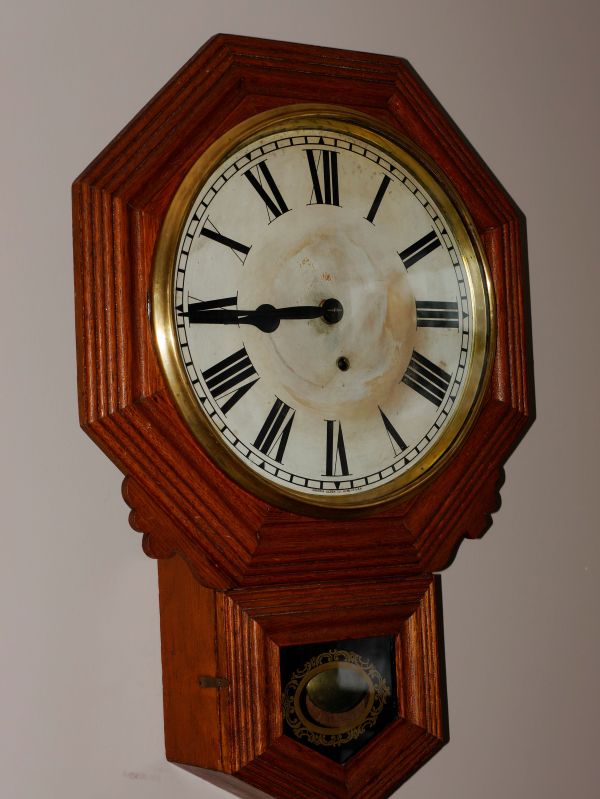
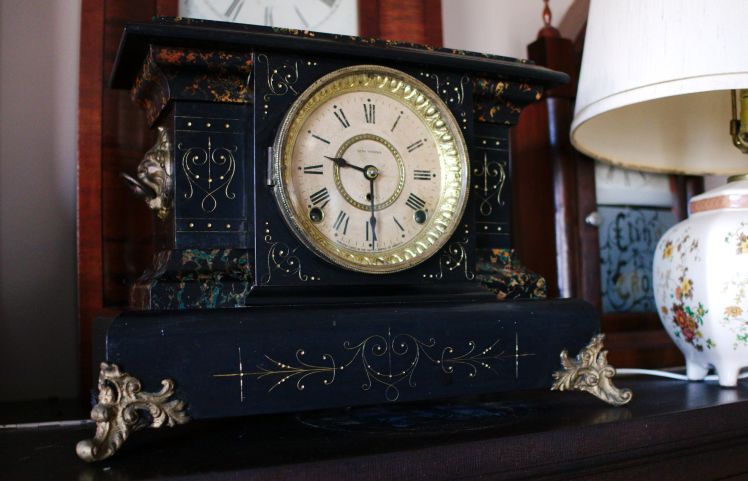

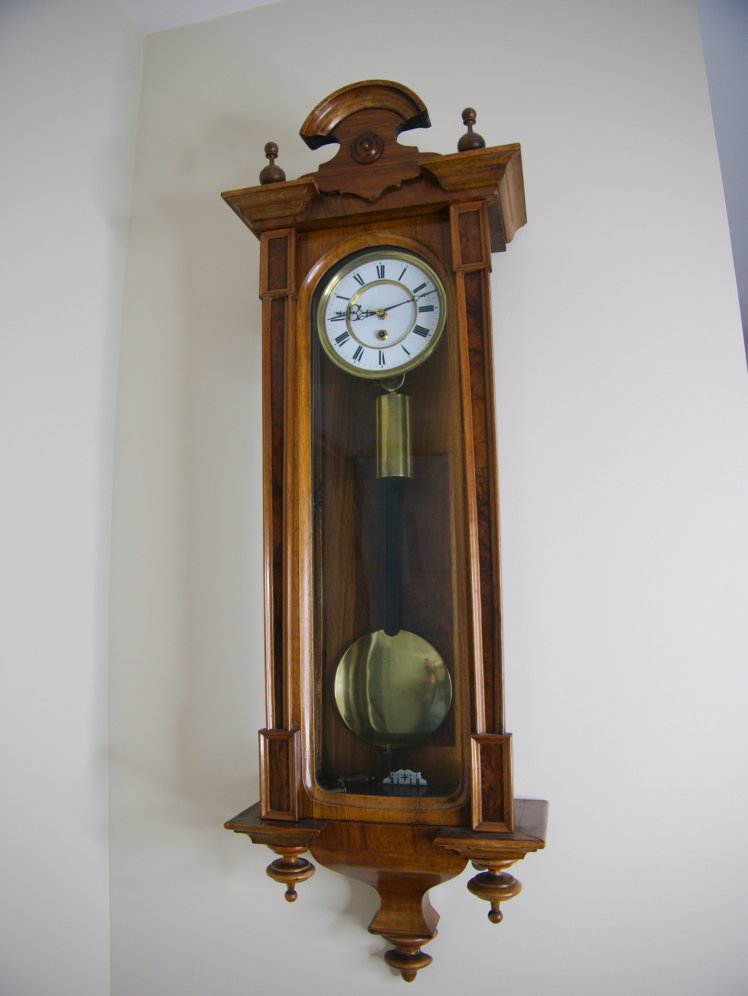

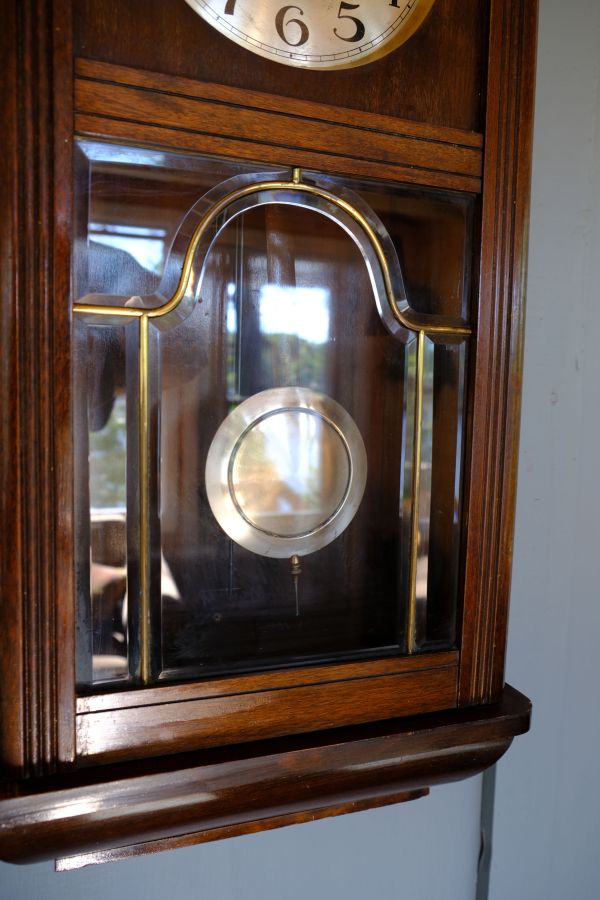
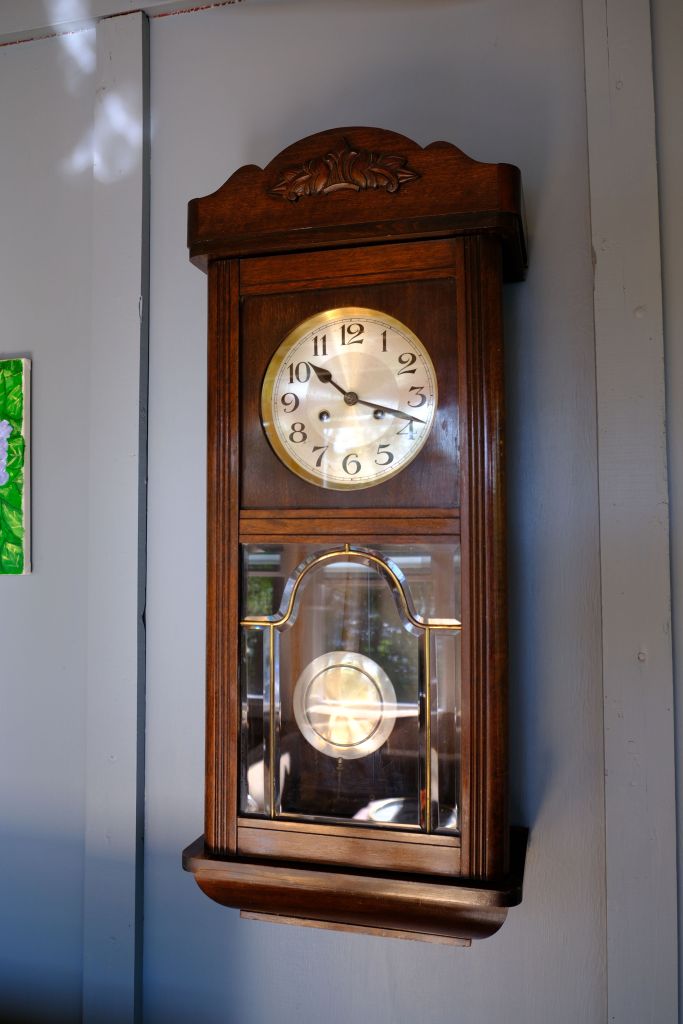

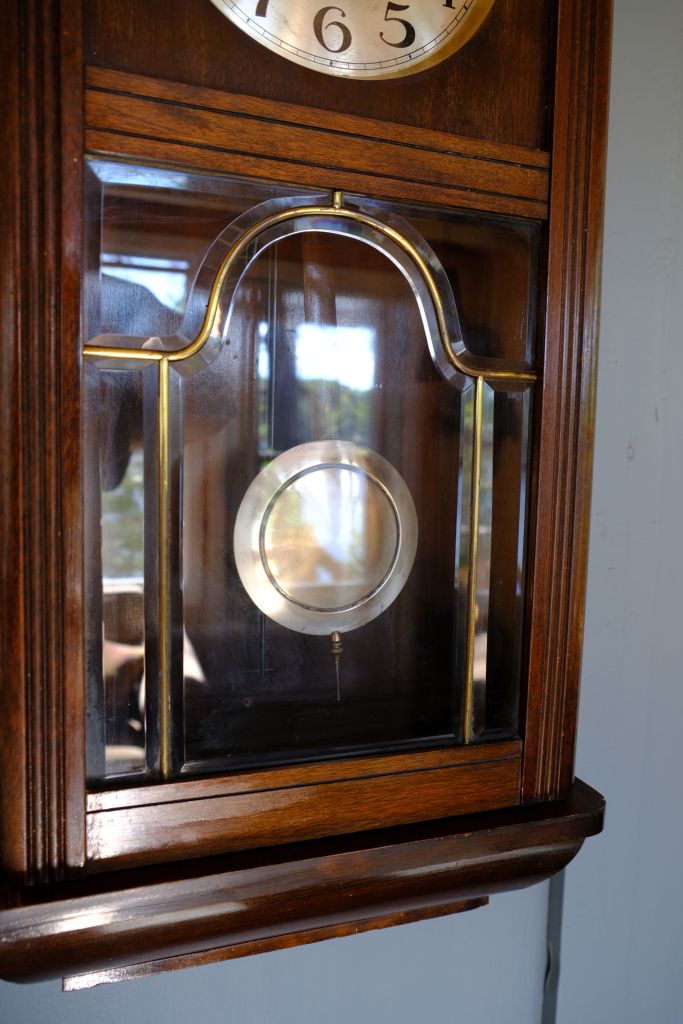
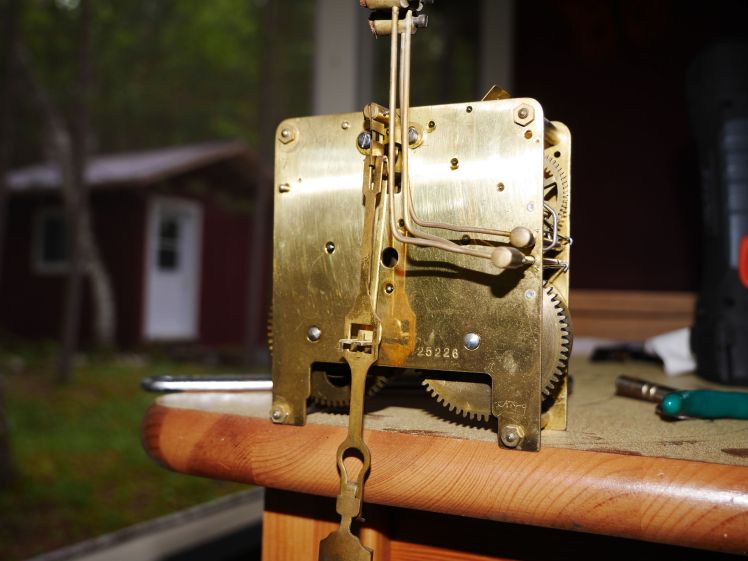
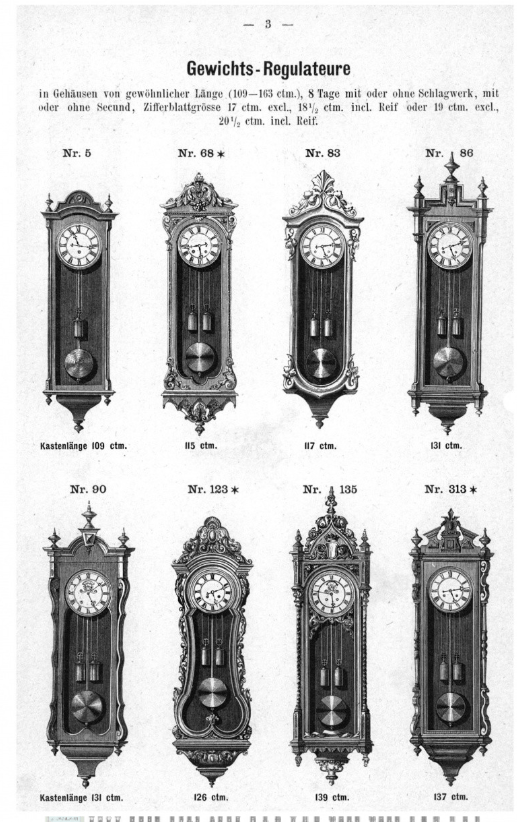
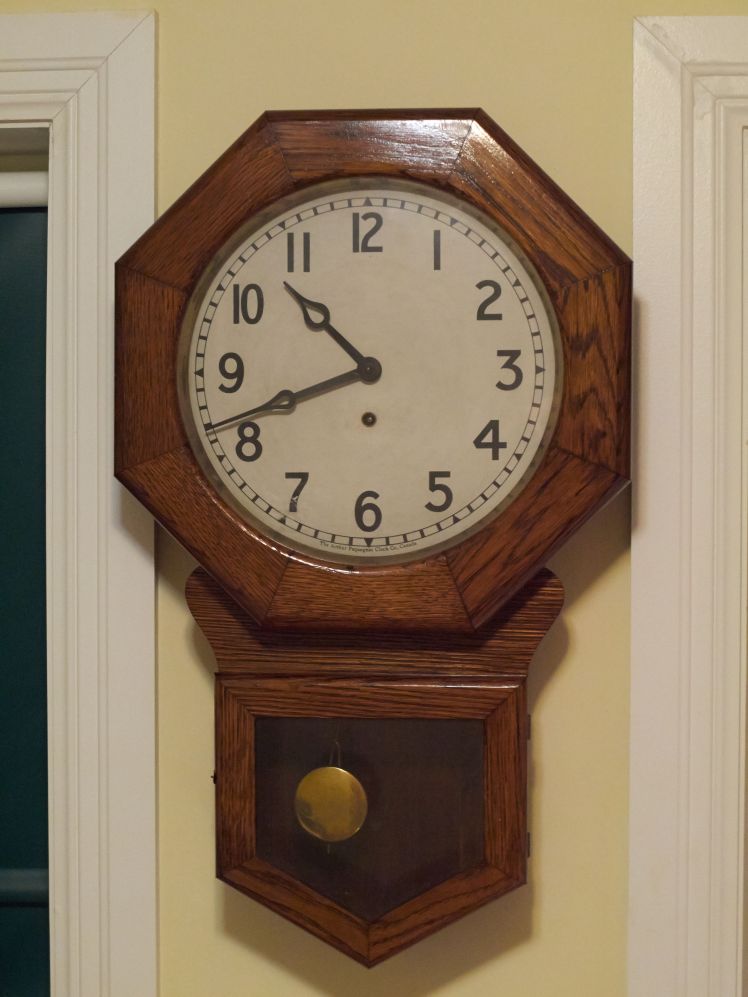

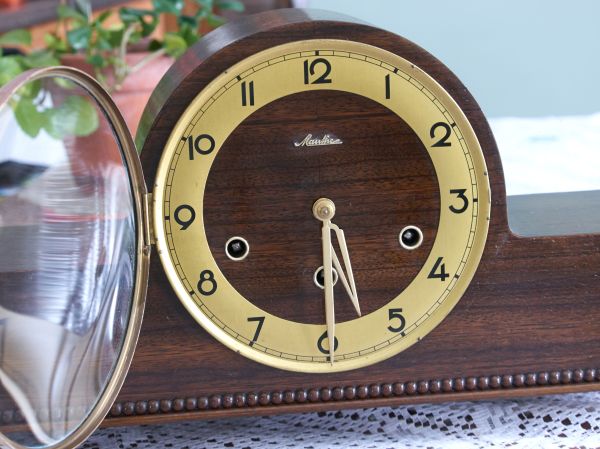
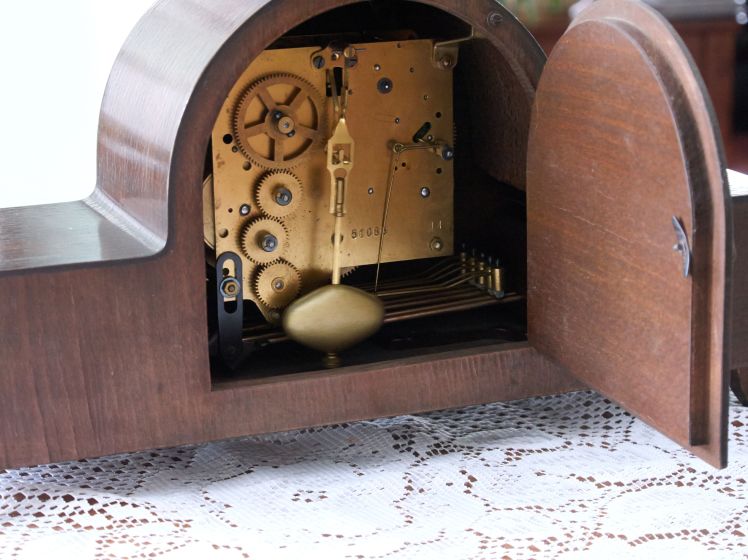
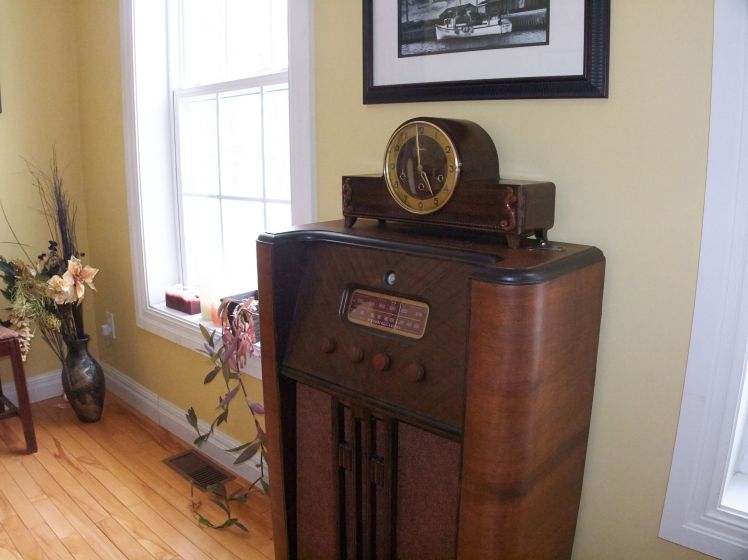
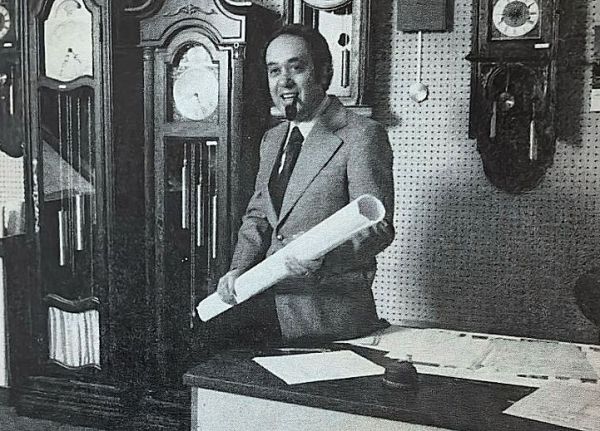

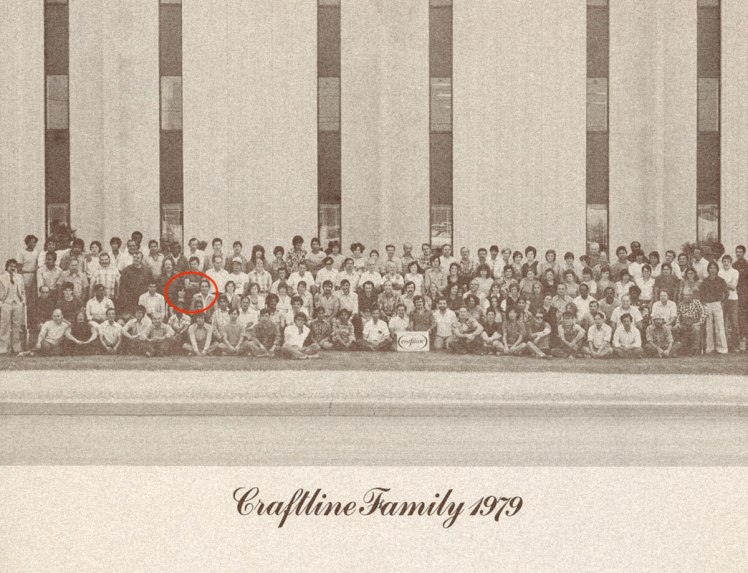
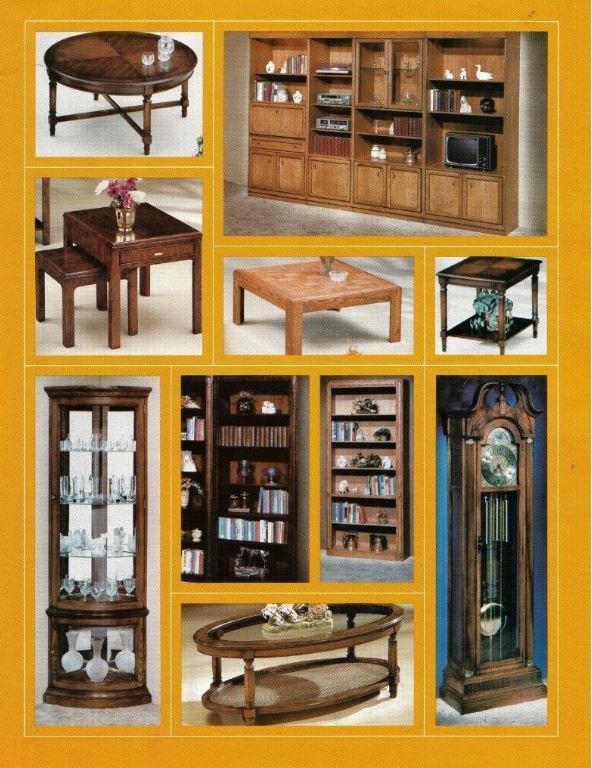
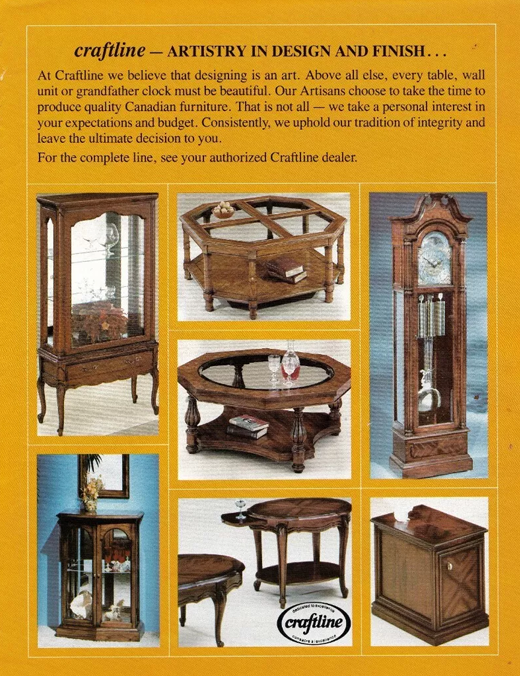


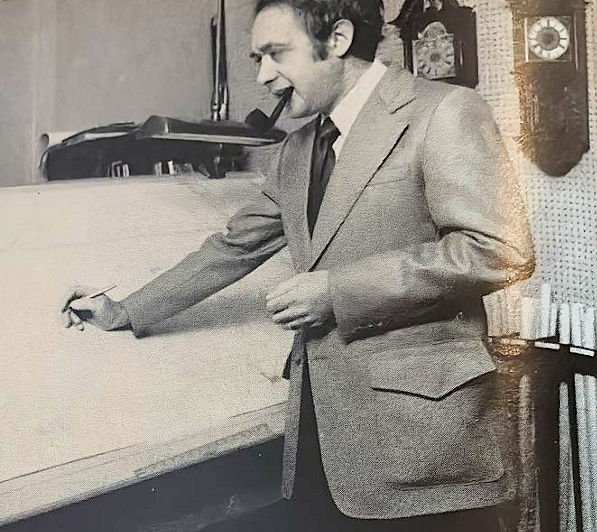
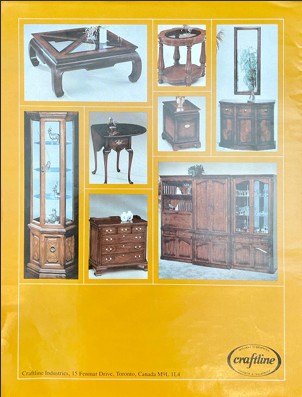
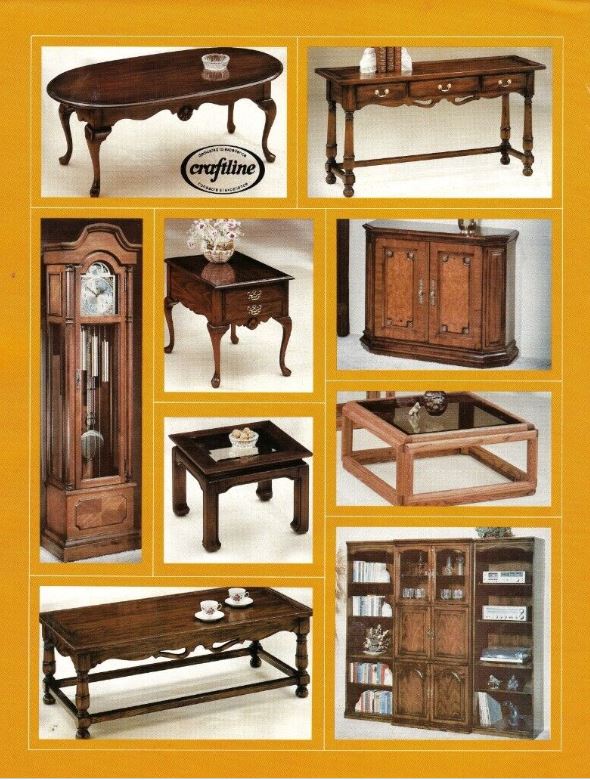

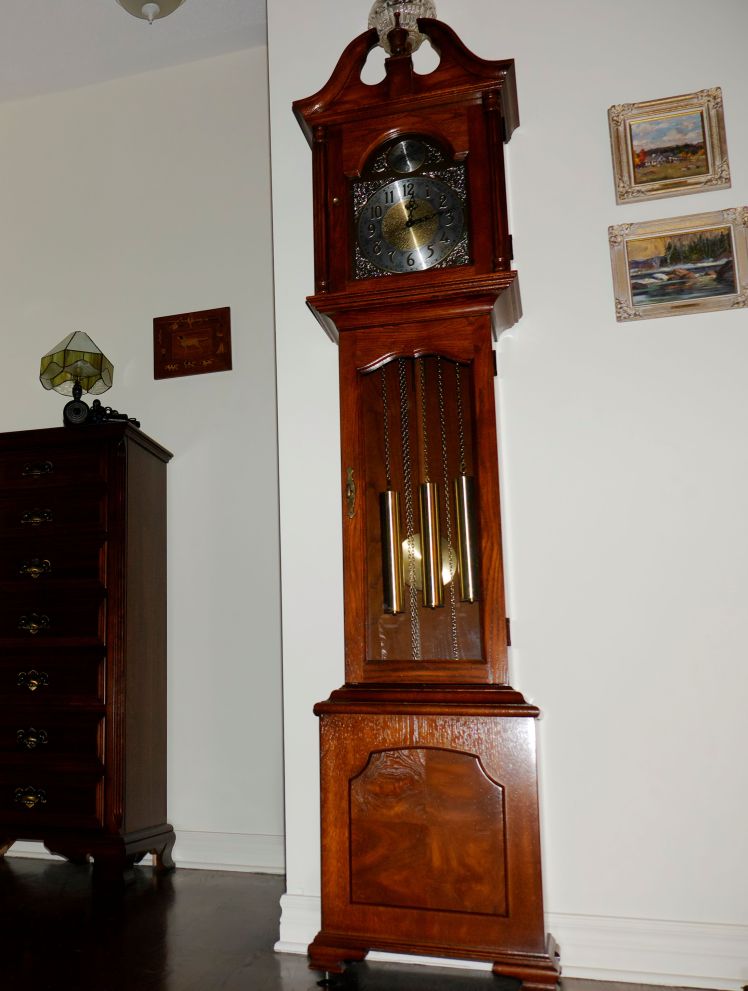


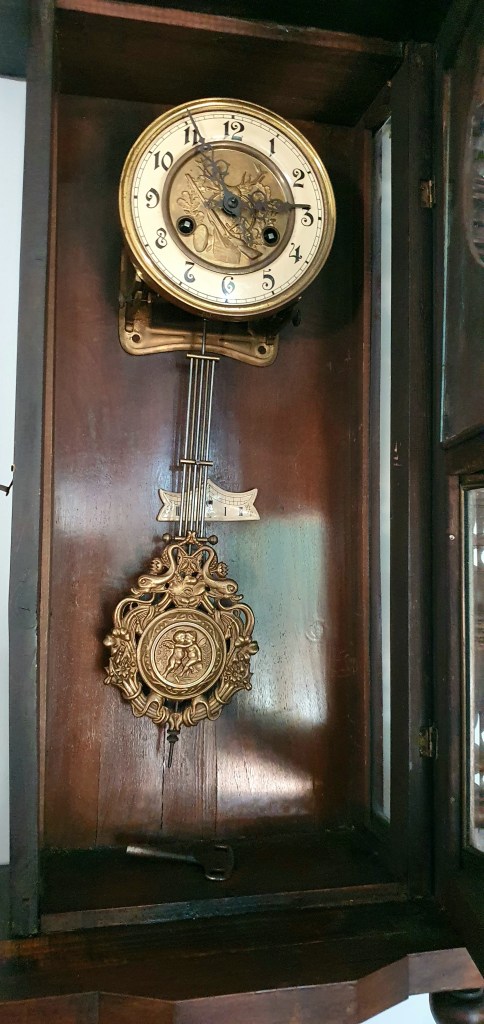
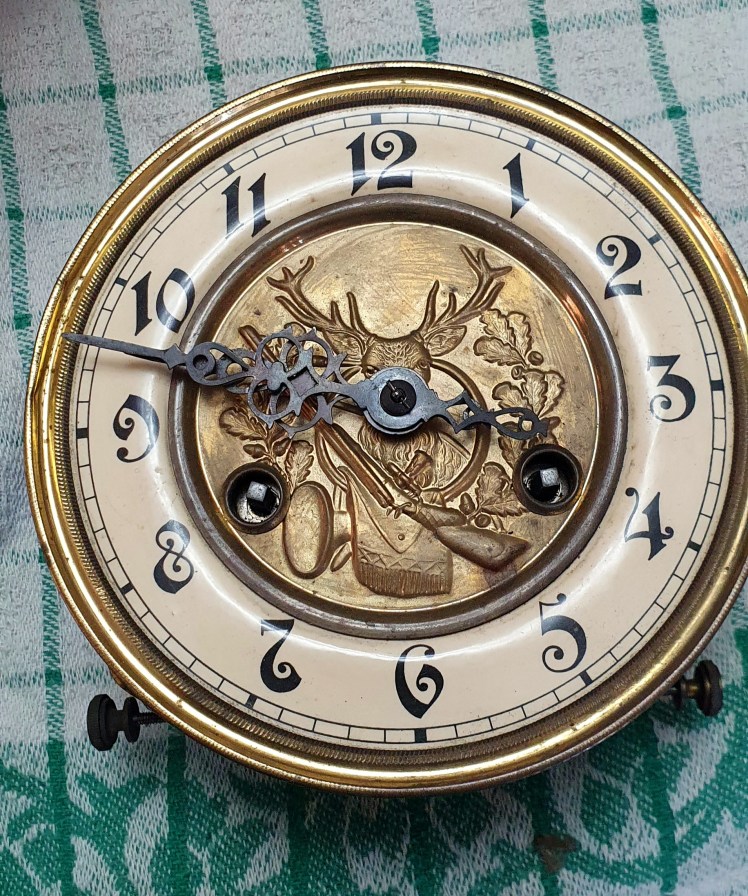
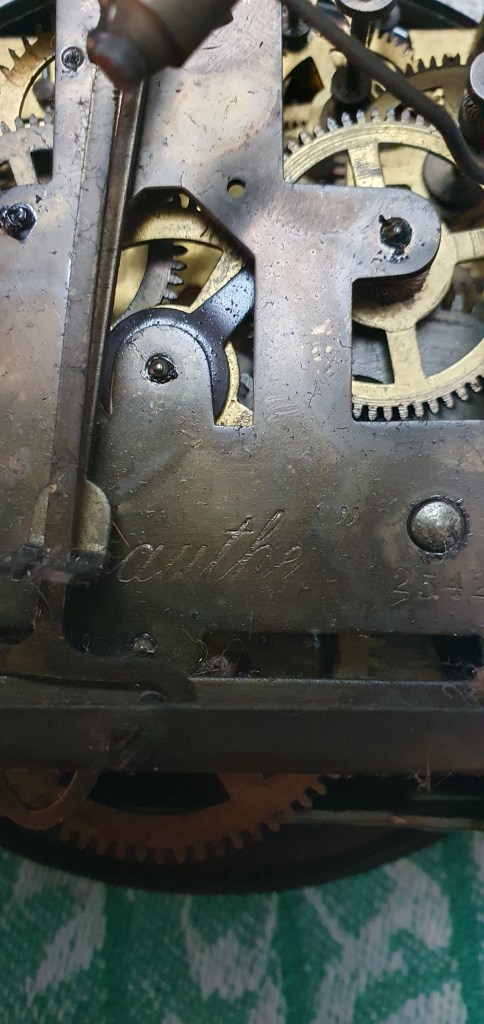
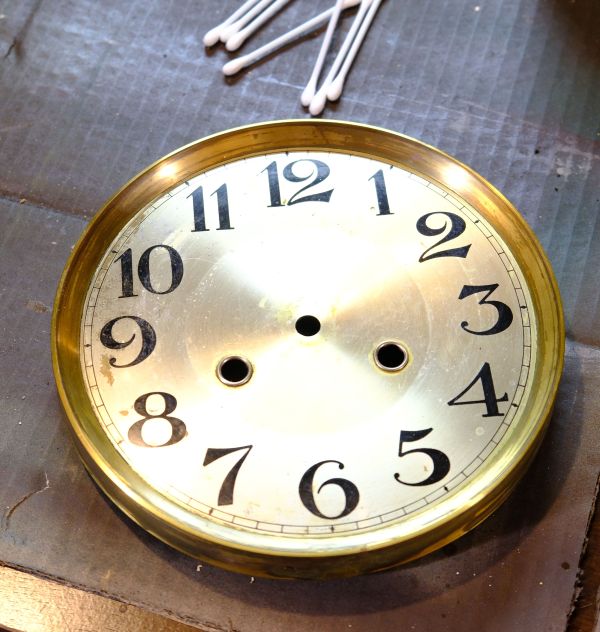
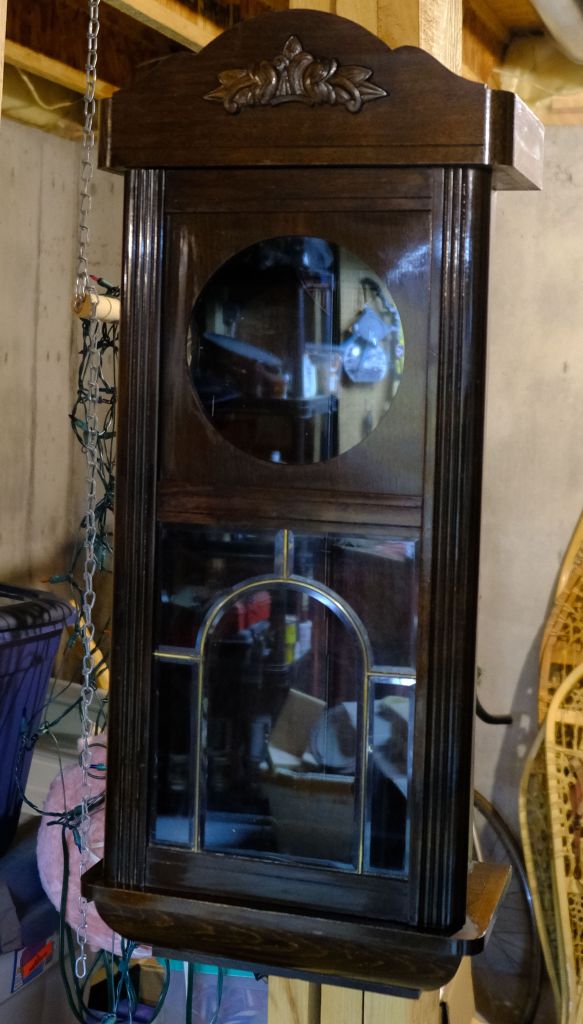


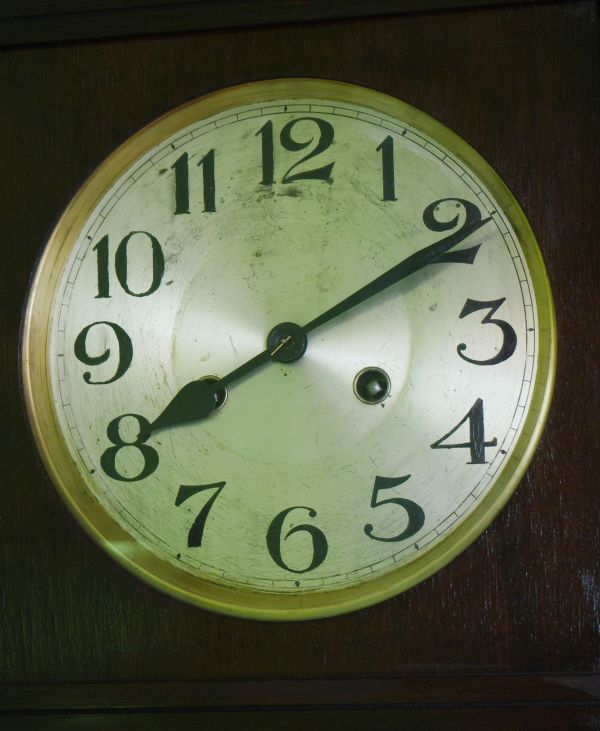

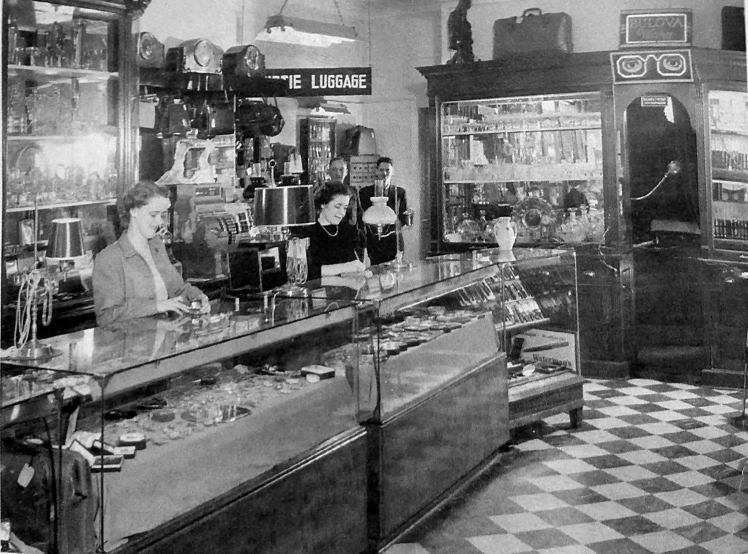

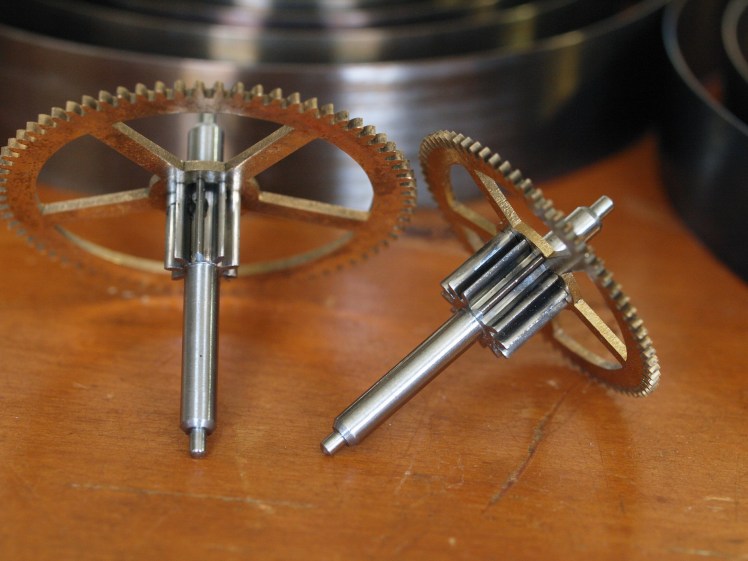


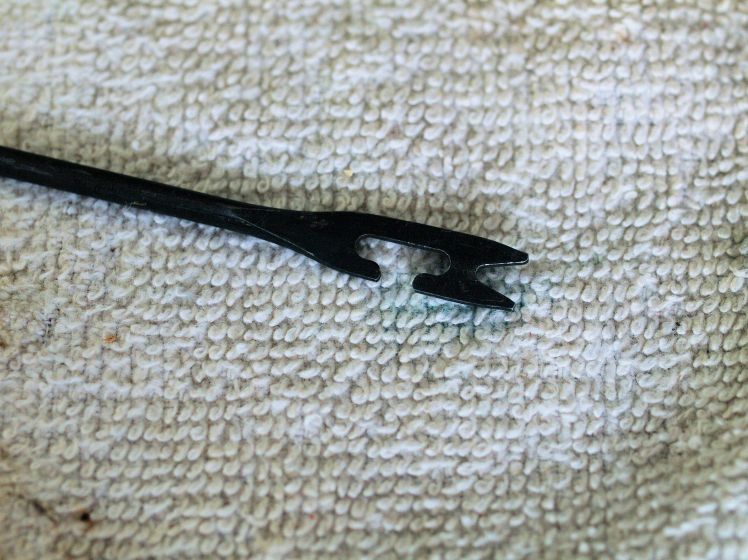
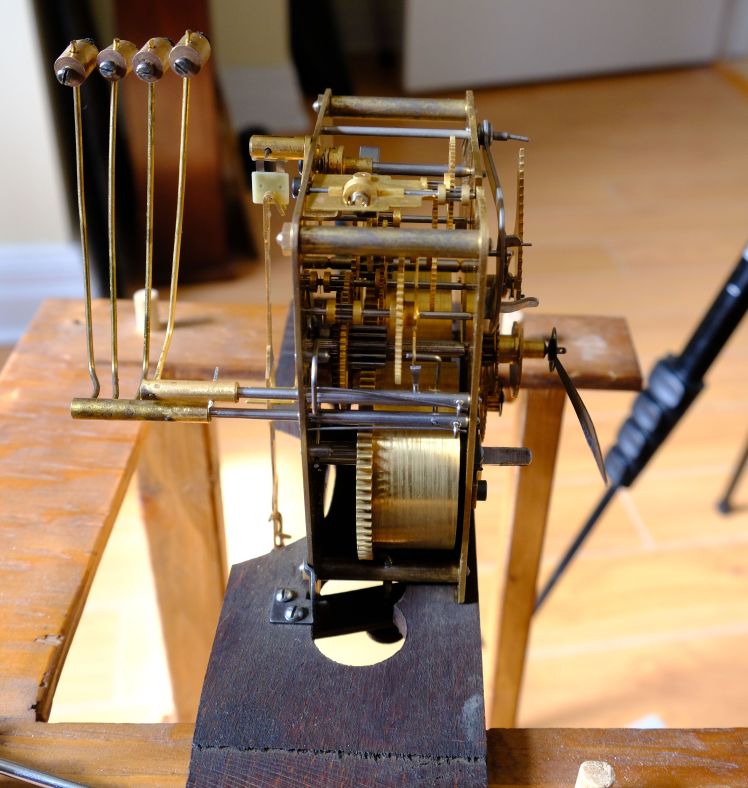
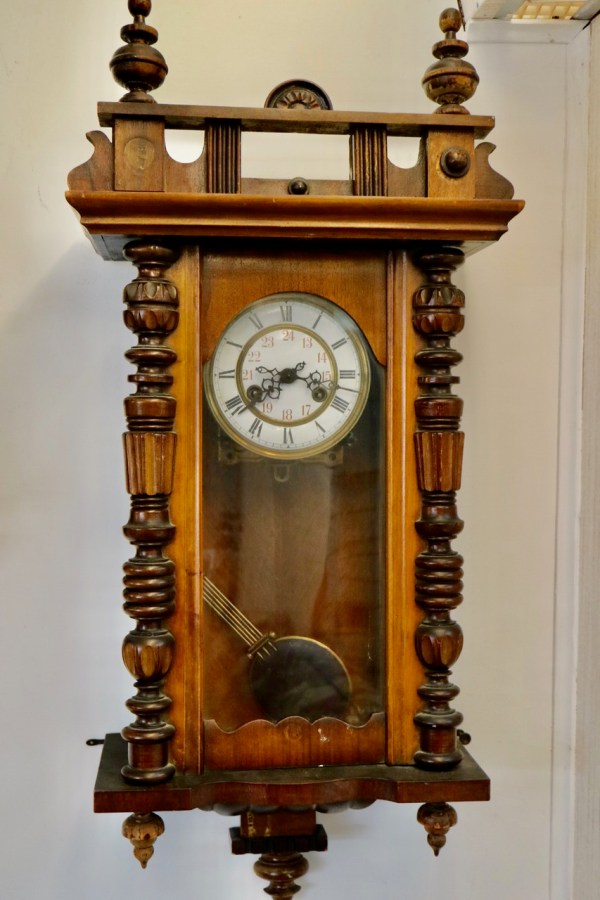
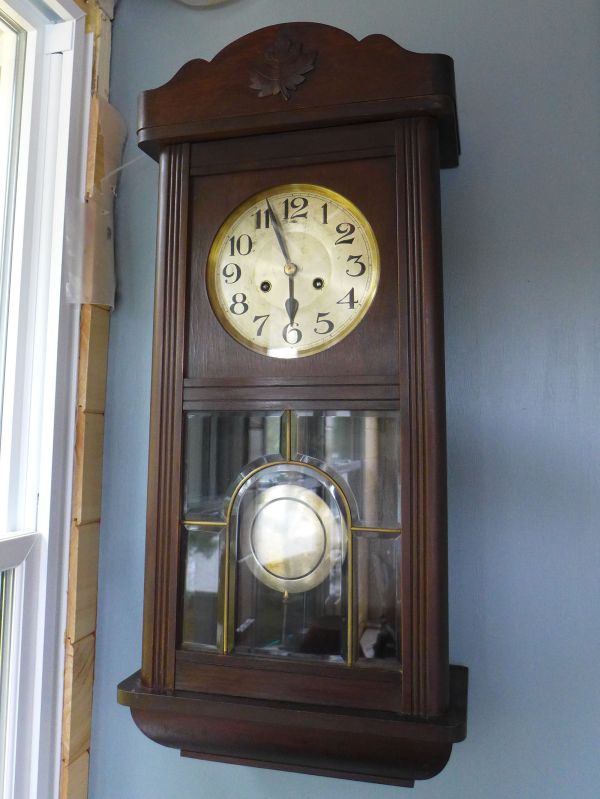



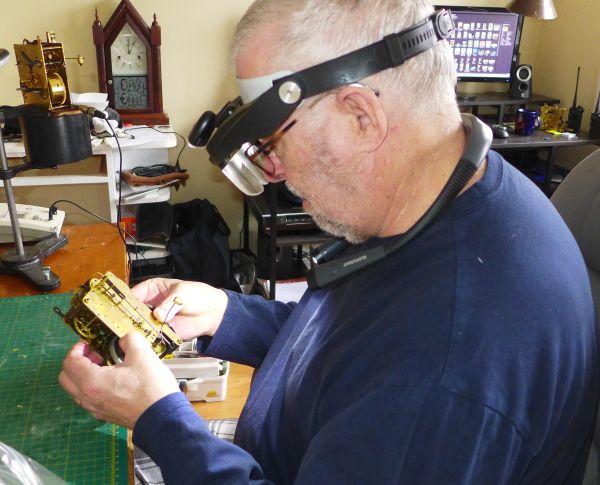


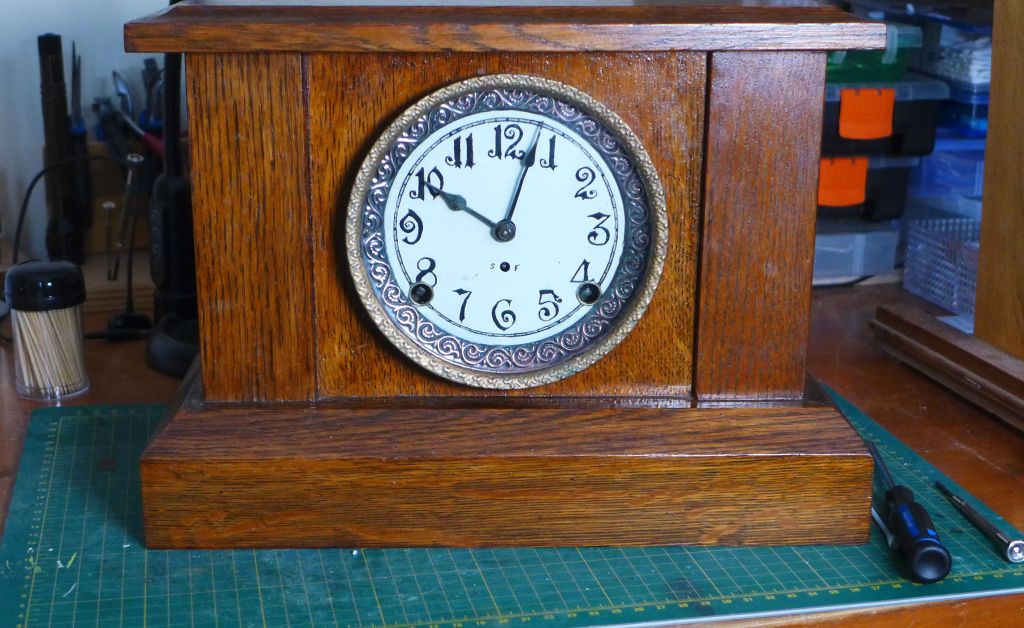

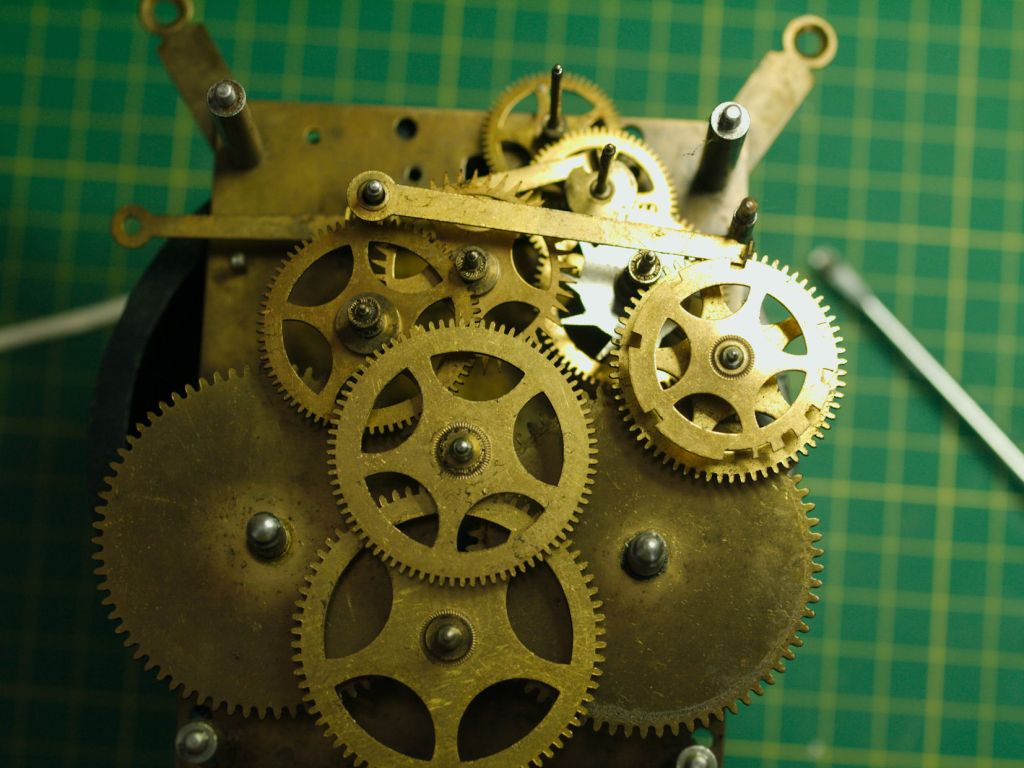
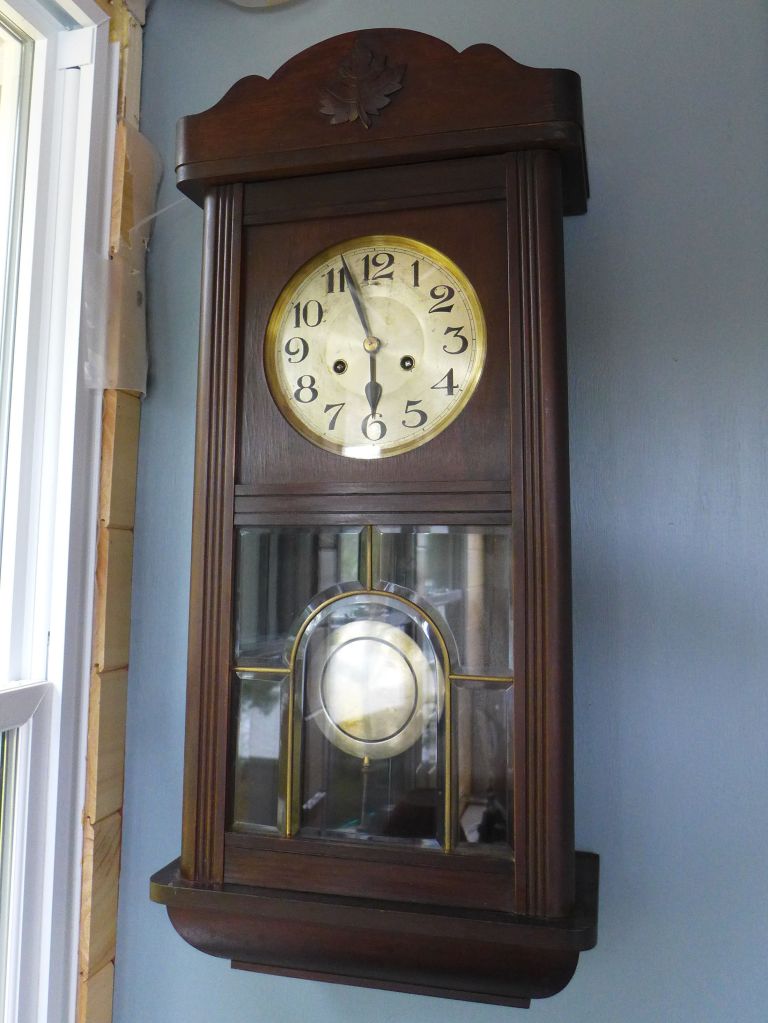
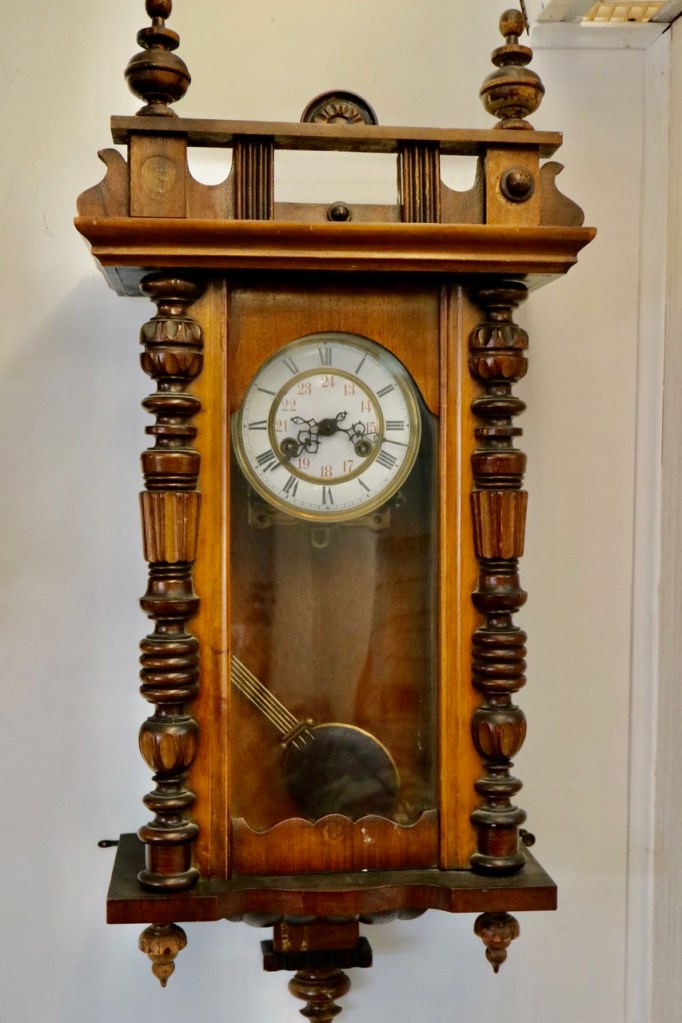


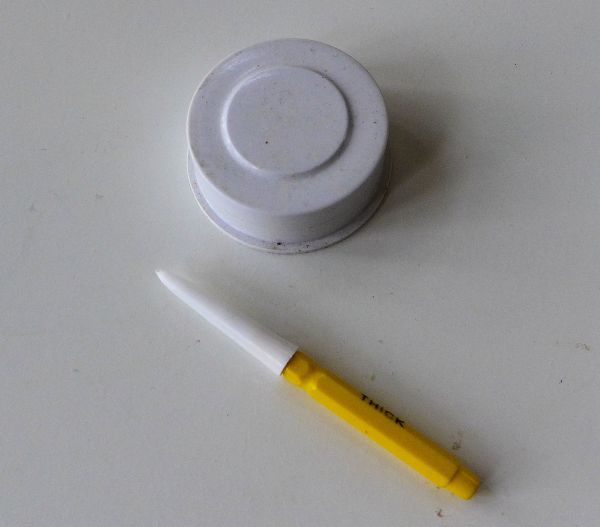


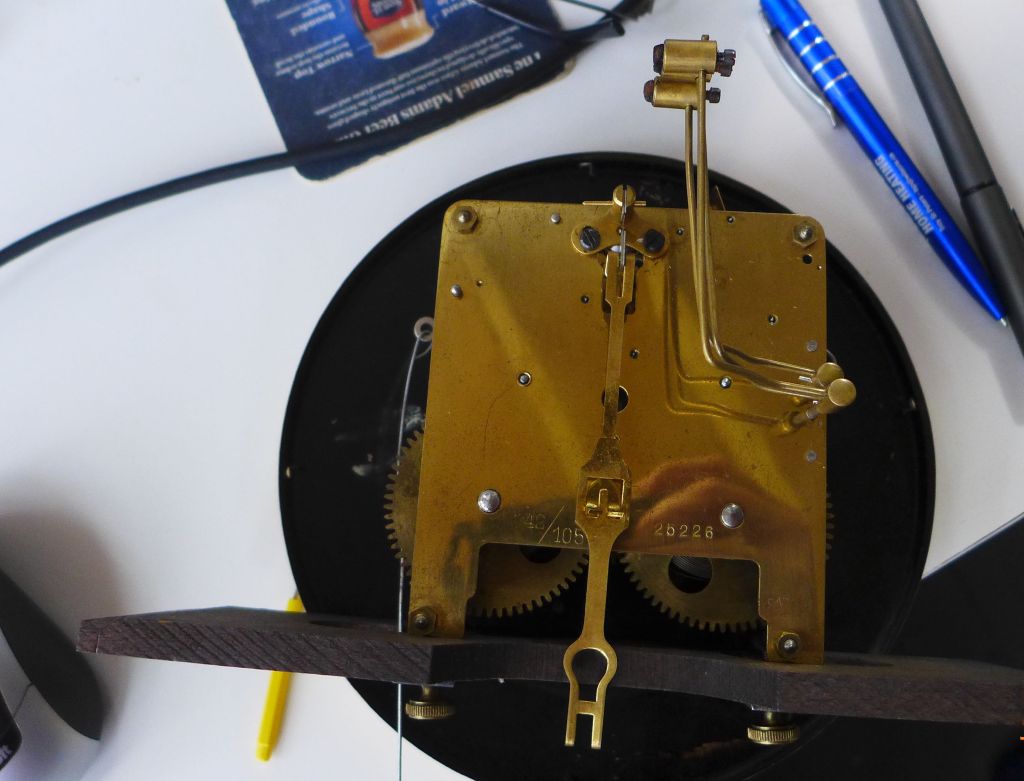

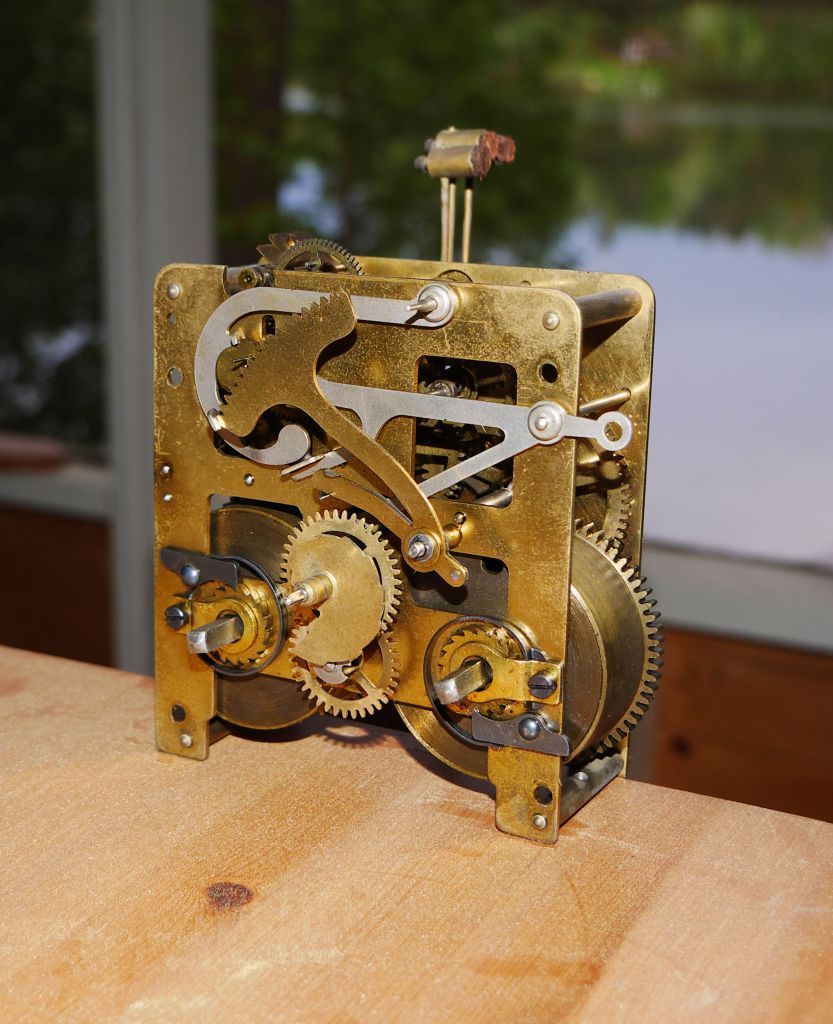
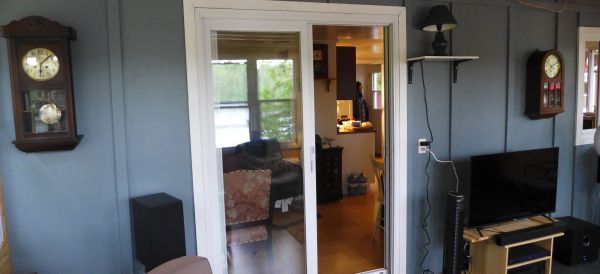
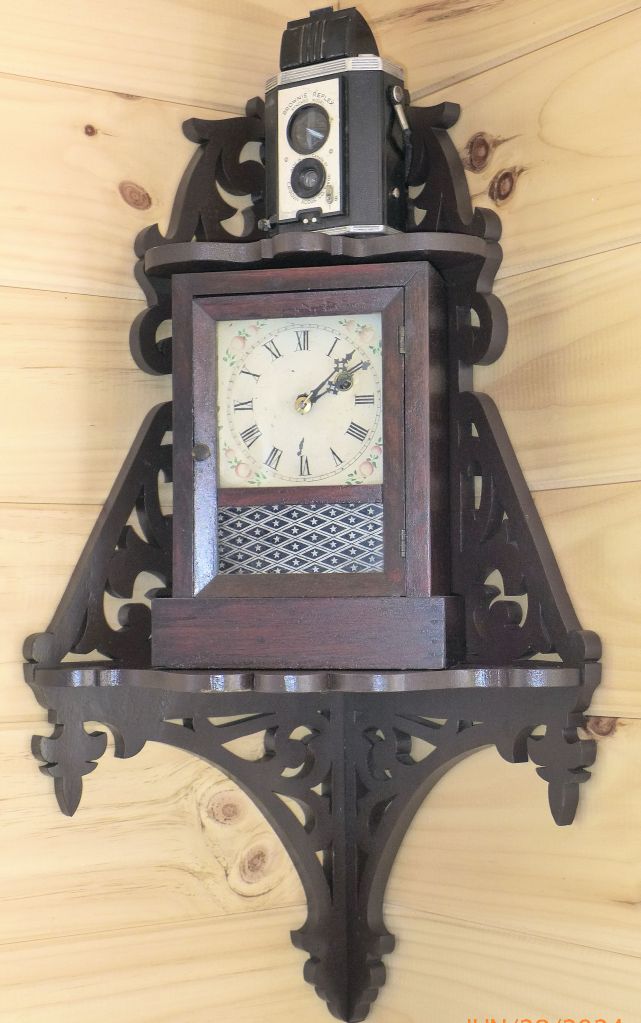

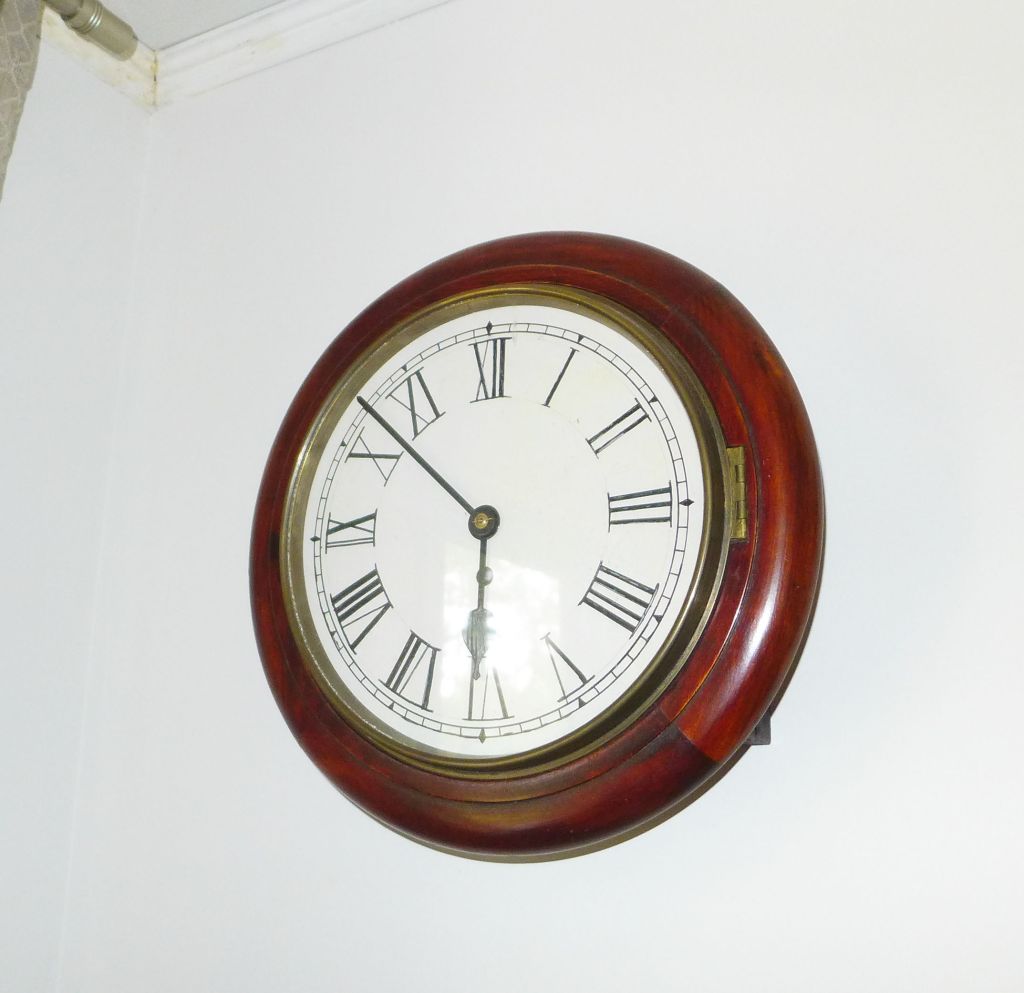
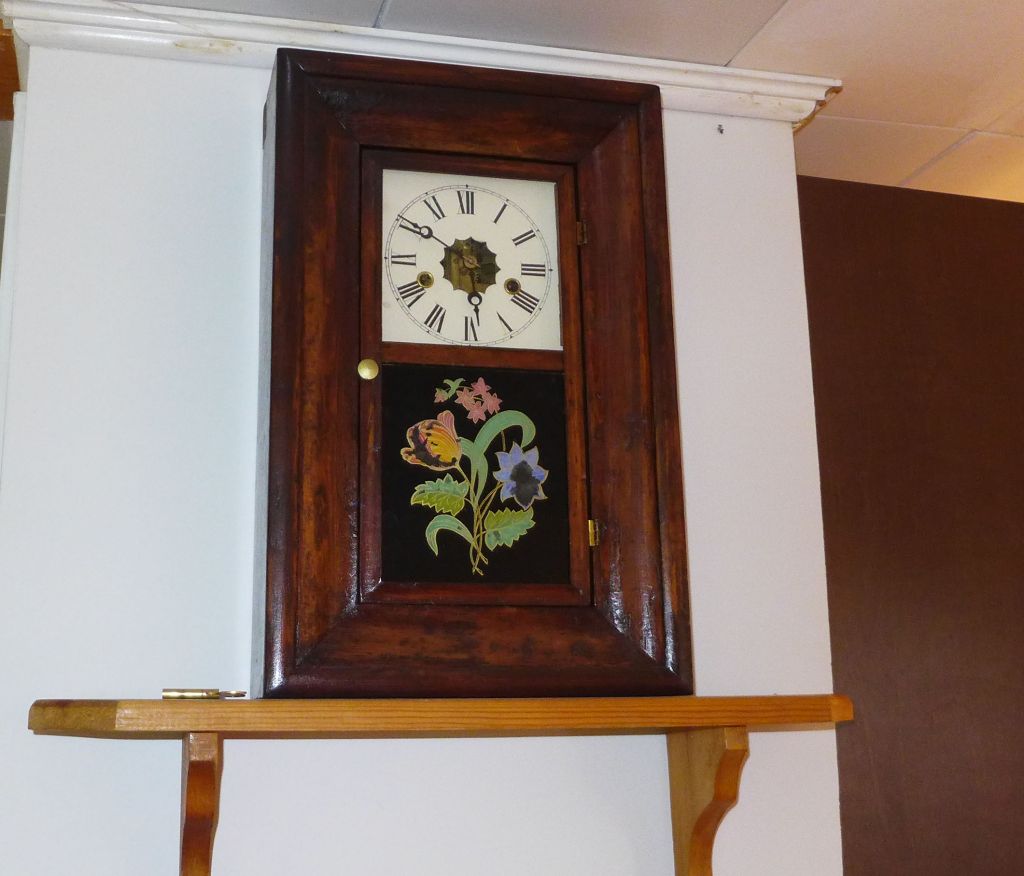

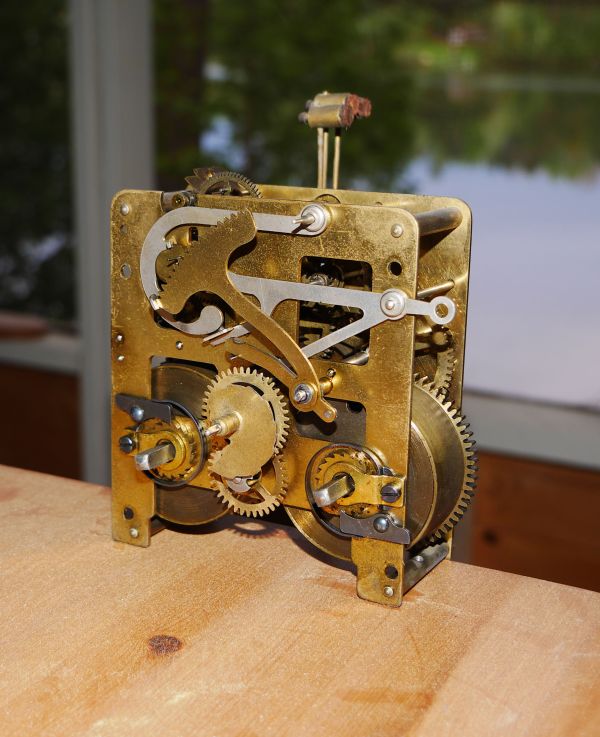
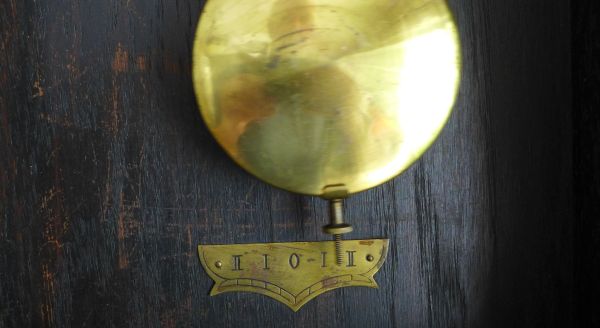
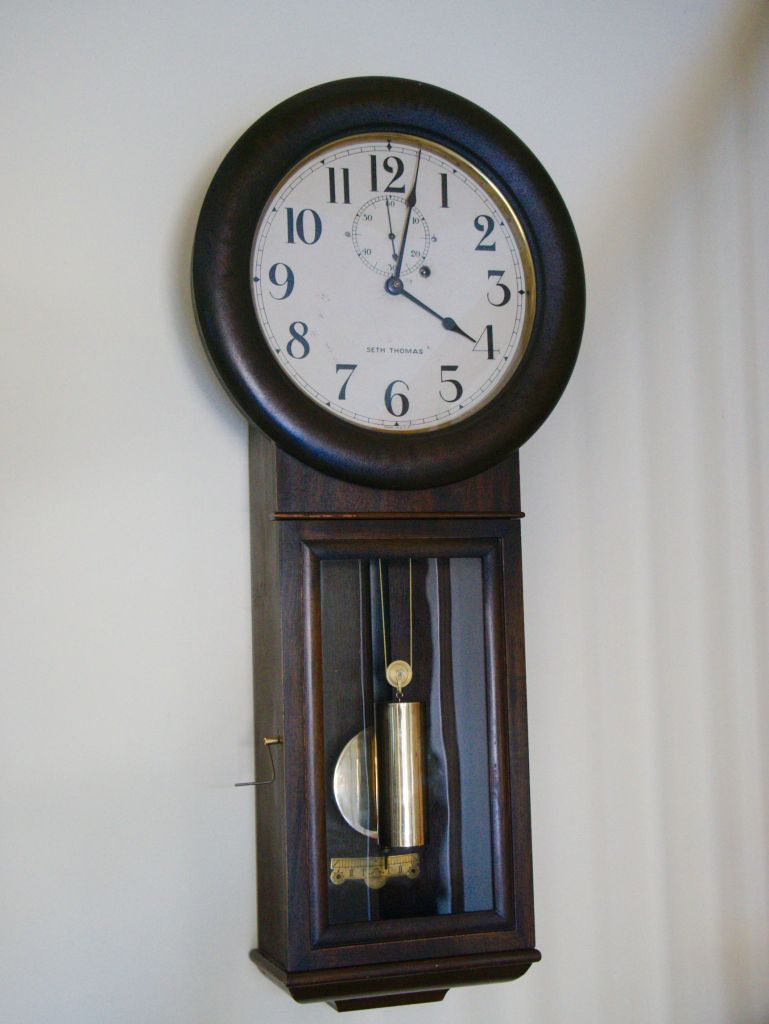
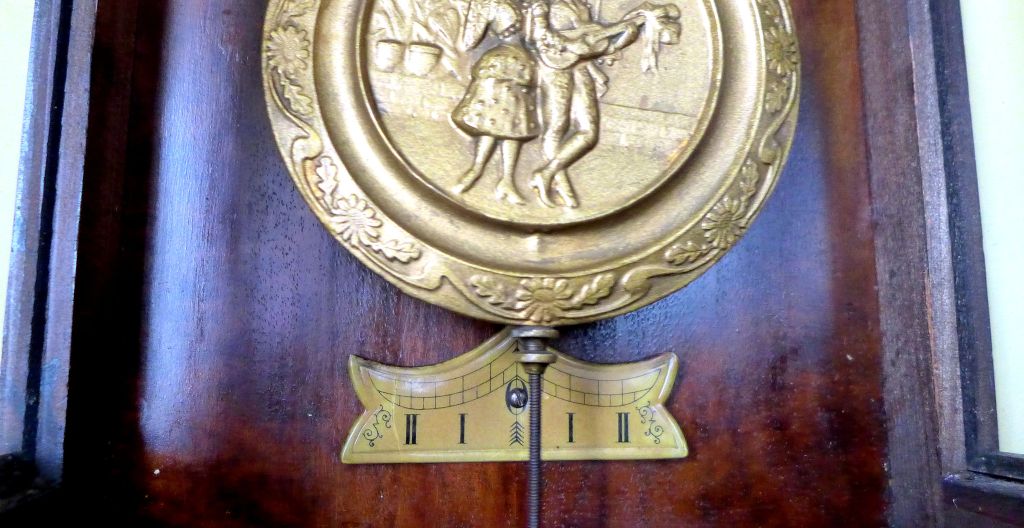
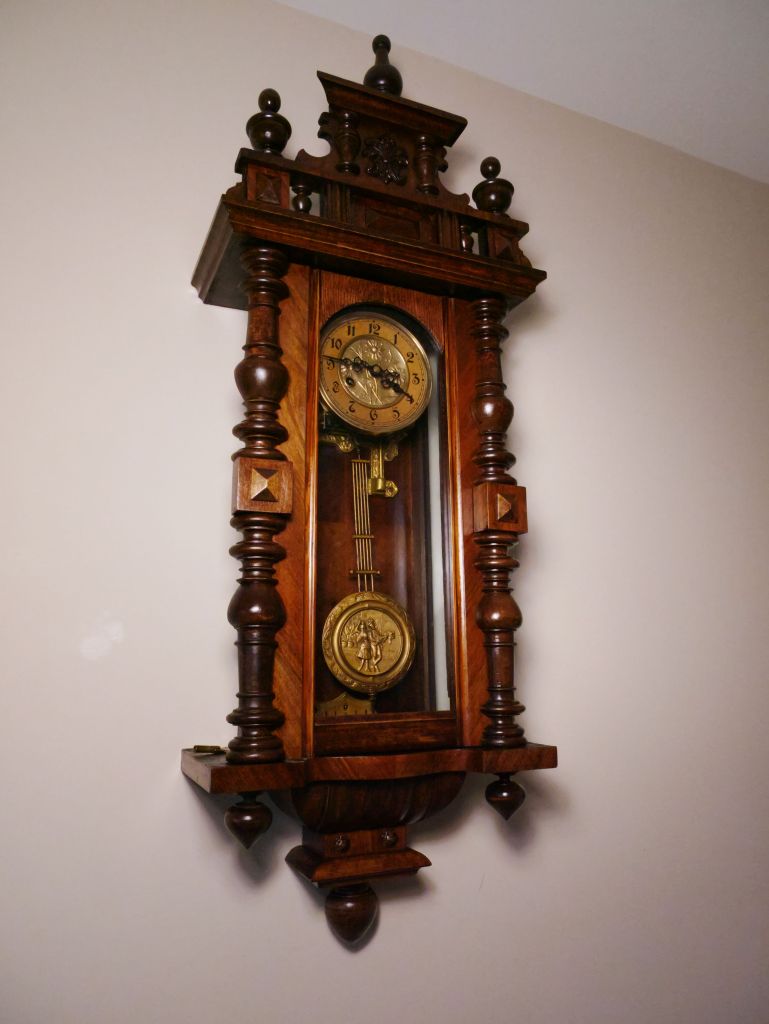

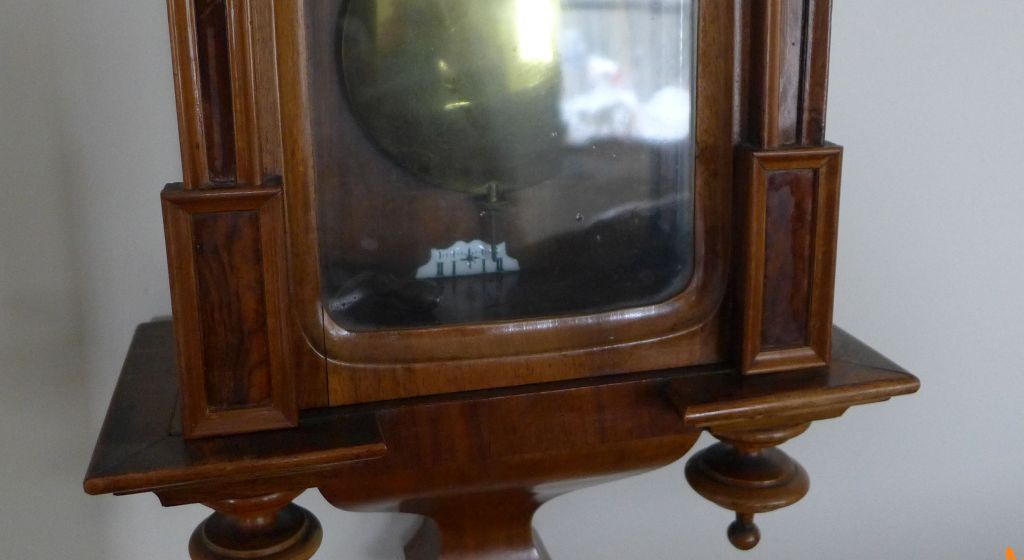
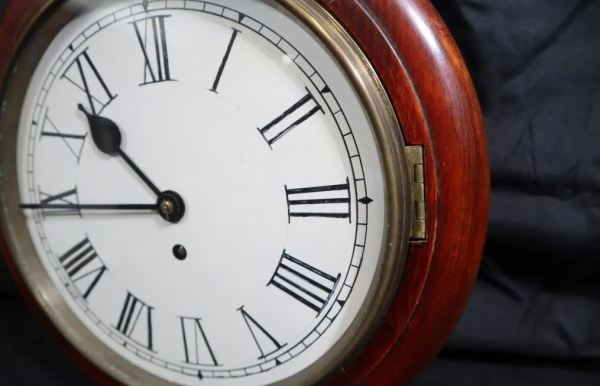
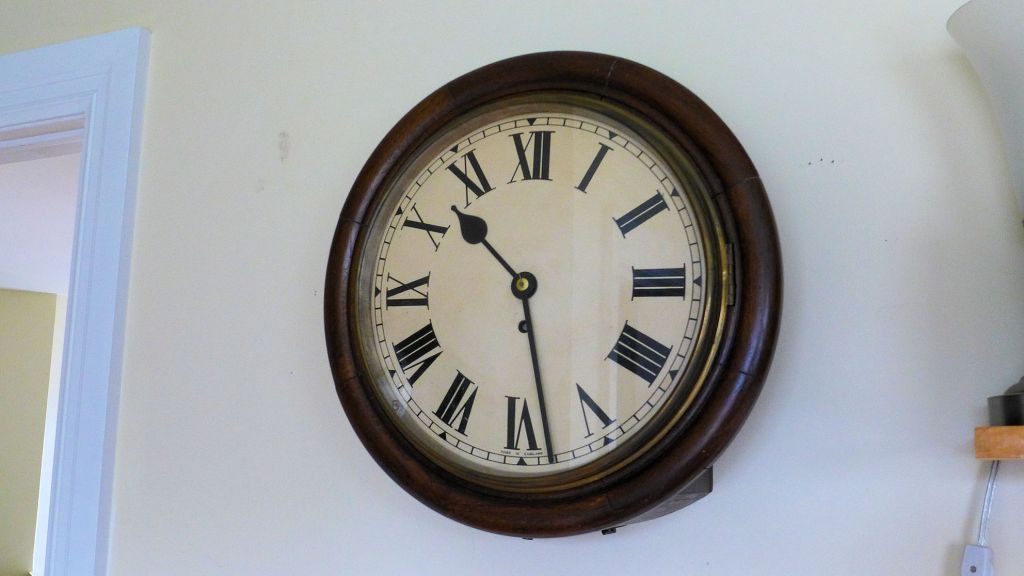
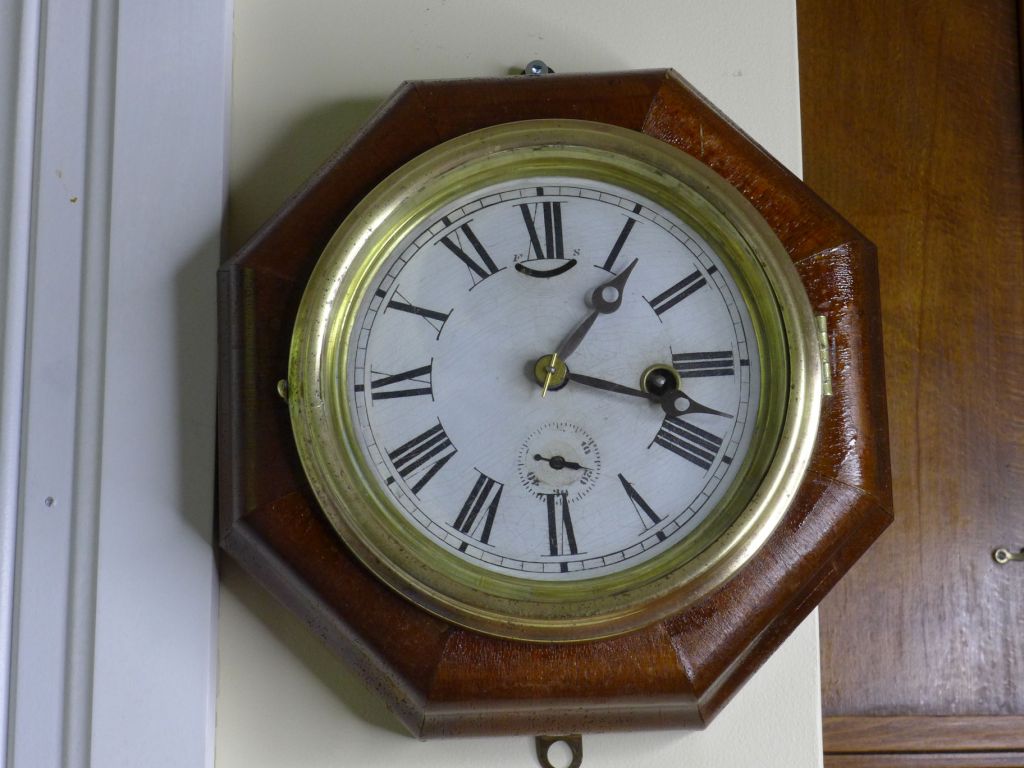


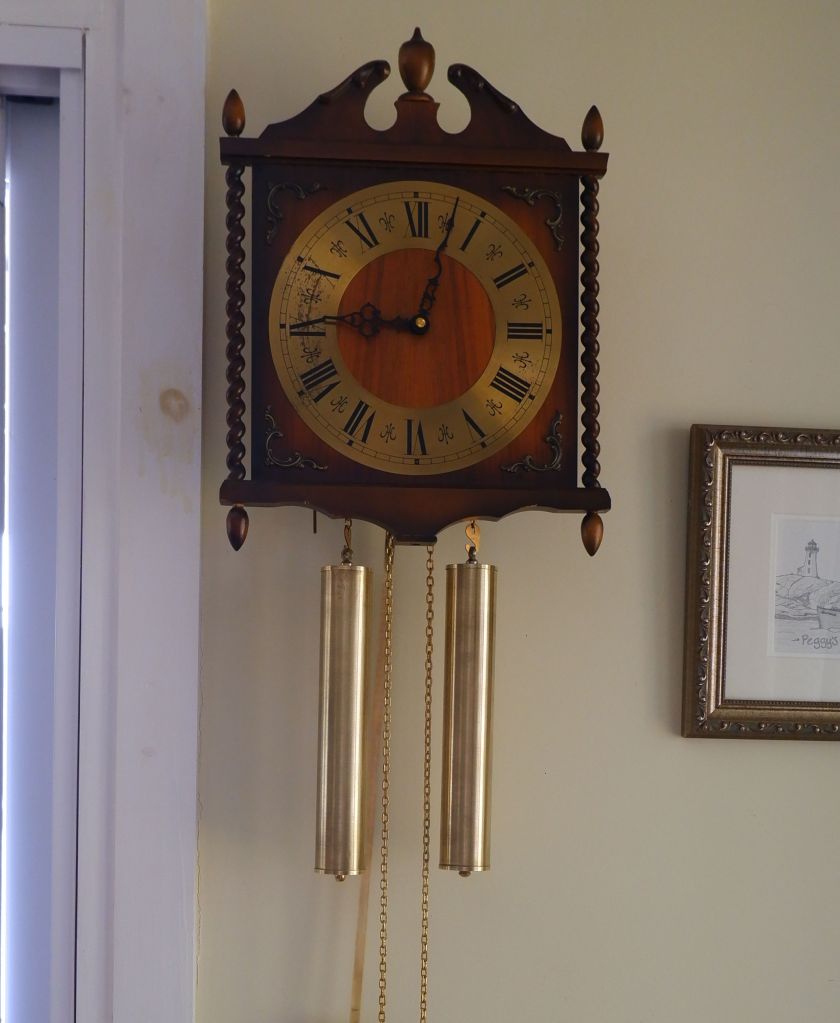
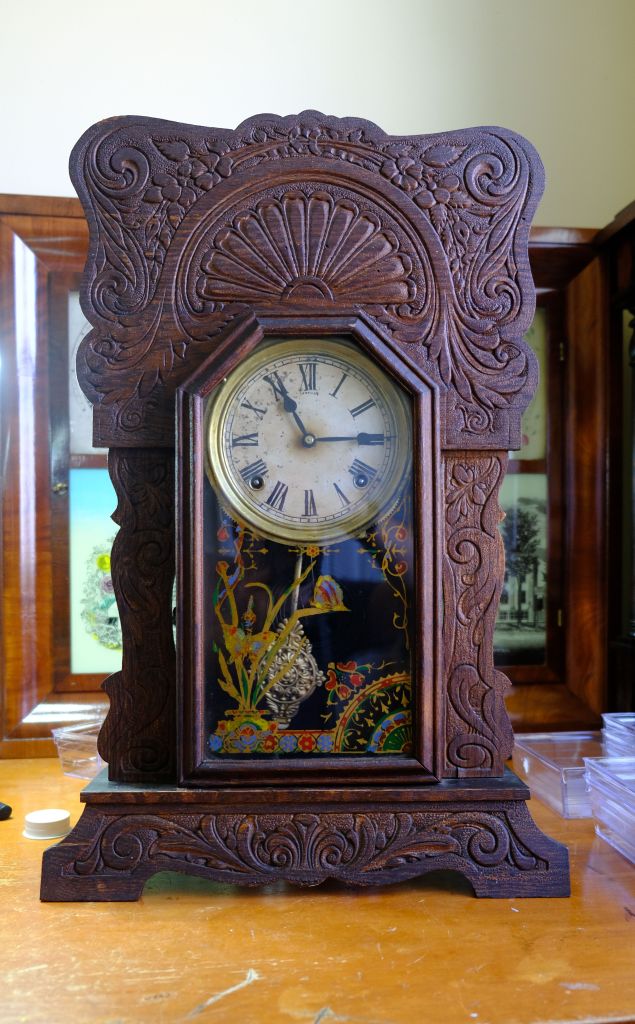
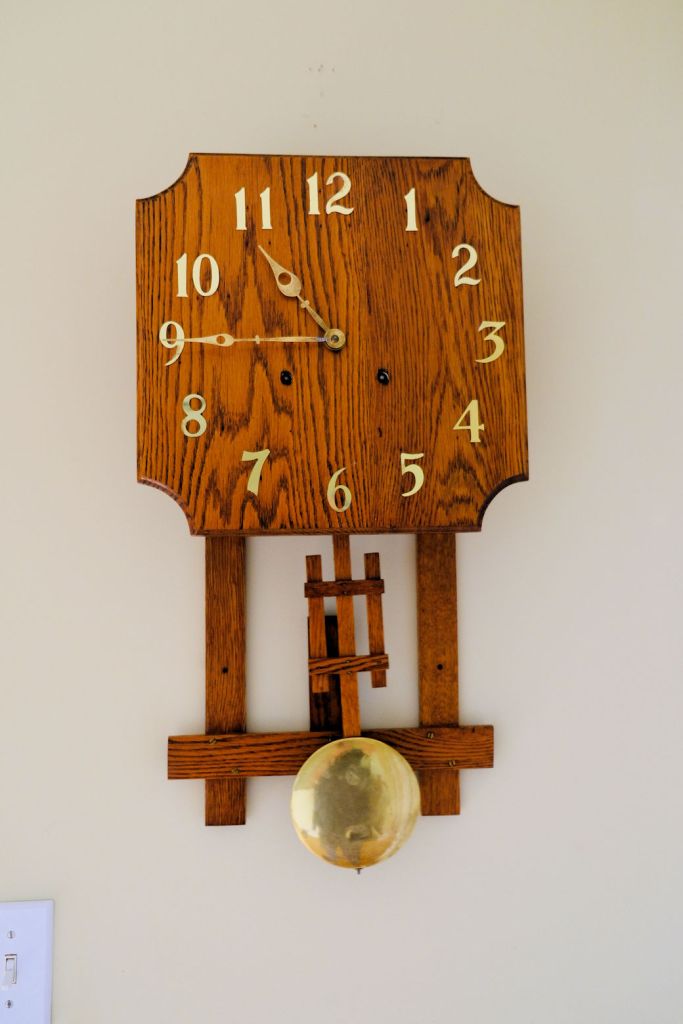
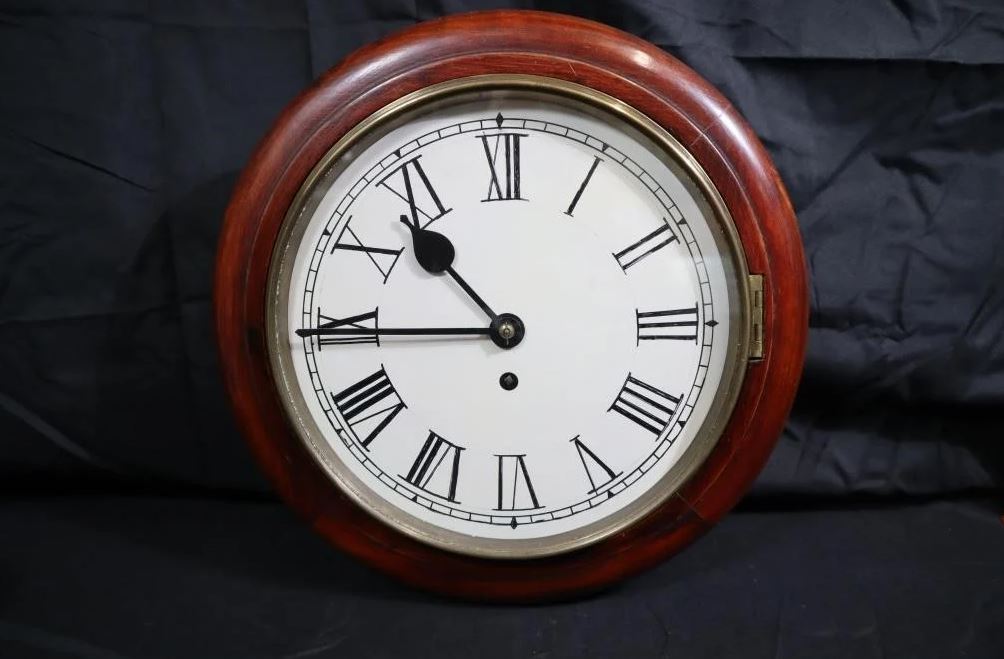
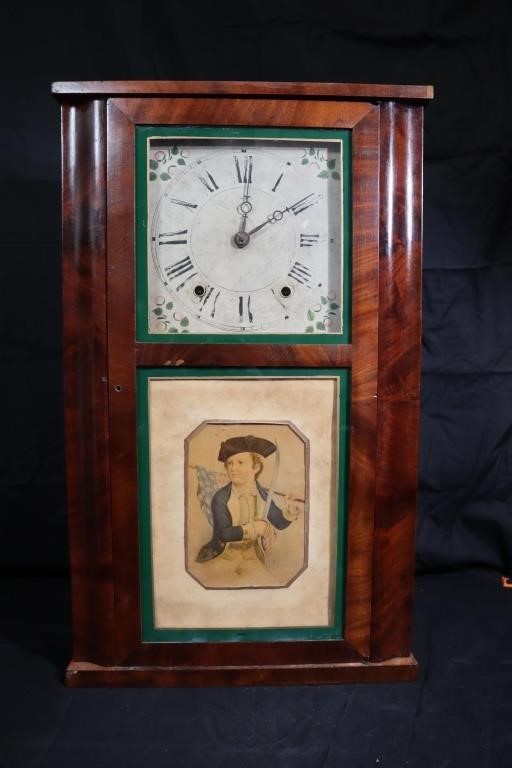

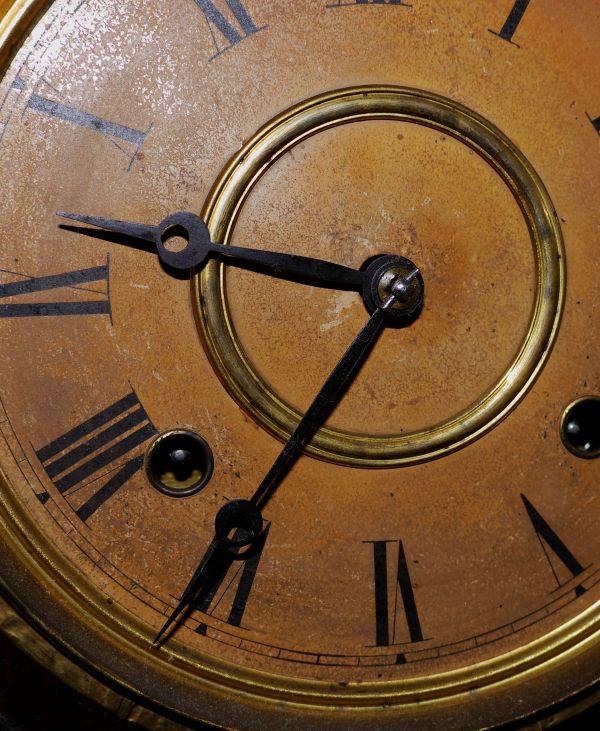

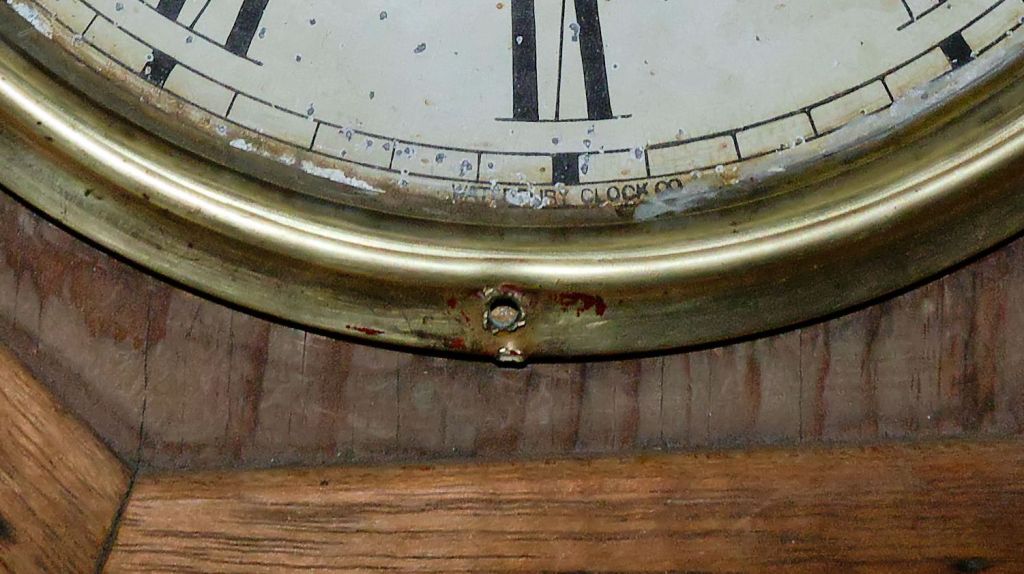
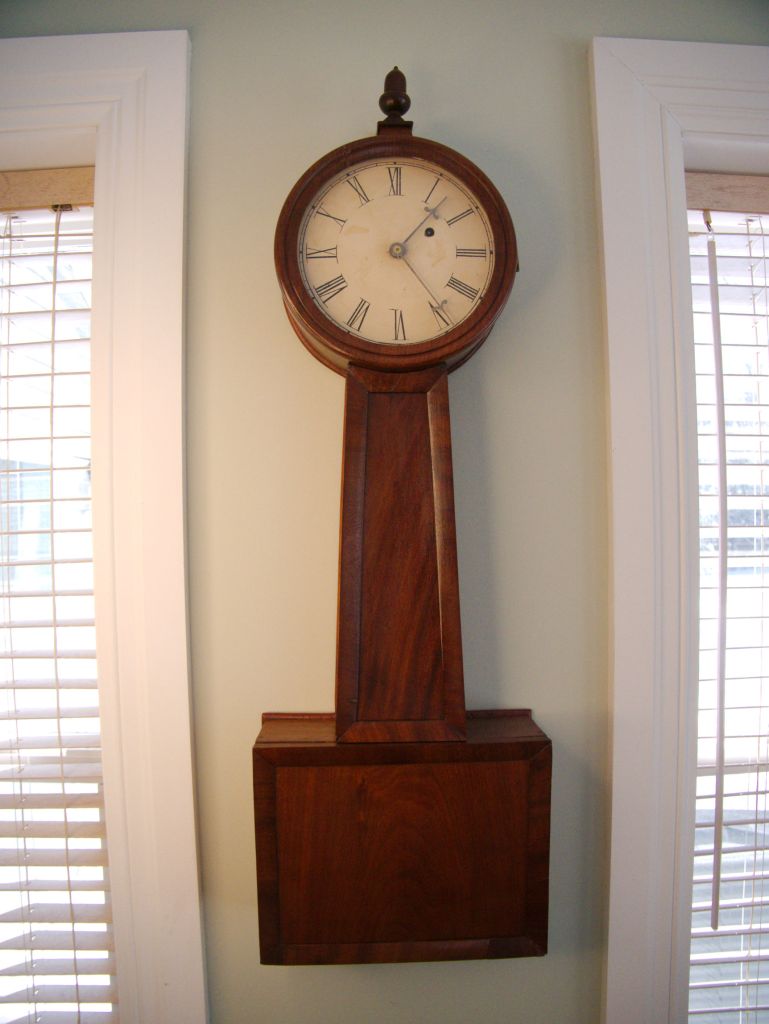
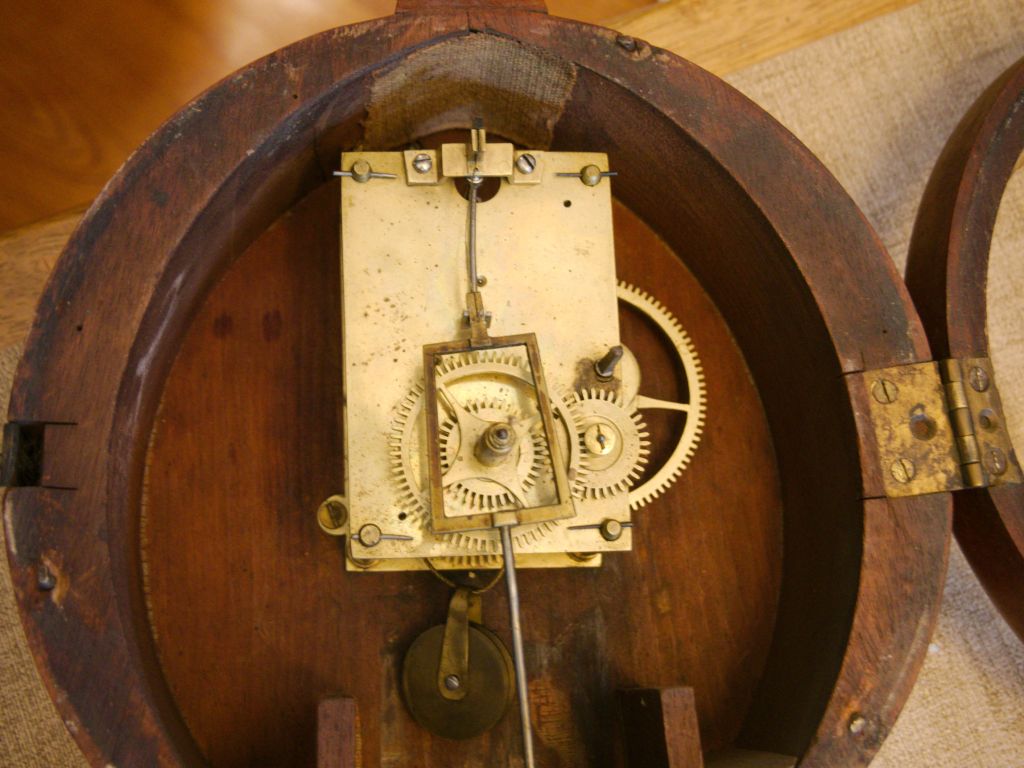
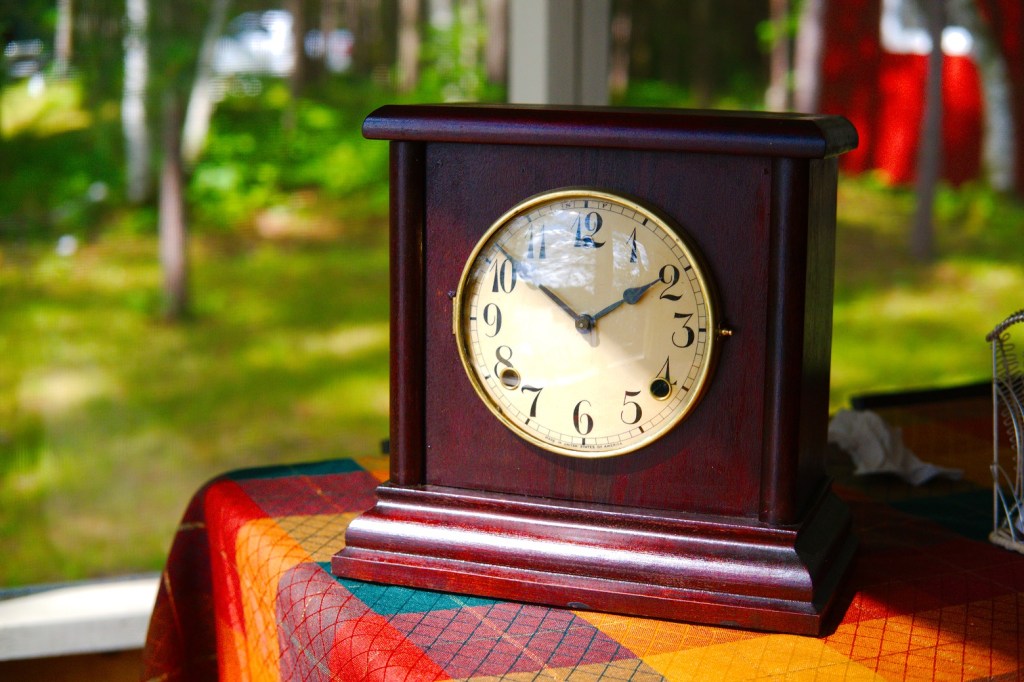

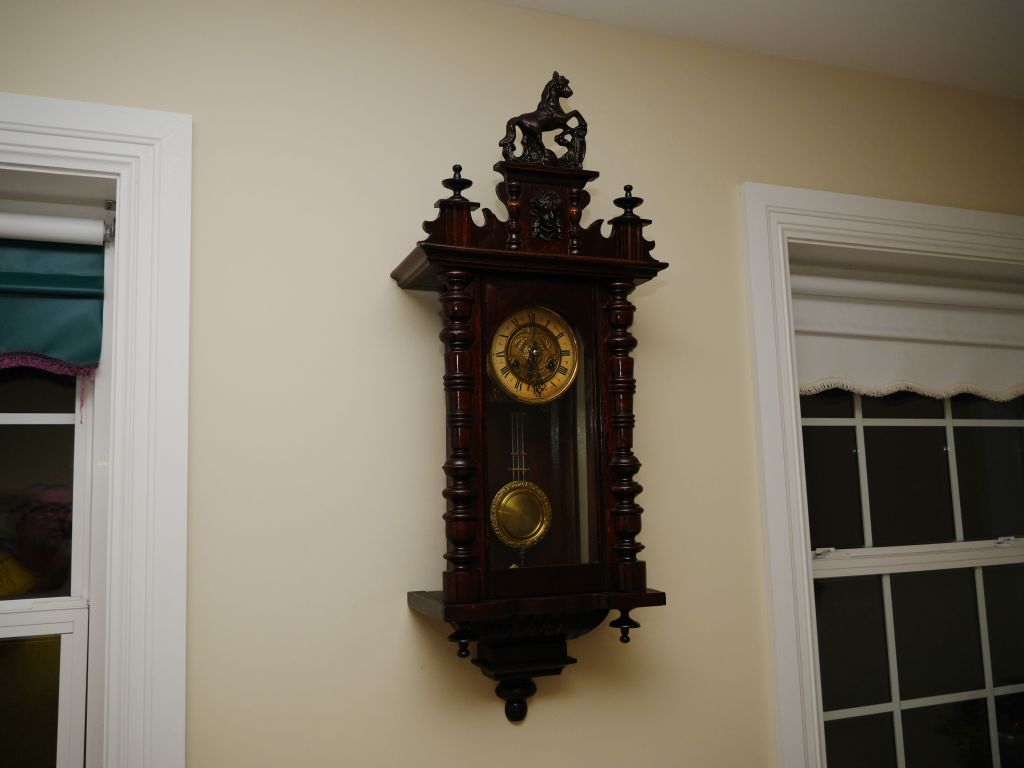
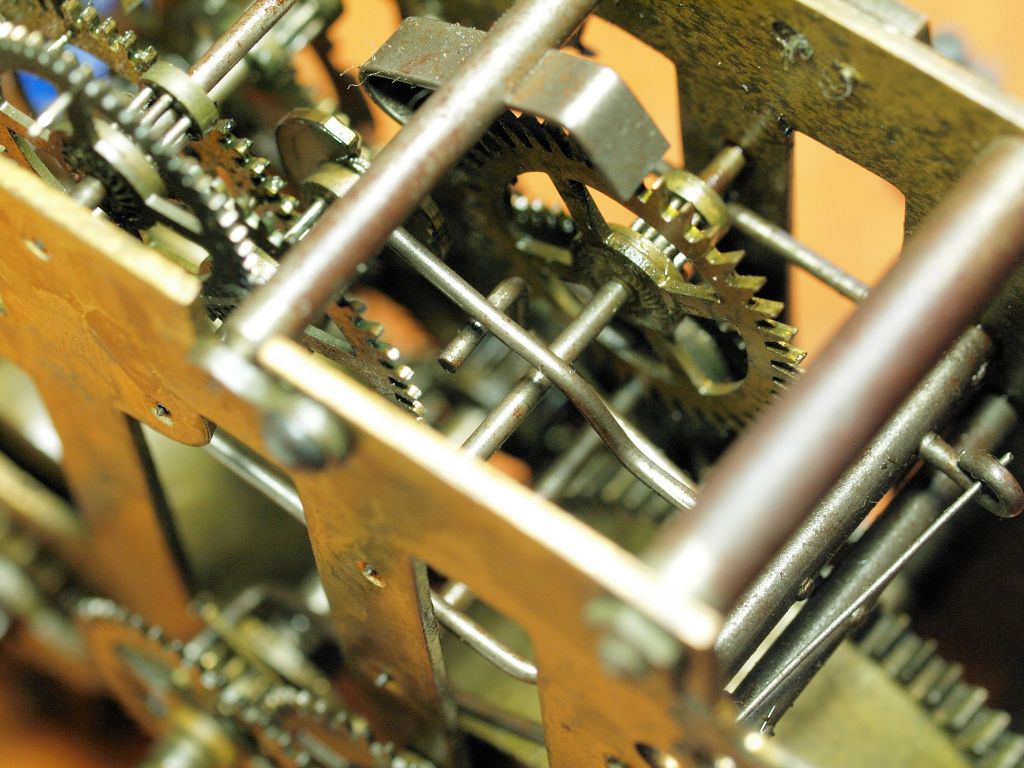
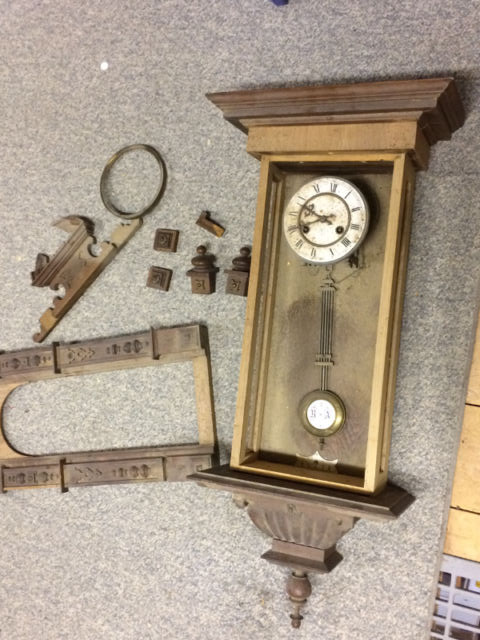
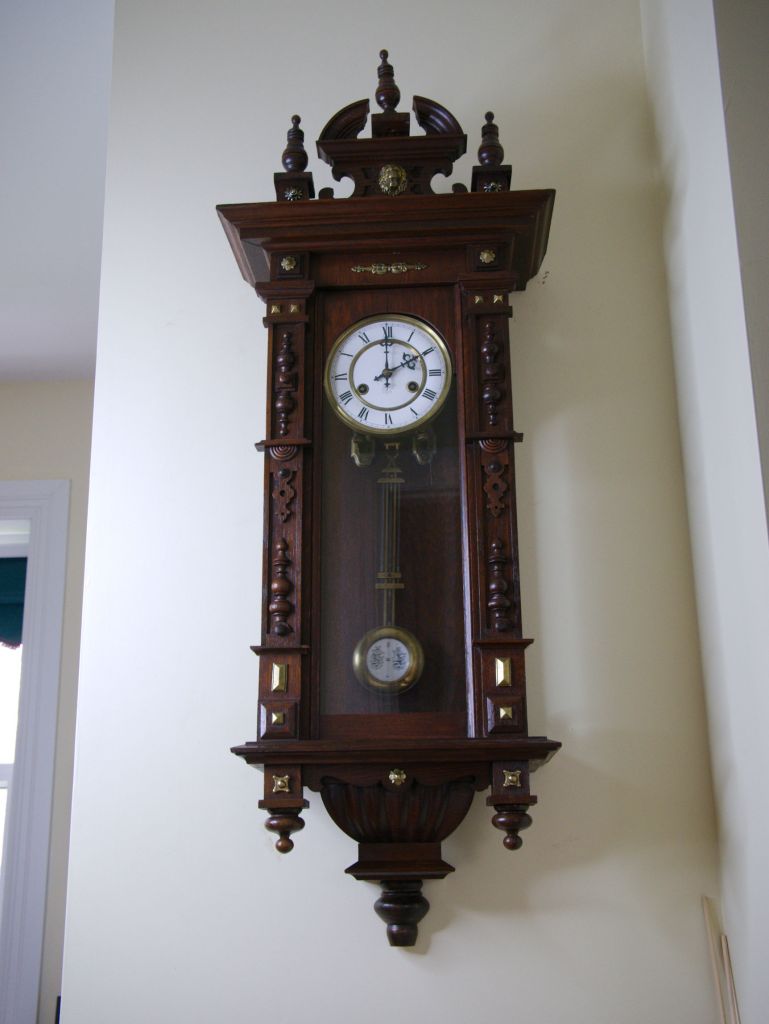
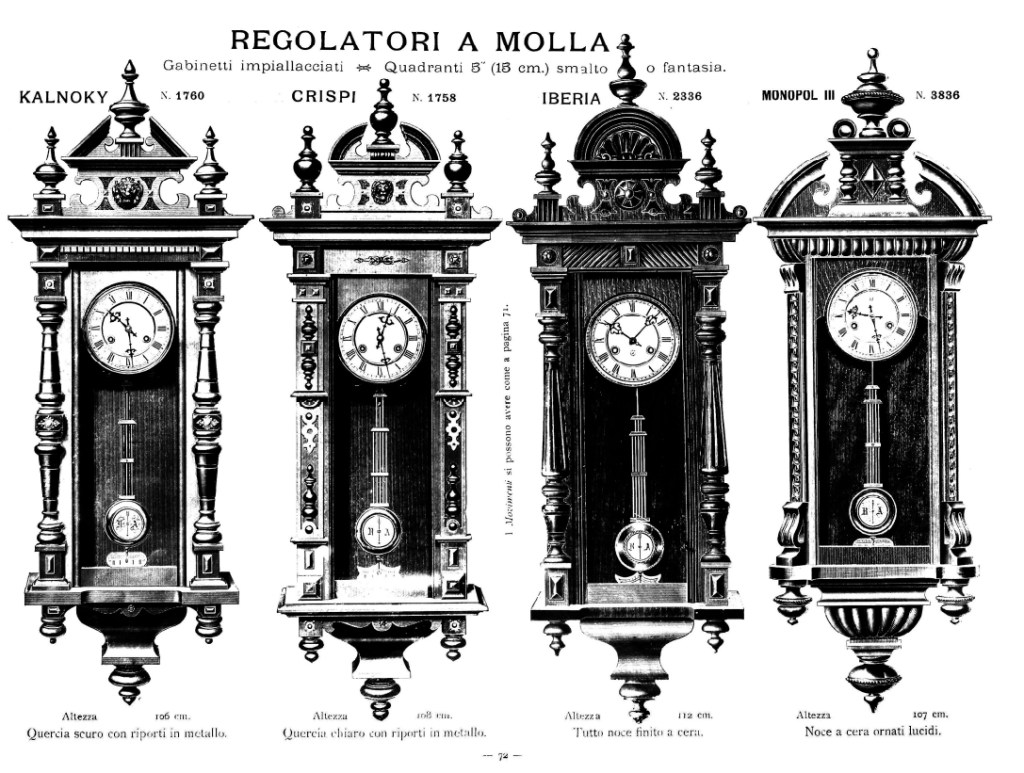
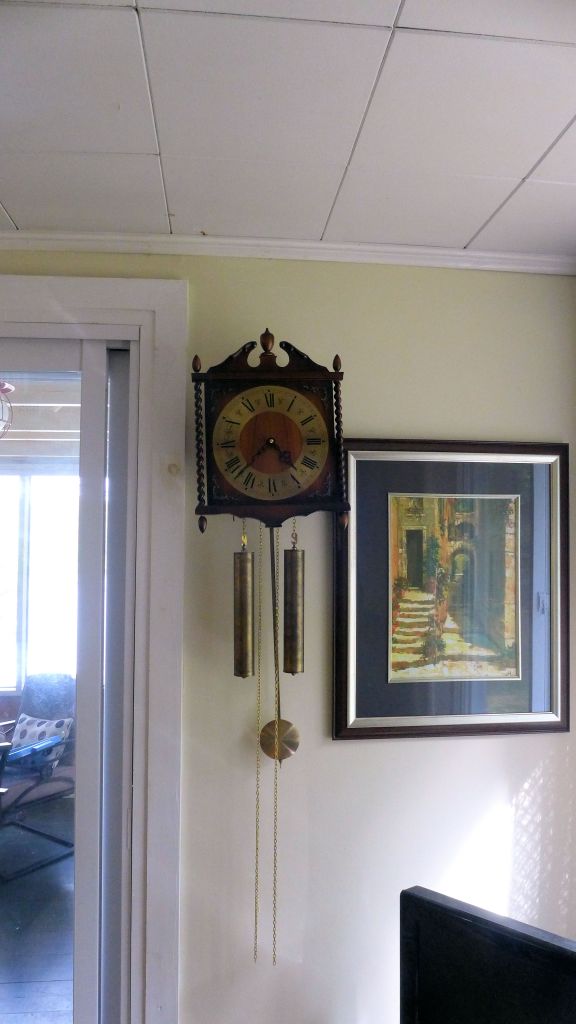




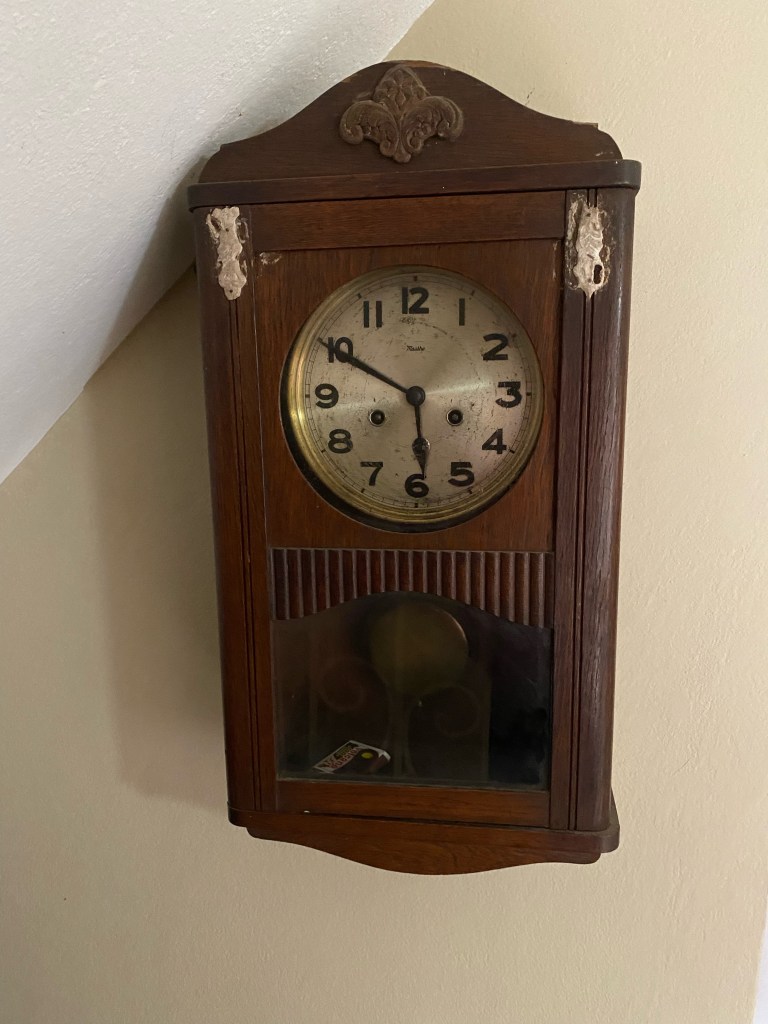
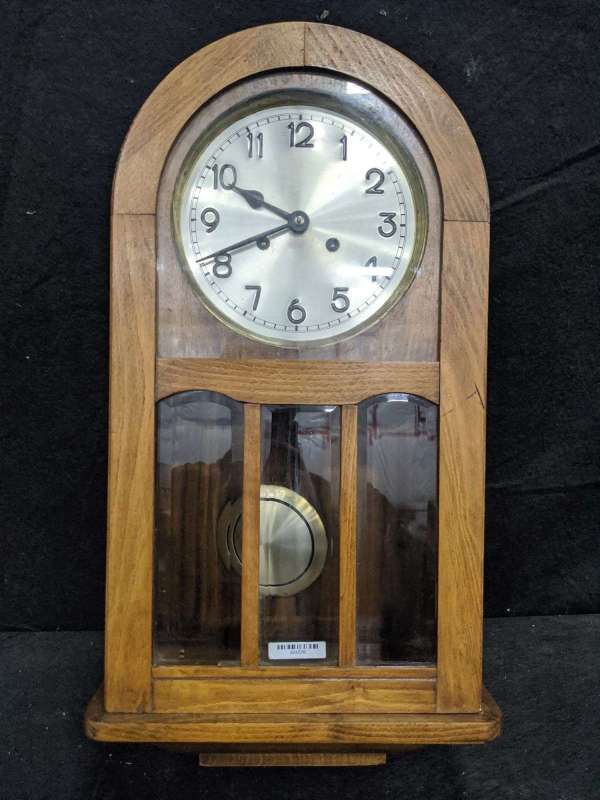


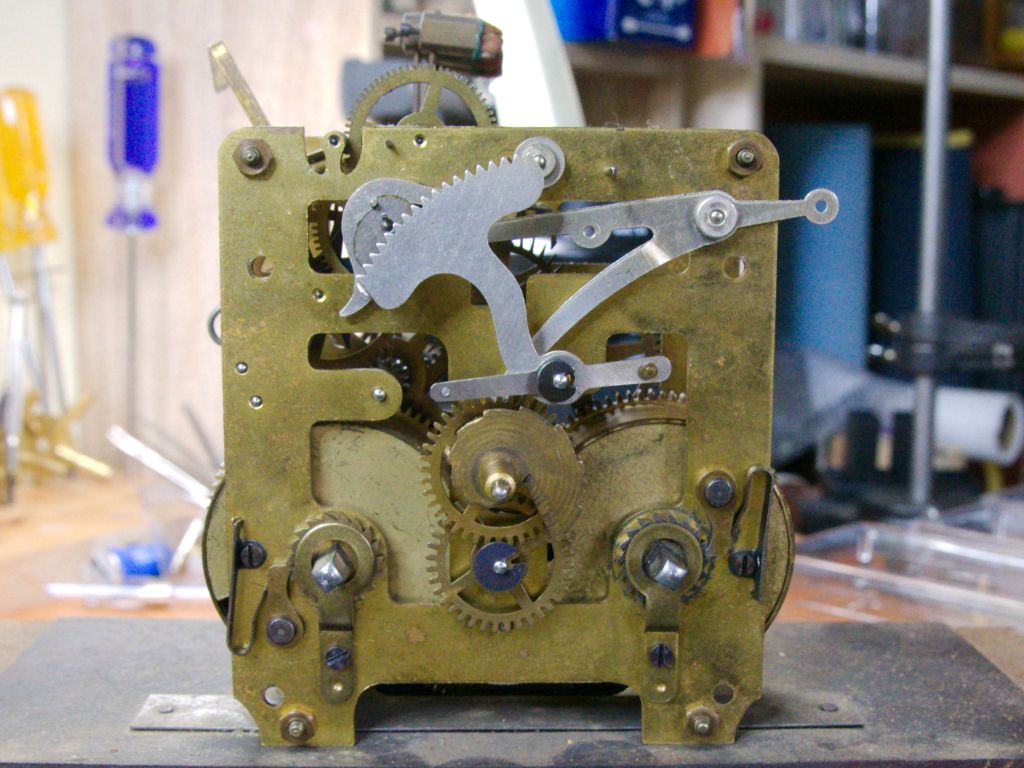
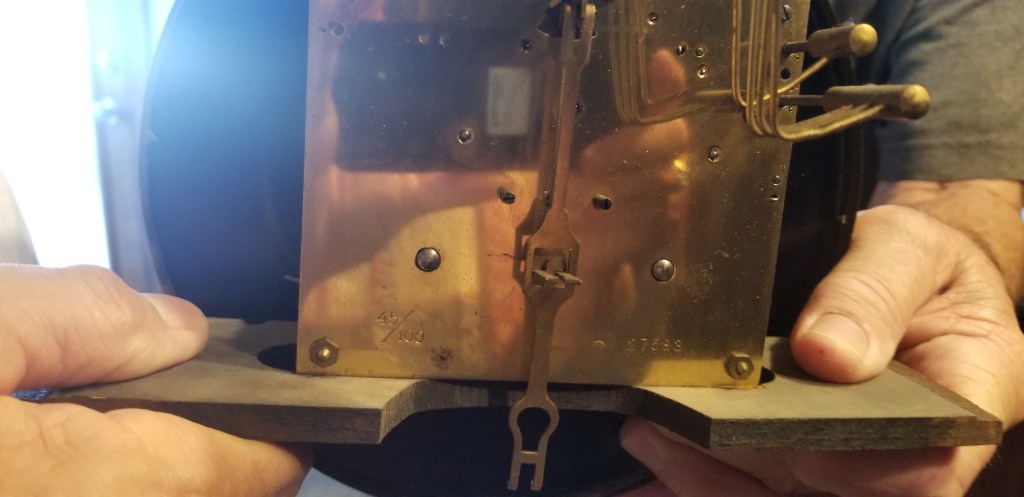

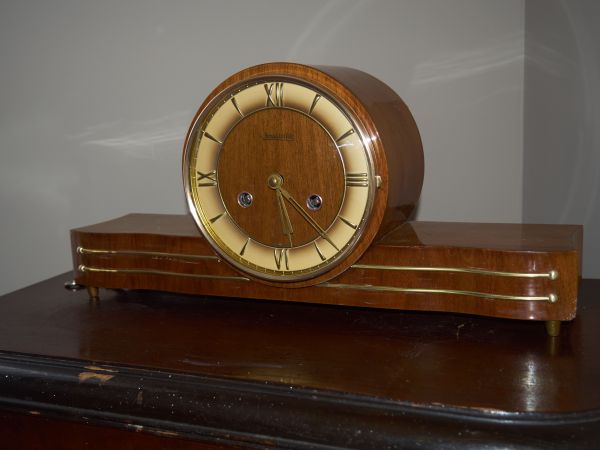
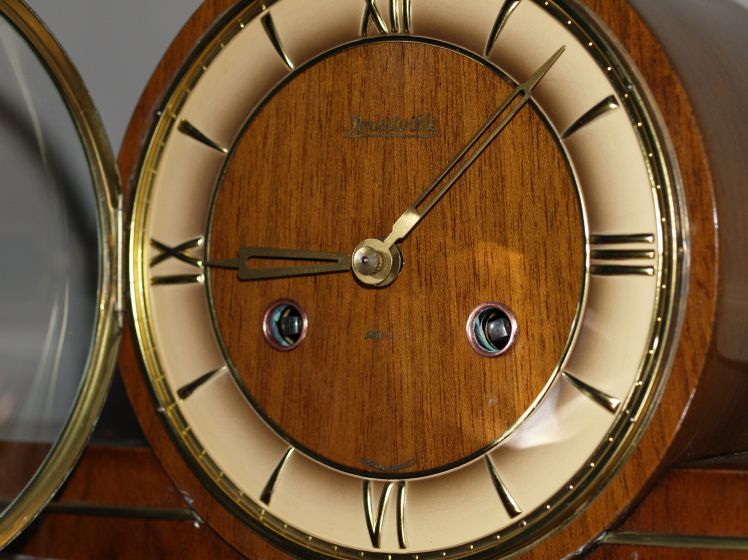
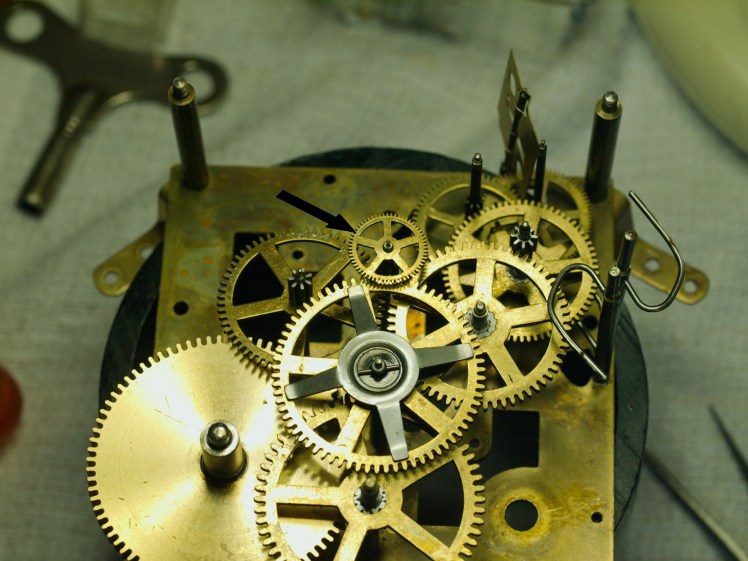
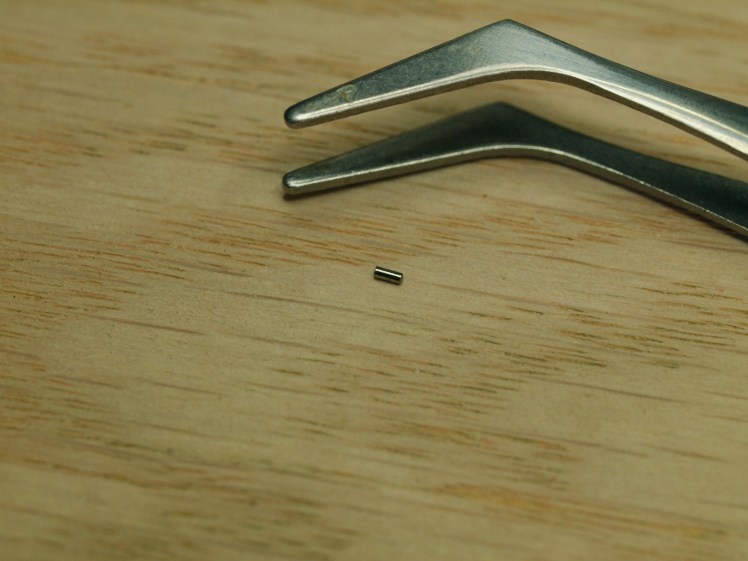
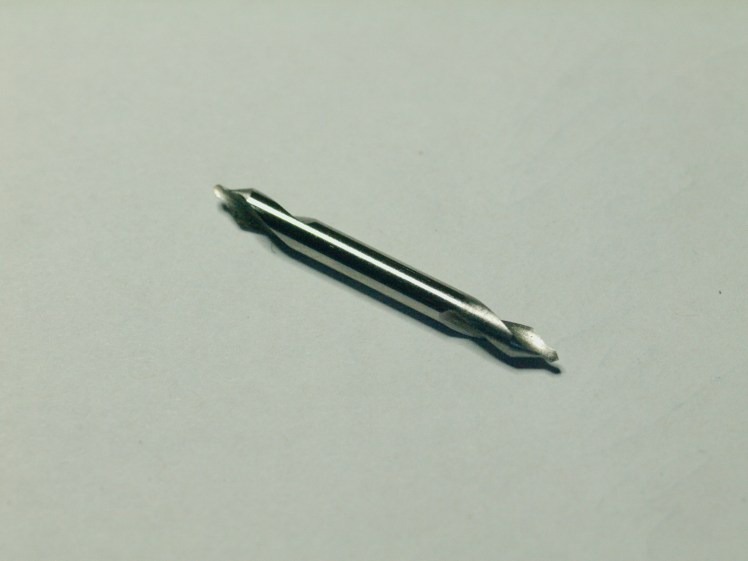
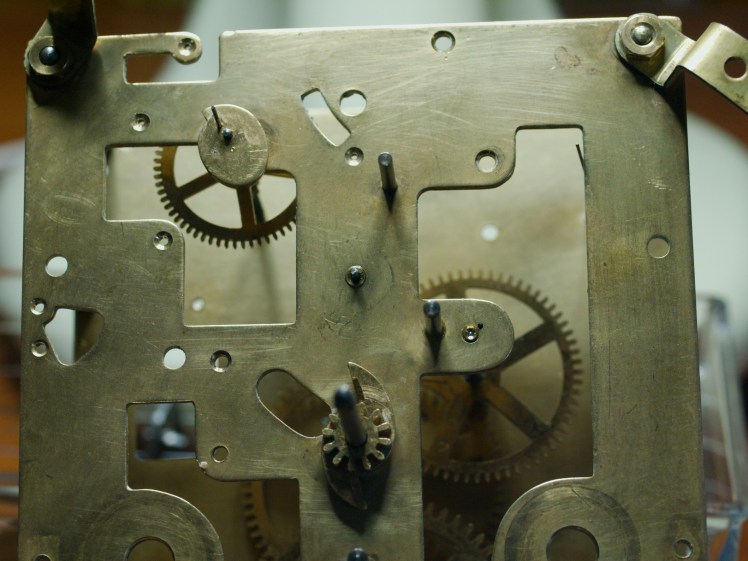
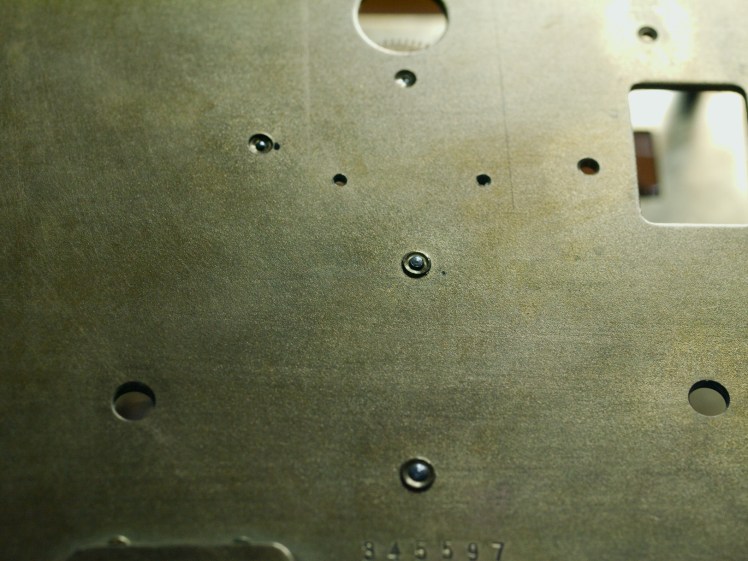
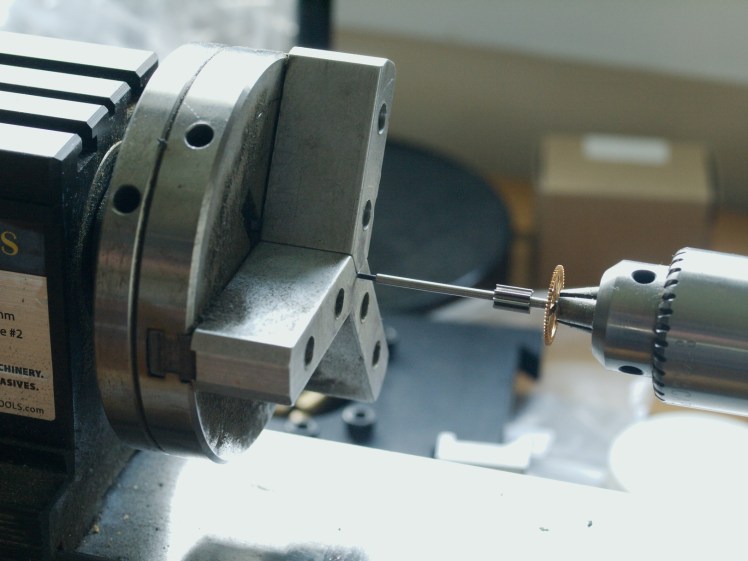
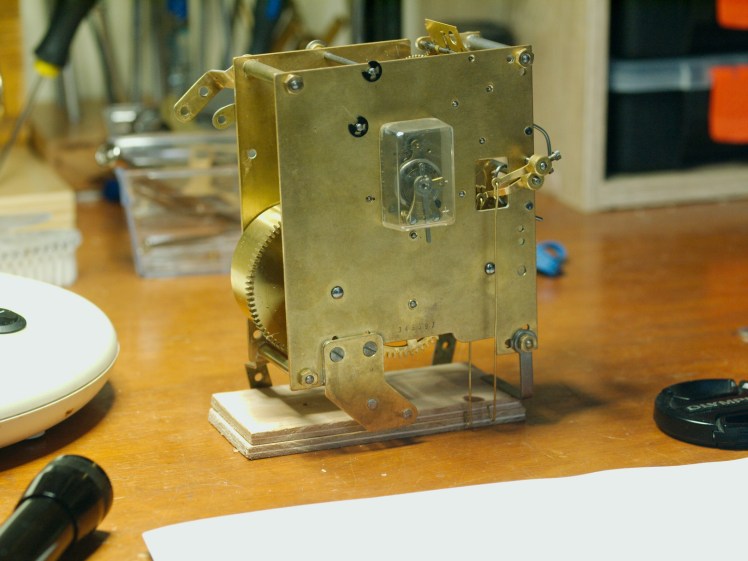
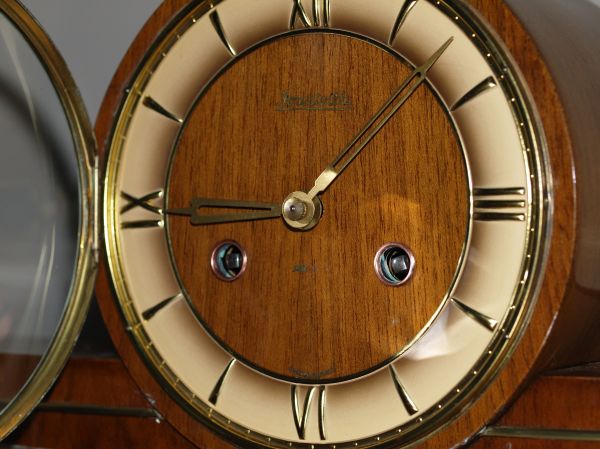
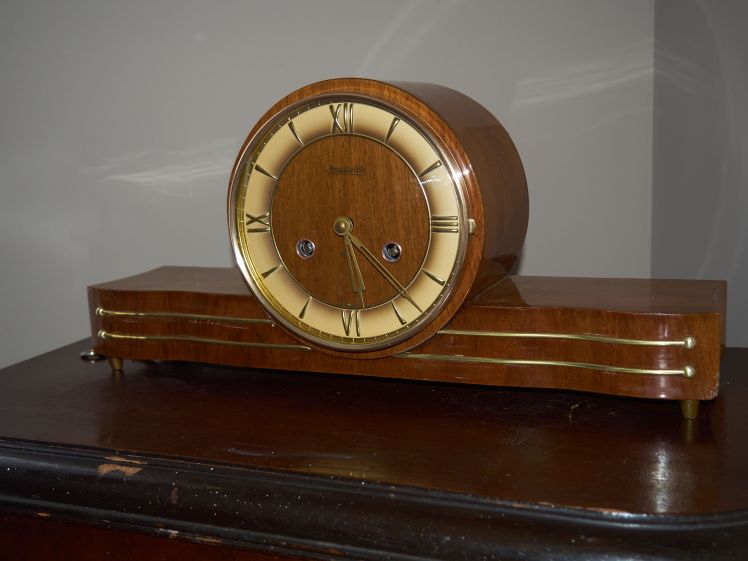
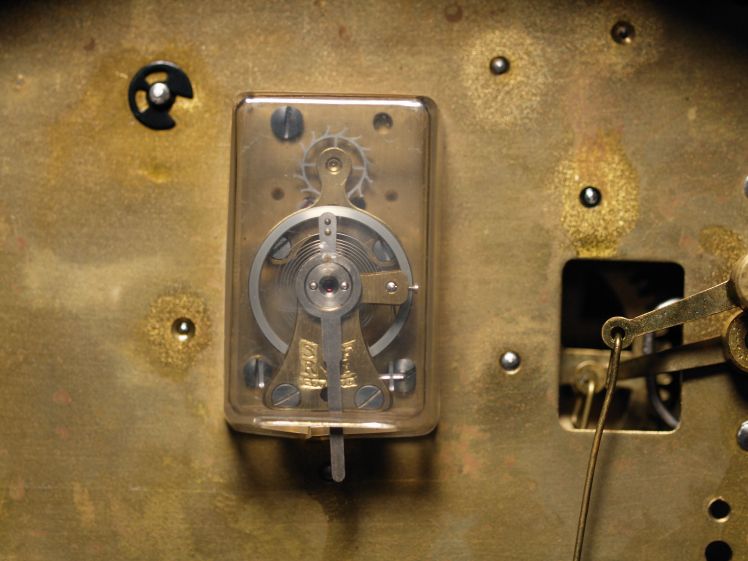
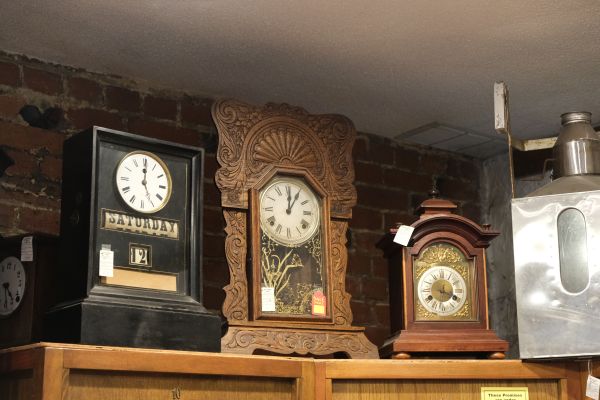
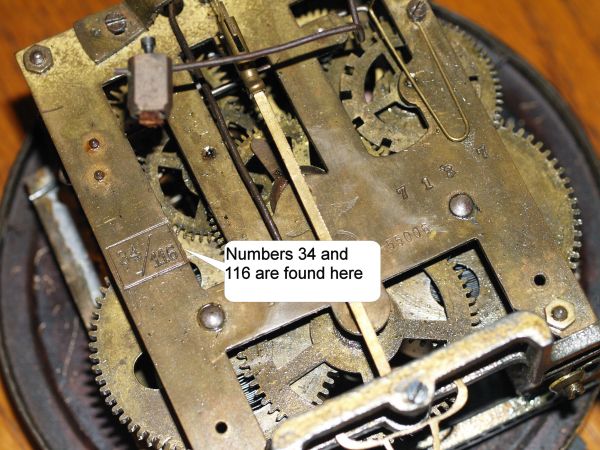


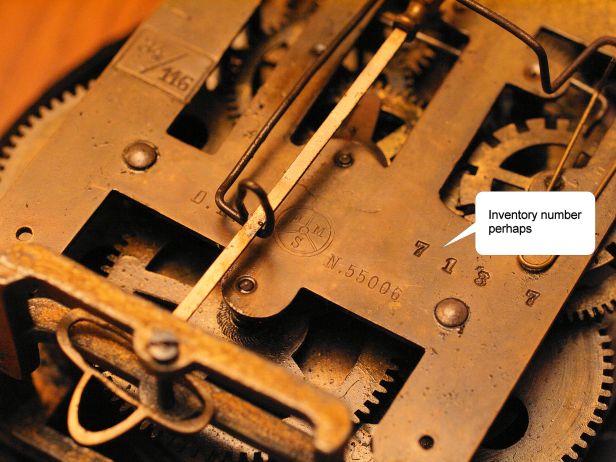
 Antique and Vintage Mechanical Clocks
You must be logged in to post a comment.